Top 18 Caves around Mühlpfad
Best caves around Mühlpfad are primarily located within the Rhein-Hunsrück-Kreis region of Germany, an area known for its historical slate mining industry. This landscape features both natural formations and remnants of industrial activity, offering insights into the region's geological and human history. Many of these sites are former slate mines, providing a unique exploration experience. The area's terrain includes valleys and mountains, shaped by centuries of natural processes and mining operations.
Best caves around Mühlpfad
- The most popular caves is…
Last updated: June 27, 2026
Baybachtal Bat Cave (Slate Tunnel)
Highlight • Cave
Translated by Google •
Tip by

Klöckners Kaul slate mine tunnel and rest area
Highlight • Cave
Translated by Google •
Tip by

Sign up now to discover places like this
Get recommendations on the best single tracks, peaks, & plenty of other exciting outdoor places.
Sign up for free
Upper and Lower Laykaul Slate Caves
Highlight • Cave
Under a huge slate rock, a man-high opening gives access to the huge "Untere Laykaul" cave, which has been expanded with tunnels. At the end of the at …
Translated by Google •
Tip by

Prinzenstein Mine Tunnel in Brandswald
Highlight • Cave
Translated by Google •
Tip by
Marian grotto
Highlight • Religious Site
Two benches are available on the way for a rest.
Translated by Google •
Tip by
Sign up for free to discover even more caves around Mühlpfad.
Sign up for free
Already have an account?
Start today with a free account
Your next adventure awaits.
Login or Signup
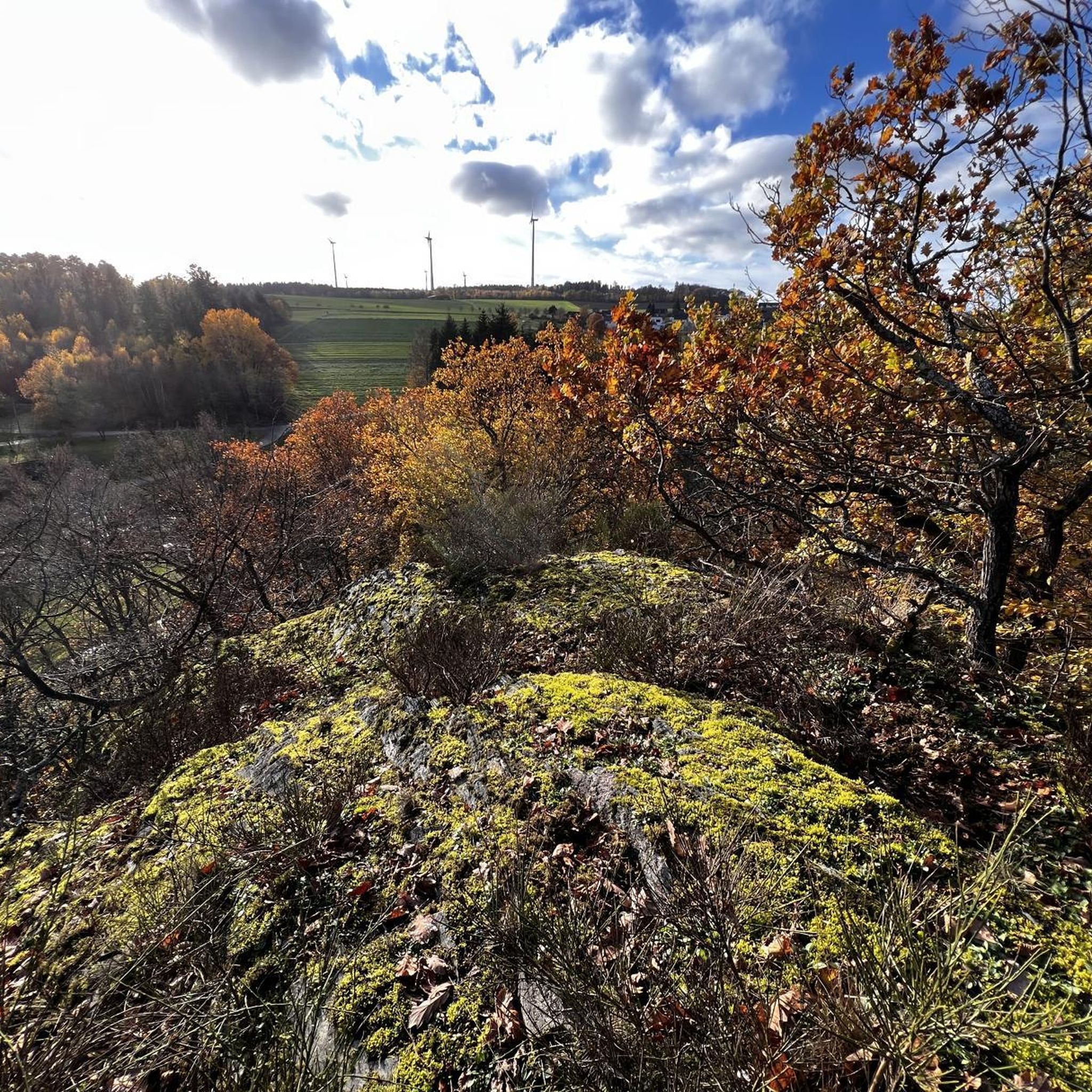
Tips from the Community

Hello, The adit is not suitable for beginners. You have to wade through at least half a kilometer of waist-deep water to 100m deep shafts. If you have questions, feel free to send a message on Instagram: @marlon.nix
0
0

An impressive natural monument. If you hike the trail in autumn or winter, the next 500 meters to the Rheinblick shelter are very difficult. The path leads steeply uphill to the right of the cave. The rocks are completely covered in leaves, so you have to clear them step by step with one foot to see where you're placing your next foot. The safety rope is of very limited help in this situation. So climb very slowly and carefully, and use your trekking poles judiciously. At the Rheinblick shelter, you can then take a breather.
1
0

large rocky outcrop as a shelter and as a wintering place for bats
3
0

A slate mine with a nice rest area and information board.
2
0

There are quartz veins between the slate layers. You don't see them very often. The cave is damp from the dripping water, which makes it seem mystical.
0
0

This evidence of the former slate mining in the Baybachtal can be found in several places.
2
0

Even if it's tempting: Don't go in (even if the cave is open) and disturb the bats, because then they might not survive hibernation!
2
0

The tunnel is located in the forest directly on the RheinBurgenWeg hiking trail. A certain spooky atmosphere when approaching cannot be denied.
0
0
Frequently Asked Questions
What kind of caves can I explore around Mühlpfad?
The caves around Mühlpfad are primarily former slate mines located in the Rhein-Hunsrück-Kreis region. They offer a unique blend of natural formations and historical industrial activity, providing insight into the region's geological and mining past. Some also served as wartime shelters.
Are there any family-friendly caves to visit near Mühlpfad?
Yes, the Klöckners Kaul slate mine tunnel and rest area is considered family-friendly. It features a thoughtfully designed rest area alongside the historical mining site, making it suitable for visitors of all ages to appreciate the history and natural surroundings.
What is the historical significance of the caves in this region?
Many caves in the Mühlpfad area are former slate mines, showcasing the region's industrial heritage. For example, the Baybachtal Bat Cave (Slate Tunnel) is a former roof slate pit with extensive tunnels. The Upper and Lower Laykaul Slate Caves also served as air-raid shelters during wartime, earning them the nickname 'Zittertal' (Trembling Valley).
What should I wear or bring when exploring caves around Mühlpfad?
Conditions inside caves can vary. It's generally recommended to wear sturdy shoes and bring a flashlight, especially for deeper or less developed mine tunnels. Layers of clothing are also advisable as cave temperatures can be cooler than outside.
Are there any caves that are difficult to access?
The Upper Laykaul Slate Cave, part of the Upper and Lower Laykaul Slate Caves, has challenging access. Following a significant rockfall, only a small opening remains, leading steeply down into the cave over leaves and rubble.
Can I explore the Prinzenstein Mine Tunnel in Brandswald?
The main entrance to the Prinzenstein Mine Tunnel in Brandswald is sealed with a concrete block. However, a small hole carved into the slate next to it allows slim or small people to slip through. This tunnel is located directly on the RheinBurgenWeg hiking trail.
What outdoor activities can I do near the caves around Mühlpfad?
The region offers various outdoor activities. You can find numerous cycling routes, including sections of the Schinderhannes Cycle Path, by exploring Cycling around Mühlpfad. For runners, there are several running trails around Pfalzfeld and Norath, detailed in Running Trails around Mühlpfad.
Is there a religious site among the caves?
Yes, the Marian grotto is a small, accessible rock niche with a Madonna statue. It's reachable via a staircase and is lovingly cared for, offering a peaceful spot for reflection.
What is special about the Baybachtal Bat Cave?
The Baybachtal Bat Cave (Slate Tunnel) is a former roof slate pit with spoil heaps and tunnel entrances extending for hundreds of meters. While the entrance is barred to protect its bat inhabitants, the site offers a glimpse into historical slate mining and serves as an important bat habitat.
Are there any specific geological features to look out for in the caves?
Given that many are former slate mines, you can observe mighty slate slabs in earth outcrops, as seen near the Baybachtal Bat Cave. The Upper Laykaul Slate Cave also shows how slate was mined in a trapezoidal shape, following the natural folding of the rock.
What do visitors enjoy most about the caves around Mühlpfad?
Visitors appreciate the unique combination of historical insight and natural beauty. The opportunity to explore old industrial workings, discover places with significant historical use like wartime shelters, and experience the thoughtful integration of nature and history, such as at the Klöckners Kaul slate mine tunnel and rest area, are frequently highlighted.
Most popular routes around Mühlpfad
Most popular attractions around Mühlpfad

Get inspired with the komoot mobile app


Explore more
Extend your search for the best caves by checking out these guides of the top ones around Mühlpfad:
