Top 5 Caves around Rodenberg
Caves around Rodenberg are primarily characterized by historical mining tunnels and adits, reflecting the region's industrial heritage. The area, particularly the Süntel hill range, offers insights into past coal mining operations. While natural cave systems are less prevalent directly in Rodenberg, the surrounding landscape provides various man-made underground structures. These sites offer a glimpse into geological formations and historical work environments.
Best caves around Rodenberg
- The most popular caves is Feggendorfer Adit, a historical site that allows visitors to…
Last updated: October 13, 2026
Feggendorfer Adit
Highlight • Historical Site
Translated by Google •
Tip by

Seating grotto at the Ministerstollen
Highlight • Structure
Translated by Google •
Tip by

Sign up now to discover places like this
Get recommendations on the best single tracks, peaks, & plenty of other exciting outdoor places.
Entrance to the Egestorfer Stollen
Highlight • Historical Site
Translated by Google •
Tip by

König-Wilhelm-Stollen
Highlight • Historical Site
Translated by Google •
Tip by
Start today with a free account
Your next adventure awaits.
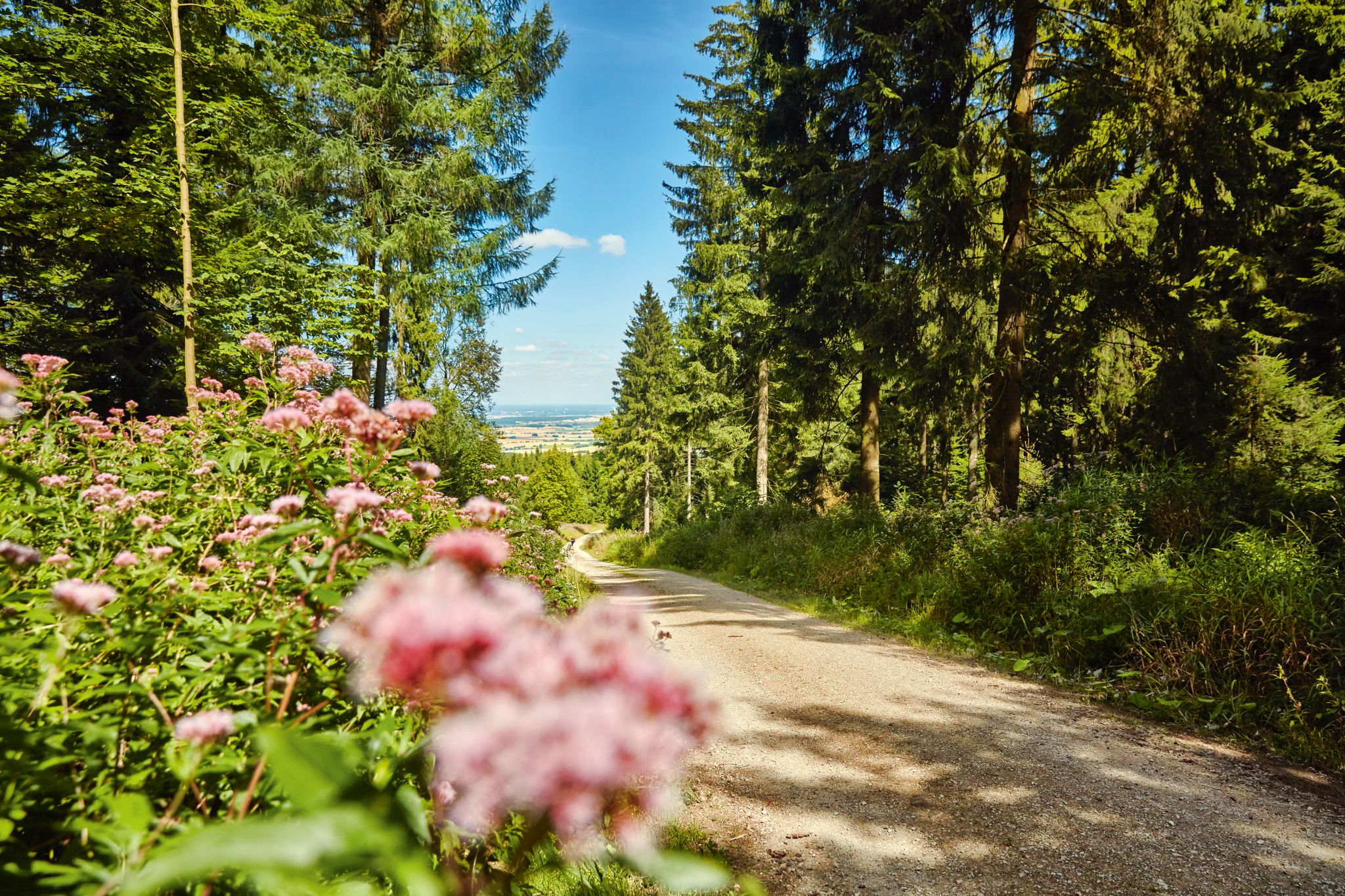
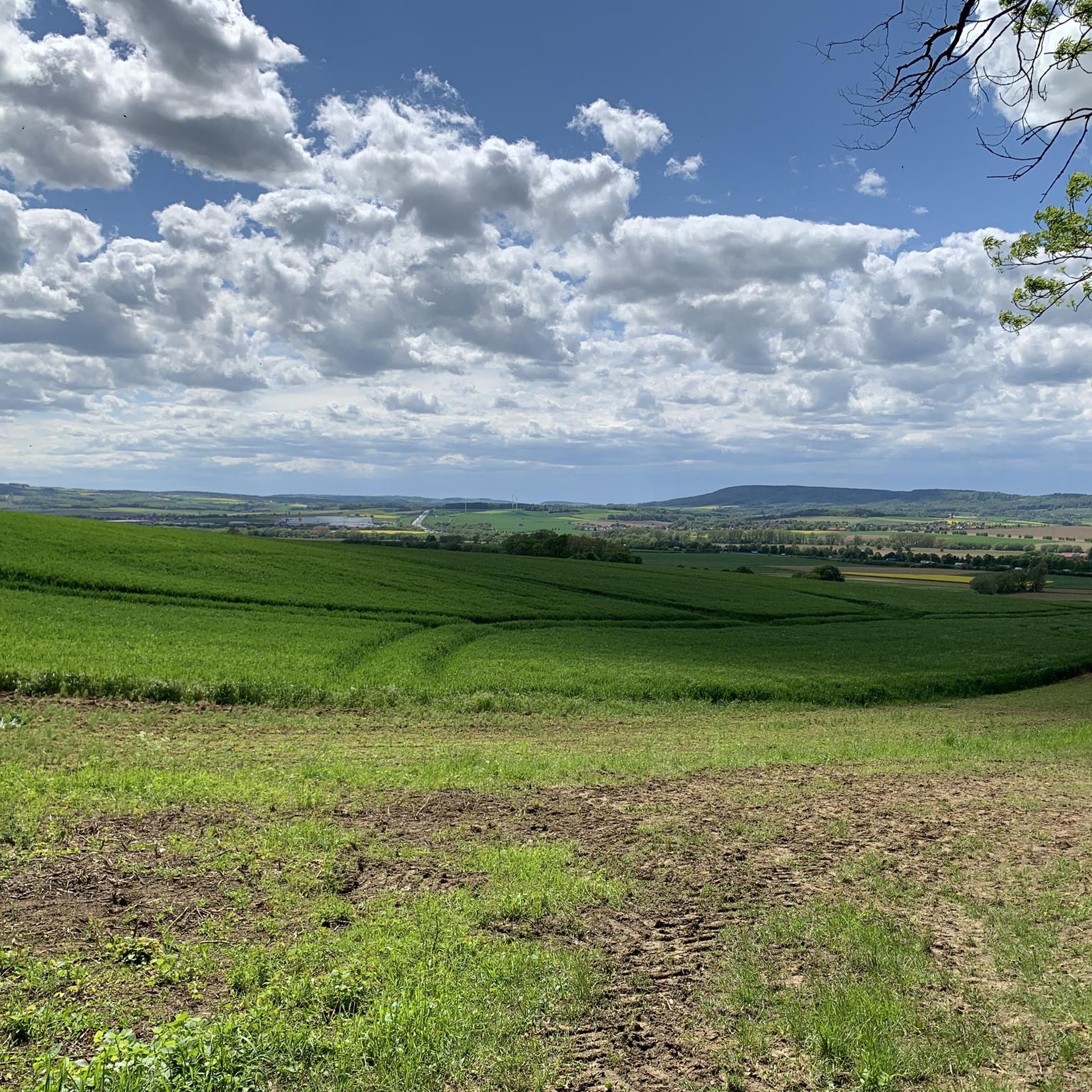
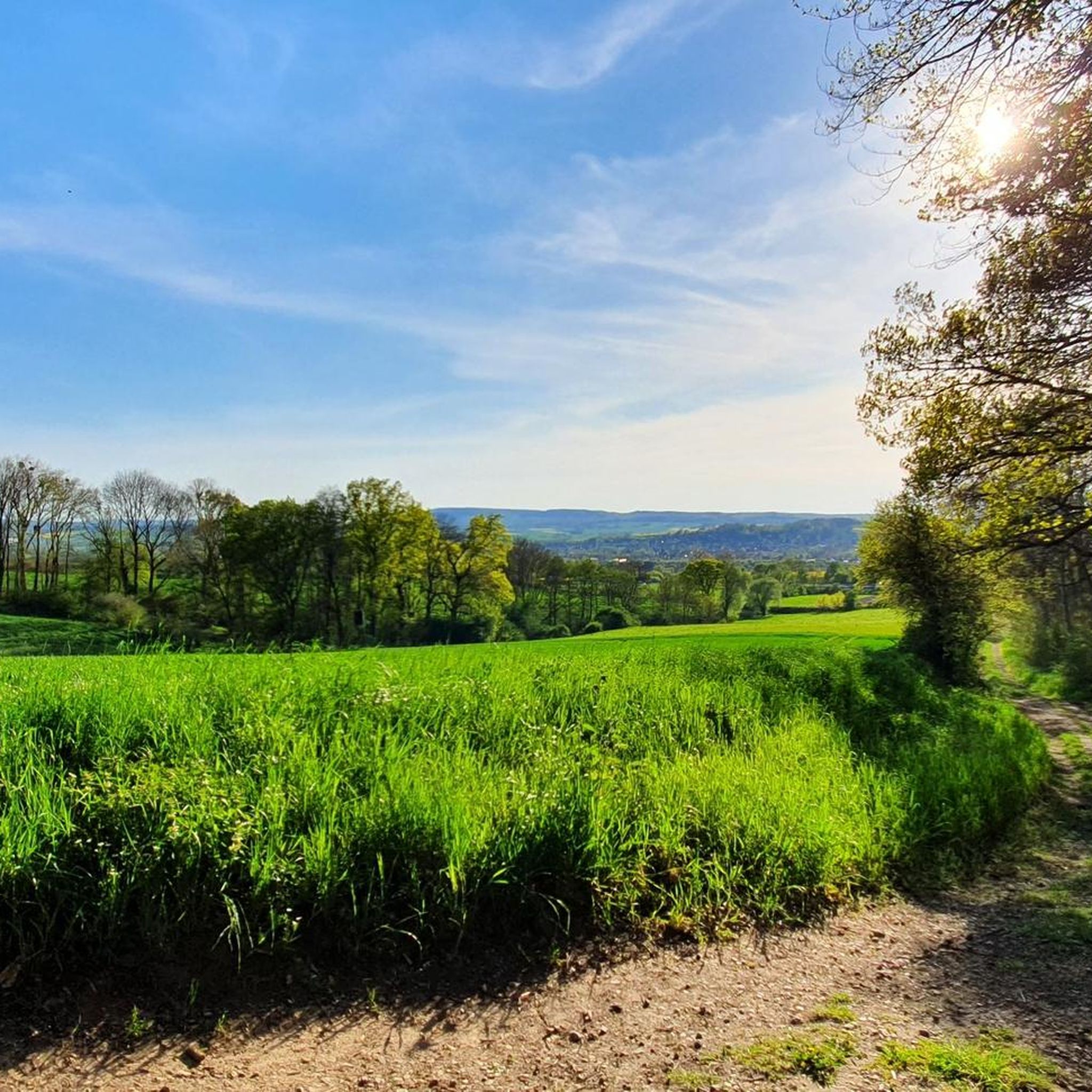

Other adventures around Rodenberg

Tips from the Community

Named after the farm owner Giesecke. "It earned its name in the presence of a minister who was present to settle a dispute by approaching the minister from among those present and giving all the necessary information about the regulation. This resulted in the minister immediately agreeing to the proposals." The tunnel was opened in 1845 and operated until 1875. In 1864, 21,800 tonnes of coal were produced. A railway line was built from the tunnel entrance in 1860, which took the coal to Rehrbrinkstrasse. The line was in operation until 1896. Today, not much of this factory can be seen, but in the seating grotto you can meditate a little on the meaning of life, like the miners did back then. Source: https://www.barsinghausen.de/regional/touren/erlebnistour-2-bullerbachtal-903000002-20002.html?title=erlebnistour+2+-+Bullerbachtal
1
0

The information board is very well done and provides you with some information about the tunnel here and the coal mining in the Deister. On the other side of the path you can walk a bit along the spoil heap. The stream that carries the water from the old tunnel also runs along there.
1
0

Mining history to experience and touch
0
1
Mining history to experience and touch
0
2
The Egestorfer Stollen is a listed former mining tunnel in the Deister near Barsinghausen's Egestorf district in the Hanover region. The Egestorfer tunnel was driven from May 1874 in order to reach further, deeper-lying coal deposits. The mining rights for the area had already been auctioned in 1854 for 30,717 thalers by the mining administration. At the mouth of the Stockbach, an area first had to be leveled for the necessary operating buildings. After driving 608 m in 1876, a 50 to 63 cm thick seam was developed. The coal was eventually transported from the 720 m long tunnel over a braking hill and with the help of horses over 1.2 km to a loading track on the Deisterbahn, which opened in 1872, and transported away by train. In 1877, 273 miners were employed in the Egestorfer tunnel. The output rose to 45,272 t by 1883/84 and remained at this level until 1897, when it fell due to exhaustion of the reserves and the output was stopped for the time being on November 1, 1898 after a total of 1.3 million tons of coal had been mined. The Egestorfer tunnel was also used to ventilate the monastery tunnel, for which there had been a breakthrough since 1882. In the years 1914/15 to 1920/21, coal was once again mined in quantities of 50 to 80 tons annually via the Egestorfer tunnel. In 1983, the plan to expand the easily accessible Egestorfer tunnel into a visitor mine failed because bats had settled here in the meantime. Instead, the Barsinghausen monastery tunnel became a visitor mine. Source: https://de.wikipedia.org/wiki/Egestorfer_Stollen
1
0
The first mention of a coal seam can be found in 1738. Excavation only began on October 31, 1831. After 103 meters, mining could begin in 1832. The mined coal was used to supply local industrial plants and as domestic fuel and forge coal. In 1862, the Feggendorfer tunnel was penetrated by a direct connection to the Hohenbostel tunnel. The natural air circulation created by the approximately 100 m difference in height between the two mouths was used for ventilation. Annual production rose from 840 t to 1600 t and finally fell to 540 t. In 1879, the mine was closed for economic reasons, but was maintained to ventilate the Hohenbostel tunnel until 1895, when it was closed. In 1917, the last year of the First World War, the tunnel was reopened and expanded after a 40-year break due to the poor supply situation. In 1921, 139 men mined 80 to 90 tons per day. The mine was officially closed in 1947, but continued to be used on a small scale until 1952. In that year, all usable facilities were demolished and the access was blown up. The tracks and the mine cars were used in other Deister mines. Source: https://de.wikipedia.org/wiki/Feggendorfer_Stolln
3
0

In the past, hard coal was mined here and brought down via the braking distance. You can see the mine house, old carts, unused rails, the entrance to the tunnel and old and new tools. There is also plenty of space to take a break before completing the ascent to Kreuzbuche.
6
0

Very interesting, with several stations. Worth seeing at all. Has history and somehow something that triggers places
5
1
Frequently Asked Questions
What types of caves can I explore around Rodenberg?
The Rodenberg area is primarily known for its historical mining tunnels and adits, which offer insights into the region's industrial heritage. These include sites like the Feggendorfer Adit and the König-Wilhelm-Stollen. For natural cave experiences, the nearby Süntel hills feature the Schillat Cave, Germany's northernmost stalactite cave.
Are there natural caves with unique geological features near Rodenberg?
Yes, the most significant natural cave in the vicinity is the Schillat Cave, located in the Süntel hills. It is renowned for its stalactites, rock paintings, sparkling crystals, and glowing stones. Visitors can explore areas like the 'Fairytale Forest' and learn about Earth's history.
Which caves offer guided tours or a more structured visitor experience?
The Feggendorfer Adit provides guided tours and 'taster shifts' where you can experience mining firsthand. The Schillat Cave also offers guided tours, which are the only way to visit this natural wonder.
Are there family-friendly cave experiences around Rodenberg?
The Feggendorfer Adit is considered family-friendly, offering an engaging and educational experience for all ages with its guided tours into the historical mine. The Schillat Cave, with its mystical atmosphere and geological formations, is also suitable for families.
What historical insights can I gain from visiting the caves in this region?
Many sites, such as the Feggendorfer Adit, the Seating grotto at the Ministerstollen, and the König-Wilhelm-Stollen, are former coal mines. They offer a direct look into the region's mining past, with information boards and authentic settings detailing the operations and lives of miners.
What outdoor activities can I combine with a visit to the caves?
The area around Rodenberg offers various outdoor activities. You can find numerous hiking trails that often incorporate historical mining sites. There are also road cycling routes and running trails nearby, allowing you to explore the scenic landscape.
Are there any specific wildlife considerations when visiting caves?
Yes, for example, the Entrance to the Egestorfer Stollen is known to be a habitat for bats. This is a common occurrence in many disused mining tunnels, and visitors should respect these natural inhabitants and any associated access restrictions.
Where can I find refreshments or a place to eat near the caves?
Near the Schillat Cave, there is a café and beer garden at the 'Huthaus' where you can enjoy regional products. Additionally, the Bärenhöhle Restaurant is located in the vicinity, offering food and drinks.
What should I wear or bring for a cave visit?
For cave visits, especially in natural caves or historical adits, it's advisable to wear sturdy, closed-toe shoes and bring a jacket or warm layers, as temperatures inside caves are consistently cool regardless of the outside weather. If you're on a guided tour of a mine, helmets and lamps are often provided.
Is it possible to visit smaller, less-known caves or fissures?
While there are mentions of smaller sites like the Oberberg fissure and Fuchsloch Cave in the Süntel area, detailed visitor information is less available. The Oberberg fissure, in particular, is advised against entering due to its unstable nature. It's best to stick to well-documented and guided sites for safety.
What do visitors appreciate most about the caves around Rodenberg?
Visitors frequently highlight the authentic experience of exploring historical mining sites, with many appreciating the detailed information provided and the opportunity to understand the region's industrial past. The guided tours, like those at the Feggendorfer Adit, are often praised for being engaging and fun for all ages.
Most popular routes around Rodenberg
Most popular attractions around Rodenberg

Get inspired with the komoot mobile app


Explore more
Extend your search for the best caves by checking out these guides of the top ones around Rodenberg:
