Top 7 Caves around Riegel
Caves around Riegel are primarily found in the surrounding region of Baden-Württemberg, particularly within the Kaiserstuhl area. This region is characterized by its unique loess landscapes and volcanic origins, which contribute to the formation of various subterranean features. While natural caves are less common directly in Riegel, the area offers man-made tunnels and loess caves. These sites provide insights into local geology and historical human activity.
Best caves around Riegel
- The most popular caves is Löss Cave Tunnel, a…
Last updated: June 27, 2026
Erleloch Tunnel
Highlight • Cave
Translated by Google •
Tip by

Löss Cave Tunnel
Highlight • Cave
Translated by Google •
Tip by

Sign up now to discover places like this
Get recommendations on the best single tracks, peaks, & plenty of other exciting outdoor places.
Sign up for free
Bergmannsloch and Mining Remains in the Kammergraben
Highlight • Historical Site
Halfway up to the castle meadow there is a tunnel mouth …
Translated by Google •
Tip by

Loess Cave in Kaiserstuhl
Highlight • Cave
Translated by Google •
Tip by
Grüsselisloch Cave
Highlight • Cave
Translated by Google •
Tip by

Sign up for free to discover even more caves around Riegel.
Sign up for free
Already have an account?
Start today with a free account
Your next adventure awaits.
Login or Signup
Popular around Riegel
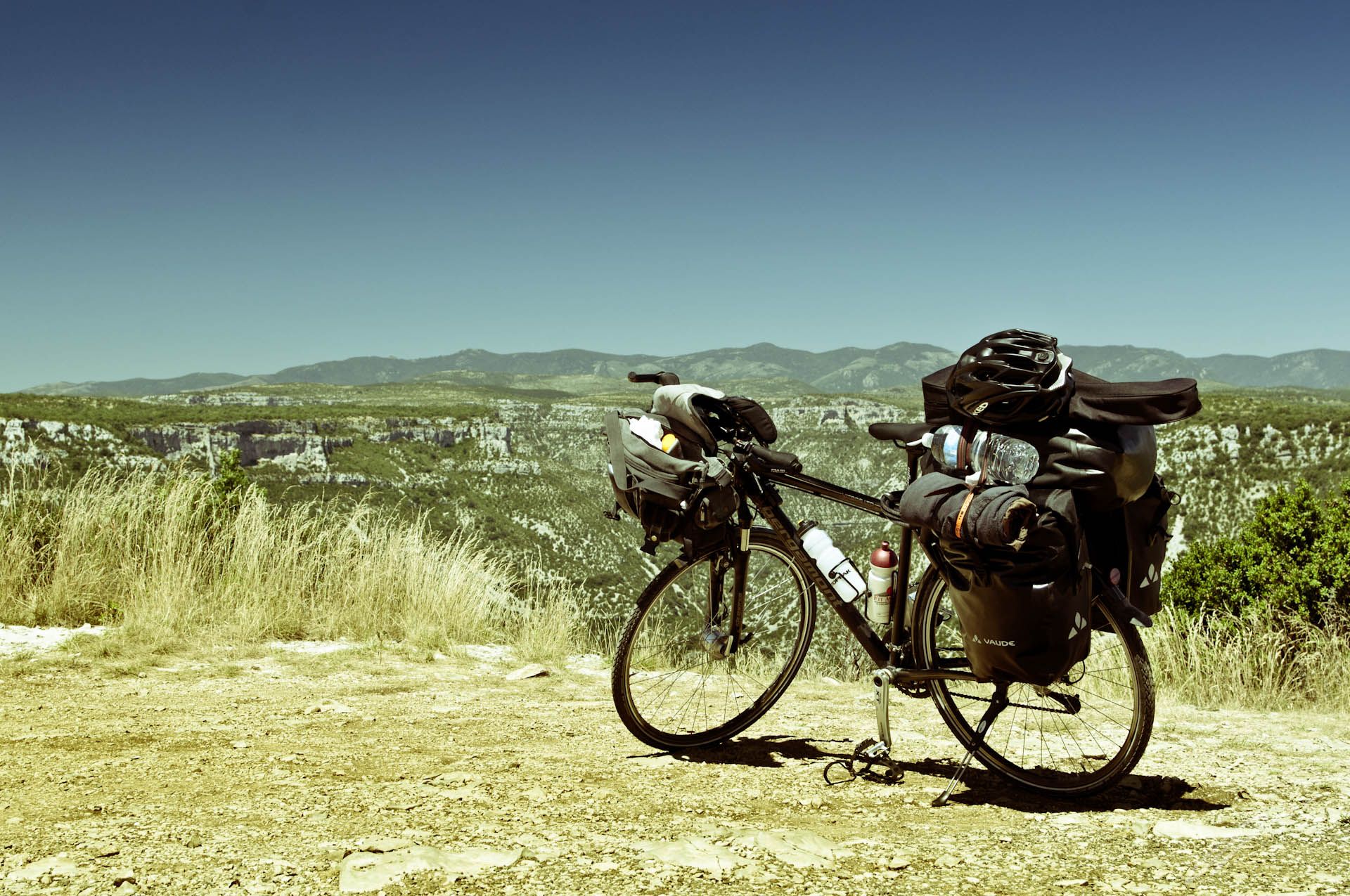
Follow the sun – riding from Germany to the south of France
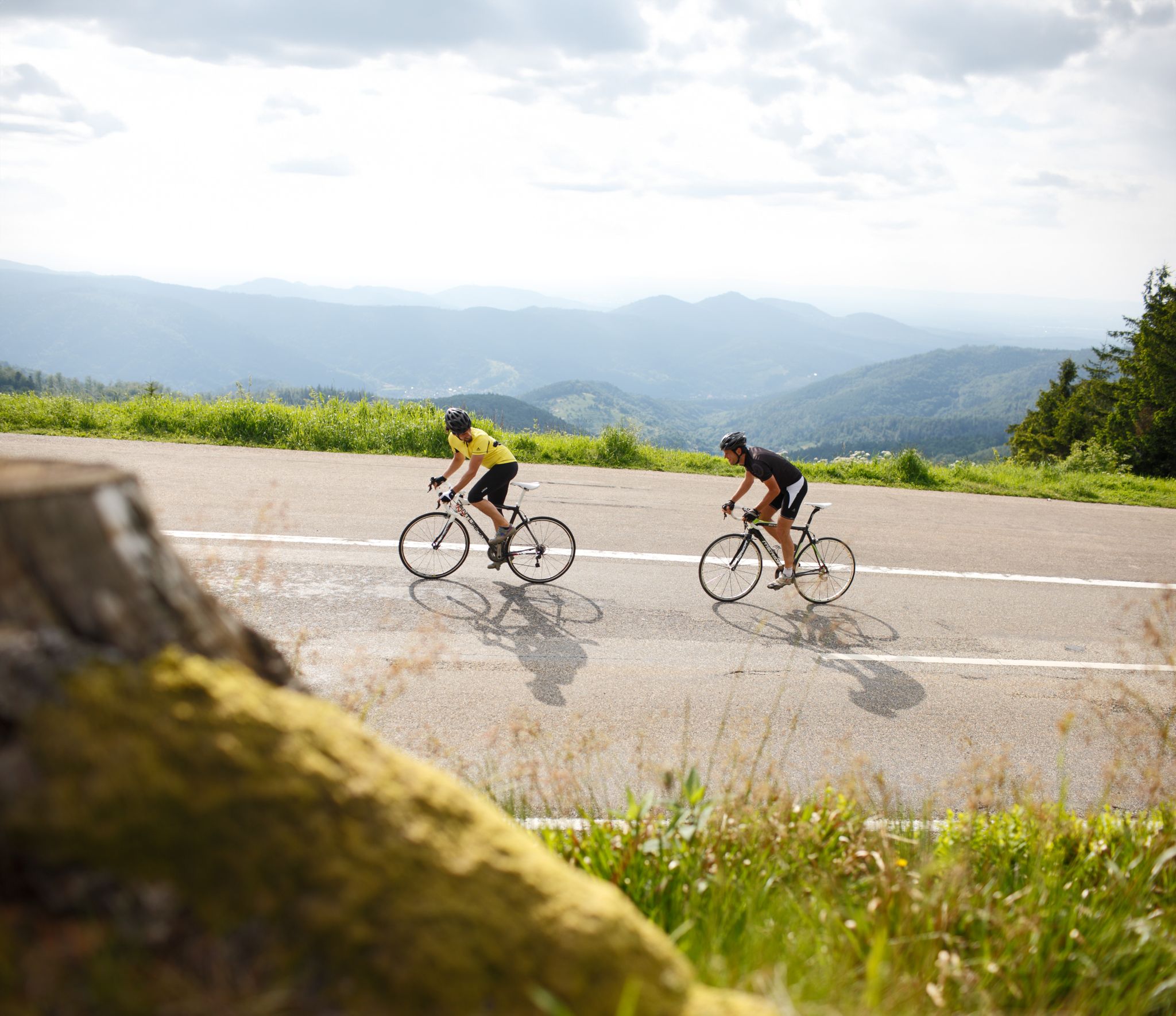
Experience the south of Germany on the Future Racing Bike Pros’ routes
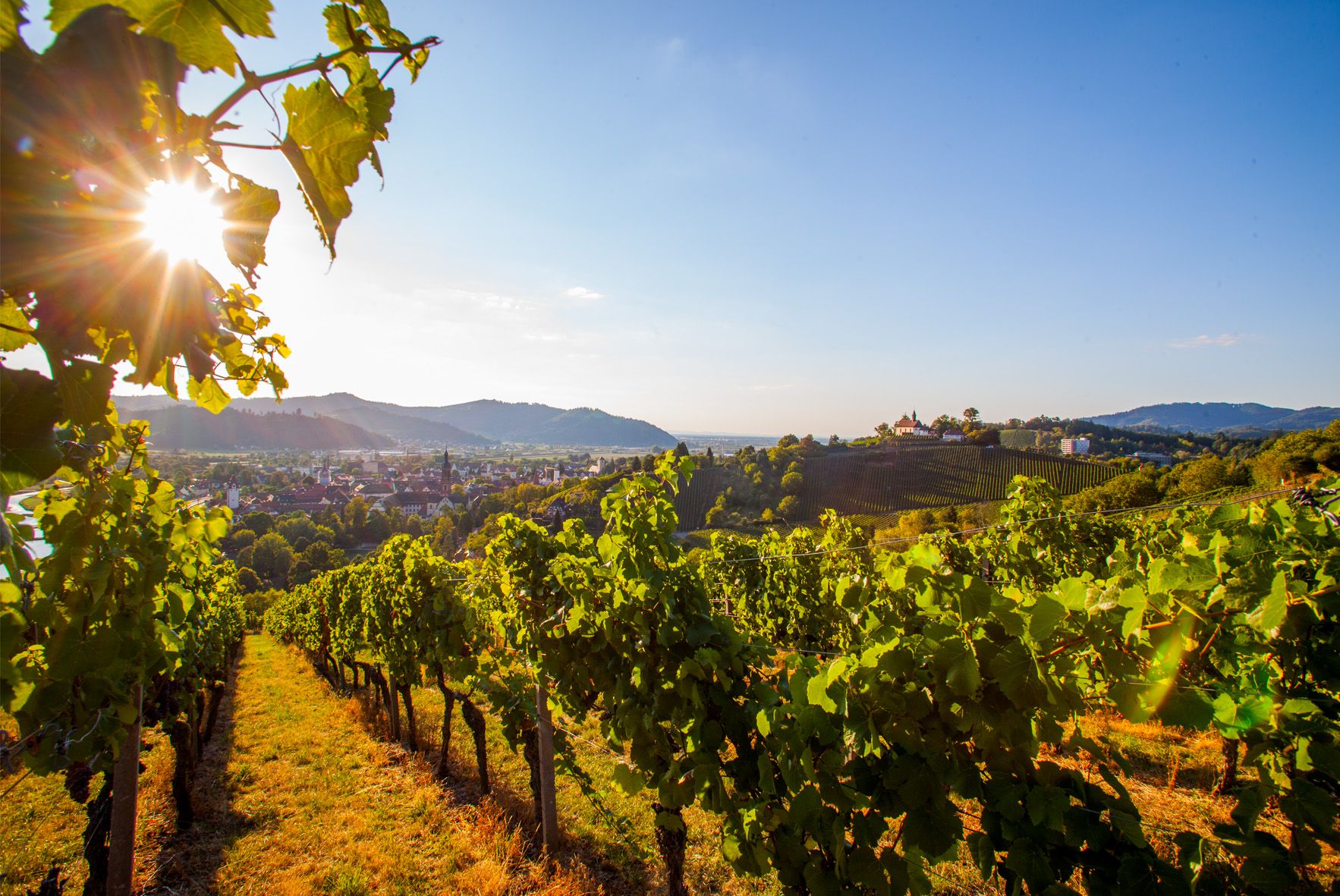
Right the Black Forest, left the Rhine – the Baden Wine Cycle Route
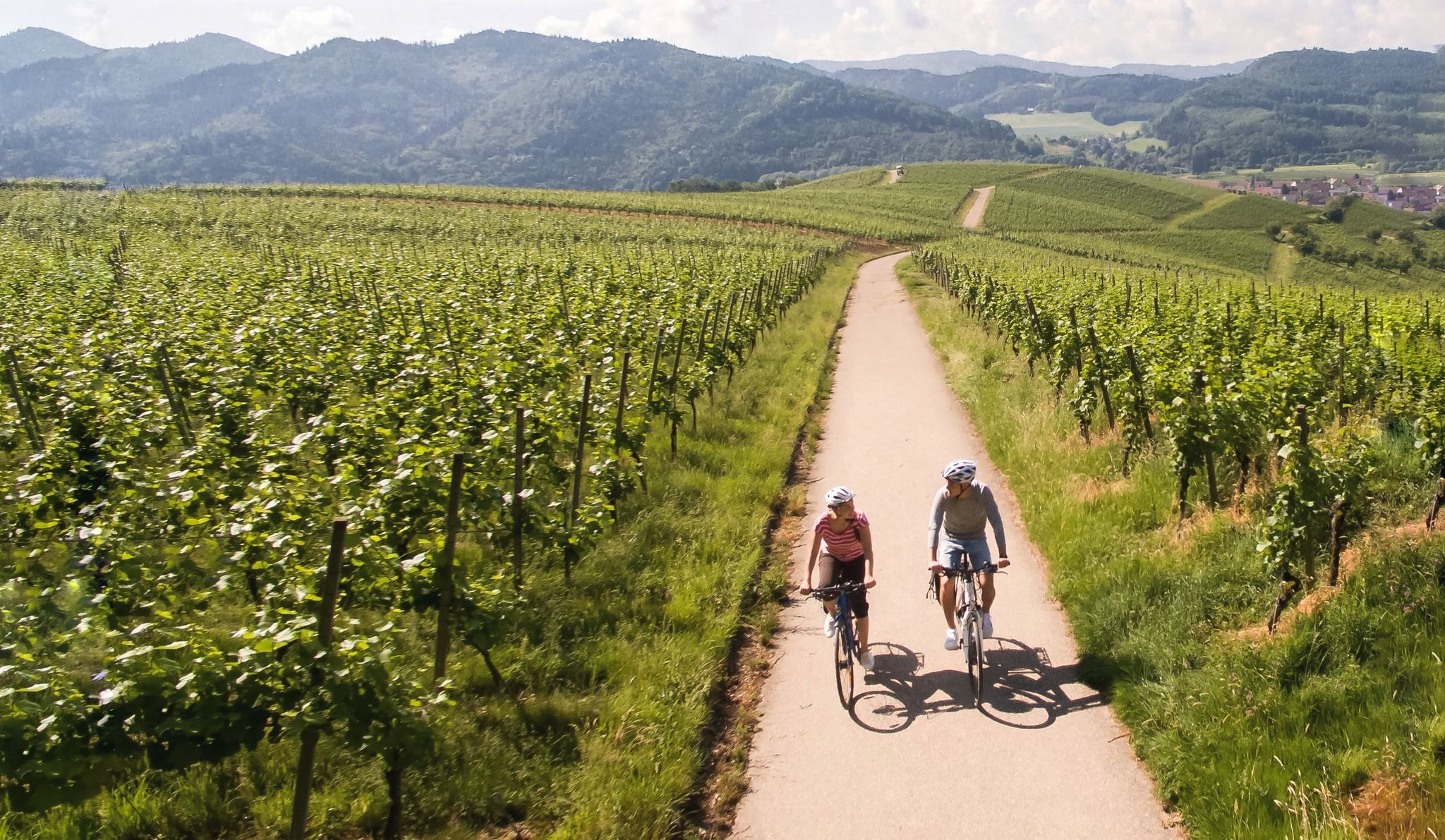
Vineyards and the Rhine Valley – the Baden Wine Cycle Route
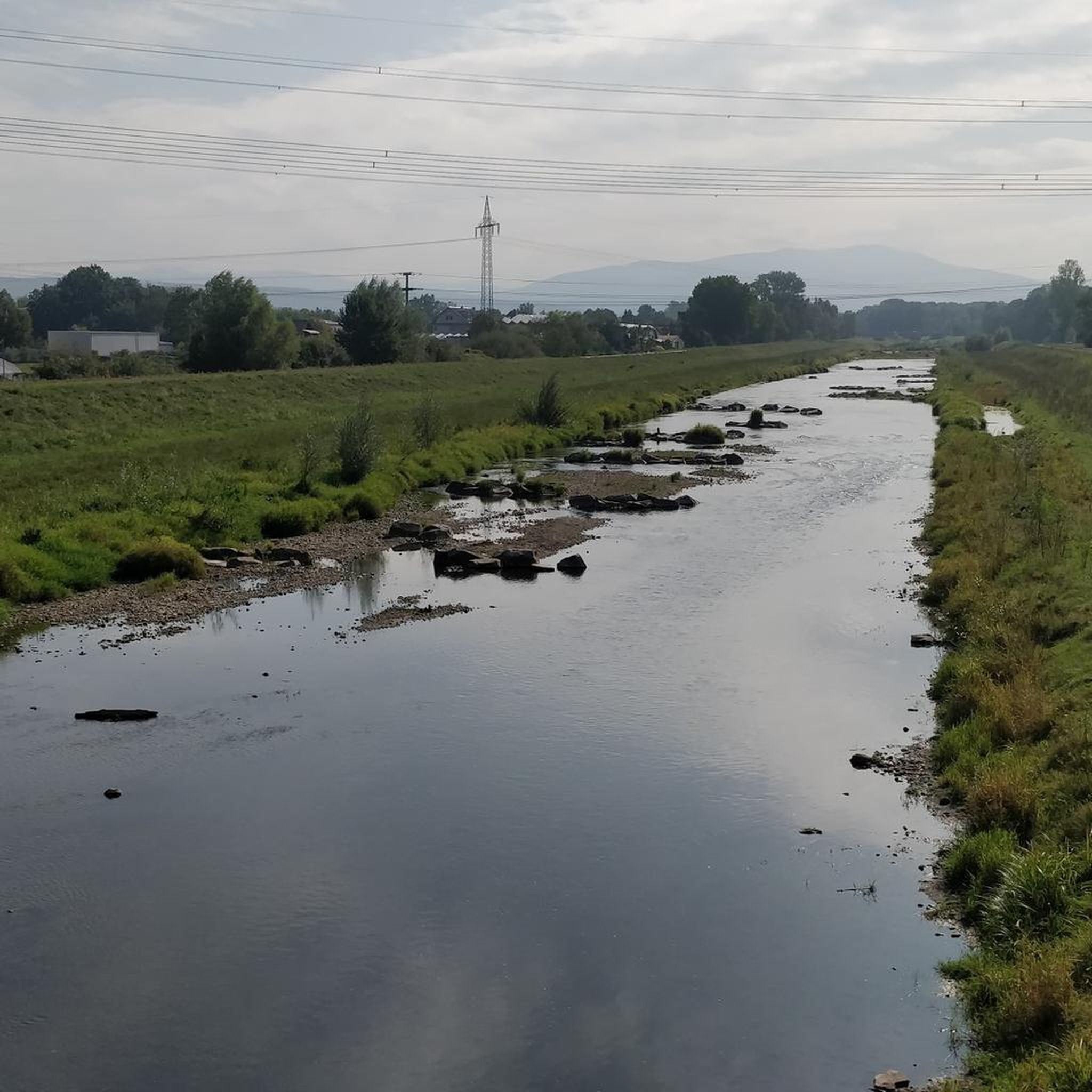
Cycling around Riegel
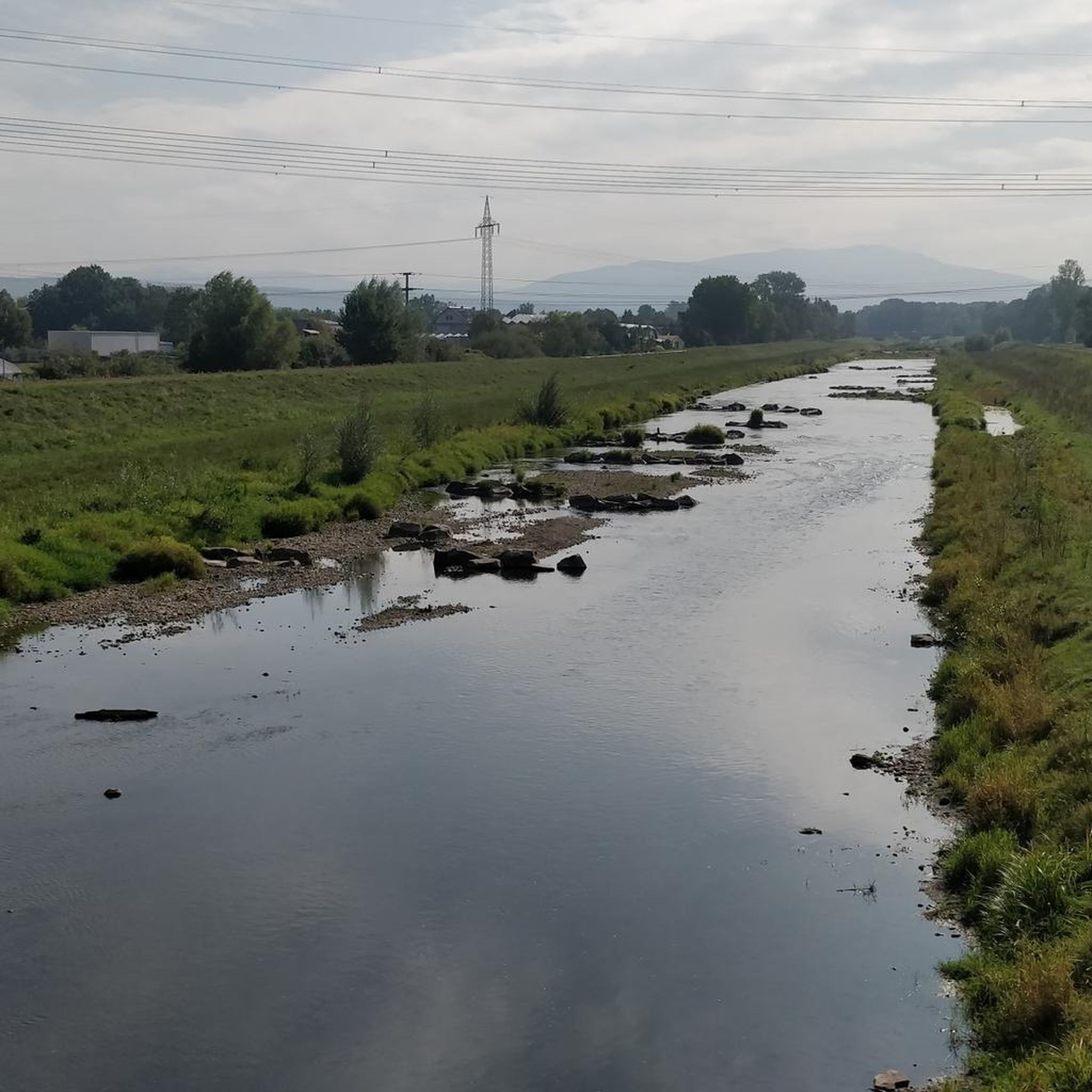
Road Cycling Routes around Riegel
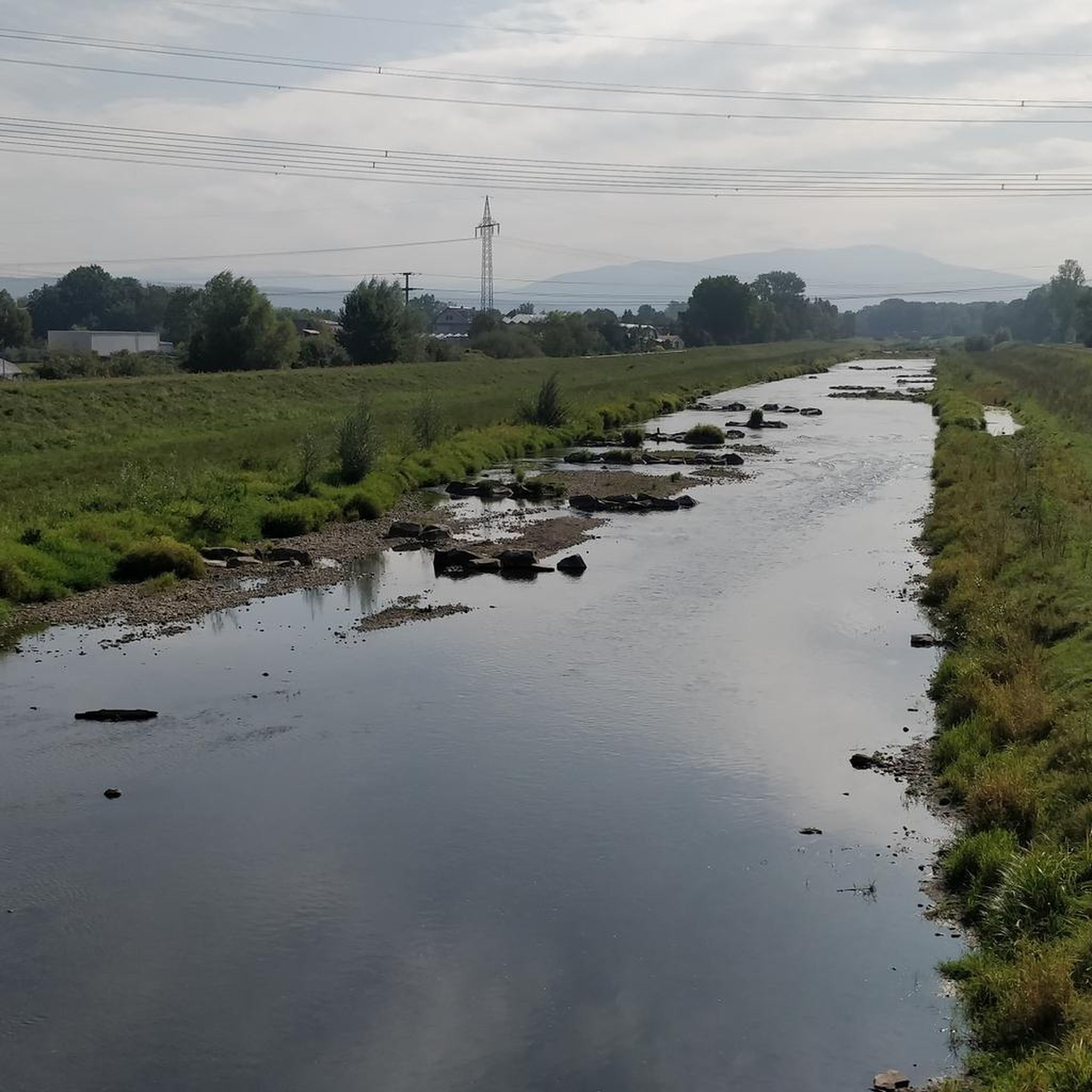
Hiking around Riegel
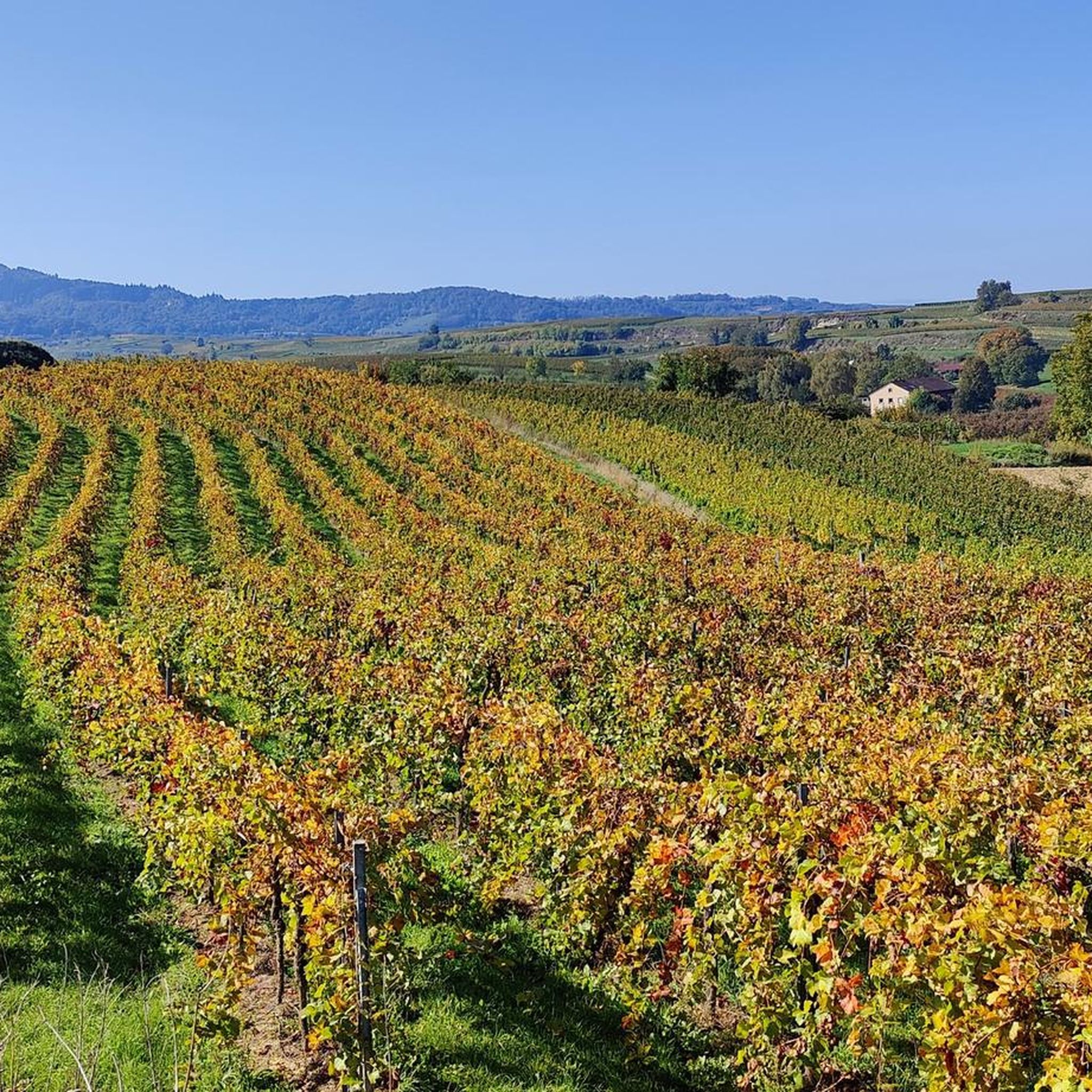
MTB Trails around Riegel
Running Trails around Riegel
Gravel biking around Riegel
Other adventures around Riegel


Tips from the Community

No idea where it was, I'll check next time 🤔
0
0

You can walk upright into the Loss Cave. It's a wonderful experience.
0
0

A cave with a bench inside - there would easily be room for a football team.
0
0


"The Hole" is an experience even without children. With children it is a must. It is pitch black at times, but with a "cell phone flashlight" it is possible in a pinch.
1
0
"The Hole" is definitely worth a visit, even if you don't have children with you. A must with children.
1
0

It is a large cave or chamber in the loess in a loess hollow way. These hollow ways in the thick loess layers in the Kaiserstuhl were created by constant use as a path (especially with heavy carts). The resulting depressions were made worse by erosion in wind and weather (especially rain). In many places, holes were dug into the loess walls for various purposes (storage of material, "cooling chamber"). Loess is a calcareous, silty sediment, i.e. rock powder with lime components. The lime structure gives loess a high level of stability. This means that stable caves can easily be dug into them. Here, two such holes are connected by a tunnel that can also be easily walked through.
1
0
It is a large cave or chamber in the loess in a loess hollow way. These hollow ways in the thick loess layers in the Kaiserstuhl were created by constant use as a path (especially with heavy carts). The resulting depressions were made worse by erosion in wind and weather (especially rain). In many places, holes were dug into the loess walls for various purposes (storage of material, "cooling chamber"). Loess is a calcareous, silty sediment, i.e. rock powder with lime components. The lime structure gives loess a high level of stability. This means that stable caves can easily be dug into them. Here, two such holes are connected by a tunnel that can also be easily walked through.
2
0
Frequently Asked Questions
What types of caves can I explore around Riegel?
Around Riegel, you'll find a mix of man-made tunnels and unique loess caves. The region's distinctive loess landscapes contribute to the formation of chambers dug into the loess deposits. You can also explore historical water supply tunnels. For natural caves, the Grüsselisloch Cave is a notable example, known for its size and depth.
Are there family-friendly caves near Riegel?
Yes, several caves are suitable for families. The Erleloch Tunnel is particularly exciting for children, as it's a 100-meter-long, curved passage where you can't see the light at the other end. Further afield, the Erdmanns Cave in Hasel, though not directly in Riegel, is also suitable for all ages due to easy access and guided tours.
What are some unique geological features I can see in the region's caves?
While Riegel itself features loess caves, the broader Baden-Württemberg region offers diverse geological wonders. The Erdmanns Cave in Hasel boasts impressive stalactite formations, including one over 4 meters tall. The Wimsener Höhle in the Swabian Alb is Germany's only water cave accessible by boat, offering a unique aquatic environment. The Laichinger Tiefenhöhle is Germany's only vertical cave open to the public, providing a distinct subterranean experience.
What historical insights do the caves around Riegel offer?
The caves and tunnels around Riegel provide a glimpse into local history. The Erleloch Tunnel, for instance, was originally a drinking water canal dug in 1788 to supply the city of Endingen. Additionally, the Bergmannsloch and Mining Remains in the Kammergraben highlight medieval mining activities for brown iron stone, manganese iron ore, and galena in the area.
What is the Löss Cave Tunnel and what makes it special?
The Löss Cave Tunnel is a large chamber dug into the loess in a loess hollow way. Loess is a calcareous, silty sediment with high stability, allowing for stable caves to be dug into it. This particular highlight features two such holes connected by a tunnel that is easy to walk through, offering a unique experience of the region's distinctive geology.
Are there any archaeological sites among the caves in the wider region?
Yes, the Höhle Fels in the Swabian Alb, part of a UNESCO World Heritage Site, is a significant archaeological location. Discoveries there include tens of thousands of cave bear bones, a swan flute made of mammoth ivory, flint tools, and the oldest prehistoric statue found to date, the Venus of the Höhle Fels.
What are the best times to visit caves in the Riegel area and beyond?
Most show caves are open year-round, but it's always good to check specific opening hours. Some natural caves, like the Laichinger Tiefenhöhle, are closed annually from November to Easter to protect hibernating bats. Generally, caves maintain a constant cool temperature, making them a pleasant visit even on hot summer days.
What outdoor activities can I combine with a visit to the caves around Riegel?
The Riegel area offers various outdoor activities. You can explore MTB Trails around Riegel, enjoy Cycling around Riegel, or try Gravel biking around Riegel. Many routes pass near natural attractions and historical sites, allowing you to combine cave exploration with scenic rides or walks.
Is the Erdmanns Cave in Hasel worth visiting, and what are its highlights?
The Erdmanns Cave in Hasel is definitely worth visiting if you're exploring the broader Black Forest region. It's one of Germany's oldest stalactite caves, with 360 meters open for guided tours. A major highlight is its record-holding stalactite, over 4 meters tall and 2 meters thick, estimated to be around 135,000 years old. The cave is suitable for all ages and offers an impressive underground world.
What should I wear when visiting caves in the region?
Caves generally maintain a cool, constant temperature, often around 8-10°C (46-50°F), regardless of the outside weather. It's advisable to wear layers, including a light jacket or sweater, and comfortable, closed-toe shoes with good grip, as surfaces can be damp or uneven.
Are there any unique show caves in Germany that are easily accessible from Riegel?
While Riegel itself has local features, the broader region of Baden-Württemberg and nearby Bavaria offer unique show caves. The Eberstadt Stalactite Cave in Bauland is considered one of Germany's most beautiful, known for its pristine, chalk-white dripstones. The Teufelshöhle (Devil's Cave) in Bavaria is another impressive option, featuring imposing rock structures and authentic fossils.
Most popular routes around Riegel
Most popular attractions around Riegel

Get inspired with the komoot mobile app


Explore more
Extend your search for the best caves by checking out these guides of the top ones around Riegel:
