Top 9 Caves around Schutz
Best caves around Schutz are located within Germany's Vulkaneifel district, a region characterized by its volcanic past and the resulting diverse cave systems. These subterranean formations offer insights into geological processes, ancient human habitation, and historical industries. The area provides opportunities to explore natural karst caves, former mining sites, and unique volcanic structures.
Best caves around Schutz
- The most popular caves is Millstone Cave at Nerother Kopf, a cave that is an artificial cave in the Vulkaneifel, created by…
Last updated: April 28, 2026
Millstone Cave at Nerother Kopf
Highlight • Cave
The millstone cave consists of lava boards and is an artificial cave in the Vulkaneifel, Rhineland-Palatinate. It was created by the production of …
Translated by Google •
Tip by

Birresborn Ice Caves (Birresborner Ice Caves)
Highlight • Cave
Translated by Google •
Tip by

Sign up now to discover places like this
Get recommendations on the best single tracks, peaks, & plenty of other exciting outdoor places.
Sign up for free
Caves and natural rock arch on the Ernstberg summit
Highlight • Cave
Translated by Google •
Tip by

Birresborn Ice Caves Forest Educational Trail
Highlight • Trail
Translated by Google •
Tip by

Goldglück Former Lead Mine
Highlight • Historical Site
Niederstadtfeld, Niederstadtfeld municipality
description
[...] The mine that was operated in the previous century should not go unmentioned. The field names "Am Bleiofen" and "An der Bleireinigung" …
Translated by Google •
Tip by

Sign up for free to discover even more caves around Schutz.
Sign up for free
Already have an account?
Start today with a free account
Your next adventure awaits.
Login or Signup
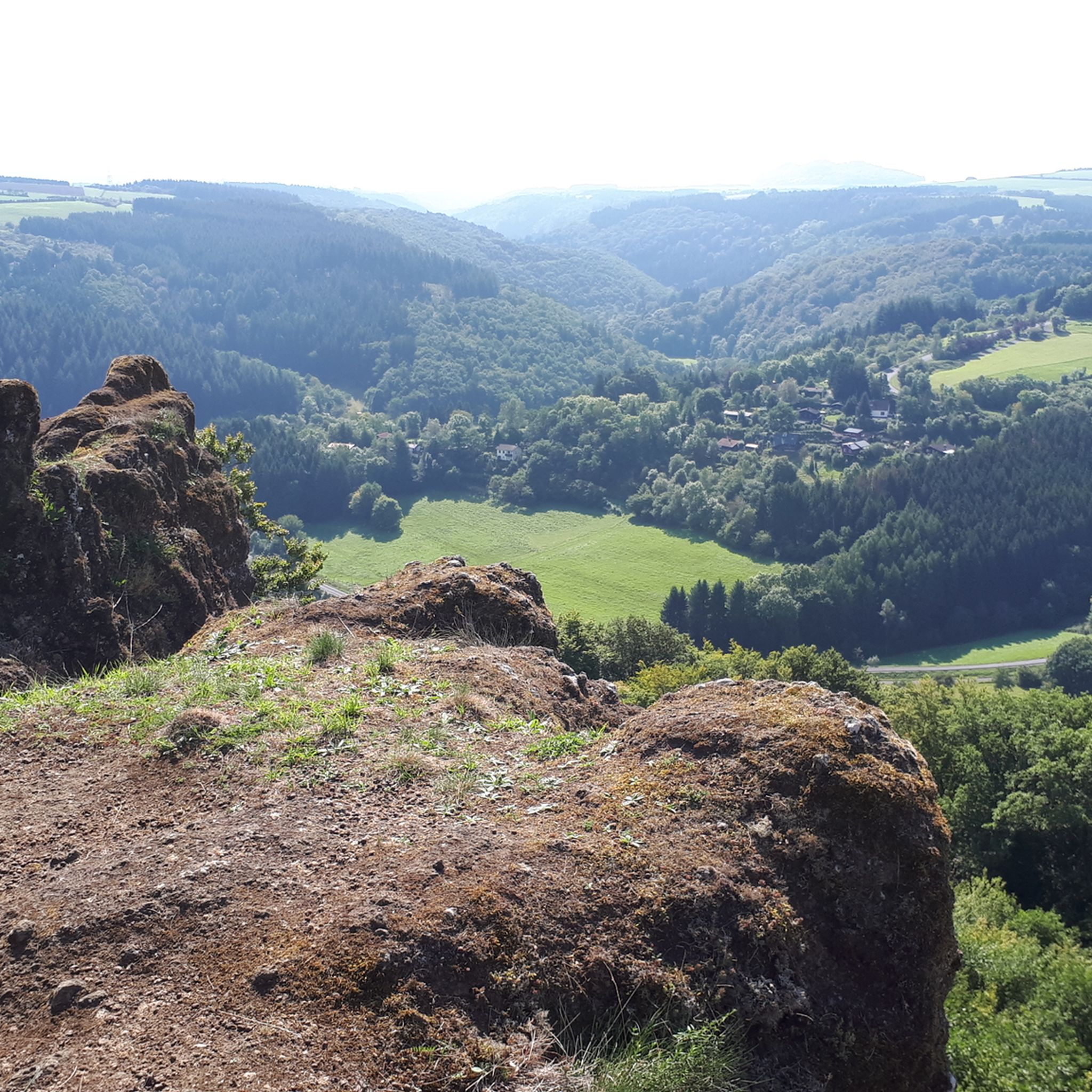

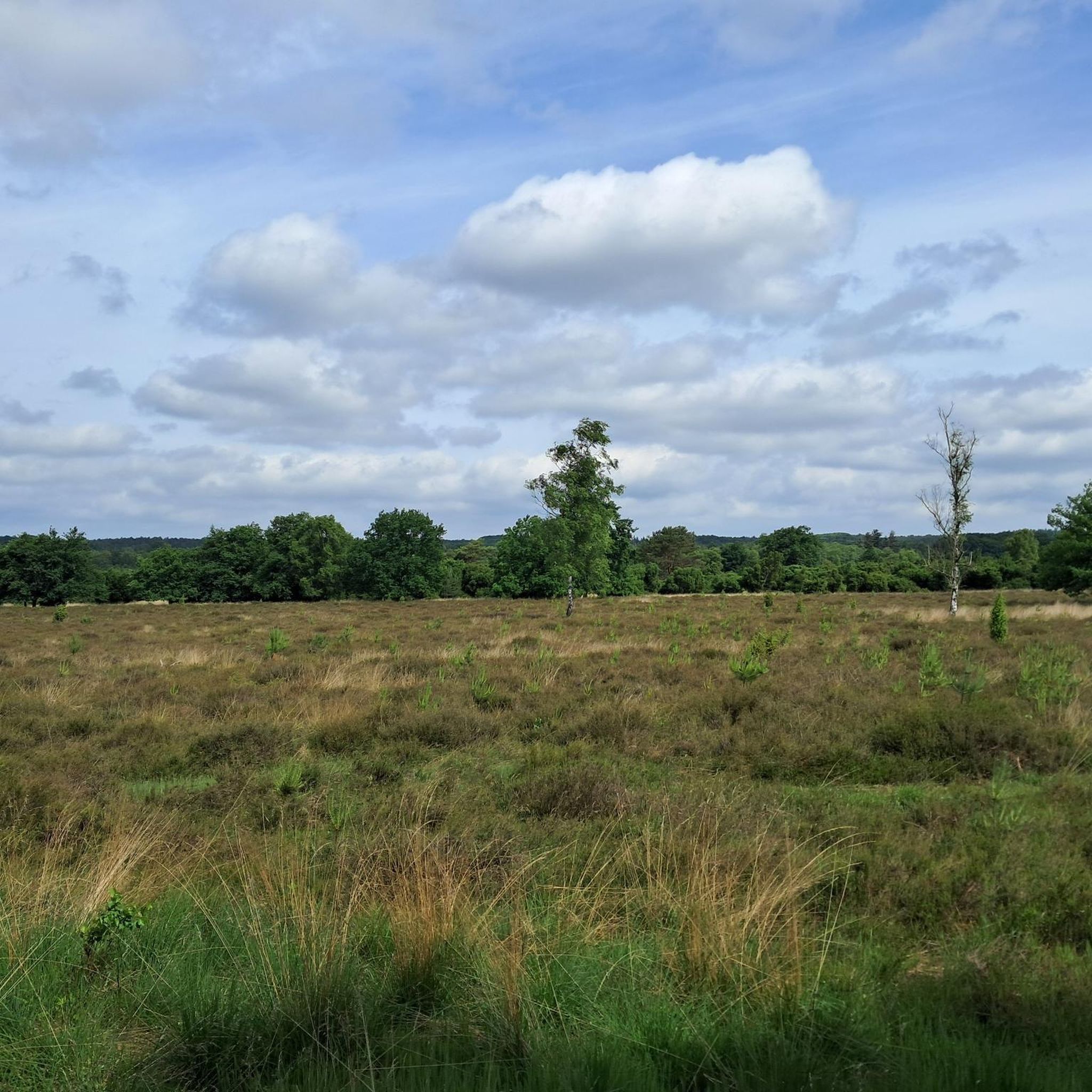
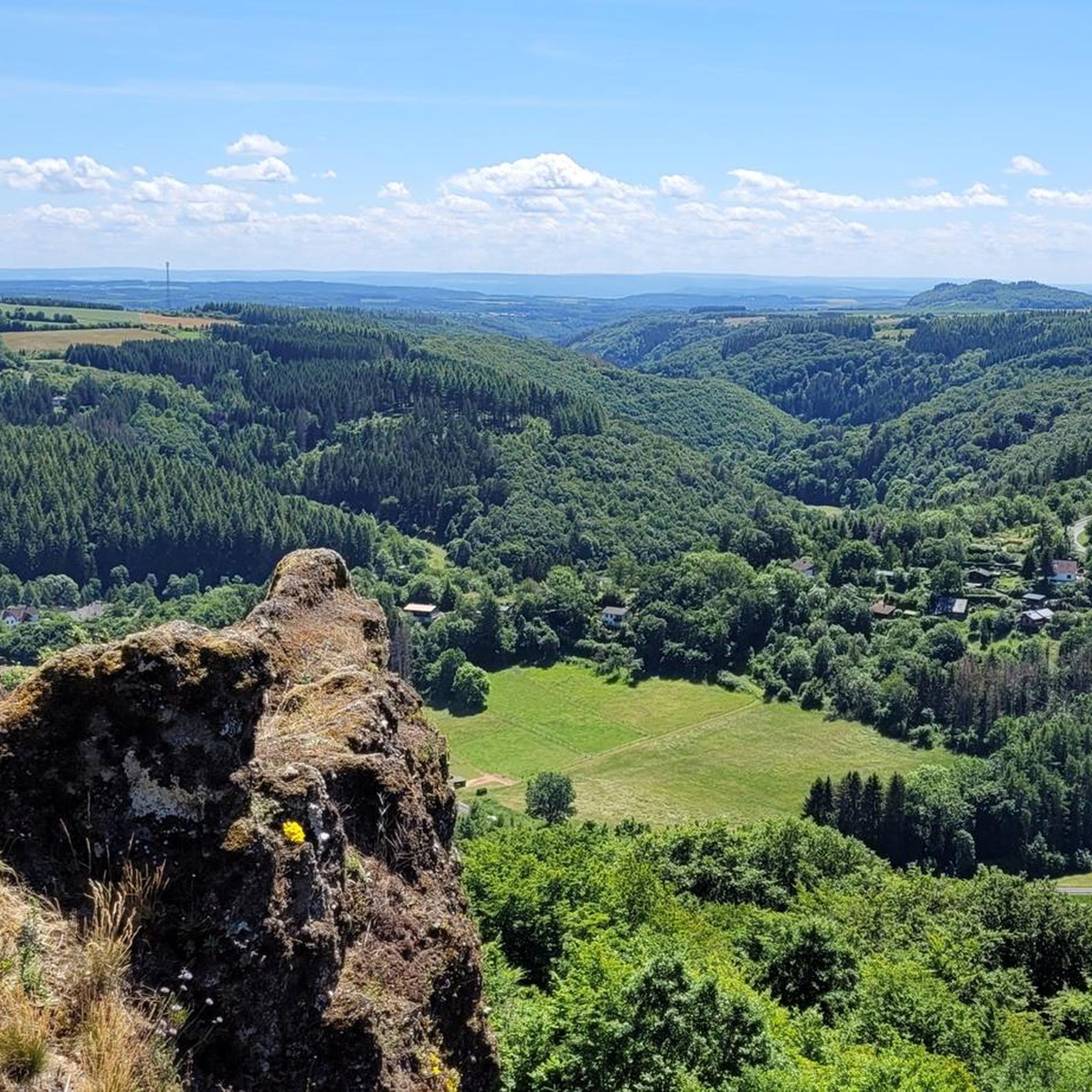
Other adventures around Schutz

Tips from the Community

At these heights, millstones were once quarried from the basalt rock.
4
0

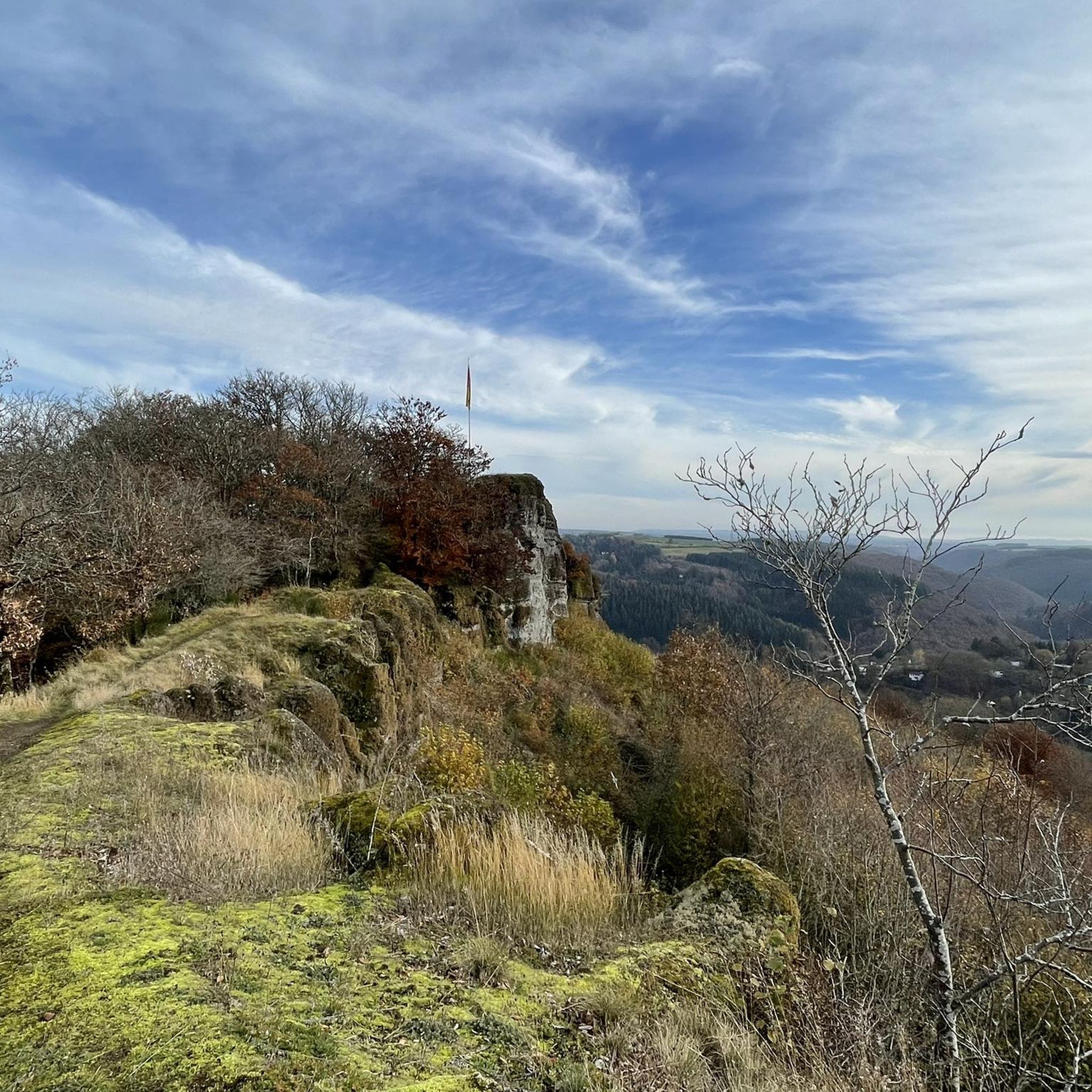
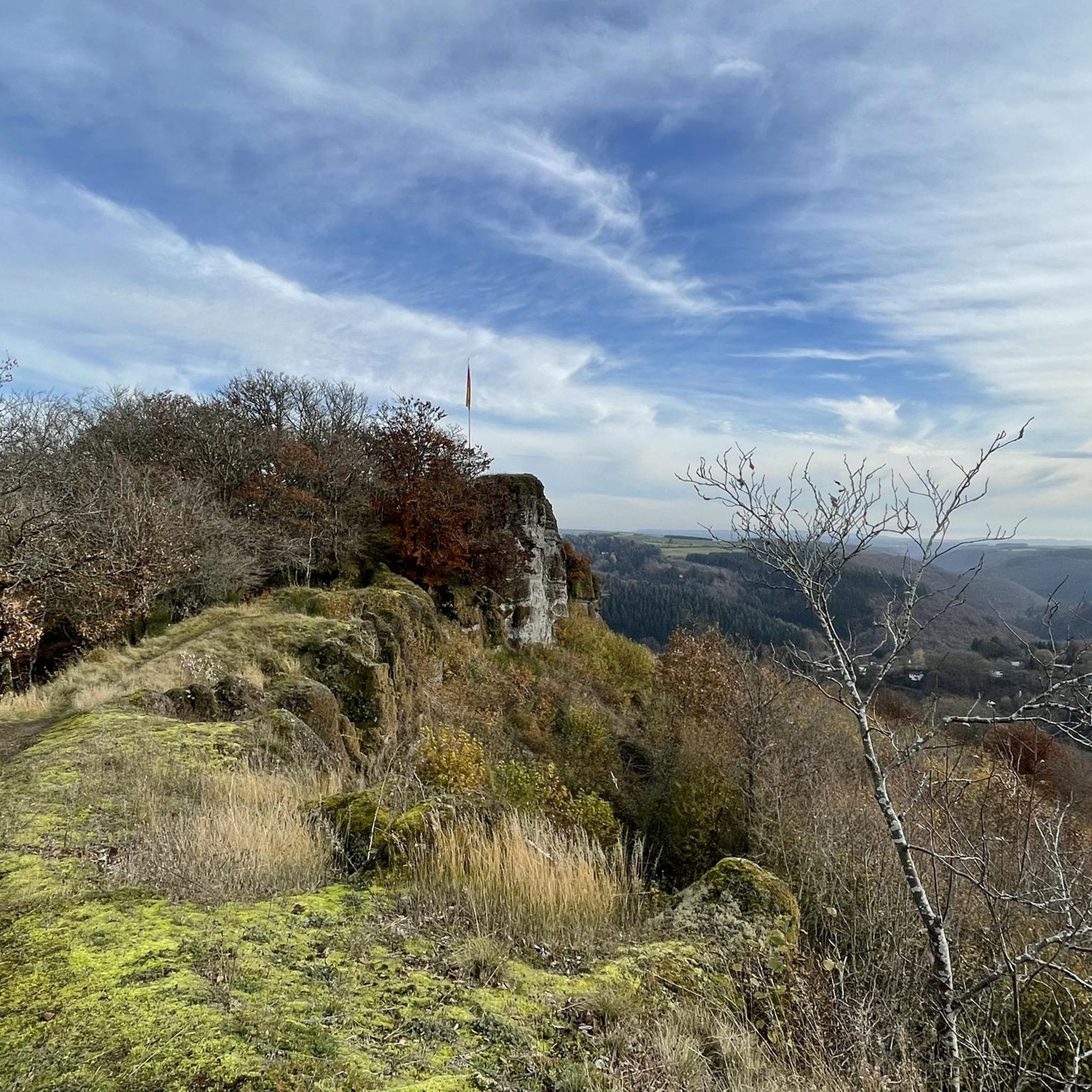
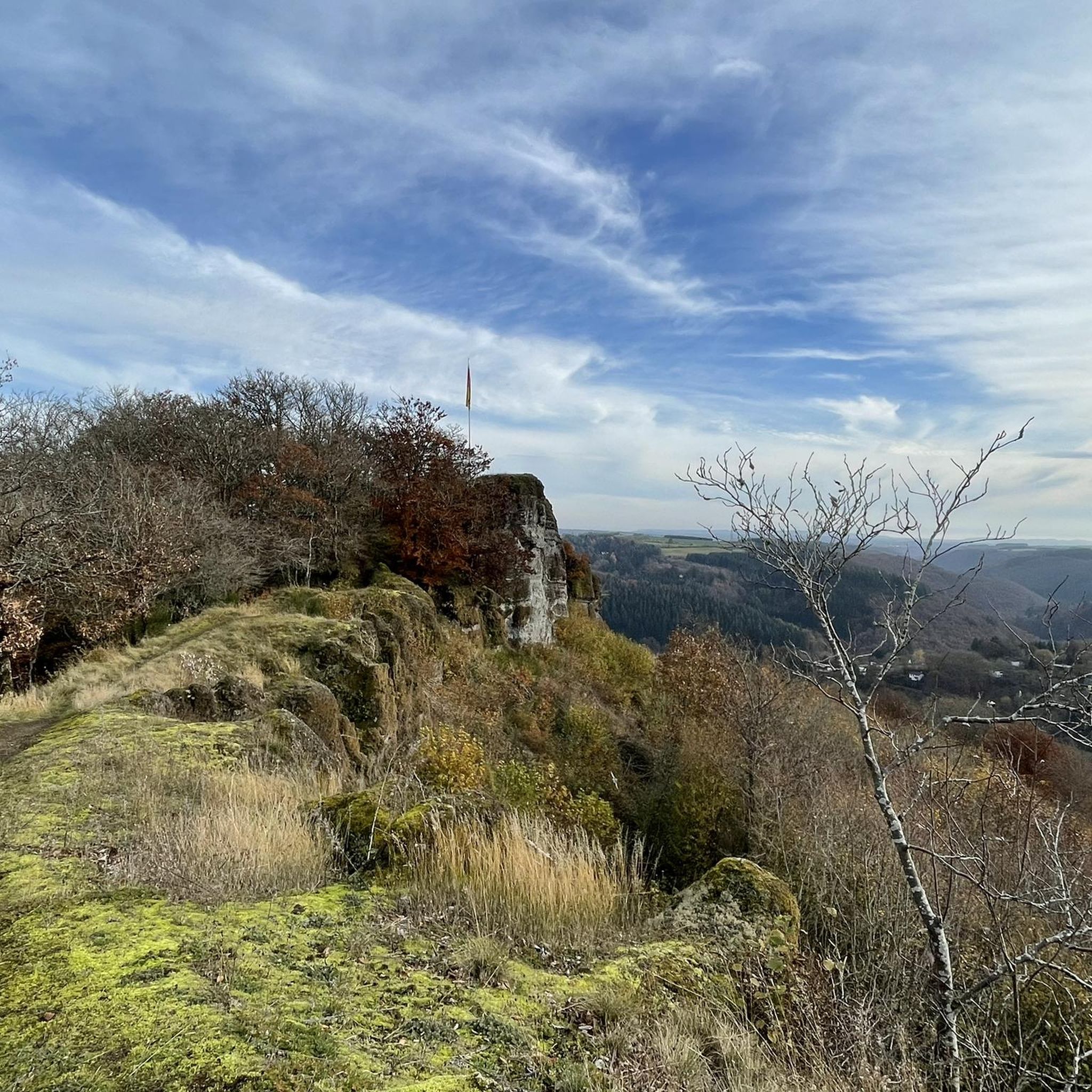
This cave is located at the top of the Ernstberg
3
0

Here you will find a natural bridge and small caves on the Ernstberg.
4
0

Don't forget the flashlight
1
0

Whether hiking or by MTB, you should have been here 😎
2
0

For Ernstberg see https://de.m.wikipedia.org/wiki/Ernstberg Some caves are accessible for a few meters.
3
0

The Nerother Kopf is an extinct volcano of recent date. It was formed about 15,000 years ago when the earth broke up here and glowing magma welled up from the depths of the earth. At that time, a fracture zone formed in the earth rock, which formed the origin of the volcanic chain "West Eifel". https://www.neroth.de/tourismus/nerother-kopf
6
0
The Millstone Cave is located at the summit of the Neroth Head, a wooded hill of volcanic origin east of Neroth. The entrance is just below the Freudenkoppe castle ruins at an altitude of about 640 m and can be reached via a hiking trail. The cave is 18 meters deep and its vault up to 10 meters high. It is walkable, but unlit (torch required). Wikipedia
5
0
Frequently Asked Questions
What kind of caves can I explore around Schutz?
The Vulkaneifel district, where Schutz is located, offers a diverse range of subterranean experiences. You can explore natural karst caves like the Buchenlochhöhle, historical millstone caves such as the Millstone Cave at Nerother Kopf and the Mühlsteinhöhlen des Rother Kopfs, and unique ice caves like the Birresborn Ice Caves. Additionally, there are prehistoric cave systems like the Kakushöhle and the Genovevahöhle, and even impressive man-made lava cellars in Mendig.
What is the historical significance of the caves in the Vulkaneifel region?
Many caves in the Vulkaneifel region hold significant historical and archaeological value. The Buchenlochhöhle shows evidence of Neanderthal use and served as an air-raid shelter. The Kakushöhle and Genovevahöhle have traces of human settlement dating back tens of thousands of years. The Millstone Cave at Nerother Kopf, the Mühlsteinhöhlen des Rother Kopfs, and the Birresborn Ice Caves are former quarry sites where millstones were extracted for centuries, showcasing the region's industrial past.
Are there family-friendly caves to visit near Schutz?
Yes, several caves are suitable for families. The Buchenlochhöhle is generally accessible, and its historical context can be engaging for older children. The Birresborn Ice Caves Forest Educational Trail (Birresborn Ice Caves Forest Educational Trail) is specifically designed for families, offering an interactive way to learn about nature and the caves. The Kakushöhle and Genovevahöhle, with their legends and archaeological finds, can also be fascinating for families.
When is the best time to visit the caves, and are they open year-round?
The best time to visit depends on the specific cave. Natural karst caves like the Buchenlochhöhle are often open year-round. However, many millstone and ice caves, such as the Birresborn Ice Caves, are closed from October to March to protect hibernating bats. Always check local information for specific opening times. Generally, spring to autumn offers the most flexibility for visits.
What should I wear or bring when visiting the caves?
For most cave visits, it is highly recommended to wear sturdy shoes due to uneven terrain. Many caves, especially those that are unlit or former mining sites, require a flashlight. For caves known for their consistently cool temperatures, like the Birresborn Ice Caves or the Mühlsteinhöhlen des Rother Kopfs, warm clothing is advisable, even in summer.
Can I combine a cave visit with hiking in the Vulkaneifel region?
Absolutely! Many caves are integrated into hiking trails. For example, the Buchenlochhöhle is directly accessible via the Gerolsteiner Felsenpfad. The Kakushöhle and its surroundings can be explored via various Eifel loop trails. You can find numerous hiking routes around Schutz, including those that pass by cave sites, on the Hiking around Schutz guide.
Are guided tours available for the caves?
Yes, guided tours are available for some caves, offering deeper insights into their history and geology. The Birresborn Ice Caves and the Lava Cellars in Mendig are known to offer guided tours. For other caves, self-guided exploration with a flashlight is common.
What are the unique geological features of the caves around Schutz?
The caves showcase the Vulkaneifel's volcanic and geological past. The Buchenlochhöhle is a natural karst cave formed by groundwater. The Caves and natural rock arch on the Ernstberg summit feature a natural bridge and small caves formed in basalt rock. The Lava Cellars in Mendig are impressive man-made caverns resulting from centuries of basalt and lava mining, revealing the region's volcanic rock layers.
Are there any less crowded caves to visit in the area?
While popular sites can attract visitors, many caves in the Vulkaneifel offer a more tranquil experience, especially outside peak tourist times. The Elfengrotte (Elf Grotto) near Bad Bertrich is a smaller, charming natural monument that might offer a quieter visit. Exploring the various millstone caves, such as the Mühlsteinhöhlen des Rother Kopfs, can also provide a more secluded adventure, allowing you to appreciate the challenging conditions faced by stonemasons in the past.
What do visitors enjoy most about the caves around Schutz?
Visitors frequently appreciate the blend of natural beauty and historical depth. The Millstone Cave at Nerother Kopf is praised for its impressive size and the visible unfinished millstones. The Birresborn Ice Caves are noted for their consistently cool temperatures and unique history as ice storage. The educational aspects, especially on trails like the Birresborn Ice Caves Forest Educational Trail, are also highly valued by the community.
Are there any caves with local legends or folklore associated with them?
Yes, some caves are steeped in local legends. The Kakushöhle is famously associated with a giant named Kaku who, according to legend, once lived in the cave system. The Genovevahöhle is tied to the medieval tale of Countess Genoveva, adding a layer of folklore to its rich history.
What other outdoor activities can I do near these caves?
The Vulkaneifel region offers a wealth of outdoor activities. Besides hiking, which can often be combined with cave visits, you can find numerous running trails and even mountain hikes. For more detailed information on routes, you can explore the Hiking around Schutz, Running Trails around Schutz, and Mountain Hikes around Schutz guides.
Most popular routes around Schutz
Most popular attractions around Schutz

Get inspired with the komoot mobile app


Explore more
Extend your search for the best caves by checking out these guides of the top ones around Schutz:
