Top 6 Caves around Steiningen
Best caves around Steiningen are primarily found in the surrounding Vulkaneifel region, characterized by its volcanic geology and historical human interaction with the landscape. This area features unique underground networks, often resulting from centuries of mining volcanic rock. The terrain offers a blend of natural formations and man-made structures, providing insights into both geological processes and past industries. Visitors can explore sites that showcase the region's distinctive volcanic heritage.
Best caves around Steiningen
- The most popular caves is Millstone Cave…
Last updated: June 27, 2026
Millstone Cave at Nerother Kopf
Highlight • Cave
The millstone cave consists of lava boards and is an artificial cave in the Vulkaneifel, Rhineland-Palatinate. It was created by the production of …
Translated by Google •
Tip by

Caves and natural rock arch on the Ernstberg summit
Highlight • Cave
Translated by Google •
Tip by

Sign up now to discover places like this
Get recommendations on the best single tracks, peaks, & plenty of other exciting outdoor places.
Sign up for free
Bergkrone Mine Tunnel
Highlight • Structure
Translated by Google •
Tip by

Ulmener Maar Tunnel
Highlight • Structure
Translated by Google •
Tip by

Juliusstollen and Kaulenmännchen Sculpture
Highlight • Historical Site
Translated by Google •
Tip by

Sign up for free to discover even more caves around Steiningen.
Sign up for free
Already have an account?
Start today with a free account
Your next adventure awaits.
Login or Signup
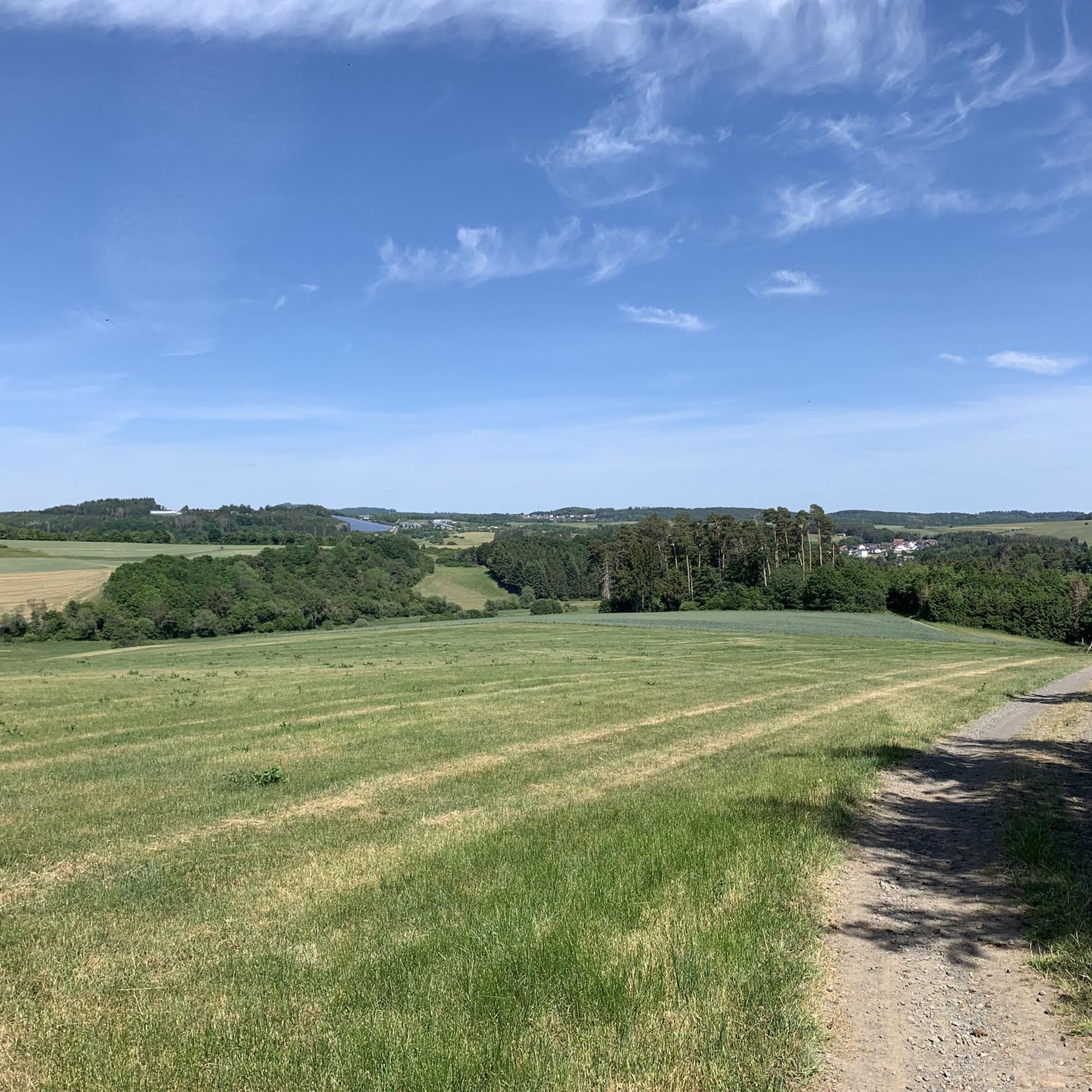
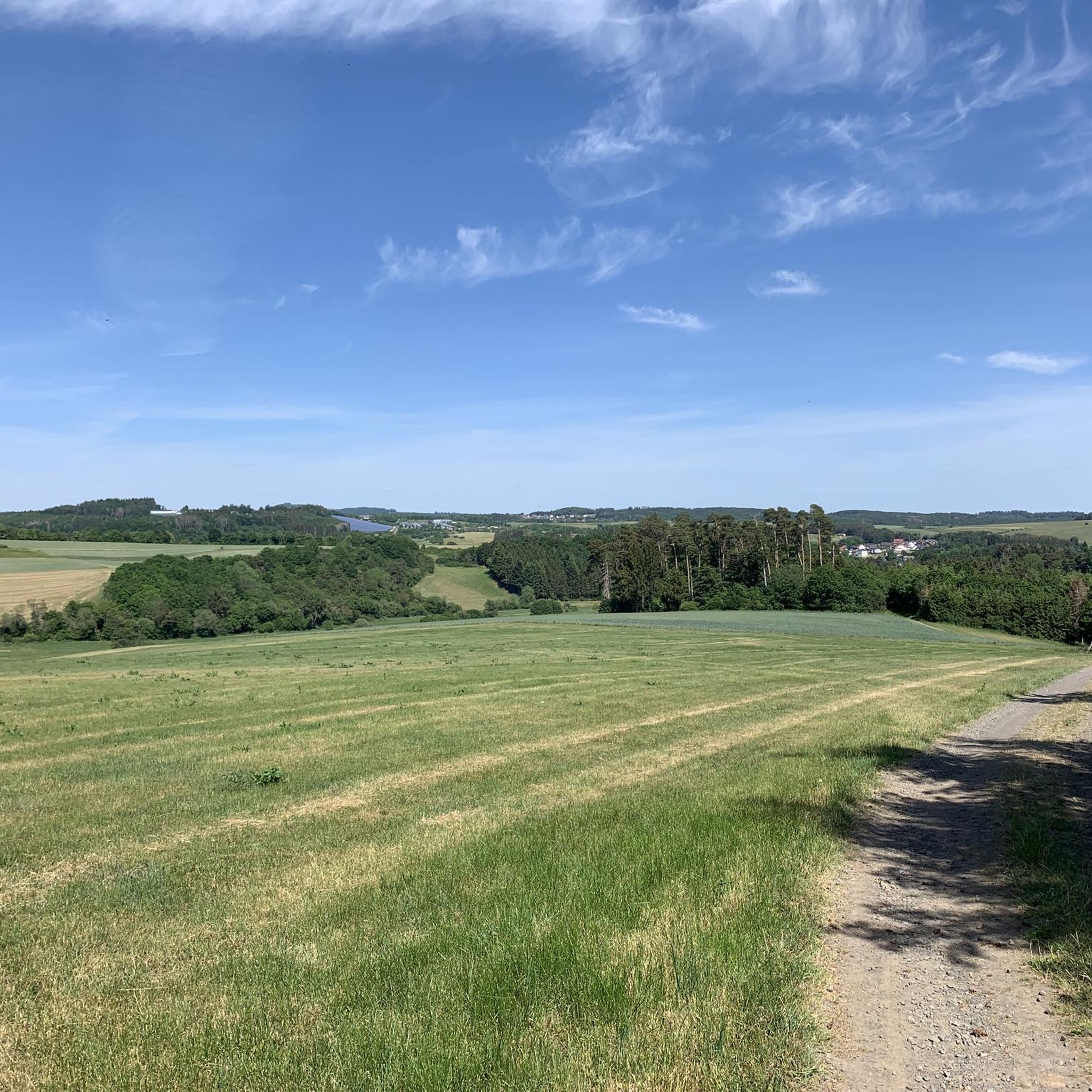
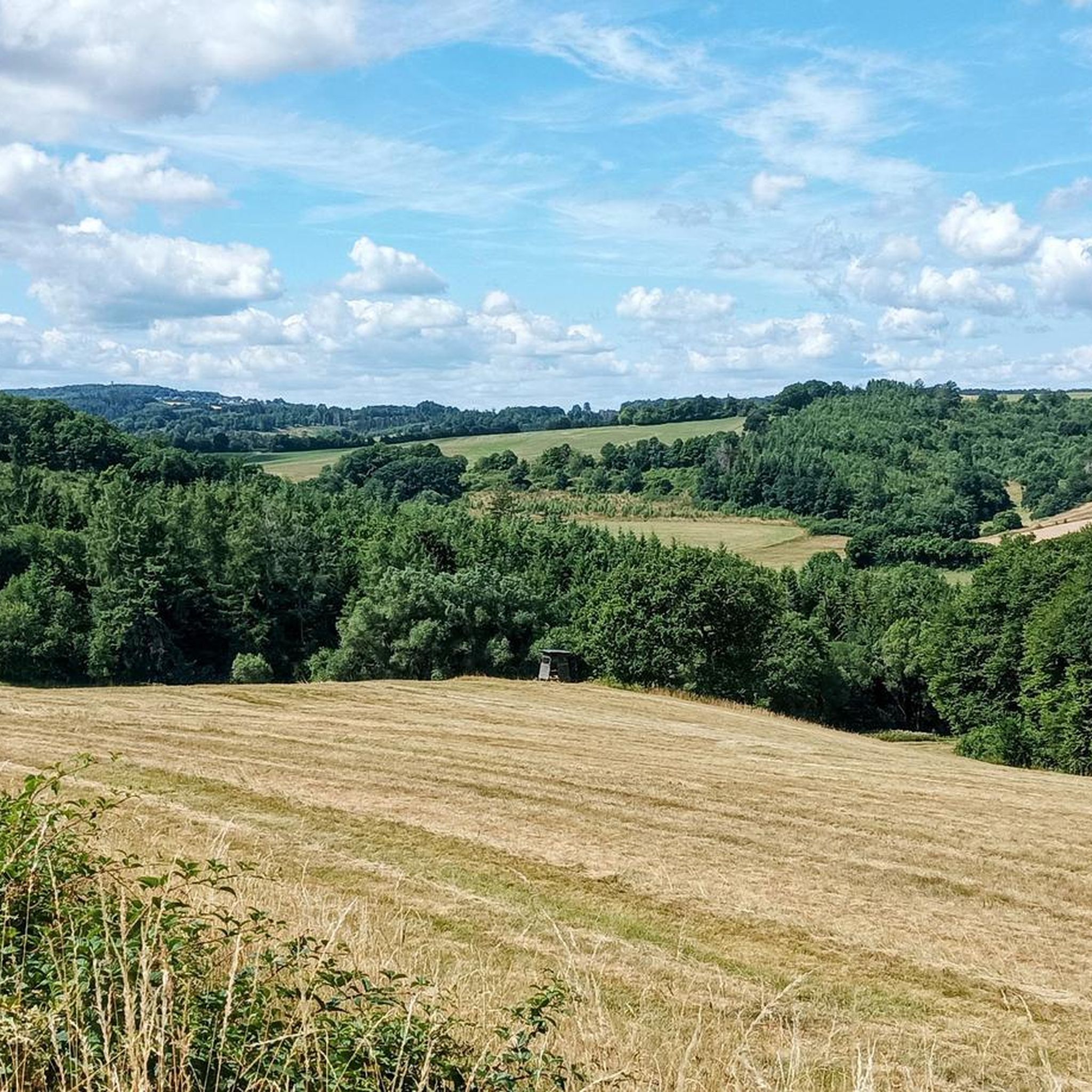
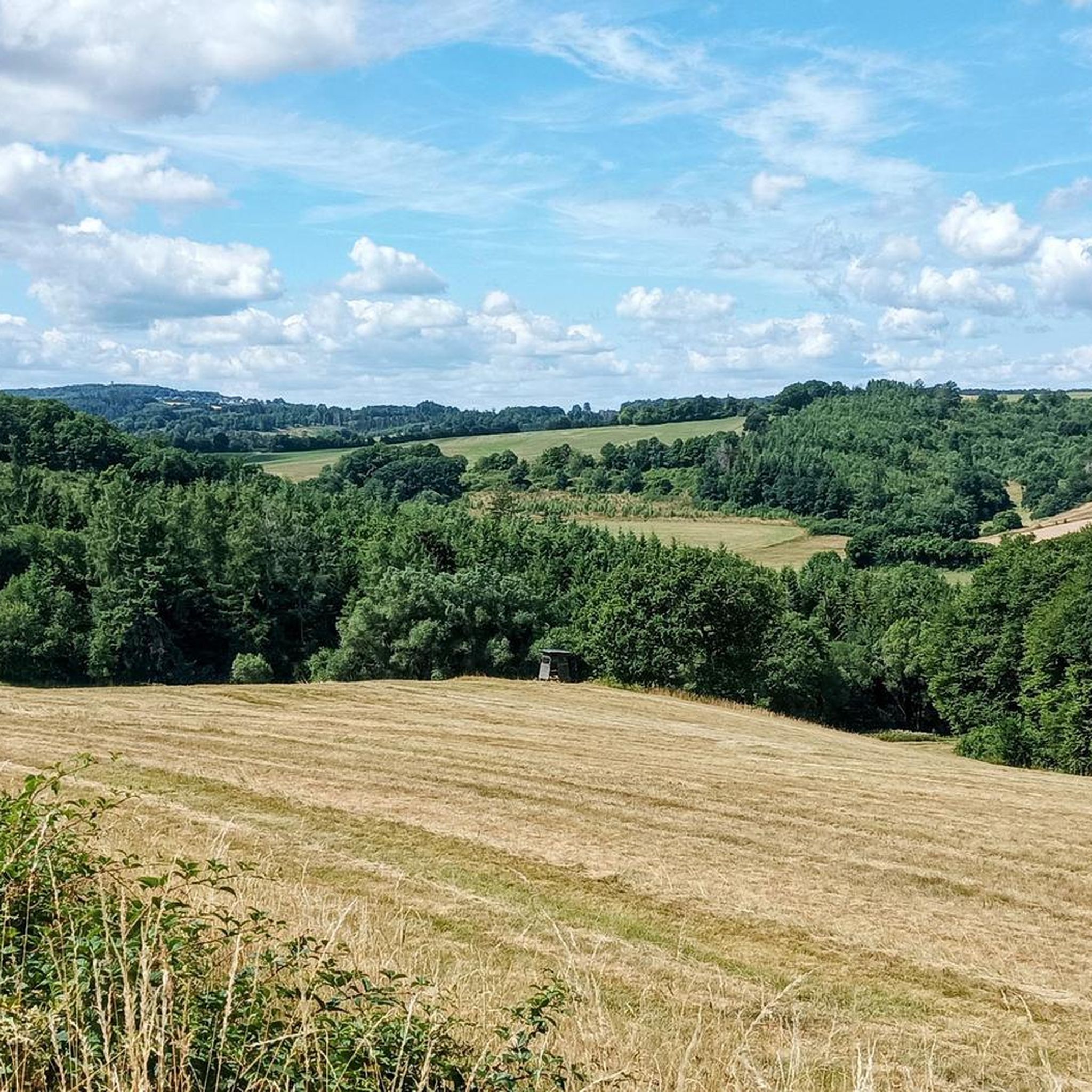
Tips from the Community

1 million years of geology. Worth putting your bike aside for a moment.
6
0

Luckily I had my flashlight with me so I could shine further inside 😀
0
0

surprising sight when walking the theme path in our direction
0
0

At these heights, millstones were once quarried from the basalt rock.
4
0

The Ulmener Maar tunnel connects the Ulmener Maar with the Jungferweiher Maar and is 120 meters long and 70 cm wide at its narrowest point. Different rock layers from the volcanic history can be seen. Display boards and paintings on the tunnel make the history very interesting. The tunnel was used to channel water from the two maars into the Ulmener Bach to the mills. Next to the tunnel, two drains and bulkheads are used to regulate the water level.
8
1

This cave is located at the top of the Ernstberg
3
0

Information about the Maar Stollen can be found, for example, at https://www.gesundland-vulkaneifel.de/ulmener-maar-stollen-entdecker-tour/#:~:text=Ulmen%20neu%20erleben&text=Den%20Maar%2DStollen%20kannst %20you, just%20once%2070%20cm%20wide. find
3
0

It's called the Ulmen Maar Tunnel and connects the Jungferweiher pond and the Ulmen Maar. The tunnel is finished and has been open to the public since April 25, 2023. It's turned out simply fantastic. A visit is definitely worthwhile. It's open in the summer months from 6 a.m. to 8 p.m. In winter, it's also open during the day. The circular and hiking trail around the Jungferweiher pond and the Ulmen Maar is wheelchair accessible. Cycling through the tunnel is prohibited, as the tunnel is only 70 centimeters wide at its narrowest point. You don't need to be claustrophobic. A visit to the Ulmen Castle ruins, with its fantastic view over the town of Ulmen and the Ulmen Maar, is also highly recommended.
5
0
Frequently Asked Questions
What kind of caves can I expect to find around Steiningen?
The caves around Steiningen are primarily located in the surrounding Vulkaneifel region and are a unique blend of natural rock formations and historical human-made structures. You'll find fascinating millstone caves, which are extensive underground networks created by centuries of basalt mining, as well as former mine tunnels and natural rock arches. These sites offer insights into both volcanic geology and the region's industrial past.
Are there any natural caves near Steiningen?
While Steiningen itself does not host prominent natural caves, the surrounding Vulkaneifel region features unique geological formations. For example, the Caves and natural rock arch on the Ernstberg summit offer a natural bridge and small caves accessible for a few meters, showcasing basalt rock formations.
What is the historical significance of the caves in the Vulkaneifel region?
Many caves in the Vulkaneifel, such as the Millstone Cave at Nerother Kopf, are man-made and hold significant historical value. They are remnants of centuries of millstone mining, where local Eifel people extracted volcanic rock. You can still see traces of millstone extraction by Romans and Franks, and even unfinished millstone blanks attached to cave walls, offering a glimpse into past generations' ingenuity and strenuous work.
Are the caves around Steiningen suitable for families with children?
Yes, exploring the caves can be a family-friendly activity. The Mühlstein Caves in Hohenfels-Essingen, for instance, are accessible via a small circular path and offer an adventurous environment that appeals to children, allowing them to playfully experience volcanism and history. It's recommended to bring a flashlight for exploration.
What should I wear or bring when visiting the caves?
When visiting the caves, it's advisable to wear sturdy shoes due to uneven terrain. Many of the caves, especially the man-made ones like the Millstone Cave at Nerother Kopf, are unlit, so bringing a flashlight is essential for safe exploration.
What is the best time of year to visit the caves near Steiningen?
The caves are generally accessible year-round. However, some caves, particularly those serving as winter quarters for bats, may be temporarily closed for bat protection from October 1st to March 31st. During cold winters, impressive ice formations can be observed in some caves, adding a unique natural element. Always check local advisories if visiting during these months.
Are there any mine tunnels or historical mining sites to explore?
Yes, the region has a rich mining history. You can visit sites like the Bergkrone Mine Tunnel, a historical site where barite was mined for over 100 years. Another example is the Juliusstollen and Kaulenmännchen Sculpture, where you can enter tunnels for a few meters and learn about the miners' work and life.
Can I go hiking or cycling near the caves around Steiningen?
Absolutely! The Vulkaneifel region offers numerous outdoor activities. You can find various routes for mountain biking, road cycling, and touring bicycles. For example, explore MTB Trails around Steiningen, Road Cycling Routes around Steiningen, or general Cycling around Steiningen, which often pass by or near these unique geological and historical sites.
Are there any specific geological features to look out for?
The caves are often formed from basalt slag, which are fragments of glowing, liquid lava that welded together. This unique volcanic rock is what allowed for the creation of the millstone caves. You can observe these distinctive rock formations and learn about their practical applications throughout the region.
Is there parking available near the caves?
Yes, for the Mühlstein Caves in Hohenfels-Essingen, which are a prominent feature of the region, parking is available nearby. The caves are well-signposted from the federal road B410, making them easily accessible by car.
Are dogs allowed in or near the caves?
While specific regulations for each cave may vary, many outdoor areas and trails in the Vulkaneifel region are dog-friendly. If exploring the exterior paths around cave entrances or nearby hiking trails, dogs are generally welcome, but always keep them on a leash and be mindful of other visitors and wildlife, especially during bat protection periods.
What is the 'Goldglück Former Lead Mine' and can I visit it?
The Goldglück Former Lead Mine near Niederstadtfeld is a historical site with a long mining tradition, possibly dating back to Roman times. Silver, lead, and copper were extracted here. While a tunnel still exists, the shafts were filled for safety reasons. It offers a quiet place to reflect on the region's industrial past, though direct entry into the mine might be restricted.
Most popular routes around Steiningen
Most popular attractions around Steiningen

Get inspired with the komoot mobile app


Explore more
Extend your search for the best caves by checking out these guides of the top ones around Steiningen:
