Top 14 Caves around Kunreuth
Best caves around Kunreuth are primarily located within the surrounding Franconian Switzerland region, an area recognized for its karst geology and extensive cave systems. Kunreuth provides access to this natural landscape, which features a variety of subterranean formations. The region's geological makeup supports numerous caves, offering insights into natural history and rock formations.
Best caves around Kunreuth
- The most popular caves is Hohle Kirche Cave, a cave that offers a vantage point. If you go through this opening, you…
Last updated: June 27, 2026
Hohle Kirche Cave
Highlight • Cave
Translated by Google •
Tip by

Frauenhöhle (Women's Cave)
Highlight • Cave
This naturally formed karst cave, with its three entrances, is picturesquely hidden in the forest.
trubachtal.com/de/poi/detail/583d5b59975a42c49a5335be
Translated by Google •
Tip by

Sign up now to discover places like this
Get recommendations on the best single tracks, peaks, & plenty of other exciting outdoor places.
Sign up for free
rock cellar
Highlight • Cave
Translated by Google •
Tip by
Jungferla Keller
Highlight • Cave
Translated by Google •
Tip by

Felsenkeller Ice Cellar Neunkirchen am Brand
Highlight • Structure
Translated by Google •
Tip by

Sign up for free to discover even more caves around Kunreuth.
Sign up for free
Already have an account?
Start today with a free account
Your next adventure awaits.
Login or Signup
Tips from the Community

The "Jungferla Spring" originates in this 85-meter-long, multi-branched sandstone cellar. In the 1960s, the entrance to the sandstone cellar was bricked up and overgrown for safety reasons. It was thus no longer visible, but it wasn't entirely forgotten by the residents of Baiersdorf. In 2006, the water in the renovated Jungferla Fountain dried up shortly before its inauguration. This prompted the decision to search for the spring's source in the buried sandstone cellar. After extensive excavation, the former cellar entrance was found bricked up. On December 5, 2006, the cellar was entered again for the first time. Its condition was so good that the local history society, with the support of sponsors and local businesses, renovated and restored it, redesigning the entrance area. On May 25, 2008, the cellar was reopened to the public with the first "Jungferla Cellar Festival." Due to popular demand, a "cellar festival" is now held every year on Ascension Day. Sandstone or rock cellars have a long tradition in Franconia. They were used primarily for storing beer, wine, and agricultural products. Without additional cooling, the cellars maintain a constant temperature of around 8°C year-round. Because beer was stored in the cellars, a tavern was often built nearby, usually above or in front of them – which is why even today in Franconia people still go "to the cellar" rather than to a beer garden. The cellars consist of passages of varying lengths and sizes, hewn into hillsides. The cellar is closed off with a gate. {Source: Information panel on site]
0
0

The Frauenhöhle natural monument is located north of Egloffstein Castle.
2
0

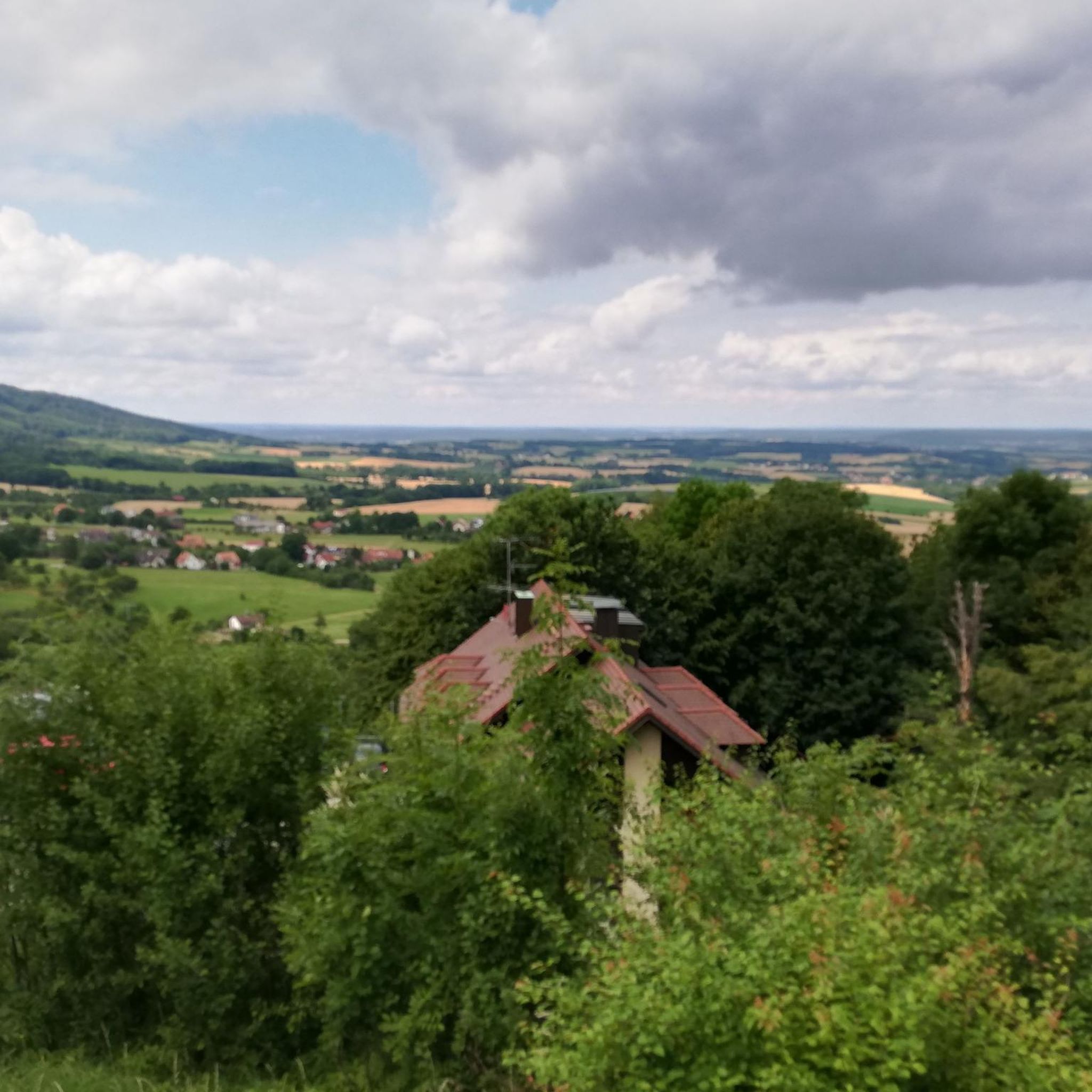
It's quite a climb, but the effort is worth it! The Hollow Church, an impressive dolomite rock formation with a passage and viewpoint, is definitely a highlight of the area!
4
0

Very beautiful little cave system that has not been converted to be suitable for tourists. So remember to wear good shoes and bring a lamp.
2
1

A typical Franconian cave, but the route is poor for mountain bikes. At the moment it is difficult to go down with a mountain bike because of the many tree trunks lying across it. Komoot also leads you to a fenced-in property that you have to go around behind a thick hedge.
1
0

Interesting with the upper cave, into which you could penetrate up to 35 m deep if the slippery ground allows it. The lower cave was once planned as a show cave (lorry tracks), but collapsed. The third cave is only about 4 meters deep and a little more difficult to reach.
1
0

Super nice view of the Trubachtal and great passage through the rock. Fun for smaller kids too. Well suited for a family hike.
6
0

Passage rock in an exposed location. At the other end, a fantastic view of the valley surprises you. Very beautiful!
4
0
Frequently Asked Questions
What are the most notable caves in the broader Franconian Switzerland region accessible from Kunreuth?
While Kunreuth itself is a gateway, the surrounding Franconian Switzerland region is home to several impressive caves. These include the Teufelshöhle (Devil's Cave) near Pottenstein, known for its extensive stalactites, and the Sophienhöhle (Sophie's Cave) near Rabenstein, celebrated for its diverse stalactite formations and historical significance. Another beautiful option is the König-Otto-Tropfsteinhöhle (King Otto Dripstone Cave).
What unique features does Hohle Kirche Cave offer?
The Hohle Kirche Cave provides a unique experience as a cave-like passage leading to a beautiful vantage point. After passing through the opening, which requires a slight stoop, you are rewarded with views of the Trubachtal, Wolfsberg, and Untertrubach. It's also historically significant as a potential lookout point for a burgrave.
What should I know before visiting Frauenhöhle (Women's Cave)?
The Frauenhöhle (Women's Cave) is a naturally formed karst cave hidden in the forest. While it allows for inspection, visitors should bring good lamps due to slippery soil and the lack of natural light inside. It's important to note that bats hibernate here in winter, so consider visiting during other seasons to avoid disturbance.
Are there any historical rock cellars or man-made caves to explore near Kunreuth?
Yes, the region around Kunreuth features historical rock cellars. One such example is the rock cellar, which has multiple branches and a tunnel that can be entered. It's described as a labyrinth and is a popular spot for exploration, especially for families. Don't forget to bring a torch!
What kind of natural formations can I expect to see in the caves around Kunreuth?
The caves in the Franconian Switzerland region, including those accessible from Kunreuth, are primarily karst caves. This means you can expect to see impressive natural formations such as stalactites and stalagmites. Some caves, like Sophienhöhle, are known for their fantastic dripstone formations in various colors.
Are there family-friendly caves or activities suitable for children?
Many caves in the region are suitable for families. For instance, the rock cellar is described as great fun for children due to its labyrinth-like branches. Well-developed show caves like Teufelshöhle also often cater to family visitors with accessible paths and guided tours.
What is the best time of year to visit the caves near Kunreuth?
The caves in Franconian Switzerland can generally be visited year-round. However, some natural caves, like the Frauenhöhle, are home to hibernating bats in winter, so visiting during other seasons might be preferable to avoid disturbance. For show caves, checking their specific opening hours is recommended.
What outdoor activities can I combine with a cave visit near Kunreuth?
The region around Kunreuth offers a variety of outdoor activities. You can find numerous road cycling routes, such as the 'View of Pottenstein Castle – View of Neideck Castle Ruins loop', or mountain biking trails like the 'Beautiful route – View of Walberla from the slope of Hetzles loop'. There are also general cycling routes, including the 'Mindful on the Way Chapel – View of Walberla loop'. You can find more details on these activities in the Road Cycling Routes around Kunreuth, MTB Trails around Kunreuth, and Cycling around Kunreuth guides.
What are some practical tips for exploring the caves around Kunreuth?
When exploring natural caves like the Frauenhöhle or the rock cellar, it's essential to bring good lamps or a torch, as they can be very dark. Be prepared for slippery soil, especially in natural karst caves. Always prioritize safety and respect any signs or guidelines.
Is Walberla Cave easily accessible?
The Walberla Cave is considered challenging to reach. It is located about 30 meters below the edge of the Walberla mountain and requires navigating a rock path that can be difficult to see during periods of dense vegetation. In winter, the path might be more visible but can be slippery.
What do visitors appreciate most about the caves in this region?
Visitors frequently appreciate the natural beauty and geological significance of the caves. The impressive stalactite formations, the sense of exploration in multi-branched cellars, and the unique vantage points offered by some cave entrances are often highlighted. The komoot community has shared over 640 photos and given more than 480 upvotes to the caves around Kunreuth, reflecting their appeal.
Are there any caves with historical significance near Kunreuth?
Yes, several caves have historical connections. The Jungferla Keller, for instance, is associated with local legends. The Sophienhöhle, while not directly in Kunreuth, has documented history dating back to 1490 and shows evidence of prehistoric human activity.
Most popular routes around Kunreuth
Most popular attractions around Kunreuth

Get inspired with the komoot mobile app


Explore more
Extend your search for the best caves by checking out these guides of the top ones around Kunreuth:
