Top 9 Caves around Viereth-Trunstadt
Best caves around Viereth-Trunstadt are found in a region characterized by forests, valleys, and meadows, offering various outdoor activities. While Viereth-Trunstadt itself is known for hiking and cycling along the Main River, the wider area, including Franconian Switzerland, features numerous notable caves. These natural formations range from small grottoes to extensive underground systems. The geological landscape provides a diverse environment for cave exploration.
Best caves around Viereth-Trunstadt
- The most popular caves is Veitenstein Rock Formation, a natural monument that…
Last updated: June 27, 2026
Veitenstein Rock Formation
Highlight • Natural Monument
Translated by Google •
Tip by

Ivy-Covered Grotto by the Main River
Highlight • Cave
Translated by Google •
Tip by

Sign up now to discover places like this
Get recommendations on the best single tracks, peaks, & plenty of other exciting outdoor places.
Sign up for free
Motilly Cave
Highlight • Cave
Translated by Google •
Tip by

Querkel Cave at Veitenstein
Highlight • Cave
More at hassbergverein-veitenstein.de.tl.
Translated by Google •
Tip by

Bamberg Underground Cellars
Highlight • Cave
Showing Translation
Tip by

Sign up for free to discover even more caves around Viereth-Trunstadt.
Sign up for free
Already have an account?
Start today with a free account
Your next adventure awaits.
Login or Signup
Popular around Viereth-Trunstadt
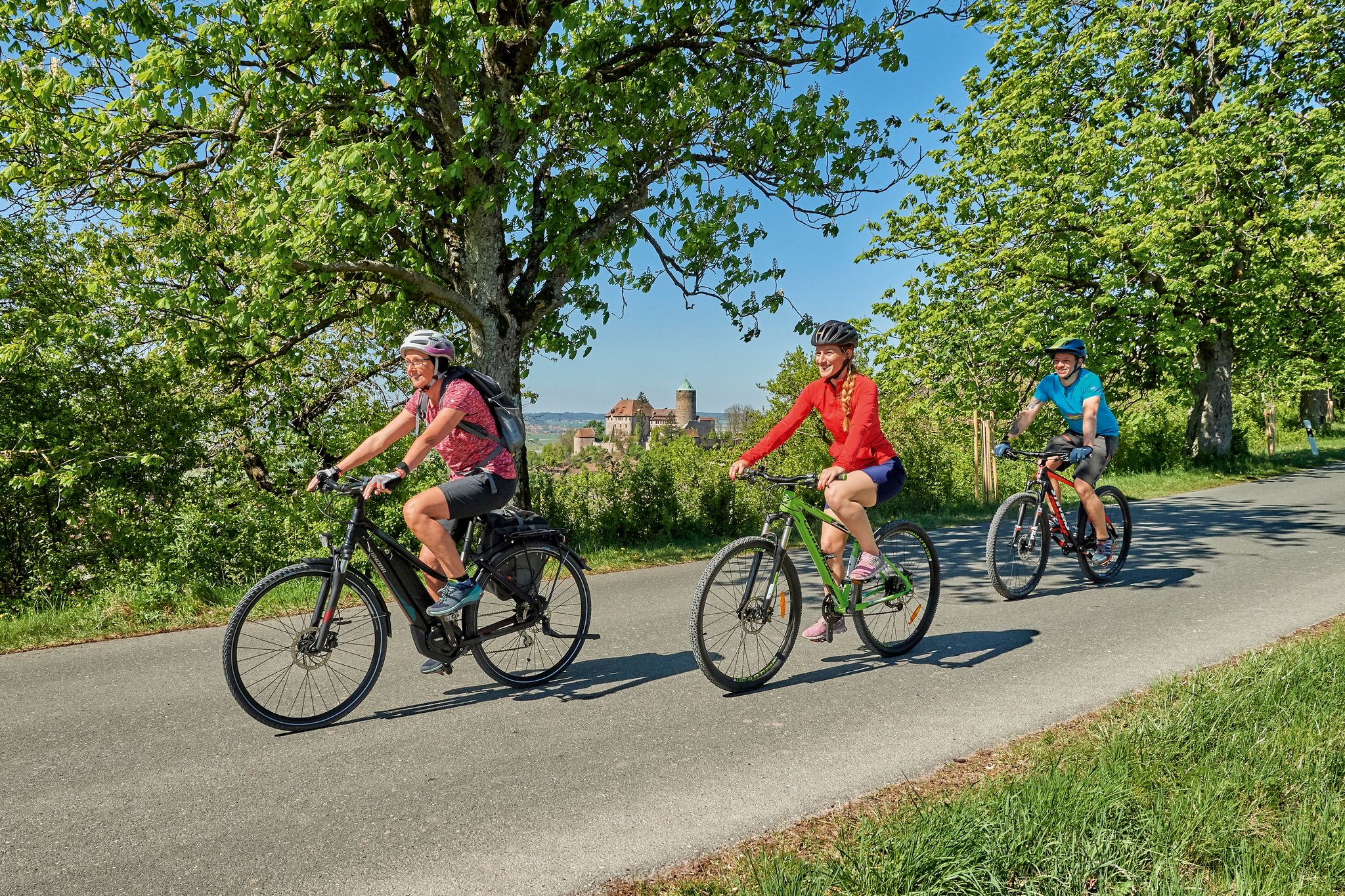
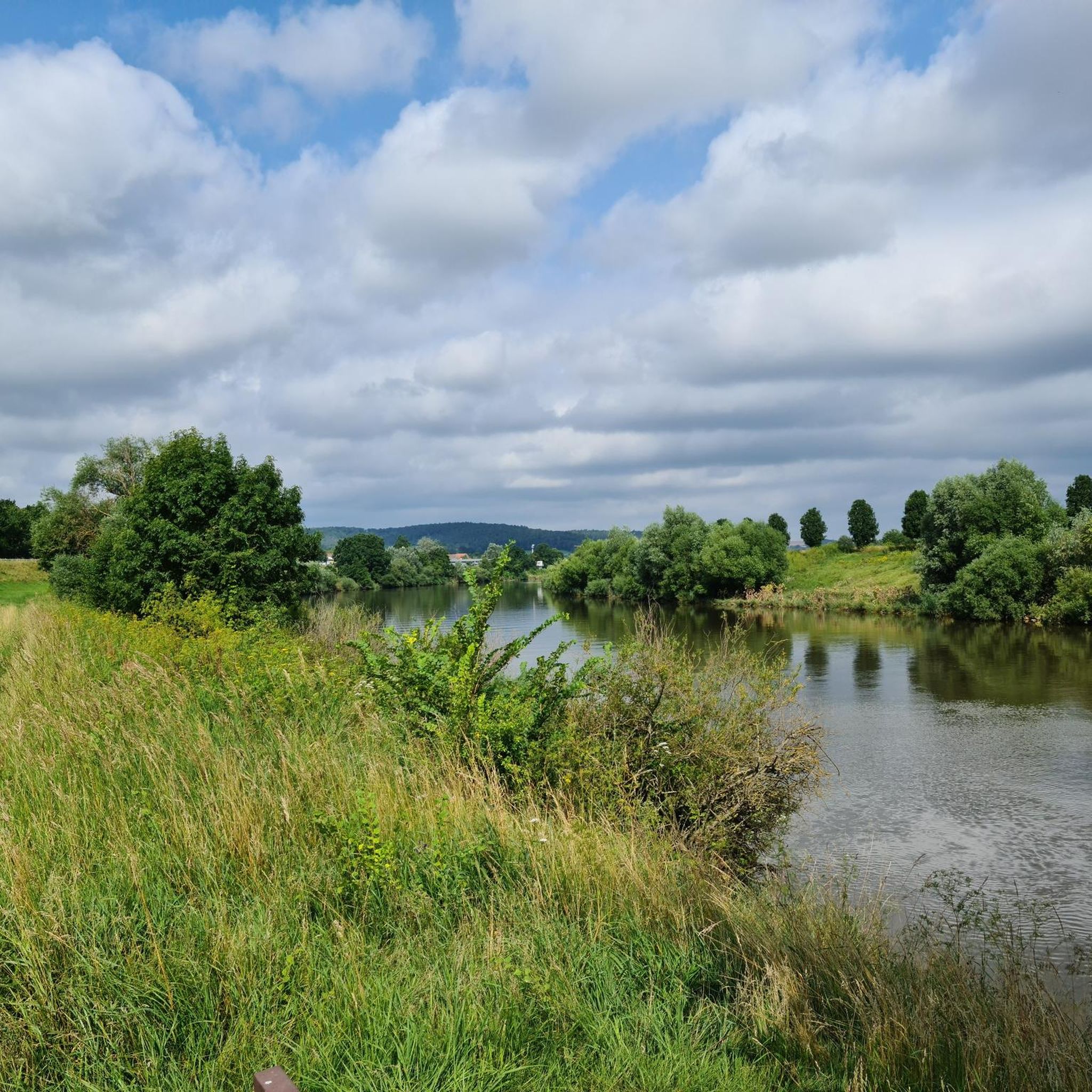
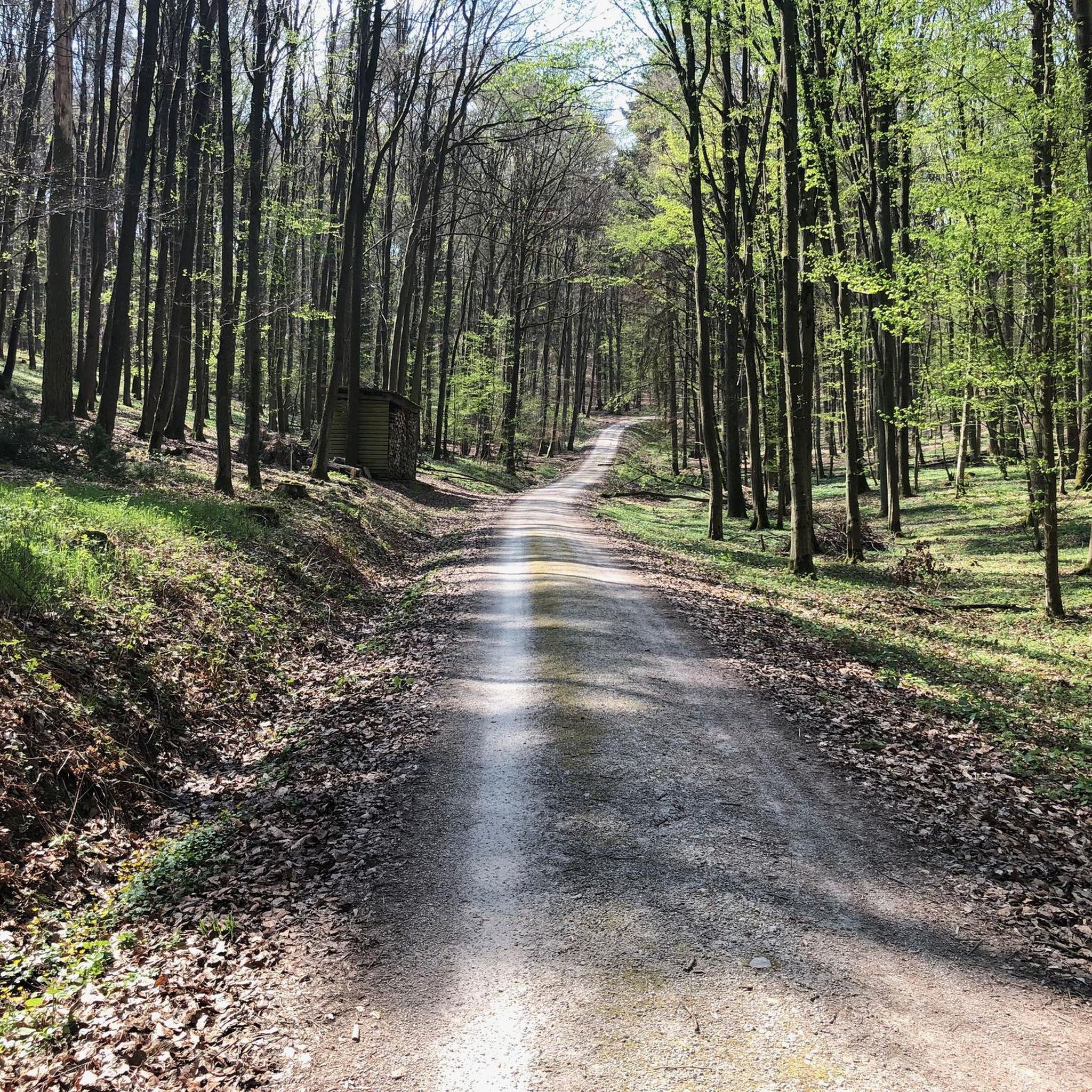

Other adventures around Viereth-Trunstadt

Tips from the Community

Closed in winter so that the bats are undisturbed. A visit is possible between April 20 and October 20. Registration must be made 1 week in advance.
0
0

Addendum to Naxxos from February 20, 2021: The sand was used as writing sand (also called blotting sand or quenching sand). It was formerly used to dry wet ink. Medieval inks dried more slowly than modern inks. ... Traces of blotting sand can still be found on many handwritten historical documents. (Source: Wikipedia)
0
0

You can take a look
1
0

Unfortunately it was closed, but I was able to take a look inside
9
0

Note the sometimes very old graffiti everywhere in the rocks
2
1

The geological subsoil of the Bamberger Berggebiet is Keuper sandstone. Sand extraction has been carried out since the 11th century, continuing well into the industrial age. In the 17th and 18th centuries, the rock cellars were used for storing wine, later beer and malt. During the 19th century, further tunnel systems were added, creating a tunnel system with a length of almost 10 km. In 1941, the underground tunnels were expanded for air-raid shelter purposes. Visits only as part of a guided tour, which can be booked here: https://www.bamberg.info/veranstaltungen/bamberg_und_seine_stollenanlag-47008/
0
0

Aerial view of the Veitenstein
1
0

I spotted them in passing! I'm traveling slower than the cyclists 🙂 A small cave with white sand and the entrance is almost hidden by ivy vines.
0
0
Frequently Asked Questions
What types of caves can I explore around Viereth-Trunstadt?
The region around Viereth-Trunstadt offers a variety of natural rock formations, grottoes, and historical underground cellars. You can find natural monuments like the Veitenstein Rock Formation with a cave underneath, or the quiet Ivy-Covered Grotto by the Main River. There are also unique sites like the Motilly Cave, a former silver sand mine.
Are there any historically significant caves in the Viereth-Trunstadt region?
Yes, the region has several historically significant sites. The Bamberg Underground Cellars are extensive tunnel systems used for centuries for storage and later as air raid shelters. Further afield, the Jungfernhöhle near Tiefenellern is an important archaeological site with Neolithic findings.
Are there any caves suitable for families or those looking for an easy visit?
For a quiet spot to enjoy nature, the Ivy-Covered Grotto by the Main River offers an intermediate experience. While some caves require appointments or guided tours, the general area provides accessible natural beauty. For a more structured family experience with tours, the Teufelshöhle in Franconian Switzerland offers children's programs and guided tours.
What are some impressive show caves in the wider Franconian Switzerland region?
The Teufelshöhle (Devil's Cave) near Pottenstein in Franconian Switzerland is a prominent show cave. It's the largest of its kind in the area, featuring stunning stalactites and stalagmites, an original cave bear skeleton, and offers 45-minute guided tours to explore its formations and history.
Can I visit the Querkel Cave at Veitenstein?
The mysterious Querkel Cave at Veitenstein can be visited by appointment. Additionally, there is an annual 'day of the open Veitensteinhöhle' held in August, offering a special opportunity to explore it.
What kind of geological features can I expect to see in the caves?
The caves in the region, particularly those in Franconian Switzerland like the Teufelshöhle, are known for impressive karst formations, including stalactites and stalagmites. The Bamberg Underground Cellars are carved into Keuper sandstone, showcasing different geological characteristics.
What outdoor activities can I do near the caves around Viereth-Trunstadt?
The area around Viereth-Trunstadt is excellent for outdoor activities. You can find numerous hiking trails, such as those detailed in the Hiking around Viereth-Trunstadt guide, or enjoy cycling along the Main River with routes available in the Cycling around Viereth-Trunstadt guide. Many caves are integrated into these natural landscapes, offering combined exploration opportunities.
Are there any caves that require special arrangements or guided tours?
Yes, some caves require special arrangements. The Querkel Cave at Veitenstein is accessible by appointment, and the Bamberg Underground Cellars can only be viewed as part of a guided tour. The Teufelshöhle in Franconian Switzerland also offers structured guided tours.
What is the best time of year to visit the caves in this region?
Many caves, especially show caves like the Teufelshöhle, are typically open from late March to early November. Natural grottoes and rock formations are generally accessible year-round, though weather conditions should be considered for hiking to them. Always check specific opening times for guided tours or appointment-only caves.
Are there any caves that are not freely accessible?
Yes, the cave underneath the Veitenstein Rock Formation is not freely accessible. Similarly, the Motilly Cave has its entrance closed with a lattice door, though you can view inside, and visits are possible by registration.
What do visitors enjoy most about the caves and natural sites around Viereth-Trunstadt?
Visitors appreciate the natural beauty and tranquility of the area. Many enjoy the views from spots like the Veitenstein Rock Formation, finding it a wonderful place to relax. The quiet atmosphere of places like the Ivy-Covered Grotto by the Main River is also highly valued for enjoying the natural surroundings.
Most popular routes around Viereth-Trunstadt
Most popular attractions around Viereth-Trunstadt

Get inspired with the komoot mobile app


Explore more
Extend your search for the best caves by checking out these guides of the top ones around Viereth-Trunstadt:
