Top 18 Gorges around Glashüttener Forst
Best canyons around Glashüttener Forst are primarily characterized by smaller-scale geological formations such as ravines, stream-carved valleys, and gorges within the Taunus Nature Park. The region features a forested, hilly landscape with notable natural features. While not known for large, dramatic canyons, Glashüttener Forst offers several striking gorges and valleys. These areas often include eroded sandstone layers and small waterfalls, providing diverse natural environments for exploration.
Best canyons around Glashüttener Forst
- The most popular canyons is Devil’s Hole Waterfalls,…
Last updated: June 27, 2026
Devil’s Hole Waterfalls
Highlight • Waterfall
Translated by Google •
Tip by

Salamandertal Sandstone Gorge
Highlight • Gorge
Translated by Google •
Tip by

Sign up now to discover places like this
Get recommendations on the best single tracks, peaks, & plenty of other exciting outdoor places.
Sign up for free
Lochautal Valley
Highlight (Segment) • Gorge
Translated by Google •
Tip by

Arzloch Waterfall
Highlight • Waterfall
Translated by Google •
Tip by

Aftergraben Gorge
Highlight (Segment) • Gorge
Translated by Google •
Tip by

Sign up for free to discover even more gorges around Glashüttener Forst.
Sign up for free
Already have an account?
Start today with a free account
Your next adventure awaits.
Login or Signup
Popular around Glashüttener Forst
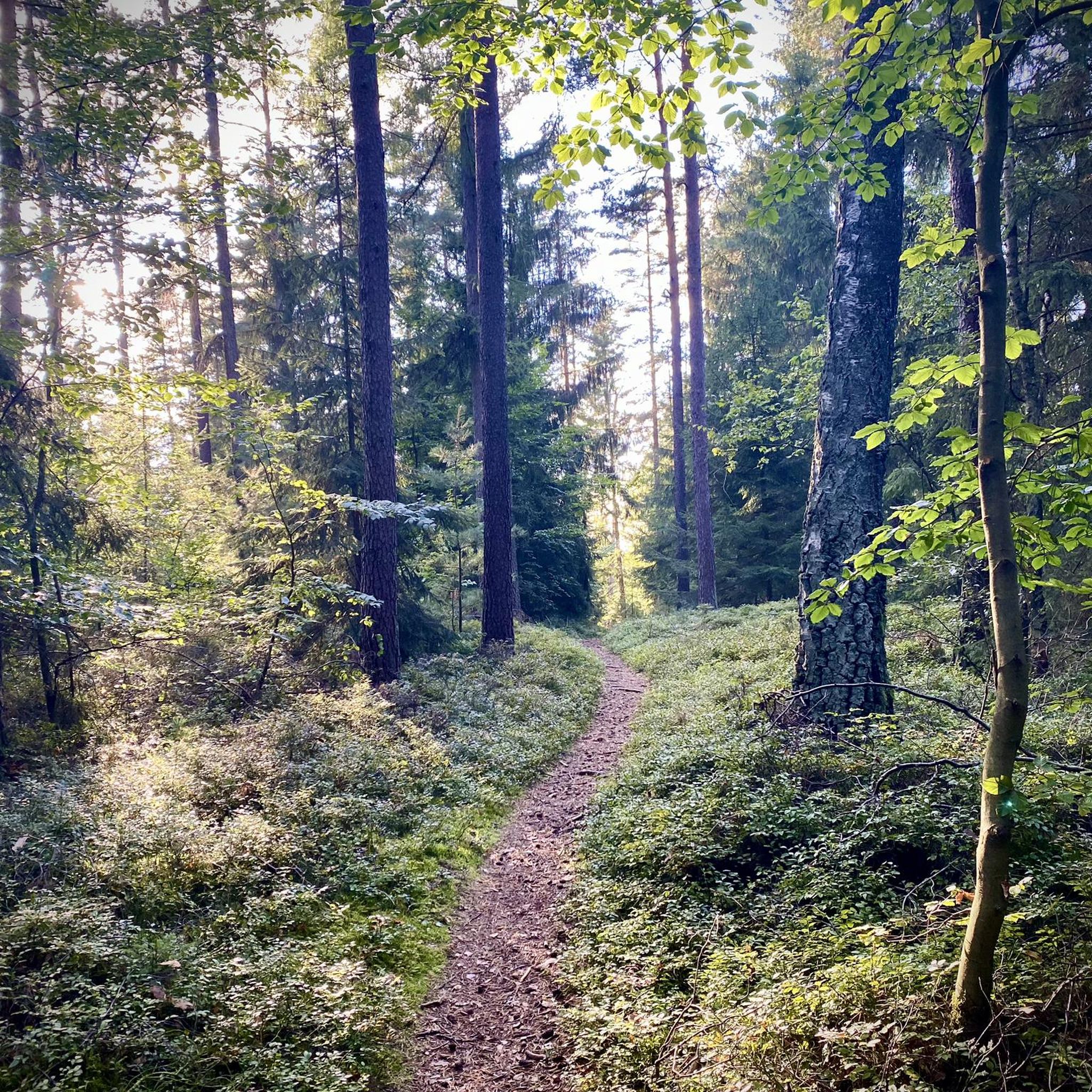
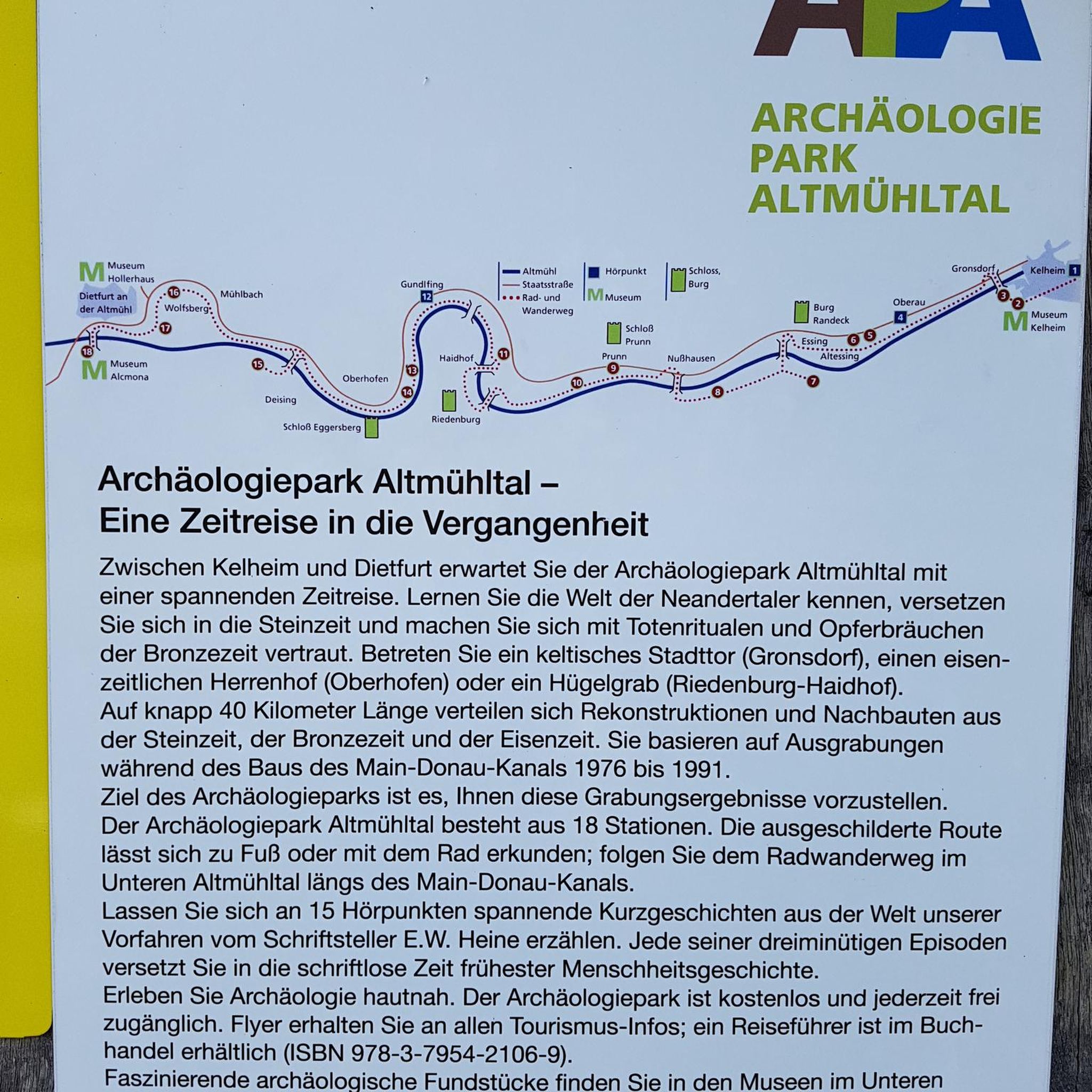
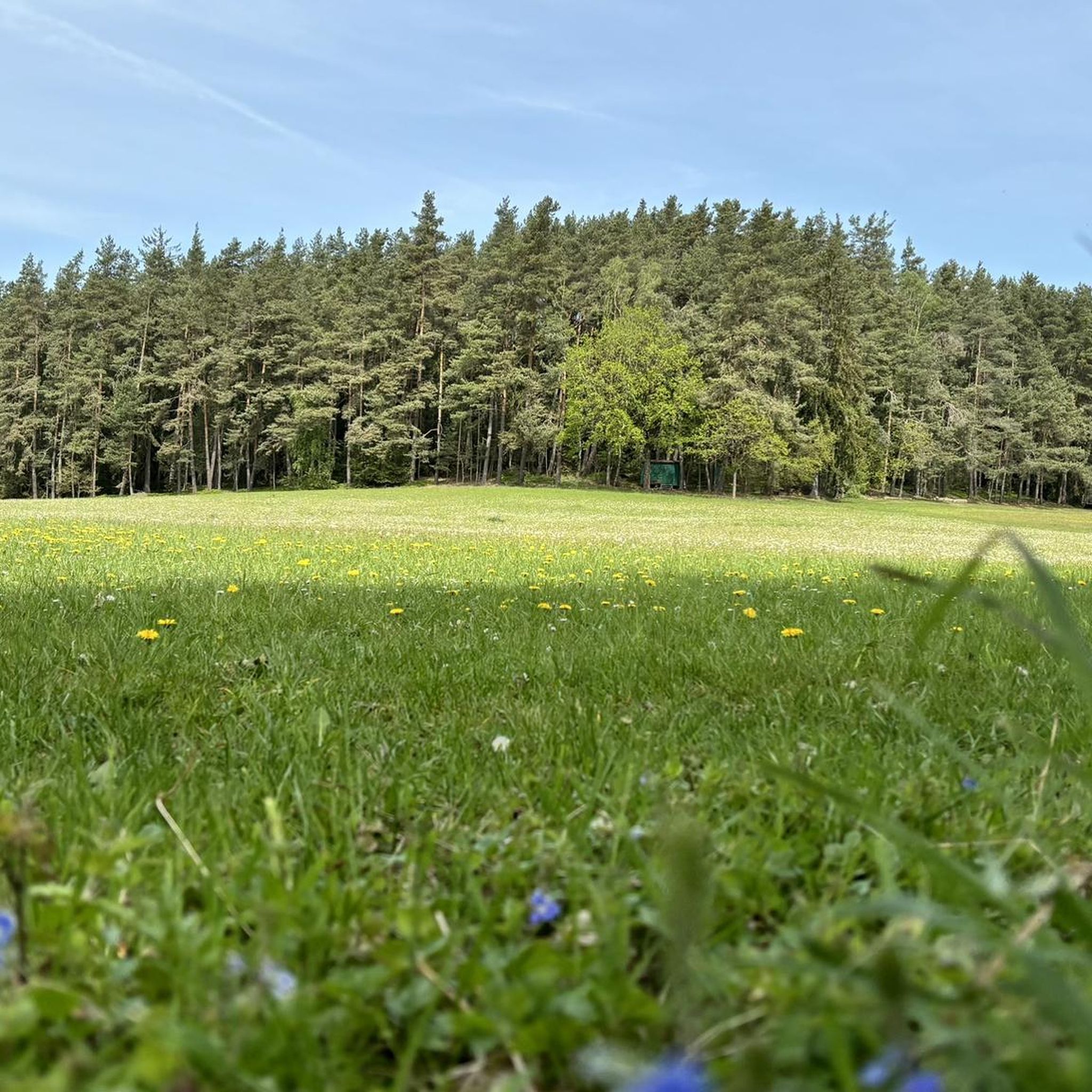
Other adventures around Glashüttener Forst

Tips from the Community

The Arzloch is a popular hiking destination and often still considered a hidden gem. It's a protected natural monument, a wooded area known for its atmospheric, wild gorge with eroded sandstone layers. The waterfall itself is relatively small, with a height of about 3 to 4 meters. Access to the waterfall is natural. Hikers should wear sturdy footwear, as the path leads over roots, narrow trails, and uneven forest floor. The surrounding area is the real highlight. The damp local climate has carved a unique gorge into the Rhaetian sandstone layers, which is home to rare animal and plant species. The bizarre sandstone formations, which can resemble honeycombs due to weathering, are geologically interesting.
5
0

The Aftergraben is the smaller version of the Teufelsgraben, but just as beautiful and interesting
0
3

The Arzloch is an atmospheric, wild gorge with eroded sandstone layers. Due to its humid local climate, it is home to rare animal and plant species, a waterfall and the "Markgrafentisch" rock formation. To get down from Eckersdorf, you have to climb a little and cross a narrow wooden bridge. A real experience.
16
5
The only 1.8 kilometers long tempts you not to expect much from this small hiking trail. However, the "Rhätschlucht" (Rhātschlucht), known because of its rare climate, offers some hidden peculiarities. The Salamander Valley is also a monument and is therefore a nature reserve. The sandstone gorge is of course named after the fire salamanders, which still feel at home in the Salamander Valley today due to the special climate and the swampy areas.
18
2
It's beautiful how the clear water rushes over the mossy rocks. It's not one of the big waterfalls, but it's enchanting nonetheless.
16
4

Incredibly primitive, wild and overgrown. Very beautiful.
2
0


Unfortunately it was dry when we visited, so it's best to visit after the snow has melted or there has been heavy rain.
5
4
Frequently Asked Questions
What kind of geological formations can I expect to see in Glashüttener Forst?
Glashüttener Forst, located within the Taunus Nature Park, is characterized by smaller-scale geological formations such as ravines, stream-carved valleys, and gorges. While not featuring large, dramatic canyons like other regions, you'll find striking gorges with eroded sandstone layers and small waterfalls, offering diverse natural environments.
What are some of the most notable gorges in Glashüttener Forst?
Among the most notable gorges are 👹 Devil's Hole (Teufelsloch), known for its jungle-like environment and impressive plant species, and Salamandertal Sandstone Gorge, a wild and romantic valley with a hiking trail along the Mühlbach. Another highlight is Arzloch Waterfall, an atmospheric gorge featuring eroded sandstone and a small waterfall.
Are there any waterfalls to see in the gorges of Glashüttener Forst?
Yes, several gorges feature waterfalls. For instance, Devil’s Hole Waterfalls are described as small but enchanting, with bizarre ice formations in winter. The Arzloch Waterfall is another atmospheric spot within a wild gorge, known for its humid local climate and unique rock formations.
What is the best time to visit the gorges around Glashüttener Forst?
Many of the gorges, such as 👹 Devil's Hole (Teufelsloch), are accessible year-round. Winter visits offer a unique experience with frozen waterfalls and ice formations. However, the lush vegetation and flowing streams are particularly beautiful during spring and autumn.
Are the gorges in Glashüttener Forst suitable for families?
Yes, some areas are family-friendly. For example, the Arzloch Waterfall is considered family-friendly, though hikers should wear sturdy footwear as paths can be uneven. The natural beauty and unique geological features offer an engaging experience for all ages.
What kind of natural features and wildlife can be found in these gorges?
The gorges are rich in natural features, including Rhaetian sandstone formations, mossy rocks, and diverse plant species, creating a primeval, jungle-like environment in places like 👹 Devil's Hole (Teufelsloch). The humid local climate of areas like Arzloch Waterfall supports rare animal and plant species. The Salamandertal Sandstone Gorge is a protected natural monument known for its fire salamanders.
What do visitors enjoy most about the gorges in Glashüttener Forst?
Visitors frequently praise the wild and romantic atmosphere of the valleys and gorges. The unique geological formations, such as eroded sandstone layers and small waterfalls, are highly appreciated. Many enjoy the feeling of being in a 'jungle-like' or 'primeval' environment, especially the bizarre ice formations in winter at spots like 👹 Devil's Hole (Teufelsloch).
Are there hiking trails available in the gorges?
Yes, there are numerous hiking opportunities. For instance, the Salamandertal Sandstone Gorge features a renewed hiking trail along the Mühlbach. The Lochautal Valley also offers beautiful hiking trails along the Lochau, allowing you to explore diverse biotopes and enjoy nature away from roads.
What outdoor activities can I do near the gorges of Glashüttener Forst?
Beyond exploring the gorges, the Glashüttener Forst area offers various outdoor activities. You can find numerous cycling routes, including touring bicycle paths like the 'Pathway Along the Mistelbach' or 'Old Railway Bridge' loops, as well as road cycling and gravel biking options. For more details, you can explore guides like Cycling around Glashüttener Forst, Road Cycling Routes around Glashüttener Forst, and Gravel biking around Glashüttener Forst.
What is the difficulty level of hiking in these gorges?
Many of the trails through the gorges are rated as intermediate. Some, like parts of 👹 Devil's Hole (Teufelsloch), can be challenging, involving steps, small footbridges, and uneven terrain. Sturdy footwear is recommended, especially when paths lead over roots and forest floors, as mentioned for the Arzloch Waterfall.
Are there any less crowded gorges or valleys to explore?
While popular spots like 👹 Devil's Hole (Teufelsloch) can get crowded in the afternoon, especially after freezing temperatures, other areas like the Lochautal Valley offer a chance to enjoy nature and forget the stress of everyday life, being only accessible on foot or by bike and without a road running through it.
Most popular routes around Glashüttener Forst
Most popular attractions around Glashüttener Forst

Get inspired with the komoot mobile app


Explore more
Already discovered everything in this region? See additional gorges around Glashüttener Forst for your next adventure:
