Top 6 Caves around Antweiler
Caves around Antweiler are primarily natural geological formations resulting from the karstification of limestone. This region, particularly around the Dreimühlen Waterfall, features limestone cliffs where natural processes have created weathered formations and smaller caves. The limestone originated from marine organisms millions of years ago and was later uplifted by tectonic activity. Rainwater and surface water dissolve the limestone, leading to the creation of these features.
Best caves around Antweiler
- The most popular caves is Burial Grotto on the Adenau Way…
Last updated: August 20, 2026
Rock overhang with wooden cross below the Dreimühlen ruin
Highlight • Cave
Translated by Google •
Tip by

Burial Grotto on the Adenau Way of the Cross
Highlight • Religious Site
+ At the beginning one with …
Translated by Google •
Tip by

Sign up now to discover places like this
Get recommendations on the best single tracks, peaks, & plenty of other exciting outdoor places.
Sign up for free
Goldloch Mine near Insul
Highlight • Historical Site
Translated by Google •
Tip by

World War II Air Raid Shelter (Rhein-Ahr-Eifel)
Highlight • Monument
Translated by Google •
Tip by

Goldloch Insul Mining Information Site
Highlight • Historical Site
Translated by Google •
Tip by

Sign up for free to discover even more caves around Antweiler.
Sign up for free
Already have an account?
Start today with a free account
Your next adventure awaits.
Login or Signup
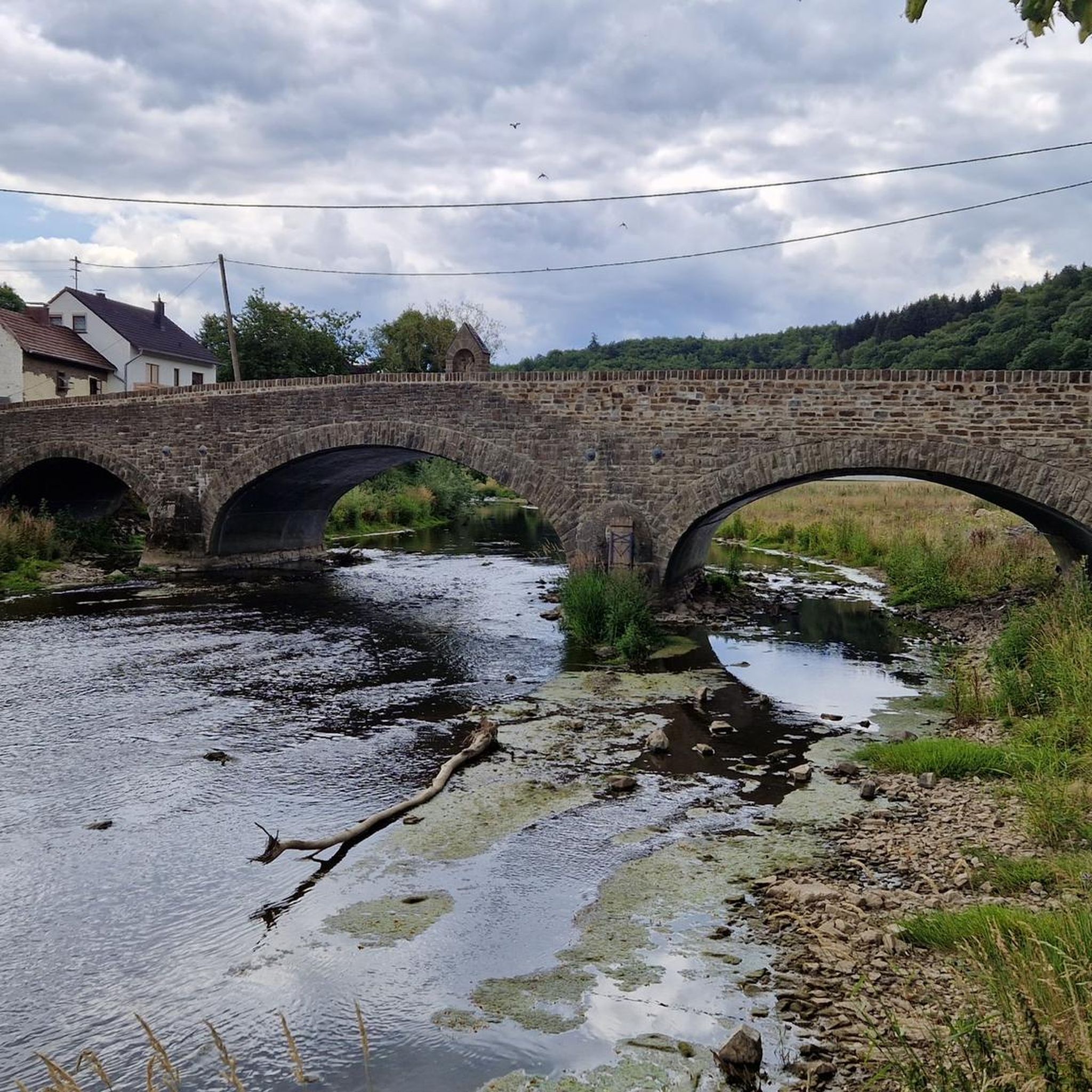
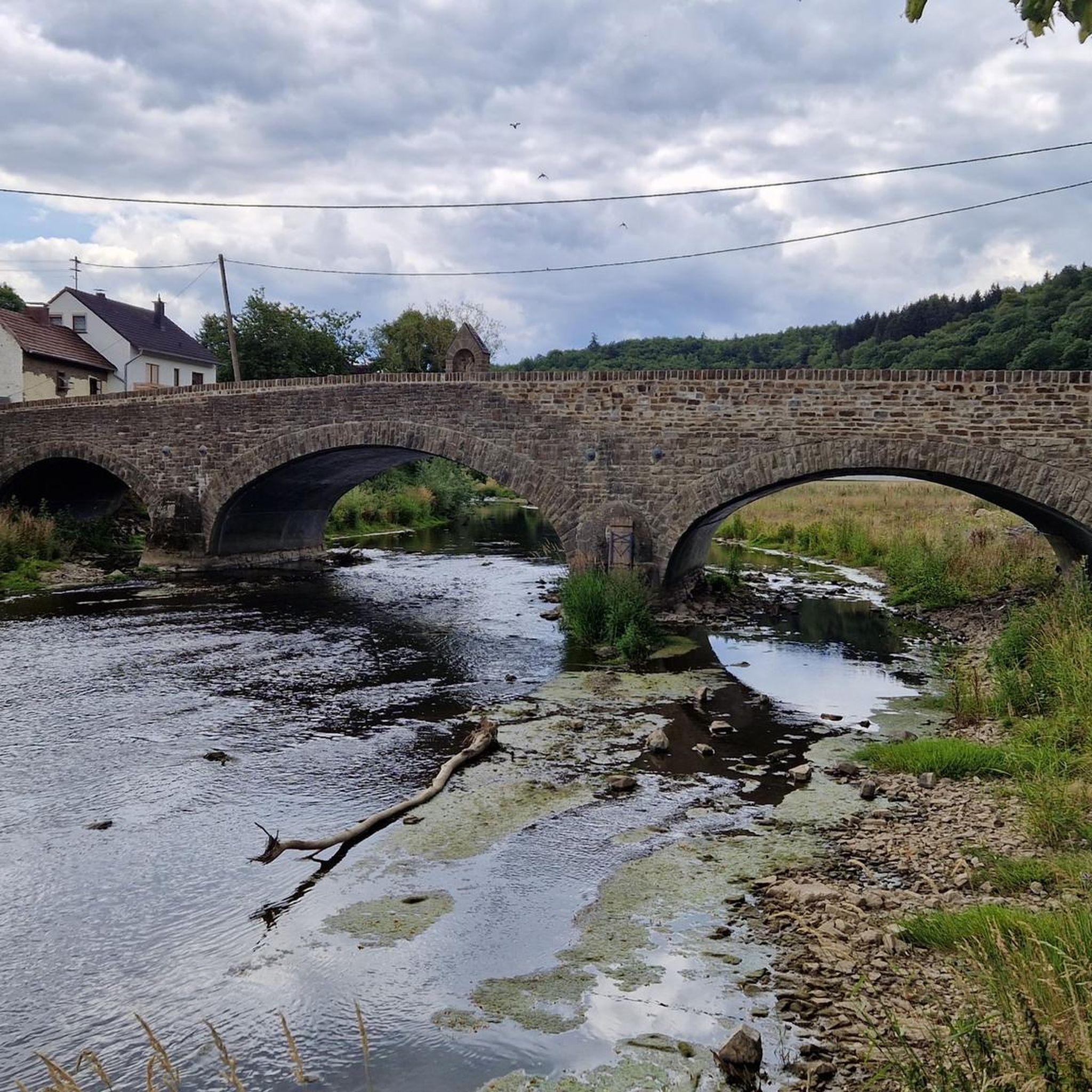
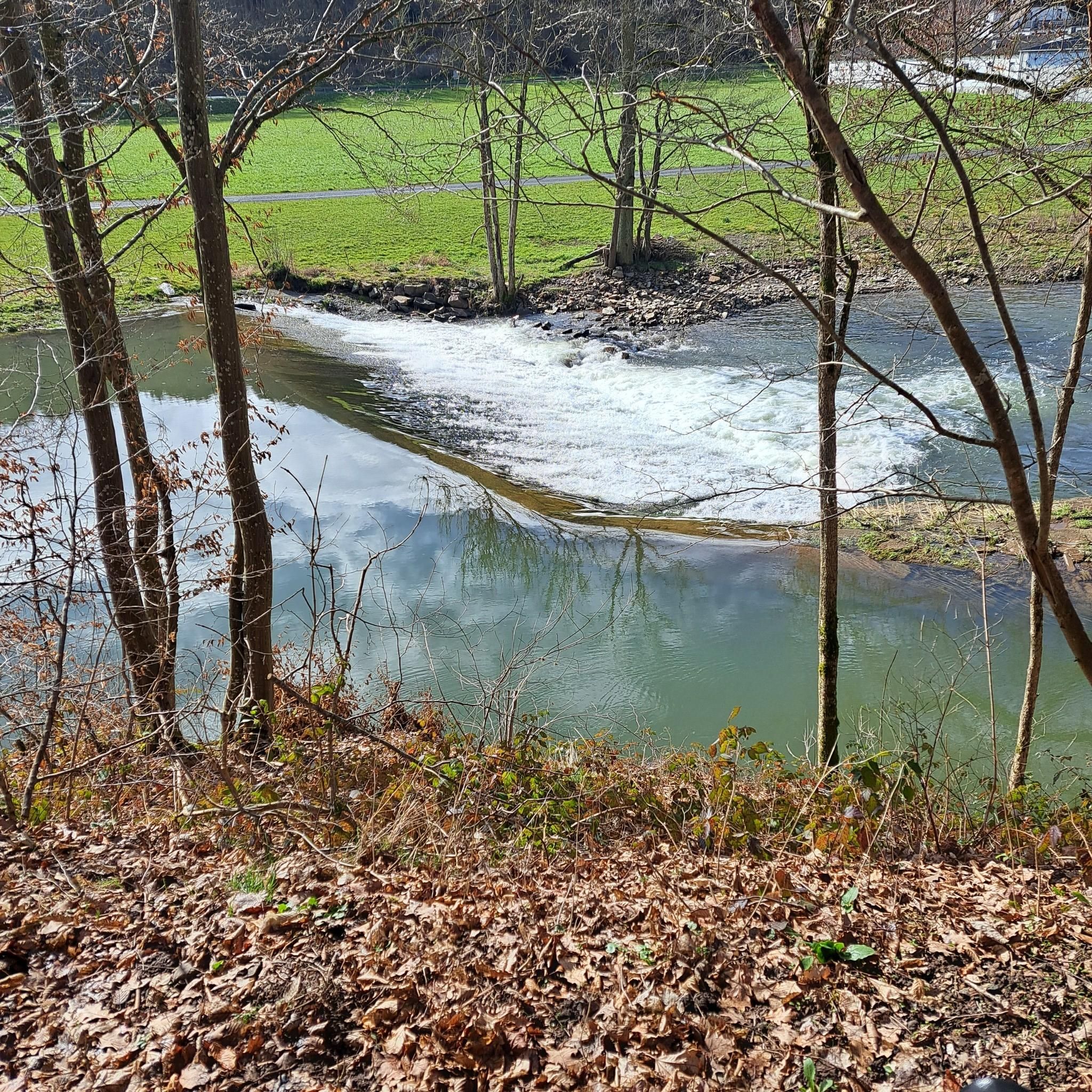
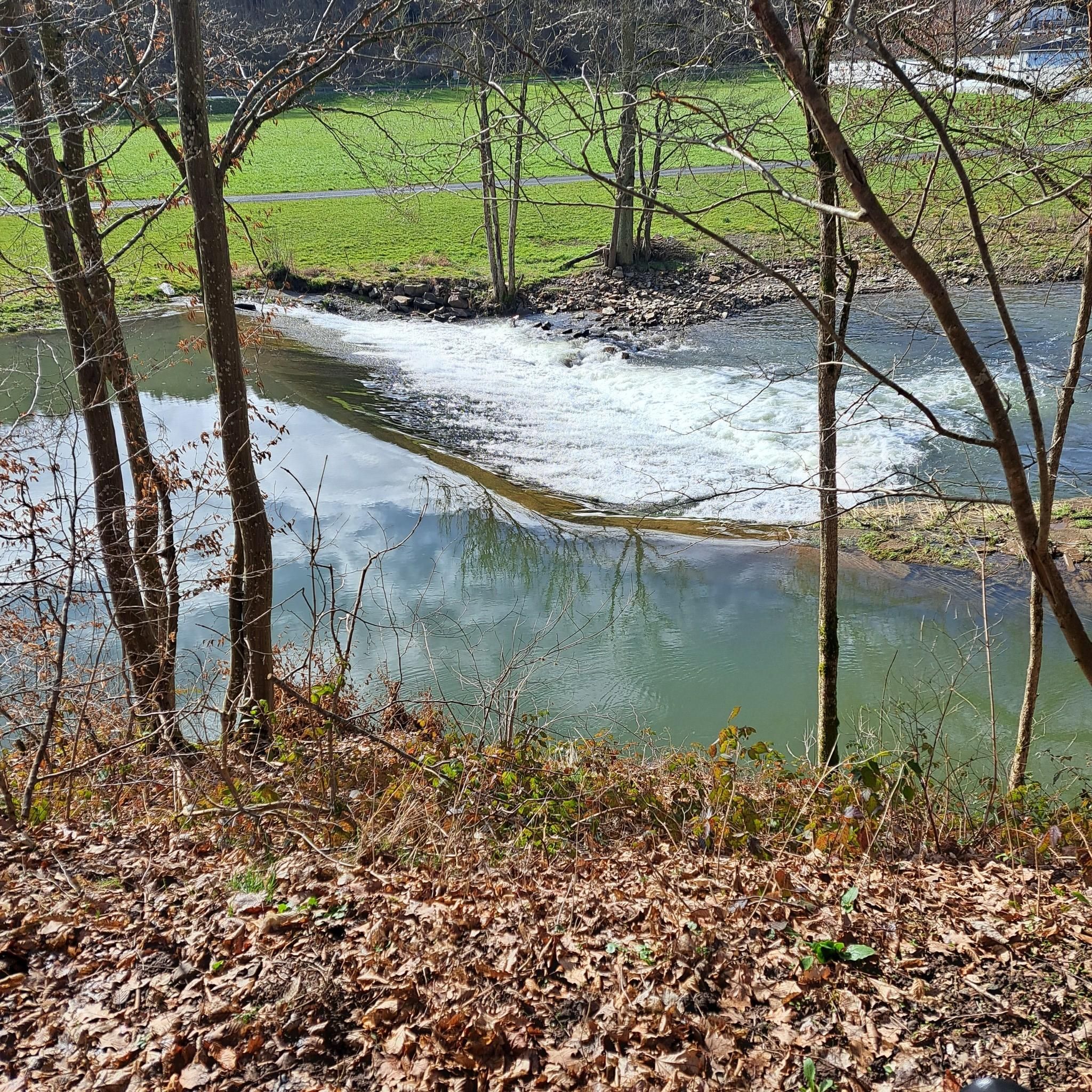
Tips from the Community

"In the local parlance, the parcel of land with the three tunnel entrances in the so-called Kupferberg has always been referred to as the "Goldloch." However, neither gold nor other precious metals have brought any monetary benefit to the island's citizens in recent times. Rather, after mining ceased in the 1930s, the tunnels served as a refuge from bombing raids during World War II and, for a long time, as a secret adventure playground for children. In the summer of 2015, the local community cleared the area. The entrances were then professionally sealed and secured. The forecourt has been converted into an information center about the mines, including a miner's hut, which also serves as a shelter for hikers and cyclists. The open spaces inside the hut are equipped with information panels on geology and the importance of mining for the Eifel region, vividly conveying the history." Source: 750 Years Commemorative Publication| Life in Insul https://www.hocheifel-nuerburgring.de/a-bergbau-informationsstaette-goldloch-insul
0
0

The islanders have always called the parcel of land with the three tunnel entrances on the Kupferberg the "Goldloch" (Gold Hole) – even though no gold was ever found there. After mining ceased in the 1930s, the tunnels were used as shelters during World War II and later became a secret adventure playground for children. In 2015, the municipality cleared the area, secured the entrances, and built a miner's hut. Today, there is information about geology and mining history there – and hikers and cyclists can use the hut as a shelter.
1
0

A plot of land with three tunnel entrances in the so-called Kupferberg in Insul has long been known as the Goldloch. Mining there was abandoned in the 1930s. During World War II, the tunnels served as places of refuge from bombing raids. For Insul children, the Goldloch was an adventure playground for a long time. Source: https://www.aw-wiki.de/index.php/Goldloch_Insul
2
0

The impressive structure of this open-air Stations of the Cross, beautifully embedded in nature a little above the village of Adenau, has two grottos: + At the beginning one with a depiction of Jesus' prayer on the Mount of Olives, + At the end one with a depiction of the burial of Jesus. In between, the well-known 14 Stations of the Cross are lined up along the Stations of the Cross.
10
0
<< Adenauer Way of the Cross >> "The neo-Gothic Way of the Cross is within walking distance of the market square in Adenau and can be described as a unique cultural monument due to its location and its charming composition of various stone materials from the Upper Eifel. The length of the stations is approx. 700 m with a difference in altitude of approx. 75 m. The historic Way of the Cross is also a small section of the EIFELLEITER premium hiking trail." https://www.eifel.info/a-adenauer-kreuzweg
0
0

Nice rest area with a view over the Ahr
2
0

The information board is also very interesting.
1
0

In the language of the island, the piece of land with the 3 tunnel entrances in the so-called Kupferberg has always been referred to as a "gold hole". However, neither gold nor other precious metals have brought any monetary benefit to the citizens of the island in recent times. Rather, after mining was abandoned in the 1930s, the tunnels served as a place of refuge from bombing raids in World War II.
8
0
Frequently Asked Questions
What kind of caves and geological features can I expect to find around Antweiler?
The Antweiler region features primarily natural geological formations resulting from the karstification of limestone. You'll find weathered rock formations, smaller undeveloped cave-like features, and rock overhangs. Additionally, there are man-made structures adapted from natural formations, such as religious grottos, historical air-raid shelters, and old mining tunnels.
What geological processes formed the caves and rock formations in the Antweiler region?
The limestone in this region originated millions of years ago from marine organisms and was later uplifted by tectonic activity. Rainwater and surface water, slightly carbonated by atmospheric CO2, react with and dissolve the limestone, leading to the creation of these weathered formations and caves. The Dreimühlen Waterfall area is a prime example of this process.
Are there any natural rock overhangs or shelters to explore?
Yes, you can explore the Rock overhang with wooden cross below the Dreimühlen ruin. This natural cave formation was created by karstification, forming an interesting shelter that also features a wooden cross.
What historical sites related to caves can I visit near Antweiler?
You can visit the World War II Air Raid Shelter (Rhein-Ahr-Eifel), a man-made monument with an information board detailing its use around 1944. Another historical site is the Goldloch Insul Mining Information Site, which features old mining tunnels and a rest area with explanations about ore and gold mining.
Are there any religious grottos or cave-like shrines in the area?
Yes, the Burial Grotto on the Adenau Way of the Cross is a religious building and cave featuring two grottos depicting scenes from the Stations of the Cross. There is also the Mary Grotto in the Rock, a small grotto carved into the rock housing a statue of the Mother of God.
Are the cave-related sites around Antweiler generally accessible or difficult to reach?
Many of the highlighted sites, such as the religious grottos and the air-raid shelter, are generally accessible, often located near paths or roads. The natural rock formations and undeveloped cave-like features in areas like the Dreimühlen Waterfall might require some hiking on trails of intermediate difficulty.
Are there family-friendly cave-related sites in the Antweiler area?
The Goldloch Insul Mining Information Site is considered family-friendly, offering a nice rest area with explanations about ore and gold mining. Many of the natural rock formations are also suitable for families to explore, though supervision is always recommended.
What is the best time of year to visit the caves and geological features around Antweiler?
The best time to visit is generally during the spring, summer, and early autumn months (April to October) when the weather is milder and more suitable for outdoor exploration and hiking. During these periods, you can comfortably explore the natural formations and historical sites.
Can I bring my dog to the cave areas around Antweiler?
While specific rules for each individual cave or rock formation are not always posted, the general outdoor areas and hiking trails around Antweiler are often dog-friendly. It's advisable to keep dogs on a leash and ensure they are well-behaved, especially near historical sites or other visitors.
What outdoor activities can I do near these caves and geological features?
The region around Antweiler offers various outdoor activities. You can find numerous hiking trails, including easy and moderate routes like the 'Sion's Eifel Smokehouse – Stephanskreuz at Kirmesberg loop from Antweiler'. There are also cycling routes, such as the 'Ahr Cycle Path', and running trails available.
Where can I find parking when visiting the cave sites around Antweiler?
Parking availability varies by location. For sites like the religious grottos or the air-raid shelter, you can often find parking in nearby villages or designated parking areas for hikers. For natural formations, look for trailheads or small parking spots along access roads. Always check local signage for specific parking regulations.
Most popular routes around Antweiler
Most popular attractions around Antweiler

Get inspired with the komoot mobile app


Explore more
Extend your search for the best caves by checking out these guides of the top ones around Antweiler:
