Top 10 Castles around Vilseck
Best castles around Vilseck are primarily centered around Burg Dagestein, a significant historical fortification within the town. This region in Bavaria, Germany, features a landscape rich with historical sites, including Romanesque and Gothic architectural examples. The area offers opportunities to explore medieval structures and enjoy panoramic views. Vilseck's historical context includes its role within the Bamberg Prince-Bishopric and various transformations over centuries.
Best castles around Vilseck
- The most popular castles is Breitenstein Castle Double Chapel, a historical religious building that once belonged to Breitenstein Castle. This chapel is the only two-storey double chapel from the Romanesque era in the Upper Palatinate.
- Another must-see spot is Dagestein Castle, a historical castle with origins dating back to the late 12th century. Visitors can explore its Romanesque keep, which offers panoramic views, and experience its role as a cultural center hosting various events.
- Visitors also love Hartenfels Summit and Castle Ruins, a summit featuring remnants of a historical castle. This location provides views over Neukirchen and the surrounding area, with signs detailing the former castle's layout.
- Vilseck is known for its blend of well-preserved castles, castle ruins, and historical religious buildings. The area offers a variety of historical sites to explore, from fortified keeps to ancient chapels.
- The castles around Vilseck are appreciated by the komoot community, with more than 300 photos shared and over 300 upvotes for the highlights.
Last updated: October 13, 2026
Breitenstein Castle Double Chapel
Highlight • Religious Site
Translated by Google •
Tip by

Hartenfels Summit and Castle Ruins
Highlight • Summit
Translated by Google •
Tip by

Sign up now to discover places like this
Get recommendations on the best single tracks, peaks, & plenty of other exciting outdoor places.
Sulzbach-Rosenberg Castle and Palace
Highlight (Segment) • Castle
In 1355 Sulzbach became the capital of the newly created territory of New Bohemia under Emperor Charles IV. At that time, the Sulzbach Castle must have been largely expanded in the form in which it can still be seen today in the floor plan. In 1395 Sulzbach was given to Count Palatine Ruprecht III. pledged; he built a larger amount of around 500 Hungarian guilders in the castle. In 1430 the Hussenturm was built to protect against the threat of the Hussite invasions. In 1582 Ottheinrich II moved into his residence. When Count Palatine August 1615 moved into the castle, he had the last major change carried out until the 19th century. The last duke of the Principality of Sulzbach was Charles IV. Theodor. In 1742, when he moved to Mannheim-Schwetzingen, he took the Sulzbach court library with him. The residence was given up in 1742 when Charles IV. Theodor became the heir of the Neuburg line. The castle served as the widow's residence for Count Palatine Franziska Dorothea until 1794. After the seat of government was given up (1791) and the last countess Palatine died, the castle fell into disrepair. In 1807 Johann Esaias von Seidel acquired the building and set up his publishing house. In addition to extensive renovations, he also had the overgrown Schlossberg cultivated.
From 1850 to 1963, the military, penal institutions for women and men, students from the Protestant girls 'college, the Army NCOs' pre-school XIII, the Potsdam military orphanage in Graz-Liebenau and the local history museum were housed in the castle.
Today there is the City Library, Städt. Singing and music school and the state building authority in the rooms of the castle.
Translated by Google •
Tip by

Dagestein Castle
Highlight • Castle
Vilseck was first mentioned in a document in 1185 as part of the holdings of the Bamberg bishopric. In 1205 a Megelaus von Dagestein was named in a document, and after the Dagestein family died out, the lords of the castle named themselves after the emerging town of Vilseck. The castle was expanded into a moated castle in the 15th century. During the feud between Götz von Berlichingen (knight with the iron hand) and the Bamberg bishop it was looted and pillaged in 1512, but then rebuilt. In 1552 the complex, which was now mainly used as a granary and prison, was conquered by Margrave Albrecht Alcibiades of Bayreuth. Extensive new buildings took place around 1730, and in the course of secularization, parts of the castle were sold to Vilseck citizens in 1802. In the years 1796/97 the robber captain Franz Troglauer was imprisoned in the castle for a few months. Today it is owned by the city, and extensive renovations were carried out on the keep from 1999 to 2002.
Translated by Google •
Tip by

Hammerschloss Röthenbach
Highlight • Castle
Translated by Google •
Tip by

Sign up for free to discover even more castles around Vilseck.
Already have an account?
Start today with a free account
Your next adventure awaits.
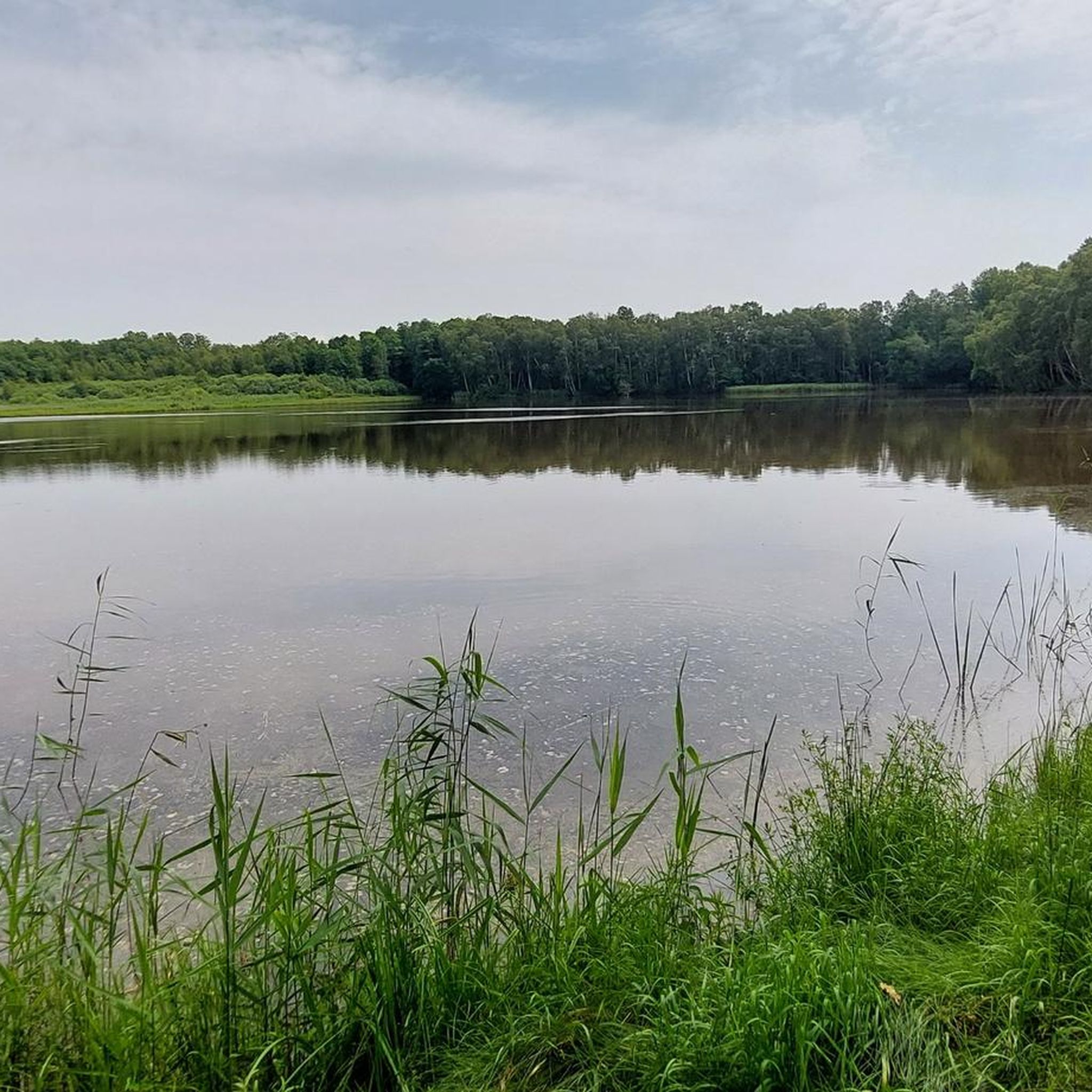
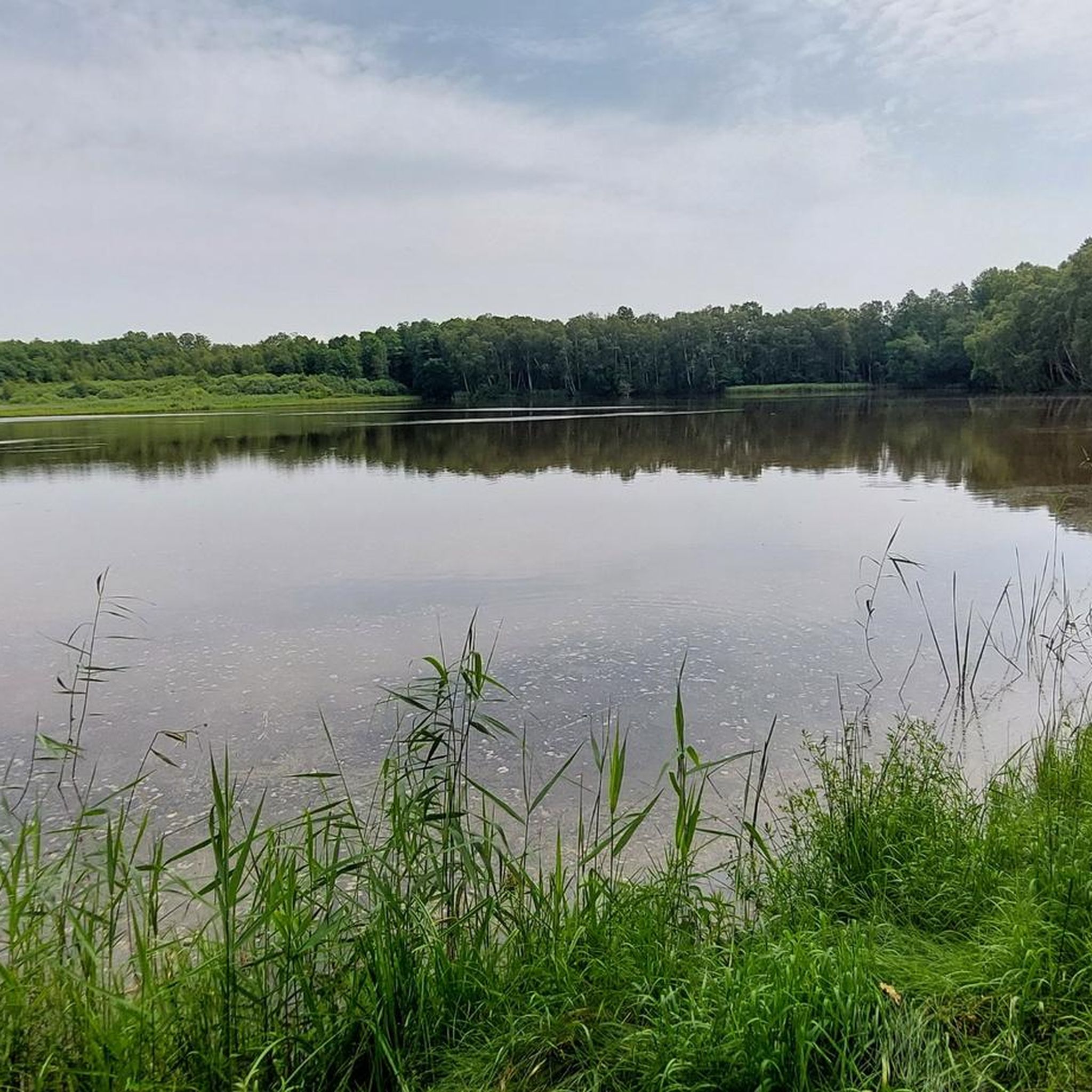
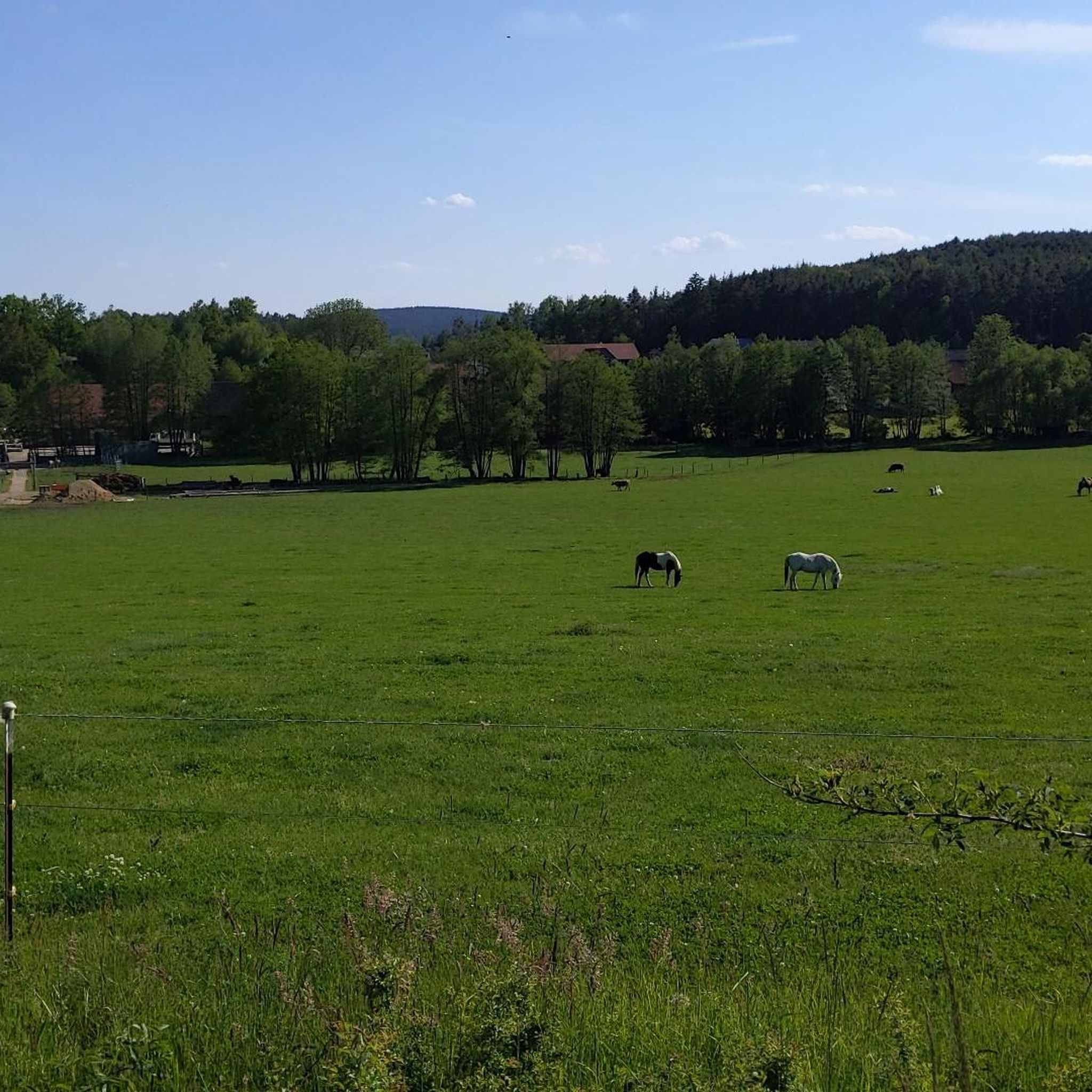
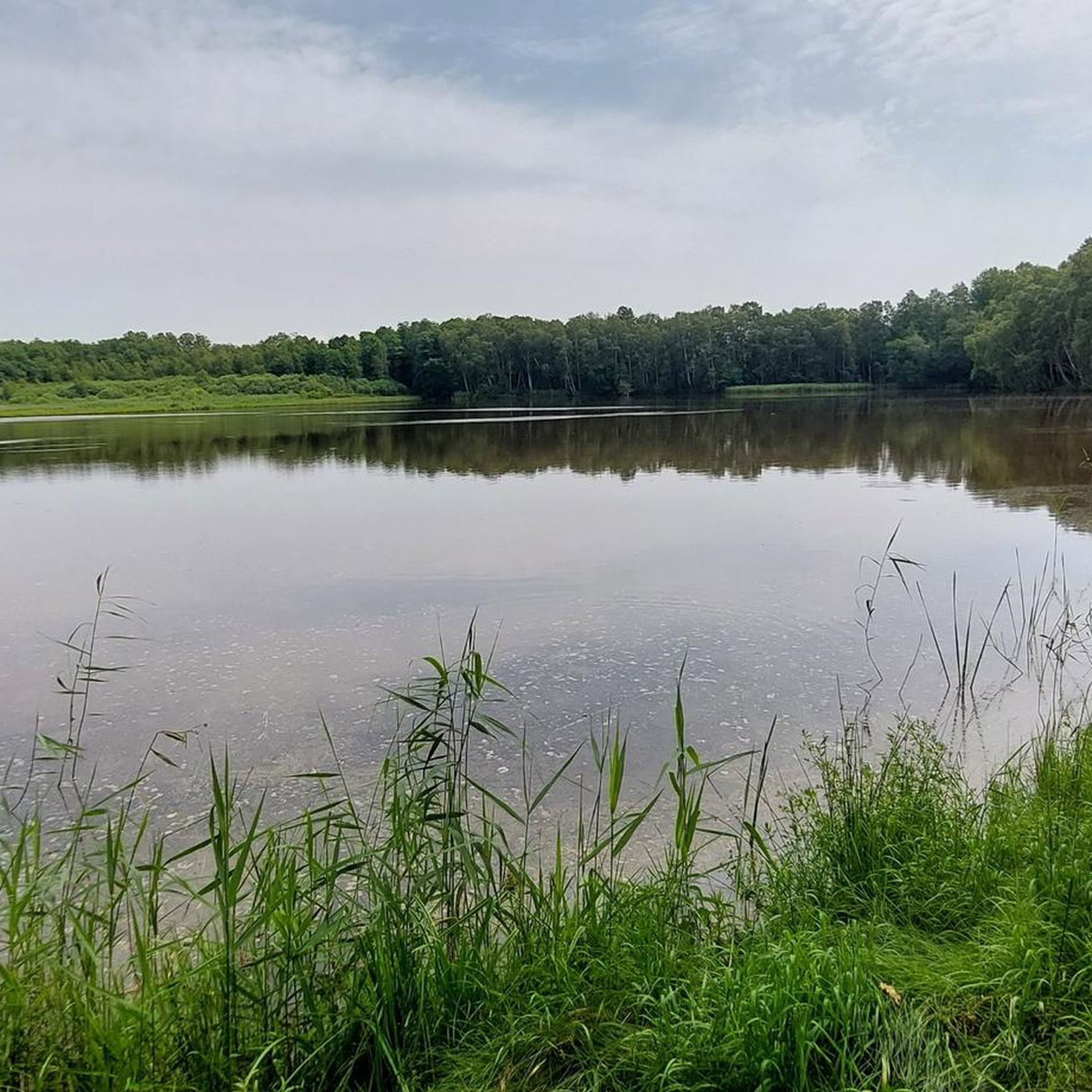
Tips from the Community

Burgstall Hartenfels The site of the abandoned spur castle is located in the Middle Franconian Jura, on a southwest-facing rocky spur of the Great Hartenfels at 530.6 m above sea level. The castle was probably built during the 13th century by the Lords of Neidstein, but there is no mention of the castle itself. It is only mentioned indirectly in a document dated February 21, 1268, in the name of Heinrich von Hertenvels. In addition to the high medieval fortification on the Hartenfels, there are also the remains of a prehistoric structure at the same location. A long section of the rampart, about half a meter high, has been preserved, which arches around the mountain spur outside the moat of the medieval castle and thus sealed it off. Today, the site of the former castle is completely overgrown with forest, and only two ditches and the remains of the foundation walls of the former ring wall have survived. The former hilltop castle was once divided into two areas, an outer bailey at the transition from the spur to the flat summit area or plateau of the Hartenfels, and a main castle at the rocky tip of the mountain spur, in the best protected place by nature. The outer bailey was protected by a two-meter-deep and about ten-meter-wide moat. The area of the outer bailey is irregularly shaped, as it was adapted to the rocky terrain between the plateau and the rocky spur. As it was easily attacked from the plateau, it had to be protected on its north-east side by a strong wall, of which a 4.50-meter-wide and one-meter-high rampart still remains. Approximately in the middle of this rampart, a 3.80-meter-wide break gives an idea of the former entrance to the castle, and even today you enter the castle grounds at this point. The main castle has a trapezoidal area about 50 meters long and 25 meters wide. On its west and south sides it is well protected by the vertical drop of the rocks by several meters and the steep eastern slope also offered sufficient protection. Only at the northwest corner is a small remnant of a wall still visible above ground. There are no further traces of construction on the flat surface of the main castle, apart from an almost square pit in the middle of the area. This pit measures 4 by 3.50 meters and could be the remains of a cistern or a cellar room. Source: Excerpts from www.wikipedia.de
2
0

Very interesting, unfortunately well shielded against entry.
2
0

lost place »... The Hammerschloss Röthenbach is a castle in Röthenbach in the Markt Kohlberg (Upper Palatinate) in the Upper Palatinate district of Neustadt an der Waldnaab. The complex is listed as an archaeological monument under file number D-3-6337-0015 in the Bavarian Atlas as "archaeological findings from the Middle Ages and the early modern period in the area of Röthenbach Castle, including traces of previous buildings or older construction phases and the associated iron hammer". It is also listed under the file number D-3-74-131-12 as a listed monument of Röthenbach. ...« via https://de.wikipedia.org/wiki/Hammerschloss_R%C3%B6thenbach
2
0

From the Hartenfels with its summit cross that can be seen from afar, you have a beautiful view of Neukirchen and the surrounding area. To get to the vantage point, you either leave your bike where it is or push it up the stairs, but the view makes up for the effort. Don't forget to enter the summit book 😉.
5
0

Röthenbach is a part of the municipality and a district of the market town of Kohlberg in the Upper Palatinate district of Neustadt an der Waldnaab. Röthenbach is four kilometers from the main town of Kohlberg.
3
0
A beautiful area with many beautiful impressions
1
0
The Hammerschloss Röthenbach is a castle in Röthenbach in the Markt Kohlberg (Upper Palatinate) in the Upper Palatinate district of Neustadt an der Waldnaab.
3
0

A nice stopover on a hike that should not be missed, the chapel has always been open.
4
0
Frequently Asked Questions
What is the main historical castle in Vilseck?
The most prominent historical fortification directly within Vilseck is Dagestein Castle. Its origins date back to the late 12th century, and it features a notable Romanesque keep.
What is the historical significance of Dagestein Castle?
Dagestein Castle has a rich history, first mentioned in 1185 as part of the Bamberg Prince-Bishopric. It served various purposes over centuries, including being plundered and rebuilt, used as a granary and prison, and undergoing extensive reconstruction. Today, it functions as a cultural center for the city of Vilseck.
Are there other notable historical castle sites or ruins around Vilseck?
Yes, beyond Dagestein Castle, you can explore other significant sites. These include Breitenstein Castle Double Chapel, a unique two-story Romanesque chapel, and Hartenfels Summit and Castle Ruins, which offers views and remnants of a historical castle. There's also Axtheid Castle, a former seat of the castle keeper, and Hammerschloss Röthenbach.
What kind of views can I expect from the castles in Vilseck?
Many castle sites in the region offer excellent panoramic views. For instance, the approximately 75-foot-high keep of Dagestein Castle provides expansive views over Vilseck's old town and the surrounding area. Similarly, Hartenfels Summit and Castle Ruins offers beautiful vistas over Neukirchen and the surrounding landscape.
Are there family-friendly castles to visit near Vilseck?
Yes, Dagestein Castle is considered family-friendly. Its role as a cultural center means it often hosts public events like medieval camps, which can be engaging for families. Exploring the well-preserved medieval elements and the lookout on the keep can also be an enjoyable experience for all ages.
What is the best time of year to visit castles around Vilseck?
The castles are generally accessible during the day. The keep of Dagestein Castle is typically open on weekends from April to September, suggesting that spring, summer, and early autumn are ideal for exploring the castle interiors and enjoying the views.
Can I visit castles around Vilseck during winter?
While the exterior grounds of castles like Dagestein Castle are generally accessible, specific features like the keep might have limited hours or be closed during winter months. It's advisable to check local information for specific opening times if planning a winter visit.
Are there hiking or walking trails near the castles around Vilseck?
Yes, the Vilseck area offers various routes that can incorporate castle visits. For example, the "Vilsauen Nature Reserve – Axtheid Castle loop" is a moderate running trail. You can find more options for walking and hiking in the Running Trails around Vilseck guide.
What other outdoor activities can I do near the castles in Vilseck?
Beyond walking and running, the region around Vilseck is suitable for cycling. You can find various road cycling routes in the Road Cycling Routes around Vilseck guide, and mountain biking trails, such as the "Vilsecker Muldenweg – Dagestein Castle loop," are available in the MTB Trails around Vilseck guide.
How accessible is Burg Dagestein for visitors?
Dagestein Castle is generally open for visits during the day. The keep is accessible on weekends from April to September. For specific accessibility needs or guided tours, it's recommended to inquire with Vilseck City Hall.
What do visitors particularly enjoy about the castle sites in Vilseck?
Visitors appreciate the well-preserved medieval elements and the distinct atmosphere of the castle grounds, from vaulted cellars to the lookout on the keep. The panoramic views from the castle towers, especially from Dagestein Castle, are a highlight. The community has shared over 300 photos and given over 300 upvotes for the highlights in the area.
Is Axtheid Castle open to the public?
Axtheid Castle is a former castle that was rebuilt and redesigned over centuries. It is privately owned today, so public access may be limited. It's best to check local information for any specific viewing opportunities.
What makes Breitenstein Castle Double Chapel unique?
Breitenstein Castle Double Chapel is unique because it is the only two-story double chapel from the Romanesque era in the Upper Palatinate. Built in the 12th century, it once belonged to Breitenstein Castle and is considered a significant historical religious building.
Most popular routes around Vilseck
Most popular attractions around Vilseck

Get inspired with the komoot mobile app


Explore more
Looking for the best castles somewhere else? Discover other guides around Vilseck:
