Top 9 Caves around Kümmersbruck
Best caves near Kümmersbruck are found in the Upper Palatinate region of Bavaria, Germany. This area is characterized by its geological formations, including karst landscapes and limestone cliffs. The region offers a variety of subterranean features, from natural grottoes to historical rock shelters. Visitors can explore caves with impressive speleothems and sites with archaeological significance.
Best caves around Kümmersbruck
- The most popular caves is Kehlkapelle (Chapel in the Rock), a religious building and cave carved from a pyramid-shaped sandstone…
Last updated: June 27, 2026
Osterloch Cave
Highlight • Cave
Translated by Google •
Tip by

Kehlkapelle (Chapel in the Rock)
Highlight • Religious Site
Translated by Google •
Tip by
Sign up now to discover places like this
Get recommendations on the best single tracks, peaks, & plenty of other exciting outdoor places.
Sign up for free
Stone Age rock shelter at the Steinbergwand
Highlight • Cave
Translated by Google •
Tip by

Rock formation near Breitenbrunn
Highlight • Natural Monument
Translated by Google •
Tip by

Natural monument "Wörgelloch"
Highlight • Cave
Translated by Google •
Tip by
Sign up for free to discover even more caves around Kümmersbruck.
Sign up for free
Already have an account?
Start today with a free account
Your next adventure awaits.
Login or Signup
Popular around Kümmersbruck
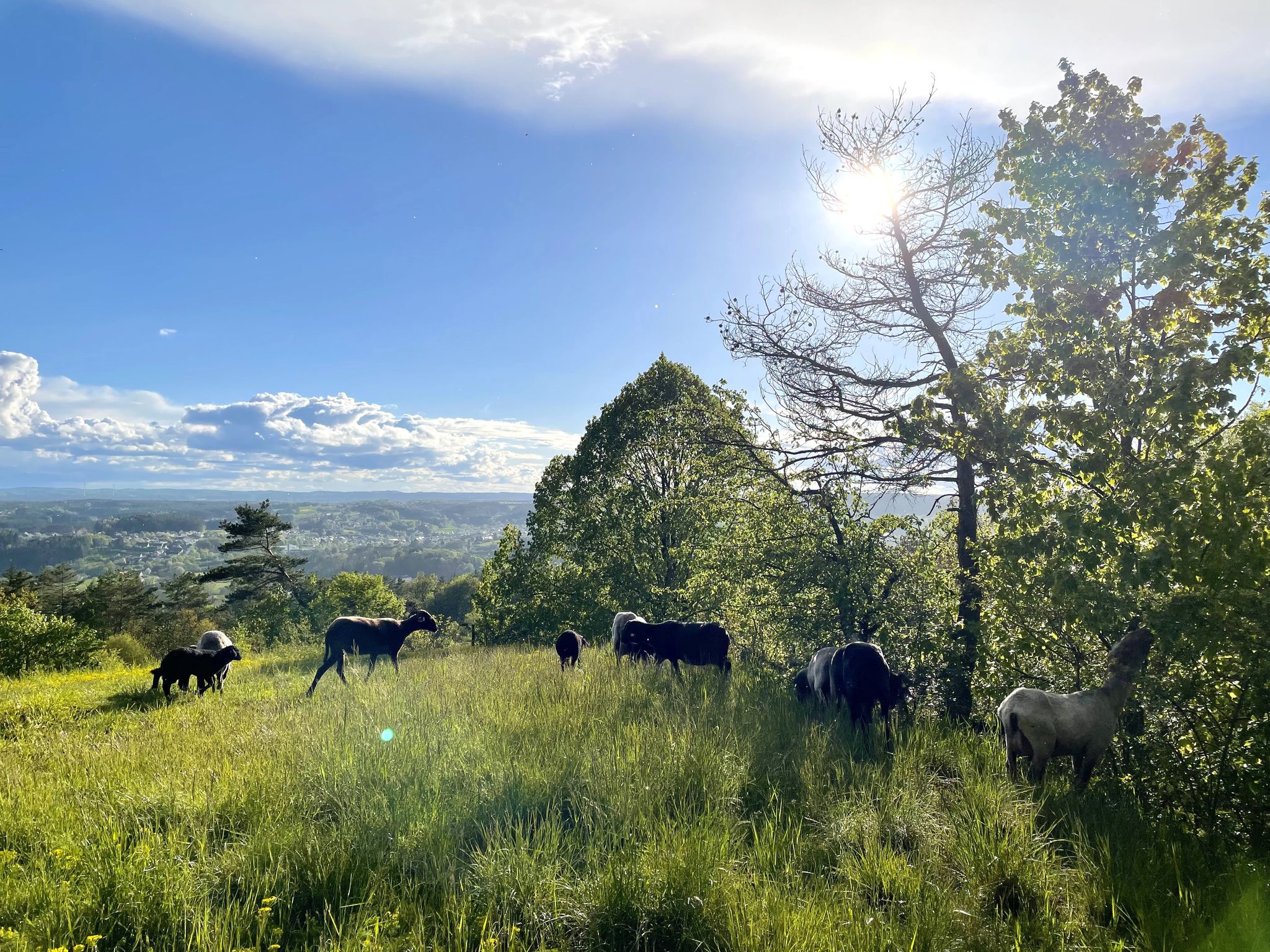
11 Days on the Erzweg Quality Hiking Trail
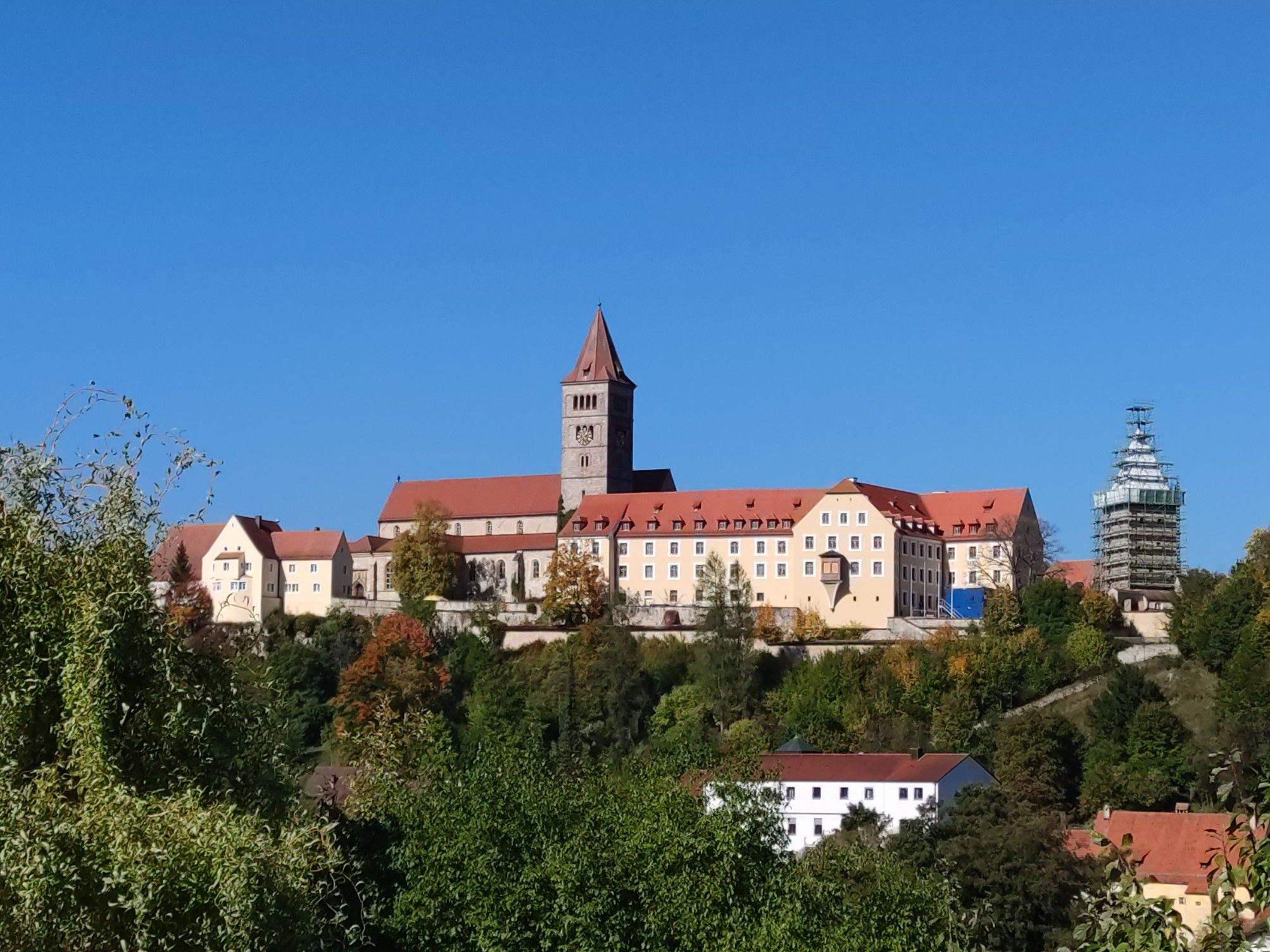
Auf dem Erzweg im Naturpark Hirschwald
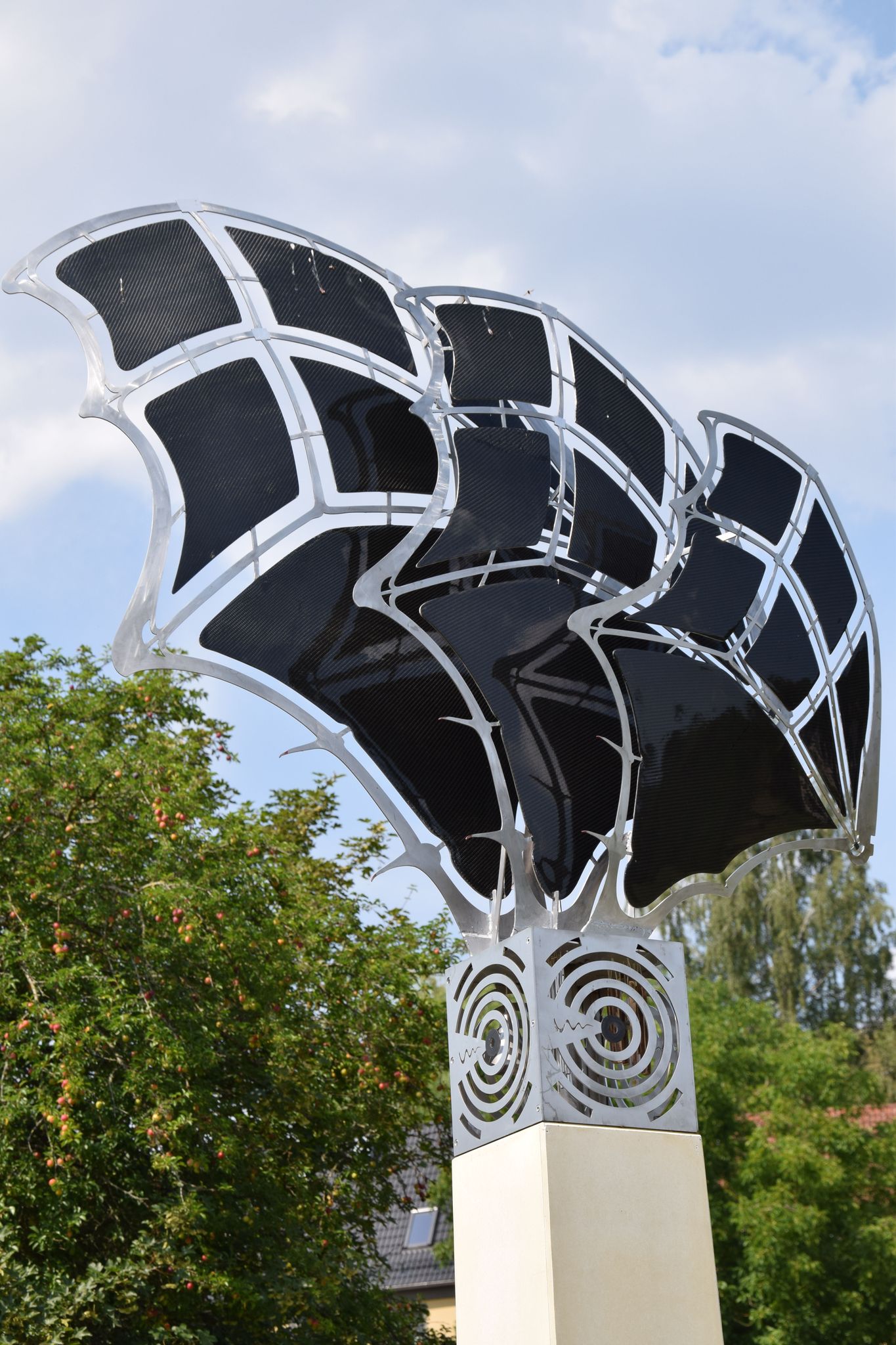
Kunstwandern im Naturpark Hirschwald
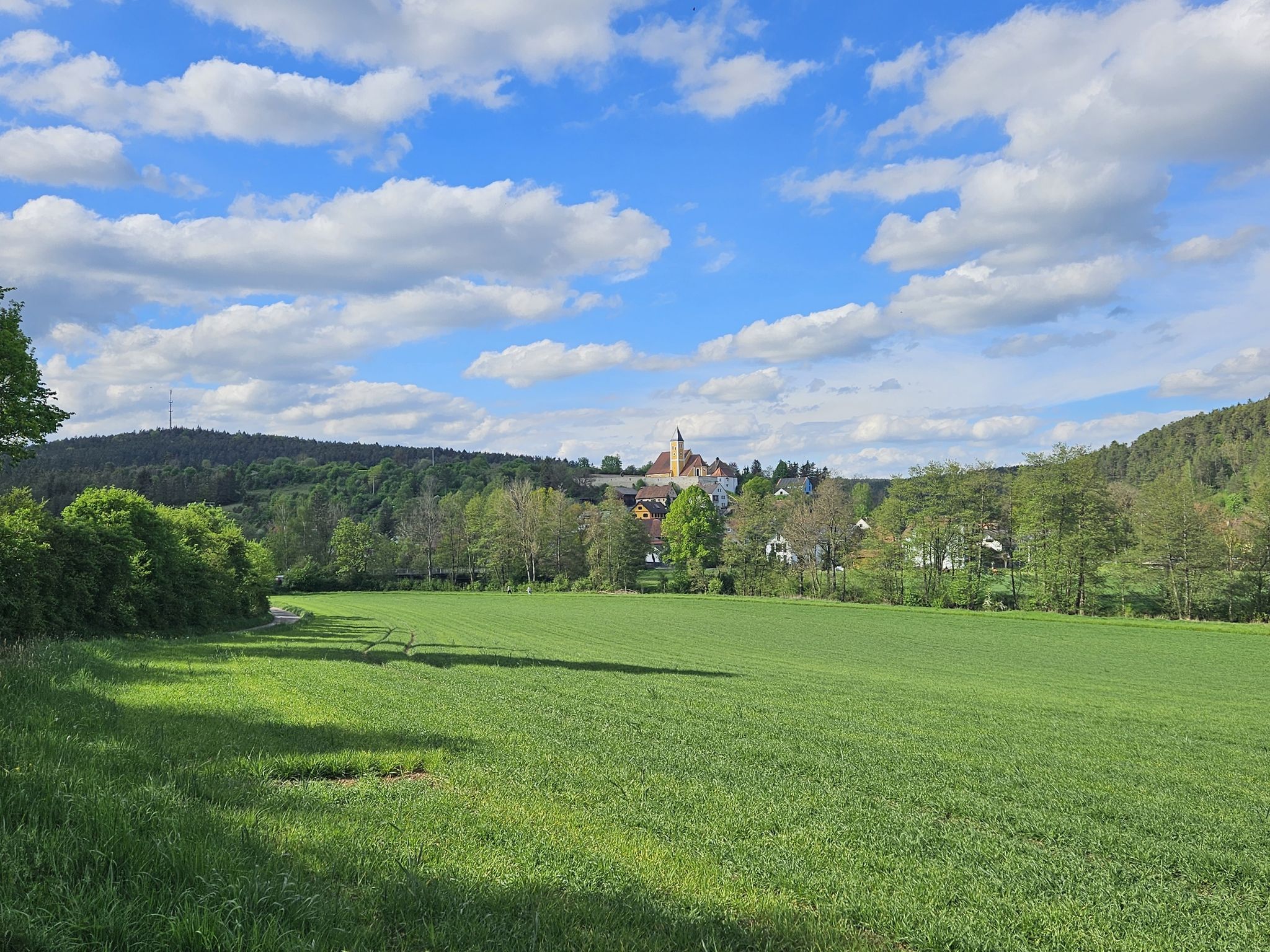
Wandern im Naturpark Hirschwald
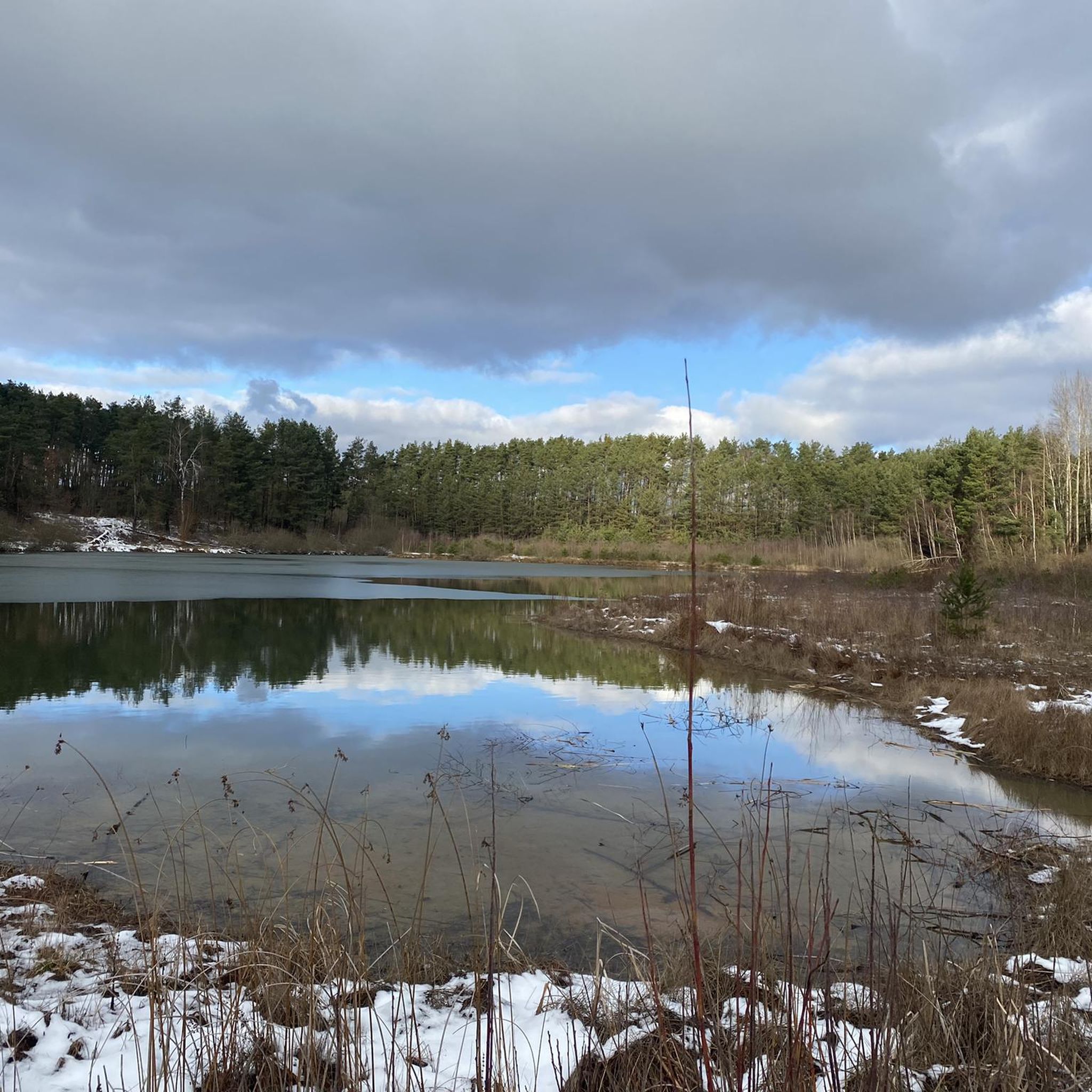
Cycling around Kümmersbruck
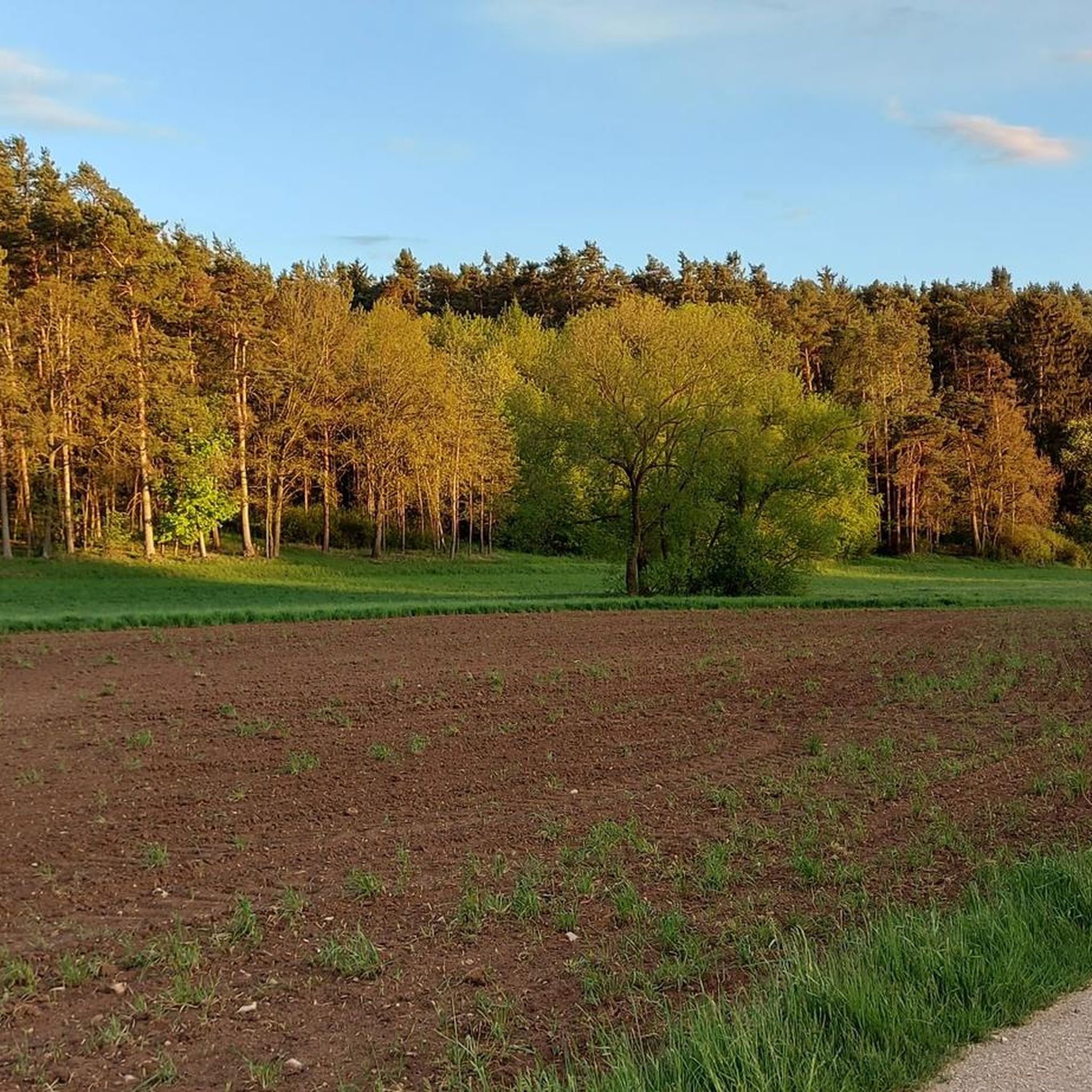
Hiking around Kümmersbruck
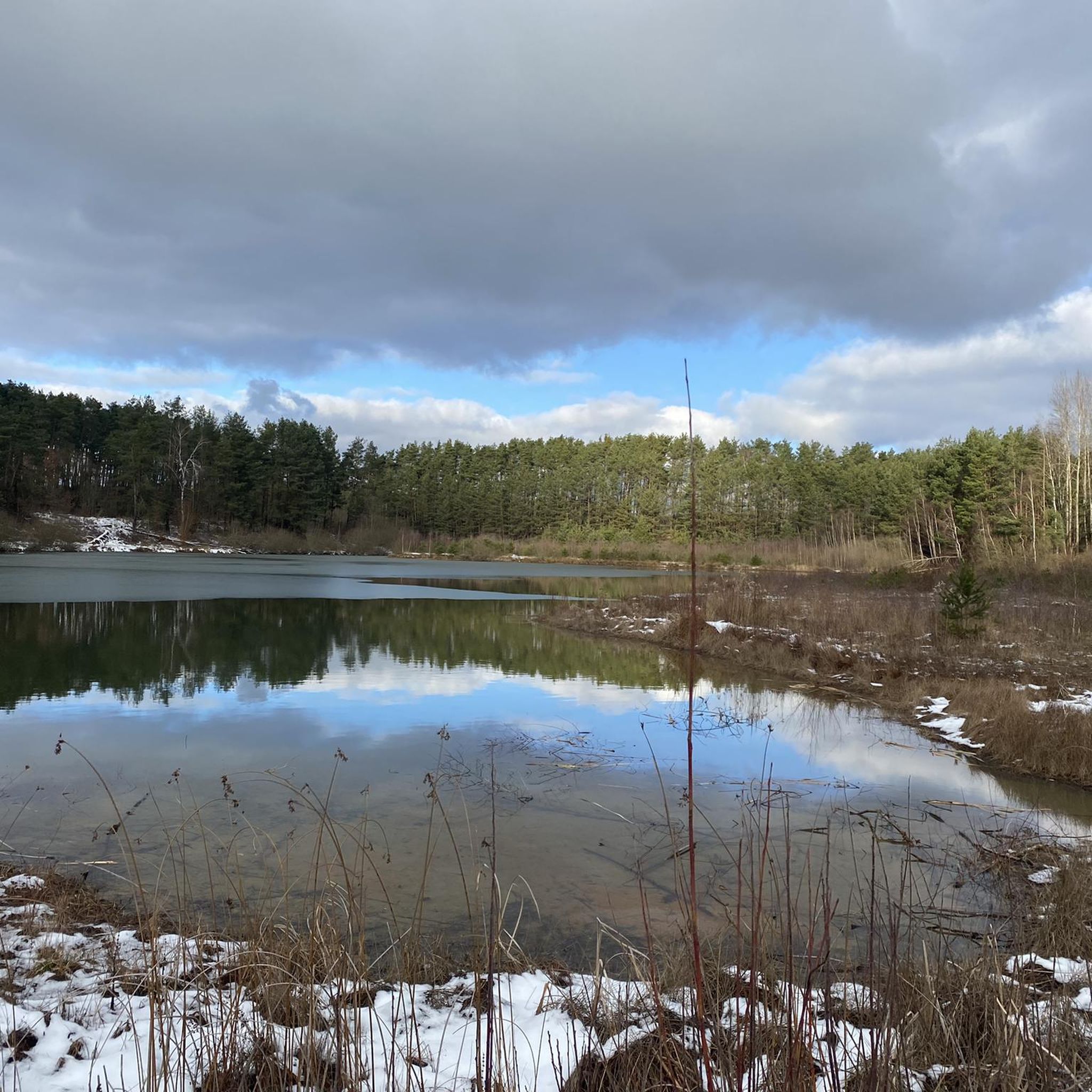
Road Cycling Routes around Kümmersbruck
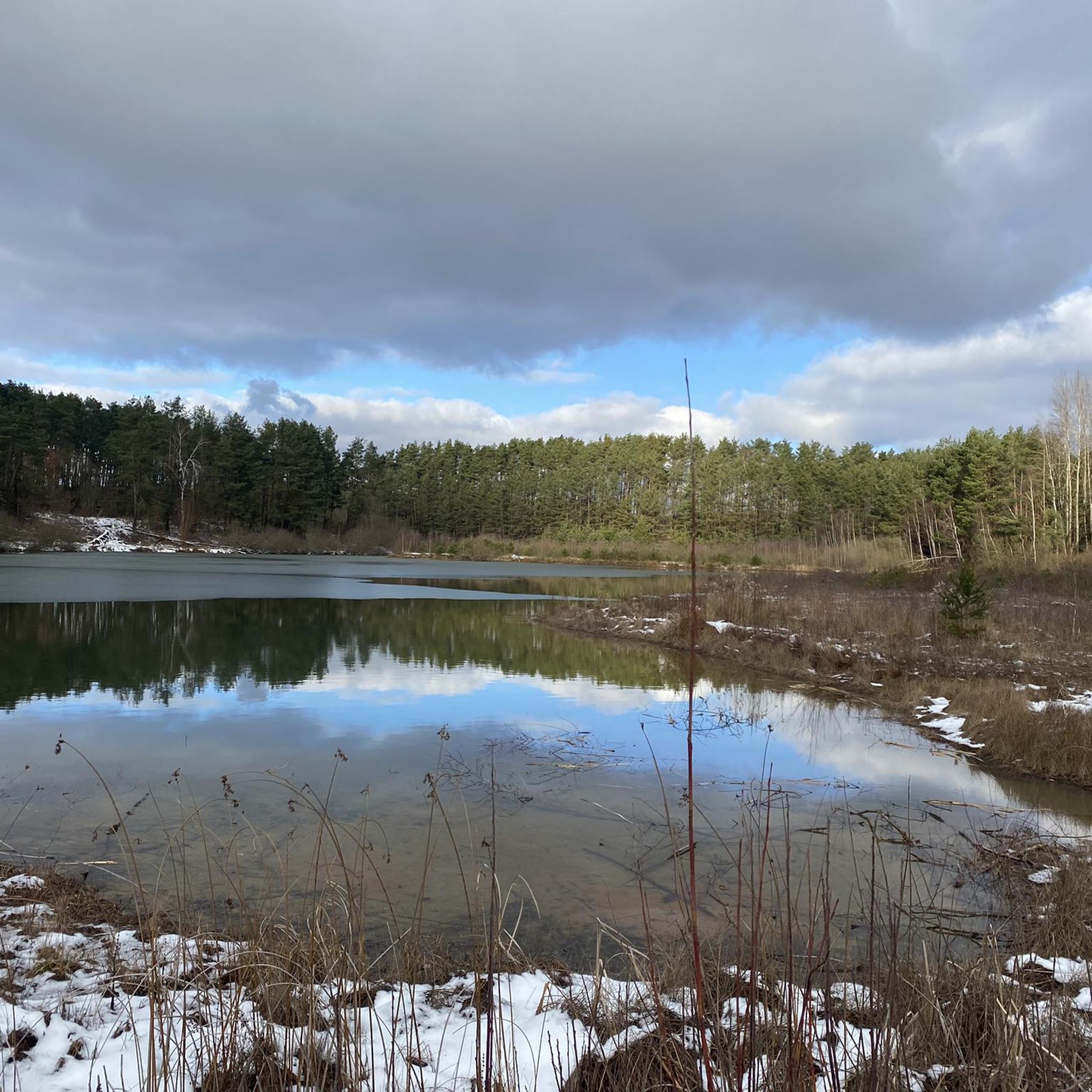
Running Trails around Kümmersbruck
MTB Trails around Kümmersbruck

Gravel biking around Kümmersbruck
Other adventures around Kümmersbruck


Tips from the Community

A stunningly beautiful chapel. A wonderful place to pause and reflect.
1
0

Very nice here
2
0

Wonderful landscape with a beautiful route
1
0

A small and a larger rock gate and a small cave are the attractions of this rock formation.
13
1

nice little cave - you can find the cave plan here https://www.via-ferrata.de/poi/listing/osterloch-bei-hegendorf-hoehle-hersbrucker-schweiz
1
0

Beautiful cave with very narrow entrance. Inside the cave opens and you can stand comfortably. As with any cave, you should have a head or flashlight with you.
1
0
Wonderful stretches in a beautiful area
3
0

Frequently Asked Questions
What are some unique historical caves or rock shelters near Kümmersbruck?
The region offers several sites with historical significance. The Kehlkapelle (Chapel in the Rock) is a religious building and cave carved from a pyramid-shaped sandstone block, built in 1749. Another notable site is the Stone Age rock shelter at the Steinbergwand, where stone-age tools were found, offering a glimpse into prehistoric life. Additionally, the "House without a Roof" in Kallmünz is a unique, still-used cave dwelling nestled at the foot of a limestone cliff, showcasing a distinctive historical use of natural shelters.
Are there family-friendly caves to visit in the Upper Palatinate region?
Yes, several caves are suitable for families. The Osterloch Cave is described as a nice, small, and accessible cave, making it a good option for families. The Stone Age rock shelter at the Steinbergwand is also categorized as family-friendly, offering an educational experience about prehistoric times. Many of the larger dripstone caves, like Sophienhöhle, also offer guided tours that are engaging for all ages.
What kind of geological features can I expect to see in the caves around Kümmersbruck?
The caves in the Upper Palatinate region are rich in geological formations. You can expect to see impressive karst landscapes, including dolines and rock formations like the Steinerne Stadt (Rock City) near Vogelherd Grotto. Many caves feature stunning speleothems such as stalactites, stalagmites, and stalagnates, as well as sinter pools and helictites. The Rock formation near Breitenbrunn, for instance, includes small caves and natural rock gates.
Are there any caves with impressive stalactite and stalagmite formations nearby?
Absolutely. The König-Otto-Tropfsteinhöhle (King Otto Stalactite Cave) near Neuessing is considered one of Germany's most beautiful dripstone caves, featuring magnificent stalactites, stalagmites, and stalagnates. Sophienhöhle (Sophie's Cave) near Rabenstein Castle is also renowned for its fantastic stalactite formations in various sizes, shapes, and colors, including the giant "Millionaire" stalagmite and long sinter flags.
What outdoor activities can I combine with a cave visit near Kümmersbruck?
The region around Kümmersbruck offers various outdoor activities that can be combined with cave exploration. You can find numerous MTB trails, cycling routes, and gravel biking tours. Many caves, like Vogelherd Grotto and Maximiliansgrotte, are part of areas with well-developed karst trails, perfect for hiking and exploring the surrounding natural landscapes.
Is it possible to visit caves during winter around Kümmersbruck?
Visiting caves in winter can be a unique experience, as the stable temperatures inside often contrast with the cold outside. However, some caves might have restricted access during bat protection periods in winter. It's always advisable to check the specific opening hours and visitor information for each cave before planning a winter visit. For example, the Osterloch Cave's tips specifically mention paying attention to bat times.
What should I wear when visiting caves in the region?
Caves maintain a consistently cool temperature year-round, typically around 8-10°C (46-50°F), regardless of the outside weather. It's recommended to wear layers, including a warm jacket or sweater, even in summer. Comfortable, sturdy shoes with good grip are essential, as cave floors can be uneven and damp. Some caves might also require a flashlight, so bringing one is a good idea.
How long does it typically take to explore the caves around Kümmersbruck?
The exploration time varies greatly depending on the cave. Smaller, more accessible caves like the Osterloch Cave might take 30 minutes to an hour. Larger show caves, such as König-Otto-Tropfsteinhöhle or Sophienhöhle, often involve guided tours that can last anywhere from 45 minutes to 1.5 hours. If you're combining a cave visit with nearby hiking trails, plan for a half-day or full-day excursion.
Are there any lesser-known or 'hidden' caves worth exploring?
While not entirely 'hidden,' the Natural monument "Wörgelloch" is described as difficult to find with poorly signposted paths, offering a more adventurous exploration for those seeking a challenge. It's a column cave and ground monument with traces of human intervention. Always be prepared and cautious when exploring less-trafficked areas.
Where can I find a cave that also has a religious or cultural significance?
The Kehlkapelle (Chapel in the Rock) is a prime example. It's a unique religious building carved directly into a sandstone block, dating back to 1749, and holds significant cultural and historical value. It offers a blend of natural wonder and human devotion.
Are there any caves that offer guided tours or special experiences?
Yes, several prominent caves in the region offer guided tours to enhance the visitor experience. Sophienhöhle, for instance, provides guided tours and also hosts special events like "Sophie at Night," where visitors can experience the cave with a light show and music. König-Otto-Tropfsteinhöhle and Maximiliansgrotte also offer guided tours to showcase their impressive formations and history.
What are the accessibility considerations for caves in the region?
Accessibility varies significantly between caves. Some, like the Osterloch Cave, are noted for being accessible. However, many natural caves involve uneven terrain, steps, and sometimes narrow passages, which might be challenging for individuals with mobility issues. Show caves often have developed paths and lighting, but it's best to check specific accessibility information for each cave you plan to visit. The Natural monument "Wörgelloch" is explicitly categorized as 'challenging'.
Most popular routes around Kümmersbruck
Most popular attractions around Kümmersbruck

Get inspired with the komoot mobile app


Explore more
Extend your search for the best caves by checking out these guides of the top ones around Kümmersbruck:
