Top 20 Caves around Ursensollen
Best caves around Ursensollen are found in the surrounding Amberg-Sulzbach district, a region known for its Franconian Jura karst landscape. This geological setting provides a variety of underground formations, including natural caves and rock shelters. The area offers opportunities to explore these features, which often hold historical and geological significance.
Best caves around Ursensollen
- The most popular caves is Rock formation near Breitenbrunn, a natural monument that features a small cave and rock gates. This formation is located near…
Last updated: June 27, 2026
Osterloch Cave
Highlight • Cave
Translated by Google •
Tip by

Stone Age rock shelter at the Steinbergwand
Highlight • Cave
Translated by Google •
Tip by

Sign up now to discover places like this
Get recommendations on the best single tracks, peaks, & plenty of other exciting outdoor places.
Sign up for free
Lourdes Grotto
Highlight • Religious Site
Pastor Schraml, who had been pastor in Utzenhofen since 1891, conceived the plan to build a Lourdes Grotto, similar to the Lourdes Grotto in France. He felt it …
Translated by Google •
Tip by

Rock formation near Breitenbrunn
Highlight • Natural Monument
Translated by Google •
Tip by

Marian Grotto at Kalvarienberg Lauterhofen
Highlight • Religious Site
Translated by Google •
Tip by
Sign up for free to discover even more caves around Ursensollen.
Sign up for free
Already have an account?
Start today with a free account
Your next adventure awaits.
Login or Signup
Popular around Ursensollen
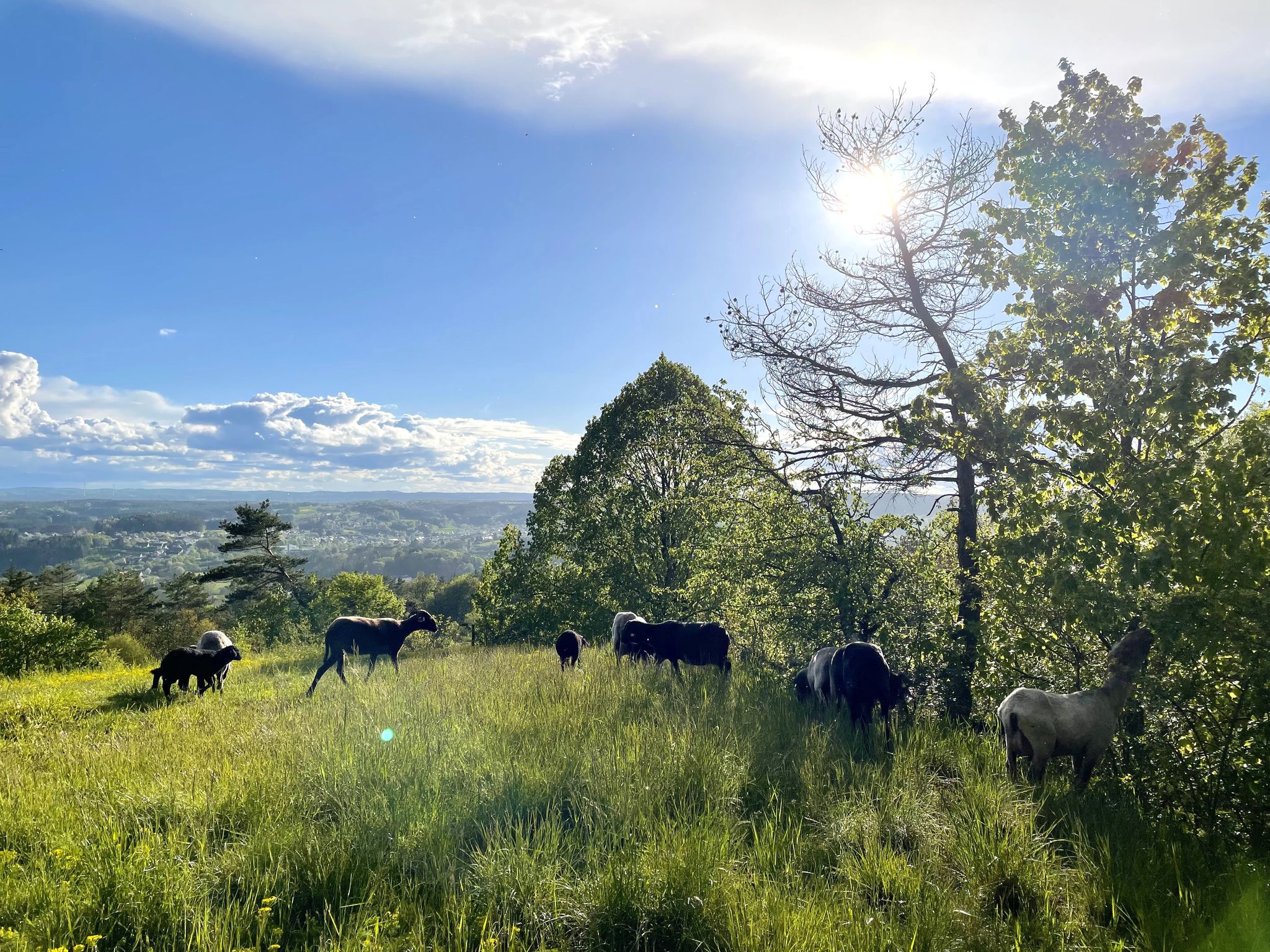
11 Days on the Erzweg Quality Hiking Trail
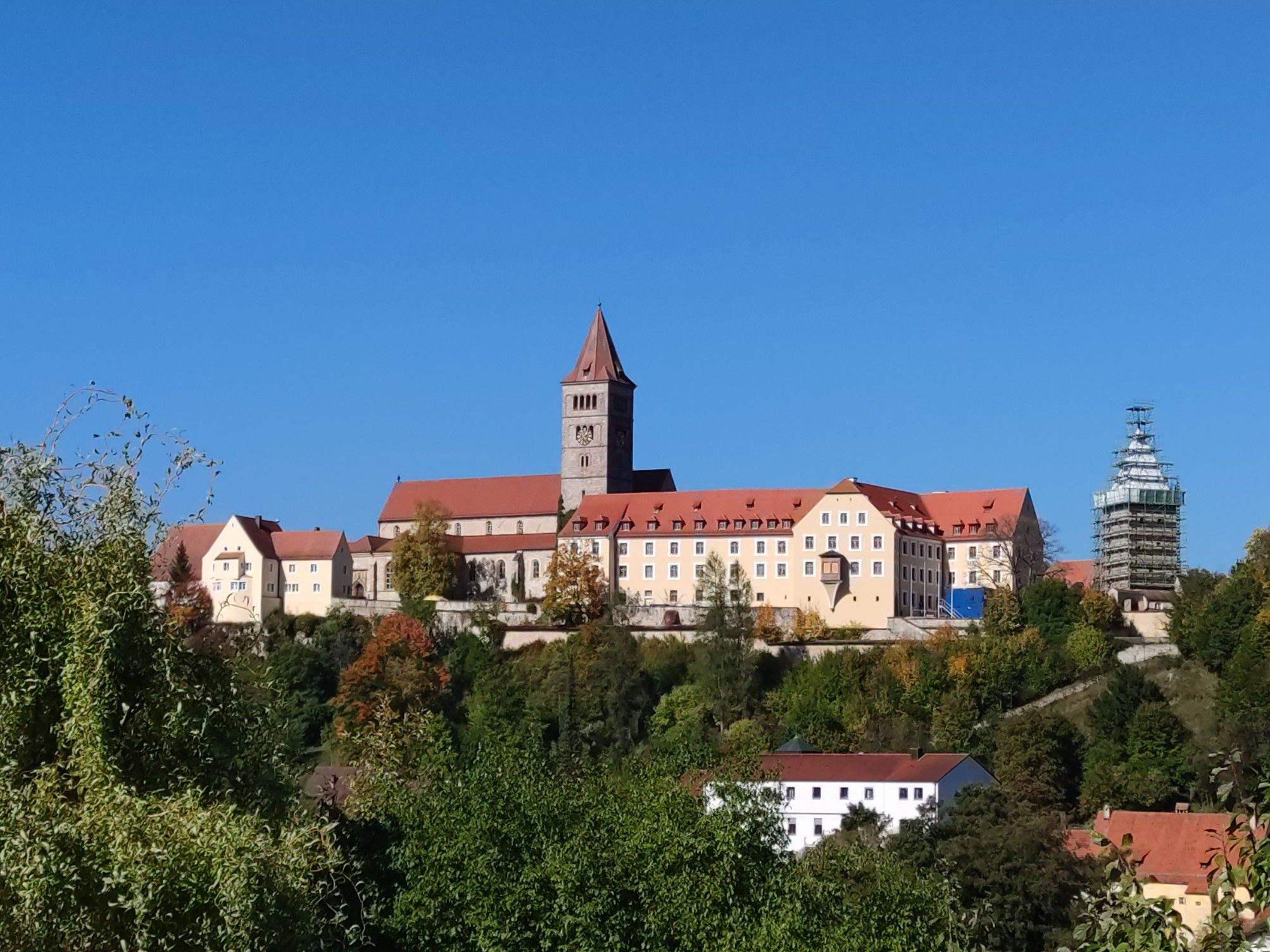
Auf dem Erzweg im Naturpark Hirschwald
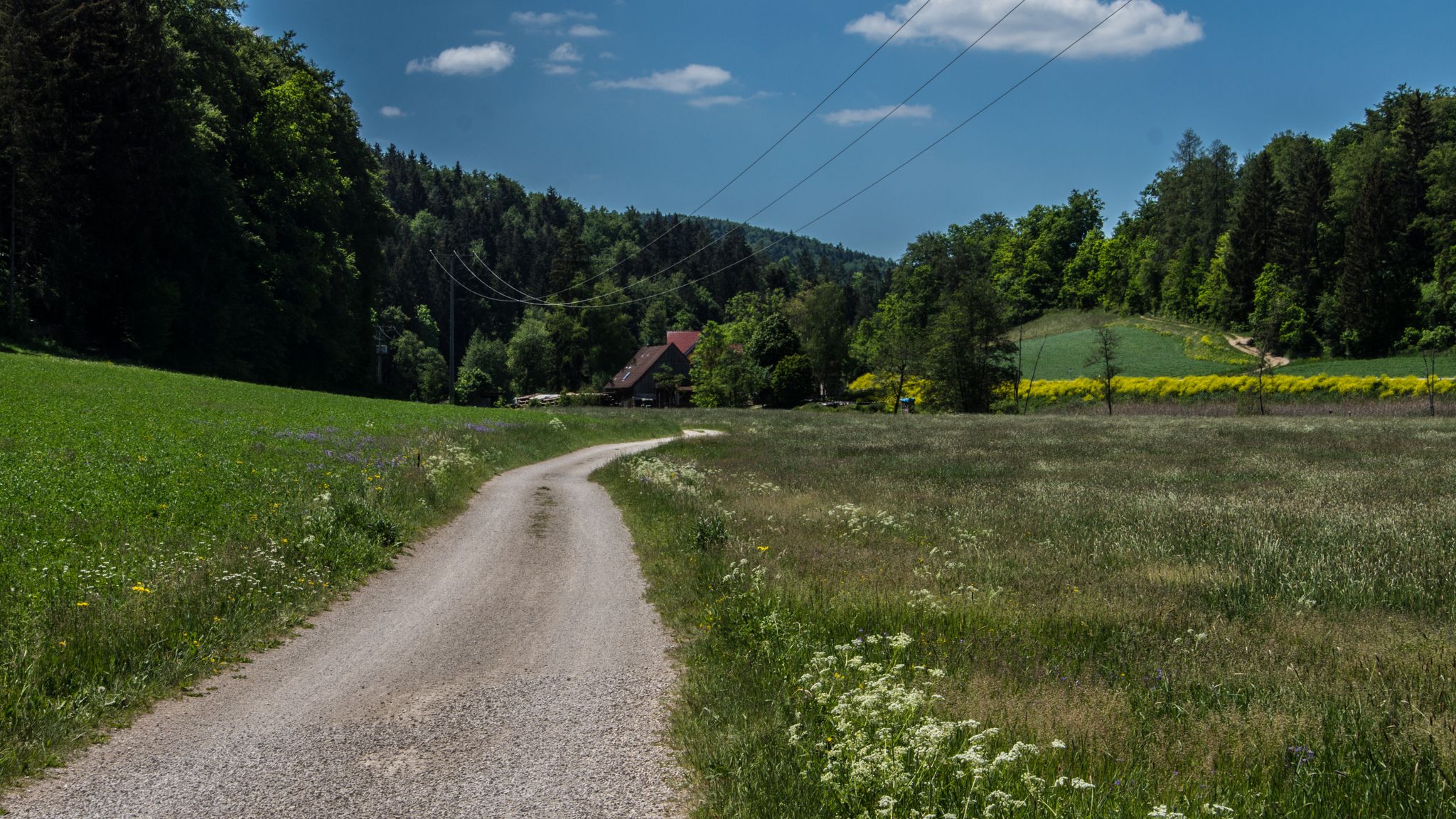
Radfahren im Naturpark Hirschwald
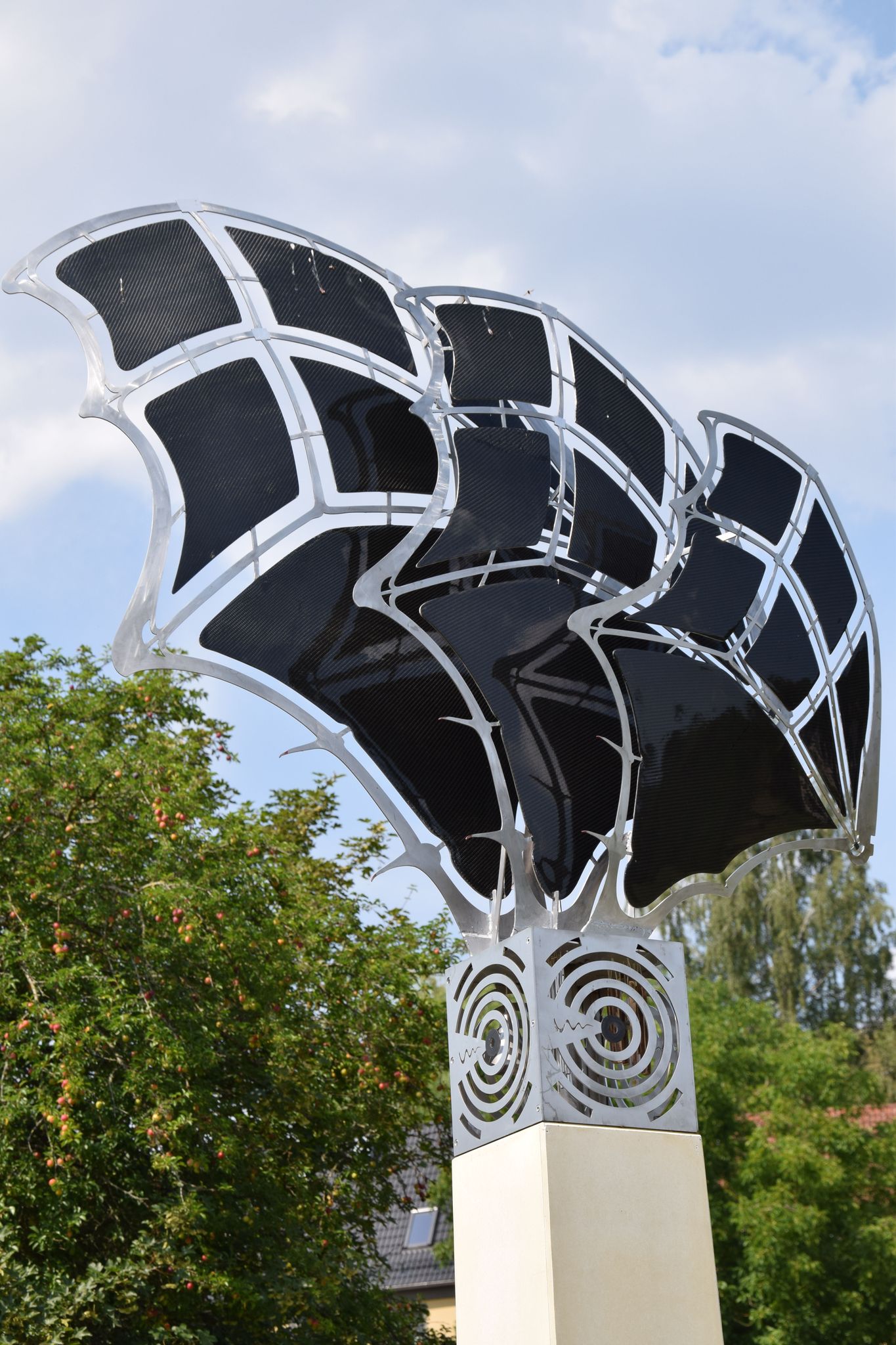
Kunstwandern im Naturpark Hirschwald
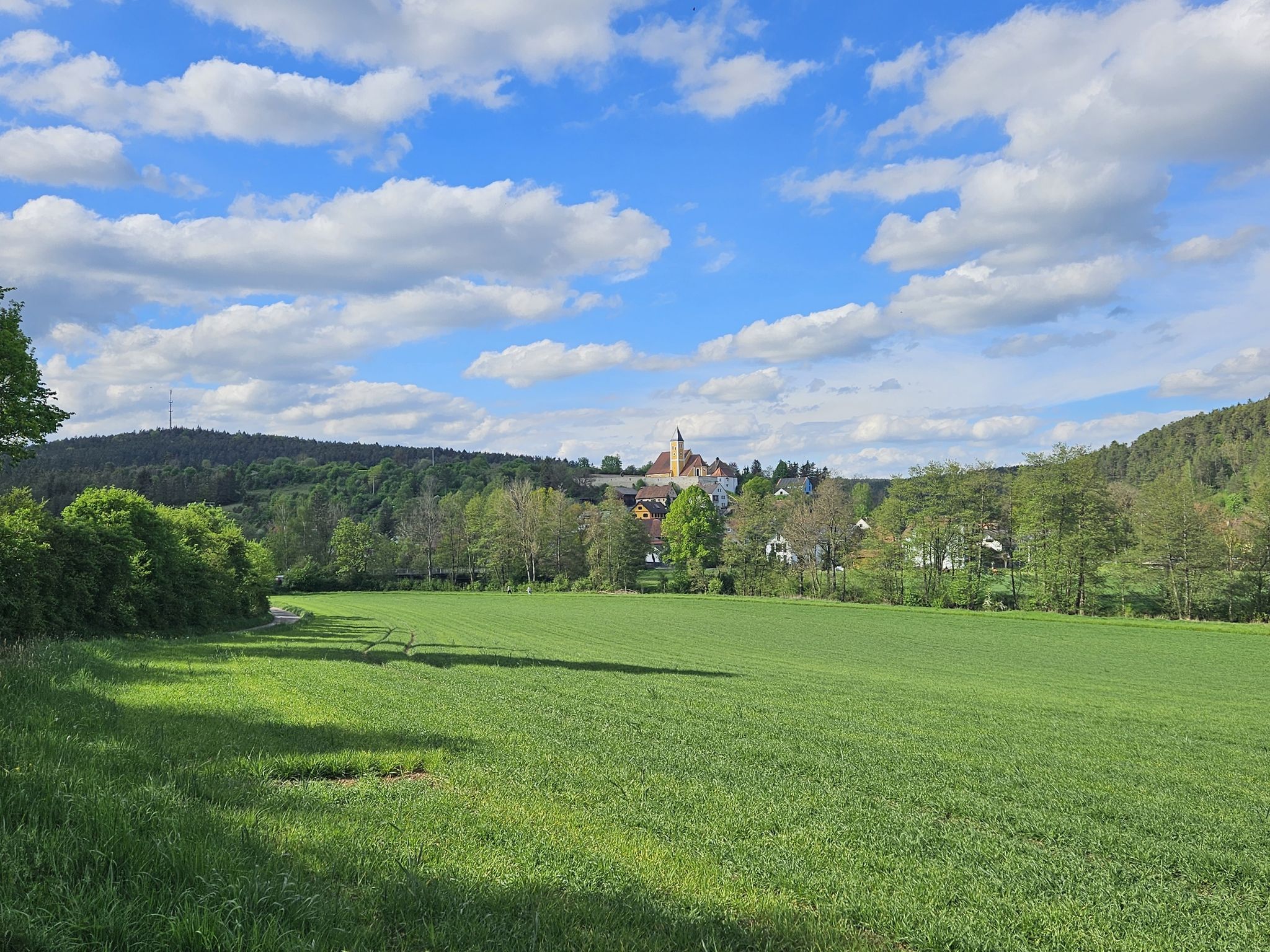
Wandern im Naturpark Hirschwald
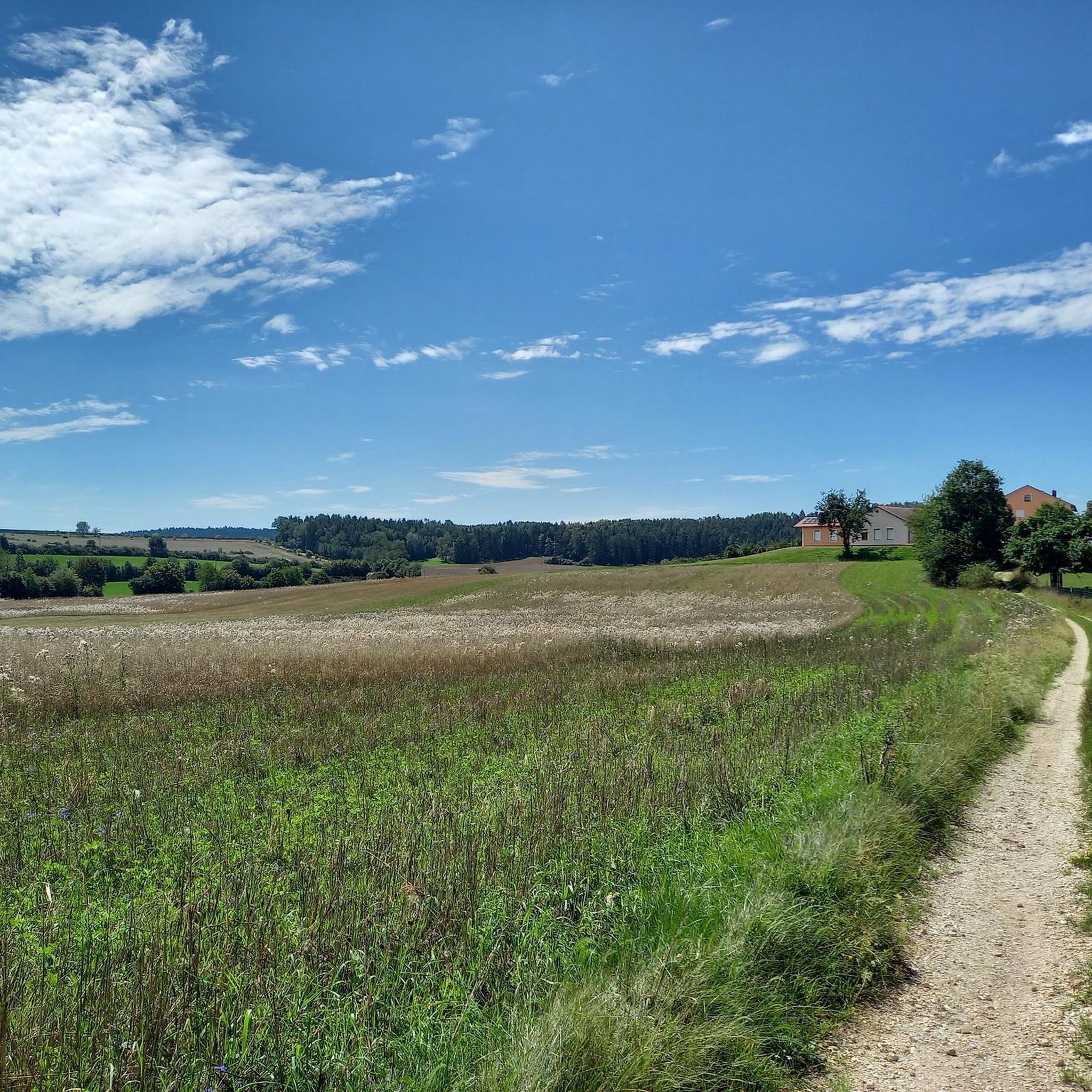
Cycling around Ursensollen
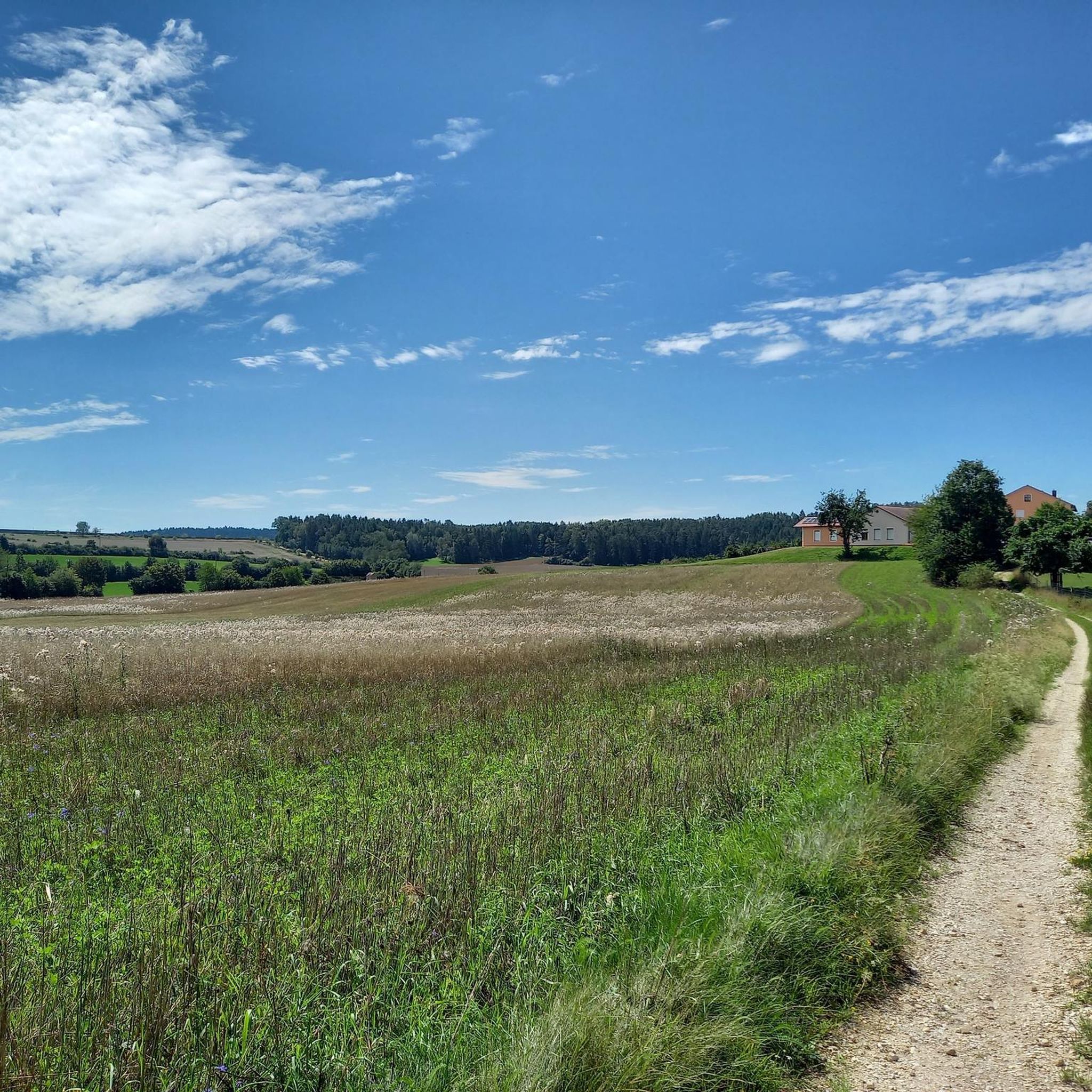
Hiking around Ursensollen

Gravel biking around Ursensollen
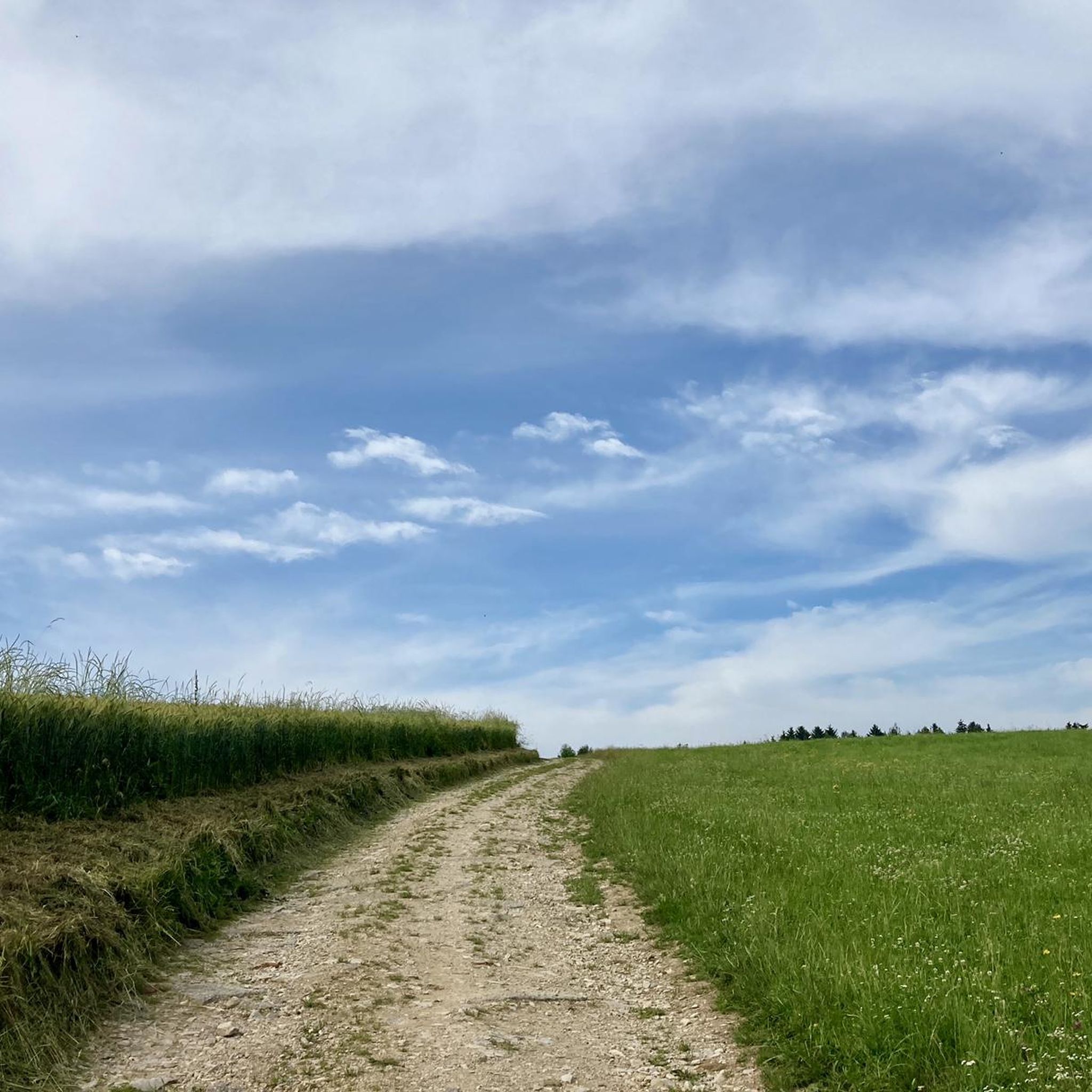
MTB Trails around Ursensollen
Road Cycling Routes around Ursensollen
Other adventures around Ursensollen


Tips from the Community

Lourdes Grotto Pastor Schraml, who had been pastor in Utzenhofen since 1891, conceived the plan to build a Lourdes Grotto, similar to the Lourdes Grotto in France. He felt it was important to find many believers for this purpose. So, a suitable location had to be found. After many suggestions, a cave on the Hummelberg, about 15 minutes from Utzenhofen, was chosen. The location seemed most suitable, as it was a natural rock cave that, however, had to be prepared for its new use. It was overgrown with impenetrable undergrowth and filled with rubble, boulders, and debris. The cave, called the "Goashöhle," was probably previously used to house and shelter goats during rainy weather. A special supporter and co-founder was the then master carpenter Fink and his son Willibald, who was still present at a celebration in 1958 at the age of 74. It was thanks to them that the cave was cleared and cleared. Willibald Fink also reported that during the excavations to clean and expose the cave, a sacrificial altar was discovered at the entrance. It can therefore be assumed that it was a pre-Christian sacrificial site. In March 1895, the initiator, Pastor Schraml, died unexpectedly and was thus unable to complete his work. His successor, Rev. Clemente, continued the work he had begun. On December 8, 1895, the grotto was consecrated with "great ceremony and with numerous participation from the clergy and believers" from near and far. An artfully carved life-size wooden statue of the Virgin Mary and a figure of Bernadette were placed in the grotto. They come from the Munich studio Riesenhuber and are said to have cost a total of about 500 gold marks at the time. Source: Excerpts from information board
2
0

Creation of the Lourdes Grotto. Pastor Georg Schraml, who had been pastor in Utzenhofen since 1891, conceived the plan to build a Lourdes Grotto similar to the Lourdes Grotto in France. He felt it was important to win over many believers to this cause. Since the apparition in Lourdes held something special for ordinary people, but since hardly anyone at the end of the 19th century had the opportunity to visit the apparition site, he saw it as his duty to create a similar environment in the community. [Source: Information board at the grotto]
1
0

Very nice here
2
0

Beautiful Mary's Grotto on Calvary Hill in Lauterhofen
0
0

A small and a larger rock gate and a small cave are the attractions of this rock formation.
13
1

nice little cave - you can find the cave plan here https://www.via-ferrata.de/poi/listing/osterloch-bei-hegendorf-hoehle-hersbrucker-schweiz
1
0

Beautiful cave with very narrow entrance. Inside the cave opens and you can stand comfortably. As with any cave, you should have a head or flashlight with you.
1
0

Around 1970, a small grotto was built on Calvary, a little off the Way of the Cross on the eastern slope. A nice place to find peace.
4
0
Frequently Asked Questions
What is the best time of year to visit caves near Ursensollen?
The Osterhöhle, a prominent show cave in the region, is typically open from Good Friday to October, specifically on weekends and public holidays. During the winter months (November to March), it serves as a bat roost and is closed to visitors. Other natural caves and rock shelters in the area can generally be visited year-round, though accessibility might vary with weather conditions.
Are there family-friendly caves to explore near Ursensollen?
Yes, several caves and rock shelters are suitable for families. The Osterloch Cave is accessible and classified as family-friendly. The Stone Age rock shelter at the Steinbergwand also offers an engaging historical experience for families. The Osterhöhle, mentioned in regional research, is accessible to children aged 5 and older and offers guided tours.
What kind of geological features can I expect to see in the caves around Ursensollen?
The region around Ursensollen is part of the Franconian Jura, known for its karst landscape. This means you'll find formations like extensive passageways, large chambers, dripstone formations (stalagmites, stalactites, stalagnates), and unique leaching forms. The Osterhöhle, for example, features a large chamber called the 'Dom' and a 'Wasserhalle' with water basins, all within Malm dolomite rock.
Are there any caves with historical significance in the Ursensollen area?
Absolutely. The Osterloch Cave has yielded prehistoric finds and is recognized for its geoscientific value. The Stone Age rock shelter at the Steinbergwand is notable for archaeological discoveries of stone-age tools. Additionally, the Lourdes Grotto, originally known as the 'Goashöhle,' is believed to have been a pre-Christian sacrificial site before its consecration in 1895.
Can I take a guided tour of any caves near Ursensollen?
Yes, the Osterhöhle offers guided tours through a section of approximately 130 meters, lasting about 30 minutes. Electric torches are provided for illumination during these tours.
What outdoor activities can I combine with a visit to the caves?
The region offers various outdoor activities. You can find numerous hiking trails around Ursensollen, some of which lead to or pass by cave formations. There are also opportunities for gravel biking and cycling in the wider area, allowing you to explore the natural landscape.
Are there any challenging caves for experienced cavers?
The Natural monument "Wörgelloch" is described as a challenging column cave and ground monument. It can be difficult to find due to poor signage, suggesting it's more suited for those with caving experience and good navigation skills.
What should I wear when visiting caves in the Ursensollen region?
Caves generally maintain a cool, constant temperature regardless of the outside weather. For instance, the Osterhöhle has a temperature of around 9°C (48°F). It's advisable to wear layers, including a warm jacket or sweater, and sturdy, comfortable shoes with good grip, as surfaces can be uneven and damp.
Where can I find refreshments or food near the caves?
At the Osterhöhle, there is a rustic forest tavern (Waldschänke) with a beer garden located directly at the cave entrance. It offers local specialties and a pleasant resting spot before or after your cave exploration.
Is it possible to visit caves in winter around Ursensollen?
While some natural rock shelters and formations might be accessible, show caves like the Osterhöhle are closed during winter (November to March) to protect bat populations. Always check specific opening times for individual caves if planning a winter visit.
What do visitors enjoy most about the caves and rock formations in this area?
Visitors appreciate the unique geological formations, the historical significance of sites like the Osterloch Cave and the Stone Age rock shelter at the Steinbergwand, and the opportunity to explore nature. The Rock formation near Breitenbrunn is also popular for its rock gates and small cave, often integrated into scenic trails.
Most popular routes around Ursensollen
Most popular attractions around Ursensollen

Get inspired with the komoot mobile app


Explore more
Extend your search for the best caves by checking out these guides of the top ones around Ursensollen:
