Top 20 Lakes around Birnbaum
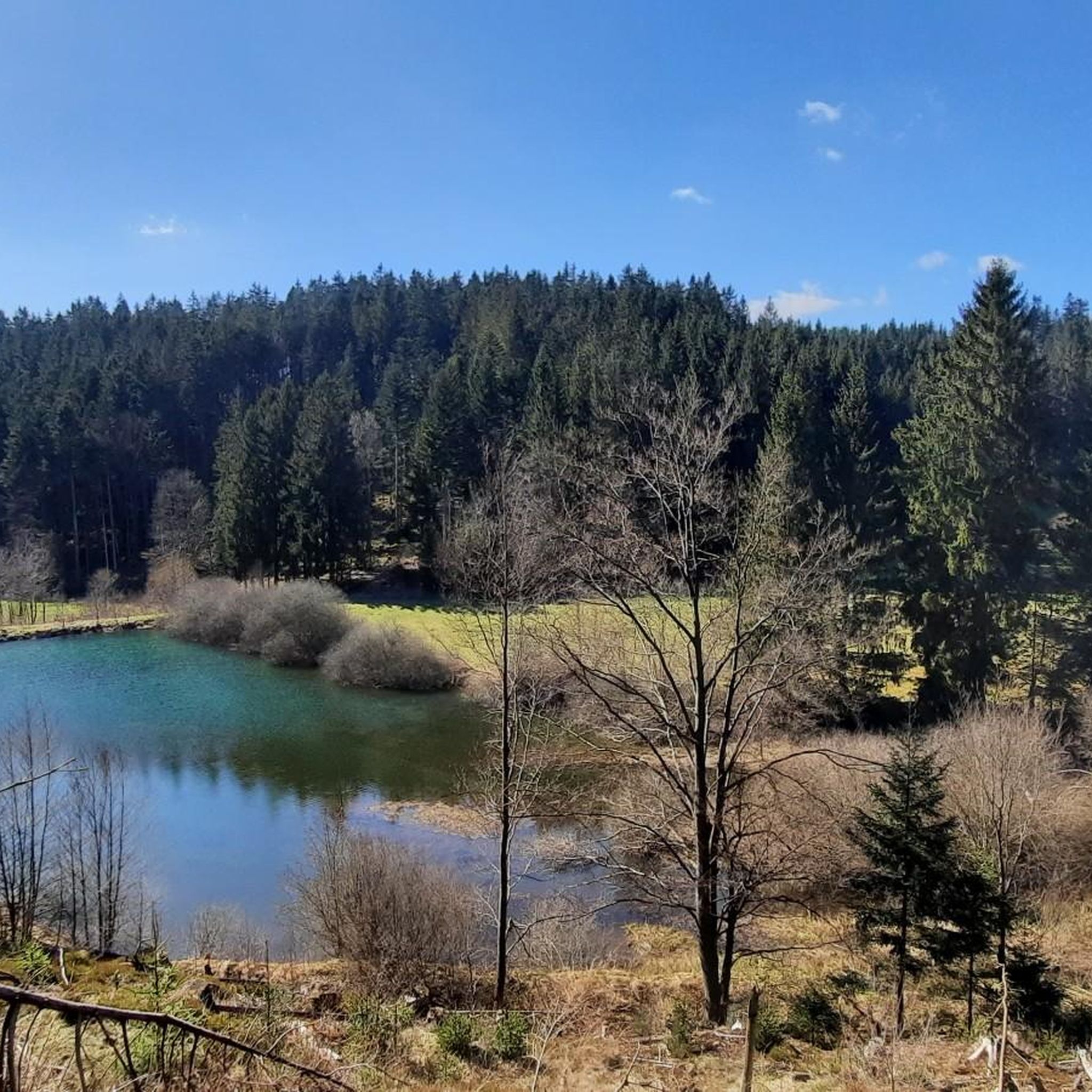
Lakes around Birnbaum offer diverse natural and historical attractions. This region features a collection of lakes, including former industrial sites transformed into natural areas and significant water reservoirs. Visitors can explore locations that combine natural beauty with historical insights into local industries. The area provides opportunities for outdoor activities centered around these water bodies.
Best lakes around Birnbaum
- The most popular lakes is Lehesten Slate Quarry Industrial Heritage Site, a man-made monument and natural monument. This site allows visitors…
Last updated: October 13, 2026
Göpelschacht Shaft Complex, Lehesten
Highlight • Monument
The Göpel shaft system was …
Translated by Google •
Tip by

Lehesten Slate Quarry Industrial Heritage Site
Highlight • Monument
Translated by Google •
Tip by
Sign up now to discover places like this
Get recommendations on the best single tracks, peaks, & plenty of other exciting outdoor places.
Ködel Reservoir Water Intake Tower
Highlight • Monument
Translated by Google •
Tip by

Ködel Reservoir
Highlight • Lake
Translated by Google •
Tip by

🍺 Ölschnitz Hut
Highlight • Mountain Hut
Translated by Google •
Tip by

Sign up for free to discover even more lakes around Birnbaum.
Already have an account?
Start today with a free account
Your next adventure awaits.
Tips from the Community

This is the former Lehesten roofing slate opencast mine. Its dimensions alone are impressive; along with the nearby Oertelsbruch, it was one of the largest slate quarries on the continent (approximately 800 m long, 300 m wide, and up to 80 m deep). Source: Wikipedia
10
1

A beautiful region 🤩 If you like, you can also take a detour to the Alvater Tower.
20
2

Restaurant with a large terrace and simple dishes.
2
0

In the "Land of Blue Gold," as the slate is called here because of its distinctive color, the tradition of Thuringian-Franconian slate mining can still be experienced today. This extraordinary industrial complex, located at what was once one of Europe's largest open-cast slate mines, provides a hands-on experience of the history and processing of slate. The entire Staatsbruch Slate Park area is a nature reserve. 170 Red List species have now been confirmed to have settled in this partially inaccessible area.
23
1
The Göpel shaft system, unique in Europe, is the heart of the “Historic Lehesten Slate Mining” monument ensemble and the trademark of the slate park. The Göpel shaft system was built around 1850, five years after the open-cast mine opened. On the north-west edge of the now closed and flooded roofing slate open-cast mine, the Göpel shaft was used to lift mined slate rock and thus stabilize the production flow. The rock was transported to the adjacent double-slitting hut and processed.
24
1


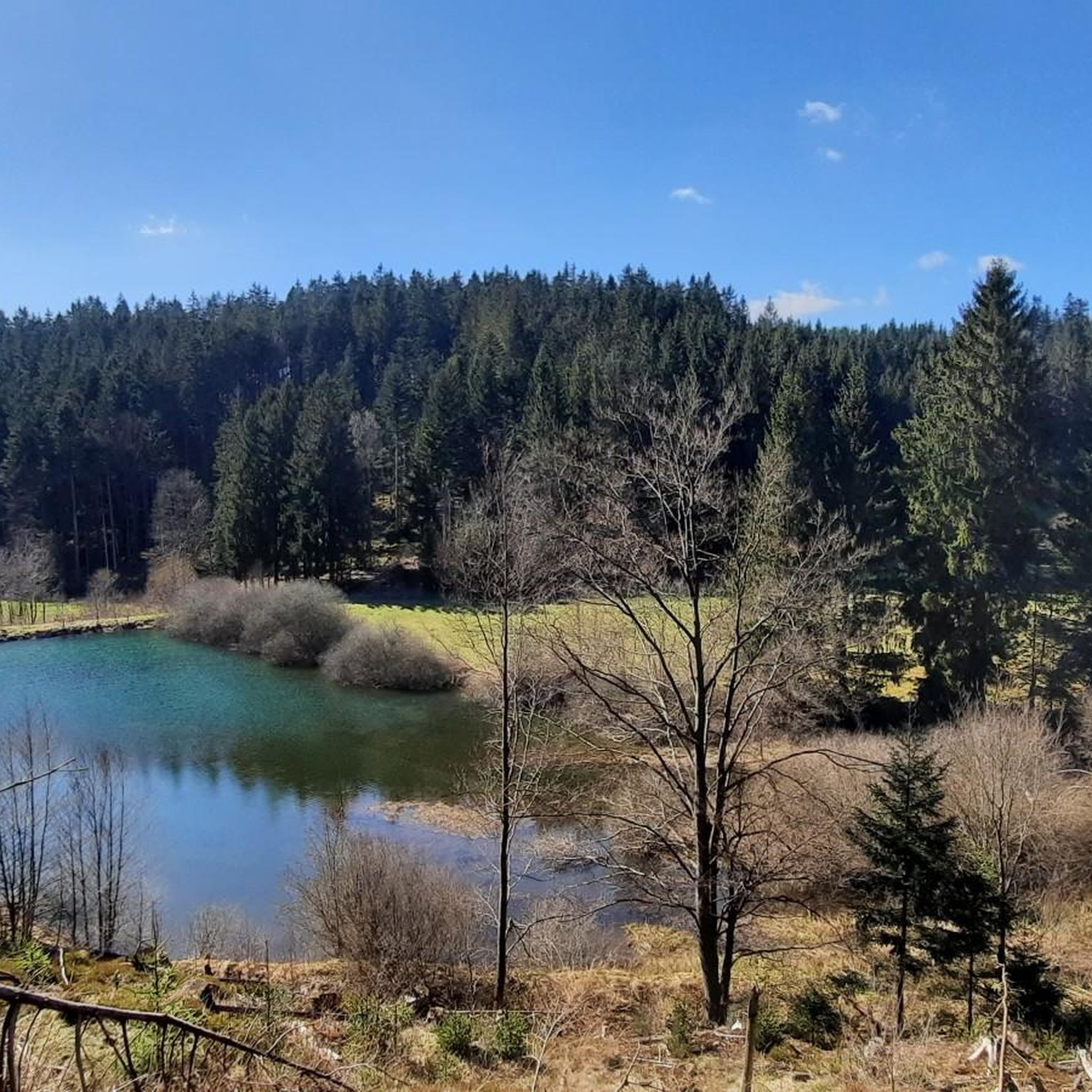
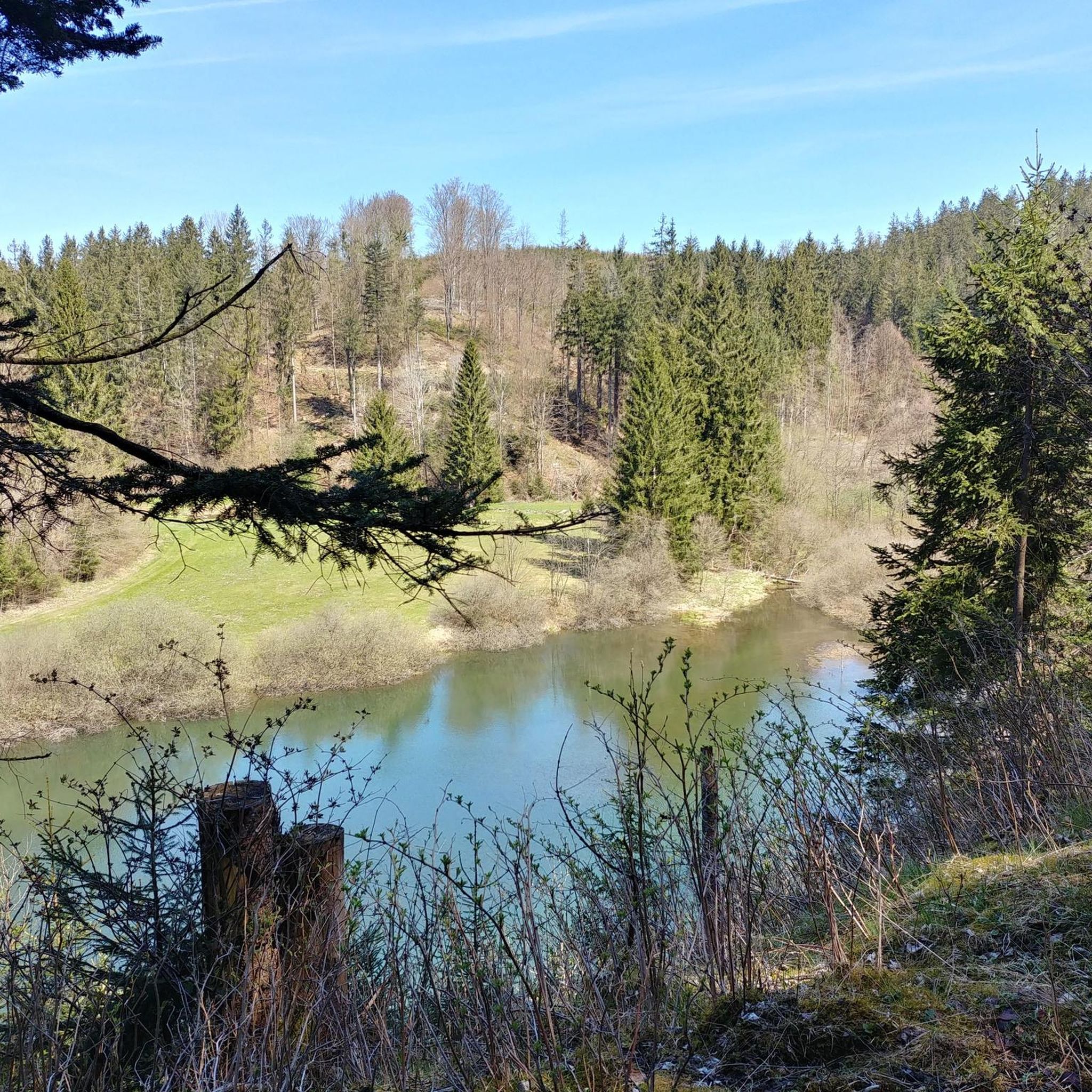
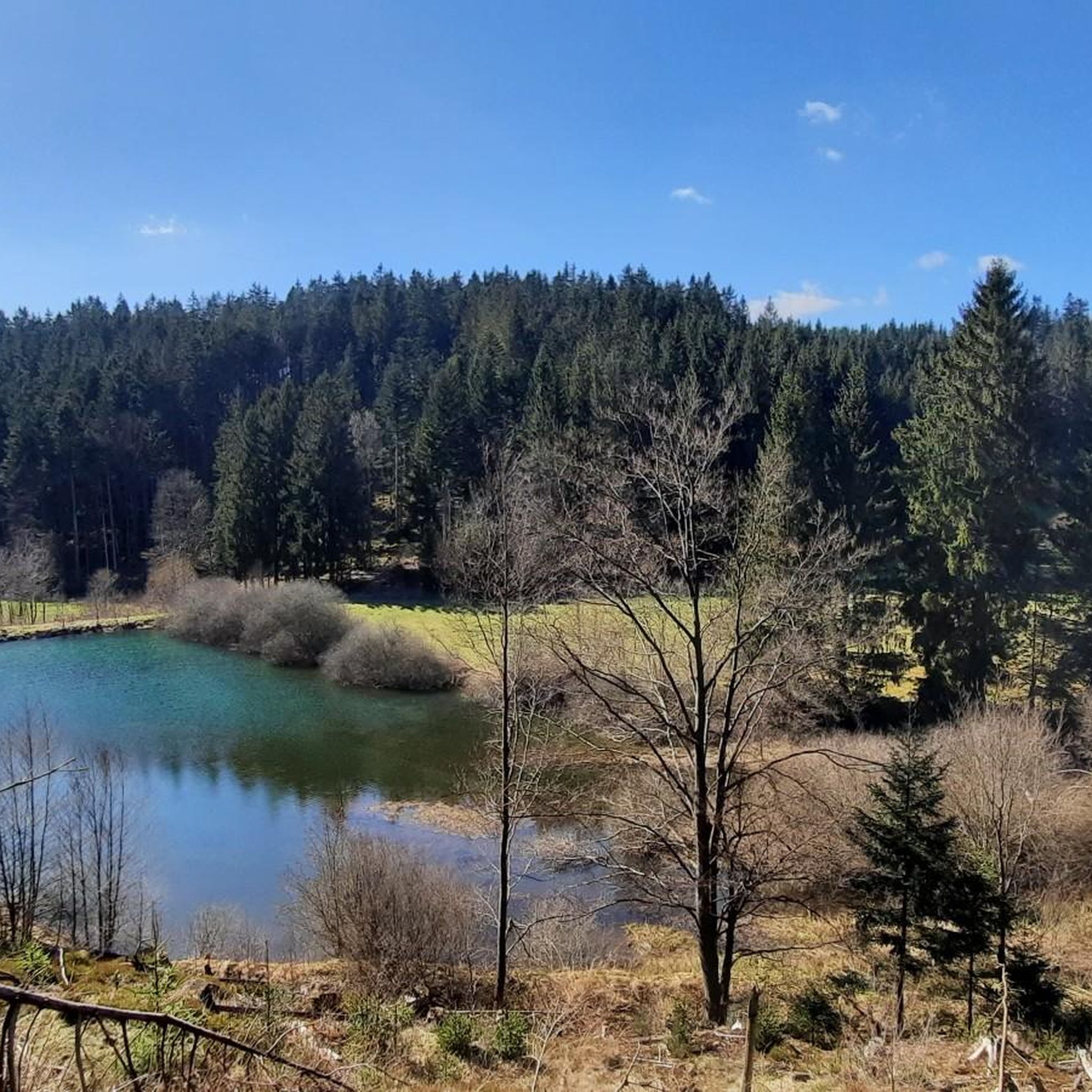
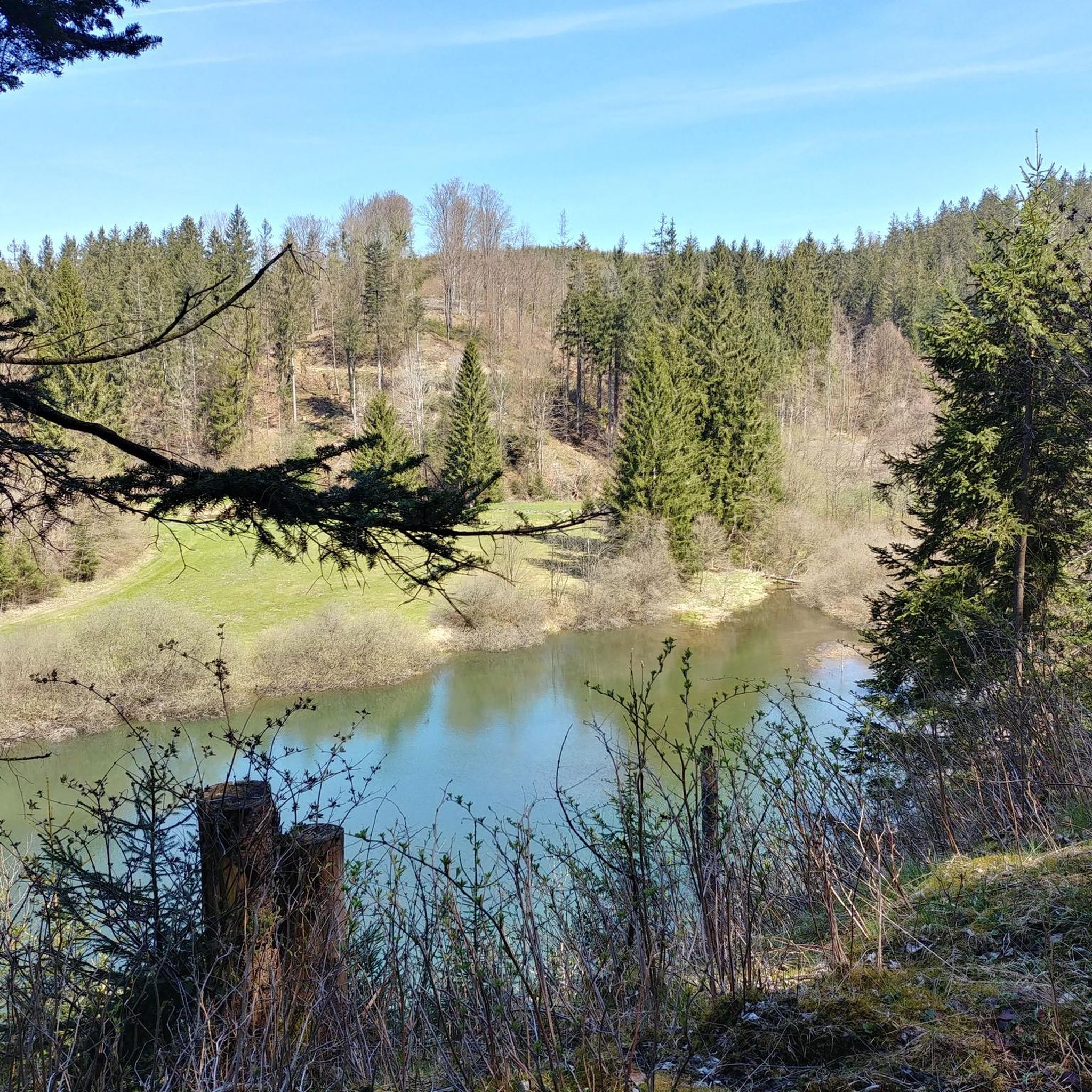
Beautiful views around the dam.
3
1

Be sure to visit and take enough time with you.
10
1
Frequently Asked Questions
What kind of lakes can I expect to find around Birnbaum?
The lakes around Birnbaum are diverse, including former industrial sites transformed into natural areas, significant water reservoirs, and historical sites. You'll find a mix of natural beauty and insights into local industrial heritage.
What are some notable historical sites related to the lakes around Birnbaum?
The region is rich in industrial heritage. You can visit the Lehesten Slate Quarry Industrial Heritage Site, which allows visitors to experience the history of Thuringian-Franconian slate mining. Another significant site is the Göpelschacht Shaft Complex, Lehesten, a unique European shaft system central to the “Historic Lehesten Slate Mining” monument ensemble.
Are there any viewpoints offering scenic views of the lakes?
Yes, the Ködel Reservoir Water Intake Tower offers a great viewpoint over Bavaria's largest drinking water reservoir, often called the "Fjord of the Franconian Forest." The Ködeltalsperre — Southern End also provides scenic views of the reservoir.
What do visitors particularly enjoy about the lakes around Birnbaum?
Visitors appreciate the combination of natural beauty and historical significance. Many enjoy the clear water at sites like the Lehesten Slate Quarry and the scenic views, especially around the Ködel Reservoir. The unique industrial heritage sites are also a major draw.
Are there opportunities for hiking around the lakes near Birnbaum?
Yes, there are several hiking opportunities. For example, an 11 km circuit around the Ködel Reservoir is popular for hiking. You can find more hiking routes in the area, such as the 'Ködeltalsperre Reservoir loop from Birnbaum', by visiting the Hiking around Birnbaum guide.
Can I go cycling near the lakes around Birnbaum?
Absolutely. The 11 km circuit around the Ködel Reservoir is also popular for cycling. For more cycling options, including routes like 'Ködel Reservoir – Ködel Reservoir loop from Tschirn', check out the Cycling around Birnbaum guide.
Are there any lakes suitable for swimming or water activities?
The Ölschnitzsee is a small bathing lake where you can swim, go pedal boating, or fish. However, at the Lehesten Slate Quarry, swimming and diving are prohibited due to its nature reserve status.
Are the lakes around Birnbaum family-friendly?
Many of the sites are family-friendly. The Lehesten Slate Quarry Industrial Heritage Site and the Ködel Reservoir Water Intake Tower are noted as family-friendly. The Ölschnitzsee also features a great playground, making it ideal for families.
Are there any accessible lakes or paths for visitors with mobility needs?
The Ködel Reservoir Water Intake Tower is listed as wheelchair accessible, offering an option for visitors with mobility needs to enjoy the views.
Are there facilities like cafes or playgrounds near the lakes?
Yes, the Ölschnitzsee offers facilities including a great playground, changing rooms, mini golf, and an oil carving hut. For other areas, it's advisable to check local amenities beforehand.
What is unique about the Lehesten Slate Quarry Industrial Heritage Site?
This site is a man-made and natural monument, allowing visitors to experience the history of Thuringian-Franconian slate mining. It's also a nature reserve, home to 170 Red List species, with clear water and trees growing underwater, making it a truly unique blend of industry and nature.
What is the Ködel Reservoir known for?
The Ködel Reservoir, also known as the "Fjord of the Franconian Forest," is Bavaria's largest drinking water reservoir. It was the first Bavarian drinking water dam, built between 1968 and 1972, and also serves for flood protection and electricity generation.
Most popular routes around Birnbaum
Most popular attractions around Birnbaum

Get inspired with the komoot mobile app


Explore more
Still not found your perfect lake around Birnbaum? Check out the guides of these regions to see even more beautiful places.
