Top 9 Caves around Nordhalben
Caves around Nordhalben are found within the Frankenwald region of Bavaria, an area known for its forested landscapes and historical significance. The local terrain features a combination of natural rock formations and man-made underground structures. These sites provide insights into the region's geology and past human activities, including mining and historical settlements. The area offers a variety of cave experiences, from natural grottoes to historical rock cellars.
Best caves around Nordhalben
- The most popular caves is Dürrenwaid Drinks Cave,…
Last updated: June 27, 2026
Dürrenwaid Drinks Cave
Highlight • Cave
Translated by Google •
Tip by

Güldenstein — Former settlement and rock cellar
Highlight • Historical Site
Translated by Google •
Tip by

Sign up now to discover places like this
Get recommendations on the best single tracks, peaks, & plenty of other exciting outdoor places.
Sign up for free
Marian Grotto on Roßlacher Berg
Highlight • Religious Site
At the entrance to the Tiefenbachtal there is the Mariengrotte embedded in a rock. In the fifties, the existing niche in …
Translated by Google •
Tip by

Bergloch Nordhalben
Highlight • Cave
Translated by Google •
Tip by

Lehesten Cave with Pond
Highlight • Cave
Translated by Google •
Tip by

Sign up for free to discover even more caves around Nordhalben.
Sign up for free
Already have an account?
Start today with a free account
Your next adventure awaits.
Login or Signup
Popular around Nordhalben
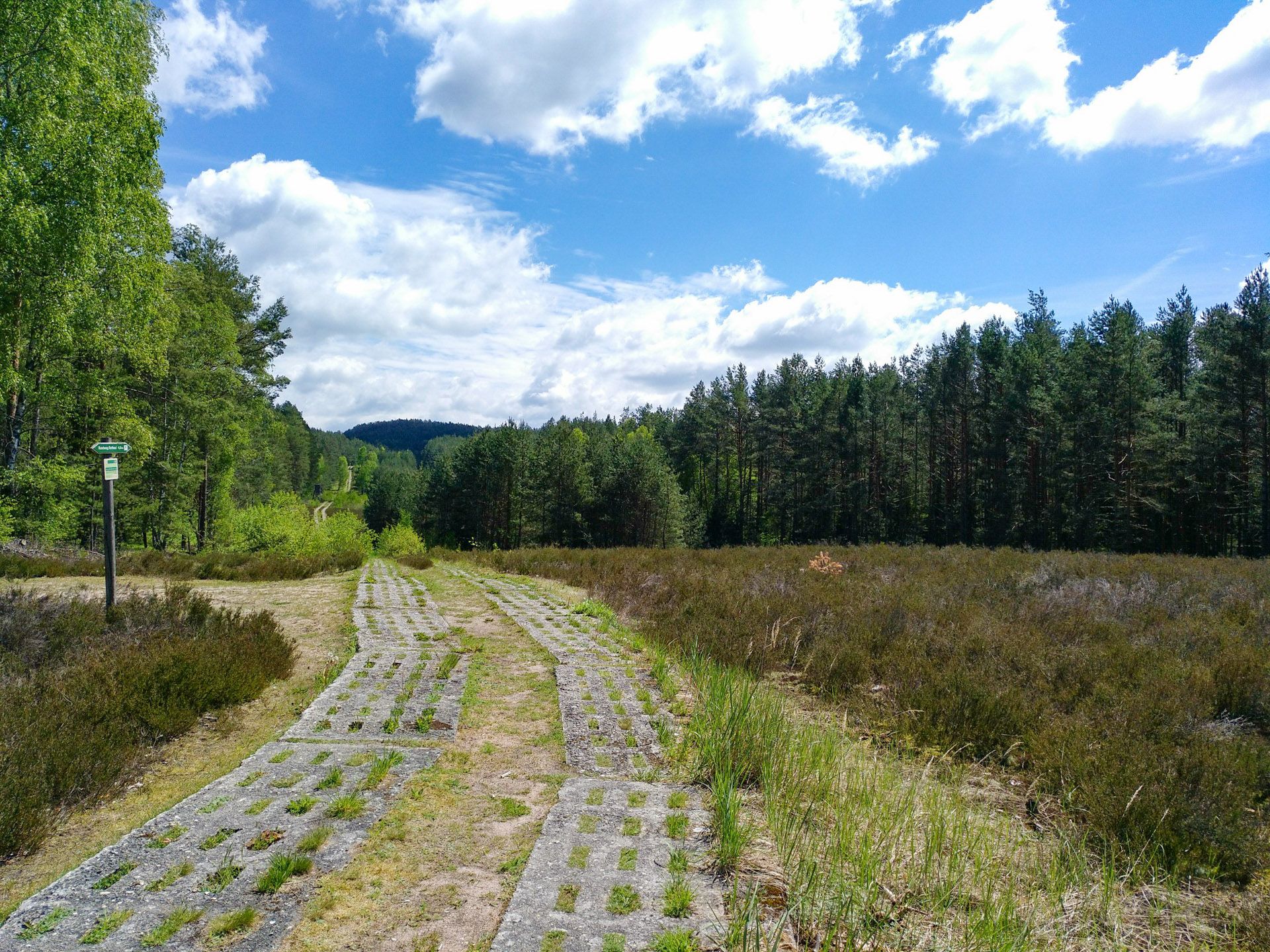
Discover the Green Belt in Germany’s Thuringian Slate Mountains with BUND
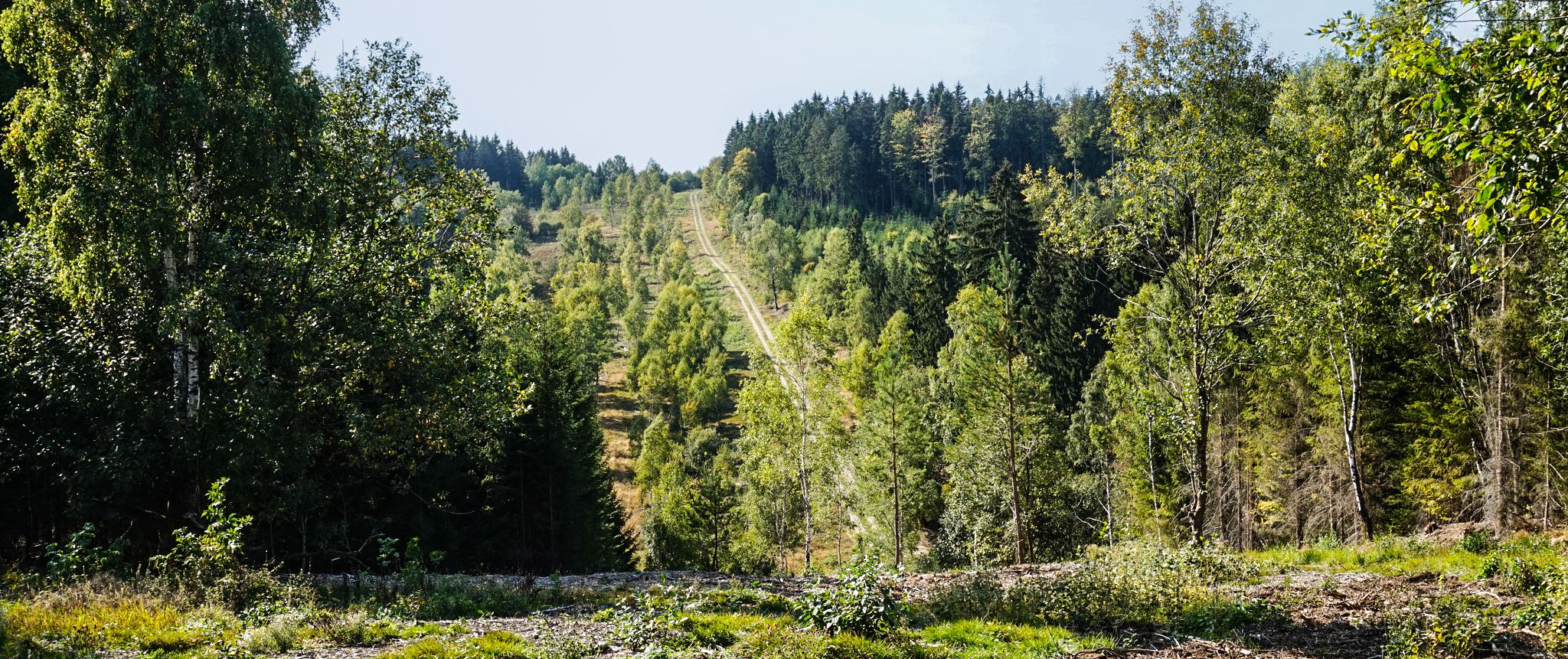
Discover the nature along the “Greenbelt” together with the BUND
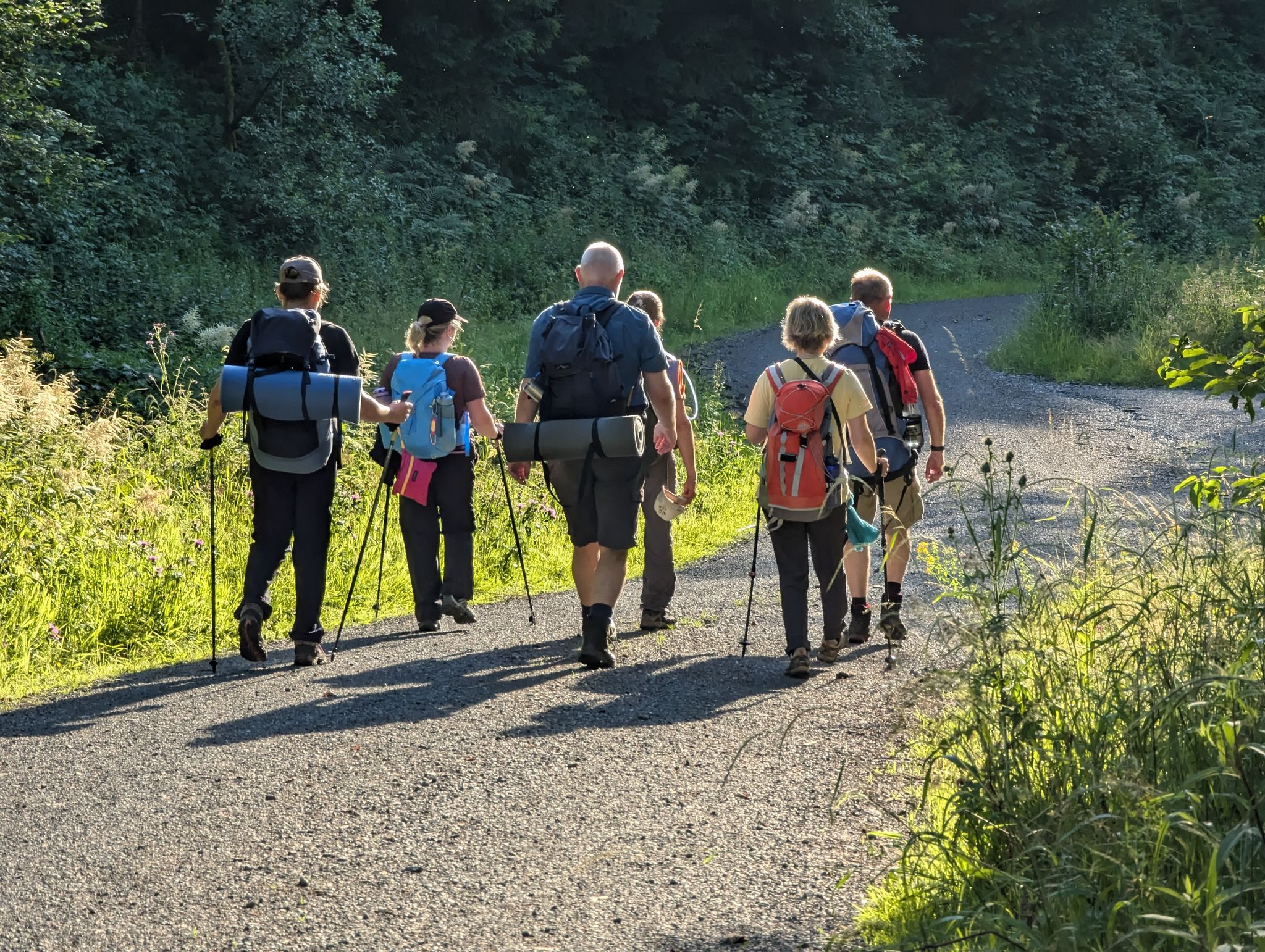
2-Tages-Trekkingtour nach Hermesgrün
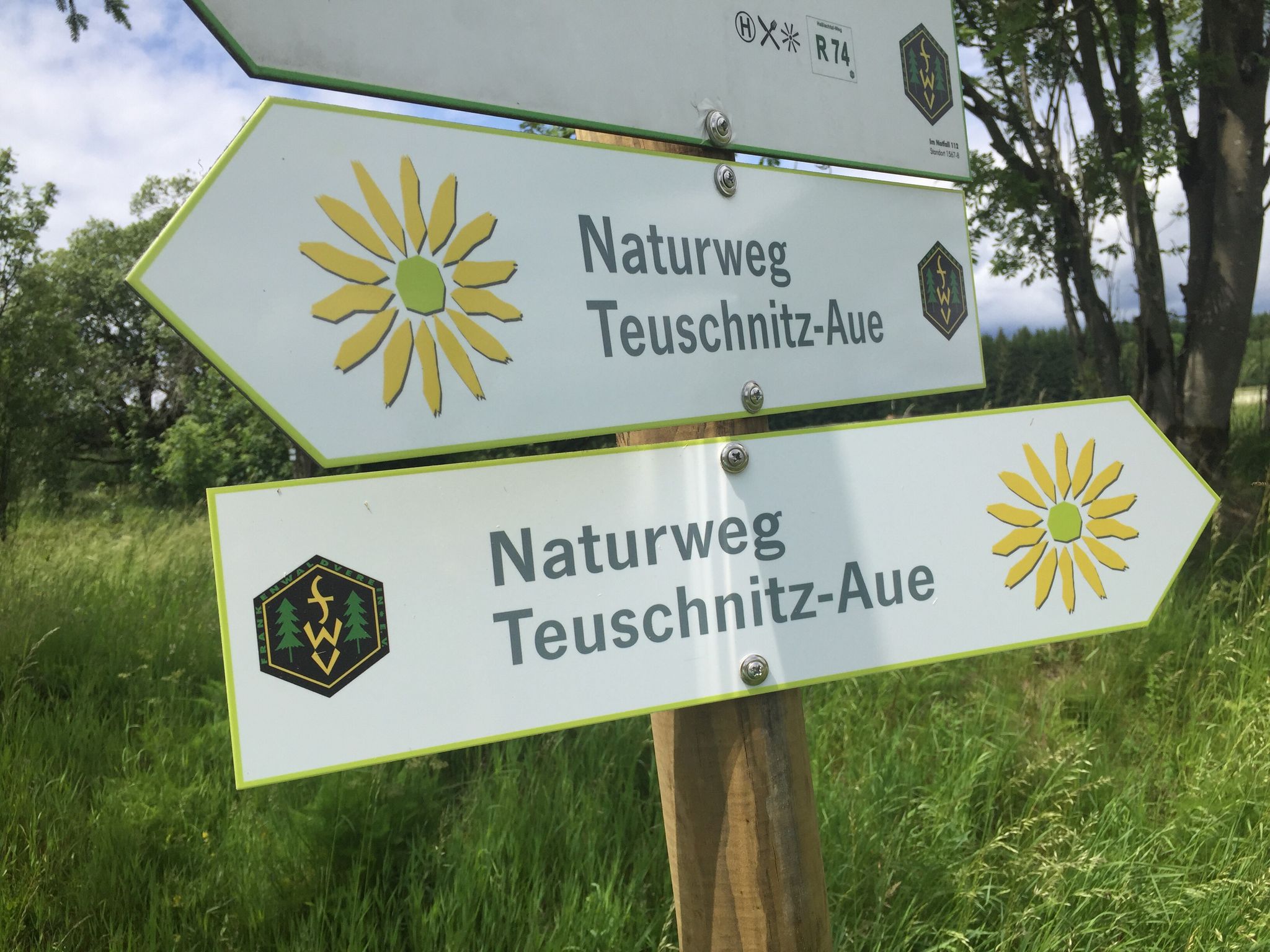
Lehrpfade und Themenwege
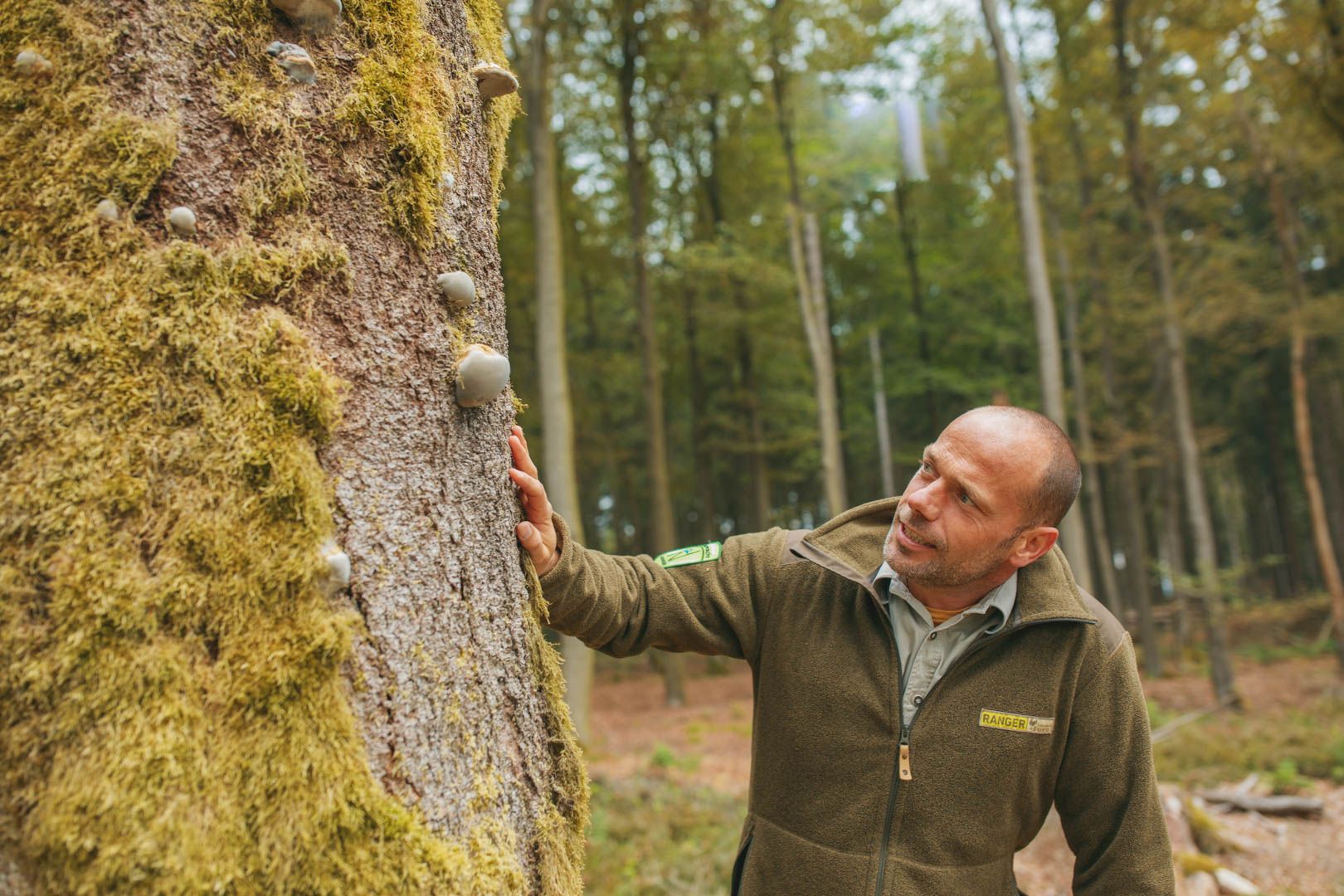
Tipps der Naturpark-Ranger
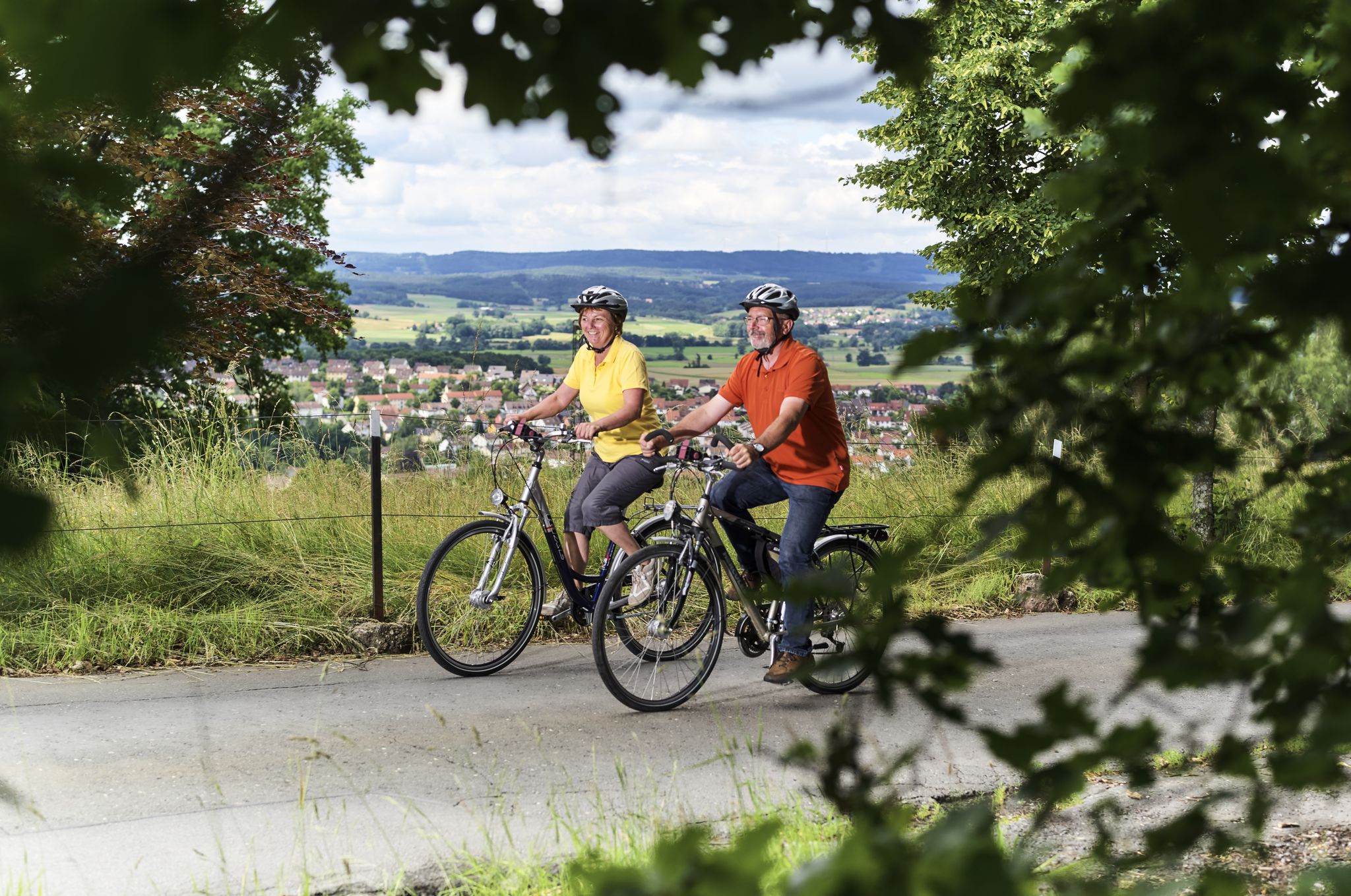
Unsere schönsten Radtouren im Frankenwald
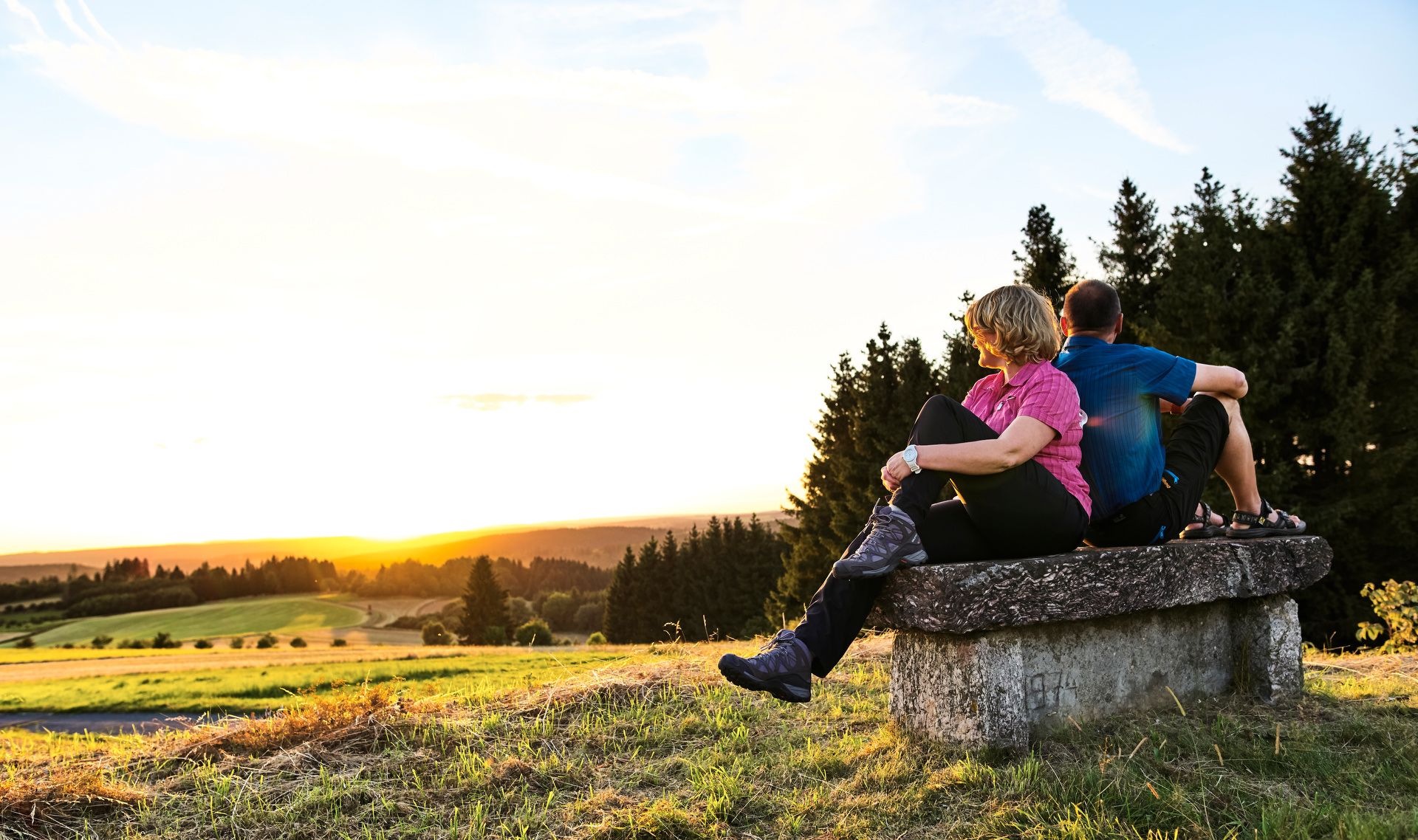
Unsere FrankenwaldSteigla
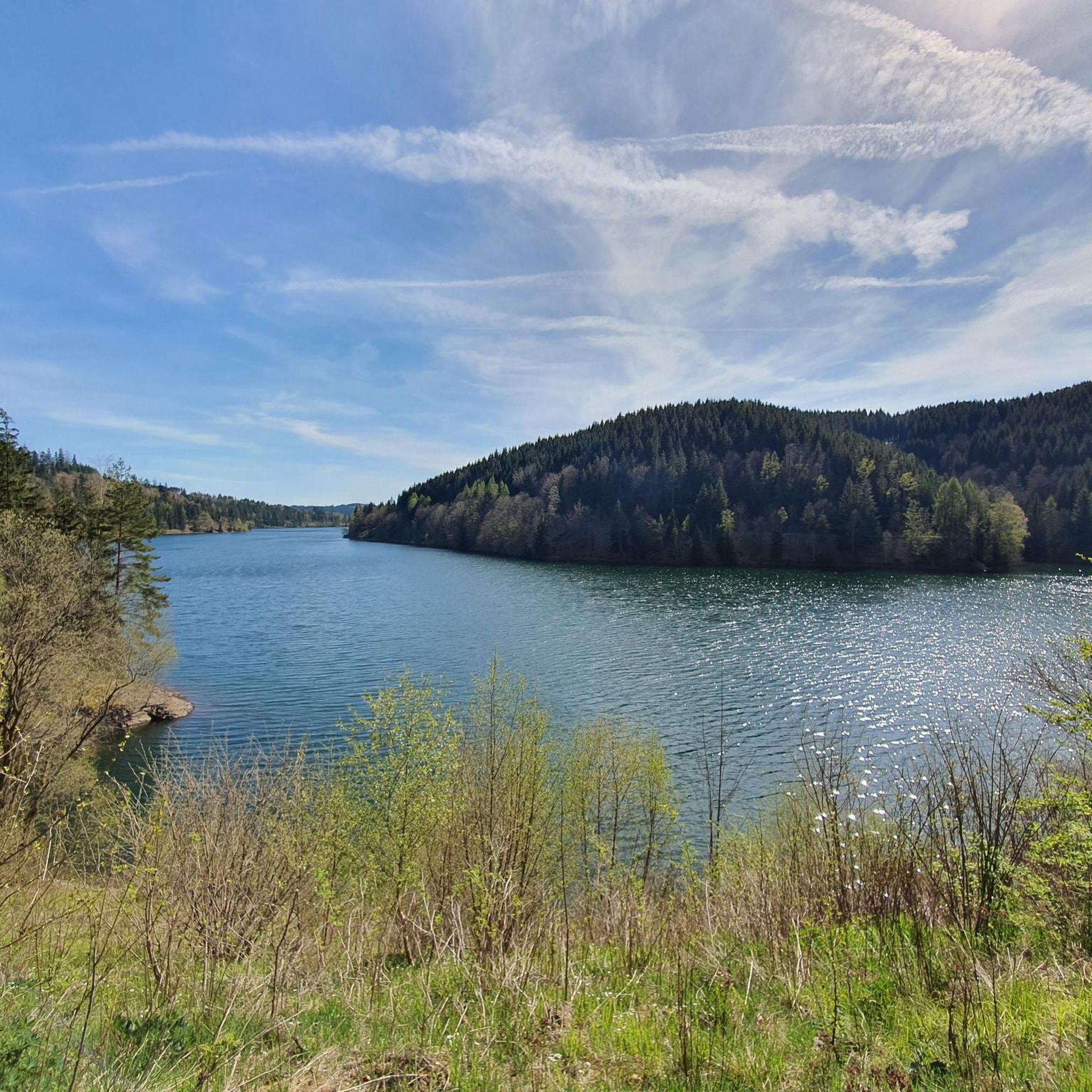
Hiking around Nordhalben
Cycling around Nordhalben
Road Cycling Routes around Nordhalben
Other adventures around Nordhalben


Tips from the Community

What a great idea with the cash register! The drinks are wonderfully chilled. I was happy to take advantage of the offer. You can leave a message on the slate stones!🤩
0
0

The first inhabitants of the Güldenstein estate were probably forestry assistants or woodcutters. Bird trapping was also a lucrative sideline. The Güldenstein bird herd was located above the hillside on a flat area. Only the owners of the estate had the right to trap all types of finches, larks, tits, blackbirds, and thrushes. Selling them was not a problem, as the songbirds were considered a delicacy in the city. Bird trapping was not banned until the end of the 19th century. However, the most important means of survival in this remote area was always agriculture. In 1930, Güldenstein was abandoned by its last inhabitants.
18
0

Mary's Grotto at the entrance to the Tiefenbach Valley. In the 1950s, the existing niche in the slate rock of the Roßlacher Berg was converted into the Mary's Grotto by the Steinberg parish. Every year at the beginning of May, the statue of the Virgin Mary is ceremoniously carried from the parish church into the grotto.
0
0

desertification. The house was razed to the ground, the rock cellar that served as a water source for the residents still exists and is secured with a railing.
5
0

Unfortunately no drinks in stock (03/18/23) Had frozen in the last few days but also. So understandable :)
1
0

the best idea... thanks for the trust
0
0

A small pond with an entrance. Unfortunately, it is mostly under water and I have not yet been able to explore how far it leads into the earth 😱
0
0

former place that consisted of only one house - was abandoned by the last residents in 1930
5
0
Frequently Asked Questions
What types of caves can I explore around Nordhalben?
The Nordhalben area offers a mix of natural rock formations and man-made underground structures. You can find historical rock cellars, grottoes, and former mining tunnels. These sites provide insights into the region's geology and past human activities.
Are there any show caves near Nordhalben?
While there are no large show caves directly in Nordhalben, the nearby Frankenwald region features the Dwarf Cave (Zinselhöhle) in Naila. This karst cave offers guided tours through a fossilized limestone sea, allowing you to observe unique stone formations and a cave creek. Essential equipment is provided for the tour.
What is the Lohnendagsthal Drinks Cave?
The Lohnendagsthal Drinks Cave is a unique spot appreciated by hikers. It's a cave that offers well-chilled drinks, serving as a refreshing stop along various routes in the area. Visitors often find it a pleasant surprise during their hikes.
Can I visit historical sites like the Güldenstein rock cellar?
Yes, you can explore Güldenstein — Former settlement and rock cellar. This historical site features a preserved rock cellar from a remote agricultural estate that was abandoned in 1930. It offers a glimpse into the region's past and the lives of its former inhabitants.
What is the Marian Grotto on Roßlacher Berg?
The Marian Grotto on Roßlacher Berg is a religious site embedded in a slate rock niche. Expanded in the 1950s, it serves as a place for worship and community gatherings, with a statue of Our Lady ceremoniously carried there each May.
Are there any former mines to explore in the region?
Yes, the Höllental valley, accessible from Nordhalben, is home to former mining tunnels. You can explore sites like the Blauer Löw Mine Entrance, an 18th-century ore mine where you can walk about 25 meters into the old workings (a flashlight is recommended). The Rebecca Tunnel is another former ore mine in the valley, offering insight into the region's industrial history.
What kind of geological formations can I see in the caves?
In natural caves like the Dwarf Cave (Zinselhöhle), you can observe impressive karst formations, including a fossilized limestone sea and unique stone structures continuously shaped by water. The region's slate rock is also a prominent feature, as seen in the Marian Grotto.
Are the caves around Nordhalben suitable for families?
Many sites, such as the Marian Grotto on Roßlacher Berg, are considered family-friendly. The Dwarf Cave (Zinselhöhle) also offers guided tours that can be an engaging experience for families, with equipment provided. Always check specific accessibility for each location.
What is the best time of year to visit the caves near Nordhalben?
The Dwarf Cave (Zinselhöhle) is typically open for guided tours from May to September and closed in winter for bat protection. For other historical sites and rock cellars, spring through autumn generally offers pleasant weather for exploring the surrounding hiking trails and accessing the sites.
What should I wear or bring when visiting caves in the Nordhalben area?
For the Dwarf Cave (Zinselhöhle), essential equipment for the cave trip is provided at the entrance. For other less developed sites like the Blauer Löw Mine Entrance, a flashlight is recommended. Generally, sturdy footwear and appropriate clothing for potentially cool and damp conditions underground are advisable.
Are there hiking opportunities near these caves?
Yes, the caves and historical sites around Nordhalben are often integrated into scenic hiking routes. For example, the Höllental valley, home to former mines, is a beautiful natural area ideal for hiking. You can find various hiking trails in the region, including routes like 'The Nordhalbener Wiesen-Panorama-Weg' or trails around the Ködel Reservoir. Explore more at Hiking around Nordhalben.
What other outdoor activities are available near Nordhalben's caves?
Beyond hiking, the Nordhalben region offers opportunities for gravel biking and mountain biking. Routes like 'Höllental along the Selbitz' or trails around the Ködel Reservoir provide diverse terrain for cyclists. You can discover more options at Gravel biking around Nordhalben and MTB Trails around Nordhalben.
What is the Bergloch Nordhalben?
The Bergloch Nordhalben is the largest of several 'mountain holes' in the area, likely created in the Middle Ages. While their exact purpose is debated—possibly for seeking degradable rock or ore, or as storage cellars—they represent an intriguing historical feature of the region.
Most popular routes around Nordhalben
Most popular attractions around Nordhalben

Get inspired with the komoot mobile app


Explore more
Extend your search for the best caves by checking out these guides of the top ones around Nordhalben:
