Top 7 Caves around Erlenstegener Forst
Best caves around Erlenstegener Forst include a mix of natural rock formations and historical underground structures. While the immediate Erlenstegener Forst area, characterized by sandy soils, does not feature large natural karst caves, it offers unique geological and man-made subterranean experiences. The wider region, particularly Franconian Switzerland, is known for its extensive natural cave systems. This guide focuses on accessible "caves" and underground sites within and near the Erlenstegener Forst.
Best caves around Erlenstegener Forst
- The most popular caves is…
Last updated: June 27, 2026
Bowl Rock
Highlight • Natural Monument
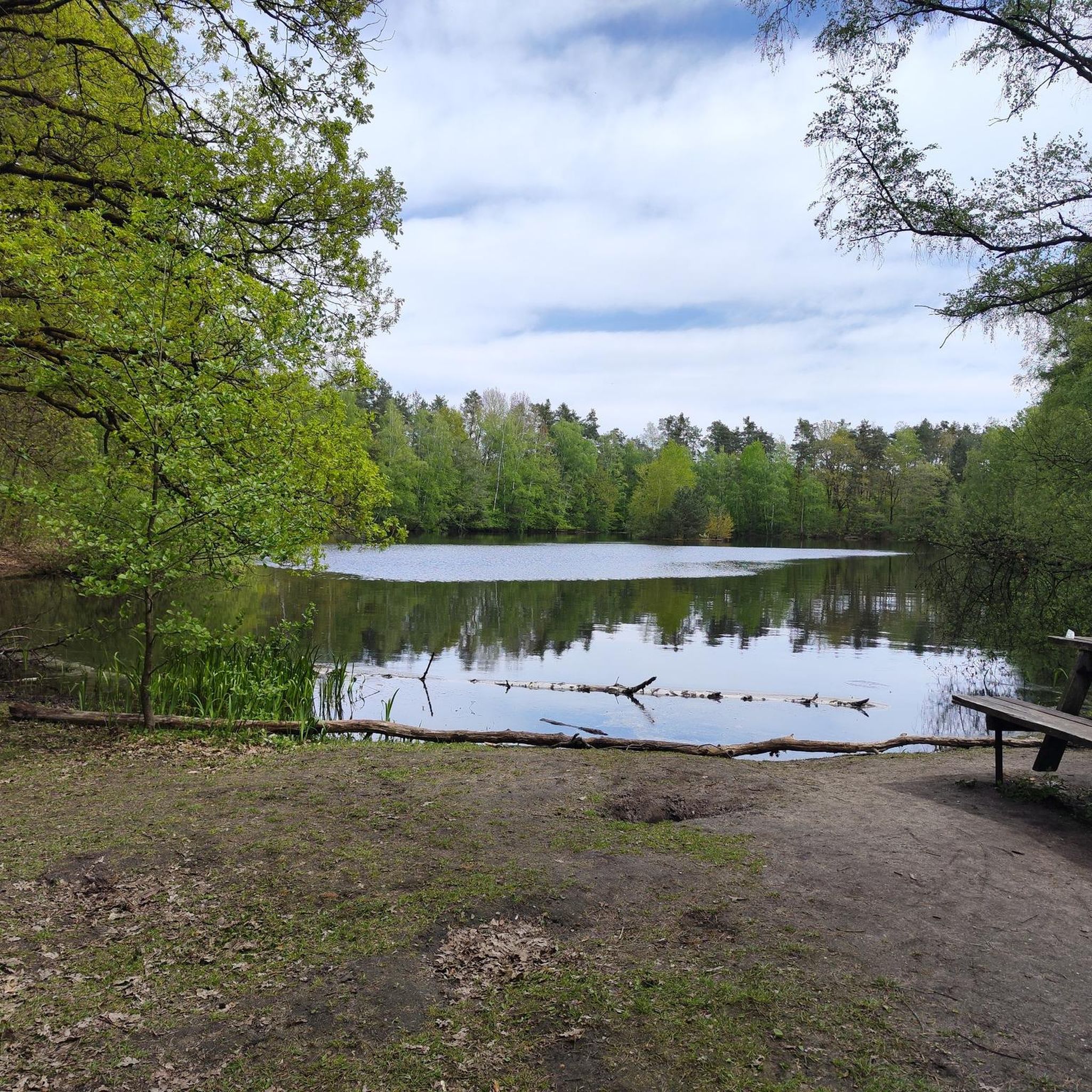
Easy to climb and a rustic place to take a break.
Translated by Google •
Tip by

Casemates and Loch Water Conduit Nuremberg
Highlight • Historical Site
Translated by Google •
Tip by

Sign up now to discover places like this
Get recommendations on the best single tracks, peaks, & plenty of other exciting outdoor places.
Sign up for free
Felsenkeller Fischbach
Highlight • Structure
Highly Recommended
a very beautiful area
Translated by Google •
Tip by

Hausbrauerei Altstadthof
Highlight • Pub
Translated by Google •
Tip by
Historic Art Bunker Nuremberg
Highlight • Historical Site
The …
Translated by Google •
Tip by

Sign up for free to discover even more caves around Erlenstegener Forst.
Sign up for free
Already have an account?
Start today with a free account
Your next adventure awaits.
Login or Signup
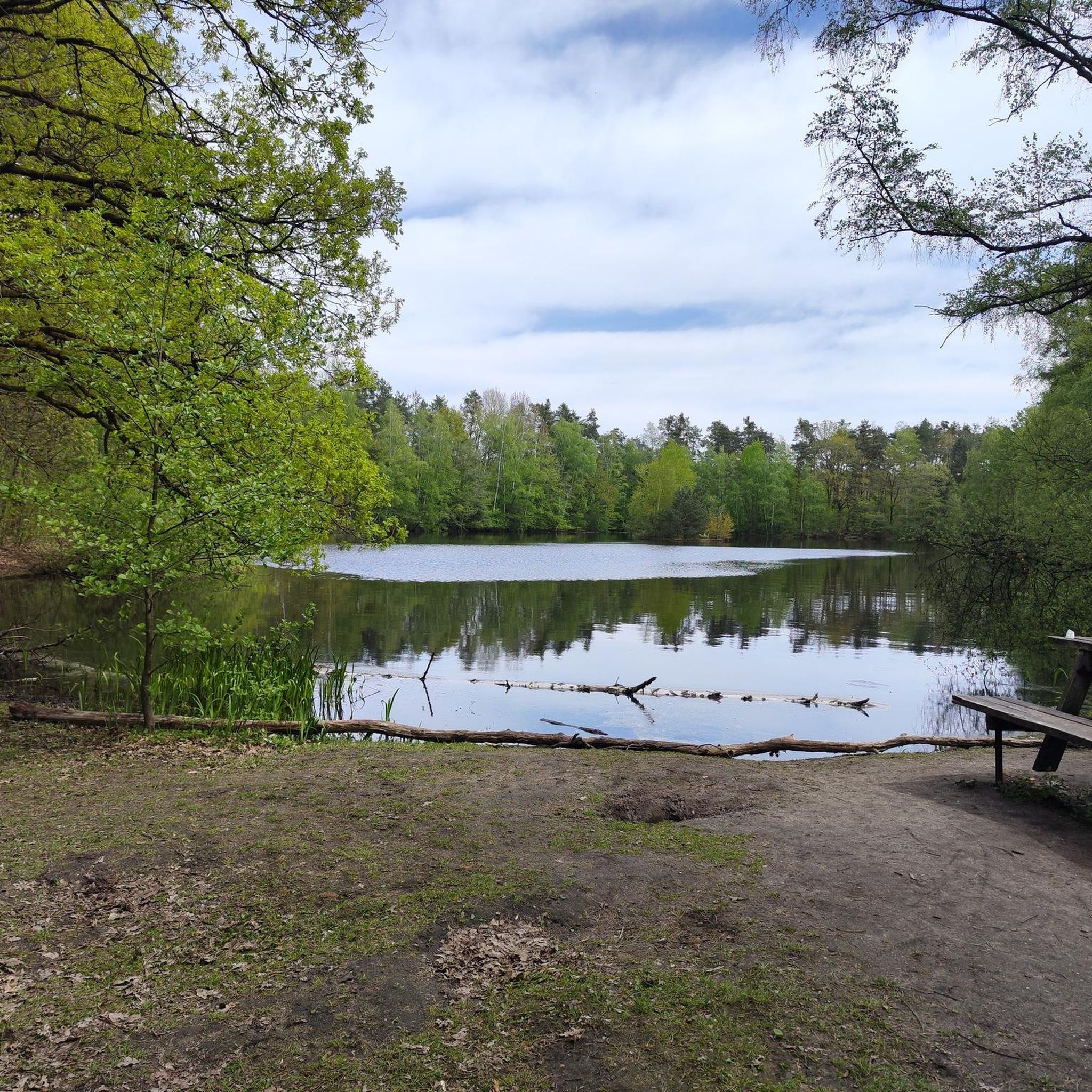
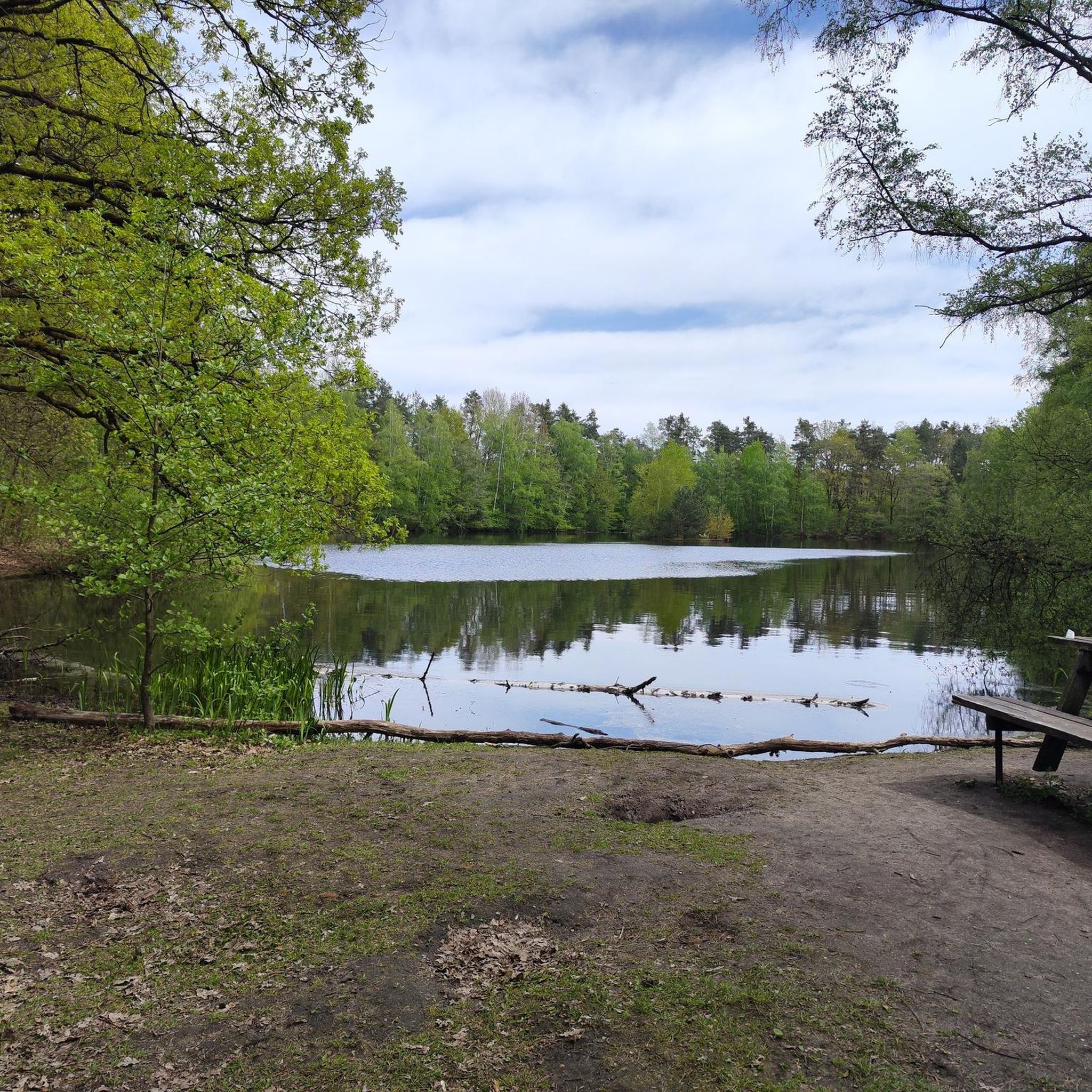
Tips from the Community

Nuremberg from below, totally worth seeing.
0
0
Beer is brewed here, and whiskey, gin and beer brandy are distilled. Everything is served in the in-house pub, and there is also hearty food. Everything is served by friendly staff. If you don't stop here, it's your own fault.
0
0
History to experience and touch
0
0

The rock passages in Nuremberg are absolutely worth seeing. Since this is a guided tour, please find out more online or at the information point on the main market square
1
0
During the tour, you not only dive into the rock passages, but you can also visit the brewery
1
0

Guided tours daily Tour duration: approx. 60 minutes Maximum number of participants: 20 people Booked groups by arrangement (German, English, max. 20 people) Audio guides: English, French, Spanish, Italian Meeting point: Historical Art Bunker, Obere Schmiedgasse 52 Several tours on different topics start from here. https://www.unterwelten-nuernberg.de/kunstbunker/ OR for other tours https://www.unterwelten-nuernberg.de/
10
0
After Dresden, Nuremberg was the major city in Germany that was most destroyed in the Second World War. Nevertheless, irreplaceable Nuremberg art treasures survived in a unique art bunker. The vaults, carved deep into the castle hill to serve as beer storage facilities, were converted and equipped with all sorts of technology to provide optimal conditions for art worthy of protection. Unnoticed by the population, Nuremberg paintings, goldsmith's work, church windows, including art stolen by the Nazis, were safely stored away from the bombing campaign. Other non-transportable art, such as the Beautiful Fountain, was walled up to protect it in this way. The tour of the historical art bunker gives an insight into how the population was prepared for war at an early stage. Despite all these measures and contrary to all the announcements of Nazi propaganda, Nuremberg was almost completely destroyed. The extent of the damage is explained graphically during the tour.
13
0
On the tour "Outhouse meets draw well" you are taken into the (hole water pipe) water supply of the Middle Ages. An hour of exciting, underground tour where you can look at the manhole covers from below 😜. Absolutely worth seeing and very entertaining. Highly recommended!! The starting point is at the art bunker. Normal shoes are totally fine 😉. The rubber boots and also the high heels 👠 can stay at home 😬😂
5
0
Frequently Asked Questions
What kind of 'caves' can I expect to find in the Erlenstegener Forst area?
The Erlenstegener Forst area features a mix of natural rock formations and historical underground structures. While large natural karst caves are not typical due to the sandy soils, you can explore unique sites like Bowl Rock, a natural sandstone monument. The region also offers man-made subterranean experiences such as the historical rock-cut cellars and casemates, which provide insight into the area's history and architecture.
Are there any natural caves in Erlenstegener Forst itself?
The Erlenstegener Forst, characterized by sandy soils and pine forests, is not conducive to the formation of large natural karst caves. However, you can find natural rock formations like Bowl Rock, which is a unique sandstone feature and a popular landmark.
Where can I find impressive natural cave systems near Erlenstegener Forst?
For impressive natural cave systems, you should look towards the nearby Franconian Switzerland region, which is renowned for its numerous and extensive cave networks. Notable examples include Teufelshöhle (Devil's Cave) near Pottenstein, Binghöhle (Bing Cave) near Streitberg, and König-Otto-Tropfsteinhöhle (King Otto Stalactite Cave).
Are there family-friendly options for exploring caves or underground sites?
Yes, several sites are considered family-friendly. Felsenkeller Fischbach is a pleasant spot with historical significance, offering a nice resting area. The Bowl Rock is also easy to climb and a rustic place for a break, suitable for families.
What historical underground sites can I visit in the area?
The area is rich in historical underground sites. You can explore the Historic Rock-Cut Cellars of Nuremberg, a complex system of tunnels and cellars beneath the old town. Another impressive site is the Casemates and Loch Water Conduit Nuremberg, which consists of defensive passages deep beneath the bastions of the Imperial Castle, showcasing Renaissance fortress construction.
What do visitors enjoy most about the underground sites near Erlenstegener Forst?
Visitors appreciate the historical significance and unique atmosphere of these sites. For instance, the Historic Rock-Cut Cellars of Nuremberg offer guided tours that reveal the city's hidden history. The Casemates are praised for their impressive architecture and the glimpse they offer into the city's past defenses. Many also enjoy the peaceful and scenic surroundings of places like Felsenkeller Fischbach.
Are there any specific geological features worth noting in Erlenstegener Forst?
The most notable geological feature directly within Erlenstegener Forst is Bowl Rock. This unique sandstone rock is characterized by bowl-like indentations and has historically served as a border marker. The wider region, particularly Franconian Switzerland, is known for its karst geology, which supports the formation of extensive dripstone caves.
Can I combine a visit to these sites with other outdoor activities?
Absolutely. The Erlenstegener Forst area offers various outdoor activities. You can find numerous cycling routes, such as those listed in the Cycling around Erlenstegener Forst guide, or explore running trails, like those in the Running Trails around Erlenstegener Forst guide. These routes often pass by or are close to some of the mentioned highlights, allowing for a combined experience.
What is the best time to visit the underground sites and caves?
The man-made underground sites like the Historic Rock-Cut Cellars and Casemates are generally accessible year-round, though it's advisable to check their specific opening hours and tour availability. For natural rock formations like Bowl Rock and outdoor areas like Felsenkeller Fischbach, spring through autumn typically offers the most pleasant weather for exploration.
Are there any cafes or amenities near the caves and underground sites?
Yes, especially in Nuremberg, where many of the historical underground sites are located. For example, Hausbrauerei Altstadthof is a brewery located near the Historic Rock-Cut Cellars, offering food and drinks. In more natural settings like Felsenkeller Fischbach, you might find picnic spots or seasonal events.
Is public transport available to reach these locations?
Many of the historical underground sites, particularly those in Nuremberg like the Historic Rock-Cut Cellars and Casemates, are well-connected by Nuremberg's public transport system. For sites further into the Erlenstegener Forst or surrounding areas, public transport might require a combination of bus and walking, or a car might be more convenient.
Are there any permits required for visiting these caves or underground sites?
Generally, no special permits are required for visiting the publicly accessible sites mentioned, such as Bowl Rock or Felsenkeller Fischbach. For historical sites like the Historic Rock-Cut Cellars or Casemates, guided tours often require tickets, which can be purchased on-site or in advance.
Most popular routes around Erlenstegener Forst
Most popular attractions around Erlenstegener Forst

Get inspired with the komoot mobile app


Explore more
Extend your search for the best caves by checking out these guides of the top ones around Erlenstegener Forst:
