Top 20 Caves around Raversbeuren
Best caves around Raversbeuren are primarily found in the Rhein-Hunsrück-Kreis region, characterized by its historical slate mining industry. This area features numerous underground formations, including former slate mines and tunnels that offer unique geological and historical insights. The landscape is shaped by centuries of mining, providing a distinctive environment for exploration. These sites often reveal the laborious processes of slate extraction and their later uses, such as air-raid shelters.
Best caves around Raversbeuren
- The most popular caves is Altlay Slate…
Last updated: June 27, 2026
Altlay Slate Mine and Hitzelbach Stream
Highlight • Cave
Mining has a long tradition in Altlay. In addition to agriculture, it served as a second pillar for earning a living. In addition to the mining …
Translated by Google •
Tip by

The Altlayer "Schießkeller"
Highlight • Historical Site
Shortly before the end of World War II, work began on driving a tunnel into the mountain at this point. It was supposed to serve the inhabitants …
Translated by Google •
Tip by
Sign up now to discover places like this
Get recommendations on the best single tracks, peaks, & plenty of other exciting outdoor places.
Sign up for free
Slate mining
Highlight • Historical Site
Mining has a long tradition in Altlay. In addition to agriculture, it served as a second pillar for earning a living. In addition to the mining …
Translated by Google •
Tip by
Vaulted Cellars of Mont Royal Fortress
Highlight • Historical Site
Translated by Google •
Tip by

Climbing section near Collisturm
Highlight • Climb
Starting point: Zeller Black Cat Fountain.
Translated by Google •
Tip by

Sign up for free to discover even more caves around Raversbeuren.
Sign up for free
Already have an account?
Start today with a free account
Your next adventure awaits.
Login or Signup
Tips from the Community

The ruins of Mont Royal fortress lie above Traben-Trarbach on a bend in the Moselle River and were built at the end of the 17th century by order of the French Sun King, Louis XIV. The complex covered an area of 50 hectares and offered space for up to 12,000 soldiers and 3,000 horses. It was intended to serve as a supply base for the French Rhine Army and to control the central Rhineland. Only eleven years after construction began, following the Peace of Rijswijk in 1697, the French destroyed the fortress themselves in 1698 to avoid surrendering it to their opponents. Today, only a few remains of the once mighty fortress are visible. These include sections of the walls, casemates, cellar vaults, and defensive ditches. A large part of the ruins is overgrown by forest.
1
0

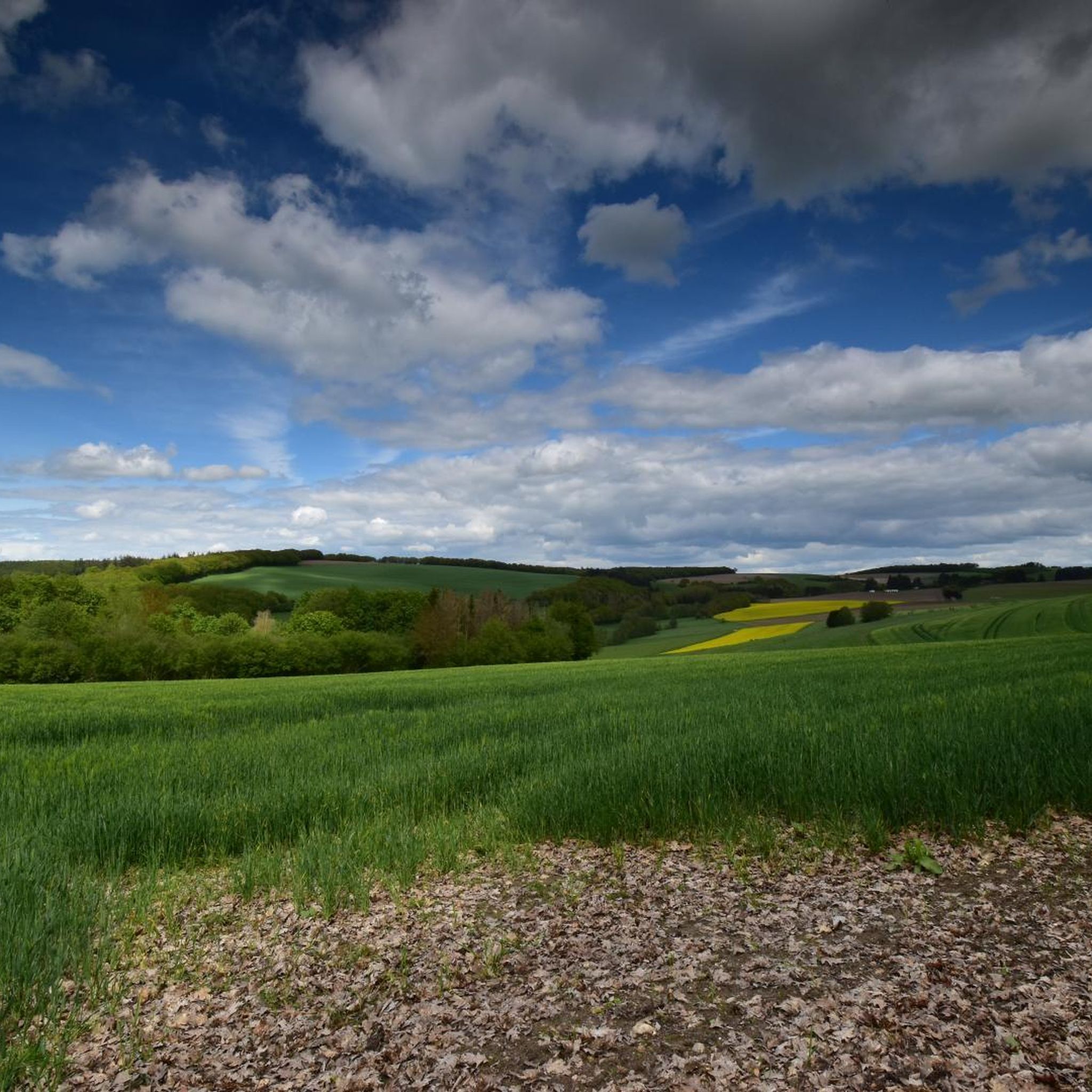
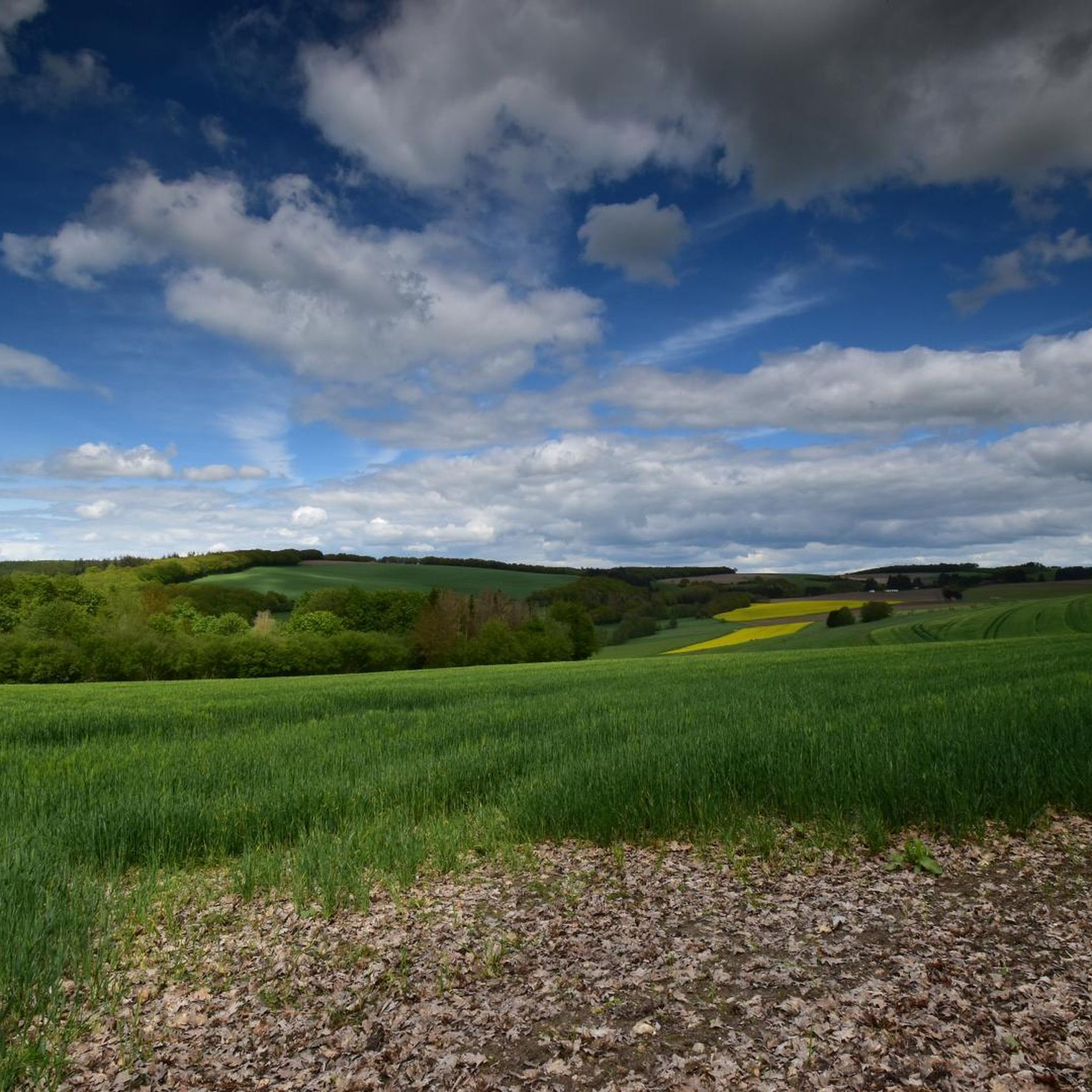
View of Zell from the Collis Tower
0
0

All that remains of the barracks, i.e. the accommodation buildings, are numerous vaulted cellars, which have collapsed in many places, creating a huge crater field.
0
1

Historically interesting, sure, but it's just a "dark hole."
1
1

Construction began at the end of World War II and was intended to serve as an air raid shelter. After the war, explosives were stored here. May 30, 2019.
0
0

A nice little climbing spot, but it can easily be bypassed by a small path.
0
0

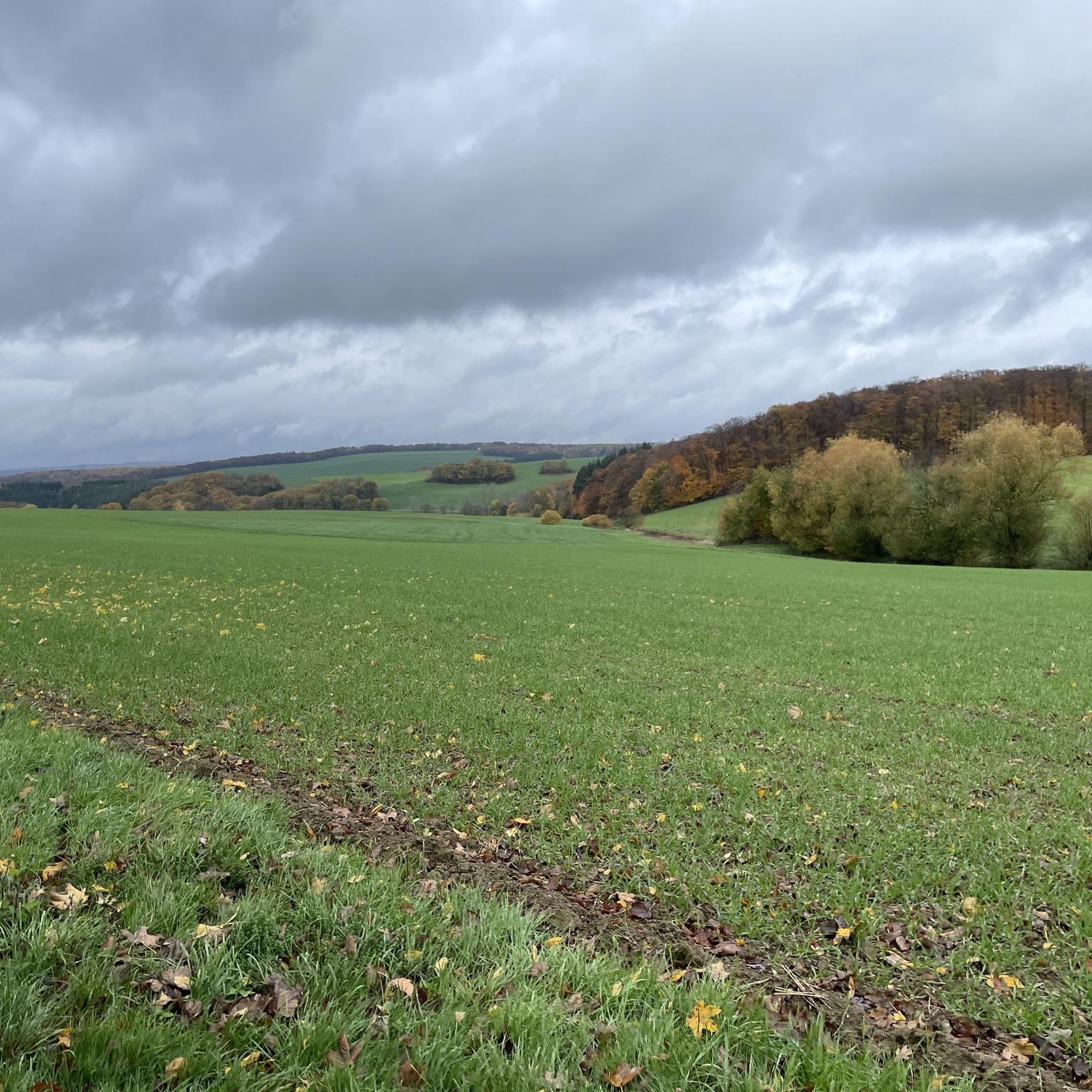
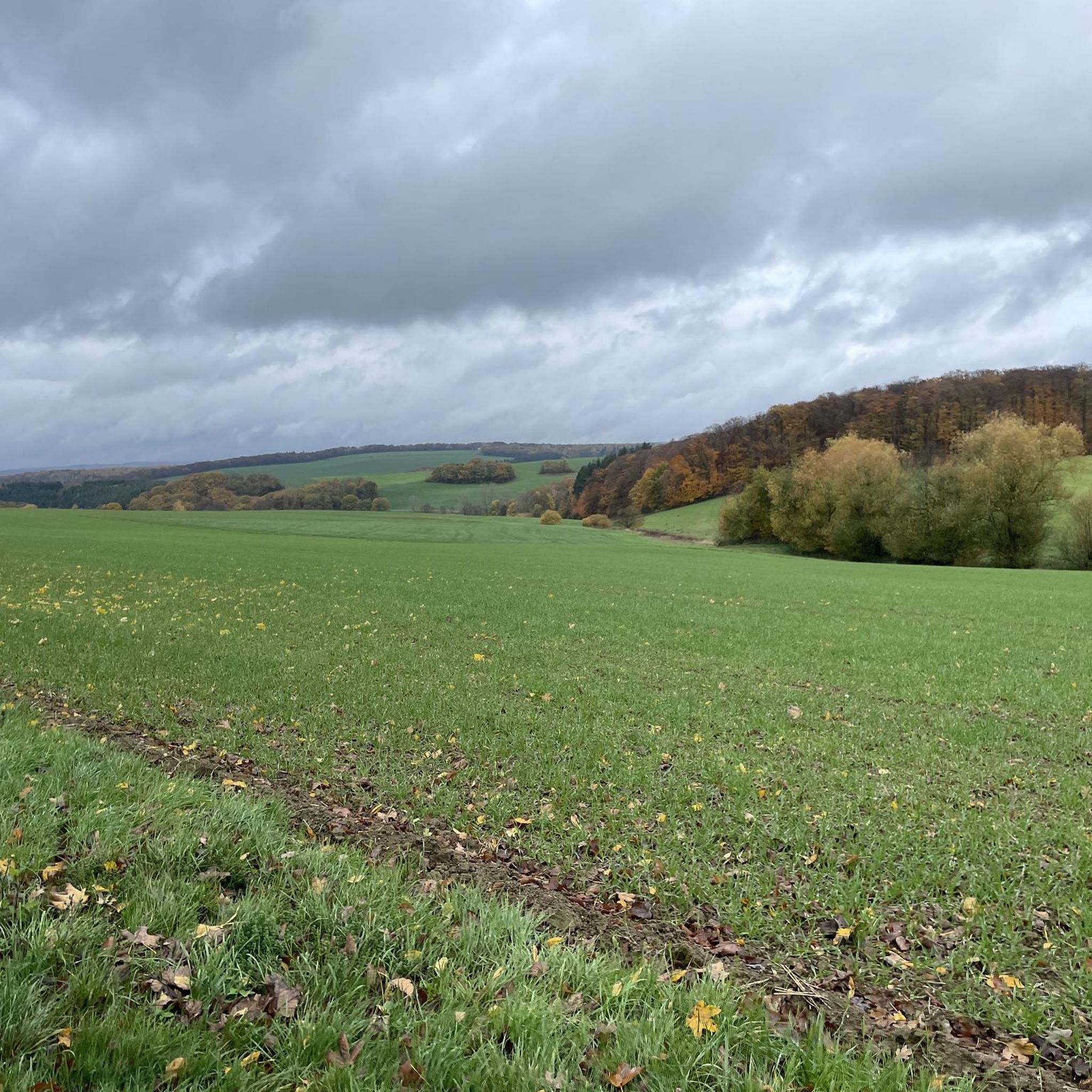
Mining has shaped the village of Altlay and its residents and given the village its name Altlay. In local dialect, a lay is a roofing slate. Anyone who visits the narrow stream valleys around Altlay will not fail to notice striking evidence of mining here and there. Here, at every turn, you come across the remains of what was once a fairly extensive, predominantly small-scale roofing slate mining operation. Slate is still mined in Altlay today. Source: https://www.tourenplaner-rheinland-pfalz.de/de/punkt/bergwerk/altlayer-schiefergrube/2798106/
0
0
Again and again you come across evidence of slate mining
1
0
Frequently Asked Questions
What kind of caves can I expect to find around Raversbeuren?
The 'caves' around Raversbeuren are primarily former slate mines and tunnels, remnants of the region's historical slate mining industry. These sites offer unique insights into geological formations and the laborious processes of slate extraction, rather than natural limestone caves. Many also served as air-raid shelters during wartime.
What is the historical significance of the caves in the Raversbeuren area?
The caves, being old slate mines, are deeply tied to the region's industrial heritage. Sites like the Altlay Slate Mine and Hitzelbach Stream showcase manual mining techniques. The Altlayer "Schießkeller", for example, was originally intended as a World War II air-raid shelter and later used for explosives storage. The Upper and Lower Laykaul Slate Caves also served as shelters during air raids, earning them the nickname 'Zittertal' (Trembling Valley).
Are there any family-friendly cave experiences near Raversbeuren?
While the 'caves' are historical mining tunnels, many are accessible for exploration, offering an educational experience for families interested in history and geology. The Klöckners Kaul slate mine tunnel, for instance, is complemented by a thoughtfully designed rest area, making it a comfortable stop for families. Always check specific site conditions for suitability with younger children.
What are some notable slate mine tunnels to visit in the region?
Beyond the Altlay Slate Mine and Hitzelbach Stream, you can explore the Baybachtal Bat Cave (a former slate tunnel), which features spoil heaps and tunnels extending several hundred meters. The Upper and Lower Laykaul Slate Caves are also significant, offering expansive chambers and tunnels that reveal the scale of past mining operations.
What kind of geological features can be observed in these former slate mines?
In these former slate mines, you can observe mighty slate slabs in earth outcrops, providing a clear view of the region's geology. The mining techniques themselves, such as the trapezoidal shape of extraction in the Upper Laykaul, demonstrate how miners followed the natural folding of the rock, offering a unique perspective on geological structures.
What outdoor activities can I combine with a visit to the caves?
The Raversbeuren area is excellent for outdoor activities. You can find numerous hiking trails, such as the 'Forest Path in the Hunsrück loop from Lautzenhausen' or the 'Slate mine at the Lommersbach – Old Stone Bridge loop from Lötzbeuren'. For cycling enthusiasts, there are routes like the 'Hüttchen Drinks Kiosk – View of Kirchberg loop from Büchenbeuren'. Mountain biking is also popular, with trails like the 'View of the Hunsrück – Kirchberg Market Square loop from Lautzenhausen'. You can find more details on these activities in the Hiking around Raversbeuren, Cycling around Raversbeuren, and MTB Trails around Raversbeuren guides.
Do I need a permit or special equipment to visit these former slate mines?
Generally, many of the publicly accessible former slate mines and tunnels in the region do not require a special permit for entry. However, it is always advisable to wear sturdy shoes and carry a flashlight, as some areas can be dark and uneven. For deeper or less maintained tunnels, it's best to inquire locally or join an organized tour if available. Always prioritize safety.
What is the best time of year to visit the caves around Raversbeuren?
The former slate mines can be visited year-round. During warmer months, they offer a cool escape from the heat. In winter, they provide a unique experience, though some entrances might be less accessible due to weather conditions. Always check local conditions and opening times if applicable, especially for specific sites.
Are there any facilities or rest areas near the cave sites?
Some sites, like the Klöckners Kaul slate mine tunnel, feature a beautifully designed rest area nearby, providing a place for relaxation. For other locations, facilities might be limited, so it's a good idea to plan accordingly and bring any necessary provisions.
What do visitors appreciate most about the caves in the Raversbeuren area?
Visitors frequently appreciate the unique blend of industrial heritage and the opportunity for underground exploration. The historical context, particularly the stories of slate mining and their use as wartime shelters, resonates strongly. The Altlay Slate Mine and Hitzelbach Stream, for example, is noted for showcasing the long tradition of slate mining and manual work. The community has shared over 120 photos and given more than 100 upvotes, highlighting the visual and historical appeal of these sites.
How long does it typically take to explore one of these slate mine tunnels?
The duration of exploration varies by site. Some tunnels, like the Lower Laykaul, are expansive with multiple branches, while others might be shorter. For a general visit to a site like the Altlay Slate Mine and Hitzelbach Stream or the Altlayer "Schießkeller", you might spend anywhere from 30 minutes to an hour, depending on your interest in the historical information and the extent of the accessible areas.
Most popular routes around Raversbeuren
Most popular attractions around Raversbeuren

Get inspired with the komoot mobile app


Explore more
Extend your search for the best caves by checking out these guides of the top ones around Raversbeuren:
