Top 16 Lakes around Wrohm
Best lakes around Wrohm are characterized by their natural settings and ecological significance, often integrated into nature reserves. The municipality of Wrohm, located in Schleswig-Holstein, Germany, is situated along the Eider River, which is known for its diverse fishing waters. While prominent natural lakes are not directly within Wrohm's borders, the surrounding region features several notable water bodies. These areas provide habitats for various animal and plant species, including important bird sanctuaries.
Best lakes around Wrohm
- The most popular lakes…
Last updated: April 28, 2026
Hohner Lake
Highlight • Lake
Translated by Google •
Tip by

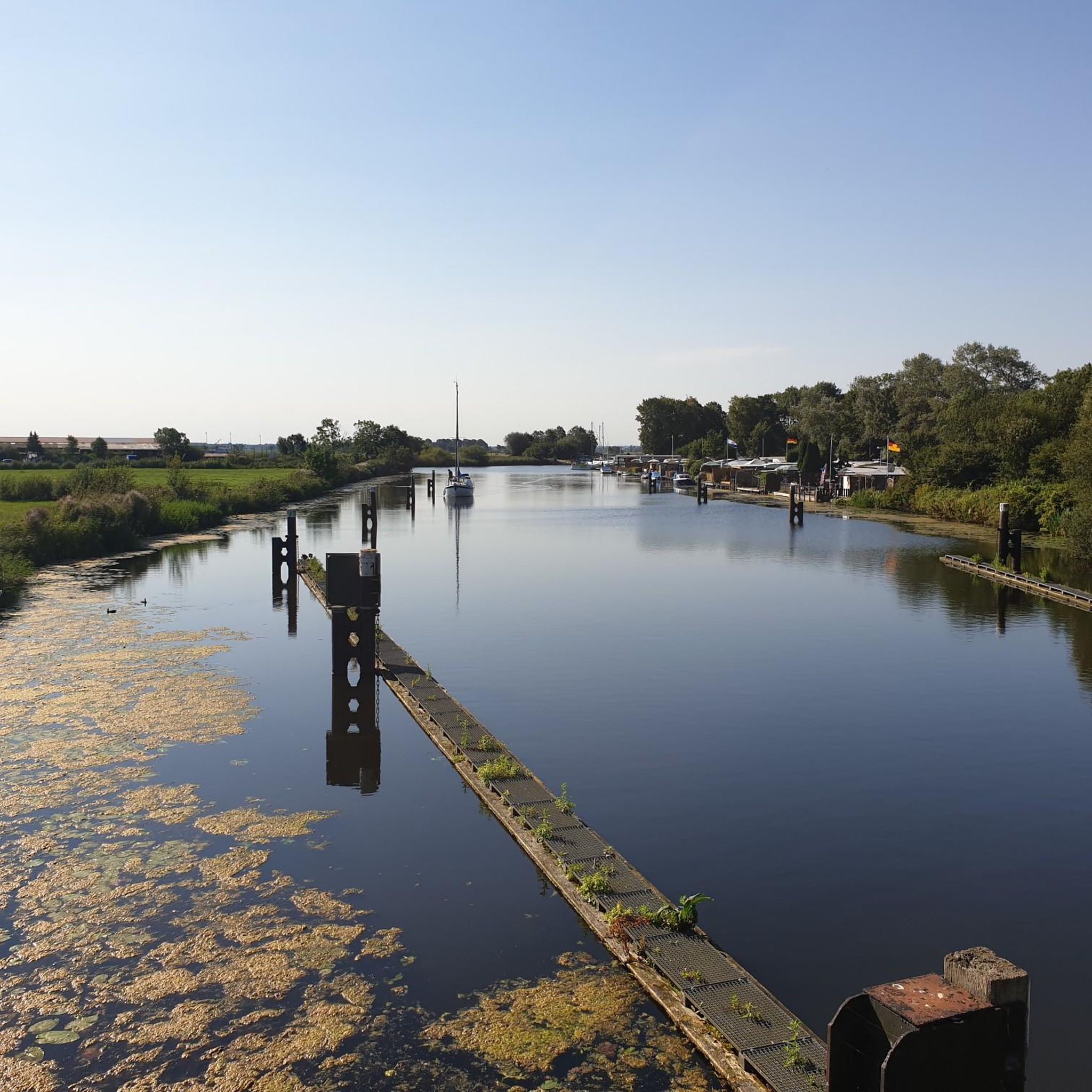
Mühlenteich Albersdorf
Highlight • Lake
The first indications of the occurrence of a water mill in Albersdorf can be found on a map from 1559. …
Translated by Google •
Tip by

Sign up now to discover places like this
Get recommendations on the best single tracks, peaks, & plenty of other exciting outdoor places.
Sign up for free
Birdwatching Hide at Hohner See
Highlight • Mountain Hut
Translated by Google •
Tip by

Railway Embankment Through Hohner See Nature Reserve
Highlight (Segment) • Trail
This is a 70 hectare flat lake with a depth of 1.00 to 1.60 m.
Two high moors border …
Translated by Google •
Tip by

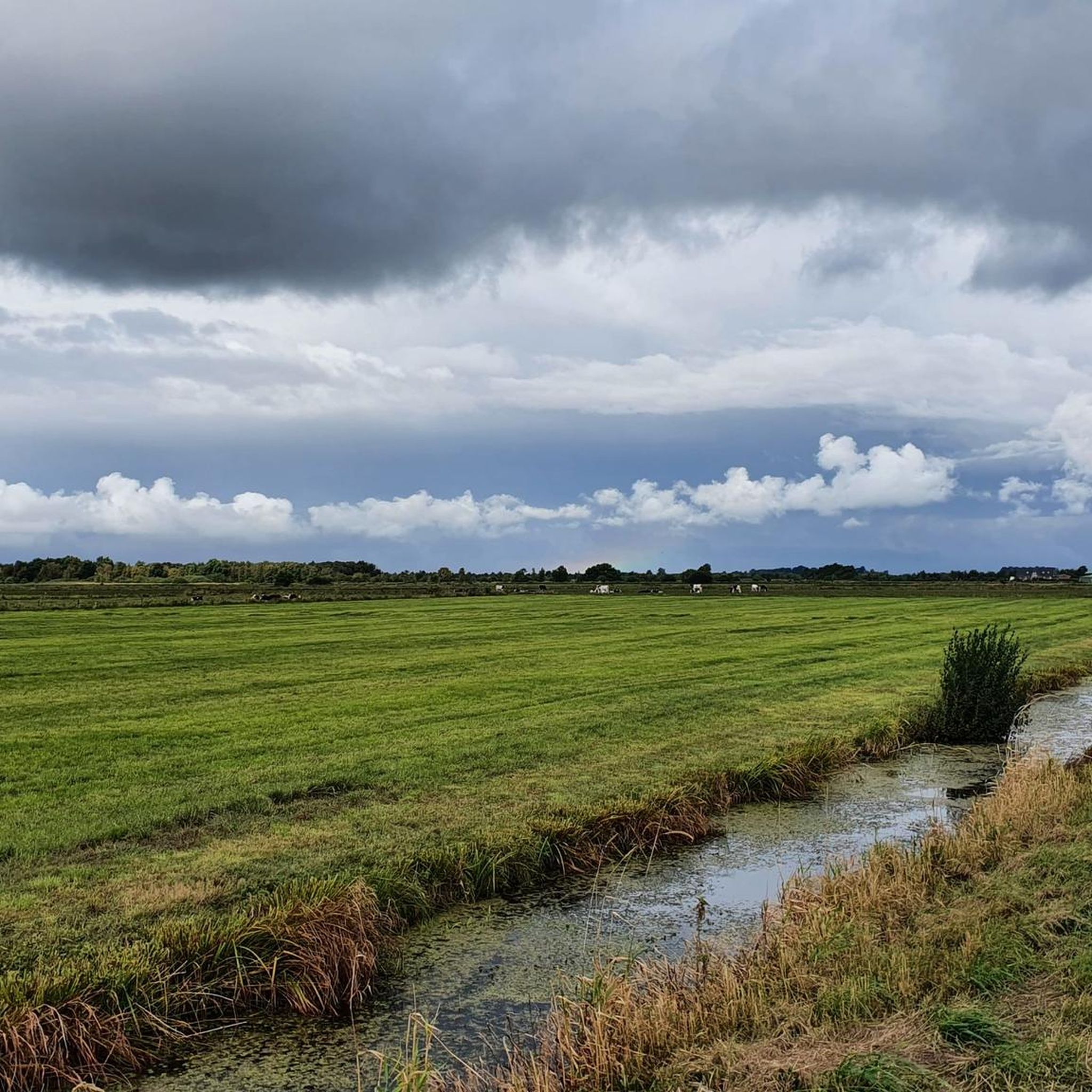
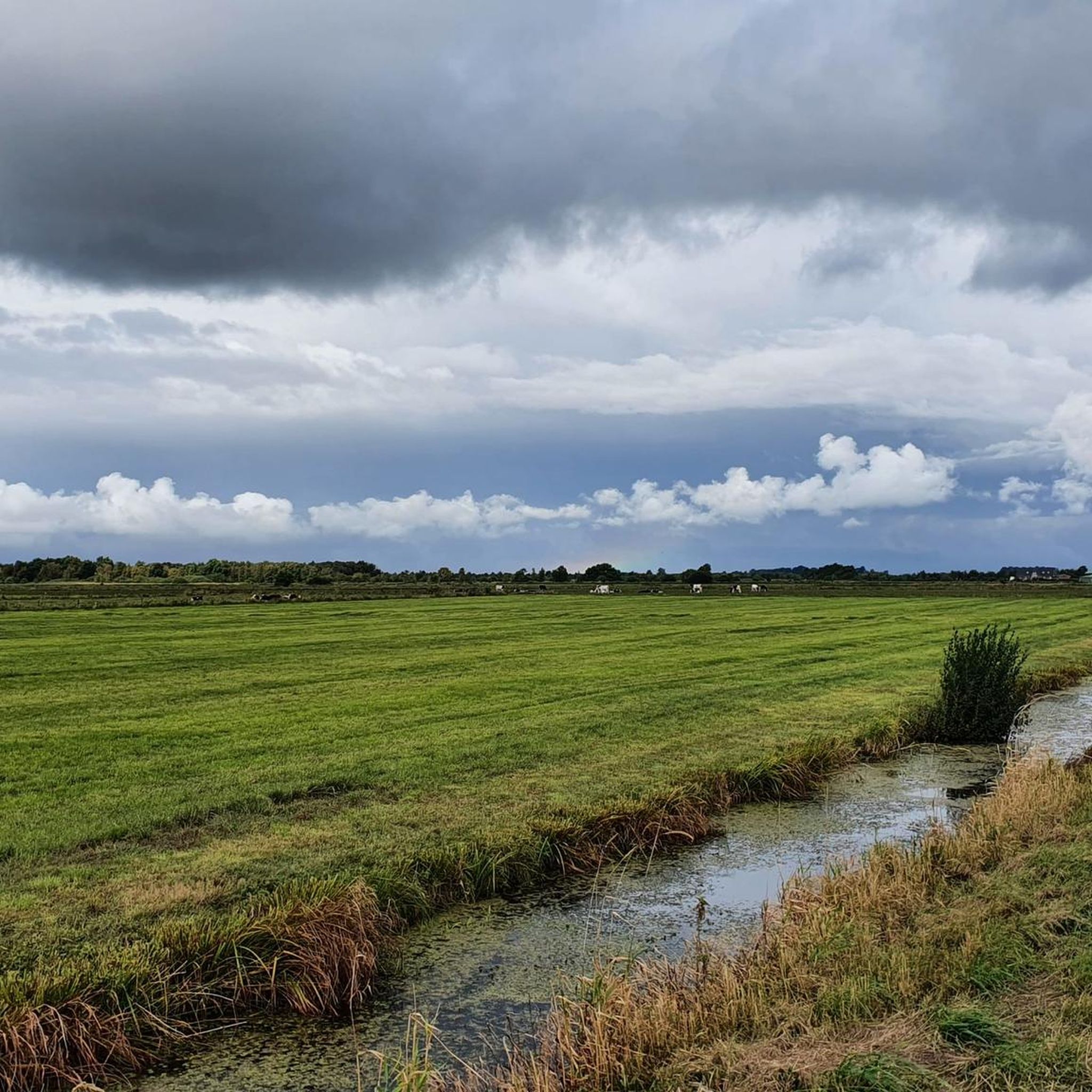
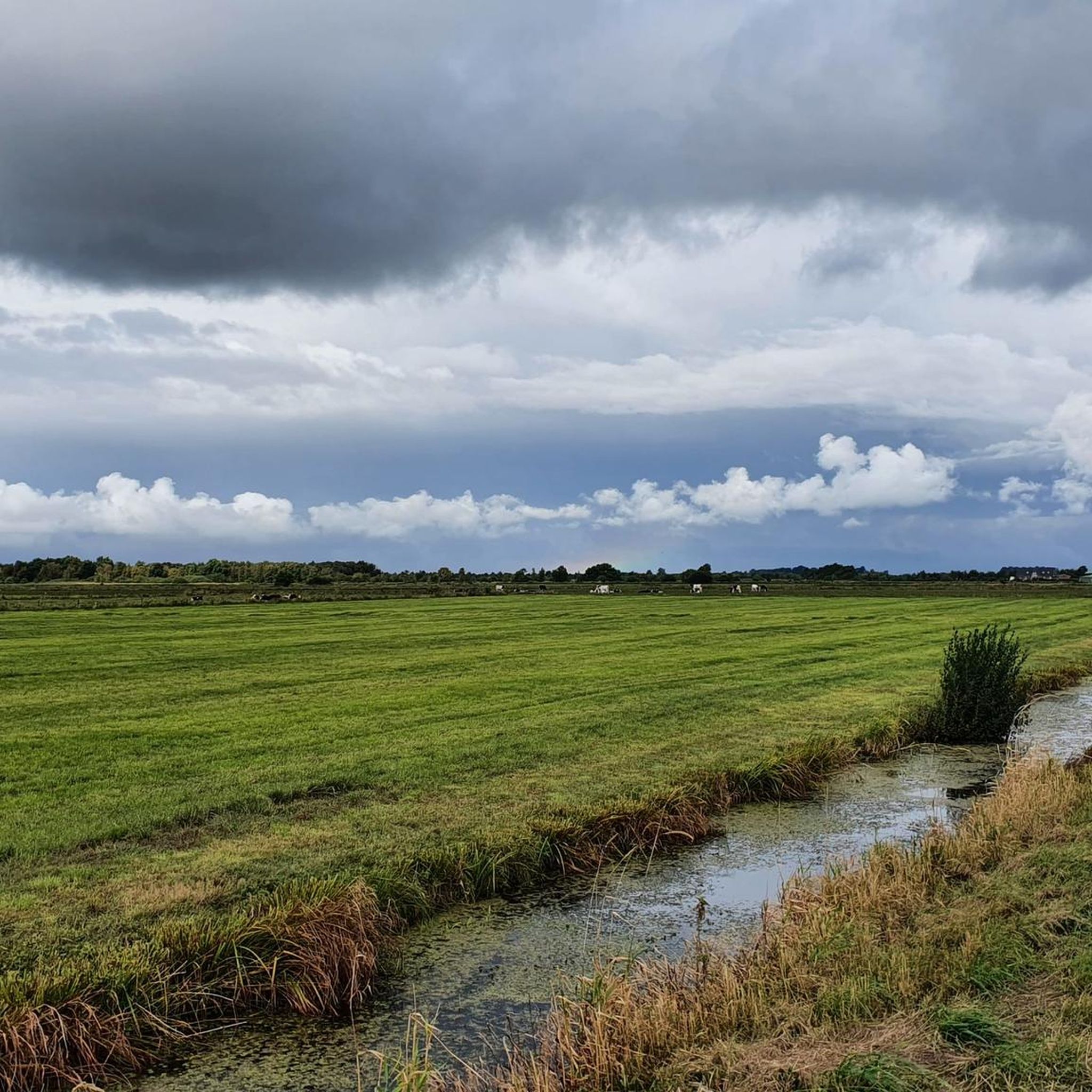
Polders of the Haaler Au
Highlight (Segment) • Lake
Translated by Google •
Tip by

Sign up for free to discover even more lakes around Wrohm.
Sign up for free
Already have an account?
Start today with a free account
Your next adventure awaits.
Login or Signup
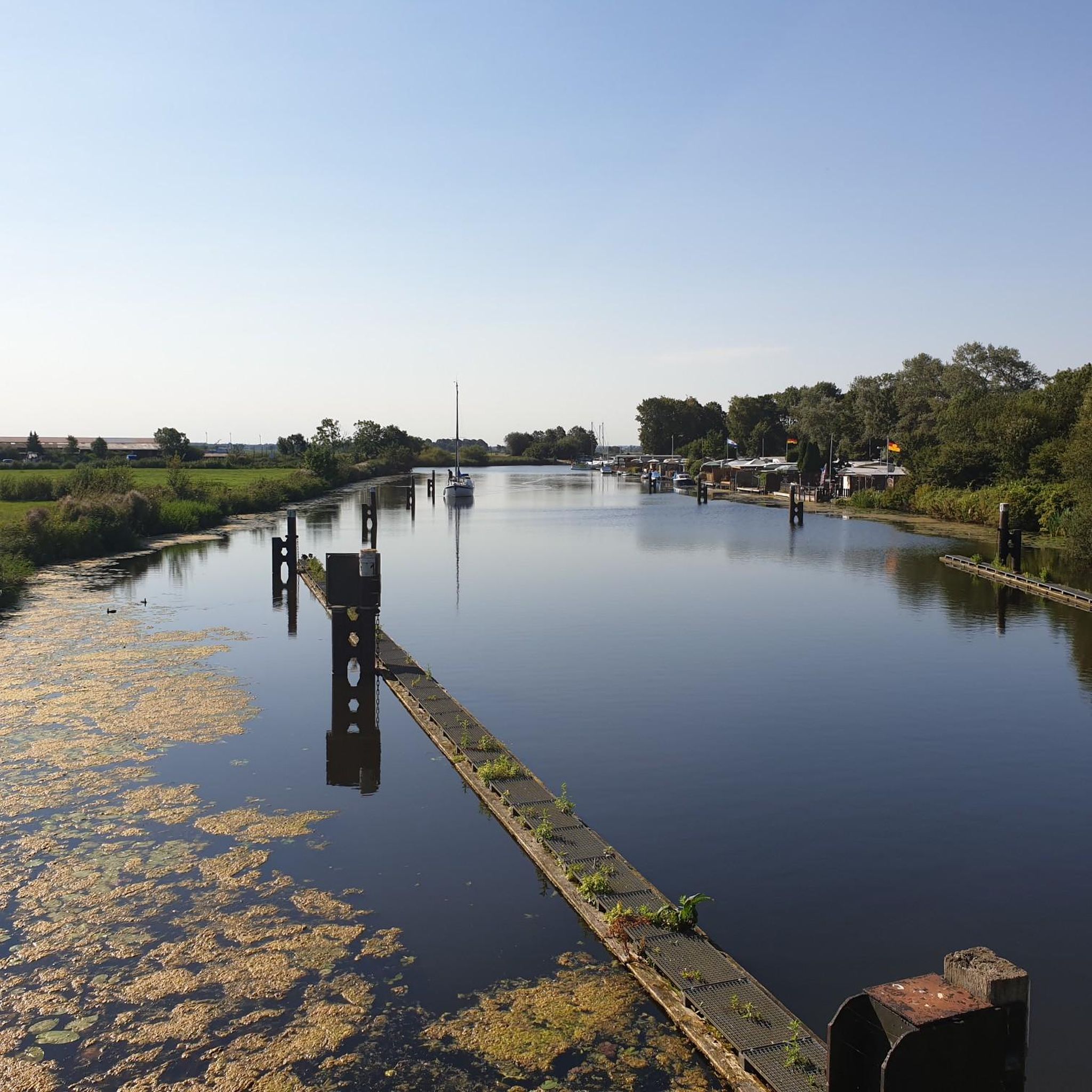
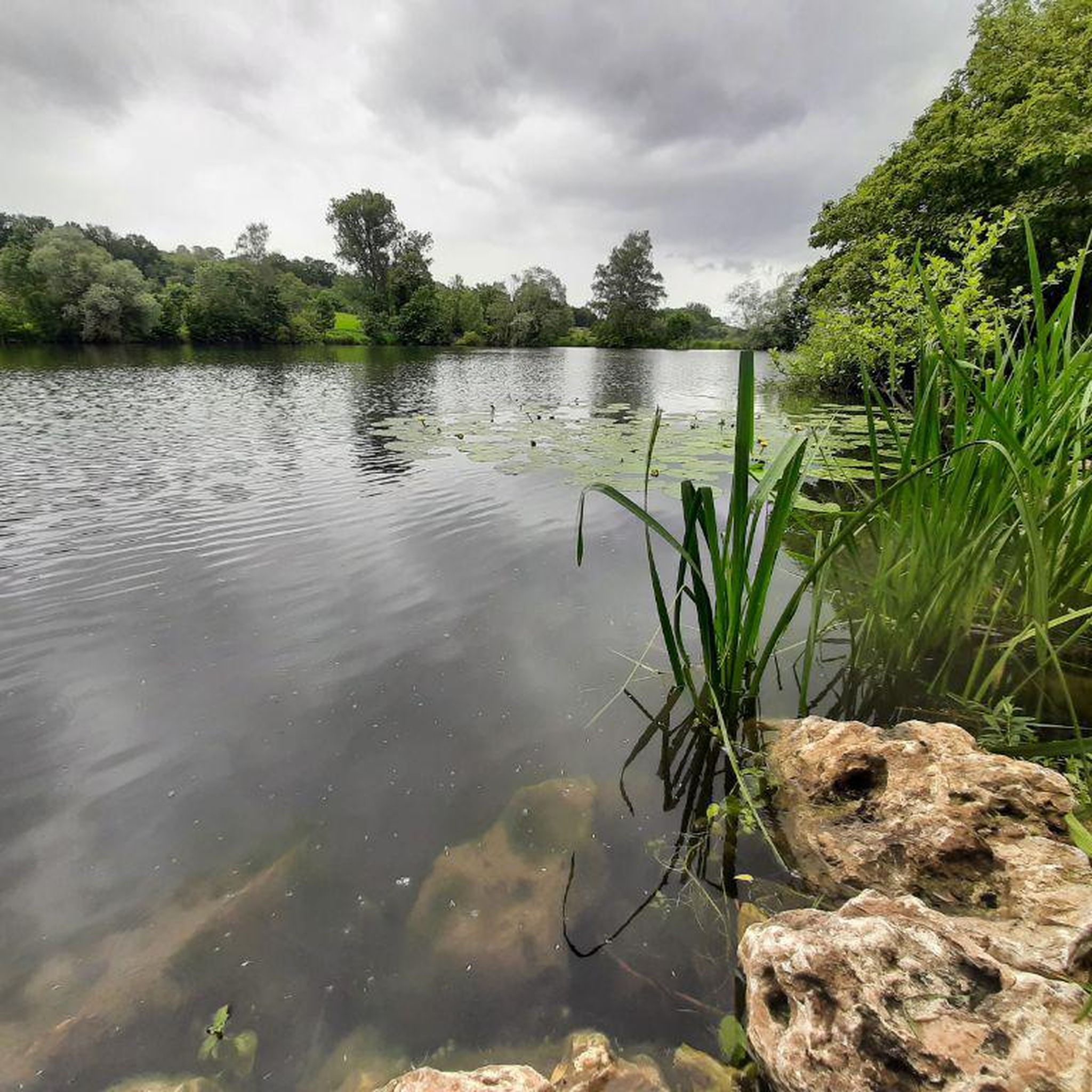
Tips from the Community


Here, you have to bypass a pasture. The grass is extremely high, and the path itself is barely visible. This requires a good feel for the road, leg strength, and a good dose of intuition.
0
0


A 100 m long path leads to the bird hut in the ship. The large station has three spacious observation windows and several seating areas.
3
0

The Hohner See is a lake about 12 km west of the town of Rendsburg in the German state of Schleswig-Holstein near the village of Hohn. The lake is about 71 hectares in size and up to 1.0 m deep. It is the last surviving Geest flat lake in the flooded landscape of the Eider-Treene-Sorge lowlands.
4
0

Looking left from the birdwatching hut
1
0

Nice place for a little break.
2
0

Pure nature. Quiet nature reserve. Pure relaxation
3
0
Frequently Asked Questions
What kind of natural features can I expect to see around the lakes near Wrohm?
The region around Wrohm is characterized by diverse natural settings, including shallow-water geest lakes, mill ponds, and lake-like polder areas. The Eider River, known for its clean waters and diverse fish species, is a prominent feature. You can also find nature reserves like the one surrounding Hohner Lake, which is an important habitat for endangered species and migratory birds.
Are there good spots for birdwatching near Wrohm's lakes?
Yes, the area is excellent for birdwatching. Hohner Lake is a significant bird sanctuary. You can observe many species from the Birdwatching Hide at Hohner See, which offers three spacious observation windows and seating areas. The Polders of the Haaler Au are also known as a resting place for pygmy swans during migration, especially in winter.
What is the significance of the Eider River in the Wrohm area?
The Eider River is a central natural feature near Wrohm, offering various recreational opportunities. It is considered one of the cleanest and most diverse fishing waters in Northern Germany, home to pike, perch, zander, and other species. Historically, it served as a border, and today features locks like the one at Lexfähre, which are part of its navigation system.
Can I go hiking or cycling near the lakes around Wrohm?
Absolutely. The region offers various routes for both hiking and cycling. For cycling, you can explore options like the 'Path Along the Gieselau Canal' or the 'Lexfähre Drawbridge loop'. Running trails are also available, such as various loops from Hamdorf or Dellstedt. You can find more details on these activities in the Cycling around Wrohm, Road Cycling Routes around Wrohm, and Running Trails around Wrohm guides.
Are there family-friendly lakes or activities around Wrohm?
Yes, several spots are suitable for families. Hohner Lake and Mühlenteich Albersdorf are both categorized as family-friendly. The Birdwatching Hide at Hohner See provides an engaging activity for all ages, with information boards about the local flora and fauna. The smaller bathing areas in the broader vicinity also cater to local leisure activities.
What is unique about <a href="https://www.komoot.com/highlight/86558" target="_blank" rel="noopener">Hohner Lake</a>?
Hohner Lake is recognized as the last remaining shallow-water geest lake in the Eider-Treene-Sorge lowlands. It is part of a large and diverse nature reserve, serving as a crucial habitat for endangered animal and plant species, including the white-tailed eagle. An old train station nearby houses an exhibition about the lake's biotope.
What can I find at <a href="https://www.komoot.com/highlight/4079631" target="_blank" rel="noopener">Mühlenteich Albersdorf</a>?
Mühlenteich Albersdorf is a historic mill pond that once powered a water mill, which has been operational since at least 1559 and is now a listed building. The pond, fed by the Westerau, has undergone renaturation and is now a habitat for rich flora and fauna. It's also a popular spot for anglers.
What are the <a href="https://www.komoot.com/highlight/4039097" target="_blank" rel="noopener">Polders of the Haaler Au</a> known for?
The Polders of the Haaler Au are lake-like areas that provide a vital habitat for many animals. They are particularly known as a resting place for pygmy swans during their migration in February/March, making winter an ideal time to visit for birdwatching.
When is the best time to visit the lakes and natural areas around Wrohm?
The best time to visit depends on your interests. For birdwatching, especially to see pygmy swans, the winter months (February/March) are recommended for the Polders of the Haaler Au. Generally, spring and summer offer pleasant weather for hiking, cycling, and enjoying the natural beauty, while autumn provides beautiful colors.
Is fishing permitted in the Eider River near Wrohm?
Yes, the Eider River is a popular spot for anglers. It is known for its diverse fish species. However, you will need to obtain the necessary permits for fishing in the Eider River in Schleswig-Holstein.
Are there any nature reserves or protected areas around Wrohm's lakes?
Yes, the area is rich in protected natural spaces. Hohner Lake is part of a large and diverse nature reserve, recognized for its ecological significance and as a habitat for endangered species. The Kudensee, though not directly in Wrohm, is also a significant nature reserve and European bird sanctuary in the broader vicinity.
Are the areas around Wrohm's lakes accessible by public transport?
While specific public transport routes directly to every lake might be limited, the region has options to reach general areas. For detailed information on public transport to specific trailheads or natural areas, it's best to check local transport schedules for routes connecting to communities near the lakes or the Eider River.
Most popular attractions around Wrohm

Get inspired with the komoot mobile app


Explore more
Still not found your perfect lake around Wrohm? Check out the guides of these regions to see even more beautiful places.
