Top 4 Castles around Landensberg
Castles around Landensberg offer insights into the region's historical fortifications and medieval past. Located in Bavaria, Germany, the area features various historical sites, from castle ruins to ancient ramparts. These locations provide opportunities to explore local heritage and the evolution of defensive structures over centuries. The landscape around Landensberg is characterized by its historical significance and natural settings.
Best castles around Landensberg
- The most popular castles is Wolfsberg Castle Ruins, a castle that features interesting trails around its remains.…
Last updated: June 27, 2026
Wolfsberg Castle Ruins
Highlight • Castle
In the Middle Ages, the Wolfsberg castle ruins belonged to the noble family of Fraßen vom Wolfsberg, who also founded the hamlet of Stadel near Dinkelscherben. The …
Translated by Google •
Tip by

Snow castle rampart
Highlight (Segment) • Historical Site
Translated by Google •
Tip by

Sign up now to discover places like this
Get recommendations on the best single tracks, peaks, & plenty of other exciting outdoor places.
Sign up for free
Zusameck Castle and Chapel
Highlight • Castle
Translated by Google •
Tip by

Stauffenberg Memorial Stone
Highlight • Monument
Translated by Google •
Tip by

Ettelried Castle
Highlight • Castle
Translated by Google •
Tip by
Start today with a free account
Your next adventure awaits.
Login or Signup
Tips from the Community

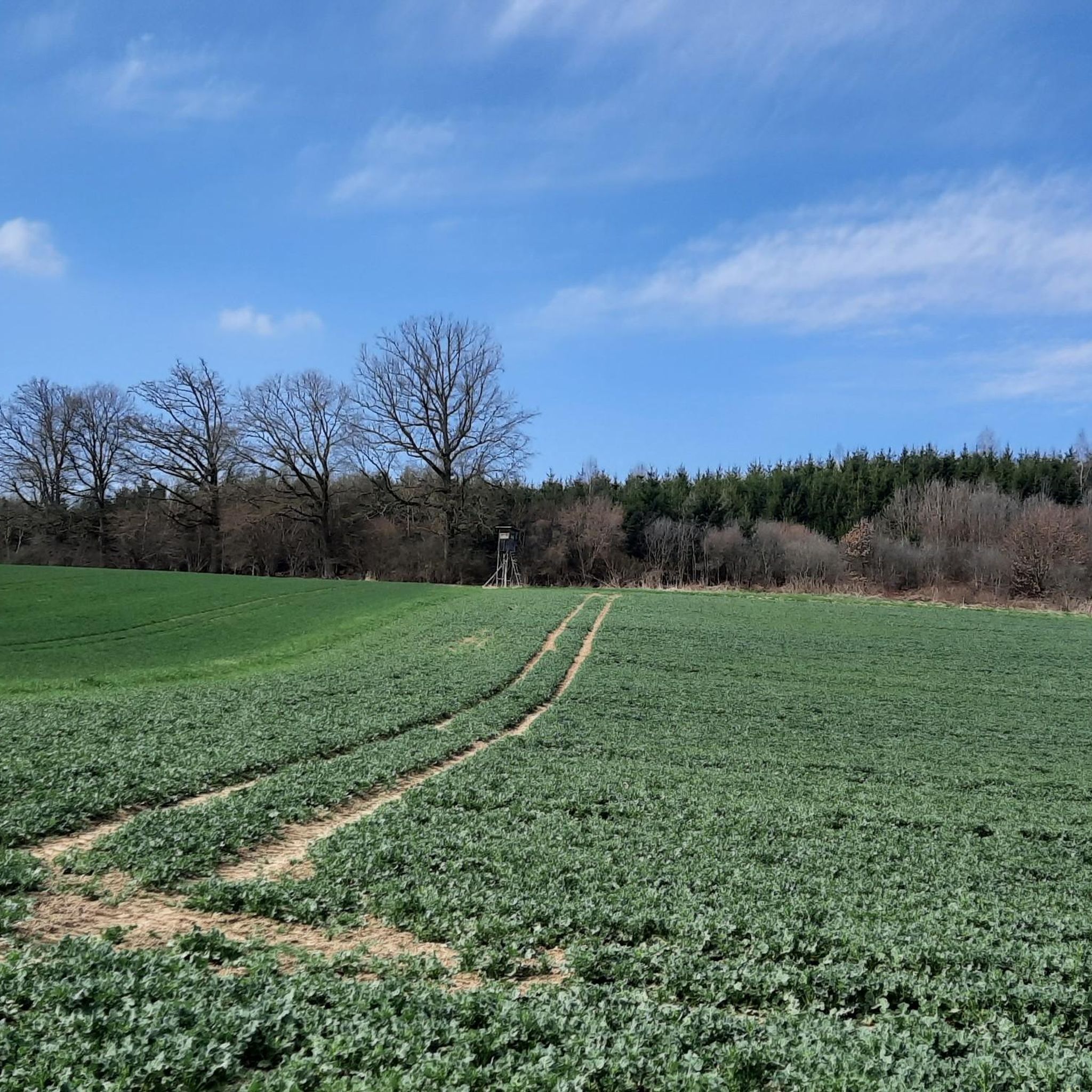
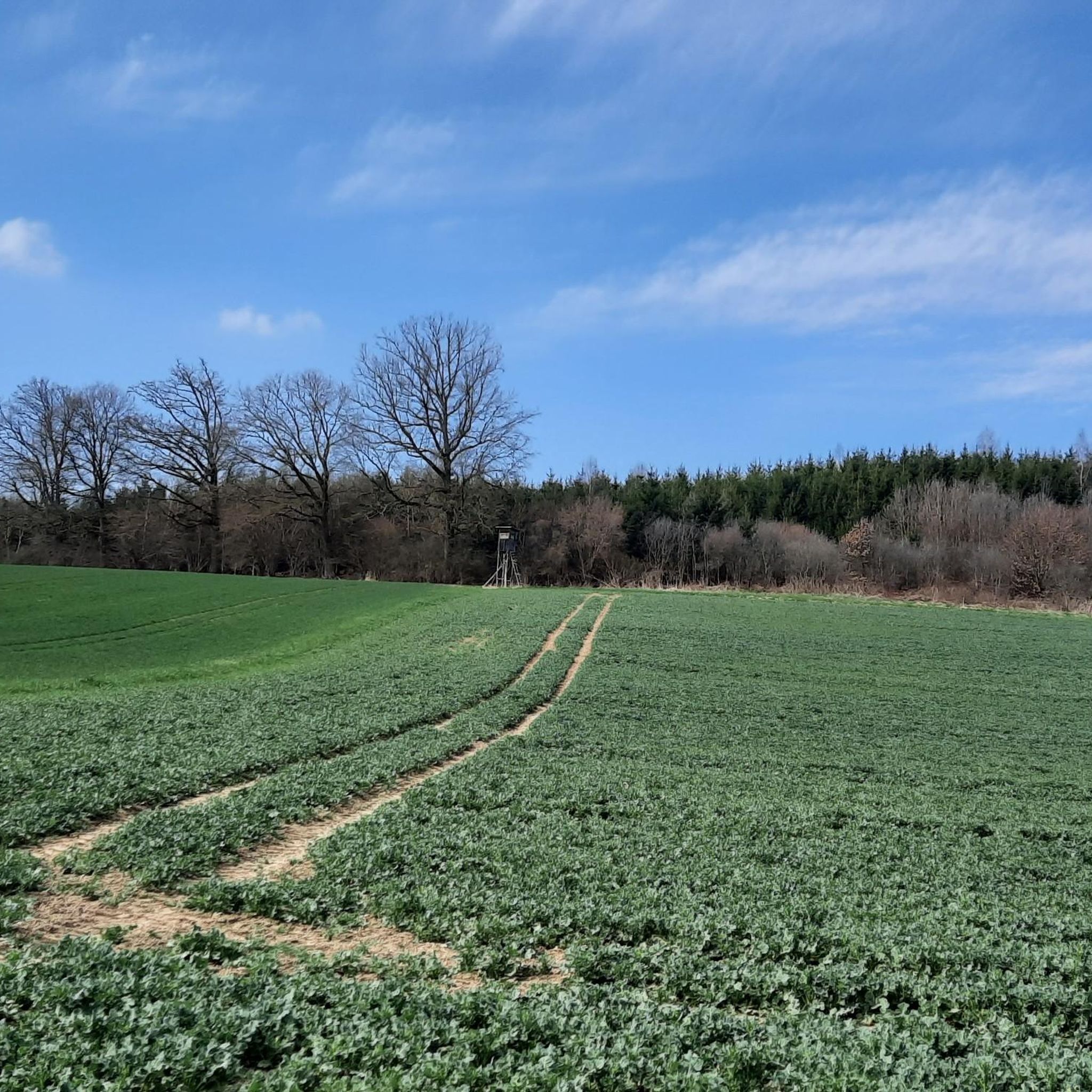
The Schneeburg near Welden (District of Augsburg, Bavaria) is an early medieval ring rampart that served as a refuge castle in the 9th to 10th centuries to defend against Hungarian invasions. The site is located about 1.5 km south of Welden on a spur above the Laugnatal valley. It was an important defensive structure that functioned as a protective castle for the population and a troop assembly point. The fortification consisted of wood-earth constructions and ramparts, with the eastern side showing typical steps for defense against Magyar horsemen. Today, the earthworks and ditches are preserved as an archaeological monument, with the Ludwig-Ganghofer-Rundwanderweg circular hiking trail leading through the area.
0
0

The ringfort of Schneeburg is not the remains of a castle, but rather an archaeological monument that only reveals itself upon closer inspection. There were never any towers or stone walls here – the fortification consisted of earthworks, wooden palisades, and timber structures. Today, primarily ditches, ramparts, and the shape of the site are visible in the landscape. Historians assume that the oldest traces of Schneeburg date back to the Bronze Age. In the Middle Ages, it offered the local population protection from Hungarian invasions.
1
0

Parts of an old castle that is permanently secured and with the appropriate information boards
1
0
The first stone castle was built in the 12th century as the seat of the Margraves of Burgau. From 1231 to 1301 these "milites de zusemekke" appear several times in the written sources. The castle above the Zusamtal was first destroyed in 1388 during the "City War". The troops of the imperial city of Augsburg stormed the residence after Bishop Burkhard von Ellerbach had ordered a raid on an imperial city trading train. In 1430 the Augsburg cathedral chapter bought the castle. 1485 Emperor Friedrich III. the cathedral chapter the blood ban for the reign of Zusameck. In the course of secularization fell to the Bavarian state. The castle was already in very poor condition and parts of it had to be demolished in 1801. Today only small remains of the ring wall are visible. A large part of the stone material was also taken for the construction of the Augsburg-Ulm railway line.
1
0
The castle was probably built in the 10th century as the seat of the Lords Fraß, who are said to have distinguished themselves in the Battle of Lechfeld (955). This family of servants to the bishops of Augsburg later called themselves "von Wolfsperch" (1233) after the castle and had a wolf in their coat of arms. The earthworks and remains of the large keep have survived from the high medieval castle complex.
0
0
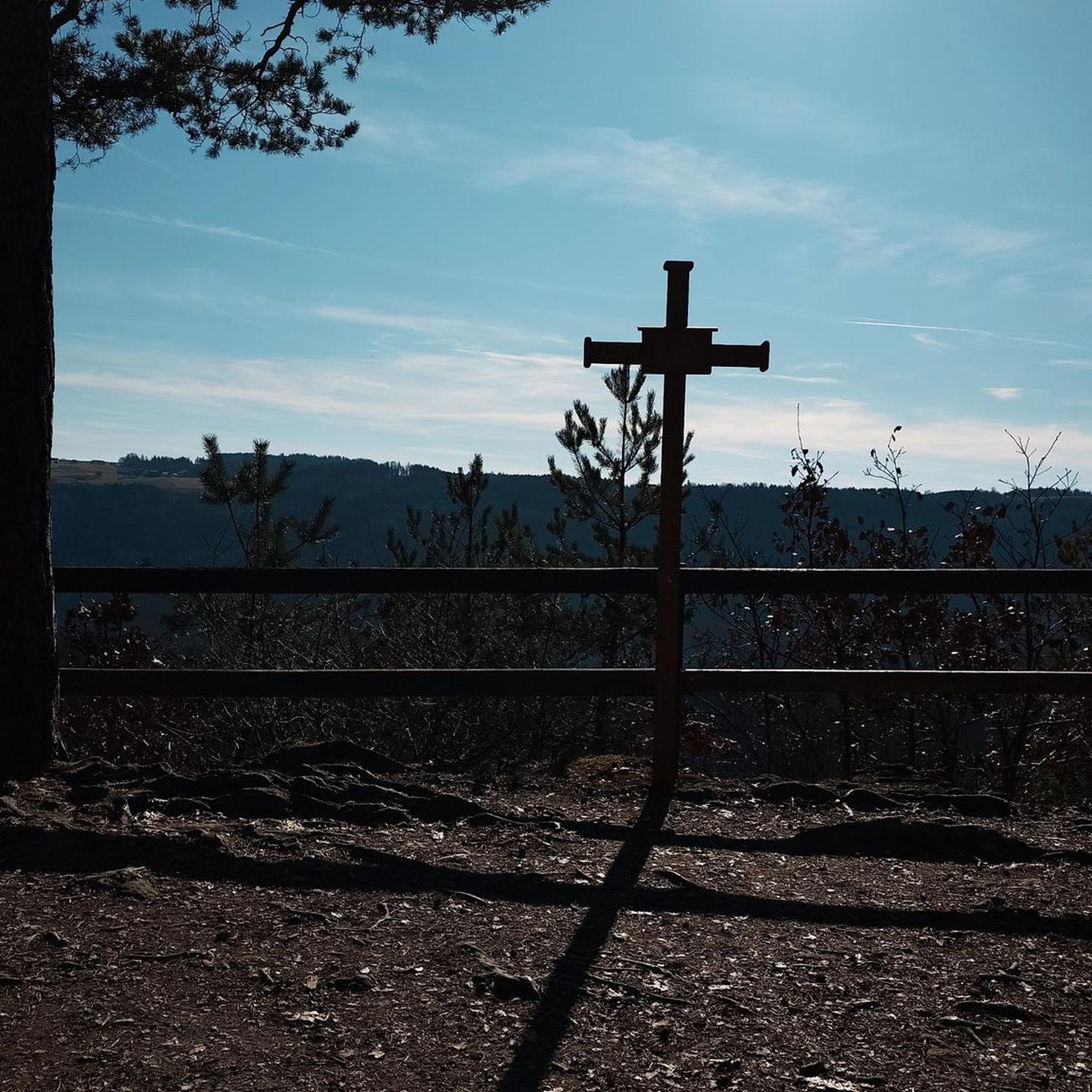
Around 1850 the preserved castle chapel was renovated and redesigned in a neo-Gothic style. At the same time, the Stations of the Cross for the chapel were erected under Pastor Egger. In 1852 the Calvary was added on the plateau of the main castle cone.
1
0

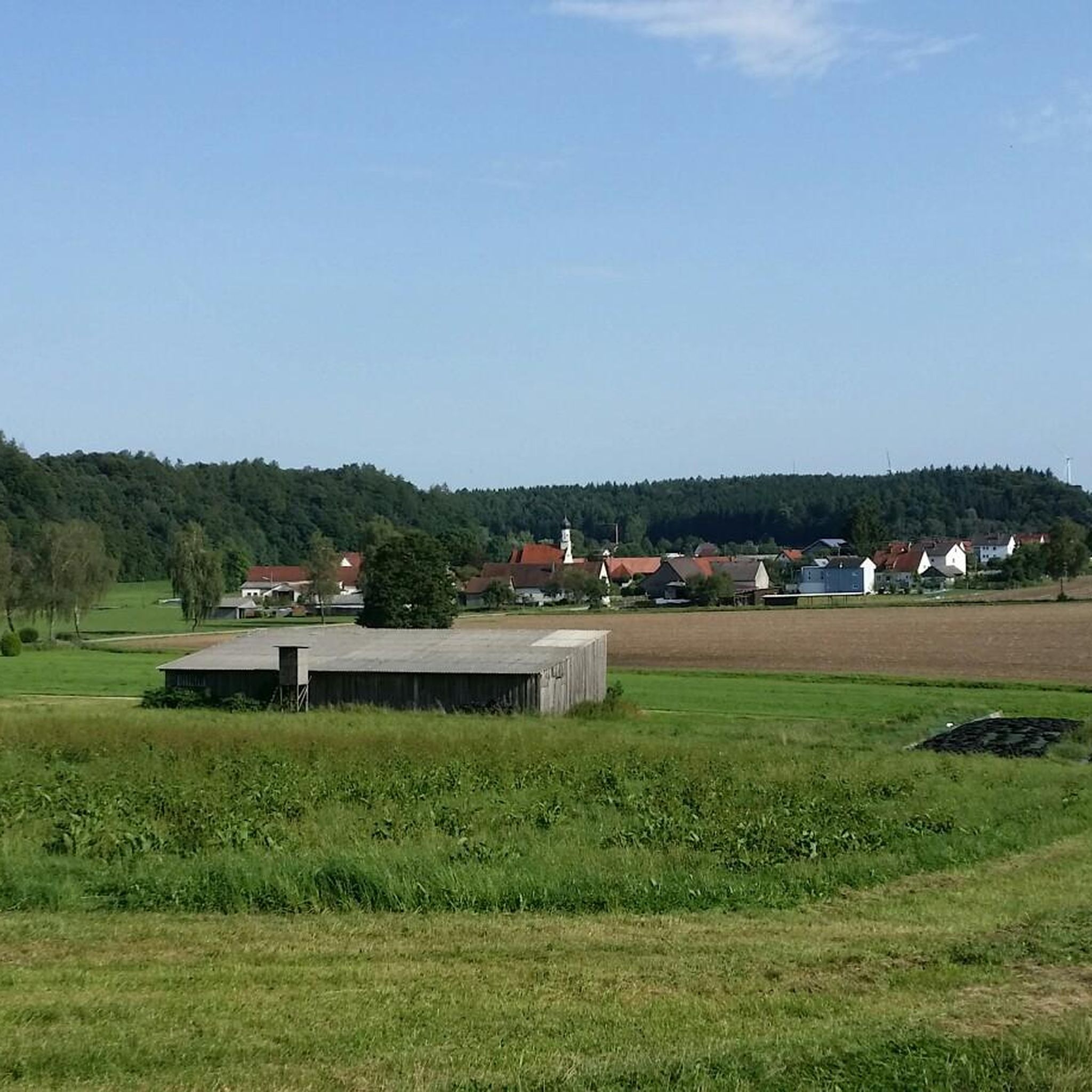
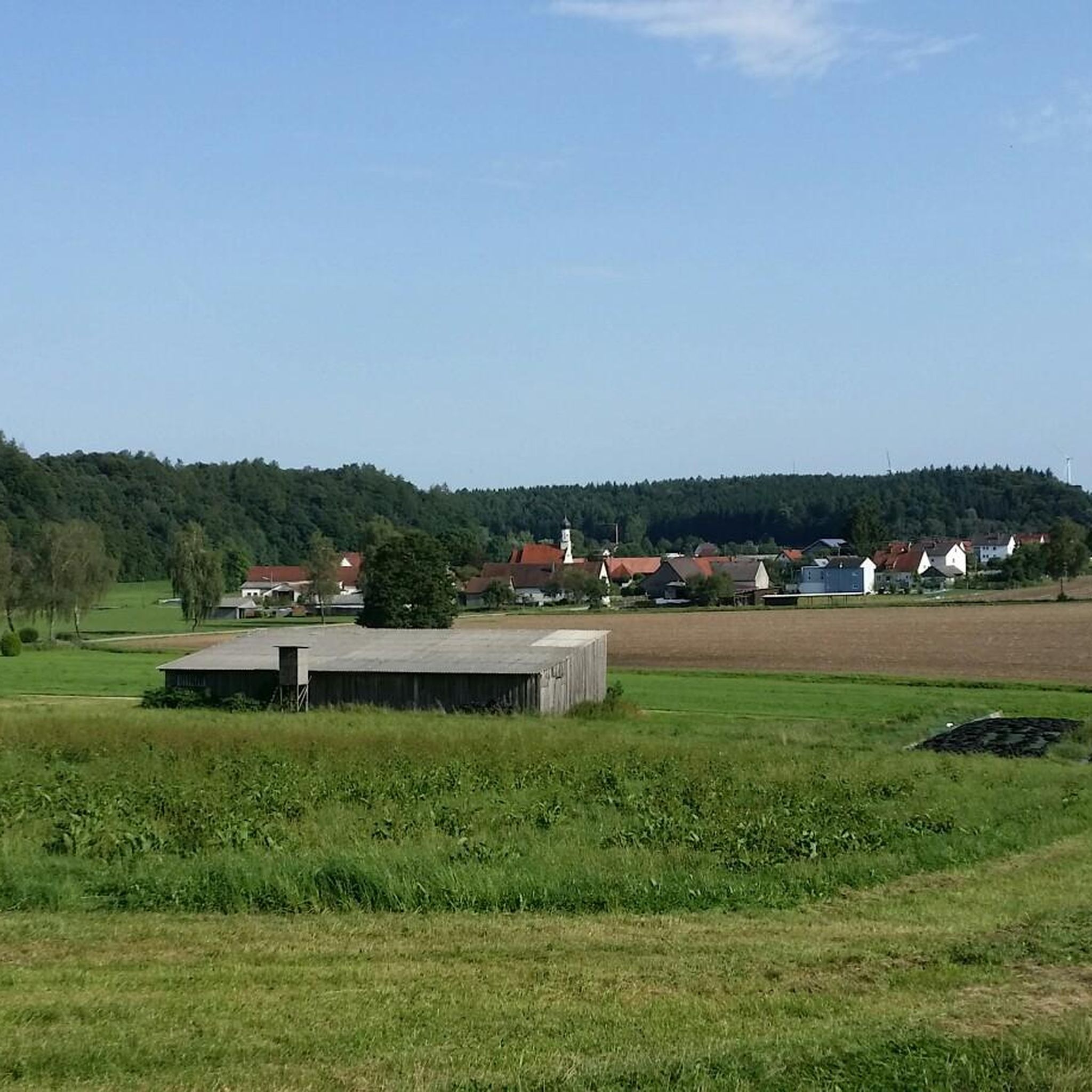
Nice castle. The castle garden is not accessible, but at the back you can see a deer enclosure.
0
0

Castle festival on the 1st weekend of August
2
0
Frequently Asked Questions
What types of historical sites can I explore around Landensberg?
Around Landensberg, you can explore a variety of historical sites, including castle ruins, ancient ramparts, and preserved castles. These locations offer insights into the region's medieval past and the evolution of defensive structures. Notable sites include Wolfsberg Castle Ruins, the Bronze Age Snow castle rampart, and Zusmarshausen Castle.
Are there any family-friendly castles or historical sites near Landensberg?
Yes, Zusmarshausen Castle is listed as family-friendly. Additionally, the Stauffenberg Memorial Stone, located near a privately owned castle with an impressive castle park and deer enclosure, is also considered family-friendly, though the castle itself is not accessible.
What are some unique historical features of the castles around Landensberg?
The castles and historical sites offer diverse features. For instance, Snow castle rampart is an archaeological monument with earthworks and wooden palisades dating back to the Bronze Age, rather than stone walls. Zusameck Castle and Chapel features a renovated neo-Gothic chapel and remains of a 12th-century stone castle, with a history of destruction and rebuilding.
Can I find trails or walks around the castle ruins?
Yes, Wolfsberg Castle Ruins offers several interesting trails around its remains. The area around Snow castle rampart also has many small trails, perfect for exploring the ancient earthworks.
What kind of events are held at the castles?
A castle festival is held at Wolfsberg Castle Ruins on the first weekend of August, offering a special opportunity to experience the site.
Are there any viewpoints near the castles around Landensberg?
Both Wolfsberg Castle Ruins and Snow castle rampart are noted as offering viewpoints, allowing visitors to take in the surrounding landscape.
What outdoor activities can I do near these castles?
The region around Landensberg offers various outdoor activities. You can find numerous cycling routes, including road cycling, touring bicycle, and mountain biking trails. For example, there are easy road bike loops from Zusmarshausen, moderate touring routes around Neumünster, and MTB trails near Winterbach. You can explore more options on the Road Cycling Routes around Landensberg, Cycling around Landensberg, and MTB Trails around Landensberg guide pages.
What do visitors appreciate most about the castles around Landensberg?
Visitors appreciate the variety of historical experiences, from exploring ancient earthworks at sites like Snow castle rampart to visiting renovated medieval structures such as Zusmarshausen Castle. The komoot community has shown significant appreciation, with over 40 upvotes and more than 30 photos shared.
Is there a castle that currently serves a modern purpose?
Yes, Zusmarshausen Castle, originally built in 1505 as an episcopal administration seat, now houses the Zusmarshausen forestry operation of the Bavarian State Forests.
What is the history behind Zusameck Castle?
Zusameck Castle was first built as a stone castle in the 12th century, serving as the seat of the Margraves of Burgau. It was destroyed in 1388 during the 'City War' and later bought by the Augsburg cathedral chapter. After secularization, the castle fell into disrepair, and parts were demolished. Today, only small remains of the ring wall are visible, alongside the renovated Hl. Kreuz castle chapel.
Are there any castles in the broader Bavarian region that are particularly famous?
While Landensberg offers local historical sites, the broader region of Bavaria is renowned for its impressive castles. Some of the most famous include Neuschwanstein Castle, Linderhof Palace, Herrenchiemsee New Palace, Hohenschwangau Castle, and Trausnitz Castle. These are significant historical and architectural landmarks, though they are not directly within the immediate vicinity of Landensberg.
Most popular routes around Landensberg
Most popular attractions around Landensberg

Get inspired with the komoot mobile app


Explore more
Looking for the best castles somewhere else? Discover other guides around Landensberg:
