Top 6 Caves around Geiersthal
Best caves around Geiersthal are found within the broader Bavarian Forest, a region characterized by its forested mountains and valleys. Geiersthal itself is situated in this natural landscape, offering access to various geological formations and historical underground sites. The area provides opportunities for exploring natural features and learning about past mining activities. Visitors can discover a mix of natural caves and man-made tunnels that offer insights into the region's geology and history.
Best caves around Geiersthal
- The most popular caves…
Last updated: June 27, 2026
Riesloch Falls
Highlight • Waterfall
Translated by Google •
Tip by

Gottesgab Mine on Silberberg
Highlight • Historical Site
Translated by Google •
Tip by

Sign up now to discover places like this
Get recommendations on the best single tracks, peaks, & plenty of other exciting outdoor places.
Sign up for free
Gottesgab
Highlight • Historical Site
Translated by Google •
Tip by

Räuber-Heigl Cave
Highlight • Cave
Translated by Google •
Tip by

Bodenmais Ore Mine
Highlight • Historical Site
Translated by Google •
Tip by

Sign up for free to discover even more caves around Geiersthal.
Sign up for free
Already have an account?
Start today with a free account
Your next adventure awaits.
Login or Signup
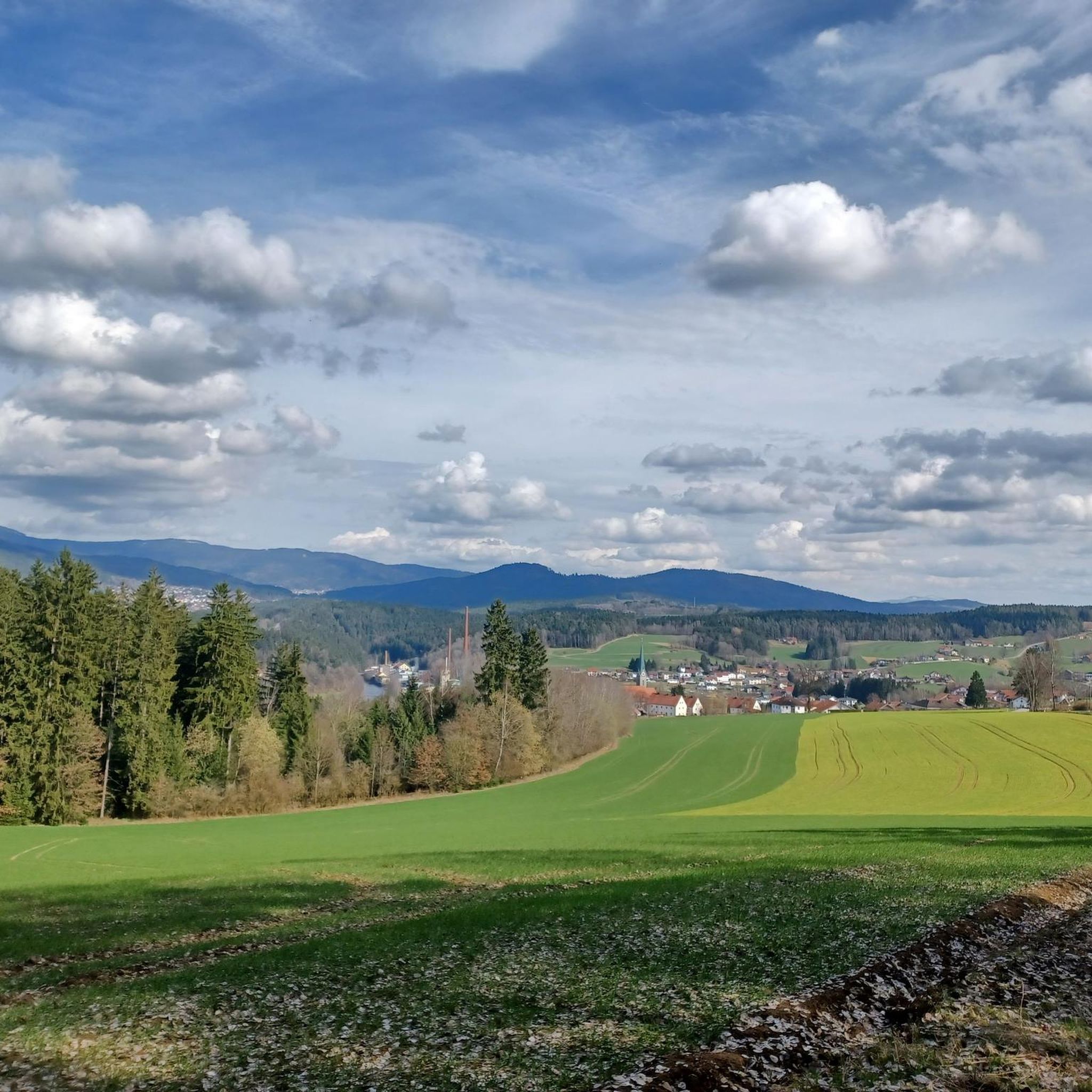
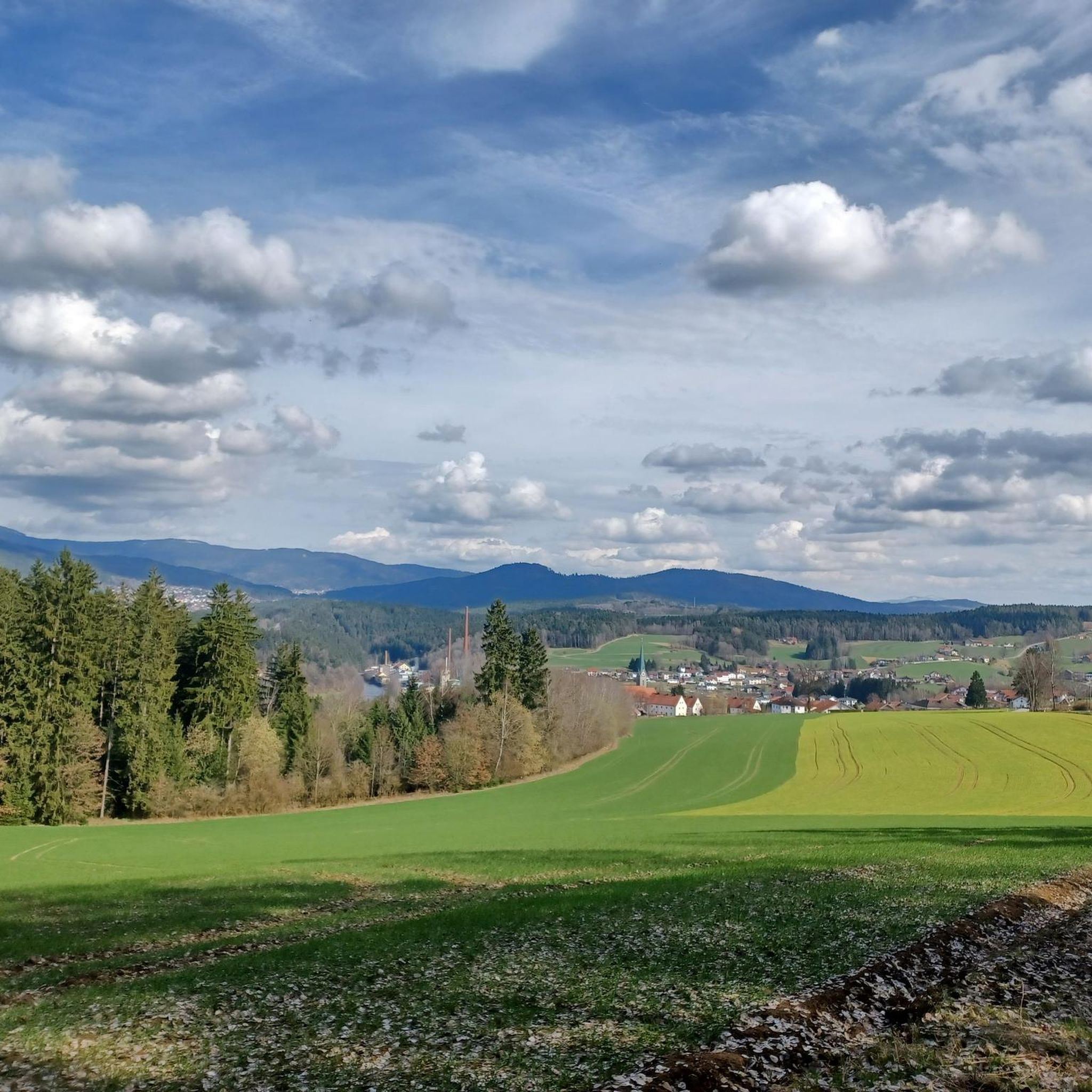
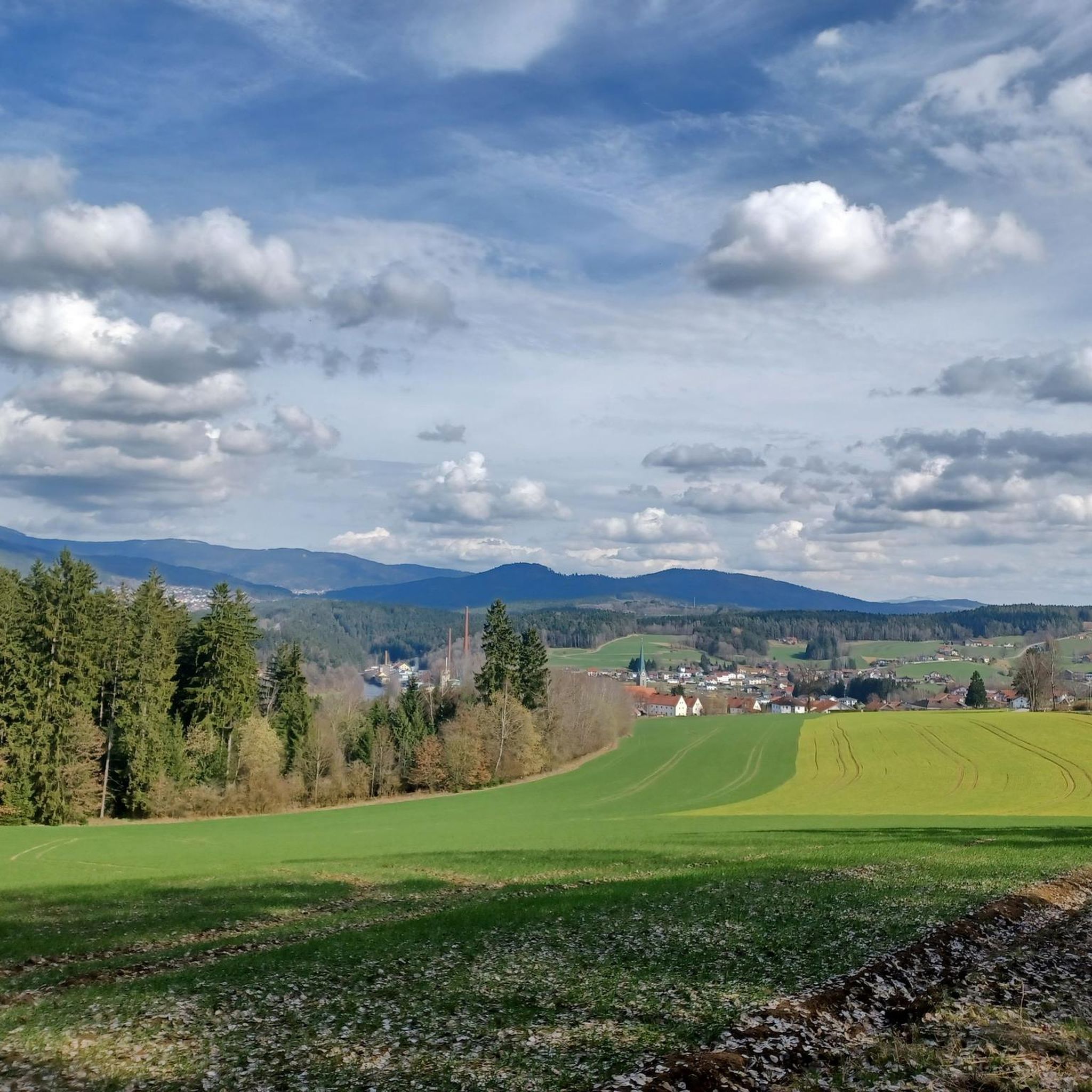
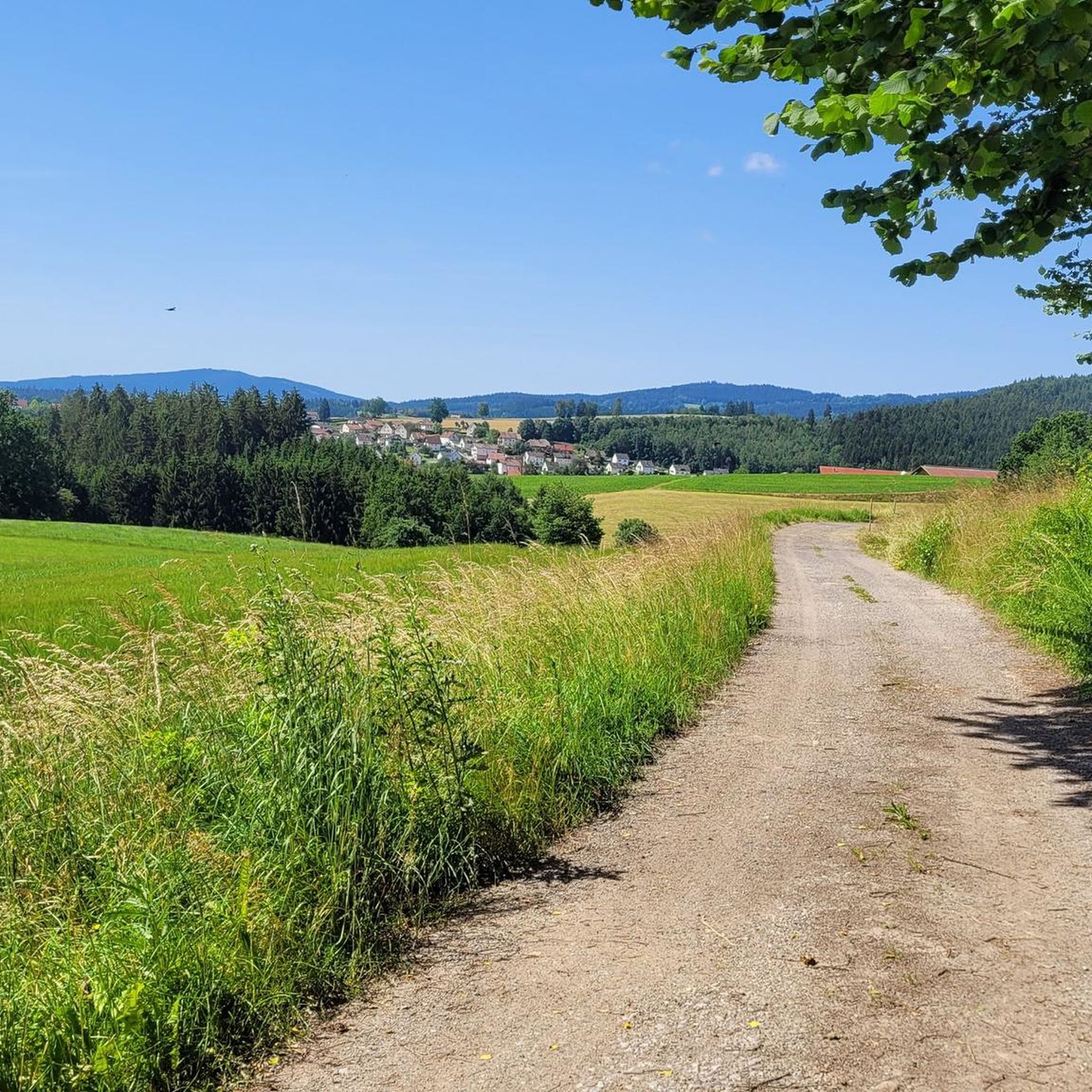


Tips from the Community


Impressive place, this old mining pit
1
0
Beautiful and interesting place with great views
2
0

Beautiful family trip guaranteed
2
0

The real Räuber Heigl cave is near Bad Kötzting. This is not the real one. And the cave is not even 1 meter deep.
3
0


A marked themed circular hiking trail leads from the historic visitor mine to the Gottesgab. The pit offers an insight into the oldest mining period on the Silberberg from the 8th to the 14th century. Ore roasting and ore cutting used to happen directly on the mountain. The red-colored path and the red spots on the themed path still bear witness to this today. The brown iron obtained was then processed into weapons and field tools in the iron hammers at Rothbach. If the visitor stands in front of the God's Gab, which has been wonderfully prepared for tourism, he will be overwhelmed by the play of colors he sees. Depending on the weather and the incidence of light, the rocks glow intensely in blue, yellow, white, brown and red colors. The bluish color comes from the lead and iron content, the red or brown color from iron, the yellow color from sulphur, the white from gypsum; formed during the weathering of magnetic gravel. The colors are efflorescences in the rock. Source: https://www.niederbayern-wiki.de/wiki/Gottesgab
4
0
Frequently Asked Questions
What types of caves can I explore around Geiersthal?
The Geiersthal area, situated in the Bavarian Forest, offers a mix of natural caves, historical mining tunnels, and waterfall areas with cave-like formations. You can find small exploratory caves, significant historical sites, and even a unique replica of a prehistoric cave.
Are there any historical caves or mining tunnels to visit near Geiersthal?
Yes, the region has notable historical sites. You can visit Gottesgab Mine on Silberberg, a medieval mining pit near Bodenmais that provides insight into the oldest mining period on the Silberberg. Another historical site is Räuber-Heigl Cave, a natural cave in the forest said to have provided shelter to the robber Michael Heigl.
Which caves are suitable for families with children?
For families, the Gottesgab Mine on Silberberg is considered family-friendly, offering an educational experience with information boards about historical mining. Additionally, the Stone Age Cave Replica at the National Park Center Falkenstein is barrier-free and offers an engaging journey back to the Paleolithic era, suitable for all ages.
What natural features can I expect to see when visiting caves in the Geiersthal area?
You can encounter diverse natural features. Riesloch Falls features a gorge and waterfall with cave elements, offering a scenic landscape. The Quartz Cave (Rosenquarz-Höhle) is known for its unique rock formations and colors. The Anis Rock with cave near Langdorf offers a small summit exploration with a mysterious cave.
Are there any challenging cave explorations or hikes around Geiersthal?
Yes, the area offers challenging options. The tour to Riesloch Falls is described as scenic and challenging, involving stony hiking trails through a gorge. Many natural caves in the Bavarian Forest require careful navigation and are best suited for those comfortable with uneven terrain.
What do visitors particularly enjoy about the caves near Geiersthal?
Visitors appreciate the blend of natural beauty and historical insight. The fantastic landscapes and gorgeous waterfalls at Riesloch Falls are highly praised. The historical context and visible rock colors at Gottesgab Mine are also very interesting to visitors. The mysterious and legendary aspect of Räuber-Heigl Cave adds to its appeal.
Can I find any unique geological formations in the caves around Geiersthal?
Yes, the region is known for its geological interest. The Quartz Cave (Rosenquarz-Höhle) is a natural monument showcasing unique rock formations. At Gottesgab, you can observe different colors of rocks within the former mine tunnel, providing a glimpse into the area's geology.
Are there opportunities for other outdoor activities like hiking or cycling near these caves?
Absolutely. The Geiersthal area is excellent for outdoor activities. You can find numerous routes for gravel biking, mountain biking, and general cycling. For example, explore routes like the Danube-Regen Cycle Path for gravel biking, or discover trails around the Regener Reservoir for MTB. There are also many options for cycling tours through the scenic Bavarian Forest.
Is there a cave that offers a glimpse into prehistoric times?
While not a natural cave, the National Park Center Falkenstein hosts a faithful replica of the southern French 'Grotte Chauvet' with cave paintings. This Stone Age Cave Replica offers a journey back to the Paleolithic era, showcasing changes in climate, landscape, and animal life, and is part of a barrier-free circular path.
What is the Anis Rock with cave, and where is it located?
The Anis Rock with cave is a site near Langdorf in the broader Teisnach region, close to Geiersthal. It features a small summit at 709 meters with a group of rocks and a mysterious cave accessible via a small path. It's ideal for a short exploration walk and offers scenic views.
Are the caves around Geiersthal accessible year-round, or is there a best season to visit?
Many natural caves and outdoor sites like Riesloch Falls are best visited during warmer months when trails are clear of snow and ice, typically from spring to autumn. Historical mining tunnels like Gottesgab might have more consistent access, but it's always advisable to check specific opening times, especially during winter, as conditions can vary.
What should I wear or bring when exploring caves in the Geiersthal region?
When exploring caves or cave-like formations, wear sturdy, waterproof hiking boots, as trails can be stony and wet. Layers of clothing are recommended, as cave interiors can be cooler than outside temperatures. A headlamp or flashlight is essential for visibility, and bringing water and snacks is always a good idea for longer explorations.
Are dogs allowed on trails leading to caves in the Geiersthal area?
Policies for dogs can vary by specific location. While many natural trails in the Bavarian Forest are dog-friendly, it's best to check regulations for individual sites, especially for historical or protected natural monuments. Always keep dogs on a leash and clean up after them.
Most popular routes around Geiersthal
Most popular attractions around Geiersthal

Get inspired with the komoot mobile app


Explore more
Extend your search for the best caves by checking out these guides of the top ones around Geiersthal:
