Top 5 Caves around Bad Griesbach im Rottal
Best caves around Bad Griesbach im Rottal offer insights into the region's geological history and ancient human activity. The area, known for its thermal baths and scenic landscapes, also features notable natural rock formations. These sites provide opportunities for exploration and are often integrated into local hiking routes. Visitors can discover natural monuments that reveal the area's past.
Best caves around Bad Griesbach im Rottal
- The most popular caves is Hohler Stein Prehistoric Cave, a historical site that served…
Last updated: July 10, 2026
Teufelsfelsen (Devil's Rocks)
Highlight • Natural Monument
More: regiowiki.pnp.de/wiki/Teufelsfelsen
Translated by Google •
Tip by

Hohler Stein Cave
Highlight • Cave
A large quartz conglomerate block has been pushed over other conglomerate blocks in such a way that a large cavity has been created …
Translated by Google •
Tip by

Sign up now to discover places like this
Get recommendations on the best single tracks, peaks, & plenty of other exciting outdoor places.
Sign up for free
Hohler Stein Prehistoric Cave
Highlight • Cave
Translated by Google •
Tip by

Hohler Stein
Highlight (Segment) • Cave
Translated by Google •
Tip by
Schneider-Bruch Tunnel Exit
Highlight • Structure
The tunnel exit of the former industrial railway has been preserved, but the end has been bricked up.
Translated by Google •
Tip by

Start today with a free account
Your next adventure awaits.
Login or Signup
Popular around Bad Griesbach im Rottal
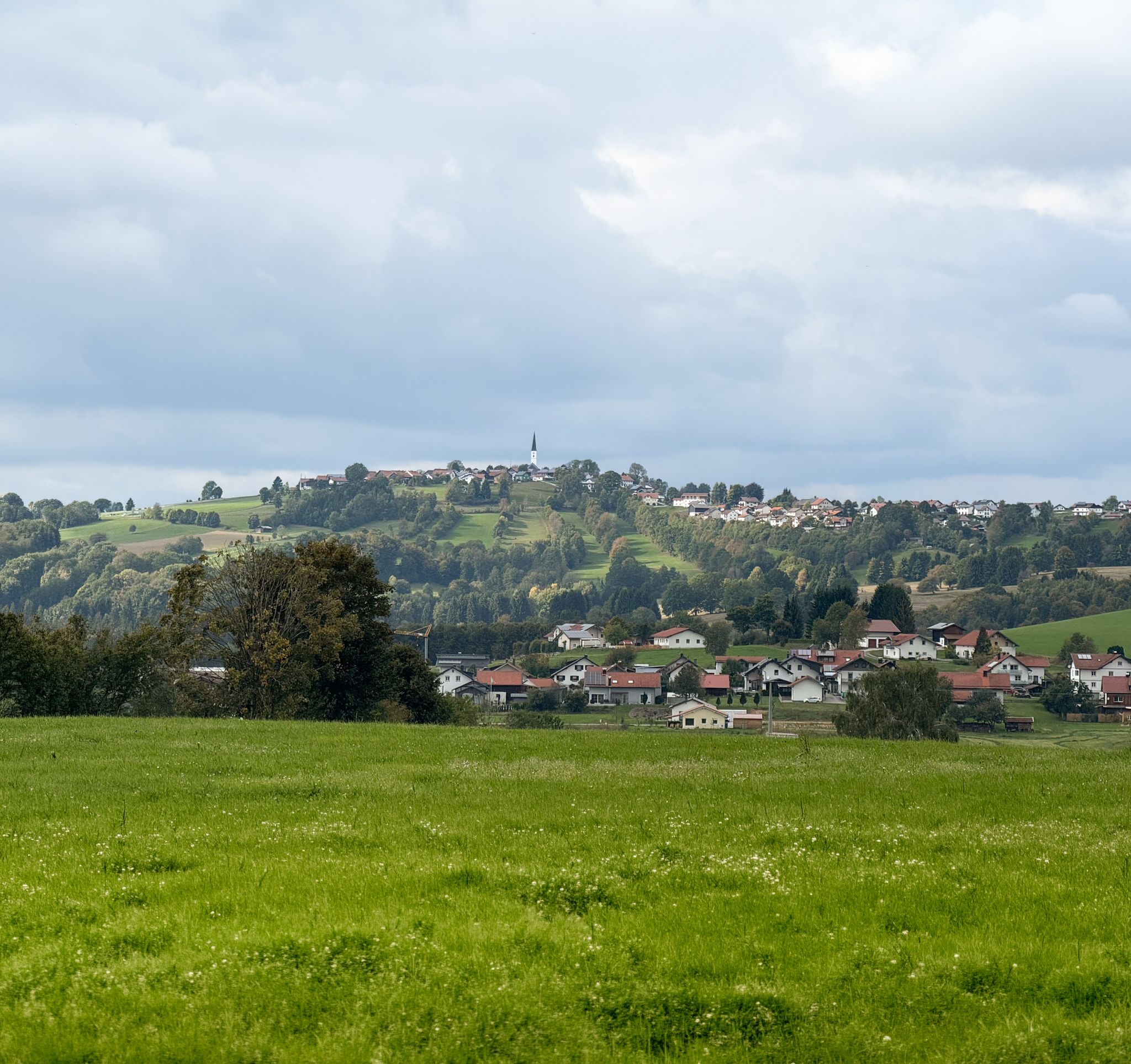
Beer culture on two wheels – 8 day rides, 2 countries, 1 pulse
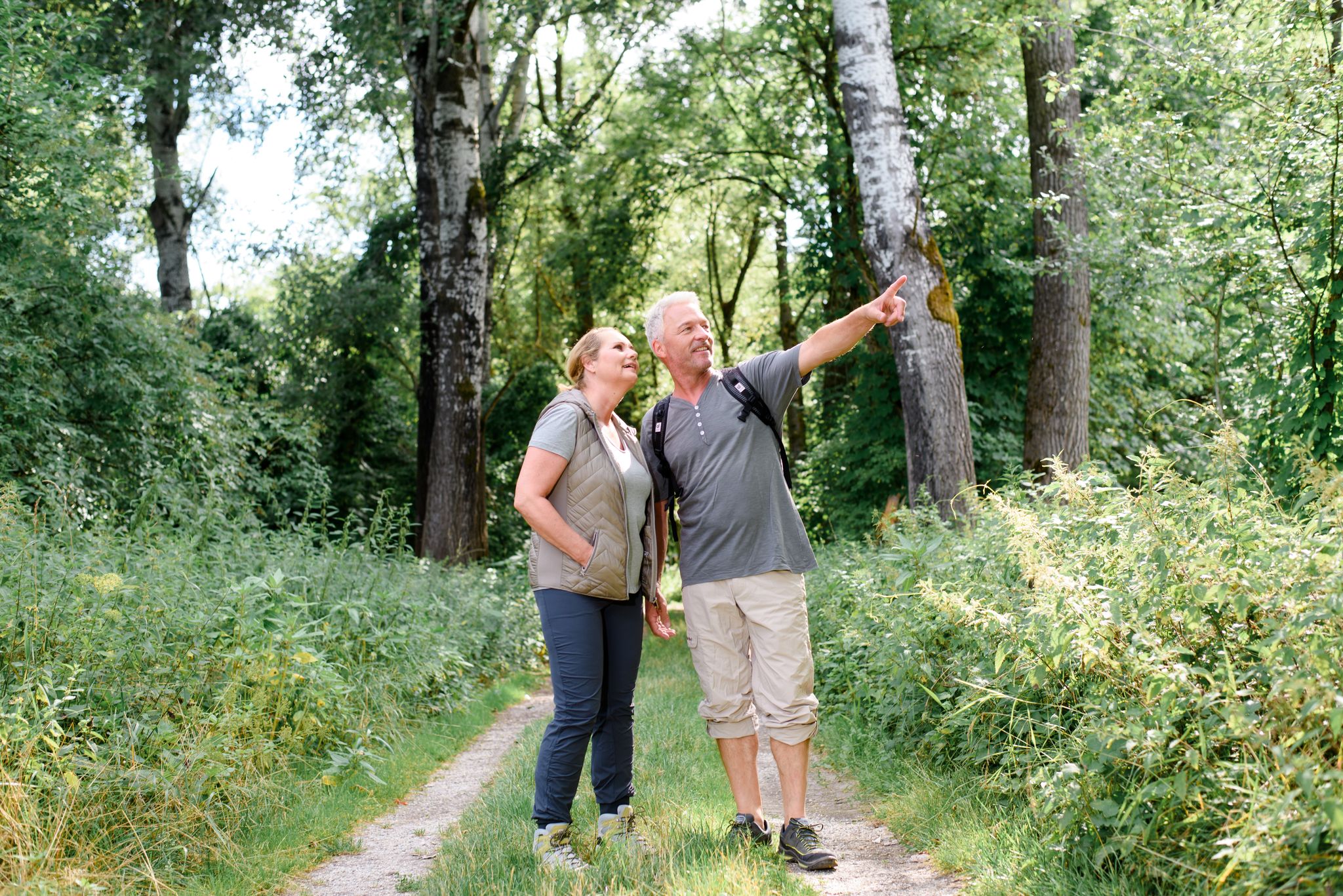
ILE Erlebnis-Wander-Touren zwischen Rott & Inn
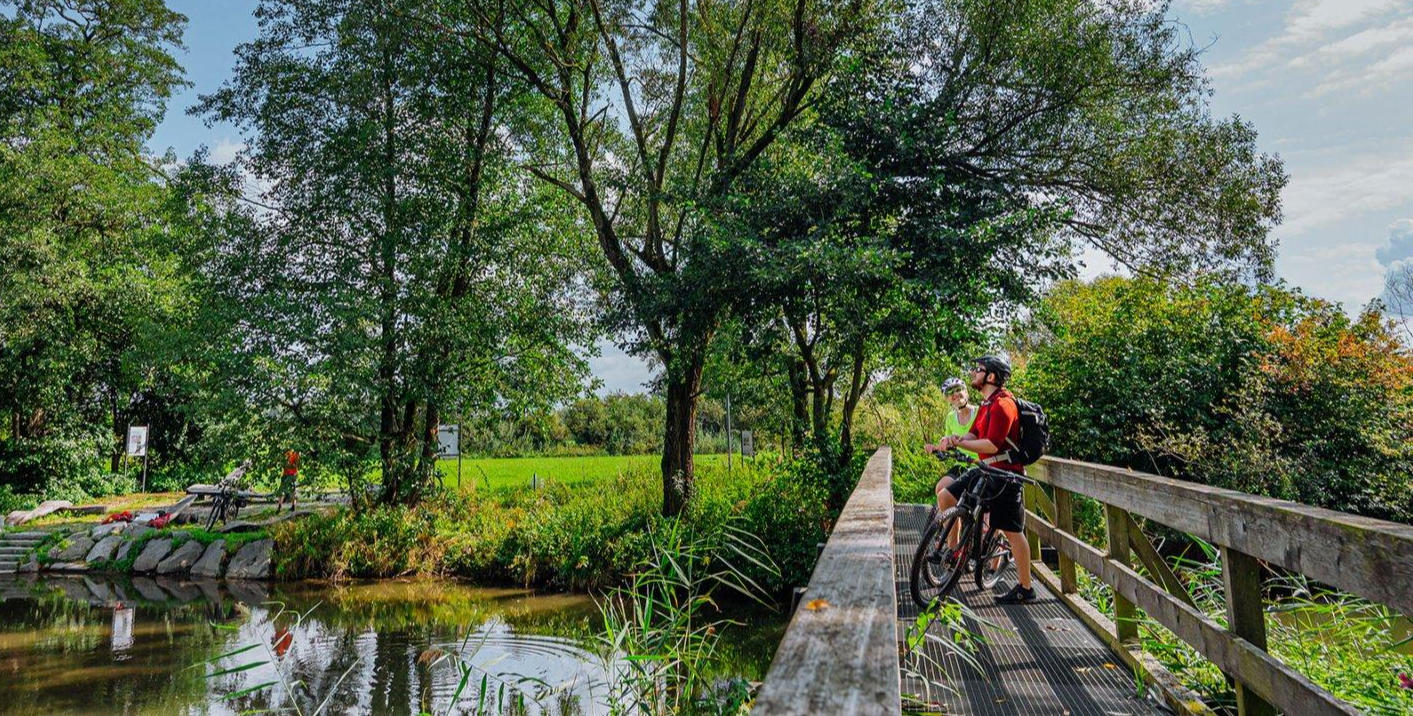
Thermen, Radfahren und Wellness in Bayern – 7 Touren im Bayerischen Thermenland
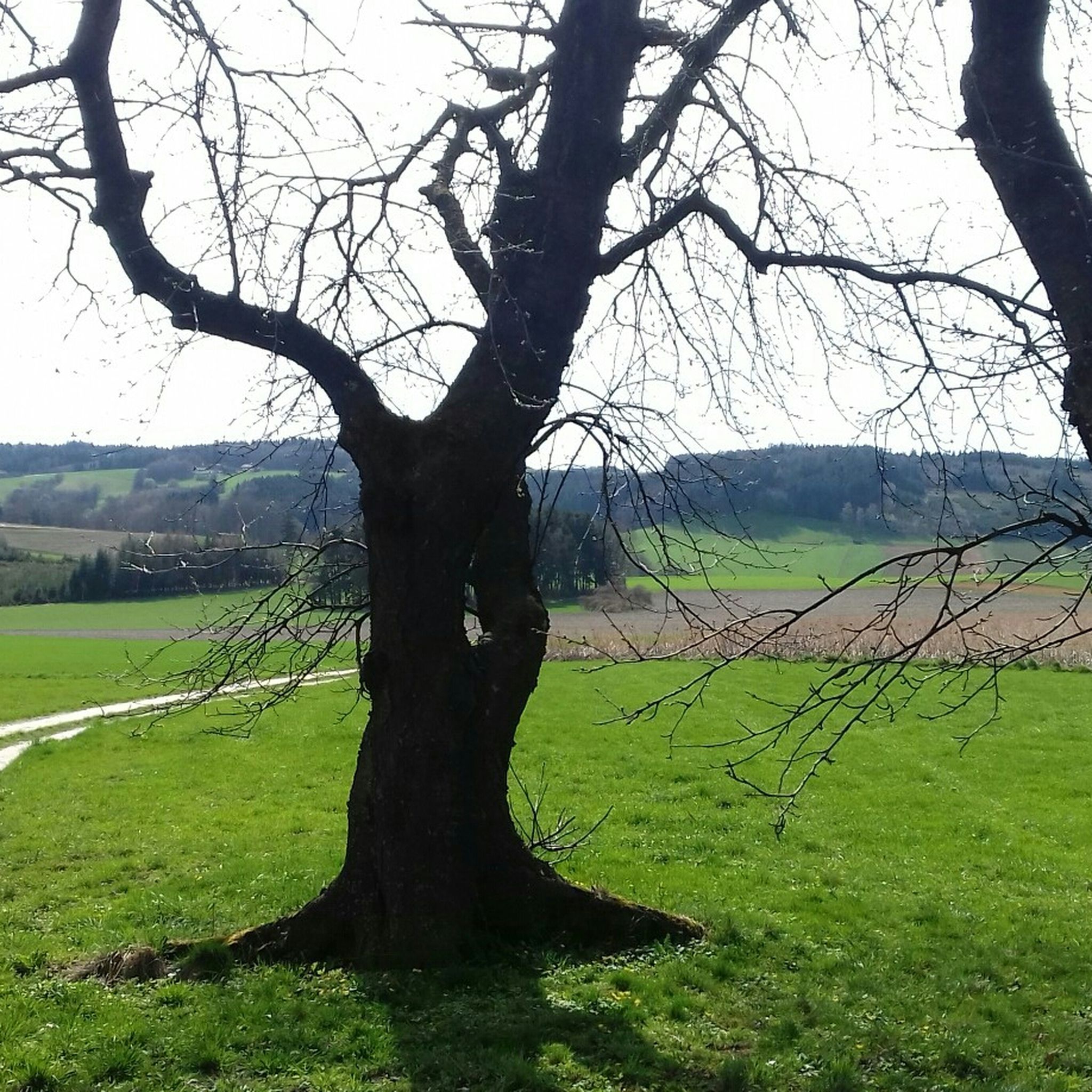
Hiking around Bad Griesbach im Rottal
Cycling around Bad Griesbach im Rottal
MTB Trails around Bad Griesbach im Rottal
Running Trails around Bad Griesbach im Rottal
Road Cycling Routes around Bad Griesbach im Rottal

Gravel biking around Bad Griesbach im Rottal
Other adventures around Bad Griesbach im Rottal


Tips from the Community

Towering rock in the forest - cave of the past - today it would be a "single location"
0
0

Be careful when climbing around, you can also fall down here
0
0

Hollow rock of Churfürst > a geotope A large quartz conglomerate block has been pushed over other conglomerate blocks in such a way that a large cavity has been created underneath, which was used as a dry shelter by woodworkers. Through solifluction (soil flow) during the cold periods, the rock blocks moved from their original position a little higher up the slope to their current position. The geotope is located on a marked hiking trail. There are other striking blocks in the area: Dragon, Dwarf Castle, Three Giants. (Bavarian State Office for the Environment (LfU)) More information: https://www.umweltatlas.bayern.de/standortauskunft/rest/reporting/sb_geotope/generate?additionallayerfieldvalue=275R008
0
0

It was nice, but not as exciting as described on the board.
0
0

The devil is said to have made a table here for a rest.
2
0

Downstream, the Kahlhamer quarry was followed by the Schneider quarry. The tunnel exit of the former industrial railway has been preserved, but the end has been bricked up.
1
0

The only Stone Age cave paintings in southern Germany can be seen on the inside of the rock formation. The best way to spot them is to shine a flashlight on them.
2
0

People used to live here in the Stone Age.
0
0
Frequently Asked Questions
What kind of natural rock formations can I explore near Bad Griesbach im Rottal?
You can explore unique natural rock formations like the Teufelsfelsen (Devil's Rocks), where one large rock leans diagonally on another, creating a small cave to stoop through. Another significant site is the Hohler Stein Prehistoric Cave, a towering quartz conglomerate block that forms a large hollow space.
Are there any historical sites among the caves in the region?
Yes, the Hohler Stein Prehistoric Cave is a notable historical site, considered a Stone Age dwelling. Additionally, the Schneider-Bruch Tunnel Exit offers a glimpse into the region's industrial past as a preserved former industrial railway tunnel.
What is the geological significance of the Hohler Stein Cave?
The Hohler Stein Prehistoric Cave is a geological monument, or 'Geotop'. It formed when a large quartz conglomerate block shifted over other blocks, creating a significant hollow space. This formation is a result of geological processes like solifluction during cold periods.
Are the caves around Bad Griesbach im Rottal suitable for families?
Yes, sites like the Teufelsfelsen (Devil's Rocks) offer a mild adventure where children can stoop through the small cave. The Hohler Stein Prehistoric Cave also provides an engaging historical and natural experience for families.
Can I bring my dog to the caves?
The Hohler Stein Prehistoric Cave is considered dog-friendly, making it a good option for exploring with your canine companion.
What outdoor activities can I combine with a visit to these caves?
The caves are often integrated into local hiking routes. For example, you can find hiking trails that lead to the Hohler Stein Prehistoric Cave or the Teufelsfelsen (Devil's Rocks). You can explore various hiking routes in the area by visiting the Hiking around Bad Griesbach im Rottal guide.
Are there hiking trails directly to the Teufelsfelsen (Devil's Rocks)?
Yes, there are hiking routes that include the Teufelsfelsen (Devil's Rocks). An easy loop from Bad Griesbach im Rottal, for instance, is the "Rest Area by the Mossy Rocks – Teufelsfelsen (Devil's Rocks) loop." More hiking options are available in the Hiking around Bad Griesbach im Rottal guide.
How long does it typically take to explore the caves?
Exploring the natural rock formations like the Teufelsfelsen (Devil's Rocks) or the Hohler Stein Prehistoric Cave usually takes a short amount of time, often as part of a longer hike. The duration depends on how much you wish to explore the surrounding trails and natural environment.
What do visitors enjoy most about the caves in Bad Griesbach im Rottal?
Visitors appreciate the unique blend of natural beauty and historical significance. The Hohler Stein Prehistoric Cave is noted for its insights into ancient culture and as a Stone Age dwelling. The Teufelsfelsen (Devil's Rocks) offers a distinctive natural landmark and a mild adventure.
Are there any cycling routes near these cave sites?
Yes, the region offers various cycling opportunities. For example, a moderate cycling route called "Spa Square, Bad Griesbach – Teufelsteinen Rock Formation loop from Weinzierl" passes near the Teufelsfelsen (Devil's Rocks). You can find more cycling routes in the Cycling around Bad Griesbach im Rottal guide.
What is the best time of year to visit the caves in Bad Griesbach im Rottal?
The caves and surrounding hiking trails are generally accessible year-round. Spring and autumn offer pleasant temperatures for hiking, while summer provides lush green scenery. Winter visits can be picturesque, but trails might be slippery, so appropriate footwear is recommended.
Most popular routes around Bad Griesbach im Rottal
Most popular attractions around Bad Griesbach im Rottal

Get inspired with the komoot mobile app


Explore more
Extend your search for the best caves by checking out these guides of the top ones around Bad Griesbach im Rottal:
