Top 11 Castles around Saal an der Donau
Best castles around Saal an der Donau offers a historical exploration along the Danube River in Bavaria. The region is characterized by its position near the Altmühl Valley and its historical significance, including Roman settlements and medieval fortifications. Visitors can explore various sites that reflect centuries of regional history. The landscape provides a backdrop for these historical structures.
Best castles around Saal an der Donau
- The most popular castles is Heinrichsturm (keep of Abbach Castle), a castle that stands…
Last updated: June 26, 2026
View of Weltenburg Abbey
Highlight • Viewpoint
Translated by Google •
Tip by

Heinrichsturm (keep of Abbach Castle)
Highlight • Castle
Translated by Google •
Tip by

Sign up now to discover places like this
Get recommendations on the best single tracks, peaks, & plenty of other exciting outdoor places.
Sign up for free
Ruins of the Weltenburg-Frauenberg Fortification
Highlight • Historical Site
Translated by Google •
Tip by

Poor Clares Monastery Viehhausen
Highlight • Religious Site
The year Oberviehhausen Castle was built is not known. However, a lowland castle was first mentioned in documents in 1435, and it changed hands several times over the …
Translated by Google •
Tip by

Offenstetten Castle (Cabrini House)
Highlight • Castle
Translated by Google •
Tip by

Sign up for free to discover even more castles around Saal an der Donau.
Sign up for free
Already have an account?
Start today with a free account
Your next adventure awaits.
Login or Signup
Popular around Saal an der Donau
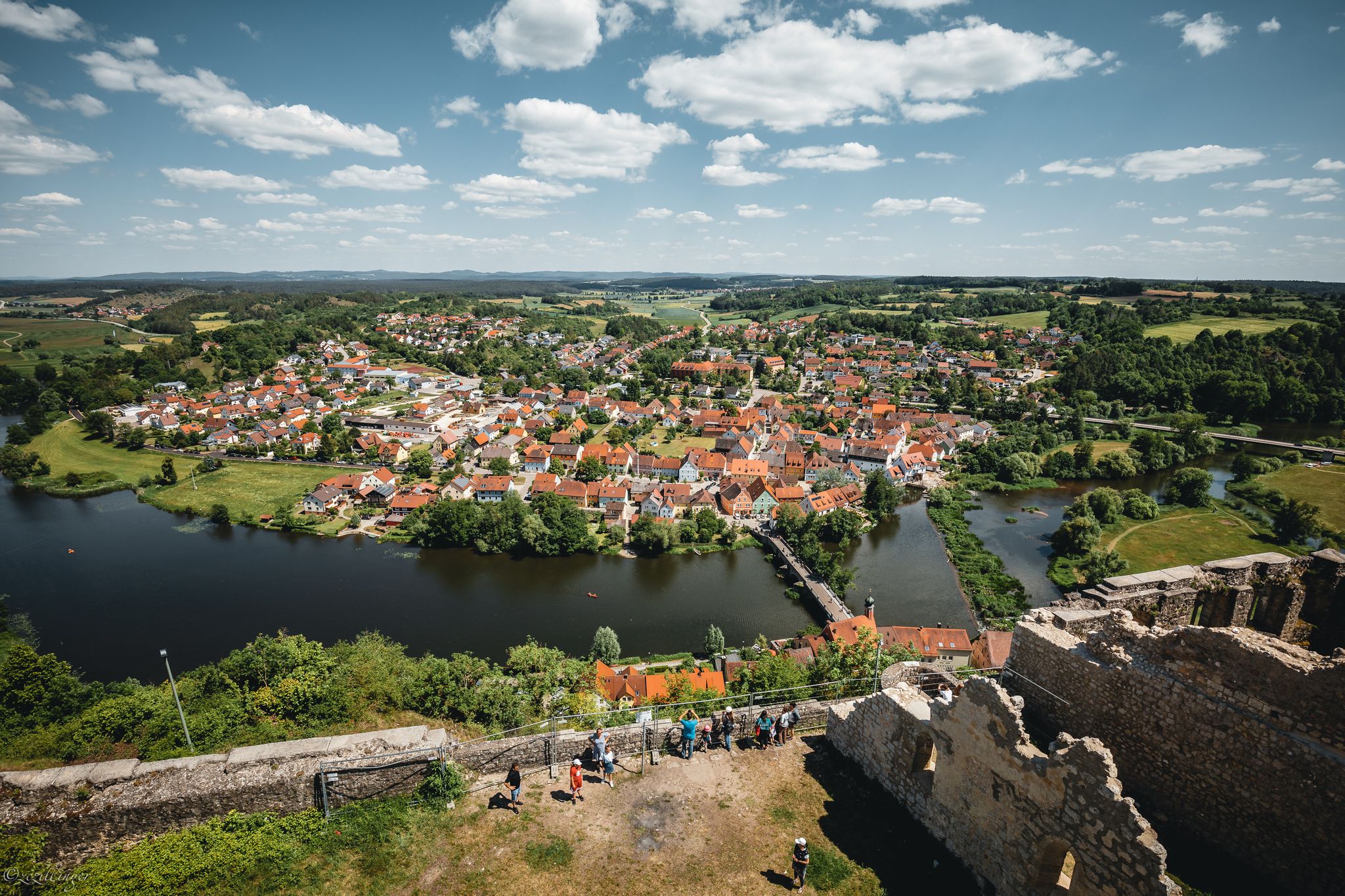
The Jura Trail — Bikepacking Bavaria
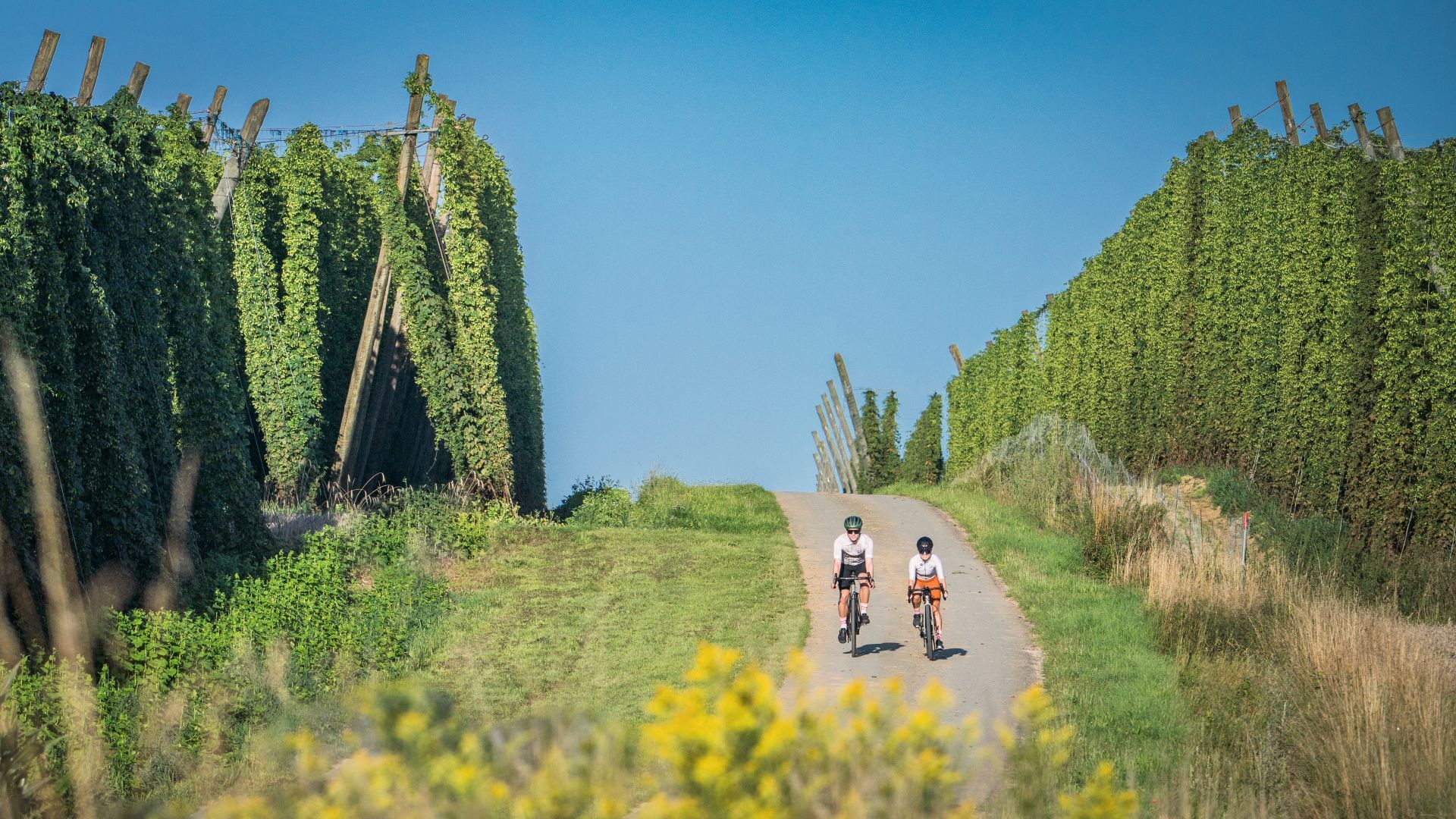
Mit Gravel-Bike durch Altmühltal & Hallertau
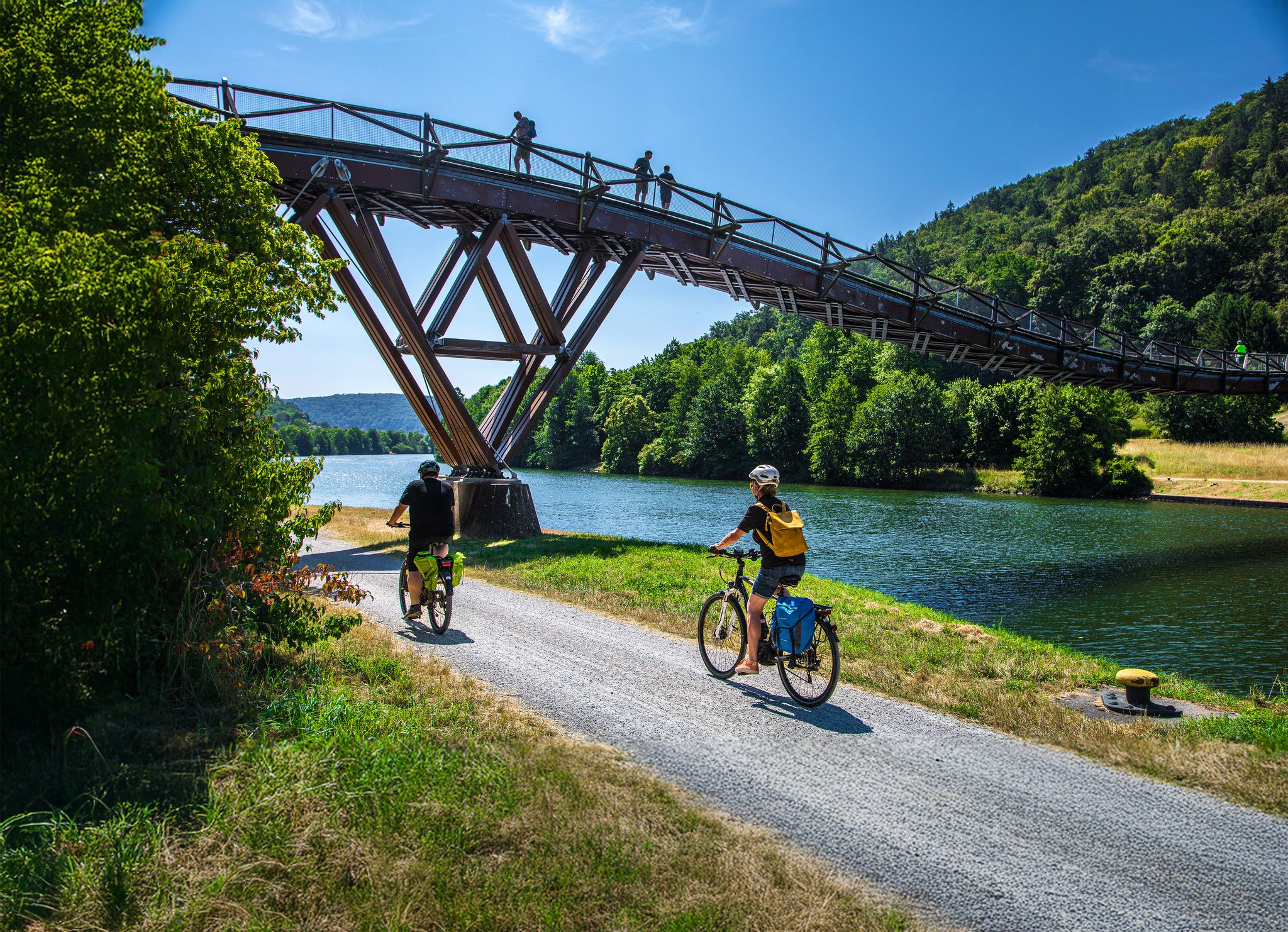
Zwischen Donau, Altmühltal & Hallertau – Erlebnis-Radtouren um Kelheim
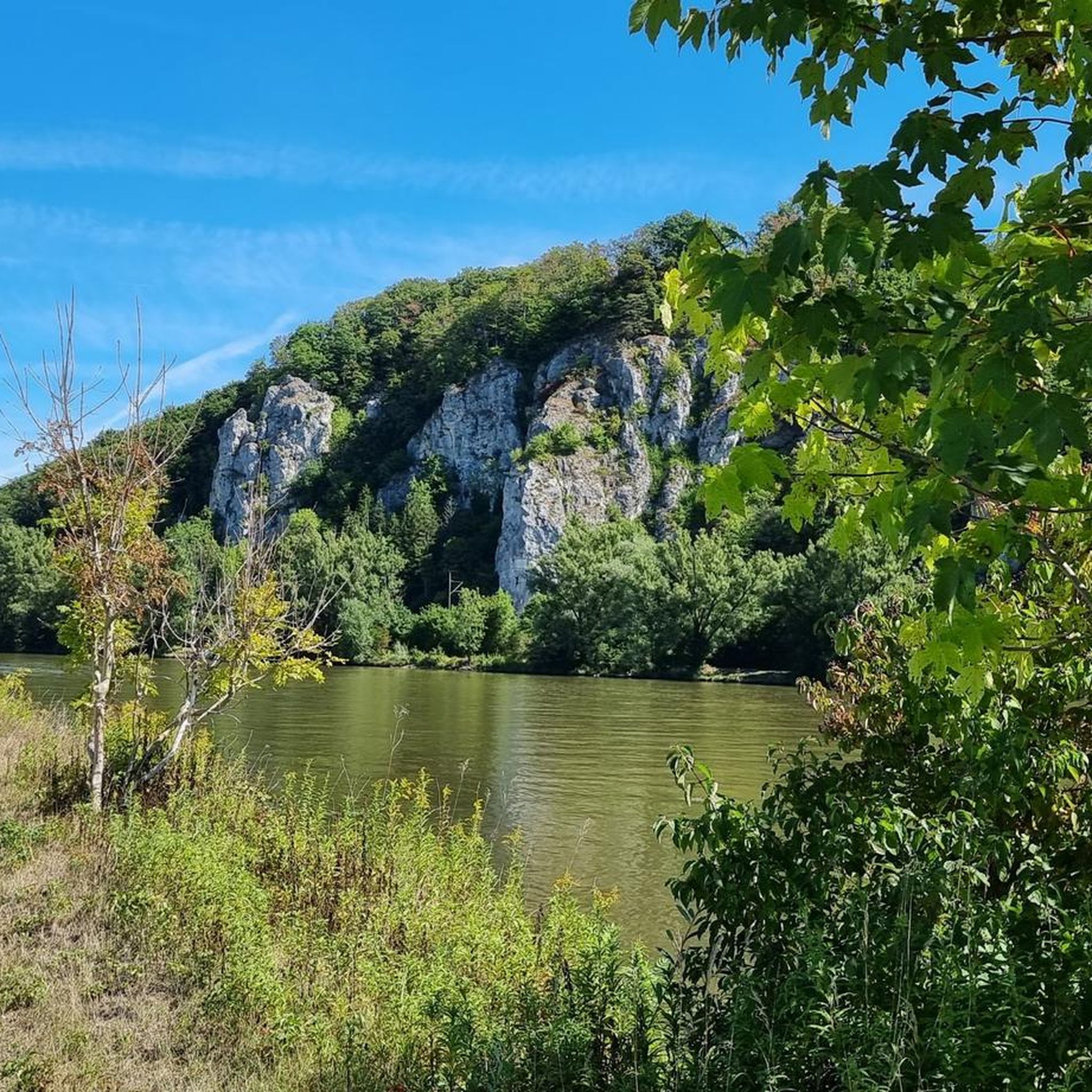
Cycling around Saal an der Donau
Road Cycling Routes around Saal an der Donau
MTB Trails around Saal an der Donau
Hiking around Saal an der Donau

Gravel biking around Saal an der Donau
Running Trails around Saal an der Donau
Mountain Hikes around Saal an der Donau
Other adventures around Saal an der Donau


Tips from the Community

Unfortunately the tower was closed
0
0


Abbach Castle Ruins Ahabach Castle was first mentioned in a document on May 6, 973. Abbach Castle is believed to have been the birthplace of Emperor Henry II, but this cannot be proven. On November 1, 1007, Emperor Henry II donated the site to the Bishopric of Bamberg, which he founded. Abbach Castle was taken over by the Wittelsbachs around 1200; at that time, the Wittelsbachs had also succeeded in gaining control of the Danube toll at Abbach. The castle was allegedly destroyed by the Bishop of Bamberg when he handed Abbach over to the Prüfening Monastery. However, Duke Ludwig I had it rebuilt in 1224 and compensated the monastery with Königswiesen near Regensburg and Matting. Subsequently, the Duke significantly expanded his holdings in the Abbach district. In 1297, Abbach was burned down during a feud between the Bavarian Dukes Otto and Stephan and the citizens of Regensburg. Afterwards, the castle, which served only as the steward's residence, was rebuilt on a smaller scale. In 1564, neglect of the surrounding wall and the castle itself was noted. A land register from 1586 contains the following note: The castle has a wide courtyard, in the center of which stands a round tower that has been roofless for many years, as well as a deep well that does not always provide water. The strong surrounding walls have partially collapsed. During the Thirty Years' War, in 1632 and 1634, the citizens of Abbach and the surrounding area fled to the castle and defended it. In 1705, during the War of the Spanish Succession, Abbach surrendered to the Austrians without a fight. Between 1740 and 1745, Abbach was repeatedly sacked as a result of the War of the Austrian Succession. Demolition work on the castle buildings began in 1803; by 1832, almost all buildings except the keep had been removed. In April 1945, the Heinrichsturm (St. Henry's Tower) was hit by bombs because it had housed a German Wehrmacht observation post. The tower, which is now accessed via a steel staircase above the old high entrance, was renovated in the early 1980s. The 27-meter-high late Romanesque tower has a four-and-a-half-meter-thick rubble masonry. Inside the tower are two stacked octagonal chambers with helmet vaults. Remains of the castle's ring wall have also been preserved. Source: Excerpts from www.wikipedia.de
3
3

A hilltop castle stood here, built in 973. Between 1803 and 1832, everything except the keep was demolished.
2
1

Viehhausen is actually inconspicuous, but the monastery is remarkable and the elevation above Alling is also beautiful
0
0
Viehhausen Monastery On September 7, 1848, the Oberviehhausen Castle was bought at auction by Friedrich Pustet, owner of the Alling paper factory, but just four years later he sold it for 400 guilders to the St. Clara Monastery in Regensburg. The buildings were acquired when the abbess of the Poor Clares Monastery in Regensburg, Antonia Spaeth, wanted to found a branch monastery. This monastery was also intended to contribute to the renewal of the order's rules. The following were introduced: midnight prayer, fasting on Mondays of the year, no separate cell for the sisters, but a common room, and simplicity in food, drink and clothing. The abbess emphasized that the main duty of the nun is choral prayer. Another important activity was the education and training of the children in the girls' boarding school and in the boys' school. The church's approval for the construction of a new monastery was granted on June 15, 1852. On September 23, 1852, the Viehhausen monastery was ceremoniously inaugurated by Bishop Valentin von Riedel. On June 20, 1854, the episcopal ordinariate declared the independence of the Viehhausen monastery. As the convent was constantly growing, the first extension had to be completed in 1856. In 1856, the monastery took over the girls' school. The convent grew more and more, and consisted of 12 choir nuns, four lay sisters and a novice. The monastery suffered greatly during the inflation in the 1920s and in the post-war years. In 1952, a school of its own was built in Viehhausen, and the St. Josef retirement home with twelve single rooms for women was set up in the now empty school rooms of the monastery building. After the Poor Clares' monastery in Regensburg was dissolved in 1974, the Poor Clares in Viehhausen also gave up their monastery and moved together with the Regensburg sisters to a newly built monastery in Dingolfing. As the parish curacy was already being looked after by fathers of the Servite Order, plans were made to build a novitiate and study house for the order here. After extensive renovations, Bishop Rudolf Graber consecrated a Servite monastery here on June 11, 1978. However, the order was unable to achieve its goals in the long term and so the Servites left the monastery in Viehhausen in 1989. Source: Excerpts from the church guide and www.wikipedia.de
2
0
Viehhausen Castle The year Oberviehhausen Castle was built is not known. However, a lowland castle was first mentioned in documents in 1435, and it changed hands several times over the centuries. The Oberviehhausen manor belonged first to the Chamerauers, then to Hadamar von Laaber, from 1435 to the Reisachers, then to Hans Schelhamer and around 1570 to Leonhard Sauerzapf, and from 1600 the property passed to the Barons von Rosenbusch by marriage. There used to be a deep moat around the castle, and this moat was still mentioned in 1869. Drawbridges on the east and west sides led to the entrance. Before the castle was destroyed by the Swedes in the Thirty Years' War, there were small towers at each corner. In the south of the complex was the castle garden, and in the middle there was a fountain that was fed with water from the Kreuzsee. It was not until 1681 that Franz Wilhelm Rosenbusch had the property rebuilt as a small castle in the Baroque style. The elm avenue that was built in the Baroque period can still be seen today. The farm buildings and the cattle sheds were connected to it. To the right of the castle portal was the castle chapel. Above the entrance there is still a stone plaque with the three church patrons: St. Leonhard, St. Wolfgang and St. Katharina. The faithful were allowed to enter the chapel on weekdays and Sundays with the permission of the estate owner, as the route to the parish church in Eilsbrunn was too far. The chapel itself was 14.5 meters long and 10 meters wide. The picture of the Holy Family that was in the castle chapel is now the picture on the high altar in the parish church of St. Leonhard. After the Rosenbusch line died out, the Viehhausen manor first passed to Franz von Lerchenfeld-Brennberg in 1777, but then changed hands frequently. In 1848 the property was auctioned and purchased by Friedrich Pustet, owner of a paper factory in Alling. In 1852 the castle was converted by the Poor Clares into a monastery and a girls' school, which was later used by the Servites. The castle is now a three-storey hipped roof building with pilaster structures, a tower with a tent roof and ashlar portals from around 1700. Today the parish church of St. Leonhard von Viehhausen stands next to the castle. Source: Excerpts from the church guide and www.wikipedia.de
2
0
Frequently Asked Questions
Which castles near Saal an der Donau offer the most complete historical experience?
For a comprehensive historical experience, Schloss Prunn is highly recommended. It's a well-preserved knight's castle with structures dating back to 1037 and 1200, featuring a Renaissance residential building and impressive views. While not directly in Saal an der Donau, it's easily accessible. You can also visit Heinrichsturm (keep of Abbach Castle), a 27-meter high keep that is an impressive remnant of a ducal castle complex, and the Abbach Castle Ruins, which are well-restored.
Are there any Roman historical sites to visit near Saal an der Donau?
Yes, the region has significant Roman history. You can explore the Roman Fort Abusina (Römerkastell Abusina), where the foundations of old barracks are visible, offering a glimpse into the past. Another notable site is the Ruins of the Weltenburg-Frauenberg Fortification, which features well-preserved foundations of a small Roman fort and offers nice views of the Danube valley.
Which castles or historical sites are family-friendly?
The Roman Fort Abusina (Römerkastell Abusina) is considered family-friendly, allowing children to explore the visible foundations of the old barracks. The Abbach Castle Ruins are also listed as family-friendly and offer an interesting historical site to discover.
What are the best castles for scenic views?
Schloss Prunn offers impressive views of the surrounding Altmühltal countryside and the Main-Danube Canal from its perch 70 meters above the valley. The Ruins of the Weltenburg-Frauenberg Fortification also provide a nice view of the Danube valley.
How can I reach Schloss Prunn using public transport?
To reach Schloss Prunn, you can take a train to Saal an der Donau. From there, a bus (VLK-1) can take you to Nußhausen or Prunn, followed by approximately a 20-minute walk to the castle.
Are there any castles that are now monasteries or have religious significance?
Yes, the Poor Clares Monastery Viehhausen was originally a lowland castle first mentioned in 1435. It was converted into a monastery in 1852 and has a rich history of changing hands and architectural transformations. Today, the parish church of St. Leonhard von Viehhausen stands next to the former castle site.
What kind of outdoor activities can I do near these castles?
The region around Saal an der Donau offers various outdoor activities. You can find excellent gravel biking routes, such as the 'View of Prunn Castle' loop, or road cycling routes like the 'Altmühl Gate Kelheim – KunstHaus Abensberg' loop. For runners, there are trails like the 'View of the Befreiungshalle – Altmühl Valley' loop. You can find more details on these and other routes in the Gravel biking around Saal an der Donau, Running Trails around Saal an der Donau, and Road Cycling Routes around Saal an der Donau guides.
Are there any castles that are mostly ruins or archaeological sites?
Yes, within Saal an der Donau, you can find the remnants of Schloss Peterfecking, where only a section of the outer wall and walled-up cellar passages survive, indicating its archaeological significance. Another site is Burgstall Mitterfecking, a 'disappeared hilltop castle' with only wall remnants and a discernible ditch, offering a glimpse into early medieval fortifications.
What do visitors enjoy most about the castles around Saal an der Donau?
Visitors appreciate the historical depth and variety of sites, from well-preserved castles like Schloss Prunn to Roman forts and medieval keeps. The opportunity to step back in time and explore the foundations of ancient structures, along with the scenic views of the Danube valley and Altmühltal, are frequently highlighted.
Can I find information about the 'Song of the Nibelungs' at any of these castles?
Yes, Schloss Prunn is famous for the discovery of the 'Prunner Codex,' which is the fourth oldest complete manuscript of the 'Song of the Nibelungs,' a renowned Middle High German heroic epic. Guided tours at the castle often highlight this significant historical connection.
What is the significance of the Heinrichsturm?
The Heinrichsturm (keep of Abbach Castle) is a 27-meter high keep built between 1220-1229. It is the last remaining part of a ducal castle complex that once stood there, making it a significant historical landmark in the region.
Most popular routes around Saal an der Donau
Most popular attractions around Saal an der Donau

Get inspired with the komoot mobile app


Explore more
Looking for the best castles somewhere else? Discover other guides around Saal an der Donau:
