Top 8 Castles around Teugn
Best castles around Teugn are found in the picturesque Altmühltal valley, a region characterized by its dramatic rock formations and the meandering Altmühl River. This area offers a rich historical landscape, with numerous historical sites and natural landmarks. The surrounding countryside provides varied terrain for outdoor activities, including hiking trails to castles near Teugn.
Best castles around Teugn
- The most popular castles is Heinrichsturm (keep of Abbach Castle), a castle that is the remainder of a ducal castle complex.…
Last updated: June 26, 2026
Heinrichsturm (keep of Abbach Castle)
Highlight • Castle
Translated by Google •
Tip by

Gebelkofen Moated Castle
Highlight • Castle
The moated castle was built as a moated castle by the Lords of Gebelkofen. The castle was first mentioned in 1200. At the end of the 14th century …
Translated by Google •
Tip by

Sign up now to discover places like this
Get recommendations on the best single tracks, peaks, & plenty of other exciting outdoor places.
Sign up for free
Poor Clares Monastery Viehhausen
Highlight • Religious Site
The year Oberviehhausen Castle was built is not known. However, a lowland castle was first mentioned in documents in 1435, and it changed hands several times over the …
Translated by Google •
Tip by
Offenstetten Castle (Cabrini House)
Highlight • Castle
Translated by Google •
Tip by

Ruins of Schlossberg Castle
Highlight • Castle
Translated by Google •
Tip by

Start today with a free account
Your next adventure awaits.
Login or Signup
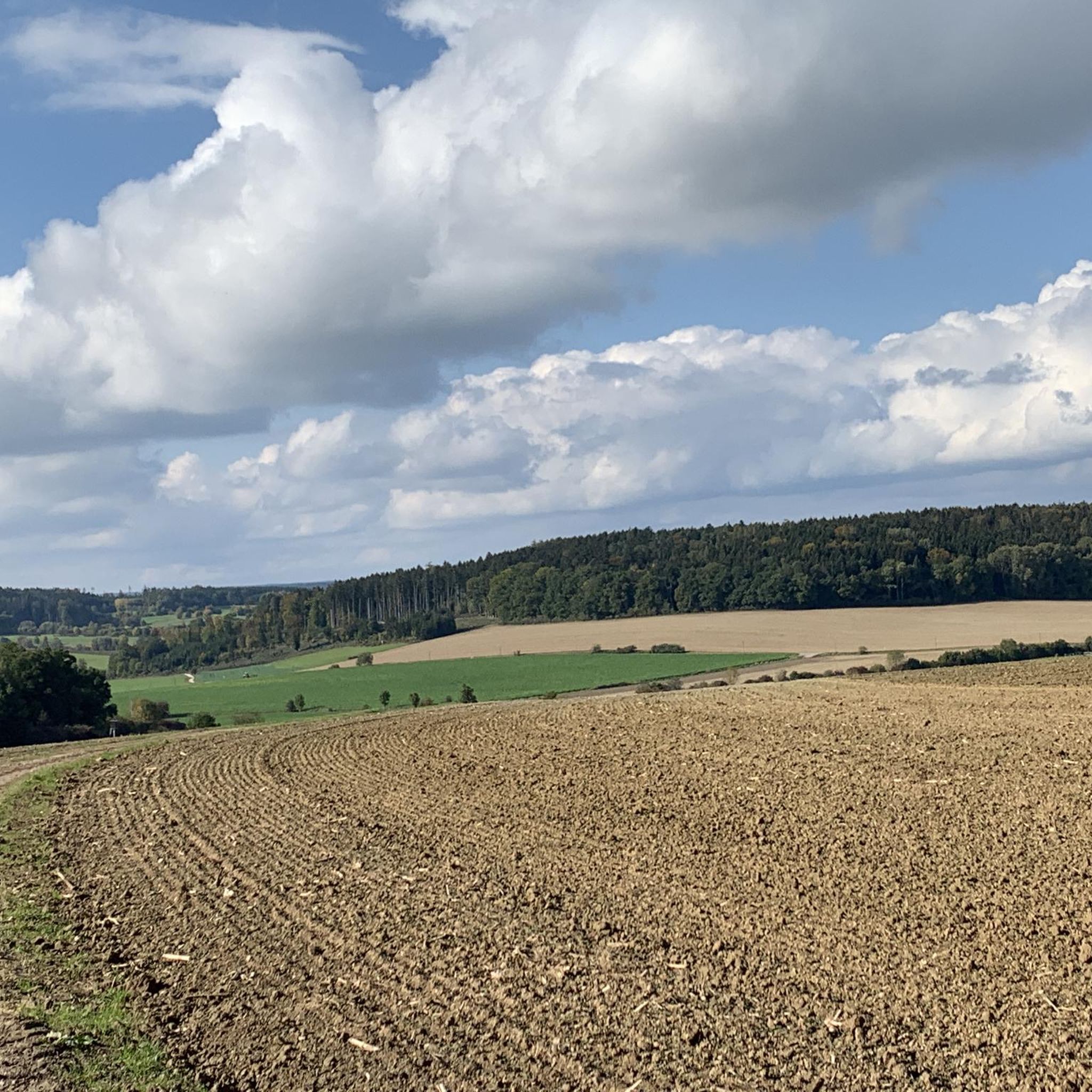
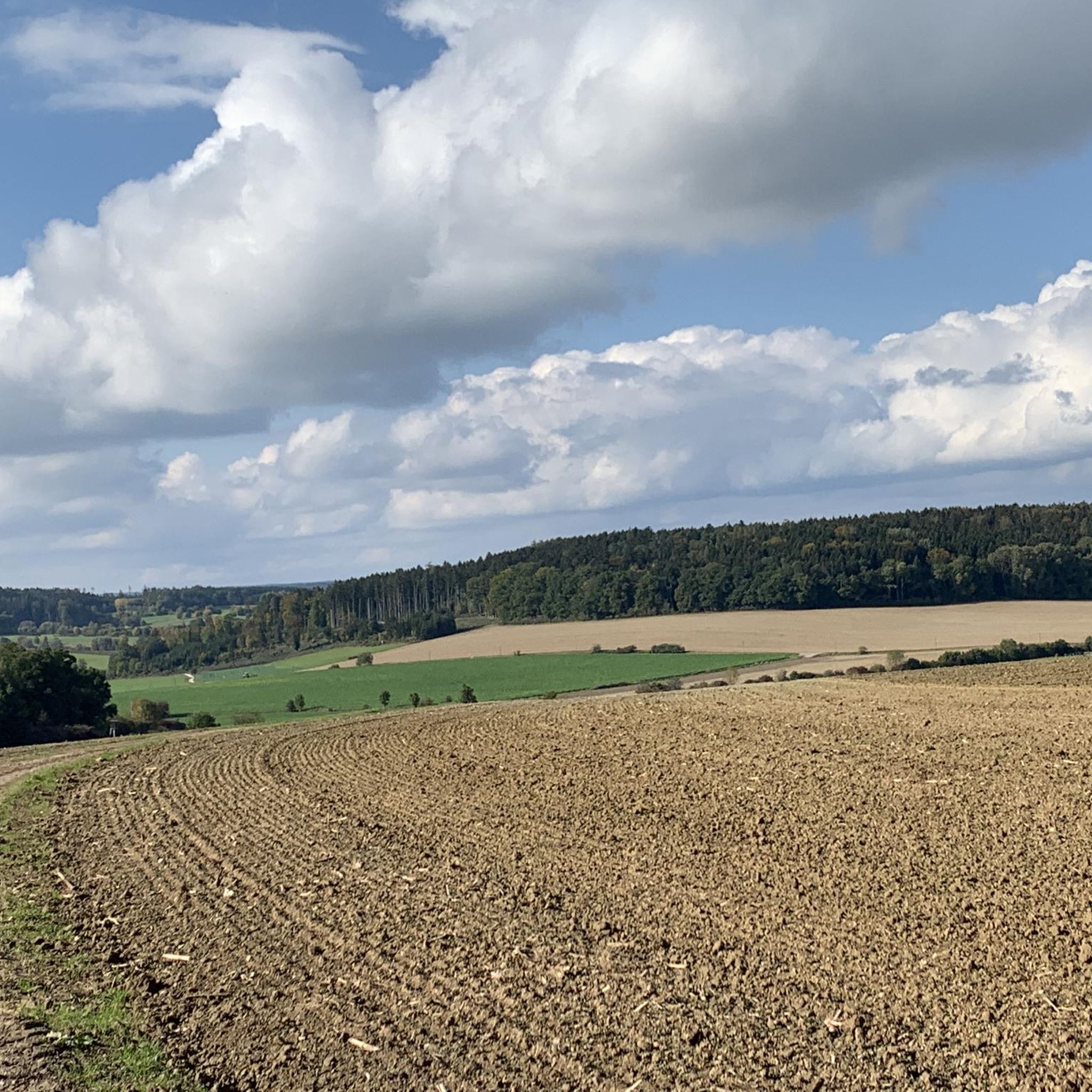
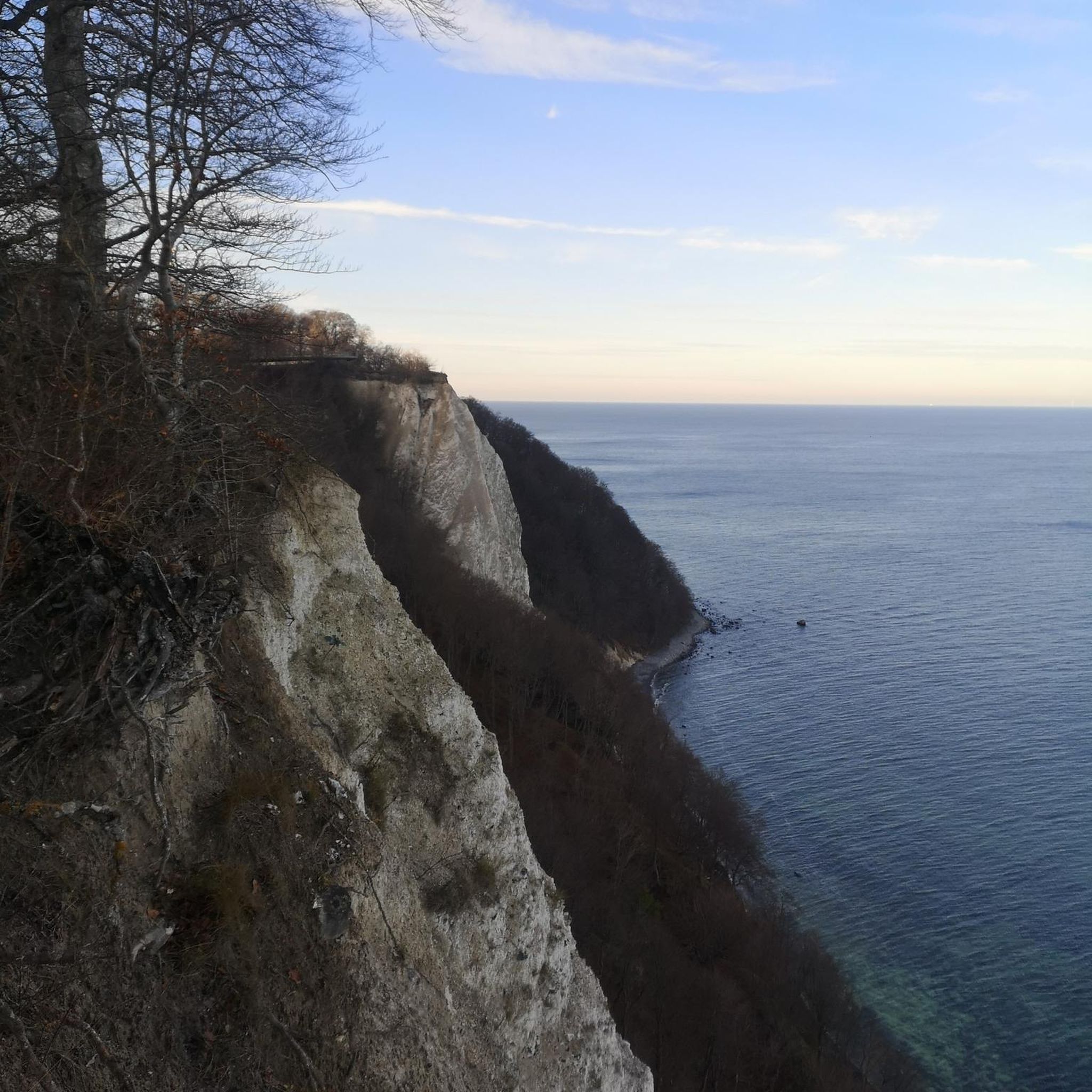
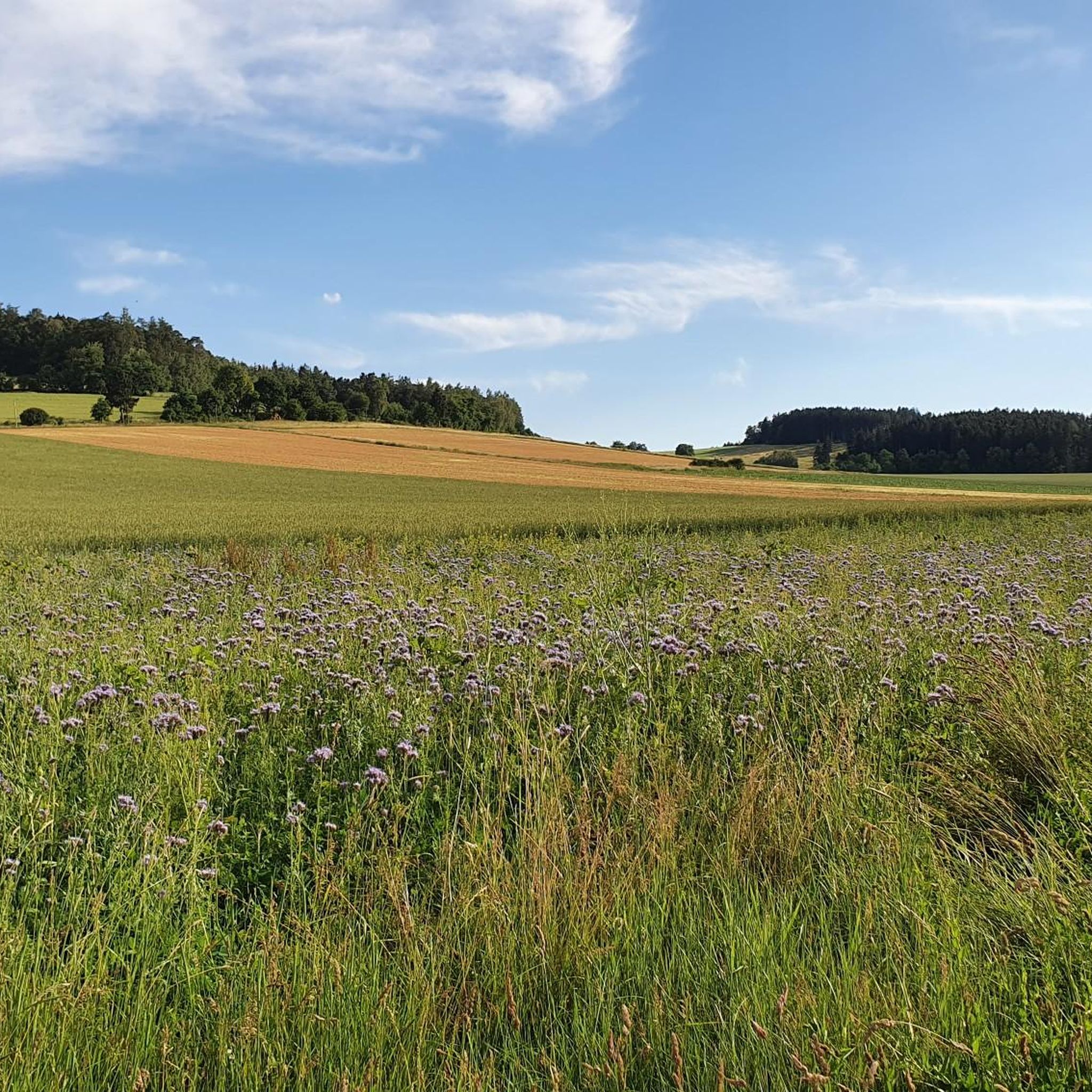
Tips from the Community


Unfortunately the tower was closed
0
0


Abbach Castle Ruins Ahabach Castle was first mentioned in a document on May 6, 973. Abbach Castle is believed to have been the birthplace of Emperor Henry II, but this cannot be proven. On November 1, 1007, Emperor Henry II donated the site to the Bishopric of Bamberg, which he founded. Abbach Castle was taken over by the Wittelsbachs around 1200; at that time, the Wittelsbachs had also succeeded in gaining control of the Danube toll at Abbach. The castle was allegedly destroyed by the Bishop of Bamberg when he handed Abbach over to the Prüfening Monastery. However, Duke Ludwig I had it rebuilt in 1224 and compensated the monastery with Königswiesen near Regensburg and Matting. Subsequently, the Duke significantly expanded his holdings in the Abbach district. In 1297, Abbach was burned down during a feud between the Bavarian Dukes Otto and Stephan and the citizens of Regensburg. Afterwards, the castle, which served only as the steward's residence, was rebuilt on a smaller scale. In 1564, neglect of the surrounding wall and the castle itself was noted. A land register from 1586 contains the following note: The castle has a wide courtyard, in the center of which stands a round tower that has been roofless for many years, as well as a deep well that does not always provide water. The strong surrounding walls have partially collapsed. During the Thirty Years' War, in 1632 and 1634, the citizens of Abbach and the surrounding area fled to the castle and defended it. In 1705, during the War of the Spanish Succession, Abbach surrendered to the Austrians without a fight. Between 1740 and 1745, Abbach was repeatedly sacked as a result of the War of the Austrian Succession. Demolition work on the castle buildings began in 1803; by 1832, almost all buildings except the keep had been removed. In April 1945, the Heinrichsturm (St. Henry's Tower) was hit by bombs because it had housed a German Wehrmacht observation post. The tower, which is now accessed via a steel staircase above the old high entrance, was renovated in the early 1980s. The 27-meter-high late Romanesque tower has a four-and-a-half-meter-thick rubble masonry. Inside the tower are two stacked octagonal chambers with helmet vaults. Remains of the castle's ring wall have also been preserved. Source: Excerpts from www.wikipedia.de
3
3

A hilltop castle stood here, built in 973. Between 1803 and 1832, everything except the keep was demolished.
2
1

Viehhausen is actually inconspicuous, but the monastery is remarkable and the elevation above Alling is also beautiful
0
0
Gebelkofen Castle The moated castle was built as a moated castle by the Lords of Gebelkofen. The castle was first mentioned in 1200. At the end of the 14th century it became the property of the Auer von Brennberg. In 1553 it was purchased by Kaspar Lerchenfelder von Straubing and has been privately owned by the Lerchenfelder family ever since. The castle was damaged in the Thirty Years' War, destroyed in the 17th century and rebuilt in 1750. In 1934 a roof fire damaged the castle. In the 1990s the castle was extensively renovated and now serves as a residential building. The moated castle is a four-winged pond house with three floors, hipped roofs and a rectangular courtyard. The medieval castle chapel of St. Barbara on the ground floor of the north wing dates from 1750. The entrance, consisting of two gate pillars with a gable roof, dates from the 18th century. Source: www.wikipedia.de
2
0
Frequently Asked Questions
What historical castles can I visit near Teugn?
The region around Teugn, particularly the picturesque Altmühltal valley, is home to several notable historical castles. These include Heinrichsturm (keep of Abbach Castle), Abbach Castle Ruins, and Gebelkofen Moated Castle. Further afield in the Altmühltal, you can also explore Prunn Castle, Randeck Castle, and Rosenburg Castle.
Are there any well-preserved castles to explore around Teugn?
Yes, Gebelkofen Moated Castle is a well-preserved historical site, first mentioned in 1200 and extensively renovated. Its reflection in the water offers a wonderful sight. Prunn Castle, located in the Altmühltal, is also considered one of Bavaria's best-preserved feudal castles, offering insights into medieval life.
Which castles offer impressive views of the Altmühltal valley?
Several castles provide stunning panoramic views. Prunn Castle, dramatically perched on a 70-meter high rock, offers excellent views of the Altmühltal Valley and the Altmühl River. Randeck Castle, a picturesque ruin high above the Altmühltal and Essing, also provides wonderful views from its keep. Rosenburg Castle, enthroned on a rock above Riedenburg, is another great spot for scenic vistas.
Can I find castle ruins to explore around Teugn?
Absolutely. The Abbach Castle Ruins are a well-restored historical site where visitors can enjoy views of the surrounding area. Randeck Castle is another significant ruin that tells a story of medieval conflict and offers picturesque views.
Are there family-friendly castles or activities near Teugn?
Yes, Abbach Castle Ruins are noted as family-friendly. Rosenburg Castle is particularly popular with families due to its daily bird of prey flight shows (except Mondays), offering a unique and engaging experience against a historic backdrop.
What unique features do the castles near Teugn offer?
Gebelkofen Moated Castle is unique for its setting as a four-winged pond house, beautifully reflected in the water. Prunn Castle is renowned for being the discovery site of the 'Prunn Codex,' one of the oldest complete manuscripts of the 'Song of the Nibelungs.' Rosenburg Castle stands out for its impressive bird of prey flight demonstrations.
Are there hiking trails that lead to castles around Teugn?
Yes, the region offers varied terrain for outdoor activities, including hiking trails to castles. You can find numerous routes that incorporate historical sites and natural landmarks. For more hiking options, explore the Running Trails around Teugn guide, which includes routes that pass by scenic points and historical areas.
What other outdoor activities can I do near these castles?
Beyond exploring castles, the area around Teugn offers excellent opportunities for cycling. You can find various routes for road cycling and gravel biking. Check out the Road Cycling Routes around Teugn and Gravel biking around Teugn guides for detailed routes.
What is the best time of year to visit the castles near Teugn?
The spring and autumn months are generally ideal for visiting the castles and exploring the surrounding nature. The weather is pleasant for outdoor activities like hiking and cycling, and the landscapes are particularly beautiful with blooming flowers or vibrant fall foliage. Summer is also a good option, but can be warmer.
Is there a castle near Teugn that is wheelchair accessible?
Yes, Offenstetten Castle (Cabrini House) is noted as wheelchair accessible. It currently serves as a facility for children and young people with special educational needs, and its accessibility is a commendable feature.
What do visitors enjoy most about the castles around Teugn?
Visitors appreciate the rich historical insights offered by sites like Heinrichsturm (keep of Abbach Castle) and the well-preserved nature of places like Prunn Castle. The scenic viewpoints from castle ruins such as Abbach Castle Ruins are also highly valued, as are unique experiences like the bird of prey shows at Rosenburg Castle.
Are there any religious buildings or former monasteries with castle connections nearby?
Yes, the Poor Clares Monastery Viehhausen is a former castle that was converted into a monastery in 1852. It has a rich history, having changed hands multiple times and undergoing significant transformations from a lowland castle to a Baroque-style building and then a monastery.
Most popular attractions around Teugn

Get inspired with the komoot mobile app


Explore more
Looking for the best castles somewhere else? Discover other guides around Teugn:
