Top 4 Caves around Böbing
Caves around Böbing feature a mix of natural sandstone formations and historically significant sites. The region is characterized by its natural landscape, including the Ammer river and its gorges. These geological features have been utilized by people throughout history, offering insights into local heritage. The area provides opportunities to explore natural rock shelters and man-made structures.
Best caves around Böbing
- The most popular caves is Sulzer Tunnel, a cave and historical site that serves as an entrance to a…
Last updated: April 28, 2026
Schleierfälle
Highlight • Waterfall
Translated by Google •
Tip by

Lourdes Grotto, Peiting
Highlight • Religious Site
Translated by Google •
Tip by

Sign up now to discover places like this
Get recommendations on the best single tracks, peaks, & plenty of other exciting outdoor places.
Sign up for free
Entrance to the Ammer Gorge Cave
Highlight • Cave
Translated by Google •
Tip by

Schnalzhöhlen (Stone Chambers)
Highlight • Cave
Translated by Google •
Tip by

Sulzer Tunnel
Highlight • Cave
Translated by Google •
Tip by
Start today with a free account
Your next adventure awaits.
Login or Signup

Other adventures around Böbing

Tips from the Community


Walkable cave with sinter decorations. Bring a flashlight. Walkable for about 20 meters.
1
0
In the walk-in cave you can discover sintered jewelry. You can go about 20 meters inside. Take a flashlight with you.
0
0

Natural path. A little sure-footedness doesn't hurt.
0
0

Nice waterfall, very close to the caves 👍🏼🤩 https://de.m.wikipedia.org/wiki/Schleierf%C3%A4lle_(Ammerschlucht)
6
0

Nice idea, but the one in Lourdes is a bit bigger;)
6
0

Nice rest area with information board at the Sulzer tunnel
1
0

I preferred to look at the caves from below. My husband took photos in the cave.
0
1
Frequently Asked Questions
What kind of caves can I expect to find around Böbing?
The caves around Böbing are primarily natural sandstone formations and historical sites. You'll find geological features like the Schnalzhöhlen (Stone Chambers), which are natural rock shelters formed by erosion, and historical tunnels such as the Sulzer Tunnel. There are also unique spots like the Lourdes Grotto, Peiting, a man-made religious monument.
Are the caves around Böbing suitable for families or beginners?
Many of the natural cave formations, such as the Schnalzhöhlen (Stone Chambers), are not maintained or secured for public access. The paths leading to them can be rugged, requiring surefootedness and a head for heights. While some sites like the Lourdes Grotto, Peiting are accessible after a climb, visitors should be prepared for natural, undeveloped terrain rather than typical tourist attractions.
What is the historical significance of the caves in the Böbing area?
The natural sandstone formations, particularly the Schnalzhöhlen (Stone Chambers), have historical importance. They are believed to have served as hiding places for locals during times of hardship and were also used for extracting glass sand. The Sulzer Tunnel is another historical site, marking the entrance to an old gallery.
What kind of geological features can I observe in the caves near Böbing?
The region is known for its fascinating sandstone formations, largely a result of natural weathering processes. At the Schnalzhöhlen (Stone Chambers), you can see how erosion has shaped the rock into unique 'stone parlors'. The Entrance to the Ammer Gorge Cave also features sinter decorations inside, offering a glimpse into geological formations.
What should I wear or bring when exploring the caves around Böbing?
Given the undeveloped nature of many sites, suitable footwear is essential, especially as paths can become muddy, particularly after rain. For exploring walk-in caves like the Entrance to the Ammer Gorge Cave, a flashlight is recommended to see the sinter decorations. Be prepared for rugged terrain and potential rockfalls, especially around the Schnalzhöhlen.
Are there any waterfalls or other natural monuments near the caves?
Yes, the Schleierfälle (Veil Falls) are a beautiful natural monument. Directly under the overhanging waterfall, you can find the entrance to the Schleierwasserfallhöhle. While access to the falls is officially blocked, it's a charming natural spot that requires surefootedness if you choose to visit.
What outdoor activities can I combine with a visit to the caves?
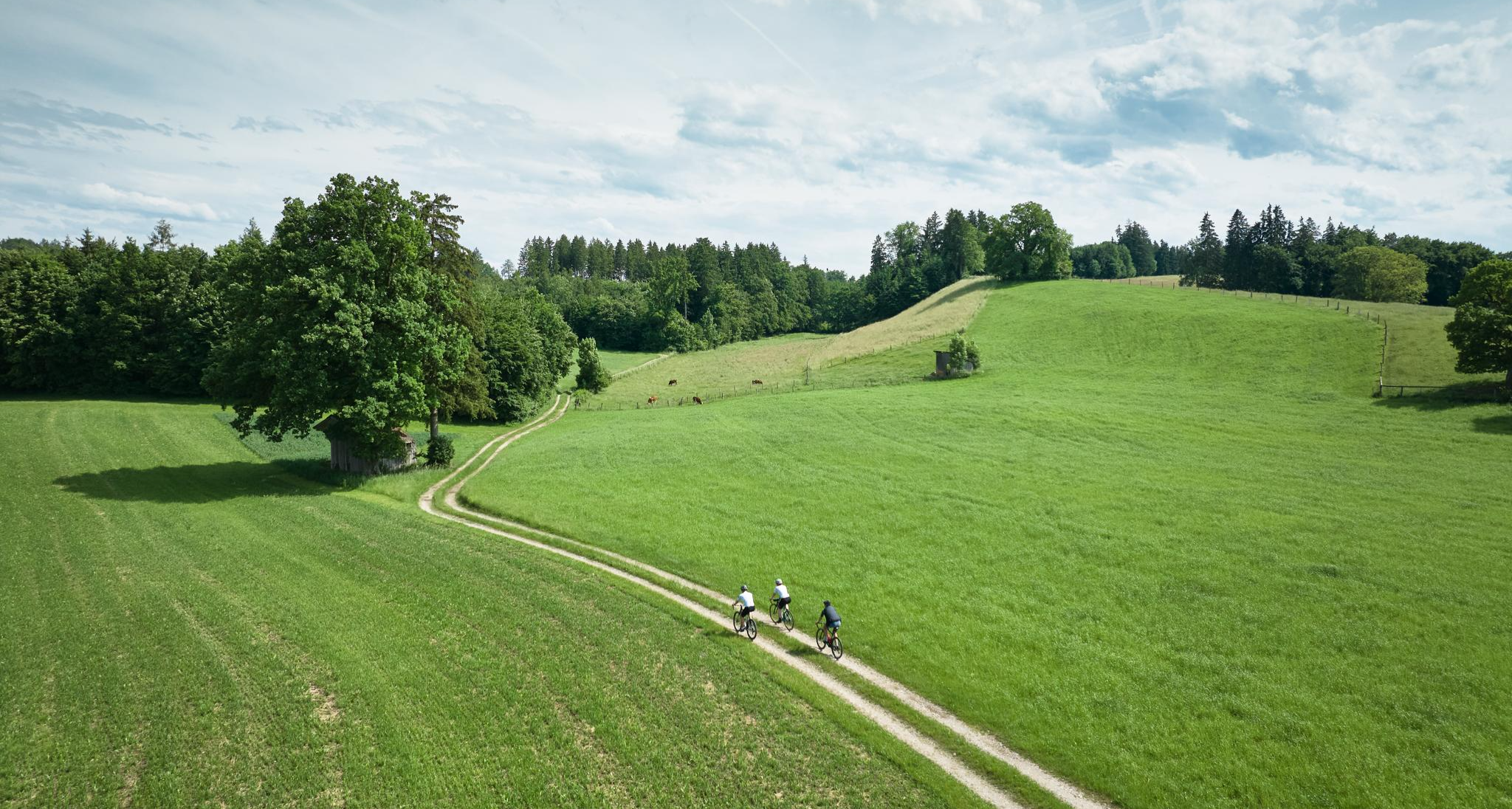
The Böbing area offers various outdoor activities. You can find numerous mountain hikes, such as the 'Schnalz – Schnalz Höhle - Teufelsküche loop from Ramsau' which passes near the Schnalzhöhlen. For cycling enthusiasts, there are options for gravel biking and road cycling routes around Böbing, allowing you to explore the wider natural landscape.
What is the best season to visit the caves around Böbing?
While specific opening hours are not applicable for these natural, undeveloped sites, visiting during drier seasons might be preferable. Paths can become muddy during rainy days, especially around the Ammer Gorge Cave, making suitable footwear even more critical. Always check local weather conditions before your visit.
How long does it typically take to visit the caves near Böbing?
The duration of your visit will vary depending on the specific cave and your exploration style. For walk-in caves like the Entrance to the Ammer Gorge Cave, you can explore about 20 meters inside. For natural formations like the Schnalzhöhlen (Stone Chambers), the experience is more about the journey to and around the formations, which can be part of a longer hike. Plan for the time it takes to navigate rugged trails.
Are there any specific safety considerations for exploring the Schnalzhöhlen?
Yes, the Schnalzhöhlen (Stone Chambers) are not secured, and there can be a risk of collapse in some areas. The path leading to them is described as an unmaintained and unsecured 'almost alpine' trail, requiring surefootedness and a head for heights. Be aware of potential falling hazards and rockfalls, and exercise extreme caution.
What do visitors enjoy most about the caves and natural sites in Böbing?
Visitors appreciate the untouched nature and the unique geological formations. The historical context of sites like the Schnalzhöhlen (Stone Chambers), which served as refuges, adds a fascinating dimension. The adventurous, rugged experience of exploring these natural areas, often combined with hiking, is also highly valued by the komoot community.
Can I find any religious or cultural sites related to caves in the area?
Yes, the Lourdes Grotto, Peiting is a significant man-made monument. After a climb, visitors can reach this grotto where a depiction of the Virgin Mary of Lourdes is venerated. It offers a cultural and spiritual experience distinct from the natural cave formations.
Most popular routes around Böbing
Most popular attractions around Böbing

Get inspired with the komoot mobile app


Explore more
Extend your search for the best caves by checking out these guides of the top ones around Böbing:
