Top 4 Lakes around Ramhusen
Lakes around Ramhusen are primarily found in the surrounding Dithmarschen district of Schleswig-Holstein, Germany. This area is characterized by diverse natural and artificial water bodies, including significant nature reserves. The region offers a variety of lake environments, from large protected areas to smaller park ponds and fishing spots. These water bodies contribute to the area's ecological diversity and provide opportunities for nature observation and outdoor activities.
Best lakes around Ramhusen
- The most popular lakes is Observation platform and view of…
Last updated: June 26, 2026
Kudensee Nature Reserve
Highlight • Lake
Translated by Google •
Tip by

Observation platform and view of Kudensee Nature Reserve
Highlight • Viewpoint
Translated by Google •
Tip by

Sign up now to discover places like this
Get recommendations on the best single tracks, peaks, & plenty of other exciting outdoor places.
Sign up for free
SAV Biet-an Fishing Area
Highlight • Lake
The members of the SAV "Biet-an" e.V. have a clear goal:
They are committed to the cultivation and care of the waters, so that later generations can live in …
Translated by Google •
Tip by

Stadtpark Pond
Highlight • Lake
Translated by Google •
Tip by

Brake Lake
Highlight • Lake
Translated by Google •
Tip by

Start today with a free account
Your next adventure awaits.
Login or Signup
Tips from the Community

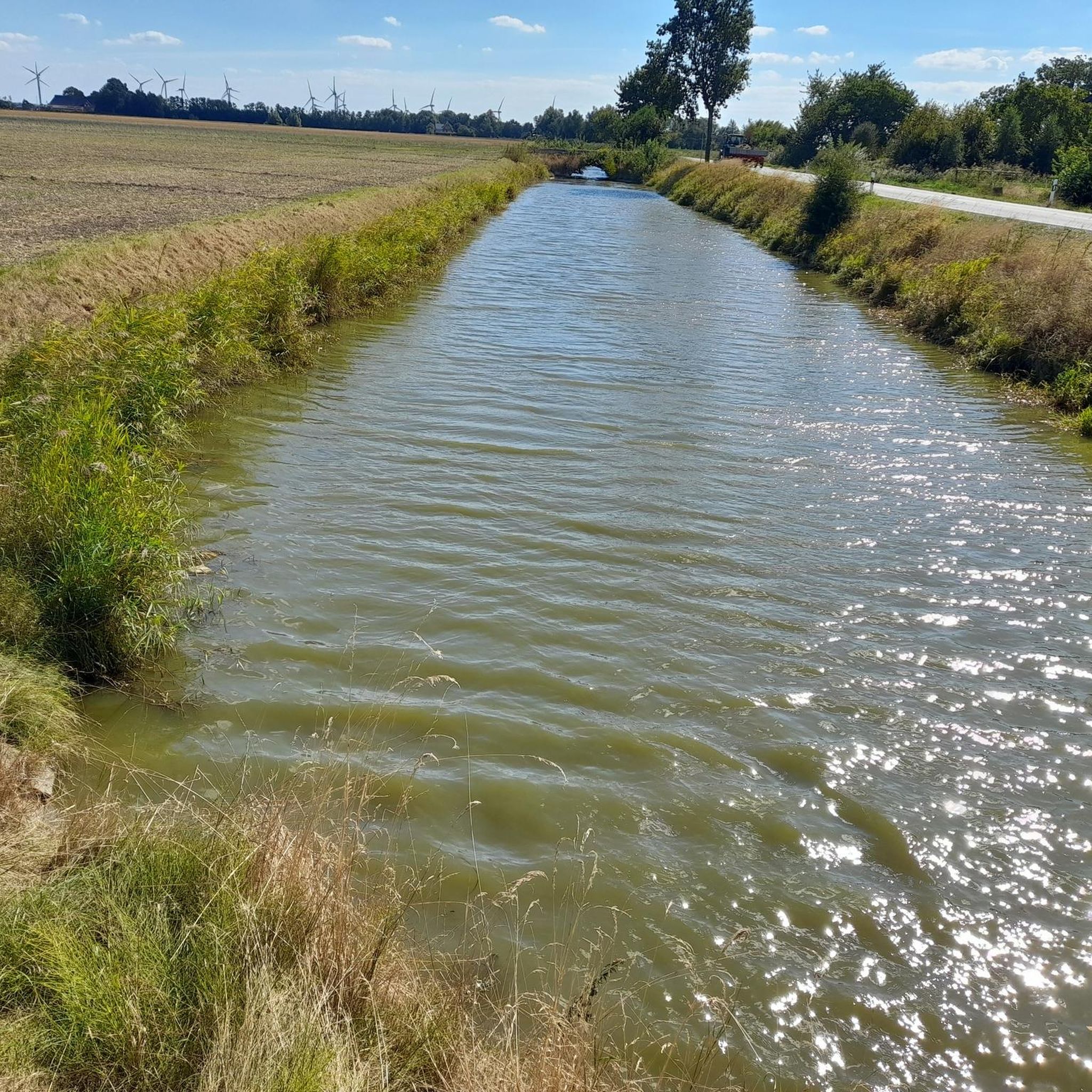
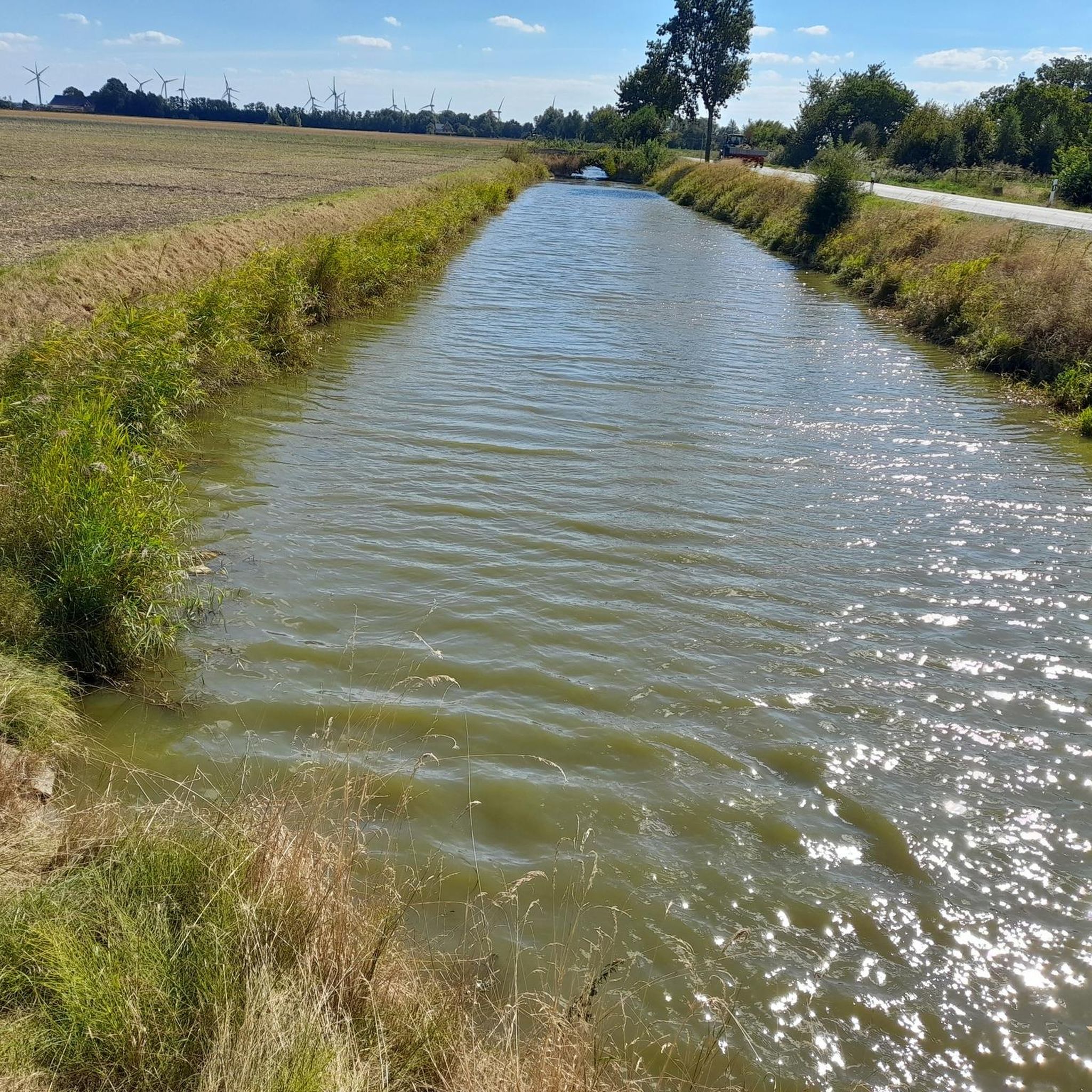
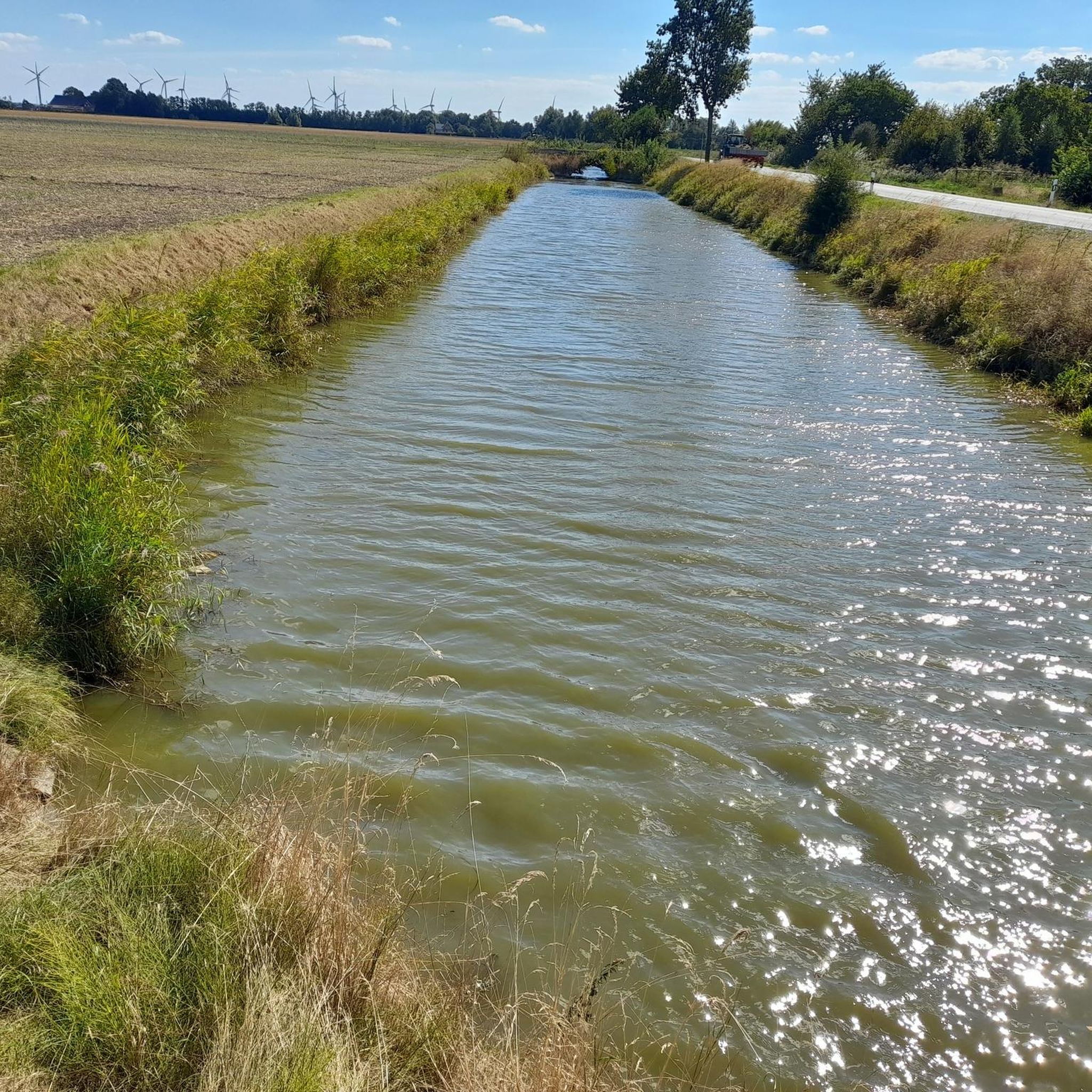
Kudensee is a municipality in the Steinburg district in Schleswig-Holstein, and also the name of the largest lake in the Dithmarschen district. The Kudensee, with an area of 38.9 hectares, has been a nature reserve since 1935 and has been expanded to 172 hectares since 1992. The lake is the last shallow-water lake in the Elbe marshes and an important European bird sanctuary. It provides a habitat for numerous bird species, including the rare bittern, and serves as a resting place for many migratory birds. The Kudensee is characterized by its extensive reed beds, remnants of marsh forest and willow bushes. The bottom of the lake consists of both soft mud and hard sand. Due to its shallow depth of a maximum of 1.2 meters, the lake has an almost uniform temperature and oxygen distribution, except when the ice is closed, which can be unfavorable for the fish. The fish species living in the lake include bream, white bream, roach, perch, ruffe, eel, pike and zander.
0
0

A small park in the city. With a piece of forest, a pond, benches and a large meadow, which becomes a festival area for a weekend in the summer for the city park festival.
2
0

Since nature is still in order very quiet to relax.
1
0

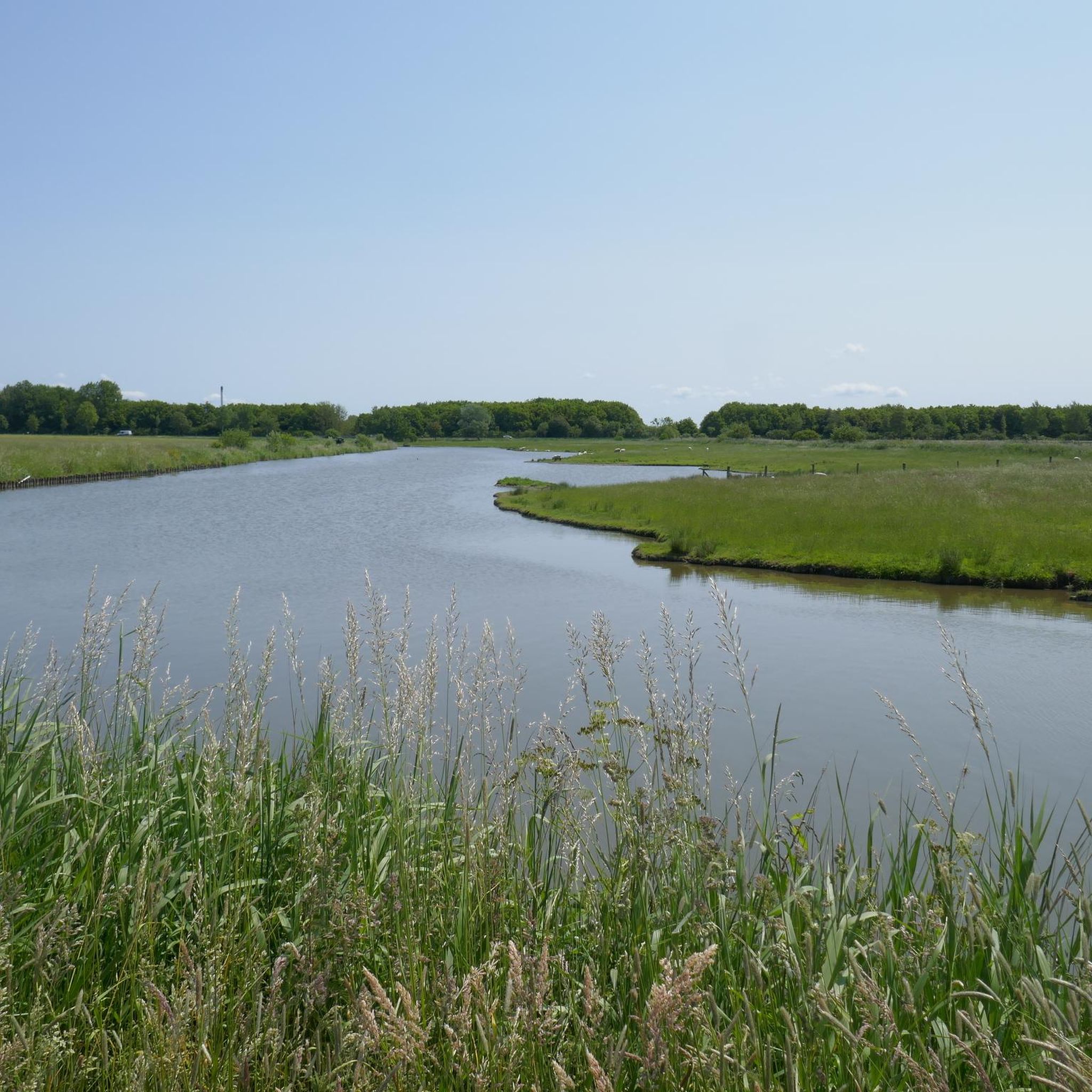
The Kudensee is the last surviving Dithmarscher See, which was once formed from sea bays. Today the Kudensee has a water area of around 40 hectares and is home to a large number of different marsh and water birds.
3
0

beautiful vantage point over the kudensee
1
0

The path is only recommended in dry weather. The view of the landscape and the Kudensee is great. Since this place cannot be reached by car, it is correspondingly quiet and peaceful here. There is a bench to sit on and enjoy nature.
2
0

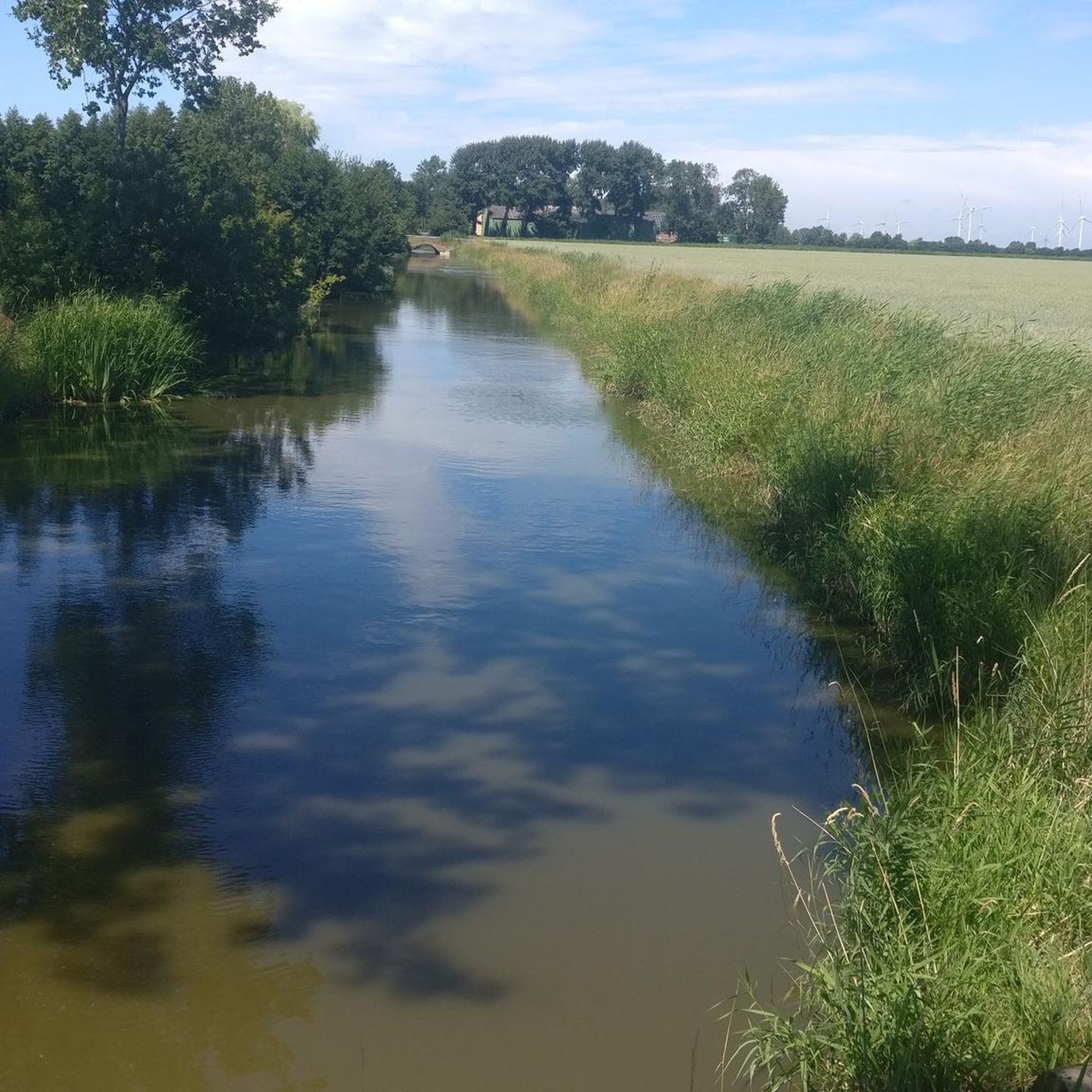
Lake Brake is one of the lakes in Schleswig-Holstein and is located near Germany's deepest point of land near Kudensee on the Kiel Canal. The Brake is a flat lake in the marshland in the Wilstermarsch. This lake was created in 1721 during the New Years Flood, a severe storm surge. It had unbridled access over a wide area, but only four years earlier the heavy Christmas flood of 1717 had destroyed the dikes in many places and claimed thousands of deaths. As a result, the impoverished and, since starving, people were not able to do more than just makeshift repairs by hand. In addition, this flood was about 30 centimeters higher than the previous Christmas flood. Even if the storm wasn't as strong as that of 1717, it lasted a lot longer. It will have gone into land for some time before the water from the surroundings, which is below sea level, ran off again. We are talking about weeks and months here. This further tragedy was the origin of the Brake, the small shallow lake that remained when the water withdrew. Today the Brake belongs to a unique and diverse biotope with a footpath, information board and a small viewing platform. From here you can look over the tall bank plants to the Kiel Canal. Source: https://weites.land/brake-seen-in-schleswig-holstein/
1
1

Frequently Asked Questions
What types of lakes can I explore near Ramhusen?
Near Ramhusen, you can explore a variety of natural water bodies, including significant nature reserve lakes like Kudensee Nature Reserve, smaller park ponds such as Stadtpark Pond, and dedicated fishing areas like SAV Biet-an Fishing Area. The region features both saltwater-fed ecosystems, like the Kronenloch Nature Reserve, and freshwater biotopes, such as the Wöhrdener Loch Nature Reserve.
Are there good places for birdwatching around the lakes?
Yes, the region is excellent for birdwatching. The Kudensee Nature Reserve is a European bird sanctuary, home to a variety of marsh and water birds. The Kronenloch Nature Reserve also offers diverse birdlife. The Wöhrdener Loch Nature Reserve is a vital habitat for numerous bird species, serving as a crucial breeding, feeding, and resting place, especially for migratory birds in autumn and spring.
What is the largest lake in the Dithmarschen district?
The largest lake in the Dithmarschen district is the Kudensee Nature Reserve, covering approximately 40 hectares. It is recognized for its ecological importance and diverse birdlife.
Are there any lakes with historical significance near Ramhusen?
Yes, Brake Lake has historical significance. It was created in 1721 during the New Year's Flood, a severe storm surge that breached dikes. Today, it's a unique biotope with a footpath and a small viewing platform.
Can I find hiking trails near the lakes around Ramhusen?
Absolutely. The Wöhrdener Loch Nature Reserve is ideal for hiking, offering scenic paths and views. You can also find various hiking opportunities in the broader area. For more options, explore the hiking routes around Ramhusen.
Are there cycling opportunities around the lakes?
Yes, the Kronenloch Nature Reserve features beautifully landscaped paths perfect for cycling. The Wöhrdener Loch Nature Reserve also offers good conditions for biking. You can discover more cycling routes in the area by visiting the cycling guide for Ramhusen.
Are the lakes around Ramhusen suitable for families?
Many lakes in the area are family-friendly. Kudensee Nature Reserve, Stadtpark Pond, and Brake Lake are all noted as family-friendly. The Kronenloch and Wöhrdener Loch Nature Reserves offer opportunities for nature observation and gentle walks suitable for all ages.
Where can I find lookout points or viewpoints of the lakes?
You can find excellent lookout points at Kudensee and Surrounding Nature Reserve, which features lookout towers offering views of Lake Kuddelack and the NSG Kudensee. Brake Lake also has a small viewing platform.
What is the best time to visit the lakes for nature observation?
For birdwatching, autumn and spring are particularly rewarding, as thousands of migratory birds and winter guests, including barnacle geese, stop at places like the Wöhrdener Loch Nature Reserve. Generally, spring and summer offer pleasant weather for exploring the natural surroundings and enjoying outdoor activities.
Are there any lakes where I can go fishing?
Yes, the SAV Biet-an Fishing Area is a dedicated spot for fishing, managed by a club committed to the cultivation and care of the waters.
What makes the Kronenloch Nature Reserve unique?
The Kronenloch Nature Reserve is unique because its water body is fed by saltwater from the North Sea, creating a dynamic environment. It features a circulating channel that distributes the seawater and is an excellent spot for observing diverse birdlife and enjoying cycling paths.
What kind of wildlife can I expect to see at Wöhrdener Loch Nature Reserve?
The Wöhrdener Loch Nature Reserve is a vital habitat for various bird species, including meadow breeders like skylarks, redshanks, and lapwings. During migration seasons, you can see thousands of migratory birds. The landscape is also maintained by grazing Konik horses and Galloways, which you might encounter.
Most popular attractions around Ramhusen

Get inspired with the komoot mobile app


Explore more
Still not found your perfect lake around Ramhusen? Check out the guides of these regions to see even more beautiful places.
