Top 14 Caves around Durlangen
Caves around Durlangen are situated in the Ostalbkreis district, part of the Swabian Alb region, which is known for its diverse subterranean formations. This area features natural caves, archaeological sites, and former mine tunnels. The landscape offers various opportunities for exploring these unique geological environments. Durlangen serves as a starting point for discovering the region's subterranean world.
Best caves around Durlangen
- The most popular caves is Hollow Stone Cave and Waterfall, Alfdorf, a cave that is semicircular, with a…
Last updated: June 26, 2026
Schiller Grotto
Highlight • Cave
Translated by Google •
Tip by

Hollow Stone Cave and Waterfall, Alfdorf
Highlight • Cave
Mühlebach - Hohler SteinMühlebach - Hohler Stein
The "Hasenrundweg" leads south of Alfdorf through gorges and blades on both sides of the Mühlebachs. The tour …
Translated by Google •
Tip by

Sign up now to discover places like this
Get recommendations on the best single tracks, peaks, & plenty of other exciting outdoor places.
Sign up for free
Hasenpfad Trail
Highlight (Segment) • Trail
Translated by Google •
Tip by

Hohler Stein Cave
Highlight • Cave
Translated by Google •
Tip by

Rest Area Near Schillergrotte
Highlight • Rest Area
Translated by Google •
Tip by

Sign up for free to discover even more caves around Durlangen.
Sign up for free
Already have an account?
Start today with a free account
Your next adventure awaits.
Login or Signup
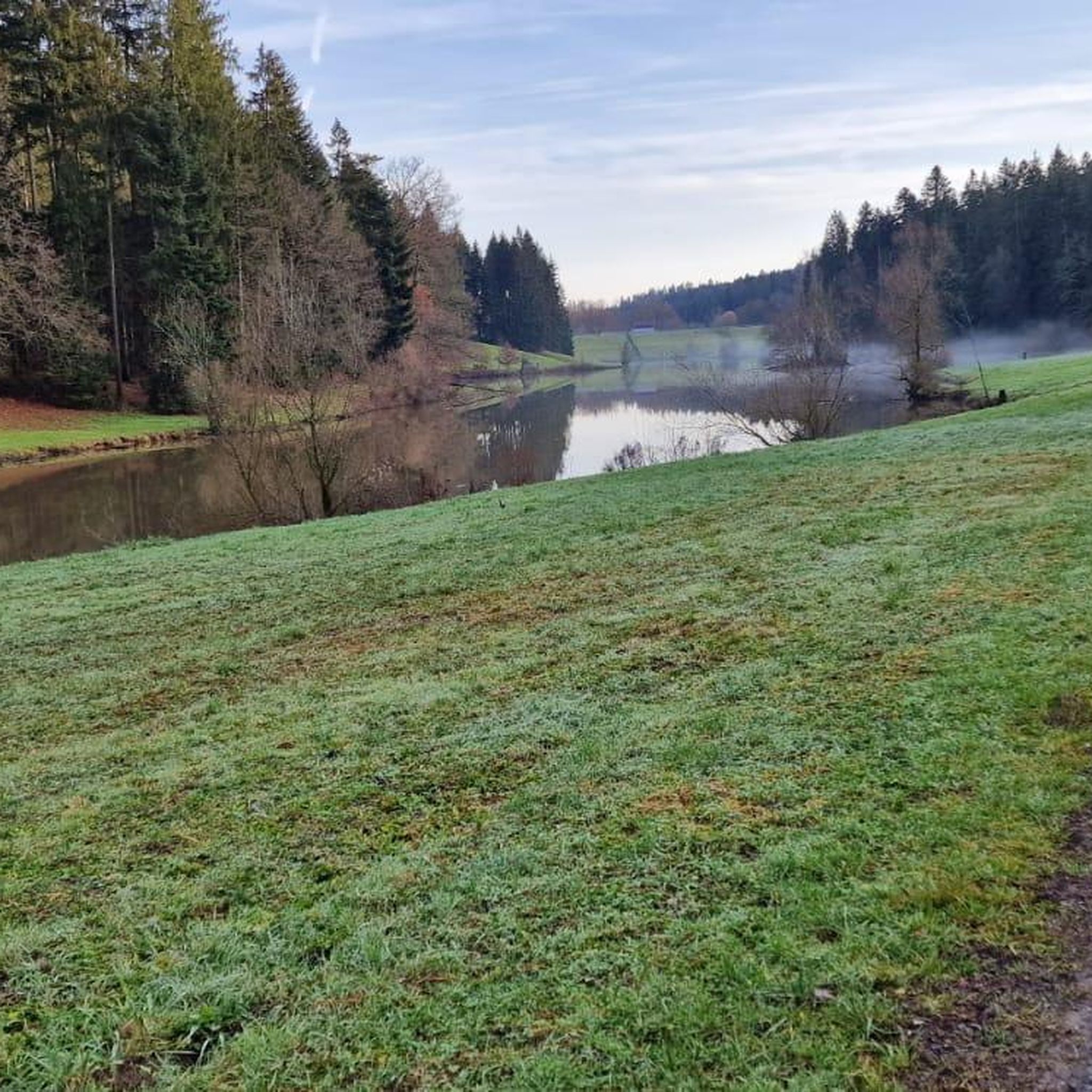
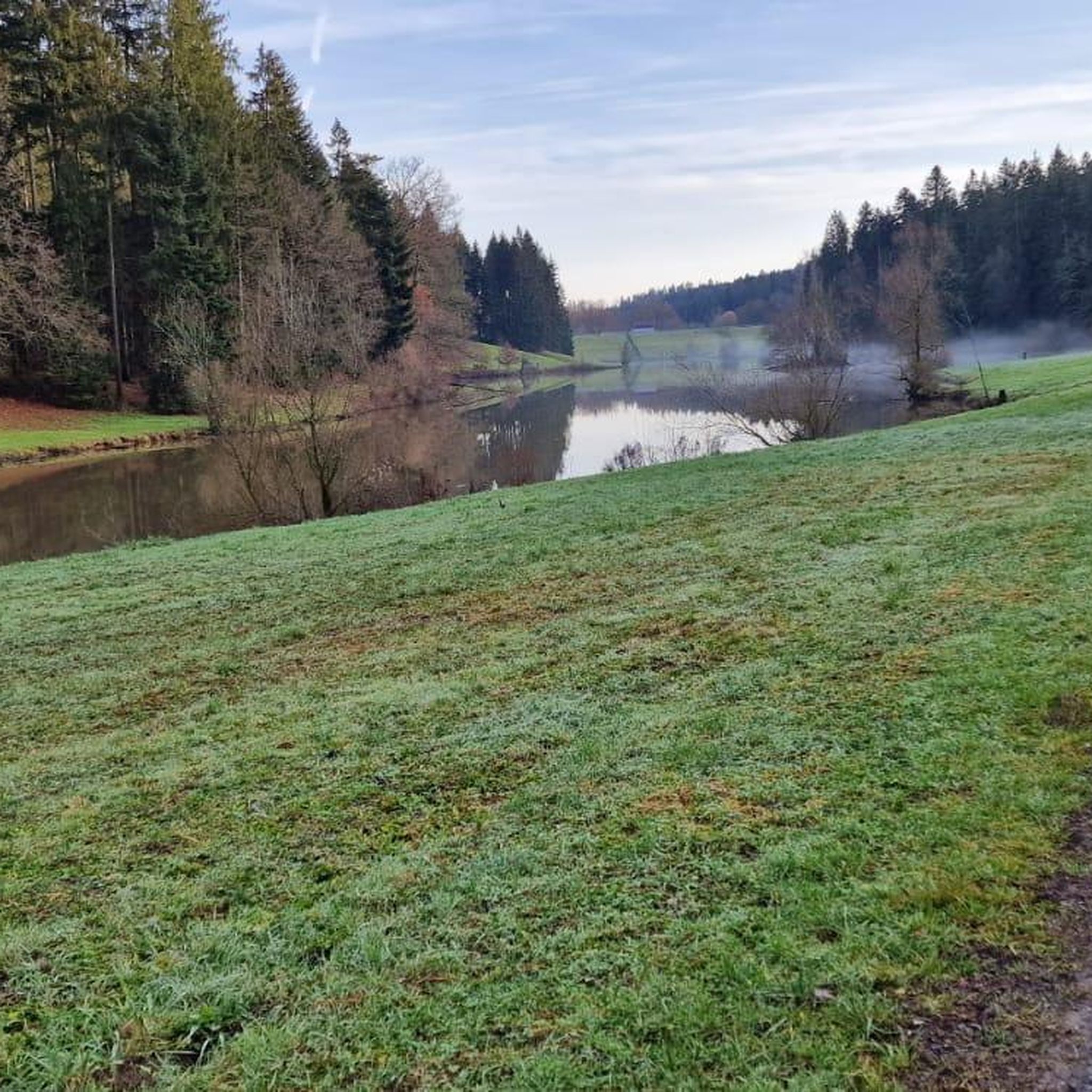
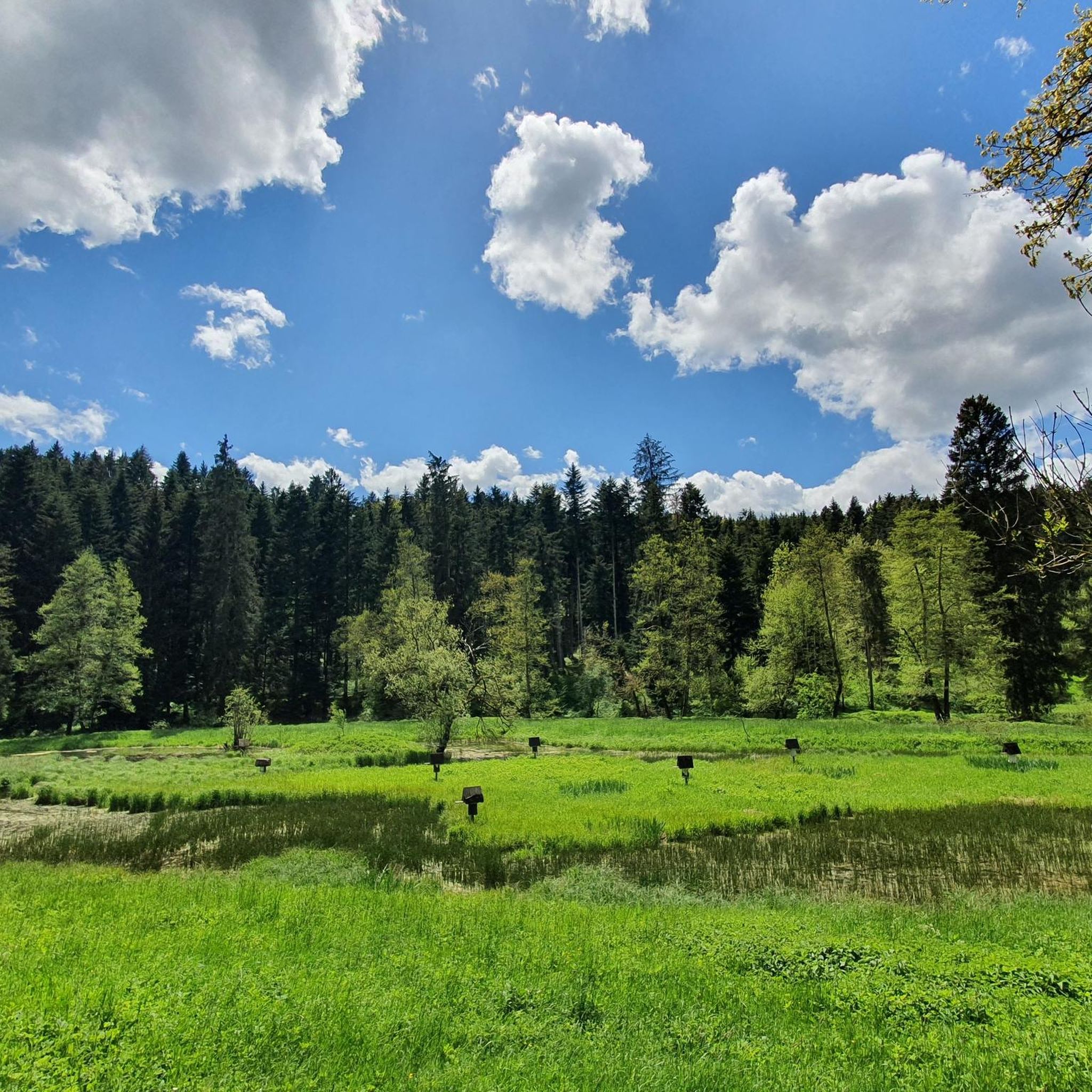
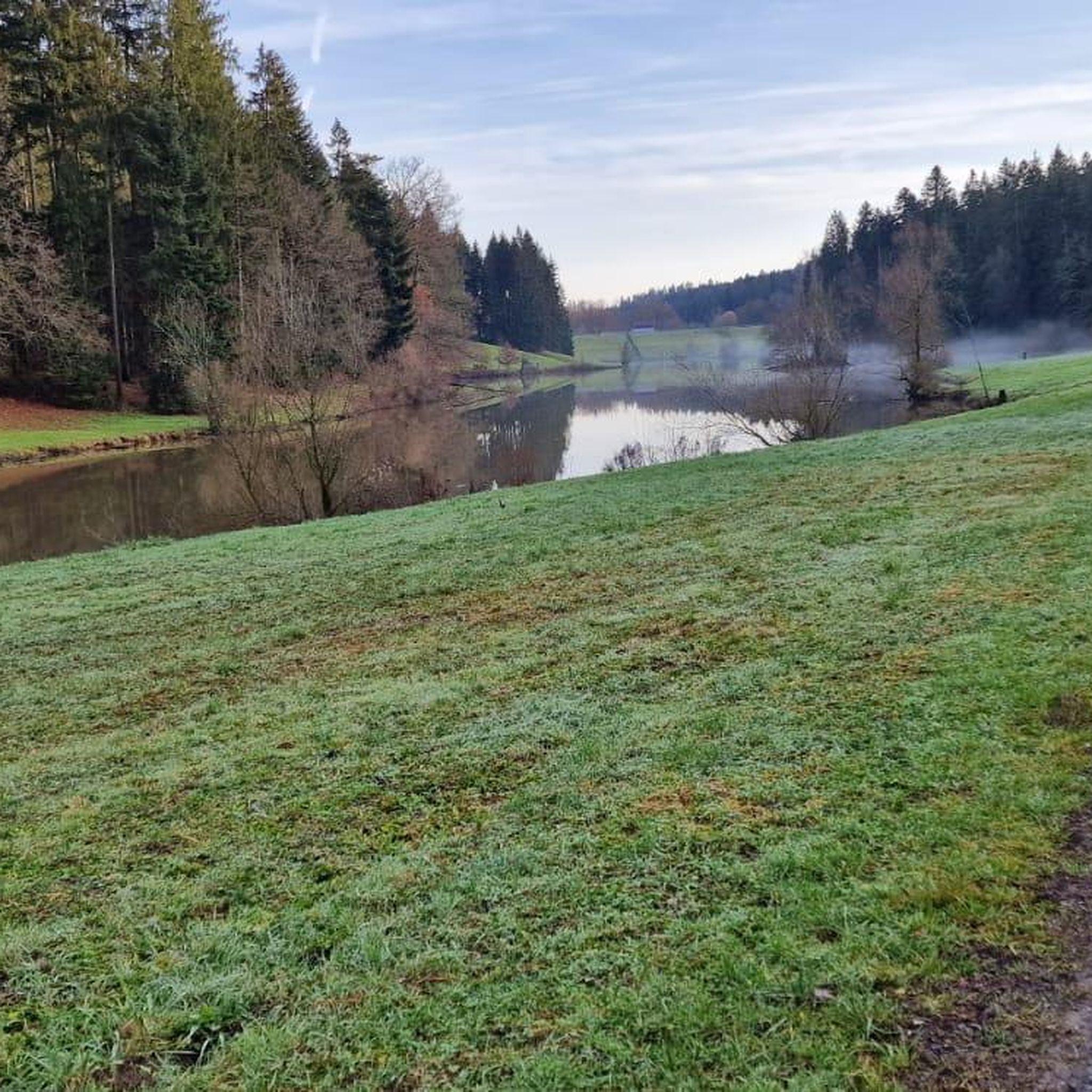
Tips from the Community

It is well-intentioned, but I would approach it with caution after a heavy rain...
0
0

Nice excursion destination but a bit muddy.
0
0

Nice rest area on the way
1
0

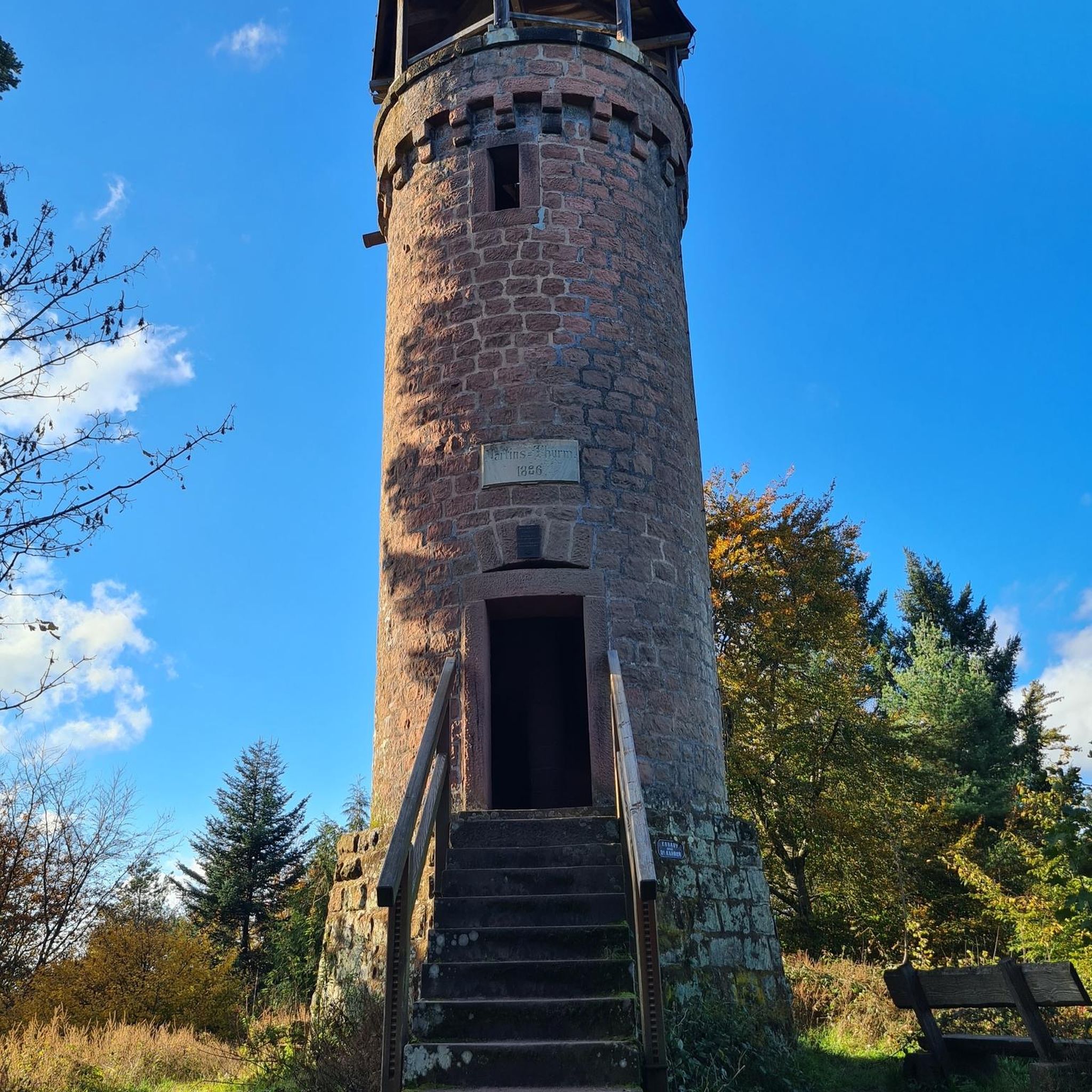
The rest area could use a little love, but it serves its purpose... You can find out more about the Schiller Grotto in our video https://youtu.be/lZmrPv_SpwY?si=vaDJhlXP9oIIc2TC
0
0

One of the very few benches
1
0
Great, varied path with always new challenges
1
0


Frequently Asked Questions
What types of caves can I explore around Durlangen?
The region around Durlangen, part of the Swabian Alb, offers a variety of subterranean formations. You can find natural caves, archaeological sites, and even former mine tunnels. This includes freely accessible grottoes like the Schiller Grotto and larger show caves further afield that may require guided tours.
Are there any easily accessible caves for casual visitors?
Yes, many of the over 40 caves on the Rosenstein, near Heubach, are freely accessible during the summer. The Hollow Stone Cave and Waterfall, Alfdorf, is also a popular and impressive natural formation that is part of the Hasenrundweg.
Which caves are suitable for families with children?
The Hollow Stone Cave and Waterfall, Alfdorf, located on the Hasenrundweg, is highly recommended for families due to its varied paths and grottos. The Dreieingangshöhle on the Rosenstein is also popular with children. Additionally, the Schelmenklinge Water Features near Lorch, while not a traditional cave, offers an engaging trail with water feature models, making it a rewarding destination for families.
What historical or archaeological significance do the caves in this region hold?
Several caves in the area have historical importance. Archaeological finds from the Bronze Age and Middle Ages have been discovered in the 'Das Haus' cave near Große Scheuer on the Rosenstein. The Dreieingangshöhle also shows evidence of visits from people during the Stone Age and Bronze Age. Further afield, the Karls- und Bärenhöhle, discovered in 1834, revealed human and animal bones and ancient jewelry.
Are there any show caves in the wider Swabian Alb region?
Yes, the Swabian Alb is home to several notable show caves. These include the Nebelhöhle, known for its stalactites, and the Karls- und Bärenhöhle, which offers guided tours and impressive formations. The Tiefenhöhle in Laichingen is unique as Germany's only vertical show cave, and the Charlottenhöhle near Giengen-Hürben is one of the longest in the region.
What are the best times to visit the caves around Durlangen?
Many of the natural caves, particularly those on the Rosenstein, are freely accessible during the summer months. However, some caves like the Falkenhöhle and Karls- und Bärenhöhle close from November to March for bat protection. Visiting during warmer months generally offers better access and conditions for exploring.
What kind of natural features can I expect to see in these caves?
You can expect to see diverse geological formations. For instance, the Hollow Stone Cave and Waterfall, Alfdorf, is a semicircular cave where a stream erodes underlying sandstone, creating an impressive waterfall. The Schiller Grotto is a horseshoe-shaped canyon end with beech and fir trees, known for being cool in summer. Show caves like Nebelhöhle and Karls- und Bärenhöhle feature fantastic stalactites and stalagmites.
Are there hiking trails associated with these caves?
Absolutely. The Hollow Stone Cave and Waterfall, Alfdorf, is located along the 'Hasenrundweg', a highly recommended circular route. The Hasenpfad Trail itself features a grotto with a water inlet and offers a varied forest experience. The Große Scheuer cave on the Rosenstein is directly on the Albsteig hiking trail.
What outdoor activities can I do near the caves around Durlangen?
Beyond exploring caves, the Durlangen area offers various outdoor activities. You can find numerous cycling routes, including those for touring bicycles and gravel biking. For example, the Lein Cycle Path offers moderate routes. There are also many running trails, such as the 'Great Oak in Durlangen' loop.
What should I wear when exploring caves in this region?
For natural caves, especially those with uneven or wet terrain like Hollow Stone Pfahlbronn, good, sturdy shoes are essential as paths can be slippery. If you plan to explore beyond the entrance of caves like the Falkenhöhle, be prepared for muddy conditions and potentially needing to crawl, so wear appropriate clothing that you don't mind getting dirty.
Are dogs allowed in the caves around Durlangen?
While many natural outdoor areas and trails are dog-friendly, specific policies for caves can vary. Freely accessible natural caves might allow dogs, but show caves like Karls- und Bärenhöhle or Nebelhöhle often have restrictions, especially due to guided tours or bat protection. It's best to check with individual cave operators for their specific dog policies before visiting.
Are there any caves that are particularly cool in summer?
Yes, the Schiller Grotto is noted for its natural beauty and cool temperatures, making it a pleasant spot to visit during warmer months.
Most popular routes around Durlangen
Most popular attractions around Durlangen

Get inspired with the komoot mobile app


Explore more
Extend your search for the best caves by checking out these guides of the top ones around Durlangen:
