Top 10 Caves around Heimsheim
Best caves around Heimsheim offer insights into the region's geological features. Heimsheim is situated in a landscape characterized by natural formations, including various natural monuments. The area provides opportunities to explore different types of underground features and rock formations. These sites contribute to the local natural landscape, offering points of interest for visitors.
Best caves around Heimsheim
- The most popular caves is Hauerlöcher Cliff, a natural monument that features partially natural and partially man-made formations. It offers a rest…
Last updated: October 13, 2026
Hauerlöcher Cliff
Highlight • Natural Monument
Showing Translation
Tip by

Sternried Cave
Highlight • Cave
Translated by Google •
Tip by

Sign up now to discover places like this
Get recommendations on the best single tracks, peaks, & plenty of other exciting outdoor places.
Beutelstein (Mondloch) — Sandstone cave with bench
Highlight • Cave
Translated by Google •
Tip by

Käfersteige Mine Entrance
Highlight • Structure
Translated by Google •
Tip by
Raspberry Cave
Highlight • Cave
You don't see much.
Translated by Google •
Tip by
Sign up for free to discover even more caves around Heimsheim.
Already have an account?
Start today with a free account
Your next adventure awaits.
Tips from the Community

Old video of the "mine"! https://youtu.be/0HAQ8IZwJjA
1
1

Promisingly, it's advertised with a large sign. Sorry, but a cave doesn't look like much. Perhaps a fox could live in here. But it's not really an attraction. Access would have to be cleared first.
9
0

The cave is accessible via a hiking trail and has a small access hole. For those who aren't experienced cavers and have the appropriate equipment, there's a beautiful rock formation at the entrance.
8
1
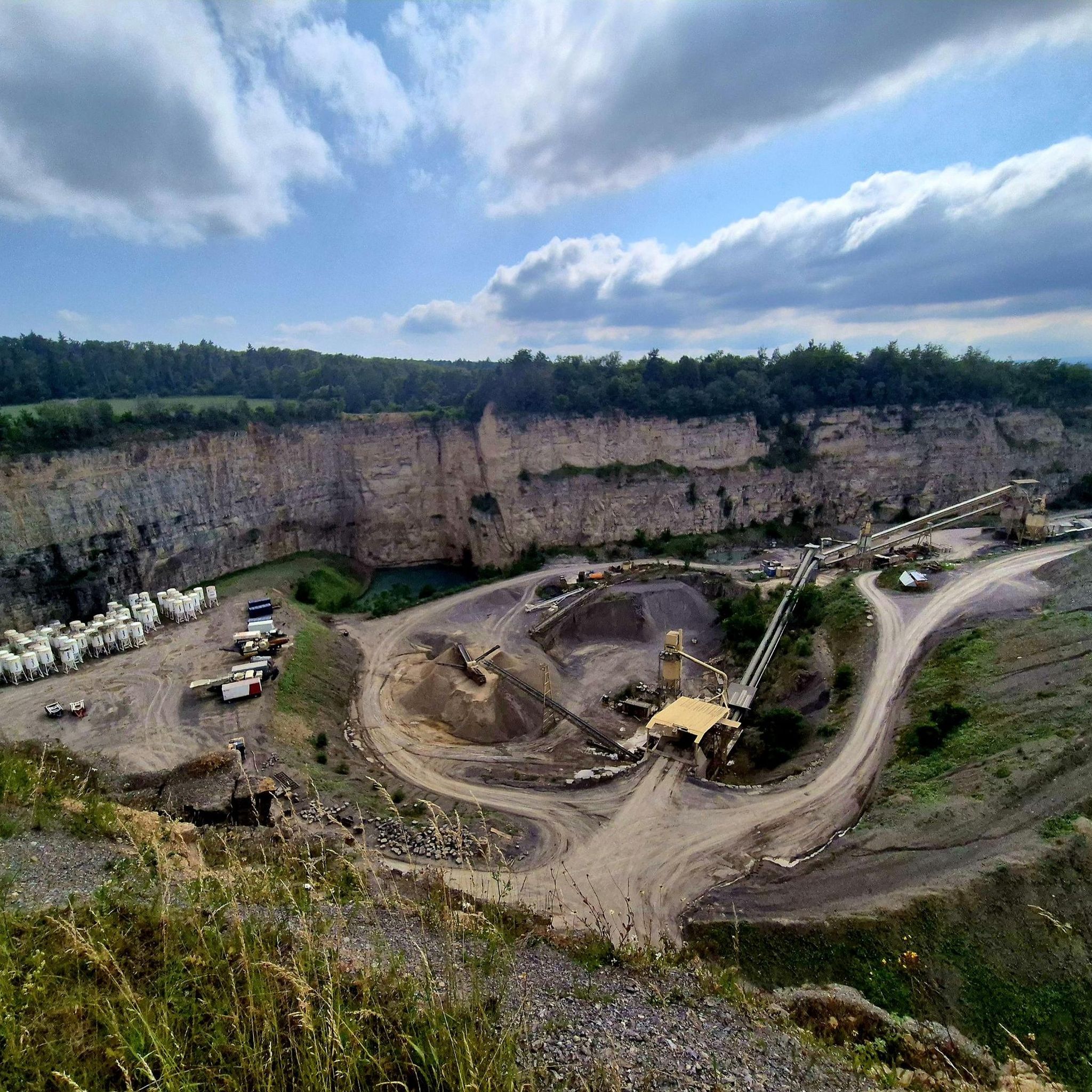
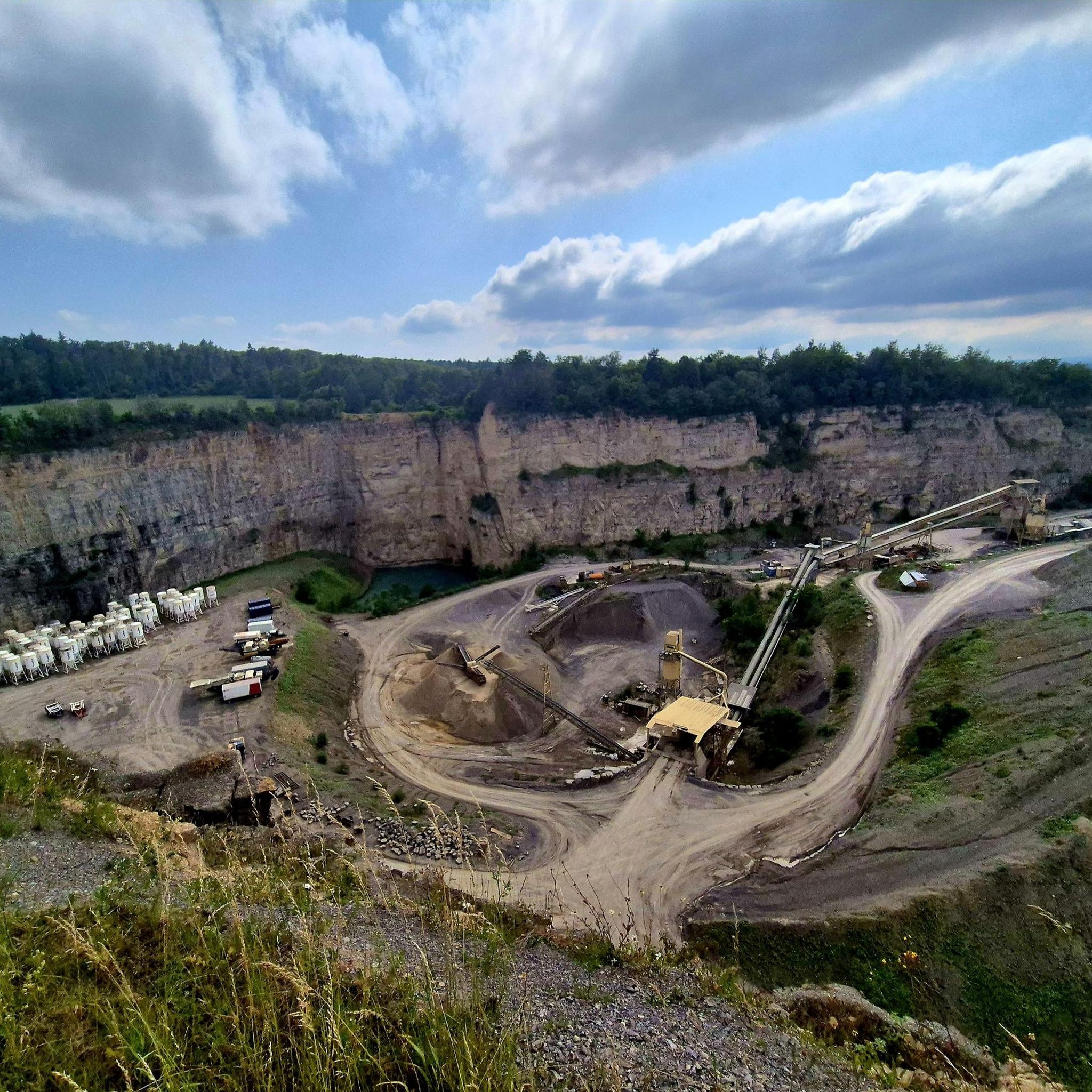
Fluorite and barite were mined at the Käfersteige mine until 1997. The Käfersteige area is believed to contain the largest fluorite deposit in Europe. The former tracks that led into the tunnel can still be seen at the former Käfersteige tunnel entrance. The video-monitored access to the tunnel is closed and cannot be entered.
7
0
A small, somewhat inconspicuous cave that requires a few meters of descent from the forest path. Not necessarily spectacular, but a nice change of pace with a bit of climbing.
6
0
It's hard to believe. It's almost on the road, but not visible from it. A grotto-like sandstone rock formation with a central bench.
7
0

From the outside, only small holes are visible; the entrances have largely been covered with leaves and earth over the centuries. The air currents from the interior of the cave, however, suggest that an extensive cave system lies behind it. The cave is the second largest around Bad Liebenzell, after the Walzquelle spring.
1
0

The Beutelstein is located directly at the bottom of the Nagold valley near Bad Liebenzell. The top layer of the Bunter sandstone extends to the valley floor here. The basement rock of gneiss and granite is located beneath the Bunter sandstone. The Nagold has not dug deep enough near Bad Liebenzell to expose the basement rock. However, south of Bad Liebenzell there is a place where the Forbach granite is exposed on a road embankment. The boundary between granite and Bunter sandstone is therefore somewhat higher there than directly near Bad Liebenzell.
7
0
Frequently Asked Questions
What types of caves and rock formations can I explore around Heimsheim?
The Heimsheim area features a mix of natural caves, sandstone formations, and historical man-made underground features. You can find grotto-like sandstone formations like Beutelstein (Mondloch), and partially natural, partially man-made formations such as Hauerlöcher Cliff. There are also smaller, natural caves like Sternried Cave and historical mine entrances like Käfersteige Mine Entrance.
Are there any family-friendly caves or rock formations suitable for kids?
Yes, Hauerlöcher Cliff is considered family-friendly and offers a rest area. The Raspberry Cave, while small and inconspicuous, can also be a fun, short adventure for families with a bit of climbing involved.
What historical significance do the caves around Heimsheim hold?
The Käfersteige Mine Entrance is a significant historical site. Fluorite and barite were mined there until 1997, and the area is believed to contain one of Europe's largest fluorite deposits. While the tunnel entrance is closed, you can still see the former tracks.
Can I go hiking to reach these caves?
Many of the caves and formations are accessible via hiking trails. For example, Sternried Cave is reached by a hiking path, offering a beautiful rock formation at its entrance. The region around Heimsheim also features scenic gorges like the Wolfsschlucht Gorge and Monbachtal Gorge, which are popular for hiking.
What kind of views can I expect from the cave locations?
Some locations offer scenic views. From Hauerlöcher Cliff, you get a good view of the Hauerhöhlen. Beutelstein (Mondloch), a sandstone cave with a bench inside, provides a view over Liebenzell and its castle.
Are there any less crowded or 'hidden' caves to discover?
The Raspberry Cave is described as a small, somewhat inconspicuous cave that is easy to miss and requires a short descent from the forest path, making it a quieter spot for exploration.
What other outdoor activities are available near the caves around Heimsheim?
Beyond exploring the caves, the Heimsheim region offers various cycling opportunities. You can find numerous routes for cycling, road cycling, and gravel biking, with guides available for different difficulty levels.
What should I know before visiting Sternried Cave?
Sternried Cave is a natural cave accessible via a hiking trail. It features a small access hole, and while the interior might be challenging for inexperienced cavers, the rock formation at the entrance is a beautiful sight.
Is there a place to rest or take a break near the caves?
Yes, Hauerlöcher Cliff offers a dedicated rest area with seating. Additionally, Beutelstein (Mondloch) features a unique grotto-like sandstone formation with a bench inside, perfect for a short break.
Are the caves around Heimsheim large show caves with guided tours?
The caves around Heimsheim are generally smaller natural formations, rock shelters, or historical mine entrances, rather than large, commercially developed show caves. They are more suited for self-exploration and discovery as part of a hike, and specific guided tours are not typically offered for these particular sites.
What do visitors appreciate most about the caves and formations in Heimsheim?
Visitors often appreciate the unique geological features, the opportunities for quiet exploration, and the natural beauty of the rock formations. The presence of rest areas and benches at some sites, like Hauerlöcher Cliff and Beutelstein (Mondloch), is also valued for providing comfortable spots to enjoy the surroundings.
Most popular routes around Heimsheim
Most popular attractions around Heimsheim

Get inspired with the komoot mobile app


Explore more
Extend your search for the best caves by checking out these guides of the top ones around Heimsheim:
