Top 5 Castles around Au am Rhein
Castles around Au am Rhein offer a glimpse into the region's rich history and architectural heritage. Located near the Rhine River, the area features a mix of historical sites and well-preserved structures. These castles are often set within natural landscapes, providing opportunities for exploration and historical insight. The region's flat terrain near the Rhine transitions to slightly more varied landscapes further inland, where some of these historical fortifications are situated.
Best castles around Au am Rhein
- The most popular castles…
Last updated: July 10, 2026
Rastatt Palace
Highlight • Castle
Translated by Google •
Tip by

Scheibenhardt Castle and Estate with Avenue
Highlight • Castle
I know Mr. Bader's first restaurant in Rüppur. His cuisine is recommended. Here upscale gastronomy.
das-plattenhardt.de
Translated by Google •
Tip by

Sign up now to discover places like this
Get recommendations on the best single tracks, peaks, & plenty of other exciting outdoor places.
Sign up for free
Rastatt Castle and Garden
Highlight • Natural Monument
Translated by Google •
Tip by

Affelderle Motte
Highlight • Historical Site
Translated by Google •
Tip by
Casemates of Bastion 27 – Ludwigsfeste
Highlight • Historical Site
Translated by Google •
Tip by

Sign up for free to discover even more castles around Au am Rhein.
Sign up for free
Already have an account?
Start today with a free account
Your next adventure awaits.
Login or Signup
Tips from the Community

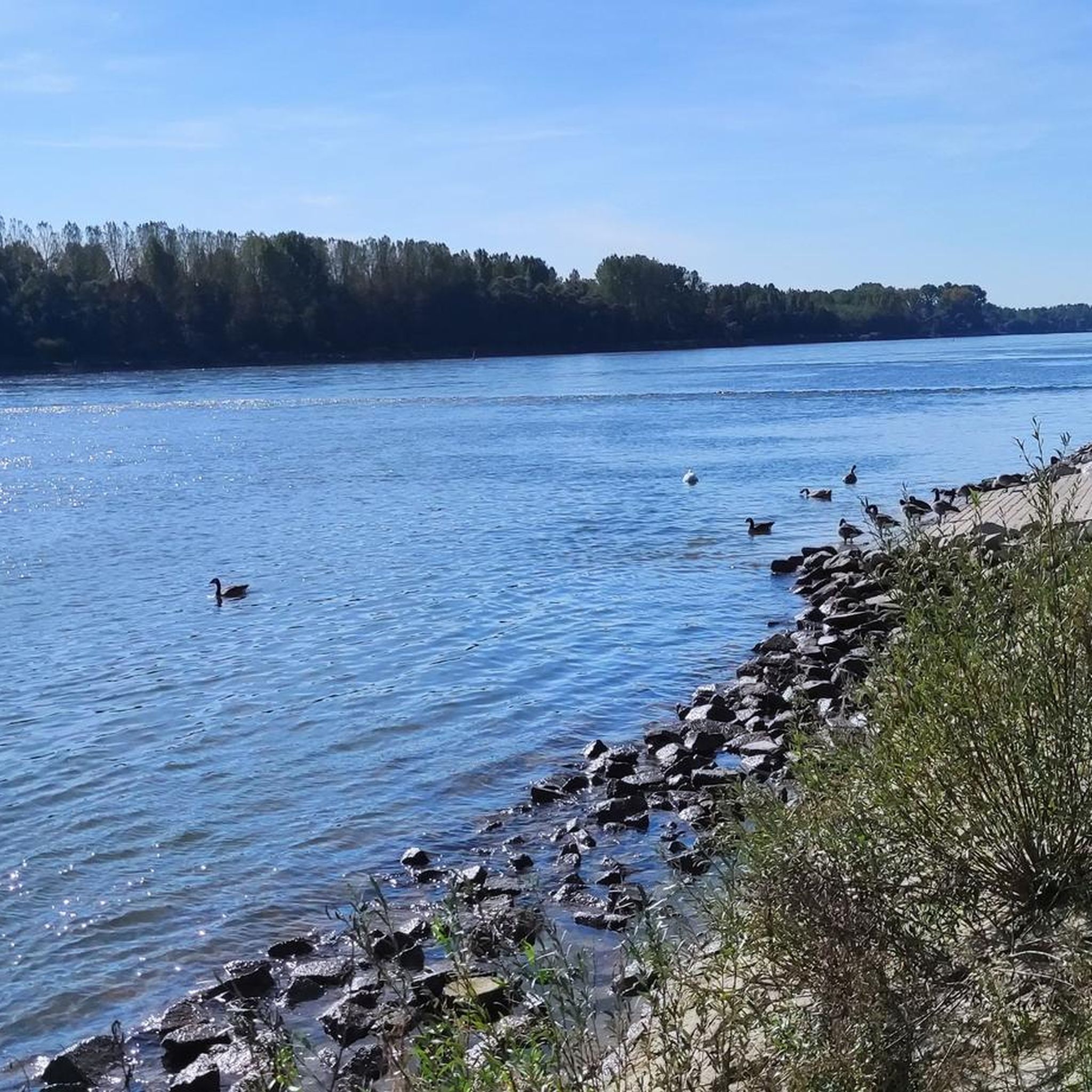
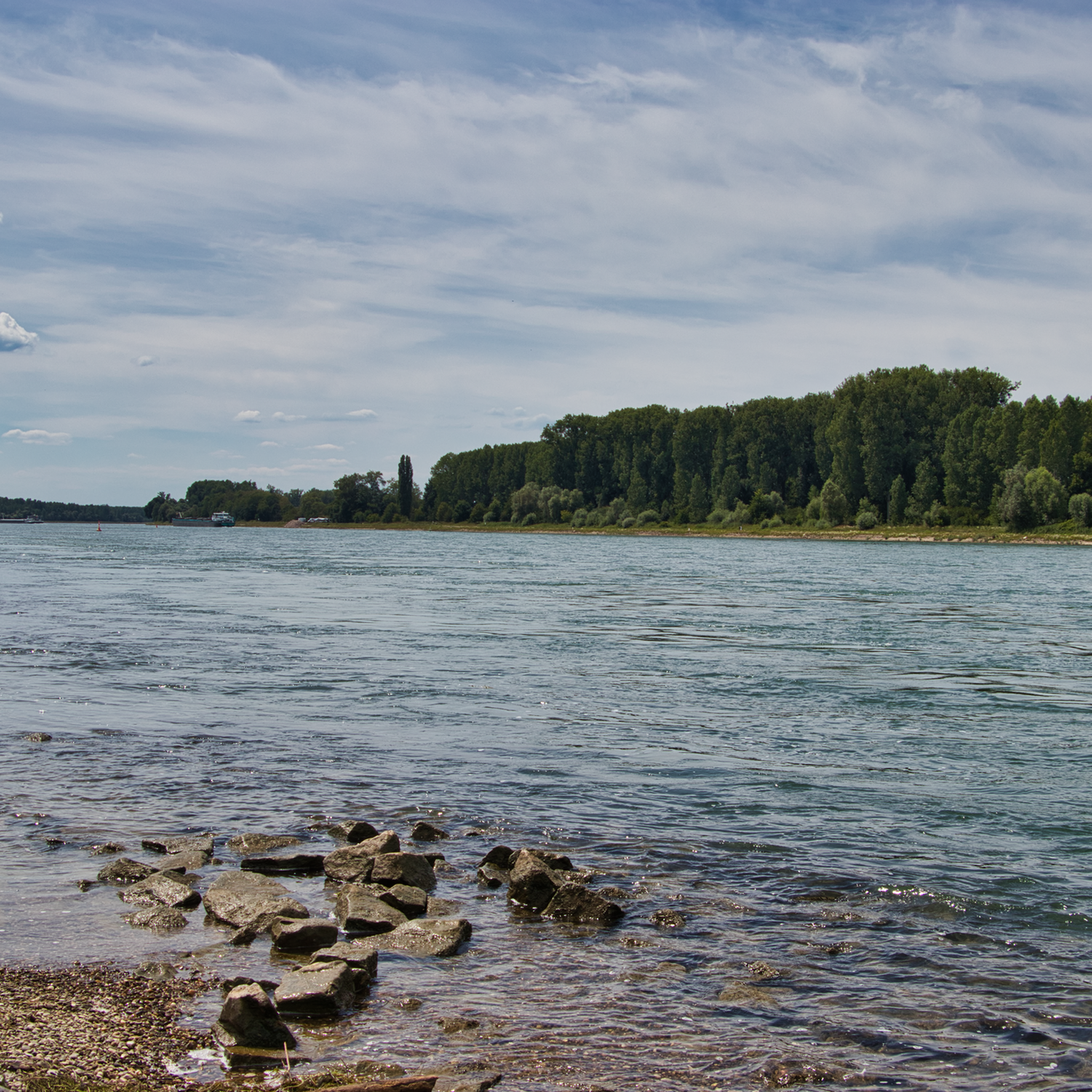
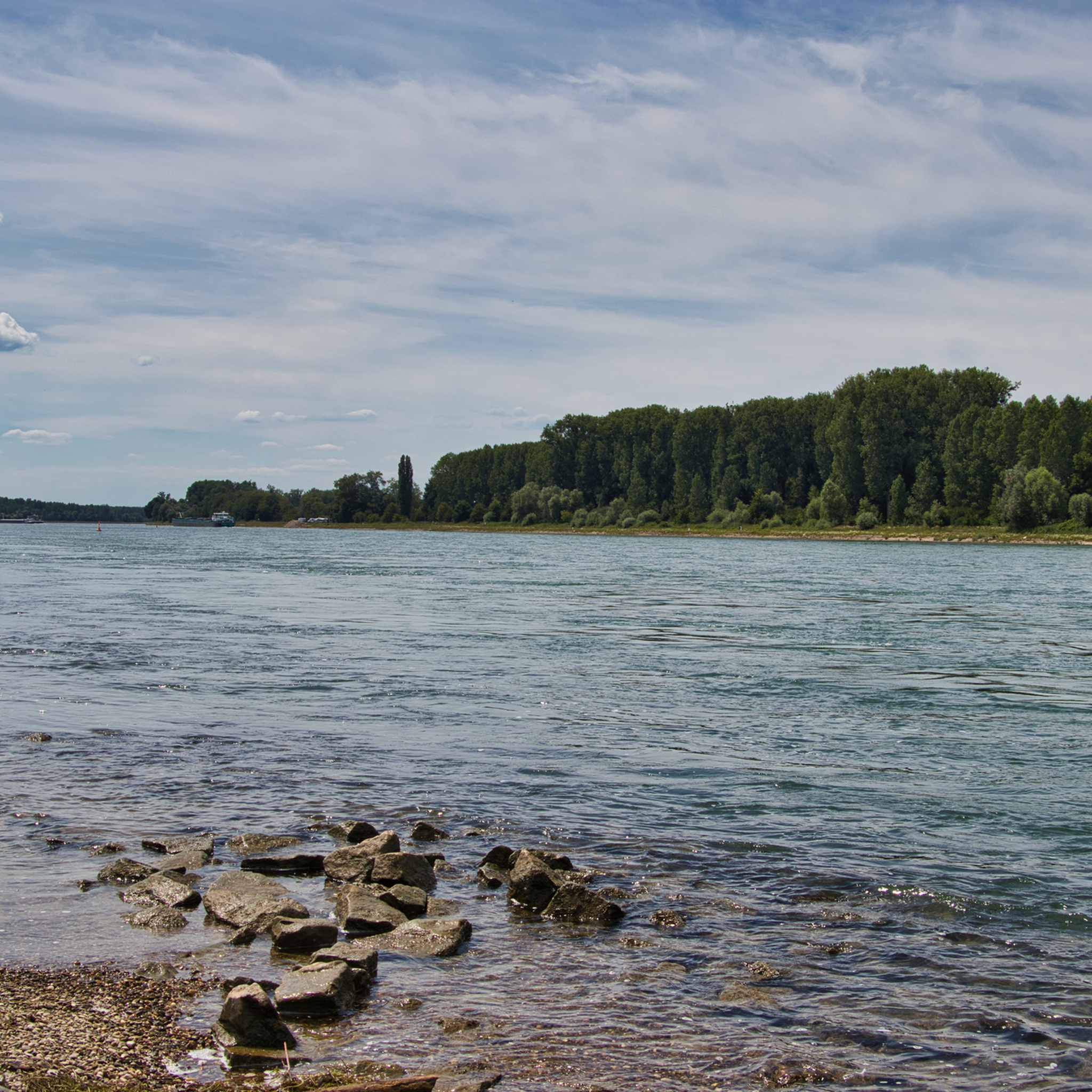
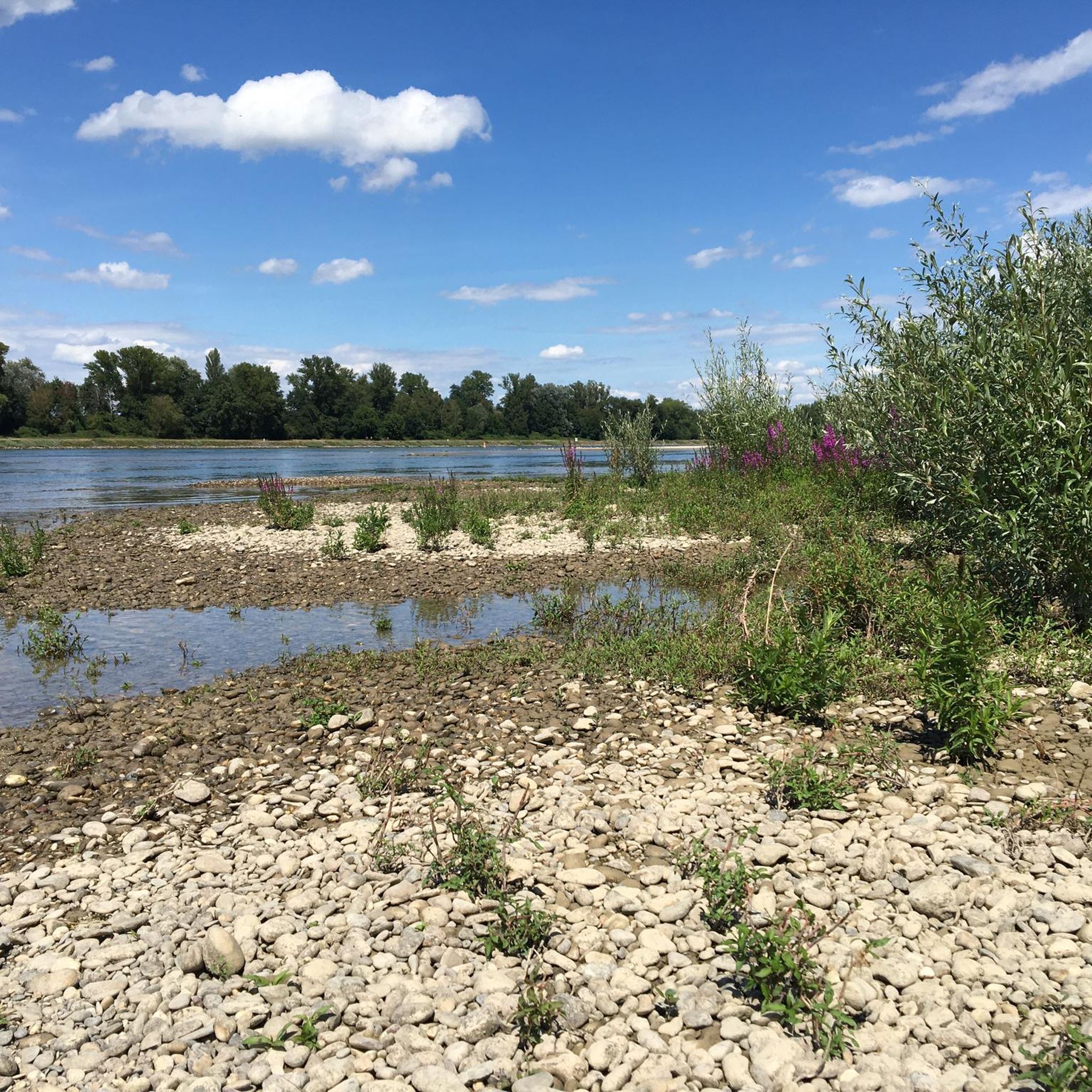
Today, not much is known about the building named „Affelderle“ – derived from the Middle High German word „Affalter“ for apple tree. It is a „lost castle“, a „Lost Place“, where there is not much left to see, and about which not much can be said with certainty anymore. It is said that the castle was once also called „Streitstein“ or „Schloss Streithberg“ (mentioned in 1574), it was probably built as early as the 10th century by the Weißenburg Abbey to defend the Rhine crossing Pfortz (Maximiliansau) – Knielingen and to protect against raids by Normans and Hungarians. The castle was originally built only of wood and earth; it was not until the 11th or 12th century that the stone construction is said to have been created: a motte-and-bailey castle with a strong ring wall and a drawbridge over the defensive moat. Such castles are known from French, where they are called „Motte“ („lump of earth“, „mound“). An early medieval castle type, built primarily of wood, whose main feature is an artificially created earth mound with a mostly tower-shaped building.
1
0

Just a few steps from the Karlsruhe Gate towards the city on Ludwigsring is the inconspicuous entrance to the casemates of Bastion 27 - Ludwigsfeste. Because of the low door, you have to enter with your head bowed and you reach the "Inner Karlsruher Thorwache". The historic bastion is located under a residential building and was given by the owner to the Rastatt Historical Society for public relations work. Walking through the casemates of Bastion 27 is an impressive experience. After the revolutionaries laid down their arms on July 23, 1849 and the fortress was handed over to the Prussian troops, several hundred insurgents were imprisoned in the lower rooms under inhumane conditions. https://histvereinrastatt.blogspot.com/2019/09/bastion-27.html
2
0

The castle park is the central green area in Rastatt. Behind the castle, Margrave Ludwig Wilhelm of Baden-Baden planned a pleasure garden, as was known from France. Today the park combines baroque with modern elements. Fountains, flower gardens and colorful and shady arcades are still reminiscent of Rastatt's baroque period. The park is framed by chestnut trees, some of which are centuries old.
0
0

The impressive Rastatt Residential Palace is worth a stop, and not just because of the beautiful park. You can also visit the castle itself, the castle church and the military history museum or stop off at the park restaurant. Further information about opening times and admission prices can be found at https://www.schloss-rastatt.de.
2
0


The access through the "Allee" is brilliant👍 Afterwards 🫢!?
2
0

I've driven past it umpteen times, there's always something going on, visitors from all over the world and such 😁. It's a very impressive building, just a perfect photo motif for cyclists ☺️👍
5
0

The first draft of the palace garden was created around 1705. It has been redesigned several times over the centuries. The current garden was designed by Gunnar Martinsson in the 1980s and its arcades are reminiscent of the Baroque period. Otherwise symmetrically structured.
2
1
Frequently Asked Questions
What types of castles can I explore around Au am Rhein?
The region around Au am Rhein features a diverse range of historical sites, including residential palaces, former hunting lodges, and ancient castle sites. You can visit grand structures like Rastatt Palace, former hunting lodges such as Scheibenhardt Castle and Estate with Avenue, and historical remnants like Affelderle Castle, where only the hill and a ditch remain with an explanatory panel.
Are there family-friendly castles to visit near Au am Rhein?
Yes, several castles in the area are suitable for families. Rastatt Palace and Rastatt Castle and Garden are both listed as family-friendly, offering extensive grounds and historical insights. Scheibenhardt Castle and Estate with Avenue, a former hunting lodge, also welcomes families and includes a restaurant on its estate.
What is unique about Rastatt Palace and its gardens?
Rastatt Palace is an impressive residential palace built around 1700. Visitors can explore the castle itself, its church, and a military history museum. The associated Rastatt Castle and Garden serves as a local recreation area, with a symmetrically structured garden redesigned in the 1980s, reminiscent of the Baroque period.
Can I visit a former hunting lodge near Au am Rhein?
Yes, Scheibenhardt Castle and Estate with Avenue is a former hunting lodge located on the southwestern edge of Karlsruhe. Originally expanded as a hunting lodge from 1698, it now houses a golf club and studios, along with a restaurant called “Das Scheibenhardt.”
What historical insights can I gain from visiting Affelderle Castle?
Affelderle Castle is a historical site that was once a fortified castle built by the Weissenburg Monastery, likely to protect a Rhine crossing. Today, only the hill and a ditch-like cut remain, but an explanatory panel provides details about its past and significance.
Are there any fortifications or casemates to explore in the area?
Yes, you can visit the Casemates of Bastion 27 – Ludwigsfeste. These historic casemates, located under a residential building in Rastatt, offer an impressive experience, revealing the defensive structures and even the history of imprisonment during the 1849 revolution.
What outdoor activities are available near the castles around Au am Rhein?
The region offers various outdoor activities. You can find numerous cycling routes, including easy paths like the 'Cycle path near Au am Rhein – Bike path along the Murg' or the 'Flood Protection Dike – Observation Deck at Fermasee loop'. For more options, explore the Cycling around Au am Rhein guide. There are also road cycling and mountain biking trails available.
Are there cycling routes suitable for all skill levels near the castles?
Yes, there are cycling routes for various skill levels. For easy rides, consider the 'Cycle path near Au am Rhein – Bike path along the Murg loop' or the 'Flood Protection Dike – Observation Deck at Fermasee loop'. Moderate and difficult routes are also available for those seeking more challenge. You can find detailed information in the Cycling around Au am Rhein guide.
What is the best way to experience the castles along the Rhine River, beyond Au am Rhein?
While Au am Rhein has its own historical sites, the broader Middle Rhine Valley is famous for its numerous castles. Many of these, like Pfalzgrafenstein Castle, Gutenfels Castle, Marksburg Castle, and Rheinfels Castle, are easily accessible from towns along the river and offer unique historical experiences. These can be explored via boat tours or by driving along the scenic Rhine.
Which castles in the wider Rhine region are known for being well-preserved or having unique features?
Pfalzgrafenstein Castle is unique as a toll castle on an island in the Rhine. Marksburg Castle is the only hilltop castle on the Middle Rhine that has never been destroyed, offering an authentic medieval experience. Rheinfels Castle is one of the largest and most impressive ruins, known for withstanding sieges and its extensive walkable grounds. While not directly in Au am Rhein, these are notable regional examples.
What do visitors appreciate most about the castles around Au am Rhein?
Visitors to the castles around Au am Rhein appreciate the glimpse into the region's rich history and architectural heritage. The sites are often set within natural landscapes, providing opportunities for exploration and historical insight. The komoot community has shared over 500 photos and given more than 700 upvotes, highlighting the appeal of these historical locations.
Most popular routes around Au am Rhein
Most popular attractions around Au am Rhein

Get inspired with the komoot mobile app


Explore more
Looking for the best castles somewhere else? Discover other guides around Au am Rhein:
