Top 6 Caves around Weissach
Best caves around Weissach are found in a region characterized by its diverse natural landscape, situated within Baden-Württemberg. The area features a mix of forests, valleys, and geological formations that contribute to its outdoor appeal. While Weissach itself does not host major cave systems, the surrounding Swabian Alb region is known for its subterranean features. This makes the area suitable for exploring various natural and historical cave-like structures.
Best caves around Weissach
- The most popular caves is Hauerlöcher Cliff,…
Last updated: June 26, 2026
Hauerlöcher Cliff
Highlight • Natural Monument
Translated by Google •
Tip by

Käfersteige Mine Entrance
Highlight • Structure
Translated by Google •
Tip by
Sign up now to discover places like this
Get recommendations on the best single tracks, peaks, & plenty of other exciting outdoor places.
Sign up for free
Raspberry Cave
Highlight • Cave
You don't see much.
Translated by Google •
Tip by

Bat Winter Quarters, Schönklinger Tunnel
Highlight • Cave
Translated by Google •
Tip by

Branch off to the sandstone cave
Highlight • Cave
Translated by Google •
Tip by
Sign up for free to discover even more caves around Weissach.
Sign up for free
Already have an account?
Start today with a free account
Your next adventure awaits.
Login or Signup
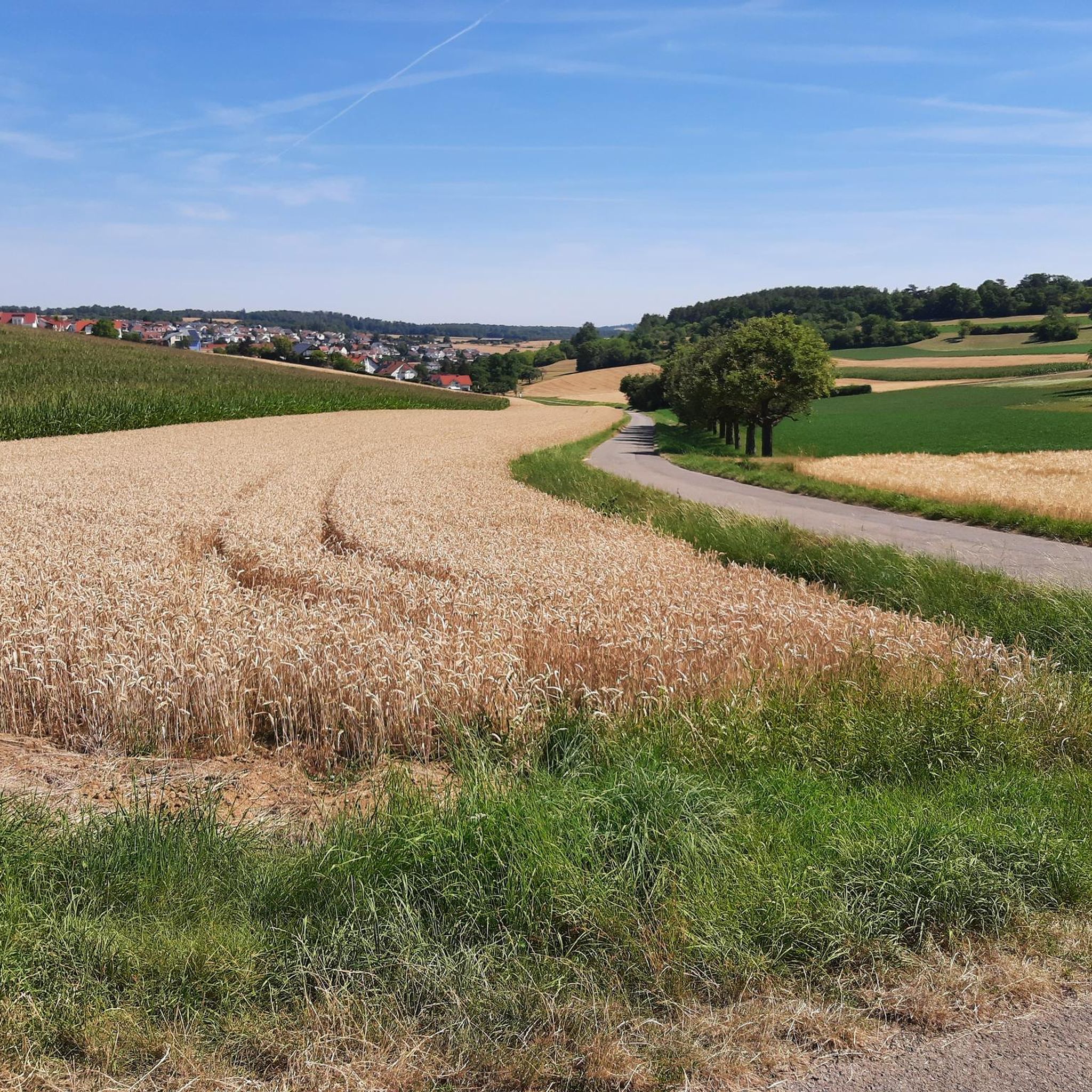
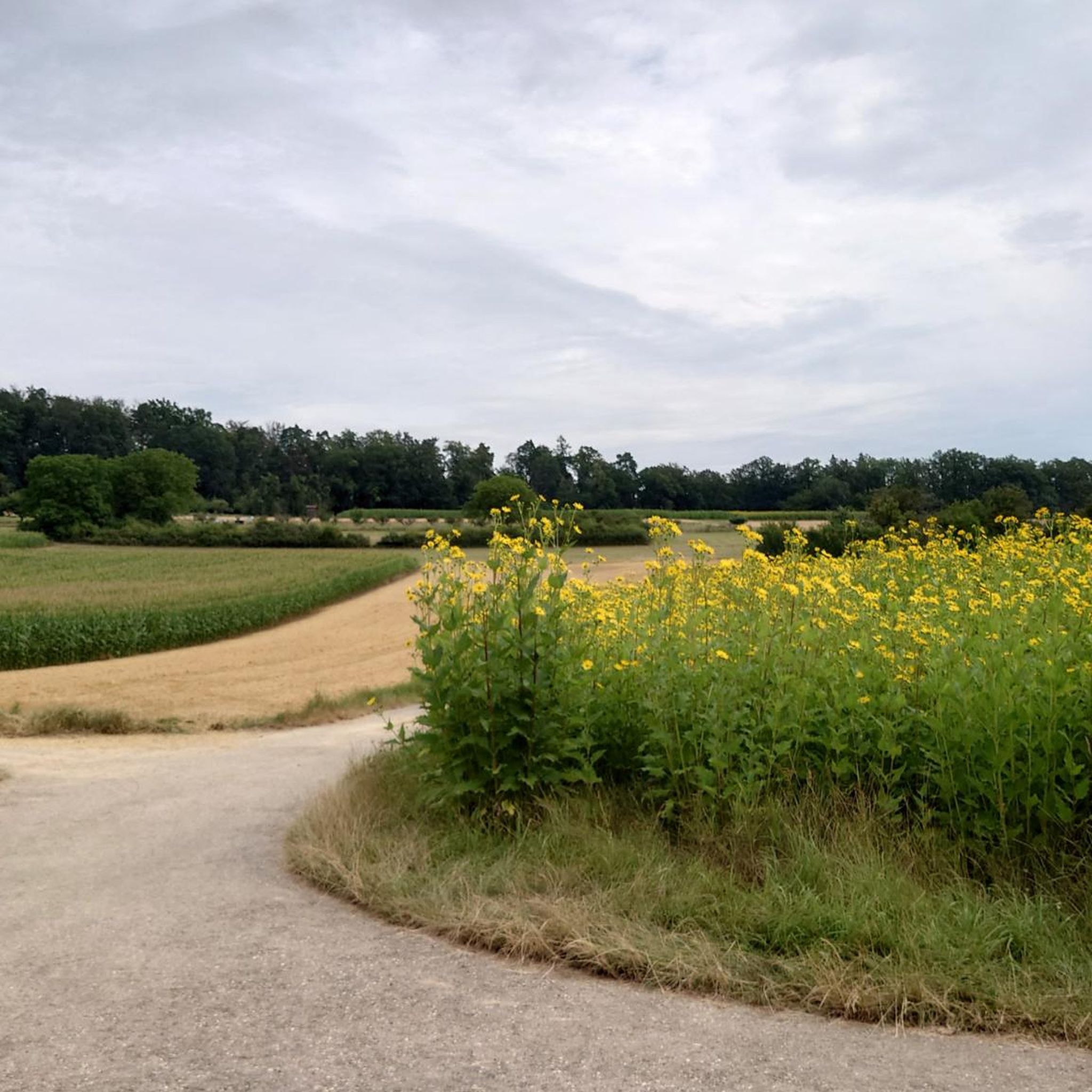
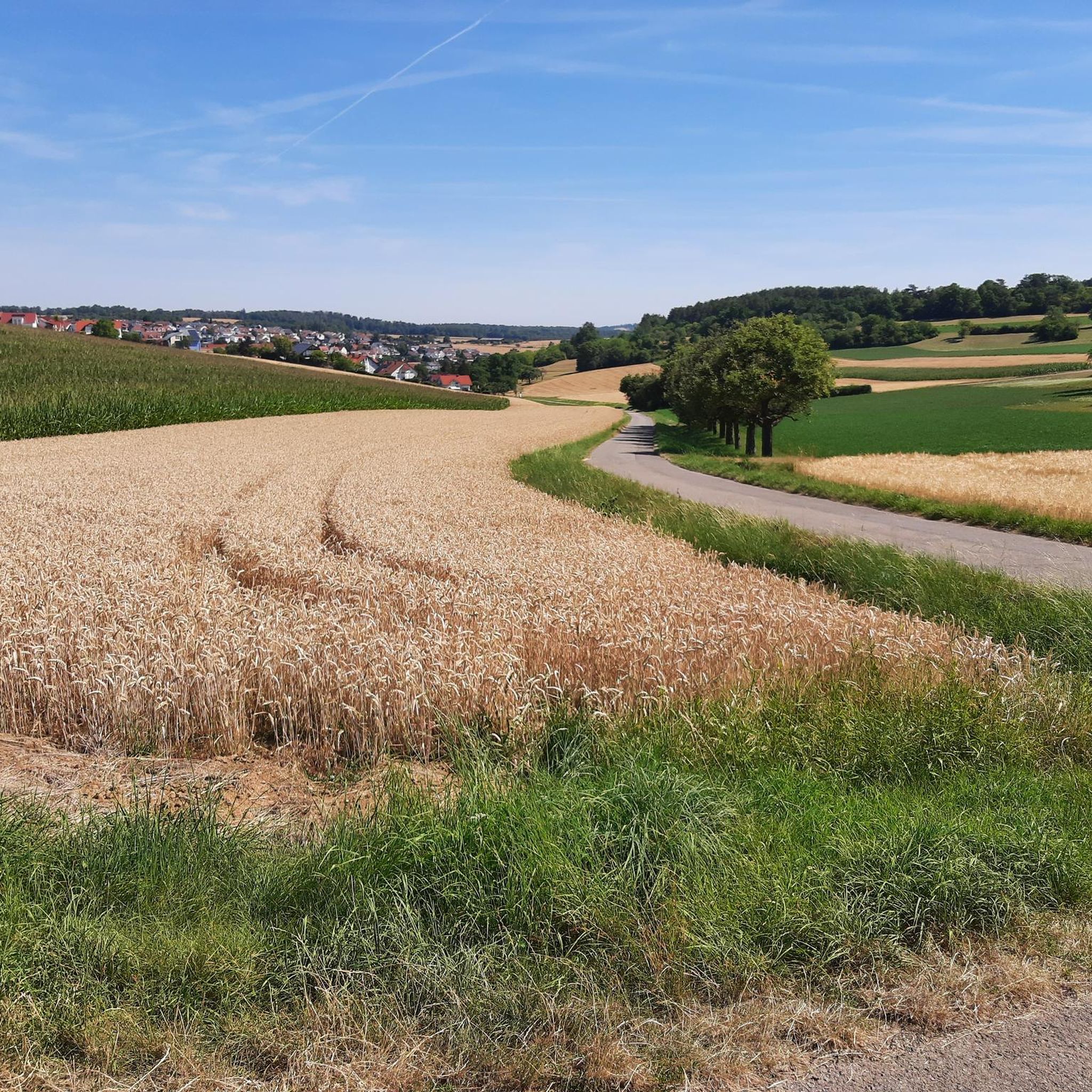
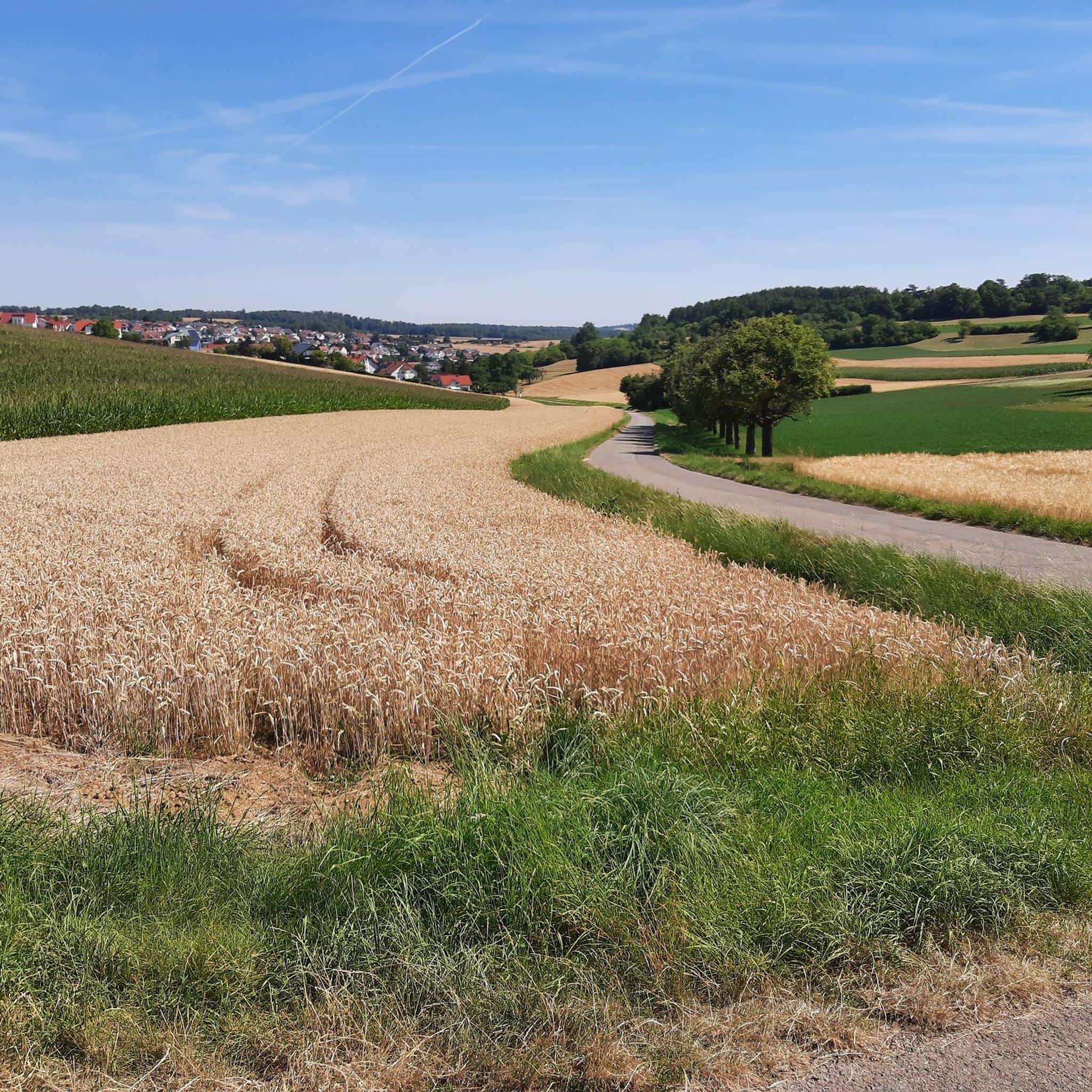
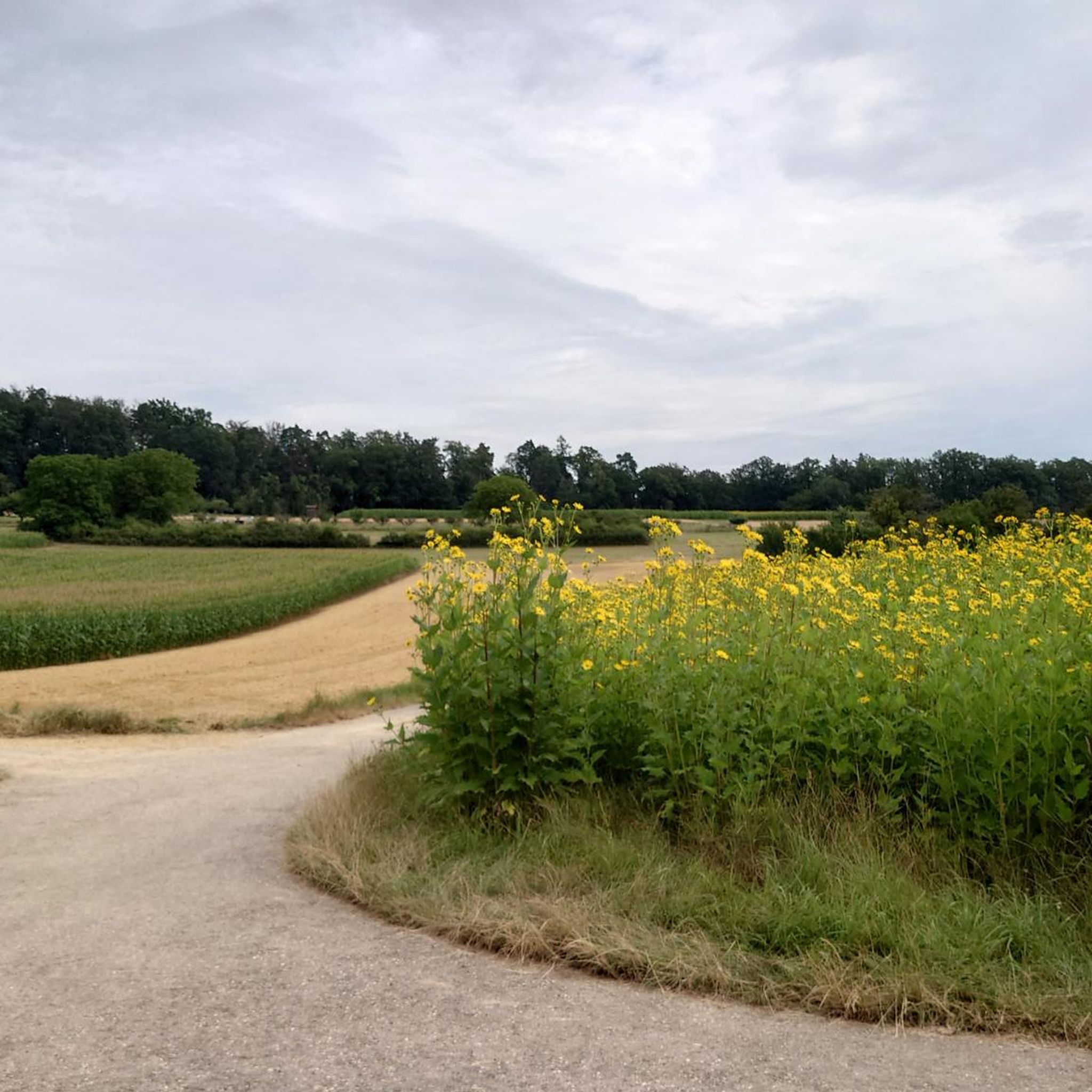
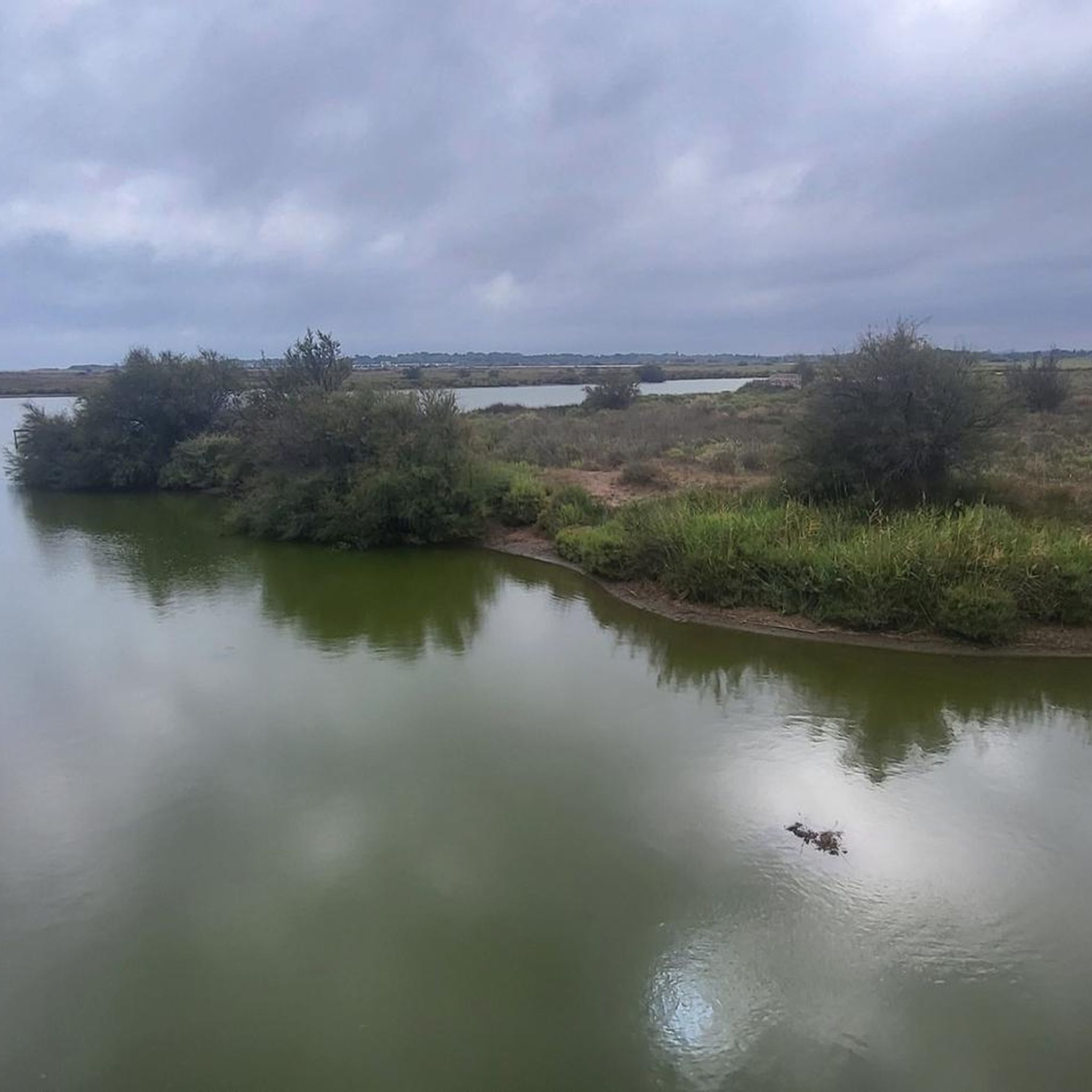
Tips from the Community

Above the cave there is a small surprise. The artist is unfortunately unknown
1
0

Old video of the "mine"! https://youtu.be/0HAQ8IZwJjA
1
1

From here, you can hike along a side path overgrown with scrub to a sandstone formation that also houses a small cave. However, the trail is quite adventurous in places and not recommended for all seasons.
8
0
Fluorite and barite were mined at the Käfersteige mine until 1997. The Käfersteige area is believed to contain the largest fluorite deposit in Europe. The former tracks that led into the tunnel can still be seen at the former Käfersteige tunnel entrance. The video-monitored access to the tunnel is closed and cannot be entered.
7
0
A small, somewhat inconspicuous cave that requires a few meters of descent from the forest path. Not necessarily spectacular, but a nice change of pace with a bit of climbing.
6
0

Impressive rock face with many mysterious little caves
3
0
Rest area with seating, as well as information and a view of the Hauerhöhlen.
13
1

Currently difficult to reach due to felled trees and bushes. But it's not worth getting off the path. You don't see much.
12
0
Frequently Asked Questions
What types of subterranean features can I explore around Weissach?
While Weissach itself doesn't host major cave systems, the surrounding Swabian Alb region offers a variety of natural caves, sandstone formations, and former mine entrances. You can find features like the natural chisel holes at Hauerlöcher Cliff, the small forest-located Raspberry Cave, and the historical Käfersteige Mine Entrance.
Are there any historical caves or mine entrances to visit in the region?
Yes, the region has historical sites. The Käfersteige Mine Entrance is a former mine where fluorite and barite were extracted until 1997, with visible tracks leading into the closed tunnel. Further afield, the Finsteres Loch near Heubach has an entrance historically used by humans during the Stone Age and Bronze Age.
Are there family-friendly caves to visit near Weissach?
Yes, several spots are suitable for families. The Hauerlöcher Cliff is a natural monument with a rest area and seating, making it a good stop for families. The Raspberry Cave, though requiring a short descent, can be an engaging experience for older children. The Karls and Bärenhöhle in the Swabian Alb also offers guided tours suitable for families.
What are some unique geological formations I can see in the caves around Weissach?
The region offers diverse formations. The Hauerlöcher Cliff features chisel holes that are partly natural and partly man-made. The Staudenloch is a mysterious hole with local legends. Further away in the Swabian Alb, the Karls and Bärenhöhle is known for its impressive stalactites and stalagmites.
Are there any water caves in the wider Baden-Württemberg region?
Yes, the Wimsen Cave (Friedrichshöhle) in the Swabian Alb is a notable water cave. It is Germany's deepest explored underwater cave, and visitors can explore approximately 70 meters of it by boat with a ferryman.
What are the best times to visit caves in the Baden-Württemberg region?
Many caves in the region, such as the Finsteres Loch and Karls and Bärenhöhle, are closed during winter months (typically November to March) for bat protection. Therefore, the summer months are generally the best time to visit when guided tours are offered and access is permitted. For outdoor cave entrances like those around Weissach, spring to autumn offers pleasant hiking conditions.
Are there any caves that require special equipment or experience to explore?
Yes, some caves are more challenging. The Falkensteiner Cave in the Swabian Jura, for example, has extensive corridors spanning over 4 kilometers, and access is generally restricted to experienced cavers or those accompanied by a guide. For the Branch off to the sandstone cave, the trail is described as adventurous and not recommended for all seasons.
What outdoor activities can I combine with a visit to the caves around Weissach?
The area around Weissach is excellent for various outdoor activities. You can find numerous hiking trails, such as those detailed in the Hiking around Weissach guide. There are also options for gravel biking and MTB trails, allowing you to explore the diverse natural landscape.
Are there any caves that are particularly known for their natural beauty or impressive formations?
Beyond the local features, the Karls and Bärenhöhle in the Swabian Alb is renowned for its impressive stalactites and stalagmites. The Falkensteiner Cave is also recognized as one of the most famous and impressive caves in the region, even if only viewed from its entrance.
What should I consider when planning a visit to the caves in the region?
When visiting caves, especially those with guided tours like Finsteres Loch, it's advisable to wear suitable clothing and sturdy boots. Bringing an electric torch is also recommended for darker sections. Always check opening times, as many caves close in winter for bat protection. For the Falkensteiner Cave, you can hike through the Elsach valley to view its impressive entrance, and more information can be found at badurach-tourismus.de.
Can I enter all the cave-like features mentioned around Weissach?
No, not all features are accessible for entry. For instance, the access to the tunnel at the Käfersteige Mine Entrance is closed and video-monitored. Some natural formations, like the Staudenloch, are best viewed from the forecourt due to steep descents. Always respect signage and safety warnings.
Most popular routes around Weissach
Most popular attractions around Weissach

Get inspired with the komoot mobile app


Explore more
Extend your search for the best caves by checking out these guides of the top ones around Weissach:
