Top 9 Caves around Gorxheimertal
Best caves around Gorxheimertal are found within the broader Bergstraße-Odenwald UNESCO Global Geopark in Hesse, Germany. This region, part of the Odenwald, is characterized by its geological diversity. Karst features, including natural caves and sinkholes, are present in the Muschelkalk landscape to the east. The area offers opportunities to explore both natural rock formations with small caves and historical mining sites.
Best caves around Gorxheimertal
- The most popular caves is Wildeleutestein Rock Formation, a natural monument with a cave.…
Last updated: June 26, 2026
Entrance to the Hermannsgrund Silicate Mine
Highlight • Cave
Translated by Google •
Tip by

Wildeleutestein Rock Formation
Highlight • Natural Monument
Translated by Google •
Tip by

Sign up now to discover places like this
Get recommendations on the best single tracks, peaks, & plenty of other exciting outdoor places.
Sign up for free
Grube Marie in der Kohlbach — Visitor Mine
Highlight • Structure
Translated by Google •
Tip by

Hülfe Gottes Mine
Highlight • Historical Site
Translated by Google •
Tip by

Auerstein Rock Formation and Small Cave
Highlight • Natural Monument
Translated by Google •
Tip by
Sign up for free to discover even more caves around Gorxheimertal.
Sign up for free
Already have an account?
Start today with a free account
Your next adventure awaits.
Login or Signup
Popular around Gorxheimertal
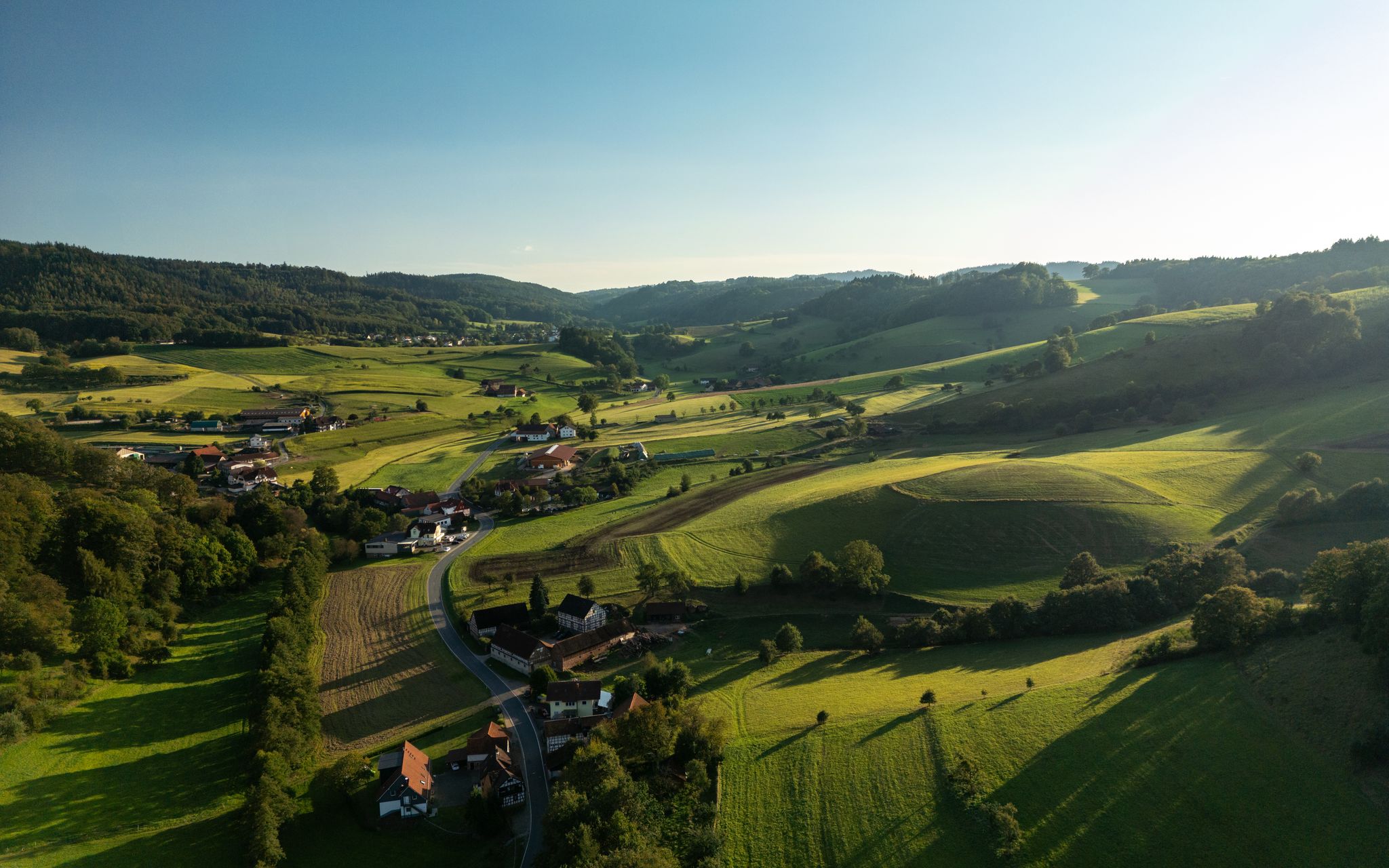
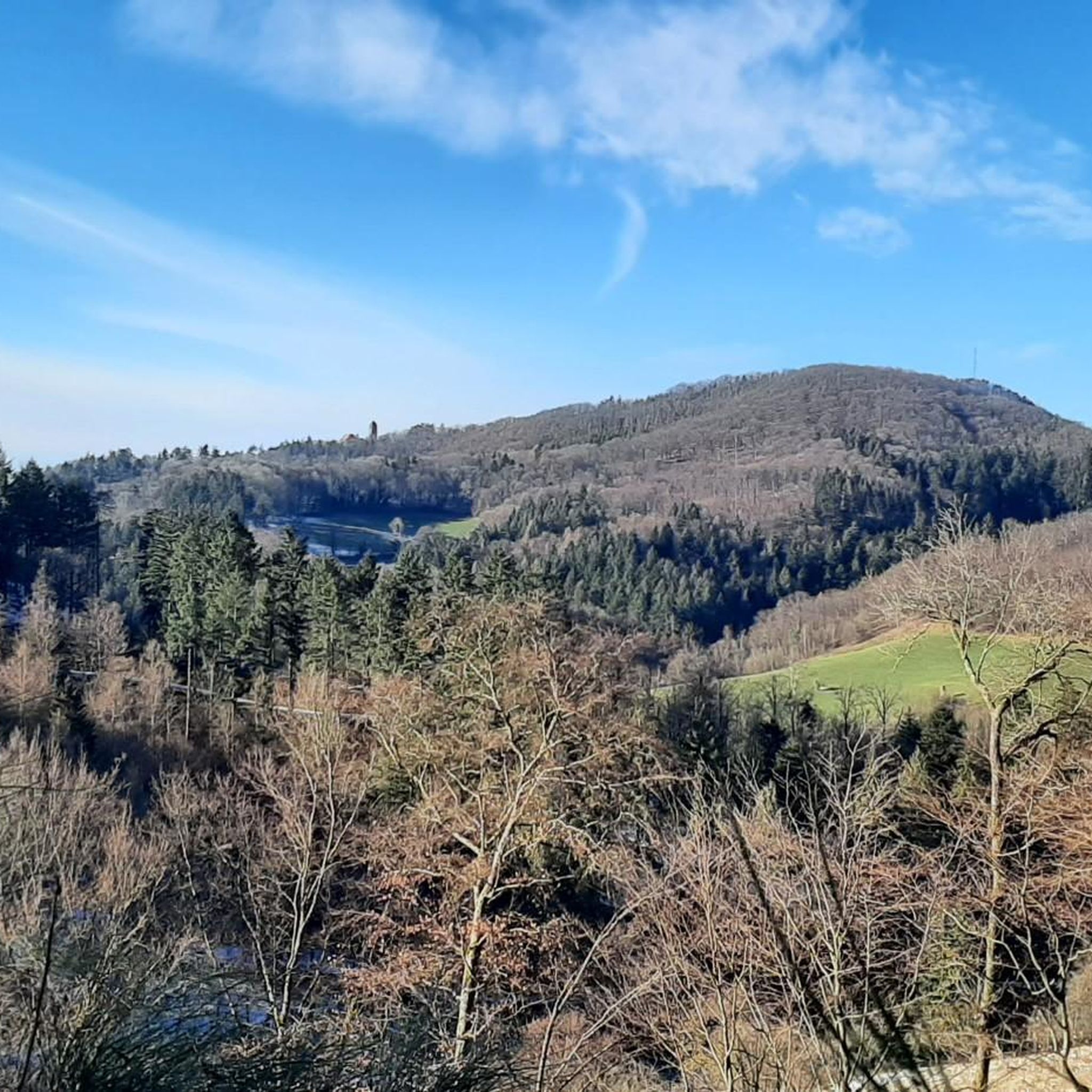
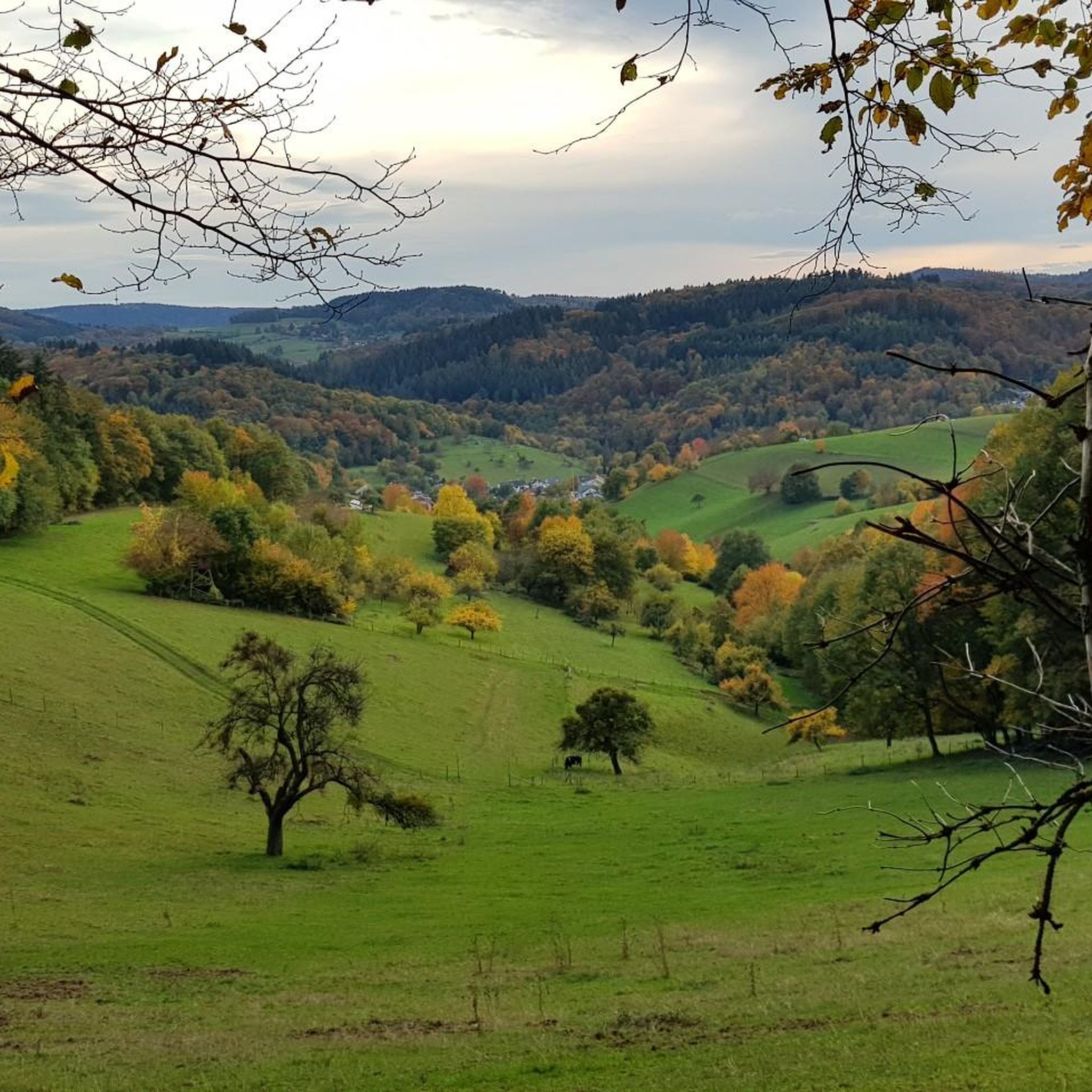
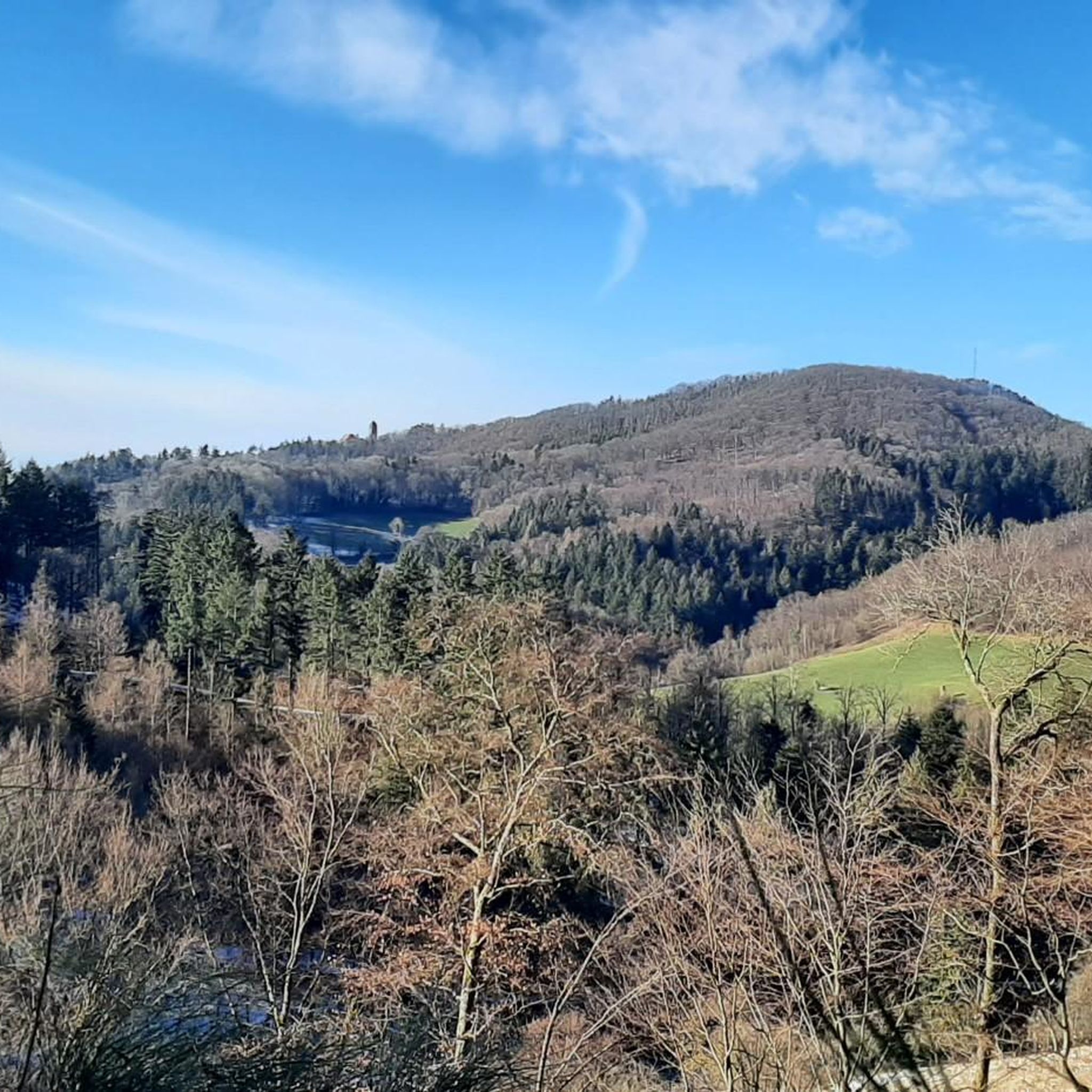

Other adventures around Gorxheimertal

Tips from the Community

Former tunnel for silicate mining... today you can't go very far inside... but the little detour is still worth it
2
0

Very interesting piece of history, and wonderfully explained on the signs :)
1
0

The Hülfe Gottes mine is located directly on the road. The entrance to the dark tunnel is closed off by a steel gate.
2
1

The mine is not open to the public. However, a look through the gate into the tunnel gives an interesting insight. It is best to take a headlamp or flashlight with you.
1
0

former mine with information board
4
0

Mining was carried out on the Odenwald slopes throughout the Middle Ages. Due to the special geological conditions, there were many mines between Weinheim and Schriesheim in which silver, lead and copper as well as heavy and feldspar were mined. There were 15 such mines in the Großsachsener Valley alone. In the 18th century, the Electorate of the Palatinate focused on promoting and reviving mining. In 1773, preliminary work began on the construction of the “Hülfe Gottes” mine. Further up the valley, a steelworks was built in 1778 to melt the metal - the later Klosa mill. However, the “Zur Hülfe Gottes” mine and steelworks had to be closed in 1783 and 1787 respectively due to lack of profitability. Source: https://www.hirschberg-bergstrasse.de/freizeit/historischer-ortsrundgang/grosssachsen/station-18-ausflug-zum-bergwerk-huelfe-gottes
6
0

Although it only goes in 3-4 meters deep, it is still interesting
2
2

A remarkable rock formation. The Wildeleutestein is a legendary secondary peak (522 m high) of the Eichelberg (525 m high). The cave located in the Wildeleutestein rock formation served as the basis for numerous sagas and legends.
1
0
Frequently Asked Questions
What types of caves can I explore around Gorxheimertal?
The region around Gorxheimertal, particularly within the Bergstraße-Odenwald UNESCO Global Geopark, offers a mix of natural rock formations with small caves and historical mining sites. These include natural monuments like the Wildeleutestein Rock Formation and historical sites such as the Grube Marie in der Kohlbach — Visitor Mine.
Is there a significant show cave in the wider Odenwald region accessible from Gorxheimertal?
Yes, the most prominent show cave in the wider Odenwald area is the Eberstadt Stalactite Cave (Eberstadter Tropfsteinhöhle). It is located about 70 kilometers east of Heidelberg and is renowned for its impressive stalactite and stalagmite formations, including the 'White Woman of Eberstadt' and the 'wedding cake' formation. You can find more information about it on Wikipedia.
What makes the Eberstadt Stalactite Cave unique?
The Eberstadt Stalactite Cave is unique because its formations have largely retained their pristine, chalk-white appearance. This is due to the cave being closed immediately after its discovery in 1971 and only ever using electric lighting for tours, unlike many older show caves where torch use blackened formations. It also boasts a constant temperature of 11°C (52°F) and high humidity year-round.
Are there any historical mines or tunnels to explore near Gorxheimertal?
Yes, the area has several historical mining sites. The Grube Marie in der Kohlbach — Visitor Mine offers guided tours by prior arrangement and serves as a winter habitat for bats. Another historical site is the Entrance to the Hermannsgrund Silicate Mine, though its entrance is currently inaccessible. The Hülfe Gottes Mine is another former silver and lead mine with an information board, though its interior is not visitable due to bat protection.
What are the geological features of the caves in this region?
The caves and formations in the Gorxheimertal area are primarily found in the Muschelkalk (shell limestone) formation. This geological layer is rich in fossils from ancient marine life, contributing to the formation of karst features like caves and sinkholes over millions of years. The Eberstadt Stalactite Cave, for example, is estimated to be between one and two million years old and lies within this Muschelkalk formation.
Are the caves around Gorxheimertal suitable for families?
While many of the local rock formations are small, the Eberstadt Stalactite Cave is particularly family-friendly. It offers well-constructed paths with no steps, making it accessible even for those with walking impairments or wheelchair users. Guided tours provide an engaging experience for all ages.
What is the best time to visit the caves near Gorxheimertal?
The Eberstadt Stalactite Cave maintains a constant temperature of 11°C (52°F) year-round, making it a suitable destination regardless of the season. For outdoor rock formations and historical mine entrances, spring and autumn offer pleasant weather for exploration. Some historical mines, like the Grube Marie, are closed in winter to protect bat habitats.
What other outdoor activities can I combine with a visit to the caves?
The region around Gorxheimertal offers various outdoor activities. You can find numerous running trails, such as the 'Oberabtsteinach Waterworks – Standpunkte by Sieglinde Geis loop'. For cycling enthusiasts, there are cycling routes like the 'Gerberbach Quarter – Weinheim Old Town loop', and challenging road cycling routes, including the 'Ursenbacher Heights Viewpoint – Climb from Schönau to Grein loop'.
Are there any viewpoints or natural monuments associated with the caves?
Yes, the Wildeleutestein Rock Formation is a natural monument that includes a small cave and offers beautiful views of the Odenwald. Similarly, the Auerstein Rock Formation and Small Cave also provides a viewpoint, though its cave is quite small and a bit hidden.
How long do typical cave visits take?
For the Eberstadt Stalactite Cave, guided tours typically last around 45 to 60 minutes. Visits to smaller natural rock formations like the Wildeleutestein or Auerstein can be integrated into longer hikes and explored at your own pace, usually taking a shorter amount of time at the specific cave site itself.
What should I wear when visiting caves in the region?
For the Eberstadt Stalactite Cave, due to its constant 11°C (52°F) temperature and high humidity, it's advisable to wear a light jacket or sweater even in summer. Comfortable walking shoes are also recommended. For exploring outdoor rock formations or mine entrances, dress appropriately for the weather conditions and wear sturdy footwear suitable for hiking.
Most popular routes around Gorxheimertal
Most popular attractions around Gorxheimertal

Get inspired with the komoot mobile app


Explore more
Extend your search for the best caves by checking out these guides of the top ones around Gorxheimertal:
