Top 6 Caves around Bad Soden-Salmünster
Best caves around Bad Soden-Salmünster are primarily found within the wider Spessart region, an area characterized by its diverse geological formations. While the immediate vicinity of Bad Soden-Salmünster features unique basalt structures, the nearby Steinau an der Straße is home to a significant dripstone cave. This region offers a mix of natural monuments and geological features, providing insights into the area's ancient volcanic and sedimentary history. The landscape is defined by its forests and rolling hills, making it a destination for outdoor exploration.
Best caves around Bad Soden-Salmünster
- The most popular caves is Beilstein Trail, a trail and cave that offers a worthwhile detour to an unusual basalt rock formation. This cool, partly very steep trail leads to a unique geological feature in the Spessart.
- Another must-see spot is Beilstein Basalt Formation, a natural monument, viewpoint, and cave. Visitors can observe imposing basalt prisms, a rare rock type in the Spessart, along the hiking trail.
- Visitors also love Teufelshöhle Steinau, a stalactite cave and natural monument. This geological natural monument is approximately 2.5 million years old and is Hesse's oldest show cave, known for its dripstone formations.
- Bad Soden-Salmünster is known for its basalt formations, stalactite caves, and grottoes. The region offers a variety of underground attractions, from ancient geological sites to smaller, man-made grottoes, providing diverse experiences for visitors.
- The caves around Bad Soden-Salmünster are appreciated by the komoot community. With more than 250 upvotes and over 220 photos, these natural features are well-documented and highly rated by explorers.
Last updated: October 13, 2026
Beilstein Trail
Highlight • Trail
Showing Translation
Tip by

Beilstein Rock Formation
Highlight • Natural Monument
Translated by Google •
Tip by

Sign up now to discover places like this
Get recommendations on the best single tracks, peaks, & plenty of other exciting outdoor places.
Beilstein Basalt Formation
Highlight • Natural Monument
Translated by Google •
Tip by
Teufelshöhle Steinau
Highlight • Cave
Translated by Google •
Tip by
Beilstein Nature Reserve Plaque
Highlight • Natural Monument
Translated by Google •
Tip by
Sign up for free to discover even more caves around Bad Soden-Salmünster.
Already have an account?
Start today with a free account
Your next adventure awaits.
Popular around Bad Soden-Salmünster
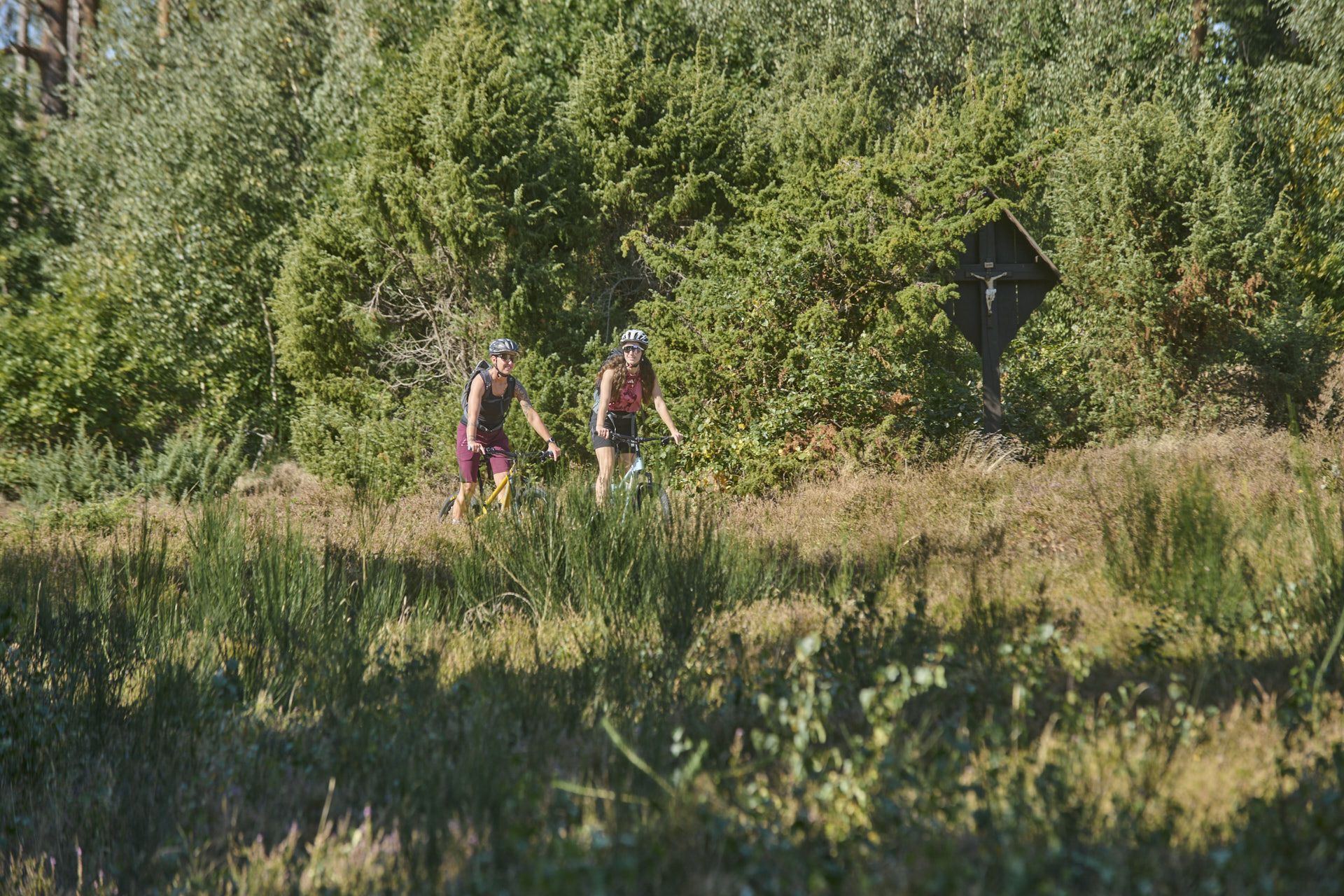
Nature, trails and local cuisine – MTB in the Spessart
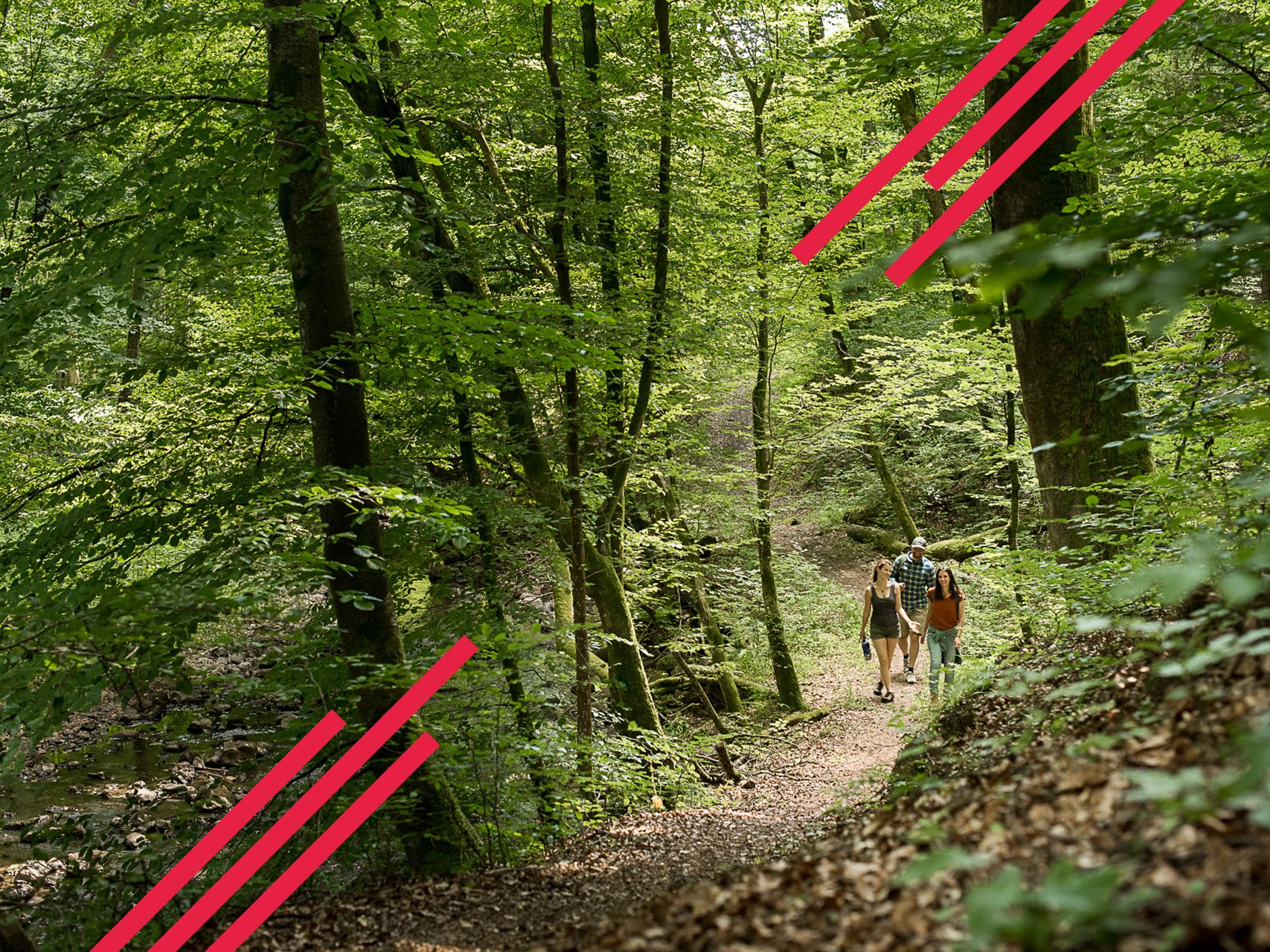
Relaxed hiking in the Spessart – short trails of discovery
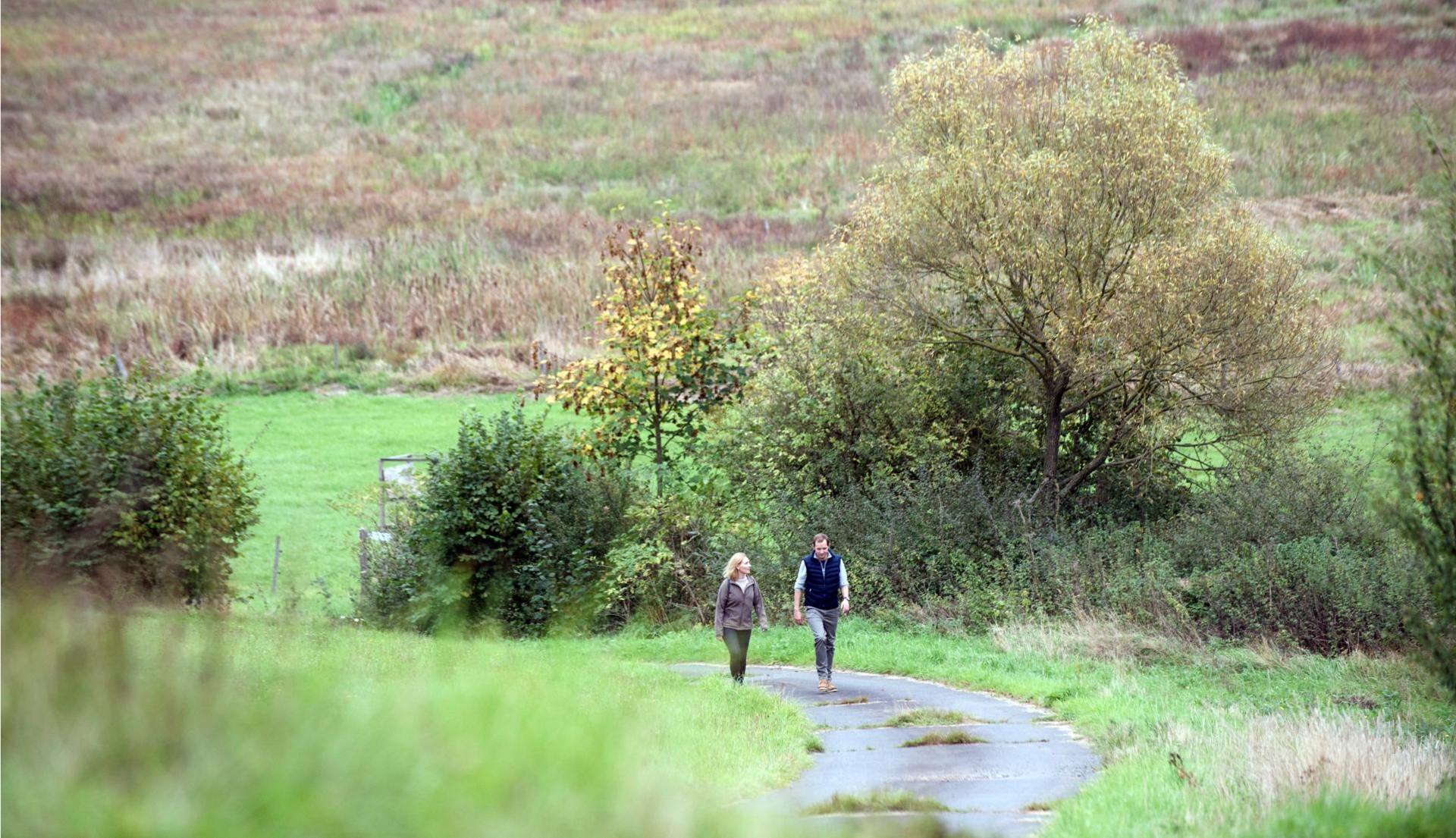
Pleasure hiking in the Spessart: trails that taste as good as they look

Winter adventures by public transport – hikes for the whole family
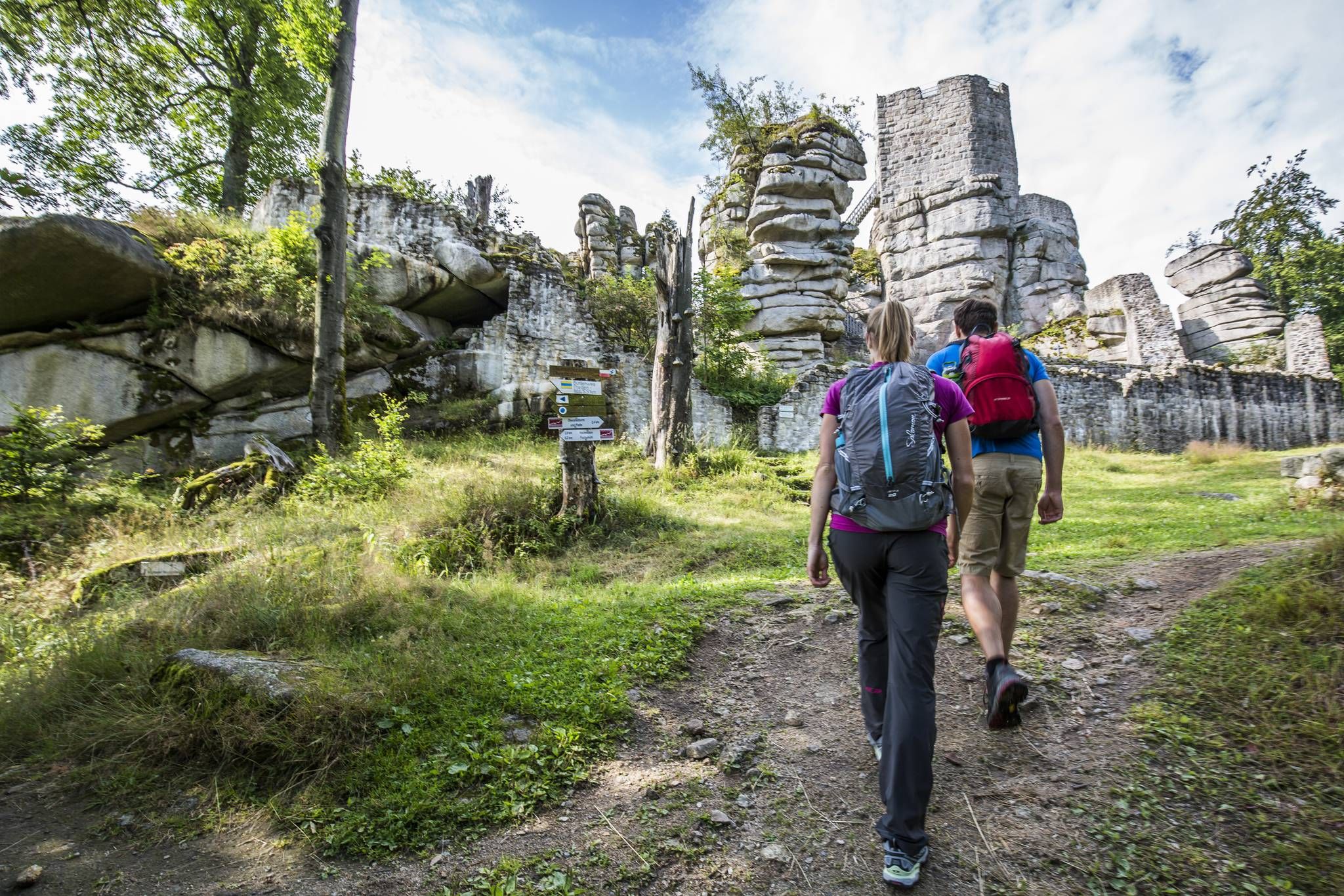
Thousands of kilometres of hiking fun – long-distance hiking trails in Bavaria
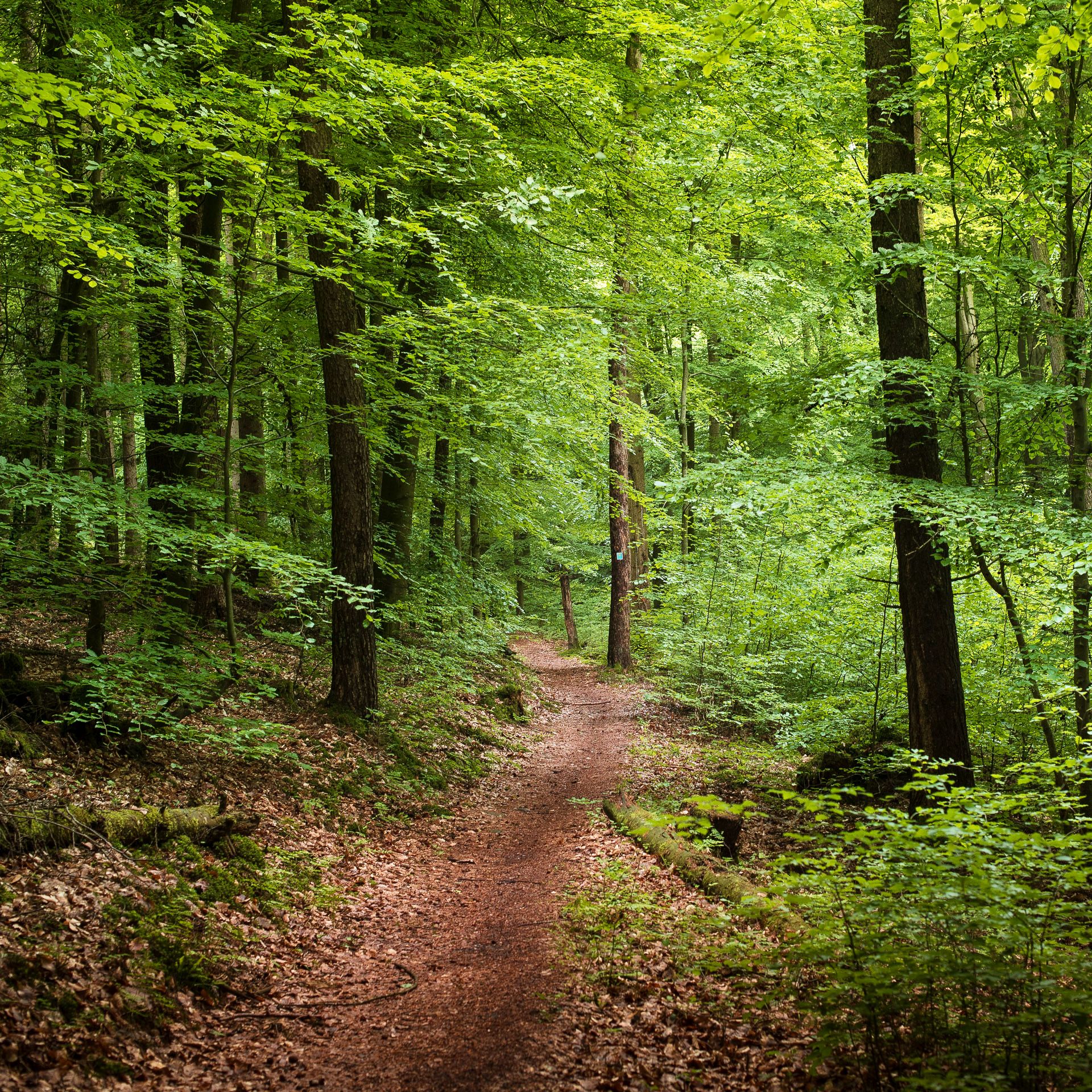
Endless forests, flowing trails – MTB in Germany’s Spessart region
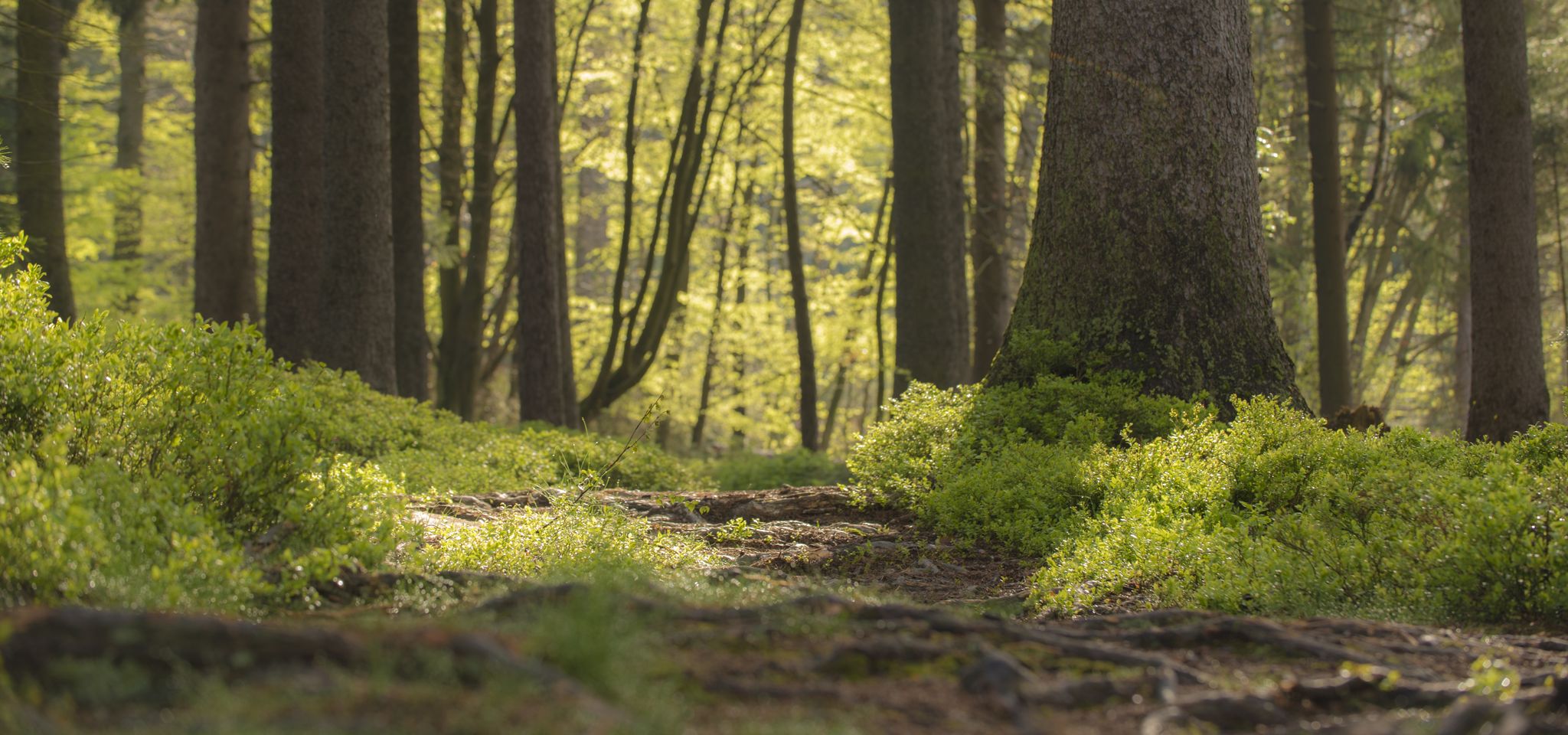
Mountain biking in the Spessart – Awesome trails in Germany
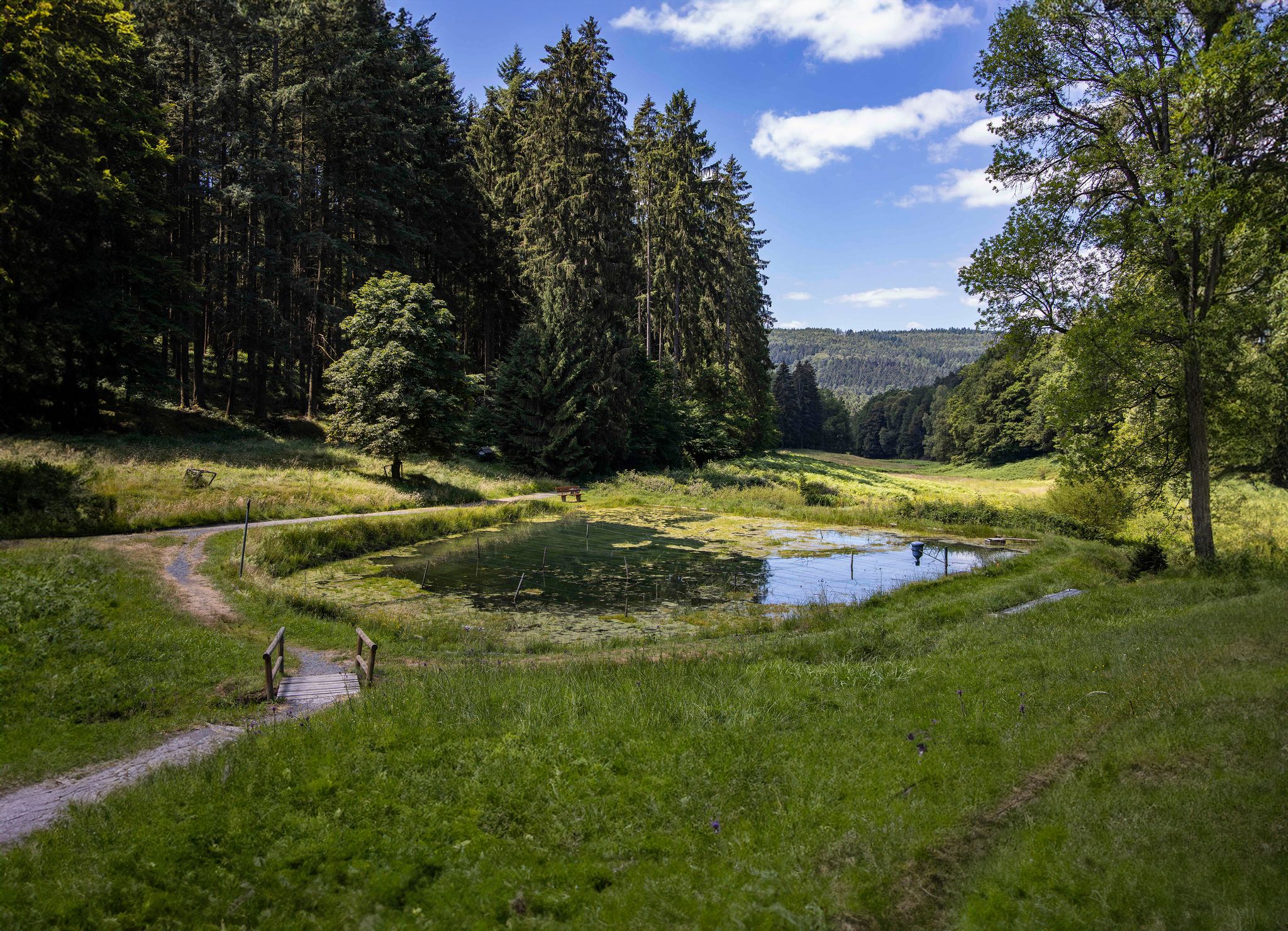
Hike through one of Germany’s greatest forests – Spessart 3
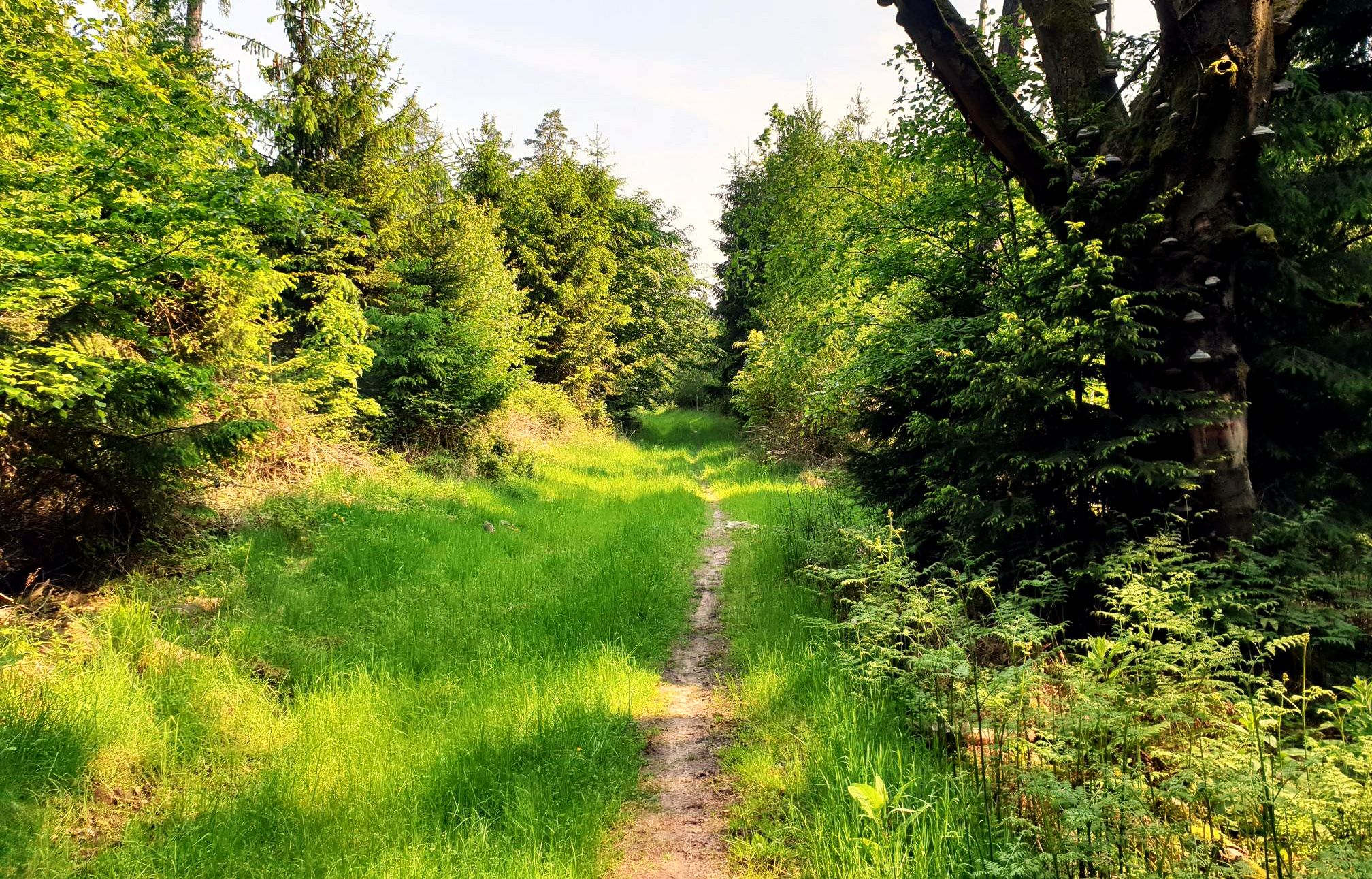
Mountain biking in the Spessart – Awesome trails in Germany

Wandern auf dem Spessartweg 3
Other adventures around Bad Soden-Salmünster


Tips from the Community

The Beilstein is a large basalt rock. Remains of a former hilltop castle can still be seen on the summit plateau.
2
0

There is no cave at Beilstein. It is the remains of an old volcano.
4
2

Unfortunately not yet open at the moment... winter rest
14
0
A work of art that makes science come alive... that's what it says in the explanation of the basalt block
14
0
A castle ruin, of which there is not much left to see, but still interesting.
2
0
Remains of ruins made of sandstone walls and inexplicable to me... reinforced concrete parts... don't expect anything special.. however, the view is quite nice
13
0
You should not enter the caves, firstly they are very slippery, secondly they are the home of bats
14
0
Currently well cleared of young trees... nice view of a quite unexpected basalt formation in the otherwise existing federal sandstone
17
0
Frequently Asked Questions
What are the most notable caves and rock formations near Bad Soden-Salmünster?
The most significant cave in the wider region is the Teufelshöhle Steinau, Hesse's oldest show cave known for its impressive dripstone formations. Additionally, the area features unique basalt structures like the Beilstein Basalt Formation and the Beilstein Trail, which leads to an unusual basalt rock. You can also find the charming Marian Grotto, built into the mountain.
Is the Teufelshöhle Steinau suitable for families?
Yes, the Teufelshöhle Steinau is considered a family-friendly excursion. Guided tours are available, and guides often adapt their presentations to engage children with stories and legends surrounding the cave.
What is the best time of year to visit the Teufelshöhle Steinau?
The Teufelshöhle Steinau is typically open for visitors from April to September. It closes during the winter months to protect the bat populations that hibernate inside.
How long does a visit to the Teufelshöhle Steinau usually take?
Visits to the Teufelshöhle Steinau are part of a guided tour, which typically lasts between 20 to 60 minutes, depending on the group and guide.
Are there parking facilities available near the caves?
For the Teufelshöhle Steinau, a free parking lot is available nearby. An ascending footpath leads to the cave entrance, and visitors with severe physical disabilities may drive directly to the cave.
What kind of natural features can I expect to see in the caves and formations?
The Teufelshöhle Steinau is famous for its impressive dripstone formations, including stalactites, stalagmites, and stalagnates. The Beilstein area, including the Beilstein Basalt Formation, showcases imposing basalt prisms, a rare rock type in the Spessart region.
What historical significance do the caves and rock formations hold?
The Teufelshöhle Steinau is a geological natural monument approximately 2.5 million years old, discovered in 1584. The Beilstein area also features the Beilstein Nature Reserve Plaque, which marks the site of a medieval hilltop castle, adding historical depth to the natural landscape.
What wildlife can be found in the caves?
The Teufelshöhle Steinau serves as a habitat for various bat species, including Bechstein's bat, whiskered bat, water bat, fringed bat, long-eared bat, and greater mouse-eared bat, which use the cave for hibernation.
Are there any health benefits to visiting the caves?
The air inside the Teufelshöhle Steinau is nearly dust-free and low in allergens, with high humidity. This can potentially ease breathing for some individuals with lung conditions.
What outdoor activities can I do near these caves?
The region around Bad Soden-Salmünster offers various outdoor activities. You can find numerous hiking trails, including those around the Beilstein area, or explore gravel biking routes. For more detailed information on routes, visit the Hiking around Bad Soden-Salmünster or Gravel biking around Bad Soden-Salmünster guides.
Are there hiking trails that incorporate the cave formations?
Yes, the Beilstein Trail is a popular route that offers a worthwhile detour to an unusual basalt rock formation. The Beilstein Basalt Formation is also located along a hiking trail, allowing visitors to observe its imposing basalt prisms.
What should I wear when visiting the caves?
Caves typically maintain a cool, constant temperature regardless of the outside weather. It's advisable to wear comfortable walking shoes and bring a light jacket or sweater, even in summer, especially for the Teufelshöhle Steinau.
Most popular routes around Bad Soden-Salmünster
Most popular attractions around Bad Soden-Salmünster

Get inspired with the komoot mobile app


Explore more
Extend your search for the best caves by checking out these guides of the top ones around Bad Soden-Salmünster:
