Top 6 Castles around Rümpel
Castles around Rümpel offer a glimpse into the region's historical landscape, characterized by its northern German charm. The area features various historical estates and castle sites, including well-preserved half-timbered houses and opportunities for outdoor activities. Adliges Gut Rohlfshagen, a notable private estate within Rümpel, has a history dating back centuries, though it is not publicly accessible. The region provides opportunities to observe historical architecture from a respectful distance and explore sites with medieval origins.
Best castles around Rümpel
- The most…
Last updated: June 26, 2026
Tremsbüttel Castle
Highlight • Castle
Translated by Google •
Tip by

Tralau Castle
Highlight • Castle
Translated by Google •
Tip by

Sign up now to discover places like this
Get recommendations on the best single tracks, peaks, & plenty of other exciting outdoor places.
Sign up for free
Blumendorf Manor
Highlight • Historical Site
Translated by Google •
Tip by
Steinburg Castle Ruins
Highlight • Castle
Translated by Google •
Tip by

Start today with a free account
Your next adventure awaits.
Login or Signup
Tips from the Community

The Steinburg near Nannendorp – today Franzdorf – and Linau Castle were already mentioned in 1291 as the seat of the Scharpenberg Knights, who are notorious in Lauenburg's history for their numerous knightly feuds. In 1349, the Lübeckers attacked the Scharpenberg "robber barons" and, within 10 days, conquered and destroyed eight knights' castles in Lauenburg, including the Steinburg.
0
0

Wild for hiking and mountain biking
1
0

The Tremsbüttel Manor, also known as Tremsbüttel Castle, is a historic building in Tremsbüttel, Schleswig-Holstein. It was originally built as a manor house for a noble estate and is often referred to as a castle due to its castle-like appearance. The manor has a varied history with various uses, including a hotel until 2020 and a private clinic starting in 2023.
2
0

It's no longer worth a visit, as the castle can only be viewed from a distance through the fence. The gardens are also no longer open to visitors.
2
0
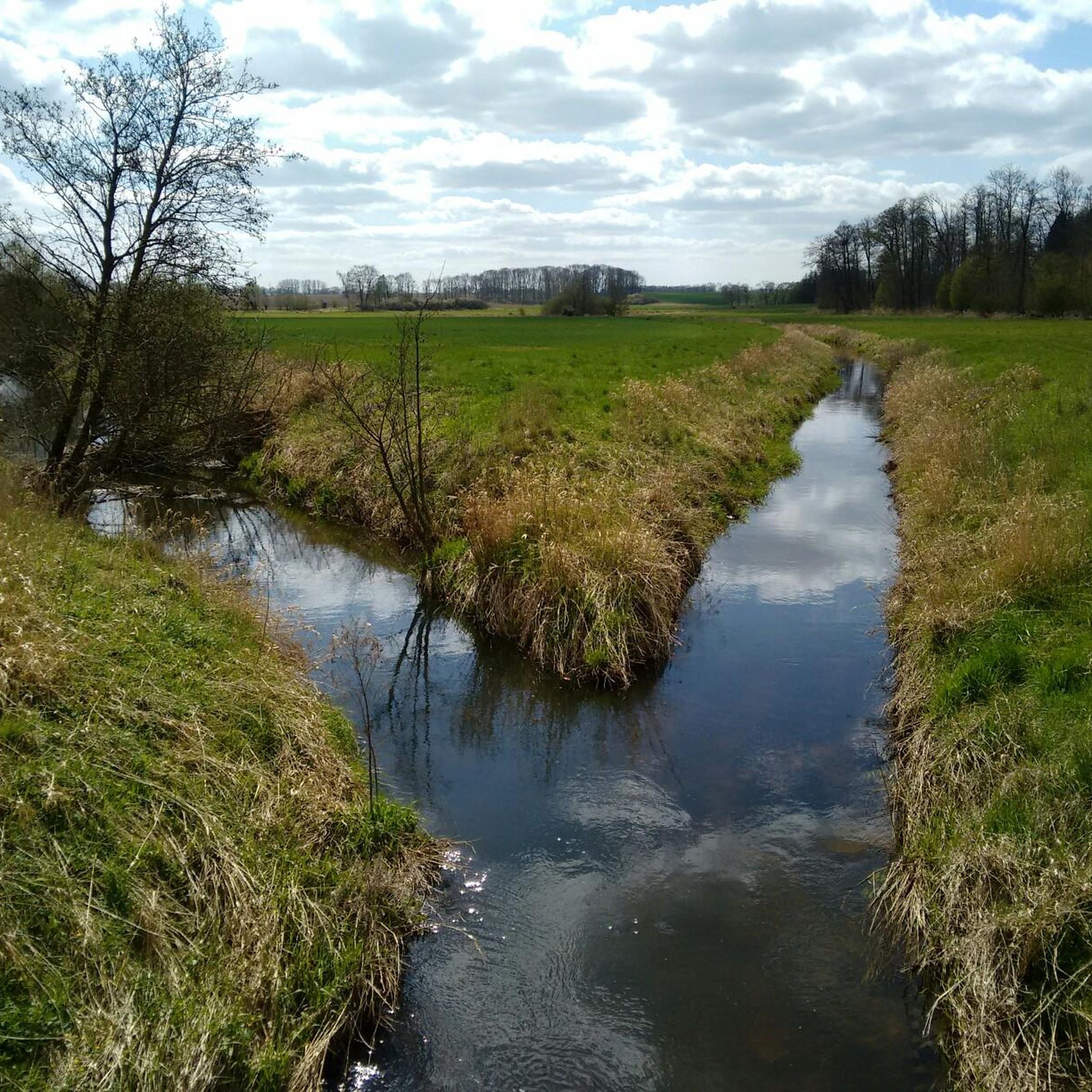
Here in the forest northwest of Franzdorf lie the remains of a medieval castle. However, only the remains of the ramparts and ditches remain, as well as some debris from fieldstone walls or foundations. The complex has a diameter of around 40m and stands out clearly from the otherwise flat landscape. Interestingly, the castle ruins lie exactly on the district border, i.e. on the border of the former duchies of Holstein and Lauenburg. The castle also gives its name to the municipality of Steinburg, which was created in 1978 from the merger of Eichede, Mollhagen and Sprenge. Coming from the direction of Mollhagen or Sprenge, the forest path appears to end here. For experienced mountain bikers, however, it should not be a problem to overcome the ramparts and ditches and continue the path on the other side towards Franzdorf.
2
0

It is not possible to take photographs through the fence; the castle grounds and the park are not accessible, as a private clinic is now located there.
9
1

Even if it cannot be seen on the map, you can connect the two paths. Walking every once in a while, I've already done it on my bike, but it takes strength to push the bike up the mountain.
0
0

Tremsbüttel Castle is located in the Stormarn district in southern Schleswig-Holstein. As the residential building of a former noble estate, it is actually a mansion, but has been called a castle for some time due to its castle-like shape. The building from the late 19th century has housed a hotel since the estate's liquidation and is therefore open to its guests, the park is freely accessible all year round.
2
0
Frequently Asked Questions
What types of historical sites can I expect to find around Rümpel?
Around Rümpel, you'll find a mix of historical estates, castle sites, and castle ruins. While some, like the Tremsbüttel Castle and Tralau Castle, are privately owned and not publicly accessible, they offer glimpses into the region's past. The Burg Stegen Site, for example, is a historical moated castle site with accessible paths and information boards.
Are there any publicly accessible castles or historical estates near Rümpel?
Many of the historical estates and castles around Rümpel are privately owned and not open to the public for tours. For instance, the Adliges Gut Rohlfshagen within Rümpel, Tremsbüttel Castle, and Tralau Castle are private properties. However, the Burg Stegen Site is a historical location with recently improved, easily accessible paths and information boards, allowing visitors to explore the former moated castle grounds.
What is the best time of year to visit the historical sites around Rümpel?
The historical sites around Rümpel, particularly those with outdoor elements like the Burg Stegen Site or Steinburg Castle Ruins, are best visited during spring, summer, or early autumn. These seasons offer pleasant weather for exploring the grounds and enjoying nearby outdoor activities.
Are there family-friendly options among the castles or historical sites?
Yes, the Burg Stegen Site is considered family-friendly. It features easily accessible paths and information boards that explain its history as a moated castle. There's even a herd of goats that helps manage the vegetation, which can be an interesting sight for children.
Can I bring my dog to the historical sites around Rümpel?
For outdoor historical sites like the Burg Stegen Site and Steinburg Castle Ruins, dogs are generally welcome, especially on trails and open areas, provided they are kept on a leash. For private properties like Tremsbüttel Castle or Tralau Castle, access is restricted, so dogs would not be permitted on the grounds.
What outdoor activities can I do near these historical sites?
The area around Rümpel offers various outdoor activities. You can find numerous road cycling routes, mountain biking trails, and gravel biking paths. For example, the Steinburg Castle Ruins are located in a forest area popular for hiking and mountain biking.
Are there any castle ruins to explore near Rümpel?
Yes, the Steinburg Castle Ruins offer a chance to explore the remains of a medieval castle. While only ramparts, ditches, and some debris from walls are left, it's a notable historical site in the forest northwest of Franzdorf, popular for hiking and mountain biking.
How can I view the privately owned castles like Tremsbüttel Castle or Tralau Castle?
Since Tremsbüttel Castle and Tralau Castle are private properties, direct access to their grounds is not permitted. You can often observe them from a respectful distance from public roads or paths. Tralau Castle, for instance, can be seen from the A21 motorway and from the street passing its gate.
What makes the Burg Stegen Site a unique historical spot?
The Burg Stegen Site is unique as it was once a significant moated castle on the Alte Alster, first mentioned in 1302. After extensive renovations, it now features easily accessible paths, information boards detailing its history, and even a herd of goats that helps maintain the grounds. It offers a tangible connection to the region's medieval past.
What do visitors appreciate most about the historical sites around Rümpel?
Visitors appreciate the historical insights offered by these sites, from medieval fortifications to 19th-century estates. The komoot community has contributed over 90 photos and more than 440 upvotes, highlighting the appeal of exploring the rich history and often picturesque settings, even if some properties are only viewable from a distance.
Are there any historical sites around Rümpel that are good for a short walk?
Yes, the Burg Stegen Site is ideal for a short, easy walk. It has recently been provided with easily accessible paths and information boards, making it pleasant to explore the former moated castle grounds. The Steinburg Castle Ruins also offer a short walk through a forest to see the remains of the ramparts.
Is there public transport available to reach these historical sites?
While Rümpel itself is a small town, public transport options to specific, often rural, historical sites like the Burg Stegen Site or Steinburg Castle Ruins may be limited. It's generally recommended to use a car or bicycle to access these locations, especially if you plan to combine your visit with nearby outdoor routes.
Most popular attractions around Rümpel

Get inspired with the komoot mobile app


Explore more
Looking for the best castles somewhere else? Discover other guides around Rümpel:
