Top 13 Caves around Ruppach-Goldhausen
Best caves around Ruppach-Goldhausen are primarily found within the broader Westerwald region, as Ruppach-Goldhausen itself does not feature prominent cave systems. This area is characterized by diverse geological formations, including contact karst features where water has dissolved limestone to form underground spaces. The landscape offers a mix of natural rock formations and historical mining tunnels, providing insights into both natural history and industrial heritage. Visitors can explore various subterranean environments that showcase the region's unique geology.
Best caves around Ruppach-Goldhausen
…Last updated: June 26, 2026
Wolf Cave
Highlight • Cave
Translated by Google •
Tip by

Bärenloch Prehistoric Karst Cave
Highlight • Cave
It's already pretty overgrown.
Translated by Google •
Tip by

Sign up now to discover places like this
Get recommendations on the best single tracks, peaks, & plenty of other exciting outdoor places.
Sign up for free
Marian Grotto Heilberscheid
Highlight • Religious Site
Translated by Google •
Tip by

Bear cave
Highlight • Cave
Translated by Google •
Tip by

Entrance to the Old Mine Tunnel Near Niedererbach
Highlight • Cave
Translated by Google •
Tip by

Sign up for free to discover even more caves around Ruppach-Goldhausen.
Sign up for free
Already have an account?
Start today with a free account
Your next adventure awaits.
Login or Signup
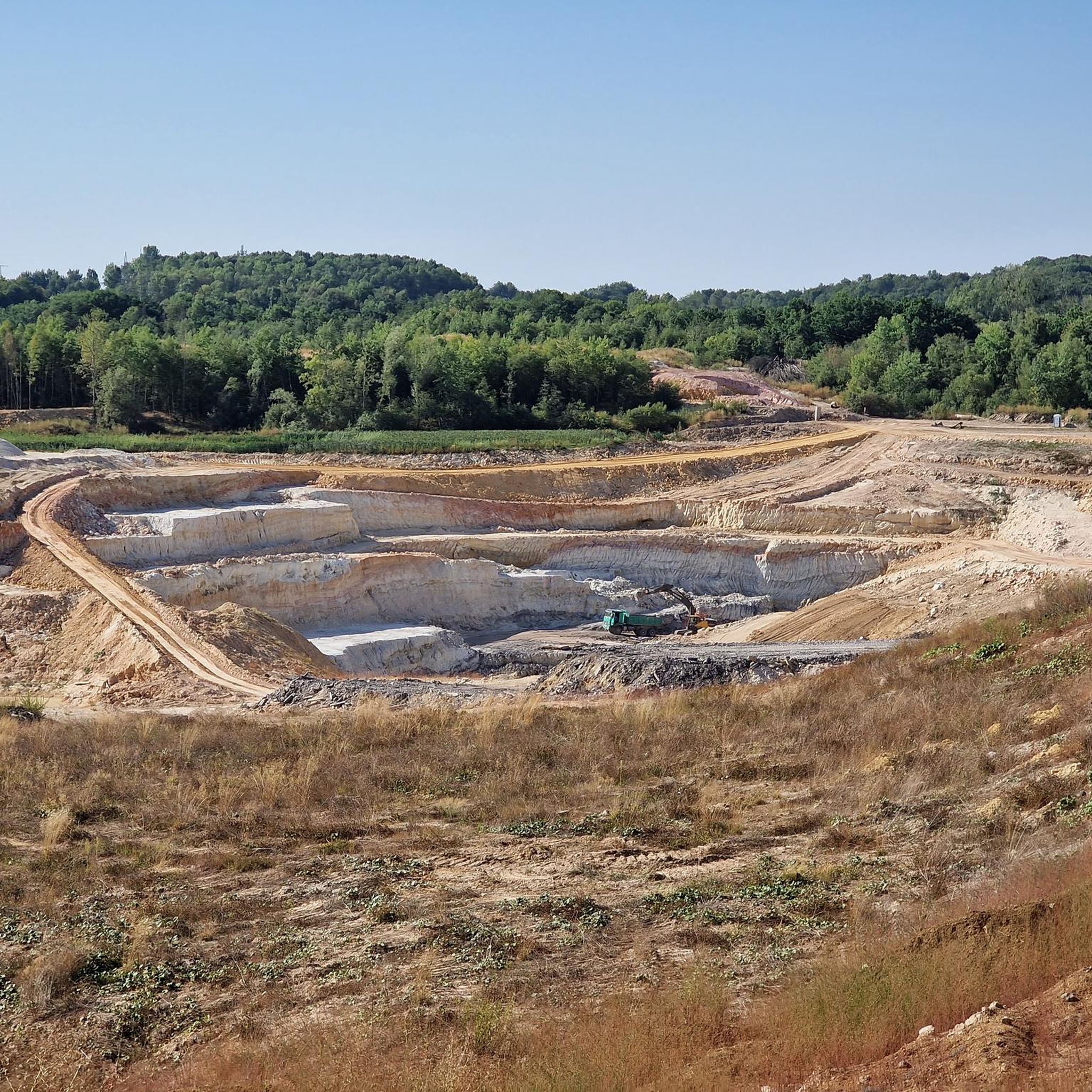
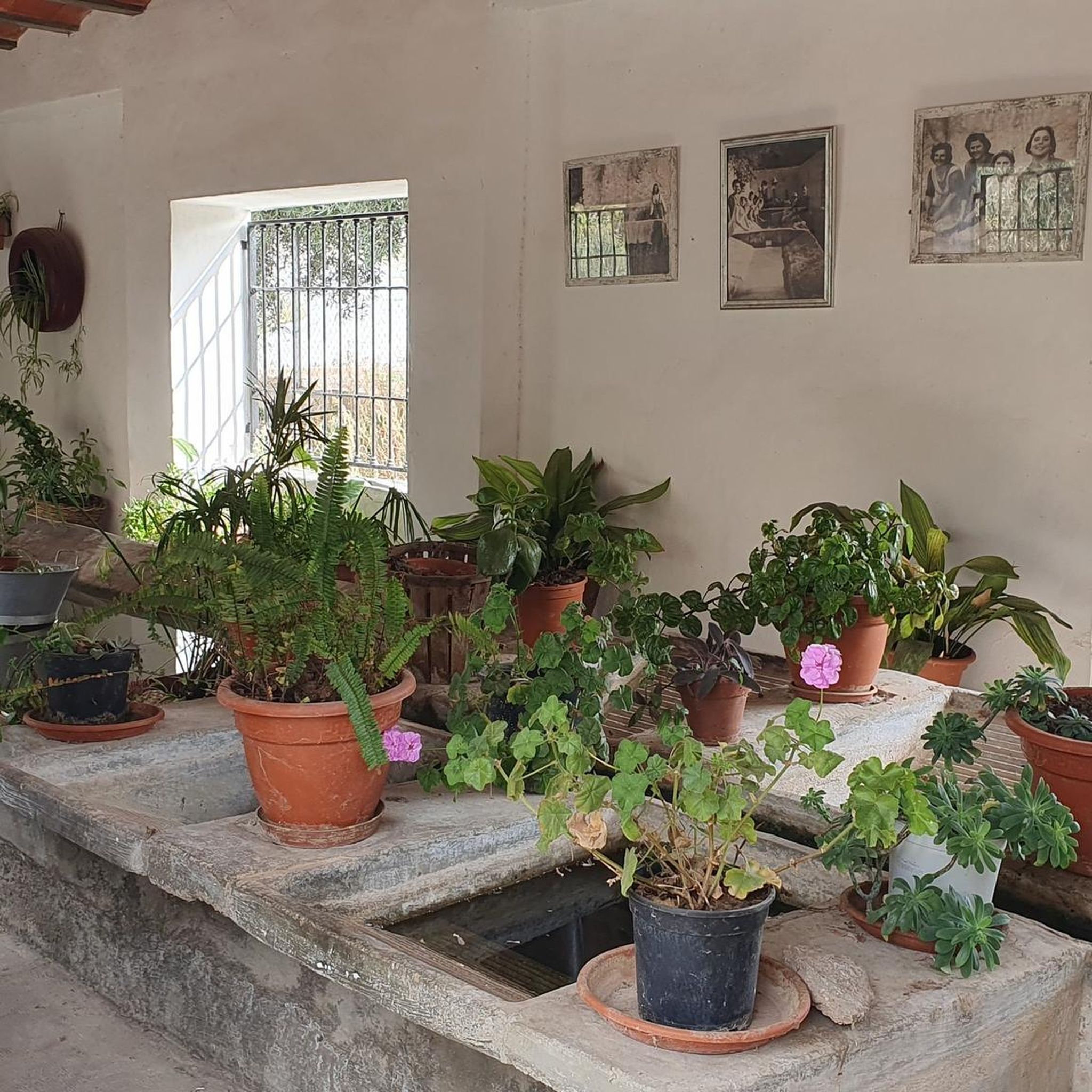
Tips from the Community

The grotto was inaugurated in 1954. Until the end of the 1960s, a procession to the grotto took place every year on May 1st and August 15th. Beautifully designed and inviting place. There is more information about the history on the board on site. Definitely worth a visit!
1
0

The cave is hidden in a sheltered spot near the water, where you can easily imagine why the "cavemen" chose it as their place of residence. Today bats live there, so it is closed. But you can look inside and there is a bench and an information board about bats and the Neolithic finds.
2
0
There has been a Mariengrotte here since 1954. Chaplain Böß had the idea for this in 1953. A procession to the grotto takes place here every year on the Assumption Day. Nice and neat :-)
1
0

The Mariengrotte in Heilberscheid, directly accessible from the street
2
0

Unfortunately closed. Depending on the time, you can watch bats on benches in front of it.
0
0

unfortunately you cannot enter the cave
0
1

this cave (man-made) is constantly being rebuilt
1
0
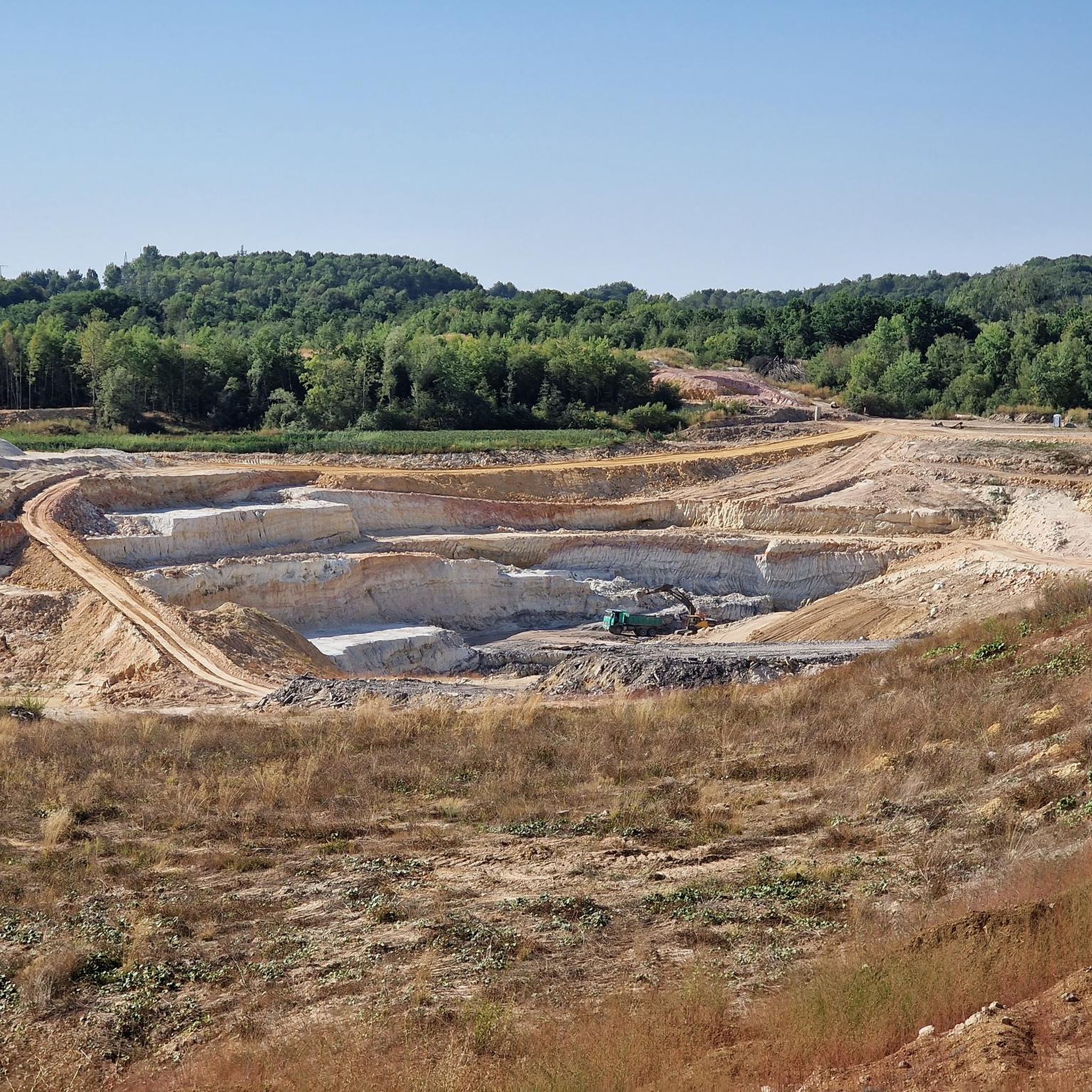
Shortly before the puppies are born, the pregnant she-wolf looks for a cave in which she gives birth to her offspring and houses them for protection. A wide variety of loopholes are useful for this, such as deep riverbank hollows, cavities under fallen trees or rock overhangs, hollow tree trunks, a gap between rocks and so on. Sometimes wolves also use abandoned burrows of other animals such as bear caves or beaver dams. Often caves have been used by wolves for generations. A cave in Jasper National Park was used eight times in 15 years. Another on Ellesmere Island may be even older. Bones up to 783 years old have been found in it. In an ordinary wolf cave, the birth chamber is at the end of a tunnel that can be up to 5 meters long in soft earth. The cave itself is often slightly elevated from the rest of the tunnel. The birth chamber has a diameter of about 90cm and is about 60cm high. The cave entrance has a width of about 50cm to 70cm and a height of about 38cm to 50cm. Often the cave is located near a water source and at an elevated place so that the wolf can spot approaching enemies early. The alpha male stays outside the cave for protection and often plays the decoy to lure approaching predators such as bears and eagles away from the cave, whose prey can be a very young puppy. Although wolves often defend their den against wild predators, they will usually run away when humans approach them. Over the years, wolves change their burrows and relocate with their offspring, covering a distance of more than 1.6km. This happens either due to a parasitic infection of the cave or disturbance from humans or other animals.
1
0
Frequently Asked Questions
What types of caves and underground sites can I explore in the Westerwald region?
The Westerwald region offers a diverse range of subterranean experiences. You can find natural karst caves, historical mining tunnels, and even grottoes. These sites provide insights into both the region's unique geology and its rich industrial heritage.
Are there any show caves in the wider Westerwald area?
Yes, the Herbstlabyrinth-Adventhöhle System in Breitscheid is a significant show cave. It's one of Germany's most important cave systems, featuring over thirteen kilometers of passages with numerous stalactites. It's known for its modern LED lighting concept and guided tours.
Can I visit historical mines or tunnels in the Westerwald-Sieg region?
Absolutely. The Westerwald-Sieg region has a rich mining history. You can visit the Bindweide Mine Visitor Mine in Steinebach (Sieg), which offers guided tours and a mine railway. Another option is the Alvensleben Gallery near Burglahr, where you can see mineralogical features and old mining tools.
Are there any family-friendly cave attractions?
While many natural caves have restricted access, the Marian Grotto Heilberscheid is easily accessible from the street and offers a beautifully designed, inviting space with historical information, making it suitable for families.
What kind of natural rock formations can I see on a trail?
The Erdbach Karst Nature Trail in the Westerwald showcases spectacular rock formations, both underground and above ground, created by weathering processes. It highlights how the Erdbach river temporarily disappears and reappears due to these karst formations.
Are there any caves with historical significance in the region?
Yes, the Bärenloch Prehistoric Karst Cave was likely used as a shelter by Stone Age people, offering a glimpse into prehistoric human activity. Although access is restricted, the site is well-exposed.
What are the Heinzelmann Caves known for?
The Heinzelmann Caves in the Westerwald are notable for their formation process, which involved the chemical dissolution of limestone in areas filled with groundwater. They provide a unique insight into the geological history of the region, indicating past river and groundwater levels.
Can I explore any abandoned industrial sites related to underground structures?
The Langenaubach Basalt Quarry Tunnel offers a unique view into an abandoned basalt quarry and its industrial past. While currently impassable due to water, it's a visually striking location.
What outdoor activities can I combine with a visit to the caves around Ruppach-Goldhausen?
The area around Ruppach-Goldhausen is excellent for various outdoor activities. You can find numerous MTB trails, gravel biking routes, and cycling tours that allow you to explore the diverse landscape.
Are there any caves that are important for wildlife?
The Bear cave is a significant habitat for bats, leading to its closure for public access to protect the wildlife. An information board on-site provides details about bats and Neolithic finds.
What is the best time of year to visit caves in the Westerwald region?
Show caves like the Herbstlabyrinth-Adventhöhle System often have specific opening hours, which can vary seasonally. For natural karst trails or outdoor sites, spring and autumn generally offer pleasant weather for exploration. During winter, some natural sites might be less accessible due to weather conditions, and bat habitats like the Bear cave are typically closed to avoid disturbing the animals.
What should I wear when visiting caves or underground sites?
When visiting caves, it's advisable to wear sturdy, comfortable shoes with good grip, as surfaces can be uneven or wet. Even in summer, cave temperatures are consistently cool, so bring an extra layer of clothing, such as a jacket or sweater. For show caves, follow any specific guidelines provided by the operators.
Most popular routes around Ruppach-Goldhausen
Most popular attractions around Ruppach-Goldhausen

Get inspired with the komoot mobile app


Explore more
Extend your search for the best caves by checking out these guides of the top ones around Ruppach-Goldhausen:
