Top 6 Caves around Bölsberg
Caves around Bölsberg are primarily found in the surrounding Westerwald region, a landscape characterized by its geological history. This area, particularly near Bad Marienberg, features a variety of underground attractions. These include historical mine tunnels, natural rock formations, and grottoes. The region offers opportunities to explore both the natural geology and the industrial heritage of the Westerwald.
Best caves around Bölsberg
- The most popular caves is Assberg slate mine, a historical site that offers insights into slate mining, with…
Last updated: June 26, 2026
Assberg slate mine
Highlight • Cave
Translated by Google •
Tip by

Stair Path to the Historical Slate Mine Limbach
Highlight • Trail
Translated by Google •
Tip by

Sign up now to discover places like this
Get recommendations on the best single tracks, peaks, & plenty of other exciting outdoor places.
Sign up for free
Grube Edelstein Visitor Mine
Highlight • Historical Site
From Easter Monday to the end of October, the "Grube Edelstein" is open to visitors every second Sunday of the month without registration.
Currently …
Translated by Google •
Tip by

Limbach Grotto (Madonna Shrine)
Highlight • Cave
Translated by Google •
Tip by

Start today with a free account
Your next adventure awaits.
Login or Signup
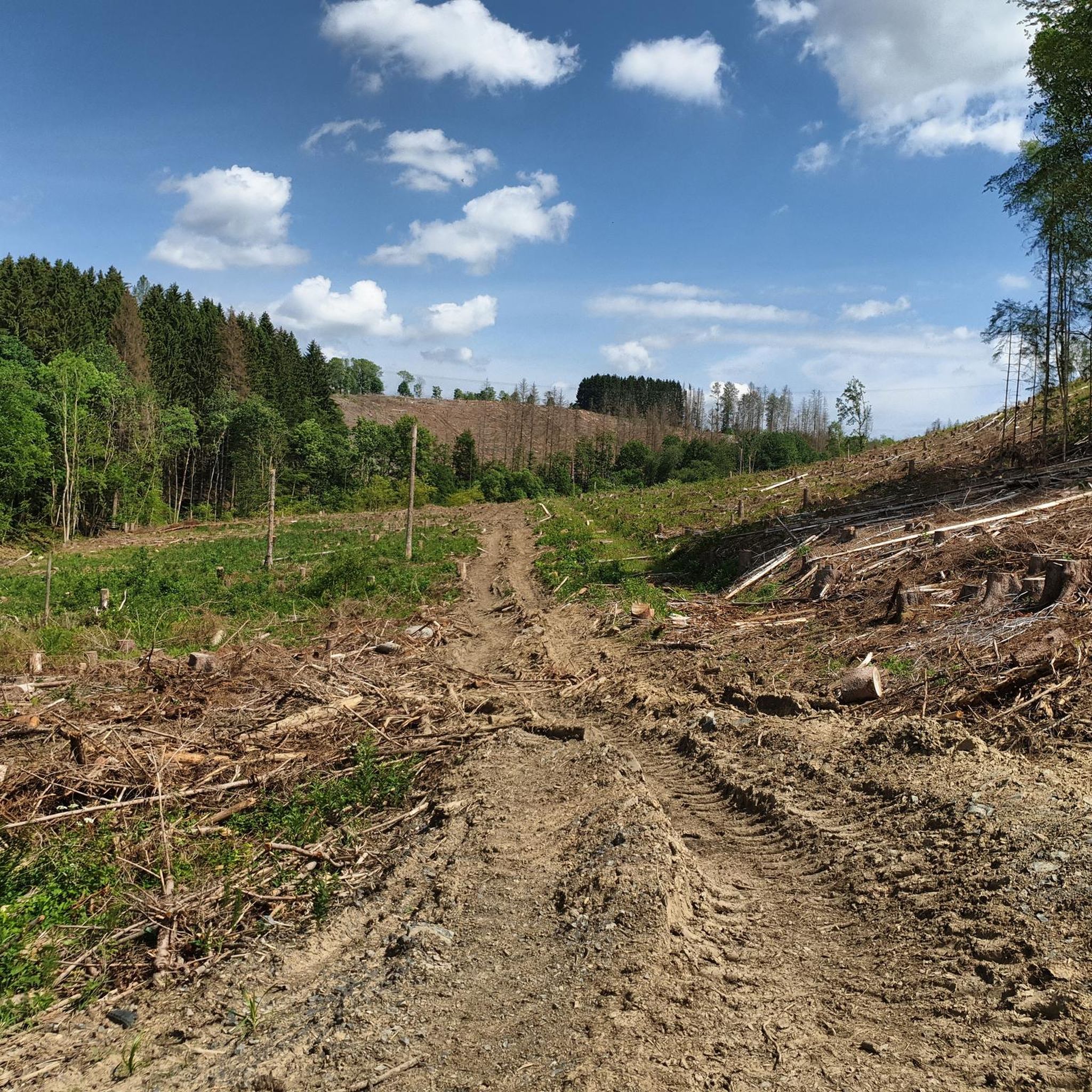
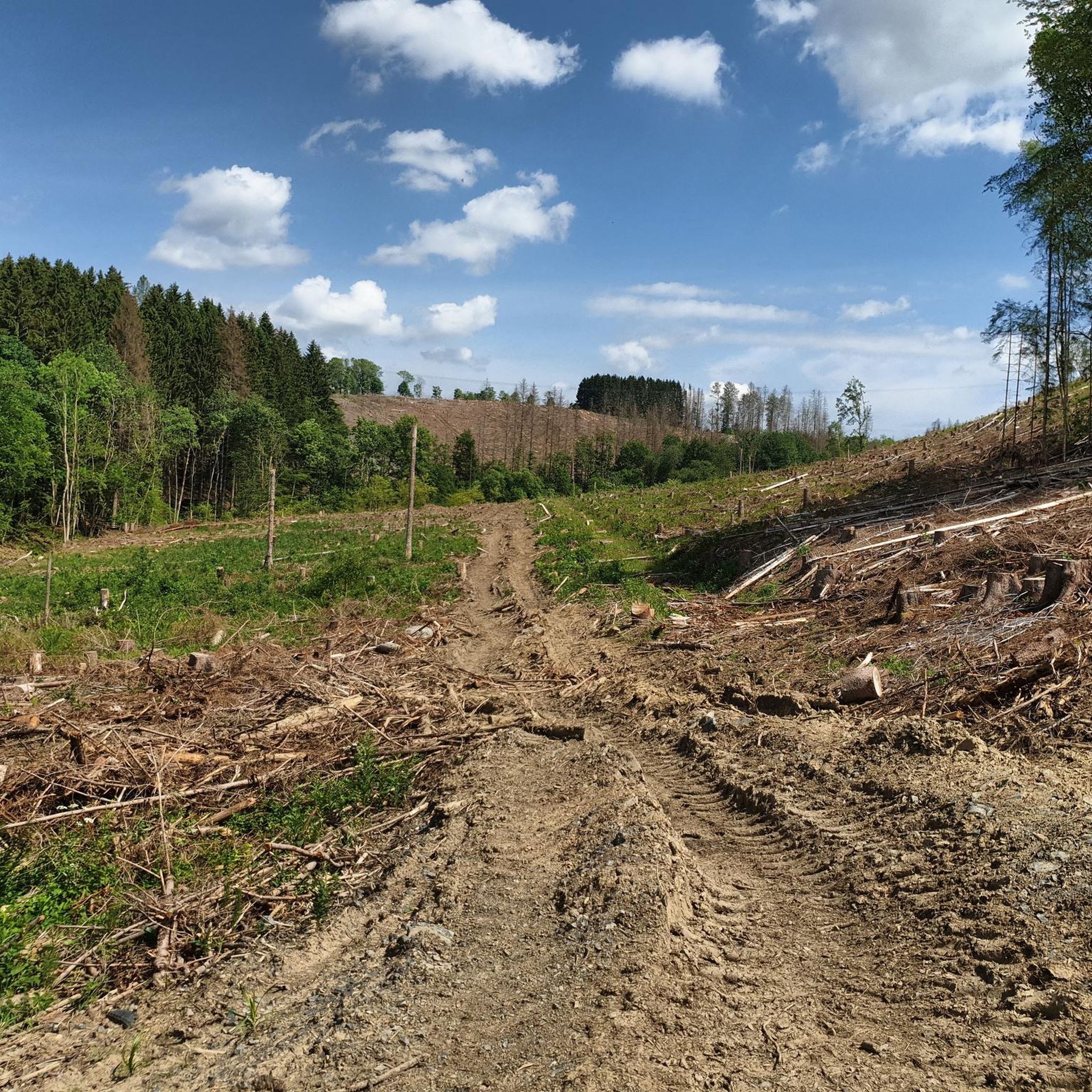
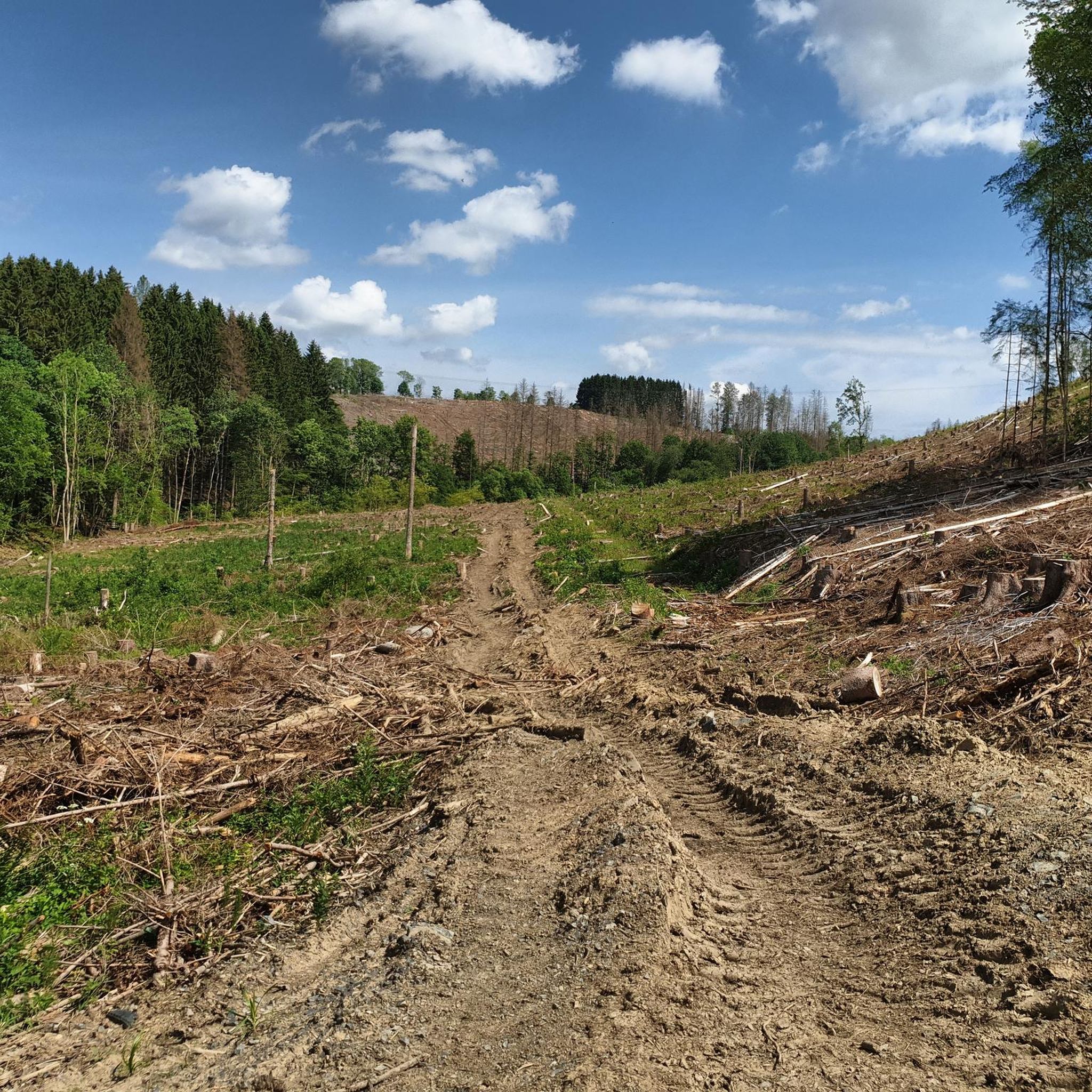
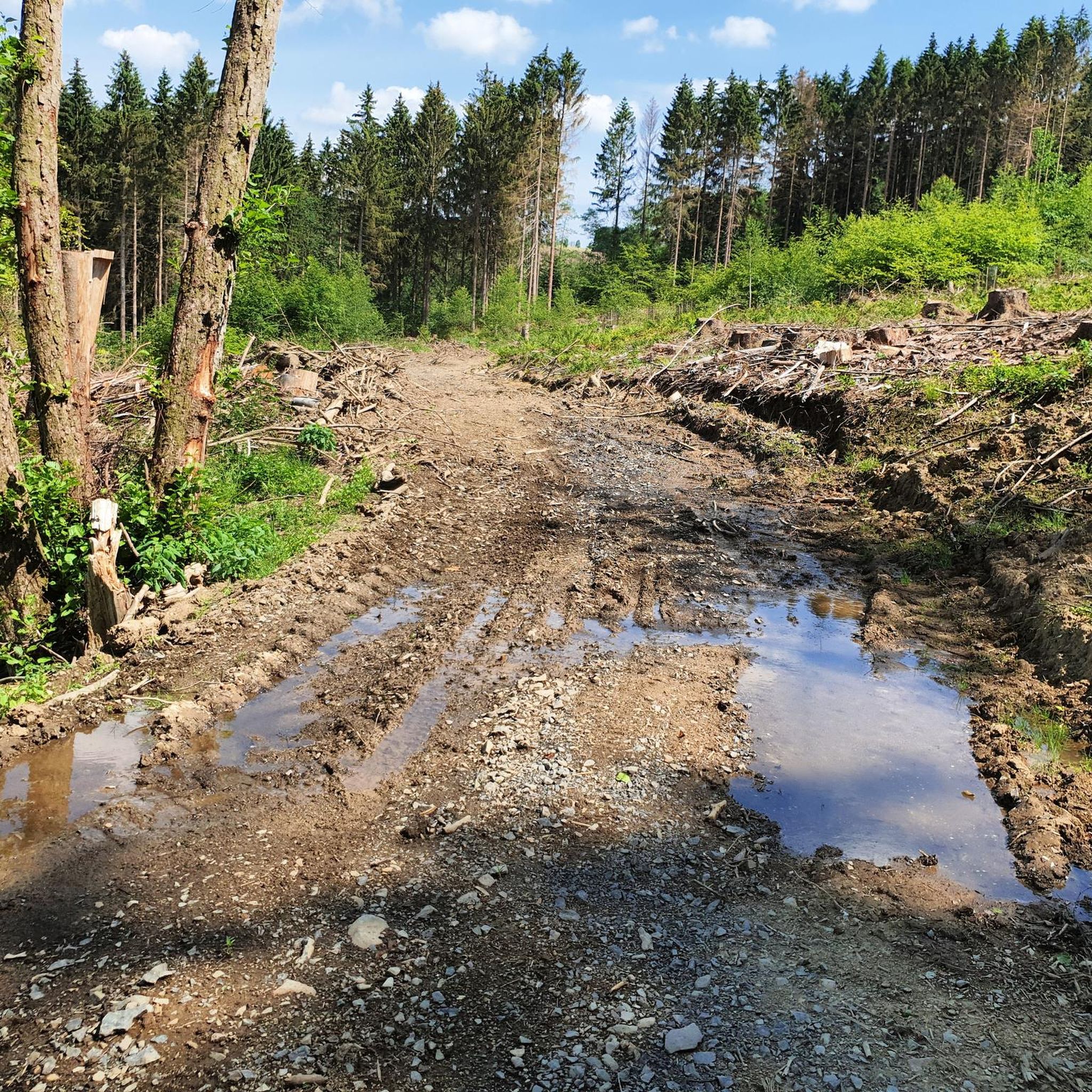
Tips from the Community

Open every second Sunday from 2pm to 5pm (or by appointment)
2
0
The first records of mining activity in the Luckenbach district date back to 1685/1686. The Edelstein brown iron ore mine runs from the tunnel entrance in the Hardt area, approximately 220 meters northwest, and was operated until around 1922, but became uneconomical. At the end of World War II, the tunnel served as an air-raid shelter. While the men were at war, the population, mothers and children, had to take refuge in the tunnel when air raid warnings sounded. Nowadays, however, only part of the mine is accessible due to overburden deposits. For safety reasons, a solid door was installed in the entrance area. From time to time, guided tours of the mine are offered, which I highly recommend.
3
0

splendid
2
0

Former Edelstein ore mine. The former mine, whose tunnel mouth was reopened in 1991, is located in the Luckenbach district. It was apparently an underground mine operated by hand, as the first information from 1860 suggests. The ore was mined here between 1844 and 1920. The tunnel can also be visited.
2
0

This steep staircase is a very welcome change after all the very wide and flat paths!
0
0
The climb is worth it
1
0

Here there are only the steps up to the mine. Not really suitable as a cycling highlight. There is, however, a path up from the monastery for bicycles, although it is quite steep.
0
0

Information about the Edelstein mine: https://www.luckenbach-ww.de/gemeinde/grube-edelstein/ From Easter Monday to the end of October, the "Grube Edelstein" is open to visitors every second Sunday of the month without registration. Currently (4/2024) guided tours take place from 2 p.m. to 5 p.m. (from 3 p.m. to 6 p.m. the village café in the nearby Backes offers coffee, cake and drinks, highly recommended!) The tunnel leads about 100 meters into the mountain, widens in the rear part and branches off into outgoing tunnels. A water-filled shaft leads into the depths to lower levels.
5
0
Frequently Asked Questions
What types of underground attractions can I find around Bölsberg?
The area around Bölsberg, particularly in the wider Westerwald region, offers a variety of underground attractions. These include historical mine tunnels, natural rock formations, and grottoes, providing insights into both the region's geology and its industrial heritage.
Are there any historical mines I can visit near Bölsberg?
Yes, several historical mines are accessible. You can visit the Assberg slate mine, a freely accessible historical site offering insights into slate mining. Another option is the Grube Edelstein Visitor Mine, which offers guided tours about 100 meters into the mountain. The Stair Path to the Historical Slate Mine Limbach also leads to a historical slate mine.
Are there any natural caves or grottoes to explore?
Yes, the region features natural formations. The Herbstlabyrinth stalactite cave is a significant natural cave with impressive stalactite formations. You can also find the Heinzelmann Caves, formed by limestone dissolution, and the Limbach Grotto (Madonna Shrine), located in a rock massif.
What is the Grube Bindweide known for?
The Grube Bindweide is a significant visitor mine in Steinebach, recognized as one of Germany's certified healing tunnels. It offers speleotherapy for respiratory ailments due to its pure air and unique microclimate, in addition to showcasing the region's mining history.
Are there any caves with local legends or folklore?
Yes, the Wildfrauenloch (Wild Women's Cave) is a rock cave steeped in local legends. Stories tell of a fierce woman who once lived there. It's located in the forest and can be visited via circular paths like the 'Traumschleife Bärenbachpfad'.
What are the accessibility considerations for the Limbach Grotto?
The Limbach Grotto (Madonna Shrine) is accessed via a somewhat adventurous path, partly over a steep slope. It is recommended for experienced hikers who are comfortable with heights.
What kind of industrial heritage sites are there besides mines?
Beyond traditional mines, you can explore sites like the Langenaubach Basalt Quarry Tunnel. While not a natural cave, this tunnel, once used for basalt removal, offers a glimpse into the region's industrial past and can be viewed from the Rothaarsteig am Aubach trail.
What do visitors appreciate most about the caves and underground sites around Bölsberg?
Visitors frequently appreciate the historical insights offered by the old mines and the unique natural geological features. The komoot community has given these sites over 800 upvotes and shared more than 1000 photos, highlighting their appeal for exploration and photography.
Are there hiking opportunities near these underground attractions?
Yes, the region around Bölsberg offers numerous hiking trails. For example, the Wildfrauenloch is located along the 'Traumschleife Bärenbachpfad', and the Heinzelmann Caves are part of the HöhenLuft hiking trail. You can find more hiking options in the Hiking around Bölsberg guide.
Can I combine a visit to the caves with other outdoor activities?
Absolutely. The area around Bölsberg is excellent for various outdoor activities. Besides hiking, you can find gravel biking routes and running trails that allow you to explore the diverse landscapes of the Westerwald.
Are there any specific safety considerations for visiting caves in the region?
When visiting any underground site, it's always advisable to check accessibility and opening times beforehand. Some natural caves, though perhaps further afield, may have seasonal closures for bat hibernation. Always exercise caution, especially in less developed or adventurous sites like the Felsenstübchen (Froneck-Nister Castle Ruins), where careful footing is recommended.
What is the Felsenstübchen (Froneck-Nister Castle Ruins)?
The Felsenstübchen is a mini rock formation located near the Froneck-Nister Castle Ruins. It's a natural spot that, while requiring careful navigation, offers a rewarding experience for visitors.
Most popular routes around Bölsberg
Most popular attractions around Bölsberg

Get inspired with the komoot mobile app


Explore more
Extend your search for the best caves by checking out these guides of the top ones around Bölsberg:
