Top 9 Caves around Hümmerich
Best caves around Hümmerich are predominantly historical mining tunnels and slate mines, showcasing the region's industrial heritage. Hümmerich, situated in the Westerwald area of Rhineland-Palatinate, features a landscape influenced by past mining activities. While natural caves are not a primary feature directly within Hümmerich, the area offers unique insights into historical underground work. These sites provide a factual look at the region's industrial past and its impact on the natural environment.
Best caves around Hümmerich
- The most popular caves is…
Last updated: June 26, 2026
Laubach Valley Slate Mines
Highlight • Cave
Translated by Google •
Tip by

Alvenslebenstollen
Highlight • Historical Site
Translated by Google •
Tip by

Sign up now to discover places like this
Get recommendations on the best single tracks, peaks, & plenty of other exciting outdoor places.
Sign up for free
Translated by Google •
Tip by

Lammerichskaule Mine Tunnel
Highlight • Historical Site
Translated by Google •
Tip by

World War II Air-Raid Shelter
Highlight • Historical Site
Translated by Google •
Tip by

Sign up for free to discover even more caves around Hümmerich.
Sign up for free
Already have an account?
Start today with a free account
Your next adventure awaits.
Login or Signup
Tips from the Community

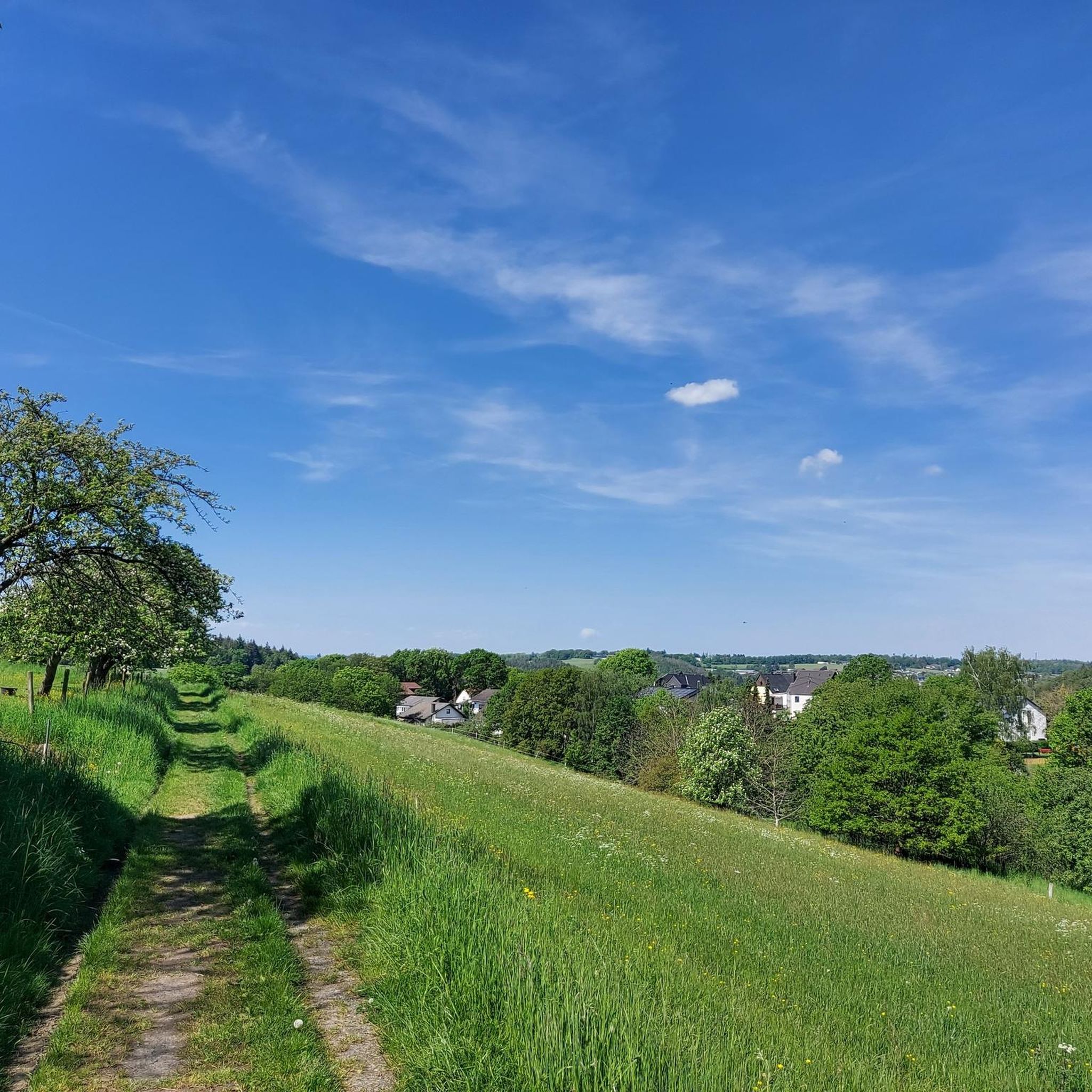
A fenced area where slate was formerly mined. Is privately owned
0
0

Possibility of rest and view of the tunnel and the castle
1
0

The tunnel addresses the history of mining. The last time I visited the tunnel, there were lots of small bats living there. The history is also explained in detail on site.
0
0

Unfortunately I didn't have time to visit the tunnel.
0
0


Unfortunately, the tunnel cannot be visited
1
0

The tunnel was a legacy of the Louise mine and can be viewed by appointment. There is also a rest area.
0
0
Frequently Asked Questions
What kind of 'caves' can I expect to find around Hümmerich?
The 'caves' around Hümmerich are primarily historical mining tunnels and slate mines, rather than natural geological caves. They offer a unique insight into the region's industrial heritage and past mining activities, such as the Laubach Valley Slate Mines and the Lammerichskaule Mine Tunnel.
Are there any natural caves to explore in Hümmerich?
No, there are no notable natural caves specifically located within Hümmerich that are highlighted as tourist attractions. The region's underground features are mainly historical mining tunnels. For significant natural caves like the Lavakeller or Elfengrotte, you would need to explore other areas within Rhineland-Palatinate.
Can I enter all the historical mining tunnels and slate mines?
Access to many of these historical sites is restricted. For example, the Laubach Valley Slate Mines are secured with a grille to protect bats that now inhabit them. The Old Slate Mine Entrance is also closed for bat protection. Some, like Alvenslebenstollen, can be viewed by appointment.
What historical insights do these mining tunnels offer?
These sites provide a factual look at the region's industrial past. For instance, the Lammerichskaule Mine Tunnel, dating back to 1850, has information boards detailing its history along the ore hiking trail. The Alvenslebenstollen is a legacy of the Louise mine, named after Albrecht Graf, a Prussian Minister of Finance, and offers a glimpse into 19th-century mining engineering.
Are there family-friendly options among the caves and historical sites?
While direct entry into many tunnels is restricted, some sites like Alvenslebenstollen are considered family-friendly, especially when viewed by appointment. The surrounding areas often feature hiking trails where families can explore the historical context and natural environment.
What outdoor activities can I do near these historical mining sites?
The Hümmerich area offers various outdoor activities. You can find numerous running trails, such as the 'Grenzbachtal' loops, and road cycling routes like the 'Sayntal – Isenburg Castle Ruins loop'. For mountain biking, there are trails like the 'View of Höllsbachtal Valley – Upper Fockenbach Valley loop'. You can find more details on these activities in the Running Trails around Hümmerich, Road Cycling Routes around Hümmerich, and MTB Trails around Hümmerich guides.
Are there hiking trails that pass by these historical tunnels?
Yes, several hiking trails in the region will lead you past these historical sites. For example, the ore hiking trail passes by the Lammerichskaule Mine Tunnel. Many other trails in the Naturpark Rhein-Westerwald also feature old tunnel entrances and slate mines, offering interesting points of discovery for hikers.
What is the best time of year to visit the Hümmerich area for exploring these sites?
The historical mining tunnels and their surrounding areas can be explored throughout the year. Spring and autumn offer pleasant temperatures for hiking and cycling. In winter, some areas might be less accessible due to weather, but the historical sites themselves remain a point of interest.
What kind of wildlife can be found in or around these old mines?
Many of the old mining tunnels and slate mines now serve as important habitats for wildlife, particularly bats. Sites like the Laubach Valley Slate Mines and the Old Slate Mine Entrance are specifically protected to provide winter quarters for endangered bat species, including bearded bats, water bats, pipistrelle bats, and large mouse-eared bats.
What do visitors appreciate most about the caves and historical sites in Hümmerich?
Visitors appreciate the unique blend of industrial history and natural beauty. The opportunity to see well-preserved historical mining tunnels, learn about the region's past, and observe the transformation of these sites into wildlife habitats (especially for bats) is highly valued. The komoot community has shared over 130 photos and given more than 300 upvotes for these unique landmarks.
Are there any other historical or natural landmarks near Hümmerich besides the mines?
Beyond the mining tunnels, Hümmerich and its surroundings feature other historical and natural landmarks. These include the Waagenmuseum (scales museum), the Eckeburquelle (Eckebur spring), an old oak, and natural monuments like the 'Weißen Steinen' (White Stones) and 'Pingenfelder', which are traces of early mining activities.
Most popular routes around Hümmerich
Most popular attractions around Hümmerich

Get inspired with the komoot mobile app


Explore more
Extend your search for the best caves by checking out these guides of the top ones around Hümmerich:
