Top 5 Caves around Isenburg
Best caves around Isenburg are primarily found in the surrounding natural landscapes, characterized by historical mining activities and geological formations. The region features remnants of past slate mining, which have created various tunnel systems and rock shelters. These sites now serve as significant natural habitats and historical points of interest. The area's geology contributes to the formation of these unique underground structures.
Best caves around Isenburg
- The most popular caves is Laubach Valley Slate Mines, a cave that once…
Last updated: June 26, 2026
Laubach Valley Slate Mines
Highlight • Cave
Translated by Google •
Tip by

Brexbach Stream and Stone Bridges
Highlight • River
Translated by Google •
Tip by

Sign up now to discover places like this
Get recommendations on the best single tracks, peaks, & plenty of other exciting outdoor places.
Sign up for free
Westerwald Caves
Highlight • Cave
Translated by Google •
Tip by

Translated by Google •
Tip by

World War II Air-Raid Shelter
Highlight • Historical Site
Translated by Google •
Tip by

Sign up for free to discover even more caves around Isenburg.
Sign up for free
Already have an account?
Start today with a free account
Your next adventure awaits.
Login or Signup
Tips from the Community

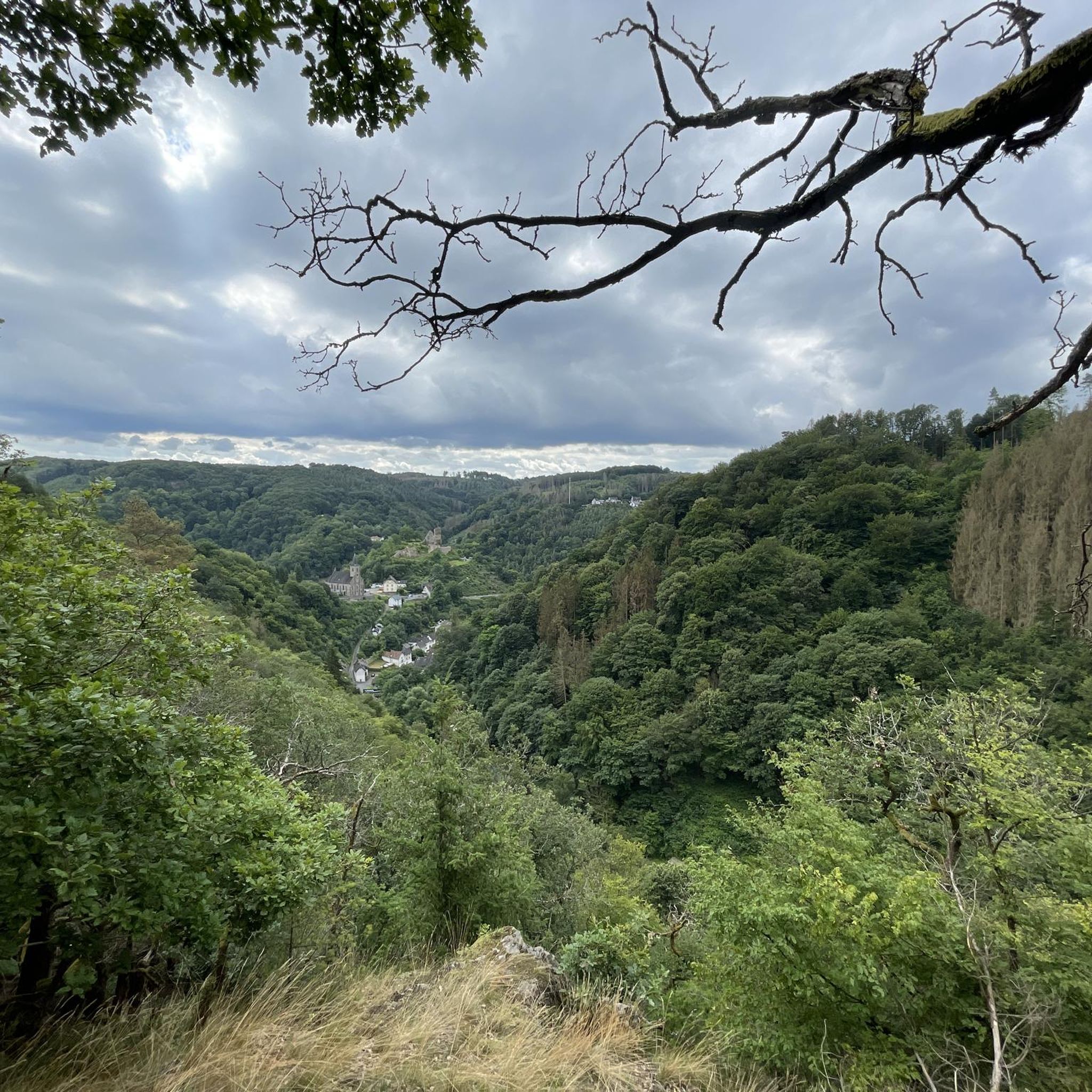
A fenced area where slate was formerly mined. Is privately owned
0
0

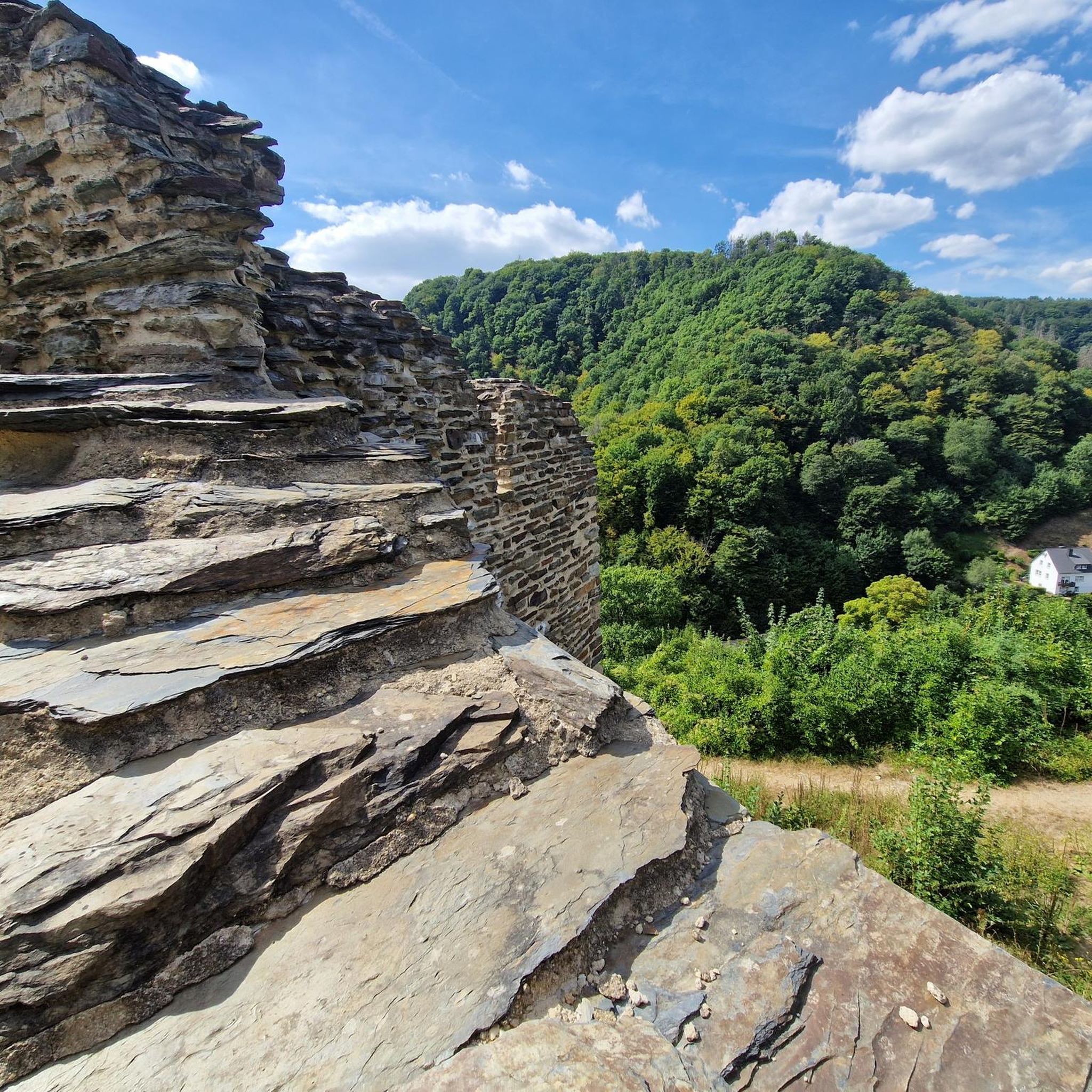
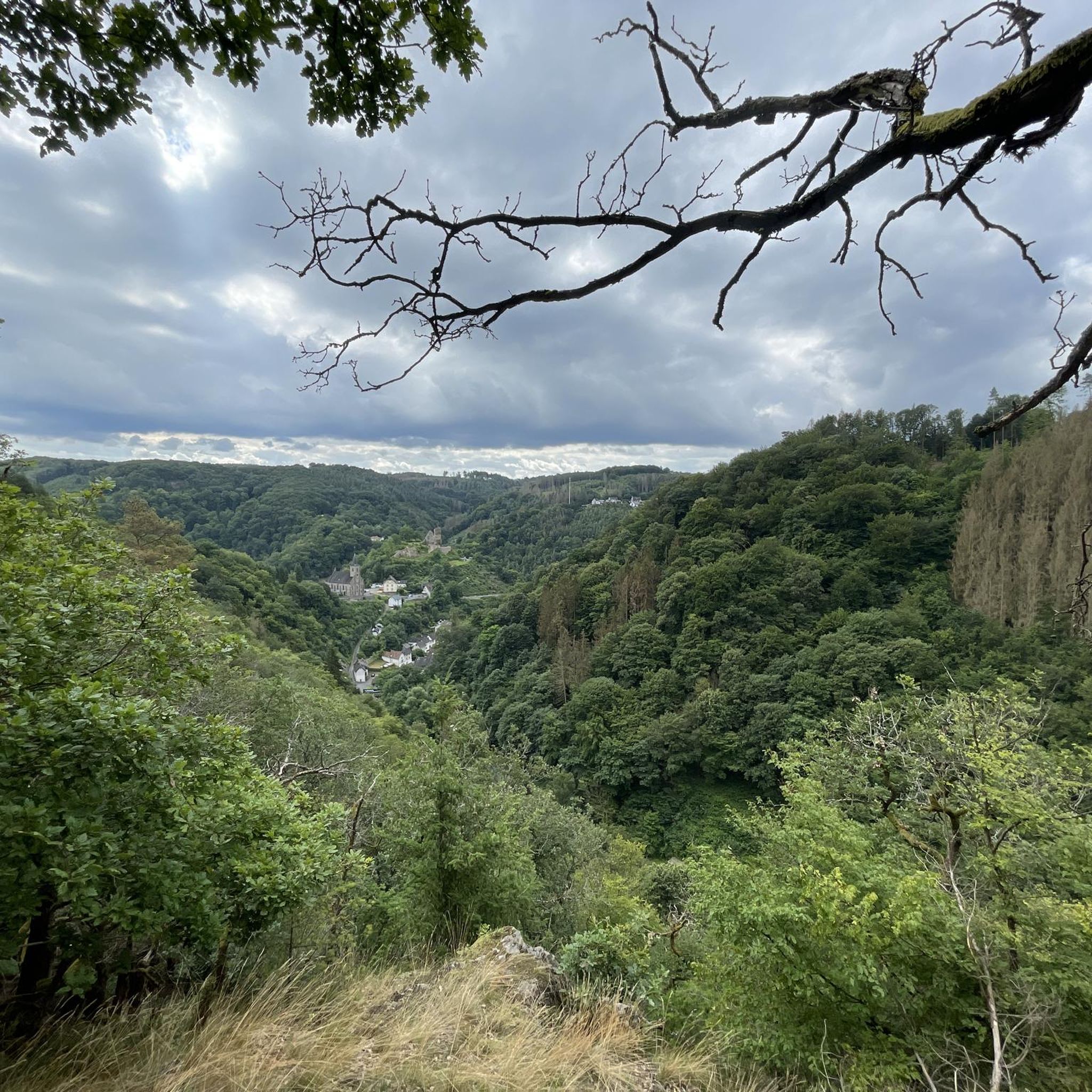
Along the shady Brexbach stream, there are beautiful paths, bridges from an old railway line, and two accessible caves in the hillside. Don't forget your flashlight!
2
0

Were only in the lower one, but it was already convincing. Several branches and really many meters long. It's worth it. There is no treasure, but the way is the goal
0
0


A beautiful spot with narrow paths ❤
5
0

Just wonderful on warm summer days
3
0

Brexbach ... there are great hiking trails here
3
0
Unfortunately, the tunnel cannot be visited
1
0
Frequently Asked Questions
What kind of caves can I expect to find around Isenburg?
The caves around Isenburg are primarily former slate mines, rock shelters, and historical tunnels. These sites are significant for their geological formations and historical mining activities, many of which now serve as protected habitats for wildlife.
Are there any caves around Isenburg that are important for wildlife?
Yes, several former mining tunnels are now crucial habitats. For example, the Laubach Valley Slate Mines and the Old Slate Mine Entrance (Bat Protection), Naturpark Rhein-Westerwald are secured to protect various bat species that use them as winter quarters.
Can I enter the old slate mines or caves in the Isenburg area?
Most of the former slate mines and caves, such as the Laubach Valley Slate Mines, are closed to human entry for safety reasons and to protect the bat populations. Some, like the Sealed Cave in Naturpark Rhein-Westerwald or the Cave Entrances by the Aubach, are walled up or have grilles, but you might be able to look inside partially.
What historical significance do the caves around Isenburg hold?
The caves are primarily remnants of historical slate mining operations, which were laboriously worked by hand. Some tunnels, like those in the Laubach Valley, even served as air-raid shelters for residents during World War II. The World War II Air-Raid Shelter is another example of a protective tunnel from that era.
Are there hiking trails that pass by these caves?
Yes, the region offers various hiking opportunities. You can find routes that incorporate these historical sites and natural features. For more details on hiking trails, refer to the Hiking around Isenburg guide.
What other outdoor activities can I do near the caves in Isenburg?
Beyond exploring the cave sites, the Isenburg area is suitable for other outdoor activities. You can find numerous options for hiking, running, and gravel biking in the surrounding natural landscapes.
What do visitors generally appreciate about the caves in the Isenburg region?
Visitors appreciate the historical context of the old slate mines and tunnels, and their current role as protected natural habitats. The unique geological formations and the opportunity to observe the historical mining context are often highlighted.
Are the caves around Isenburg suitable for families with children?
While direct entry into most caves is restricted, the areas around the former mine entrances and rock shelters offer interesting points for exploration and learning about local history and wildlife. They can be incorporated into family-friendly walks, but direct cave exploration is not typically an option.
Is there parking available near the cave sites?
Information on specific parking facilities for each cave site is not consistently available. However, many hiking and outdoor activity routes in the Isenburg region typically have designated parking areas at their starting points, which would allow access to nearby cave locations.
What is the best time of year to visit the caves around Isenburg?
The caves themselves are often closed or protected year-round due to bat hibernation. However, the surrounding natural areas and hiking trails can be enjoyed throughout the warmer months, typically from spring to autumn, when the weather is most favorable for outdoor activities.
Are there any hidden gem caves in the Isenburg area?
The region's caves are primarily known for their historical mining significance and role as bat habitats. While not 'hidden' in the sense of being undiscovered, sites like the Sealed Cave in Naturpark Rhein-Westerwald offer a glimpse into the deeper, less accessible parts of these formations, often with an opening to peer inside.
Most popular routes around Isenburg
Most popular attractions around Isenburg

Get inspired with the komoot mobile app


Explore more
Extend your search for the best caves by checking out these guides of the top ones around Isenburg:
