Top 8 Castles around Muldenhammer
Best castles around Muldenhammer are found in the Vogtlandkreis district of Saxony, Germany, a region known for its historical landmarks and natural landscapes. While traditional medieval castles are less common, the area features significant historical residences and castle-related sites. These locations offer insights into the region's past, from industrial heritage to local governance. Visitors can explore a blend of architectural interest and cultural history within the Muldenhammer area.
Best castles around Muldenhammer
- The most popular castles is Rodewisch Castle Island…
Last updated: June 26, 2026
Rodewisch Castle Island
Highlight • Castle
Translated by Google •
Tip by

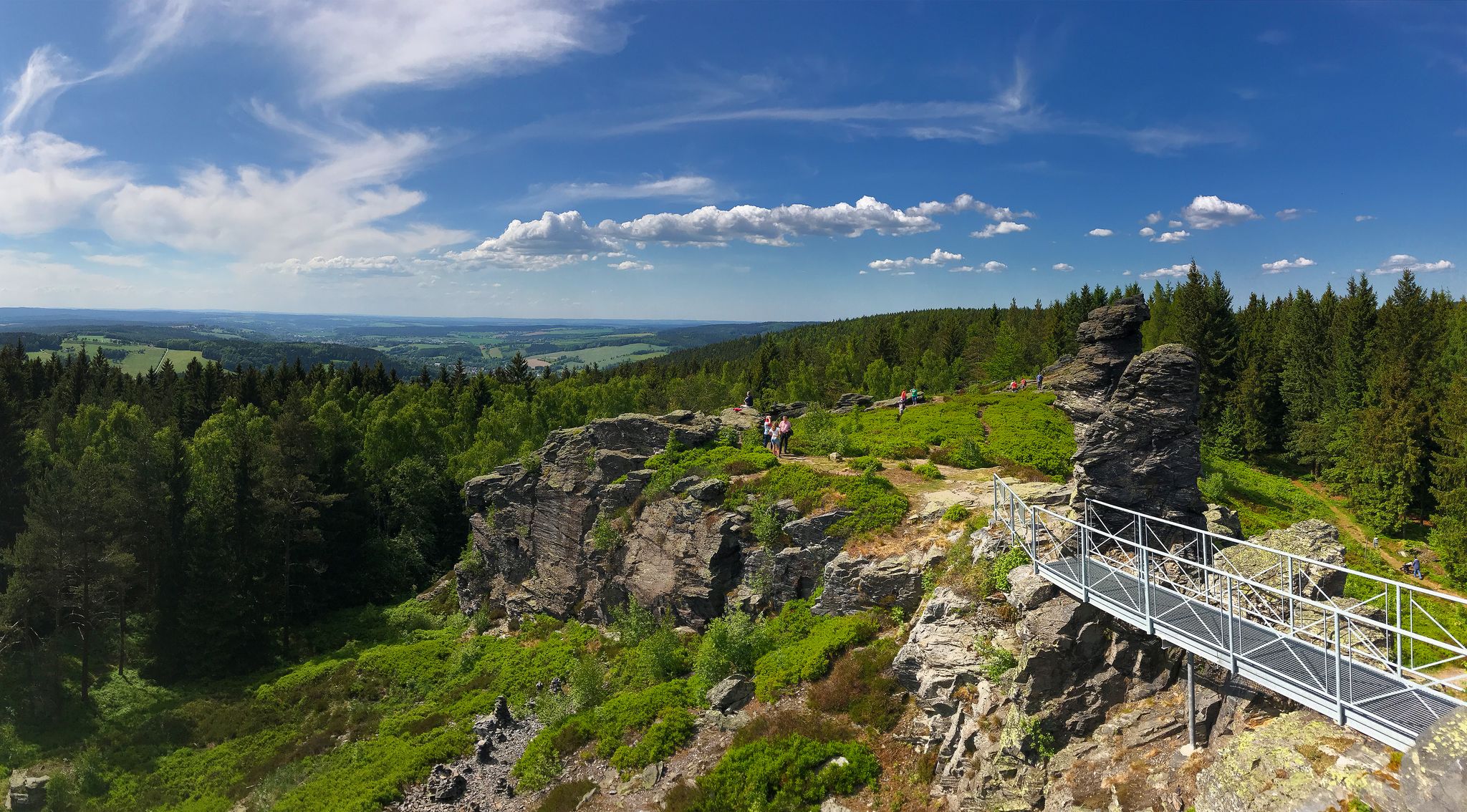
Falkenstein Castle Rock
Highlight • Viewpoint
Story:
stadt-falkenstein.de/freizeit-tourismus/sehenswuerdheiten/schlossfelsen
Translated by Google •
Tip by

Sign up now to discover places like this
Get recommendations on the best single tracks, peaks, & plenty of other exciting outdoor places.
Sign up for free
Castle Tower (Auerbach Castle)
Highlight • Castle
Entry costs €1.
Then you can unlock 3 doors, turn …
Translated by Google •
Tip by
Lower Castle Ellefeld
Highlight • Castle
Translated by Google •
Tip by
View of the castle island
Highlight • Viewpoint
Translated by Google •
Tip by
Sign up for free to discover even more castles around Muldenhammer.
Sign up for free
Already have an account?
Start today with a free account
Your next adventure awaits.
Login or Signup
Popular around Muldenhammer

A snowy paradise – winter hiking and cross-country skiing in Germany’s Vogtland
Experience the sounds of nature — hikes in the Vogtland Region
Hiking around Muldenhammer
Road Cycling Routes around Muldenhammer
Cycling around Muldenhammer
Running Trails around Muldenhammer
Gravel biking around Muldenhammer
MTB Trails around Muldenhammer

Tips from the Community

The last stop on the rock circuit is the rock in the middle of the city. You can climb it via a staircase and enjoy a magnificent panoramic view of the city, church, and town hall.
0
0
In the middle of the city, there's a rock to climb. You should do that, too. It offers a beautiful view of the city and the countryside.
0
0

The Trützschlers had the castle built around 1600 at the foot of the small "fortified castle" located on the neighboring rock. It was expanded and remodeled over the following centuries. On August 12, 1859, it burned down and was rebuilt in a modified form. In 1926, the family sold their ancestral home to the town, and since 1930, the building has housed the Falkenstein Local History Museum and the savings bank. The Vogtland Savings Bank, as the owner, had the building renovated and remodeled between 1992 and 1997. https://stadt-falkenstein.de/freizeit-tourismus/sehenswuerdigkeiten/schloss-falkenstein
0
0

Here you can enjoy a pleasant view over the whole of Auerbach and, during beer garden season, also enjoy a pleasant "refreshment".
0
0
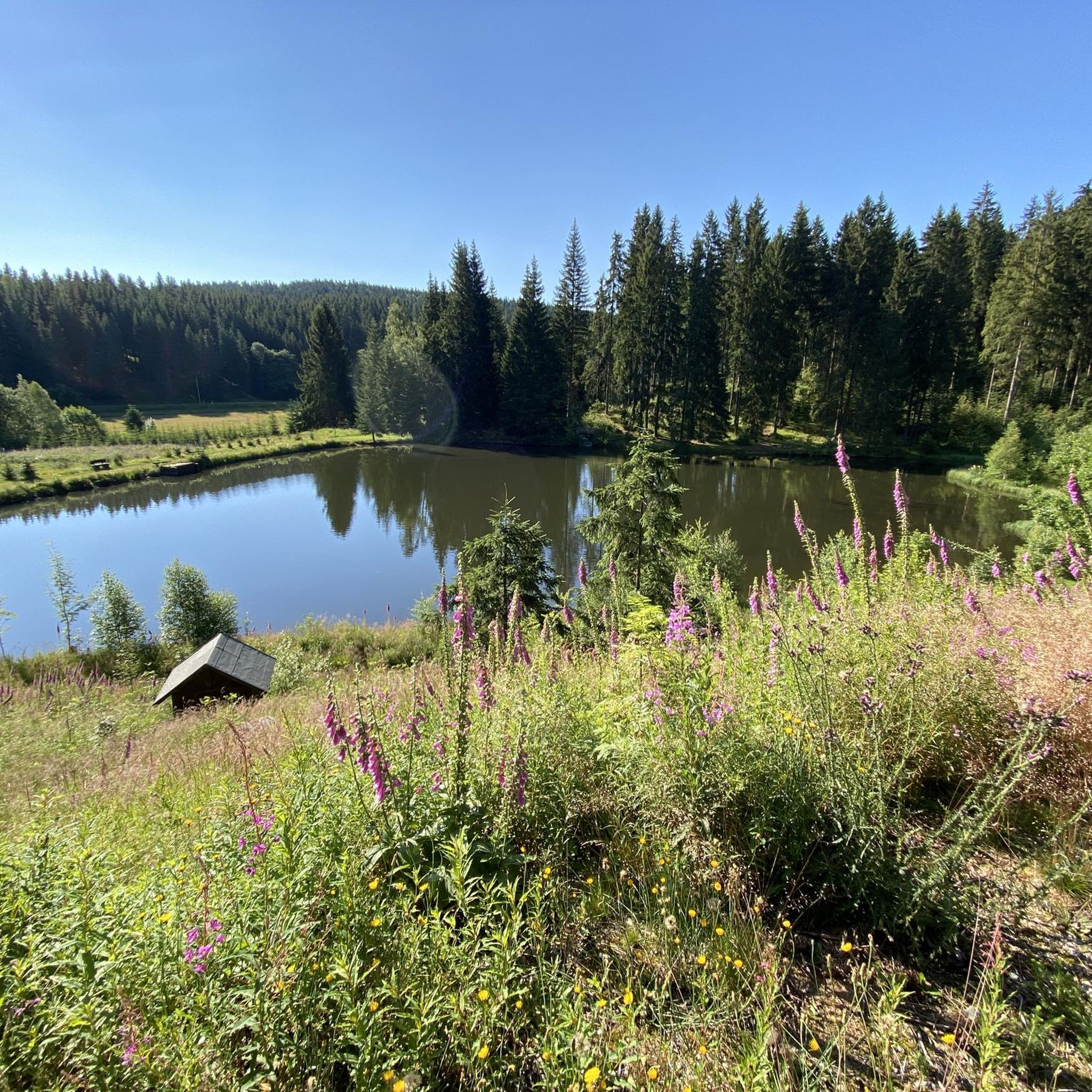
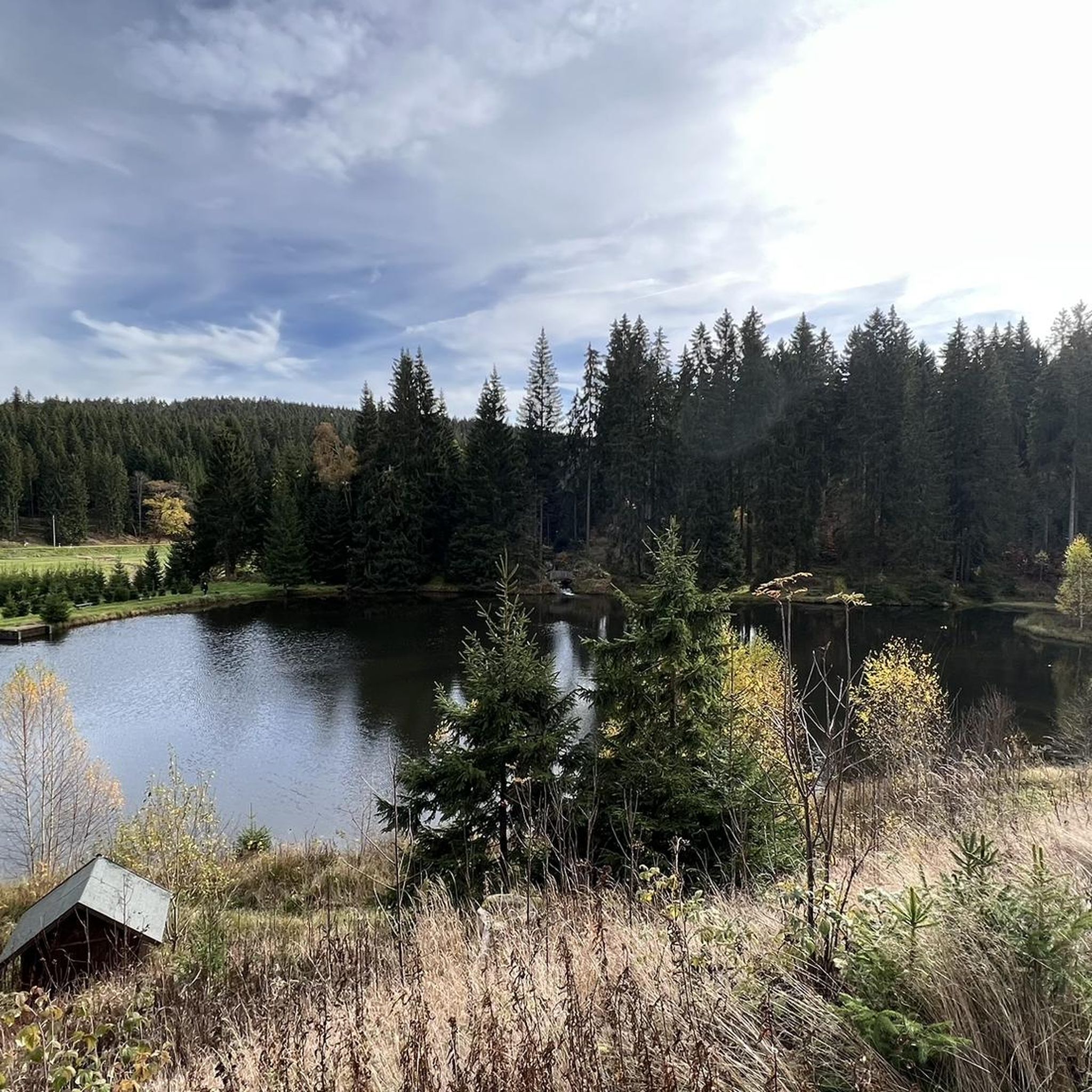
A beautiful path with benches to rest on. It leads around the castle island and, with the gondola pond in between, offers beautiful views.
1
0
You can get the key to climb the tower at the tourist information or the museum during their opening hours. Entry costs €1. Then you can unlock 3 doors, turn on the light and go up the 179 steps, mostly in the form of a spiral staircase. At the top you have a very good all-round view through 8 windows.
2
0
The castle was built in 1734 by Veit Hans Schnorr von Carolsfeld. It was once the manor house of a hammer and mill estate, which was built around 1460. The von Trützschler family is also known to be the owner. The Lower Castle was extensively renovated between 1993 and 1995. This resulted in residential and commercial spaces. The Lower Castle is privately owned and inhabited. Source: https://sachsens-schloesser.de/ellefeld-unteres-schloss-ellefeld/
0
0

Frequently Asked Questions
What kind of historical sites can I expect to find around Muldenhammer, beyond traditional castles?
While traditional medieval castles are less common directly within Muldenhammer, the region features significant historical residences and castle-related sites. A notable example is the Herrenhaus in Tannenbergsthal, a historically significant manor house built in 1718 by an ironworks owner. It now serves as a community center, housing a museum and municipal administration, offering a glimpse into the region's industrial and social history.
What makes the Herrenhaus in Tannenbergsthal a significant historical site to visit?
The Herrenhaus in Tannenbergsthal is significant for its 18th-century architecture, including a distinctive cornice beam painted with implied flames. It offers a rich history, having served as a residence, office, guesthouse, and later a school and kindergarten. Today, it functions as a vibrant community hub with a local history museum (Heimatstube) and a cafe, providing insight into local heritage.
Are there any specific castles or historical viewpoints that offer great panoramic views?
Yes, Falkenstein Castle Rock provides a great view from its platform, accessible via a staircase. Additionally, the Castle Tower (Auerbach Castle), also known as the Red Tower, is a 43-meter-high lookout tower offering a very good all-round view from its 179 steps.
What is the history behind Falkenstein Castle Rock and the nearby castle?
The Falkenstein Castle Rock itself is a natural monument with historical significance. At its foot, a castle was built around 1600 by the Trützschler family. After burning down in 1859, it was rebuilt and later sold to the town in 1926. Since 1930, this building has housed the Falkenstein Local History Museum.
Can I visit the Castle Tower (Auerbach Castle) and what can I expect?
Yes, you can visit the Castle Tower (Auerbach Castle). You can get the key to climb the tower at the tourist information or the museum during their opening hours for a small entry fee. Once inside, you'll climb 179 steps, mostly a spiral staircase, to reach the top and enjoy a very good all-round view through eight windows.
Are there family-friendly historical sites or activities near Muldenhammer?
Absolutely. Rodewisch Castle Island is a popular family-friendly destination. It features the "Museum Göltzsch" and a Renaissance Schlößchen. Families can enjoy a rustic island snack, rent a boat for the gondola, and attend various events like musical meetings, concerts, and the annual wine festival. The Herrenhaus in Tannenbergsthal also offers a local history museum that can be interesting for families.
Are any of the historical sites around Muldenhammer wheelchair accessible?
While specific accessibility details for all sites are not fully available, historical buildings like the Herrenhaus in Tannenbergsthal, which functions as a community center and museum, may offer some level of accessibility on the ground floor. For sites like Falkenstein Castle Rock and the Castle Tower (Auerbach Castle), which involve climbing stairs to viewpoints, full wheelchair accessibility to the top is unlikely.
What outdoor activities or hiking trails are available near these historical sites?
The Muldenhammer area is excellent for outdoor activities. You can find numerous hiking trails, such as the easy "Elsenfelsen – Rißfälle Waterfalls loop" or the moderate "South shore of Lake Vogtland – Vogtlandsee Loop." For more options, explore the Hiking around Muldenhammer guide. There are also running and road cycling routes available in the wider region.
Are there dog-friendly options for exploring the area around Muldenhammer's historical sites?
Many of the natural areas and trails around Muldenhammer are dog-friendly, making it possible to explore with your canine companion. While specific rules for historical building interiors may vary, outdoor areas and viewpoints like Falkenstein Castle Rock and the surrounding trails are generally suitable for dogs on a leash. Always check local regulations for specific sites.
What is the best time of year to visit the historical sites around Muldenhammer?
The historical sites around Muldenhammer can be visited year-round. Spring and autumn offer pleasant temperatures for exploring and hiking, with beautiful foliage in autumn. Summer provides longer daylight hours and opportunities for outdoor events, especially at places like Rodewisch Castle Island. Winter can offer a unique, serene experience, though some facilities or access to viewpoints might have reduced hours or be weather-dependent.
Are there cafes or places to eat near the historical sites?
Yes, you can find cafes and places to eat. For instance, Rodewisch Castle Island has a rustic island snack bar. The Herrenhaus in Tannenbergsthal also houses a cafe. Additionally, the restaurant associated with Castle Tower (Auerbach Castle) offers a nice atmosphere for dining.
What do visitors enjoy most about the historical sites in the Muldenhammer area?
Visitors particularly enjoy the blend of historical exploration and natural beauty. The community appreciates the well-preserved historical buildings, the insights into local heritage provided by museums, and the panoramic views from sites like Falkenstein Castle Rock and the Castle Tower (Auerbach Castle). The opportunity for a break with a nice view, as offered by the "View of the Mulde valley and Wolfsgrün" highlight, is also highly valued.
Most popular routes around Muldenhammer
Most popular attractions around Muldenhammer

Get inspired with the komoot mobile app


Explore more
Looking for the best castles somewhere else? Discover other guides around Muldenhammer:
