Top 14 Caves around Olbernhau
Best caves around Olbernhau are intrinsically linked to the town's rich mining history in the Ore Mountains. This region is characterized by its cultural heritage, where many underground formations are former mine tunnels and adits. These sites offer a unique perspective on the area's industrial past and geological features. Visitors can explore various historical mining locations that have been repurposed or preserved.
Best caves around Olbernhau
- The most popular caves is Weißer Ofen Quarry, a historical site and cave…
Last updated: June 26, 2026
Tiefer Blühend Glück Stolln Mine Entrance
Highlight • Historical Site
Translated by Google •
Tip by

Molchner Stolln Show Mine
Highlight • Historical Site
Translated by Google •
Tip by
Sign up now to discover places like this
Get recommendations on the best single tracks, peaks, & plenty of other exciting outdoor places.
Sign up for free
Williger Bergmann Stolln
Highlight • Cave
Translated by Google •
Tip by

Gläserstolln
Highlight • Historical Site
Translated by Google •
Tip by
Weißer Ofen Quarry
Highlight • Structure
Translated by Google •
Tip by

Sign up for free to discover even more caves around Olbernhau.
Sign up for free
Already have an account?
Start today with a free account
Your next adventure awaits.
Login or Signup
Popular around Olbernhau
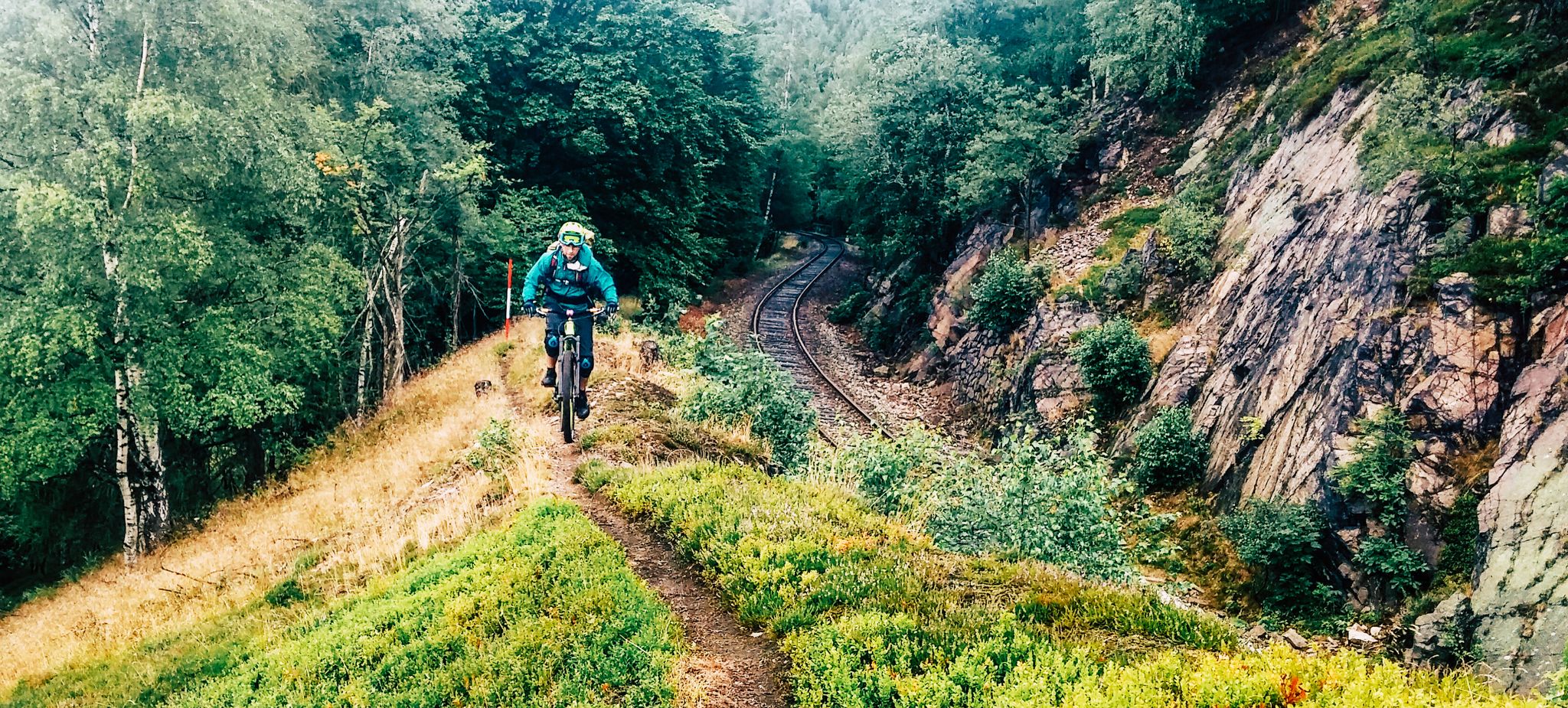
Kammweg Erzgebirge – Border adventure along the Ridgeway
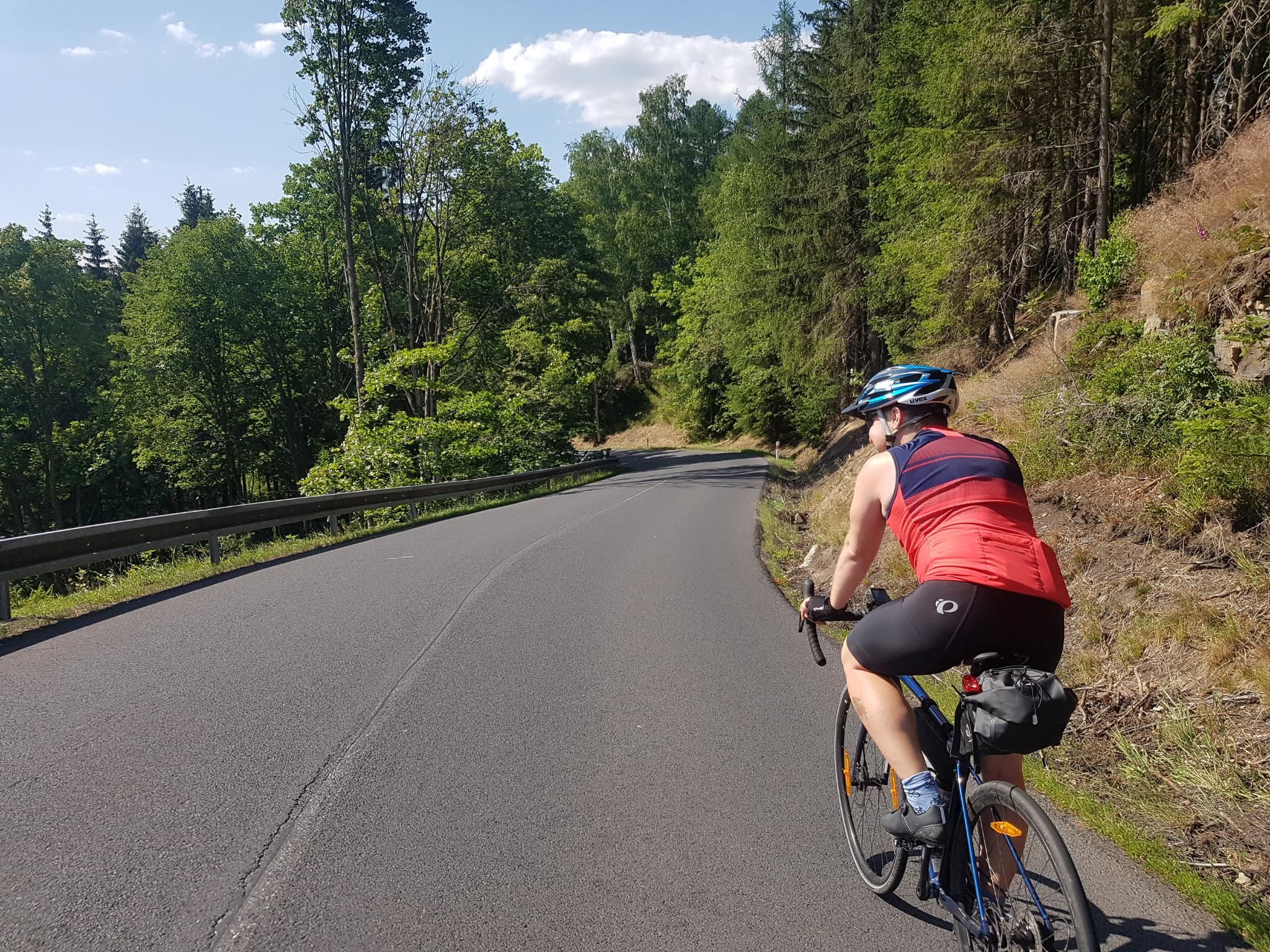
3 days in the countryside – Easter Ore Mountains and Eger Valley by road bike
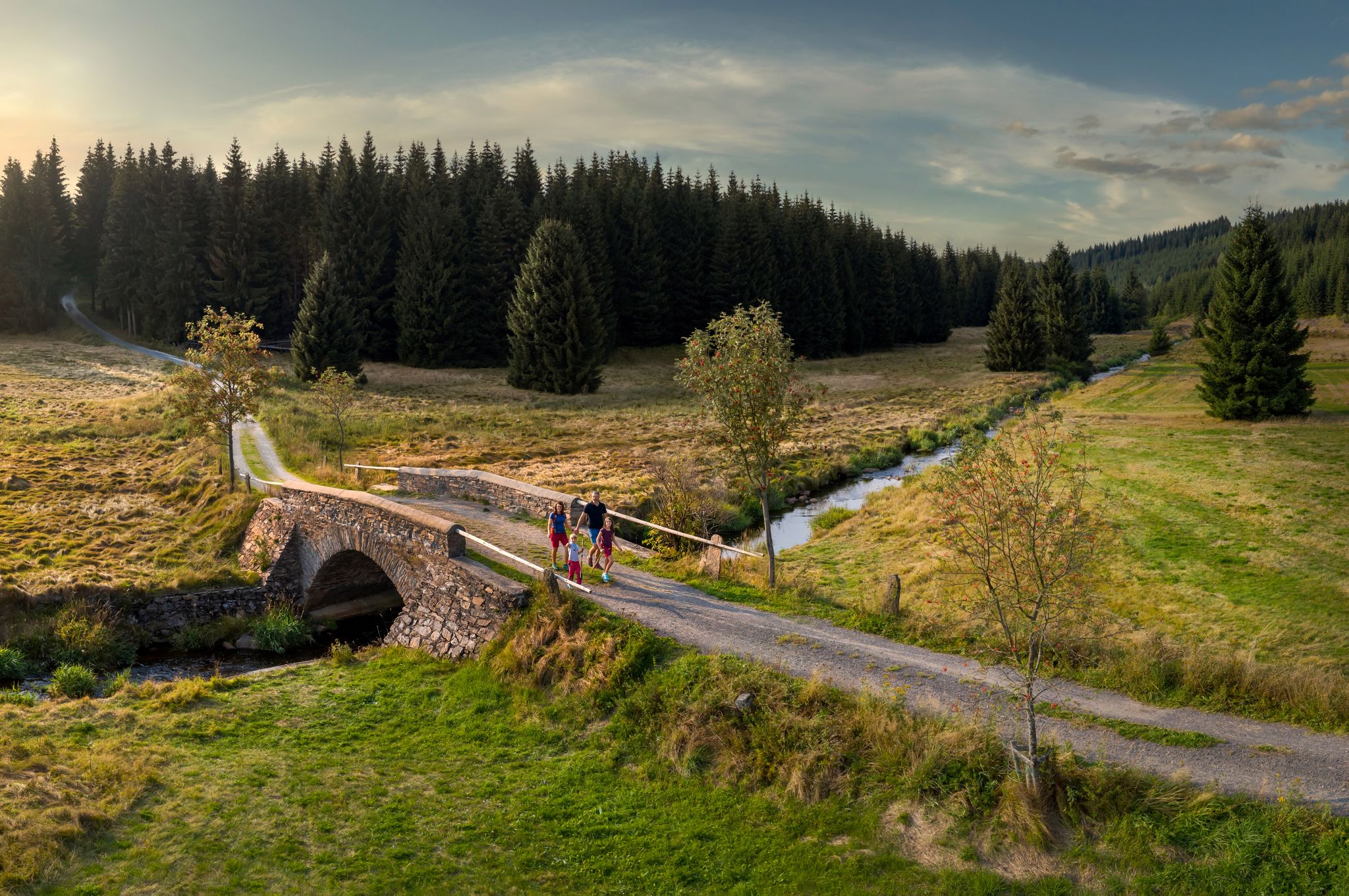
‘Good luck’ in the hiking paradise of the Ore Mountains
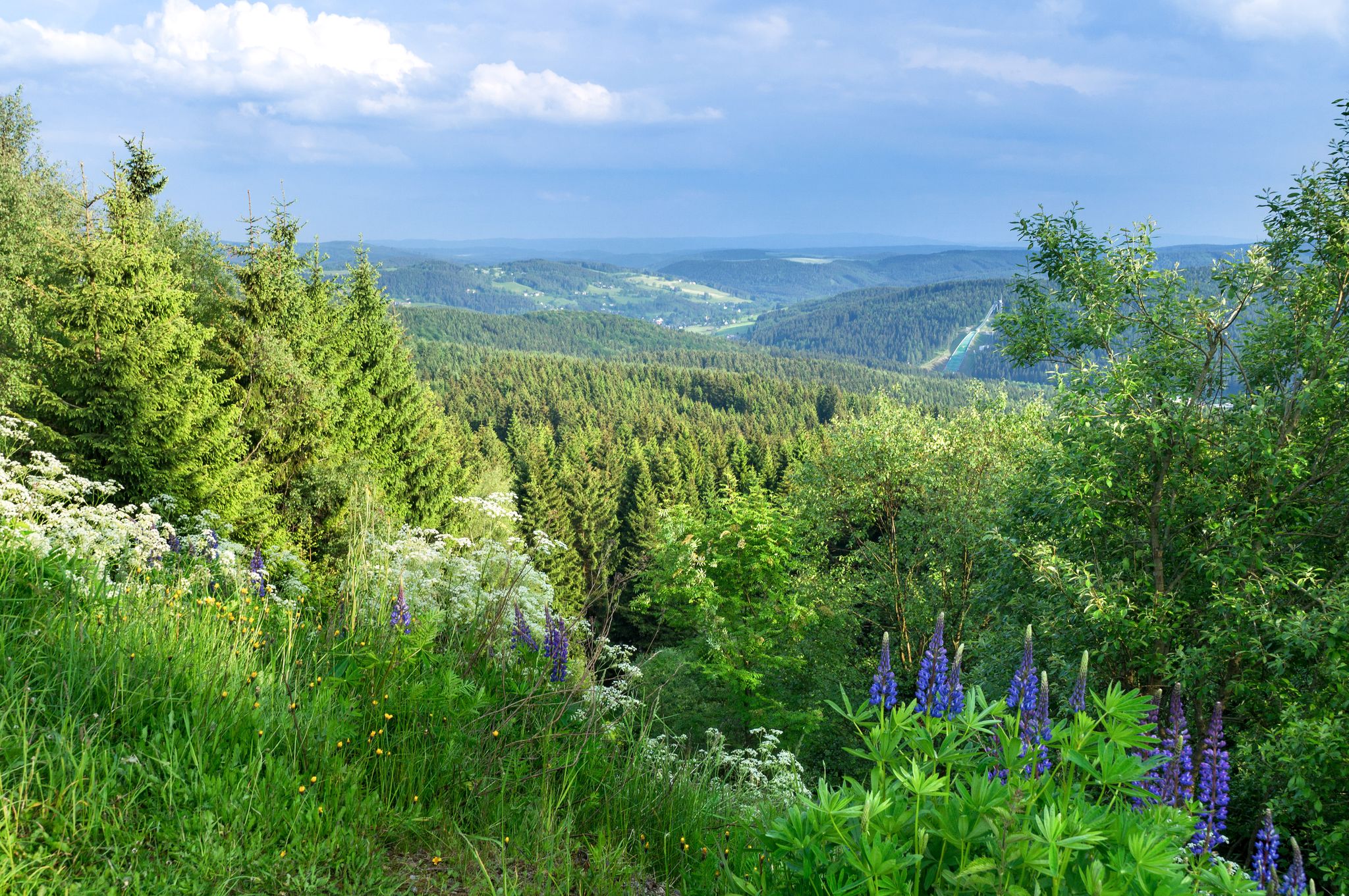
History meets nature – Erzgebirge-Vogtland Ridge Trail

Erzgebirge: On the tracks of the Stoneman-Miriquidi
Wandertouren - Für kleine Wanderfreunde
Wandertouren - Gipfelglück

BLOCKLINE – Dein Bike-Abenteuer im Erzgebirge
Hiking around Olbernhau
MTB Trails around Olbernhau
Other adventures around Olbernhau


Tips from the Community

We now walk through the valley, with the rocks rising up beside us. At the side of the path, we find the entrance to the Tiefen Blühend Glück tunnel. https://youtu.be/LYmwgx7Z0Lk
0
0

definitely worth a trip
0
3

In 1776, an old tunnel in the so-called Saugarten was opened under the name Williger Bergmann. Work continued there with interruptions until 1812. The tunnel was recently uncovered again and is now part of the Marienberg mining trail. In summer, it is always nice and shady here and the Lauterbach river flowing past keeps it nice and cool. So you can take a break here.
0
0

The glass tunnel in the Hüttengrund is a testament to the early years of Marienberg mining and was built in 1523 as a hereditary tunnel to drain the Marienberg central district. At that time it was the deepest tunnel south of Marienberg with a length of 3.5 km. The name was probably given by the local Brille family, who were closely linked to the Marienberg mining industry through Dominicus Brille. The Brillestollen was a hereditary tunnel and was entitled to the “Ninth of the Tunnel”, a levy from all mines, which, as the deepest tunnel, saved the costs of raising water. Its mine water was used to operate the lower Marienberg smelter. When mining came to a complete standstill in Marienberg at the beginning of the 20th century, the mouth of the Glass Tunnel was filled with rubble stones in 1907 to 1908 as part of the preservation and security work. The first excavation work began in 1994 through the initiative of the Marienberg mining association. Since then, many interested visitors have been welcomed to the Brillestolln by members of the Bergknappschaft Marienberg e.V. Unfortunately, after renovation work by the mountain safety team, the Brillestollen is no longer accessible to the public. Today it only serves internal club purposes. Source: https://knappenverein.de/portfolio-item/glaeser-stolln/
14
0
The mining town of Pobershau was founded at the beginning of the 16th century to use newly discovered iron ores. The first mention of a “Drey Molchen treasure trove” was in 1529 because of good silver finds. The mine's highest yield was achieved in 1540, and later the mining operation suffered greatly during the Thirty Years' War. From the 17th century onwards, mainly tin mining took place until mining stopped during this period in 1866. In 1936–1938 the mine field was probably examined for mining suitability as part of the four-year plan; The last time ore was mined was from 1947 to 1954 by SDAG Wismut. Source: Wikipedia
12
0
The tunnel was excavated between 1855 and 1886. However, enough was never really found here and so it only leads a little more than five hundred meters into the mountain. However, the beautifully brick mouth hole that can be seen today was once destroyed when the keystone was stolen. After the fall of the Wall, the Pobershau Mountain Brotherhood renovated it. The tunnel now also serves as a roost for bats. Source: https://www.ins-erzgebirge.de/Mundloch-des-Tiefen-Bl%C3%BChend-Gl%C3%BCck-Stollns
16
0

In 1776, an old tunnel in the so-called Sauarten was recorded under the name Williger Bergmann. At that time, its length was 70 m. In the years that followed, it was further excavated up to 1785 to a total length of 250 m. Originally should the Emperor Heinrich Stehende can be reached, however, this company was subsequently abandoned. In 1808 the willing miner Stolln was awarded again. During this time, 40 m were driven (to a total length of 290 m). It has been handed down that after a distance of 52 m from the mouth of the mouth, an overcut began and in the process it broke through into an old tunnel located above. Mining work ended in 1812. The tunnel was recently uncovered by mining enthusiasts and with the support of the Schneeberg mountain rescue service. The tunnel mouth was also provided with a wall.
4
0

The mouth hole is below the hiking trail and is closed. The tunnel now functions as a bat roost.
9
0
Frequently Asked Questions
What kind of "caves" can I expect to find around Olbernhau?
The "caves" around Olbernhau are primarily linked to the region's rich mining history. You'll find former mine tunnels, adits, and historical mining sites that offer insights into the area's industrial past, rather than natural geological formations like karst caves.
What is the historical significance of the caves in the Olbernhau region?
The caves in the Olbernhau region are significant because they are remnants of extensive mining operations, particularly for copper and silver. They tell the story of the arduous life of miners and the economic development of the Ore Mountains. Sites like the Tiefer Blühend Glück Stolln Mine Entrance and Williger Bergmann Stolln are direct links to this heritage.
Are there any specific historical mining sites that are particularly interesting to visit?
Yes, several historical mining sites offer unique experiences. The Weißer Ofen Quarry is an imposing historical site with a covered rest area. The Tiefer Blühend Glück Stolln Mine Entrance, excavated between 1855 and 1886, now serves as a bat roost and features a beautifully renovated mouth hole. The Williger Bergmann Stolln is an old tunnel first recorded in 1776, recently uncovered by mining enthusiasts.
What makes the Adventure mine-Fortuna Stolln/Fortuna Morgenröthe mine unique?
The Adventure mine-Fortuna Stolln/Fortuna Morgenröthe mine, a former copper mine, offers guided tours deep underground, providing comprehensive insights into the life of miners and the history of the Fortuna adit. Above ground, you can see an old-style shaft cavern looking down into the illuminated Fortuna shaft, and a 1922 steam engine. It's also known for the legend of the Amber Room and hosts traditional events like "Mettenschichten".
Can I visit the Mikloušská Adit?
Yes, the Mikloušská Adit is a historical site where silver and copper ores were mined. It also served as a mine museum and an air raid shelter. To visit, you must make an appointment beforehand.
Are the caves around Olbernhau suitable for families?
Many of the historical mining sites are suitable for families interested in history and unique experiences. While specific family-friendly ratings aren't always available, the educational aspect of exploring old mines can be engaging for children. Always check specific site requirements or age recommendations before visiting.
What outdoor activities can I do near these caves?
The region around Olbernhau offers various outdoor activities. You can find numerous hiking trails, ranging from easy to moderate, such as those detailed in the Hiking around Olbernhau guide. There are also options for gravel biking, with routes like the "Seiffen Mountain Church – Alp de Wettin Climb" available in the Gravel biking around Olbernhau guide.
Are there hiking trails near the historical mining sites?
Yes, many historical mining sites are located along or near hiking trails. For example, the Tiefer Blühend Glück Stolln Mine Entrance is just below a hiking trail. You can explore routes like the "Schwarze Pockau Rest Area – Schwarzwassertal loop" or the "Hüttenmatths Legend Sculpture – Hüttenmatth Legend Trail loop" which might pass by or near these historical points of interest. Find more options in the Hiking around Olbernhau guide.
What do visitors enjoy most about the caves and historical sites in Olbernhau?
Visitors appreciate the unique glimpse into the region's mining past and the historical atmosphere. Many find places like the Weißer Ofen Quarry to be an "imposing place in the middle of the forest" and a "very beautiful place steeped in history." The renovated mouth hole of the Tiefer Blühend Glück Stolln Mine Entrance and the idyllic setting of the Williger Bergmann Stolln are also highly regarded.
What is the best time to visit the caves around Olbernhau?
The best time to visit depends on the specific site. For outdoor historical sites and mine entrances, spring through autumn generally offers pleasant weather for exploration and hiking. For underground tours, conditions are often stable year-round, but it's always advisable to check the operating hours and any seasonal closures for individual attractions.
Are there any viewpoints near these historical sites?
Yes, some of the historical sites also offer scenic views. The Weißer Ofen Quarry, for instance, is listed as a viewpoint. Exploring the hiking trails in the region, such as those found in the Hiking around Olbernhau guide, will also lead you to various natural viewpoints overlooking the Ore Mountains landscape.
What should I wear when visiting these underground sites?
When visiting underground sites, it's generally recommended to wear sturdy, comfortable shoes suitable for uneven terrain. Even in summer, temperatures underground can be cool, so bringing a light jacket or sweater is advisable. If you plan on hiking to these sites, dress in layers appropriate for the weather conditions.
Most popular routes around Olbernhau
Most popular attractions around Olbernhau

Get inspired with the komoot mobile app


Explore more
Extend your search for the best caves by checking out these guides of the top ones around Olbernhau:
