Top 15 Caves around Selbach (Sieg)
Best caves around Selbach (Sieg) are primarily historical mining tunnels and visitor mines, reflecting the region's rich industrial past. While natural caves directly within Selbach (Sieg) are not prominent, the surrounding Westerwald area offers various underground experiences. The municipality itself is known for its natural landscapes, including the tranquil Selbach Valley and stream nature trails. Visitors can explore man-made excavations that provide insight into historical mining practices.
Best caves around Selbach (Sieg)
- The most popular caves is Assberg slate mine…
Last updated: June 26, 2026
Assberg slate mine
Highlight • Cave
Translated by Google •
Tip by

Stair Path to the Historical Slate Mine Limbach
Highlight • Trail
Translated by Google •
Tip by

Sign up now to discover places like this
Get recommendations on the best single tracks, peaks, & plenty of other exciting outdoor places.
Sign up for free
Grube Edelstein Visitor Mine
Highlight • Historical Site
From Easter Monday to the end of October, the "Grube Edelstein" is open to visitors every second Sunday of the month without registration.
Currently …
Translated by Google •
Tip by

Lourdes Grotto
Highlight • Religious Site
Translated by Google •
Tip by

Limbach Grotto (Madonna Shrine)
Highlight • Cave
Translated by Google •
Tip by

Sign up for free to discover even more caves around Selbach (Sieg).
Sign up for free
Already have an account?
Start today with a free account
Your next adventure awaits.
Login or Signup
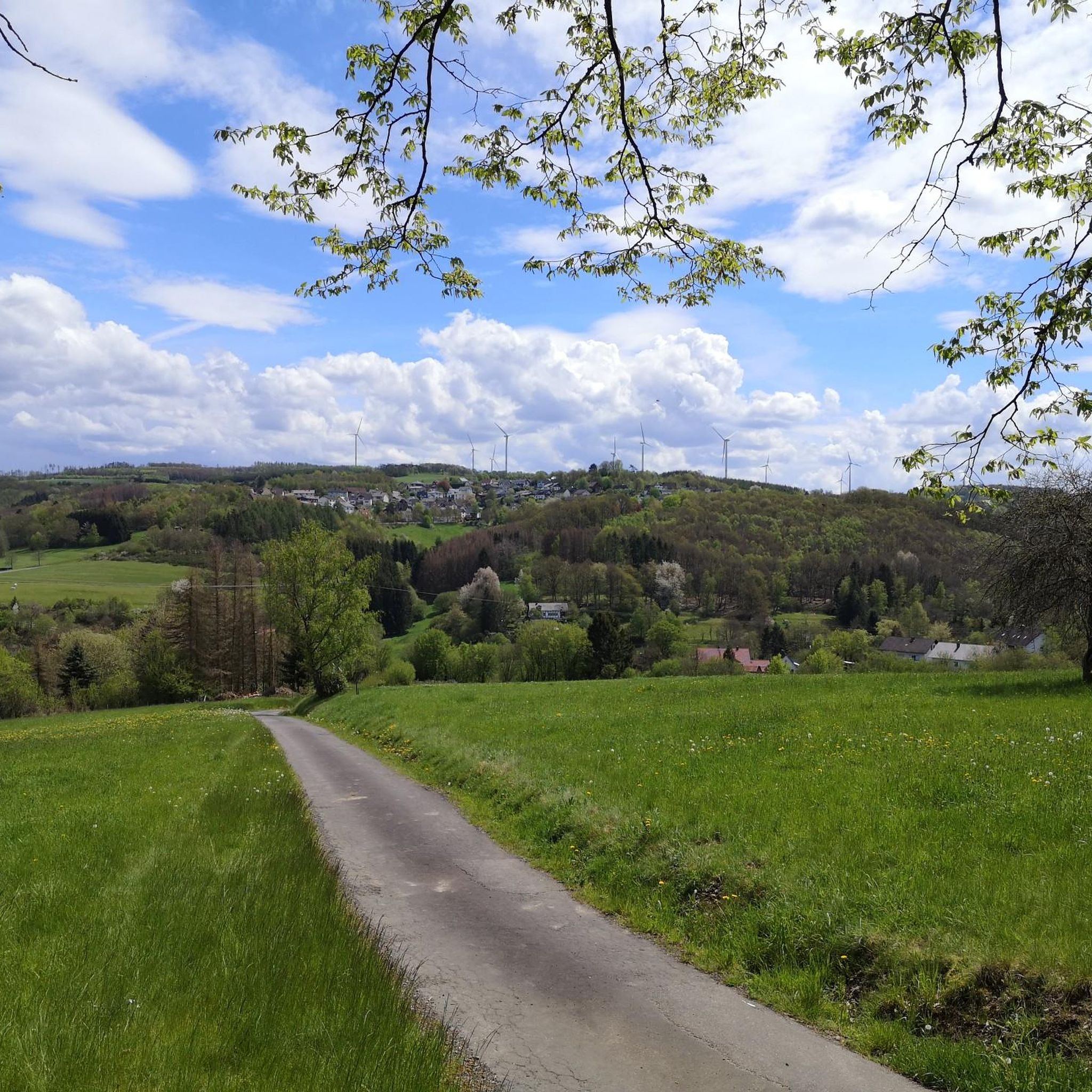
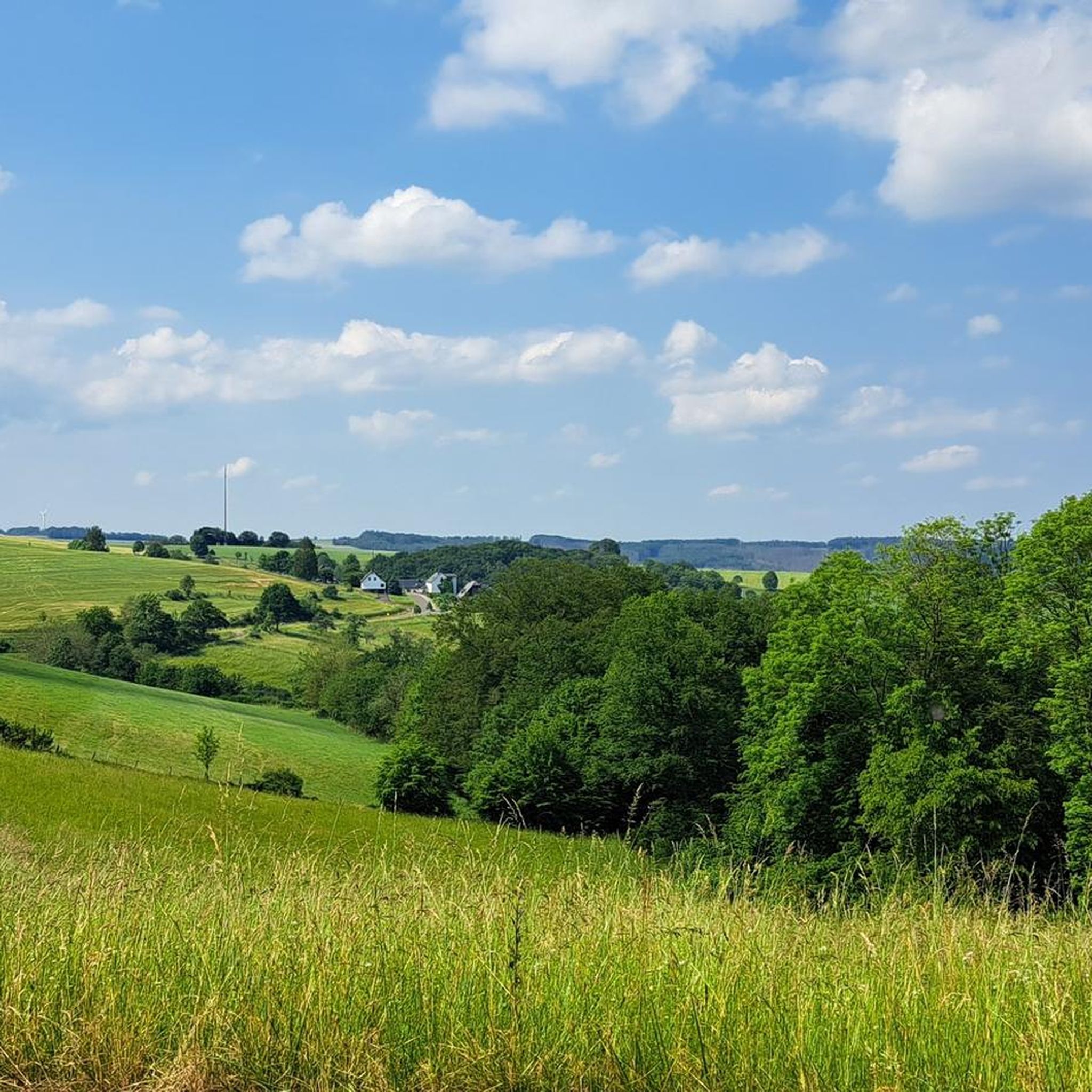
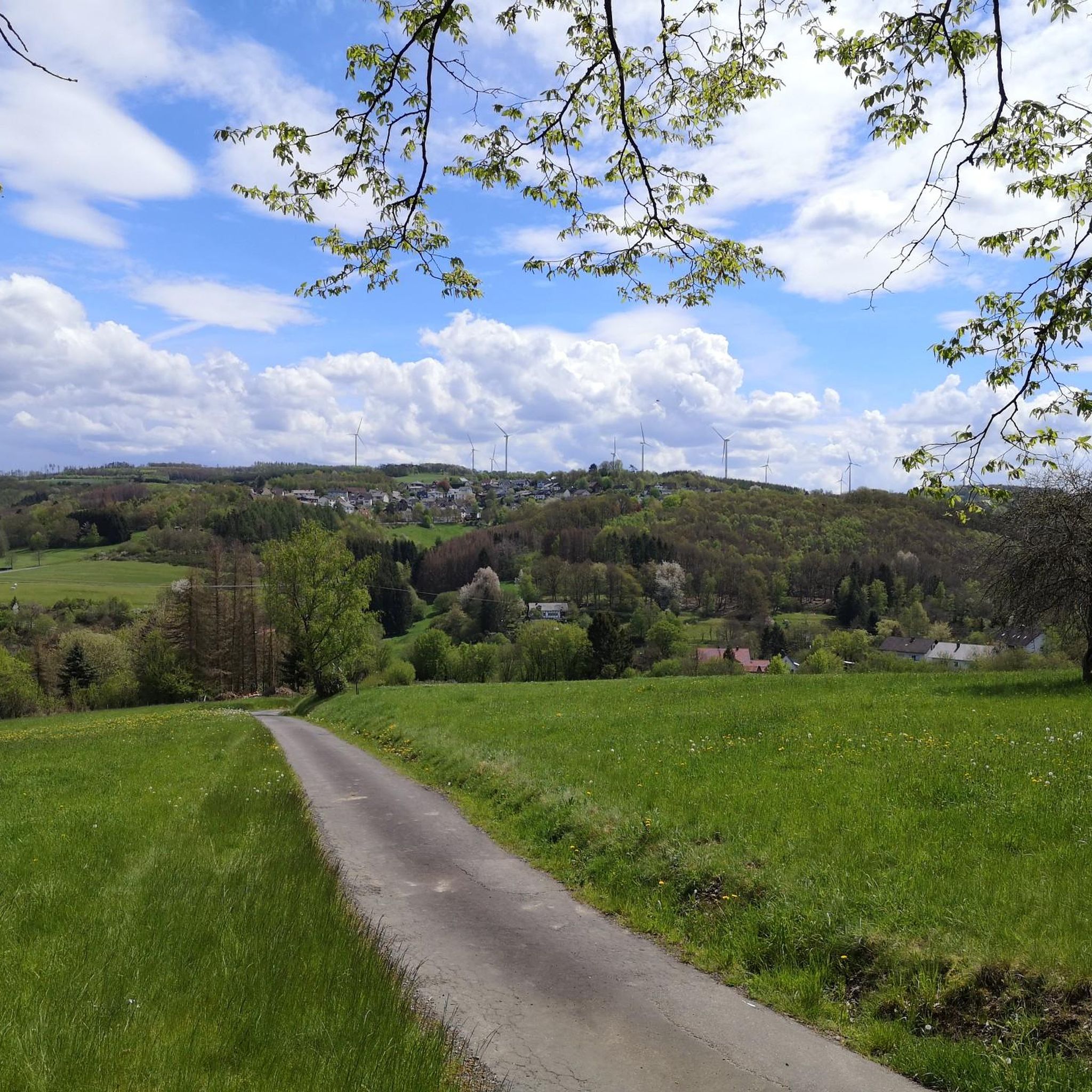
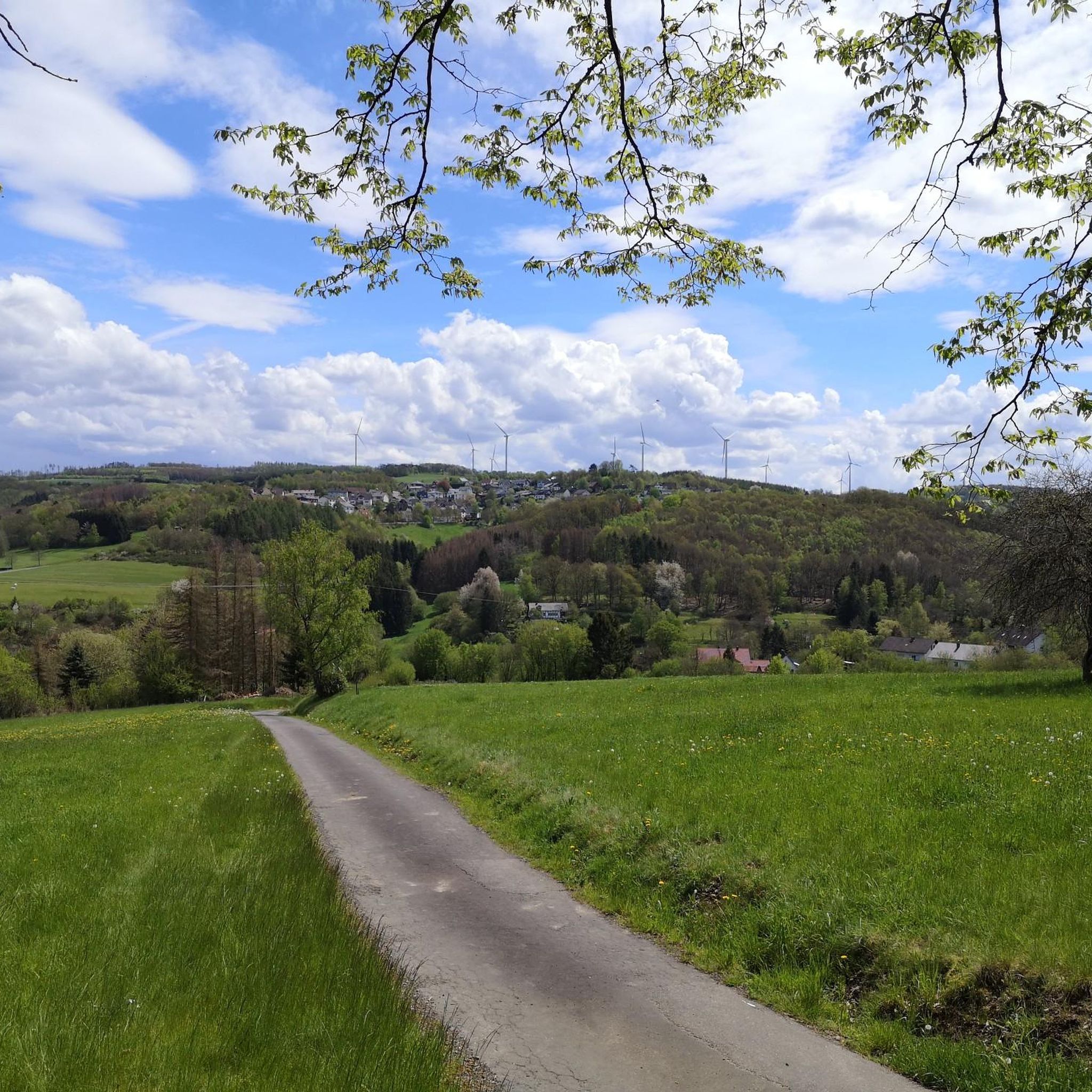
Tips from the Community

Open every second Sunday from 2pm to 5pm (or by appointment)
2
0
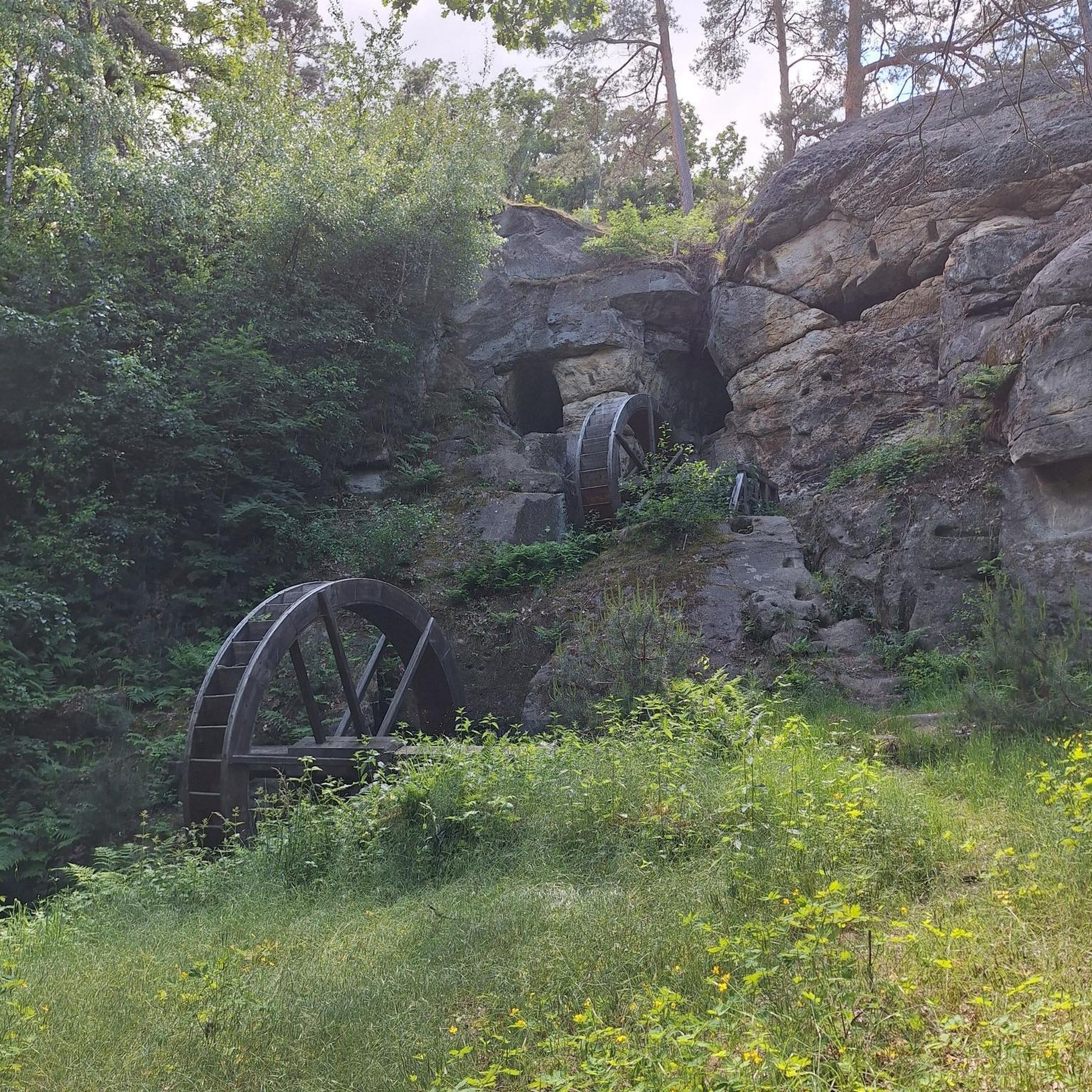
The first records of mining activity in the Luckenbach district date back to 1685/1686. The Edelstein brown iron ore mine runs from the tunnel entrance in the Hardt area, approximately 220 meters northwest, and was operated until around 1922, but became uneconomical. At the end of World War II, the tunnel served as an air-raid shelter. While the men were at war, the population, mothers and children, had to take refuge in the tunnel when air raid warnings sounded. Nowadays, however, only part of the mine is accessible due to overburden deposits. For safety reasons, a solid door was installed in the entrance area. From time to time, guided tours of the mine are offered, which I highly recommend.
3
0

splendid
2
0

This grotto is located near the monastery.
3
0

"The Lourdes Grotto in Marienthal is a religious site located behind the pilgrimage church. It is open to visitors 24 hours a day, seven days a week. This grotto is a replica of the famous Lourdes Grotto in France, known as the site of Marian apparitions. In Marienthal, the grotto serves as a place of devotion, prayer and pilgrimage for believers from the region and beyond. Visitors come here to find solace, meditate and explore their spiritual needs. The atmosphere is often one of silence and devotion, while visitors have the opportunity to light candles and say prayers. The Lourdes Grotto of Marienthal is not only a place of faith, but also a place of rest and retreat for people of all backgrounds seeking spiritual fulfillment. " https://www.wallfahrtskirche-marienthal.de/ueber-uns/
2
0

The Mother of God depicted and venerated here is the one from Lourdes. This well-known Marian pilgrimage site is located in the French Pyrenees and is visited by many people every year, including many sick people who hope for healing. The devotional image of the Mother of God has become widespread - not only in France - and Lourdes chapels and grottos have been built by believers everywhere. The church memorial day "Our Lady of Lourdes" is on February 11th, this is the anniversary of the Marian apparition (1858), when the Mother of God appeared to 14-year-old Bernadette Soubirous in a rock grotto very close to Lourdes. Bernadette later became a nun and died at the age of just 35. On December 8th (the Feast of the Immaculate Conception of Mary) 1933, she was canonized by Pope Pius XI. The commemoration of the Madonna of Lourdes is also World Day of the Sick.
12
0

Former Edelstein ore mine. The former mine, whose tunnel mouth was reopened in 1991, is located in the Luckenbach district. It was apparently an underground mine operated by hand, as the first information from 1860 suggests. The ore was mined here between 1844 and 1920. The tunnel can also be visited.
2
0
Frequently Asked Questions
What kind of caves can I expect to find around Selbach (Sieg)?
Around Selbach (Sieg), you will primarily find historical mining tunnels and visitor mines, reflecting the region's rich industrial past. Natural caves are not prominent directly within the municipality. These man-made excavations offer insights into historical mining practices.
Are there any natural caves near Selbach (Sieg)?
While Selbach (Sieg) itself does not feature prominent natural caves, the broader region offers options. For significant natural show caves with impressive formations, you would need to travel further north to the Sauerland region, which is home to caves like Dechenhöhle and Bilsteinhöhle.
Which historical mining sites can I visit around Selbach (Sieg)?
You can explore several historical mining sites. The Assberg slate mine offers tours at a depth of 20 meters and is freely accessible. Another option is the Grube Edelstein Visitor Mine, which provides guided tours on specific weekends or by appointment, with a tunnel extending about 100 meters into the mountain.
Are there any family-friendly cave experiences in the area?
Yes, the Lourdes Grotto is considered family-friendly. While not a natural cave, it's a peaceful grotto near a monastery with religious significance, offering a different kind of historical and cultural experience suitable for all ages.
What are some unique historical sites related to caves or mining near Selbach (Sieg)?
Beyond the visitor mines, you can visit the Stair Path to the Historical Slate Mine Limbach, which leads to a significant historical slate mine. The ascent is considered worthwhile for its historical context and views. Another interesting spot is the Felsenstübchen (Froneck-Nister Castle Ruins), a mini rock formation with historical ties.
What outdoor activities can I combine with a visit to the caves around Selbach (Sieg)?
The region around Selbach (Sieg) is excellent for outdoor activities. You can find numerous hiking and running trails, such as those detailed in the Hiking around Selbach (Sieg) and Running Trails around Selbach (Sieg) guides. Cycling is also popular, with routes available in the Cycling around Selbach (Sieg) guide.
Do I need a permit to visit the mining tunnels or caves?
For sites like the Assberg slate mine, admission is generally free, though donations are welcome. For the Grube Edelstein Visitor Mine, guided tours are offered on specific weekends or by appointment, so it's advisable to check their schedule or contact them for group visits.
What is the best time of year to visit the caves and mining sites?
Many visitor mines and outdoor historical sites are typically open from spring through autumn. For example, the Grube Edelstein Visitor Mine is open from Easter Monday to the end of October on specific Sundays. It's best to check the specific opening times for each location before your visit, especially during colder months.
Are there any dog-friendly options for exploring caves or related trails?
While direct access for dogs into all mining tunnels might be restricted for safety reasons, many of the trails leading to these sites, such as the Stair Path to the Historical Slate Mine Limbach, are dog-friendly. The wider natural landscapes and hiking trails around Selbach (Sieg) are generally welcoming to dogs.
What should I wear when visiting the mining tunnels?
Even in summer, temperatures inside mining tunnels can be cool and constant, often around 8-10°C (46-50°F). It's recommended to wear warm clothing, sturdy shoes with good grip, and possibly a headlamp, especially for sites that are freely accessible or less developed.
What geological features are present in the caves and surrounding area?
The region's geological features are largely shaped by its mining history, particularly slate mining. You'll encounter slate formations and the remnants of historical mining operations. The natural landscape also features the tranquil Selbach Valley and stream, showcasing the area's natural beauty.
How accessible are the caves and mining sites for visitors?
Accessibility varies by site. The Assberg slate mine is freely accessible, but involves a tour at a depth of 20 meters. The Stair Path to the Historical Slate Mine Limbach involves an ascent. It's best to inquire directly with each specific site regarding their accessibility for individuals with mobility challenges.
Most popular routes around Selbach (Sieg)
Most popular attractions around Selbach (Sieg)

Get inspired with the komoot mobile app


Explore more
Extend your search for the best caves by checking out these guides of the top ones around Selbach (Sieg):
