Top 20 Caves around Raschau-Markersbach
Best caves around Raschau-Markersbach are primarily historical mining tunnels and visitor mines within the Erzgebirge region. This area, rich in industrial heritage, offers subterranean experiences that provide insight into centuries of ore mining. These sites function similarly to show caves, allowing visitors to explore man-made passages and learn about the geological and historical significance of the region.
Best caves around Raschau-Markersbach
- The most popular caves is Eispinge (Ice Pit), a gorge that was created by the mining of the…
Last updated: June 26, 2026
Eispinge (Ice Pit)
Highlight • Gorge
Translated by Google •
Tip by

Cave Entrance on Floßgrabenweg
Highlight • Cave
Great highlight on the floßgrabenweg even if it's too scary for us 🙈
Translated by Google •
Tip by

Sign up now to discover places like this
Get recommendations on the best single tracks, peaks, & plenty of other exciting outdoor places.
Sign up for free
Herkules-Frisch-Glück Show Mine
Highlight • Historical Site
Translated by Google •
Tip by

Dorothea Stolln Visitor Mine
Highlight • Historical Site
A really worthwhile visit! Definitely recommended.
Also suitable for families, but the children must be 6 years or older!
Opening hours:
Mon – Fri: 9:00 a.m. – 2:00 p.m
last guided tour: 2:00 p.m
Translated by Google •
Tip by

Fuchsloch Mine Tunnel
Highlight • Cave
Translated by Google •
Tip by
Sign up for free to discover even more caves around Raschau-Markersbach.
Sign up for free
Already have an account?
Start today with a free account
Your next adventure awaits.
Login or Signup
Popular around Raschau-Markersbach
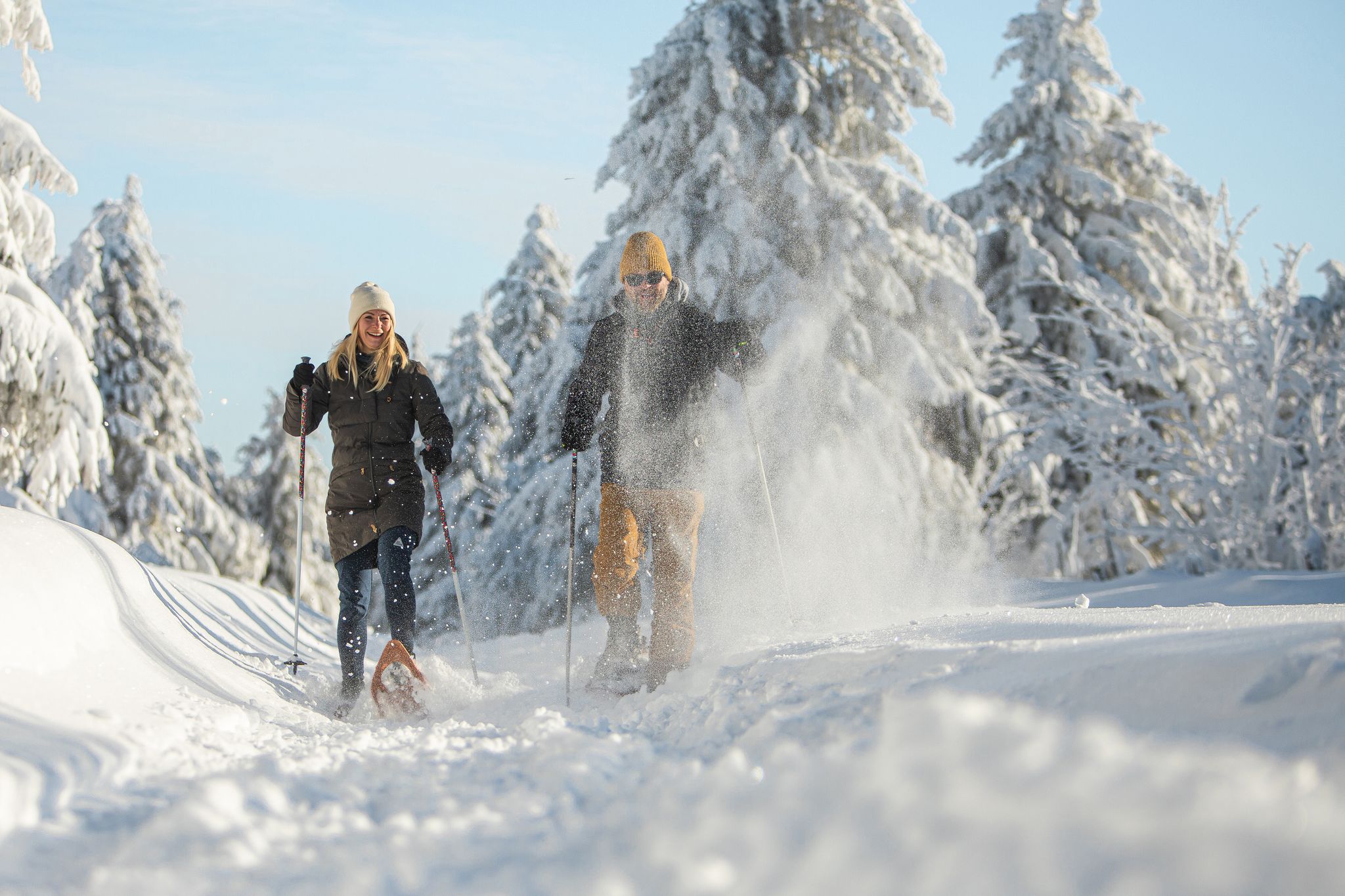
Glittering slopes and forests - winter hiking in the Ore Mountains
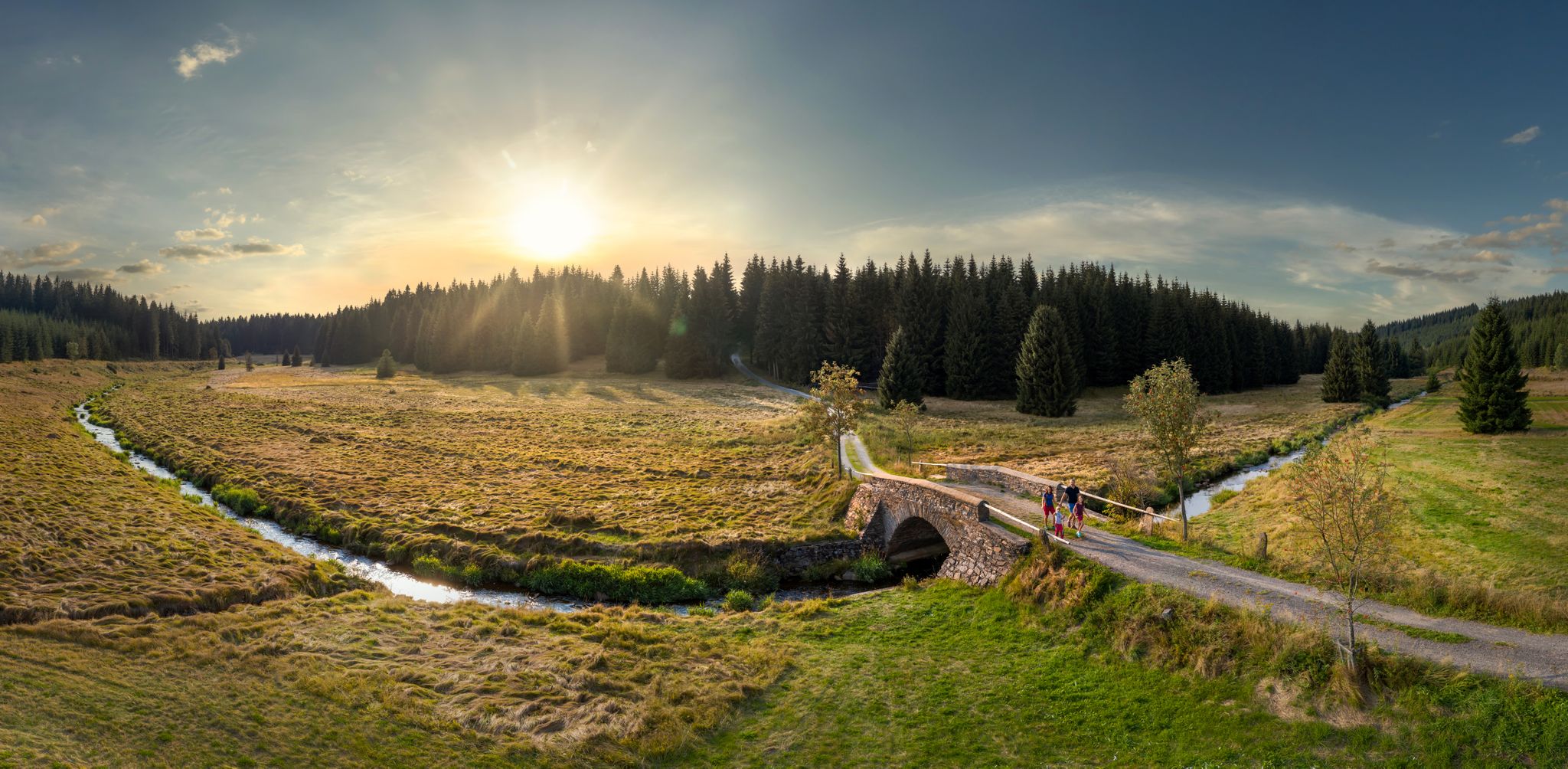
Wandertouren - Flusstäler & Talsperren
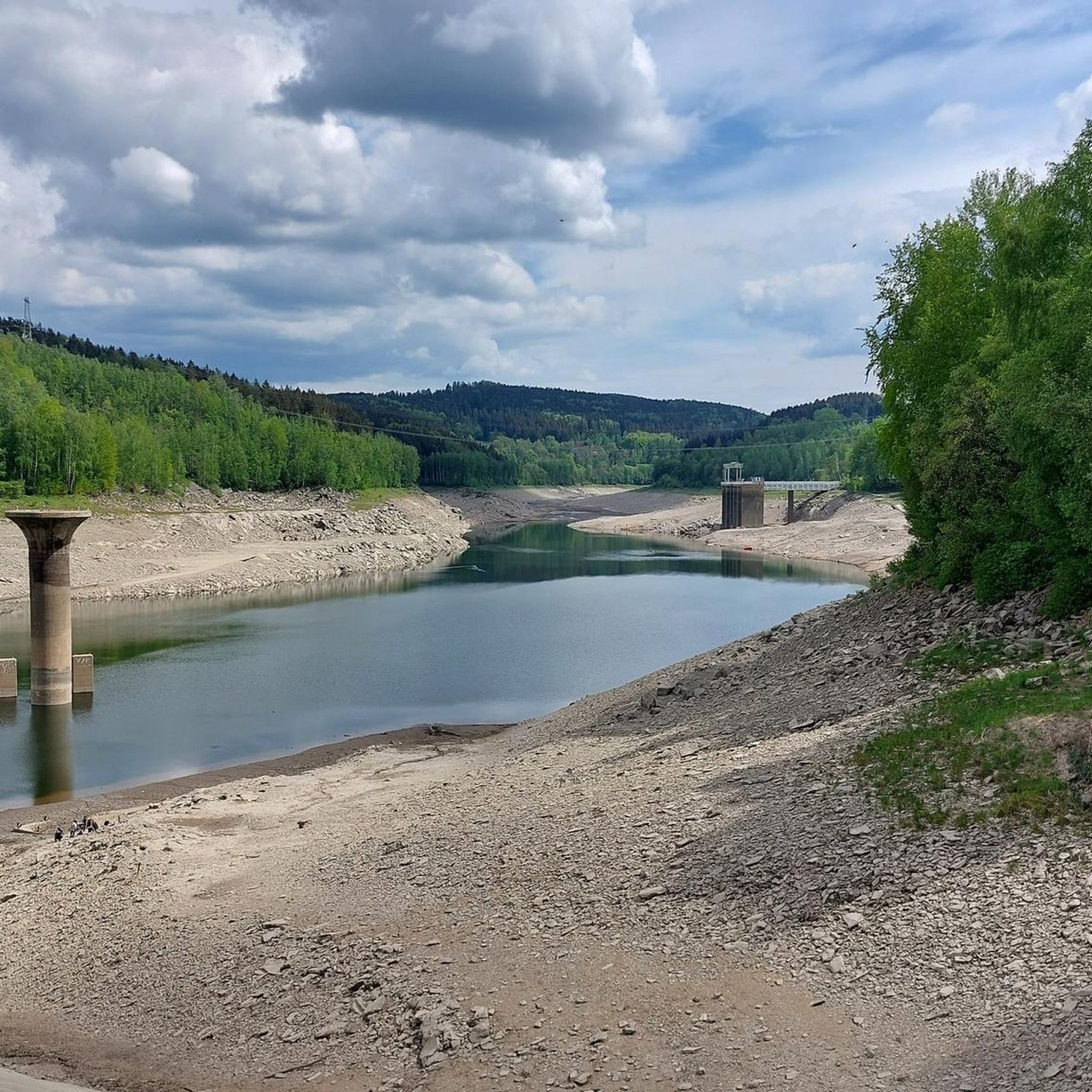
Hiking around Raschau-Markersbach
Cycling around Raschau-Markersbach
MTB Trails around Raschau-Markersbach
Running Trails around Raschau-Markersbach
Road Cycling Routes around Raschau-Markersbach

Gravel biking around Raschau-Markersbach

Mountain Hikes around Raschau-Markersbach

Tips from the Community

Mining began in Cunersdorf in the 16th century. Due to its high yields, the mine quickly gained renown. From 1536, a yield of 2,409 guilders per share was achieved within two and a quarter years. This was primarily due to a very rich silver ore vein with silver contents of up to 40%. However, yields declined again in the following years.[2] During the sinking of a pilot shaft, the year 1551 was discovered at a depth of more than 125 m.[3] The current entrance to the Dorothea adit was created in 1853.[4] Initially, only silver ores were mined; later, nickel, copper, uranium, and cobalt ores were added.[3] After the Second World War, in 1946/47, the SAG Wismut began searching for uranium in Annaberg-Buchholz, including in the Himmlisch Heer Dorothea mine. Uranium mining was short-lived and ended in 1958. Source: Wikipedia
3
0

A great highlight not only for the adults, it certainly stimulated the sense of adventure and imagination of our kids;)
0
0

very nice corner. Always worth a visit
0
0

Mama must be a good walker, there are 250 stairs to the mine :-)
0
0

Very worth seeing, you have to see it
0
1

Great guided tours, highly recommended. ⚒️
2
0


Herkules-Frisch-Glück show mine With the traditional miner's greeting Glück Auf, we welcome you to the oldest mine in Saxony. After climbing 250 steps, you will be greeted by a unique atmosphere at a depth of 80 meters. In the middle of two marble halls and underground lakes, an educational and entertaining tour provides impressive insights into the mining activities of earlier days. If you want, you can try your hand at marble mining in the Herkules-Frisch-Glück show mine. But the show mine with the historic mountain forge also offers an atmospheric backdrop for romantic weddings, mountain concerts and Metten shifts. Source: https://www.erzgebirge-tourismus.de/bergbau-erleben/unter-tage/poi/schaubergwerk-herkules-frisch-glueck/poi.html
0
0
Frequently Asked Questions
What kind of underground experiences can I find around Raschau-Markersbach?
The region around Raschau-Markersbach is known for its rich mining history, offering primarily historical mining tunnels and visitor mines rather than natural show caves. These sites provide unique subterranean experiences, allowing you to explore man-made passages and learn about the area's geological and industrial heritage.
Are there any family-friendly visitor mines or tunnels in the area?
Yes, several sites are suitable for families. The Herkules-Frisch-Glück Show Mine offers guided tours where protective helmets are provided. The Dorothea Stolln Visitor Mine is also recommended for families, though children must be 6 years or older. Additionally, the Tin Chambers Pöhla offers special tours for children featuring a mountain ghost named Knuffel.
What is the Tin Chambers Pöhla and what can I experience there?
The Tin Chambers Pöhla (Zinnkammern Pöhla) is a significant visitor mine located in the nearby Schwarzenberg district. You can take a mine train 3,000 meters into the mine to explore Europe's largest tin chambers and learn about bismuth mining. The unique underground atmosphere also hosts various events, including children's tours and concerts. You can find more information at visitsaxony.com.
What should I know before visiting the Dorothea Stolln Visitor Mine?
The Dorothea Stolln Visitor Mine offers a worthwhile visit, including a special boat trip in the gallery. It's suitable for families with children aged 6 or older. Group sizes are typically 4 to 14 people, and it's best to register by phone beforehand. Allow 1.5 to 2 hours for the experience, including preparation.
Are there any unique natural geological features to explore?
Yes, the Eispinge (Ice Pit) is a notable natural feature. It's a gorge created by the mining of the Georg ore vein, and it often retains ice until late summer. Access involves a steep staircase, making it a challenging but rewarding visit.
What is the history behind the Fuchsloch Mine Tunnel?
The Fuchsloch Mine Tunnel dates back to the mid-16th century, likely built at the instigation of the Elector of Saxony for iron and tin mining. It was cleared and made accessible as a visitor tunnel in 1994. Today, it serves as winter quarters for various bat species, and its average height is 1.70 meters with a width of about 0.65 meters, extending 250 to 300 meters long.
What should I bring if I want to explore the Cave Entrance on Floßgrabenweg?
If you plan to explore the Cave Entrance on Floßgrabenweg, it is recommended to bring lights and wear waterproof shoes. This cave features distinct iron grain inside, offering an interesting visual experience.
What outdoor activities can I do near these caves?
The region around Raschau-Markersbach offers various outdoor activities. You can find numerous hiking trails, including easy routes like the "Circular route Unterbecken Markersbach - Nature Pure" or moderate ones such as the "View of the Dam – Lower Basin Reservoir loop." There are also cycling routes available, ranging from moderate to difficult. For more details on routes, you can check the Hiking around Raschau-Markersbach and Cycling around Raschau-Markersbach guides.
Are there any specific safety precautions for visiting the show mines?
When visiting show mines like the Herkules-Frisch-Glück Show Mine, protective helmets are typically issued at the visitor center before you enter. Always follow the instructions of your guide and any safety signage. For sites like the Cave Entrance on Floßgrabenweg, bringing your own lights and wearing waterproof shoes is advised.
What is the best time to visit the caves and mines in Raschau-Markersbach?
Many visitor mines and historical tunnels operate year-round, though some may have reduced hours or require appointments during off-peak seasons. The Eispinge (Ice Pit) can retain ice until late summer, offering a unique experience even in warmer months. It's always best to check the specific opening hours and tour availability for each site before your visit, especially for guided tours.
How can I learn more about the mining history of Raschau-Markersbach?
Exploring the visitor mines and historical tunnels is the best way to learn about the region's mining history. Sites like the Herkules-Frisch-Glück Show Mine and the Dorothea Stolln Visitor Mine offer guided tours that delve into the strenuous work and conditions faced by miners over centuries. The Bergbauverein Gottes Geschick in Langenberg also offers tours into historical mining tunnels by appointment, providing further insight into the industrial heritage.
What do visitors enjoy most about the underground attractions in Raschau-Markersbach?
Visitors appreciate the unique opportunity to delve into the region's rich mining history and experience the subterranean world firsthand. The guided tours offer educational insights, and the distinct geological features, like the iron grain in the Cave Entrance on Floßgrabenweg or the ice in the Eispinge, are often highlighted. The community has shared over 600 photos and given more than 600 upvotes for these attractions.
Most popular routes around Raschau-Markersbach
Most popular attractions around Raschau-Markersbach

Get inspired with the komoot mobile app


Explore more
Extend your search for the best caves by checking out these guides of the top ones around Raschau-Markersbach:
