Top 14 Caves around Stützengrün
Best caves around Stützengrün are predominantly historical mining tunnels situated within the Ore Mountains (Erzgebirge) region. This area is characterized by a significant mining heritage, with underground environments that reflect centuries of ore extraction. The geological features of the region have been shaped by extensive mining activities, resulting in numerous accessible tunnels. These sites provide insights into the industrial past and technological developments of the Ore Mountains.
Best caves around Stützengrün
- The most popular caves is Cave Entrance on Floßgrabenweg…
Last updated: October 13, 2026
Princes' Cave
Highlight • Cave
Translated by Google •
Tip by

Cave Entrance on Floßgrabenweg
Highlight • Cave
Great highlight on the floßgrabenweg even if it's too scary for us 🙈
Translated by Google •
Tip by

Sign up now to discover places like this
Get recommendations on the best single tracks, peaks, & plenty of other exciting outdoor places.
Hechtlöcher and Rösche of the Martin Römer Stolln
Highlight • Historical Site
Translated by Google •
Tip by

St. Michael Adit on the Archangel Trail
Highlight • Historical Site
Translated by Google •
Tip by

Engländerstollen Tunnel Entrance and Huthaus
Highlight • Historical Site
Translated by Google •
Tip by

Sign up for free to discover even more caves around Stützengrün.
Already have an account?
Start today with a free account
Your next adventure awaits.
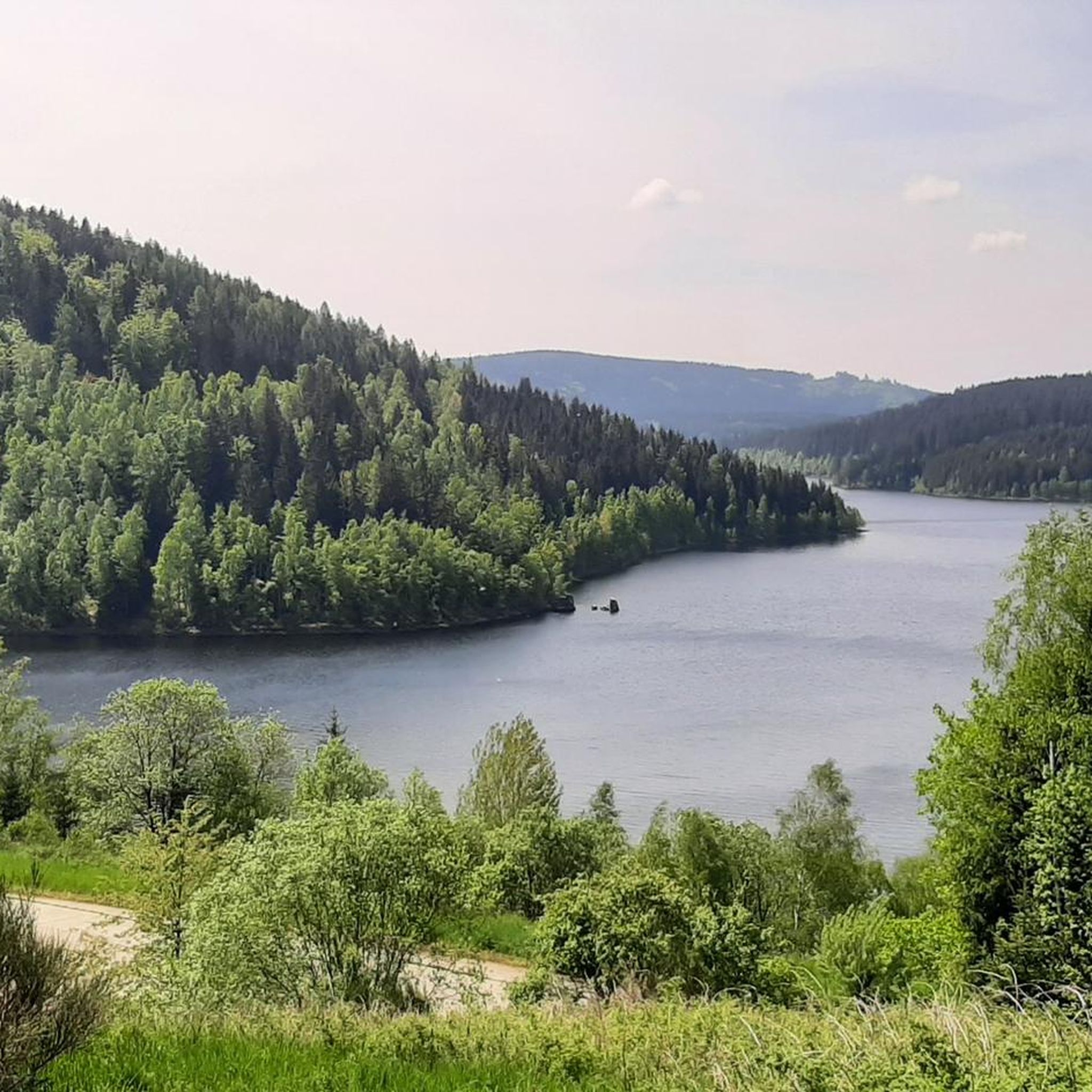
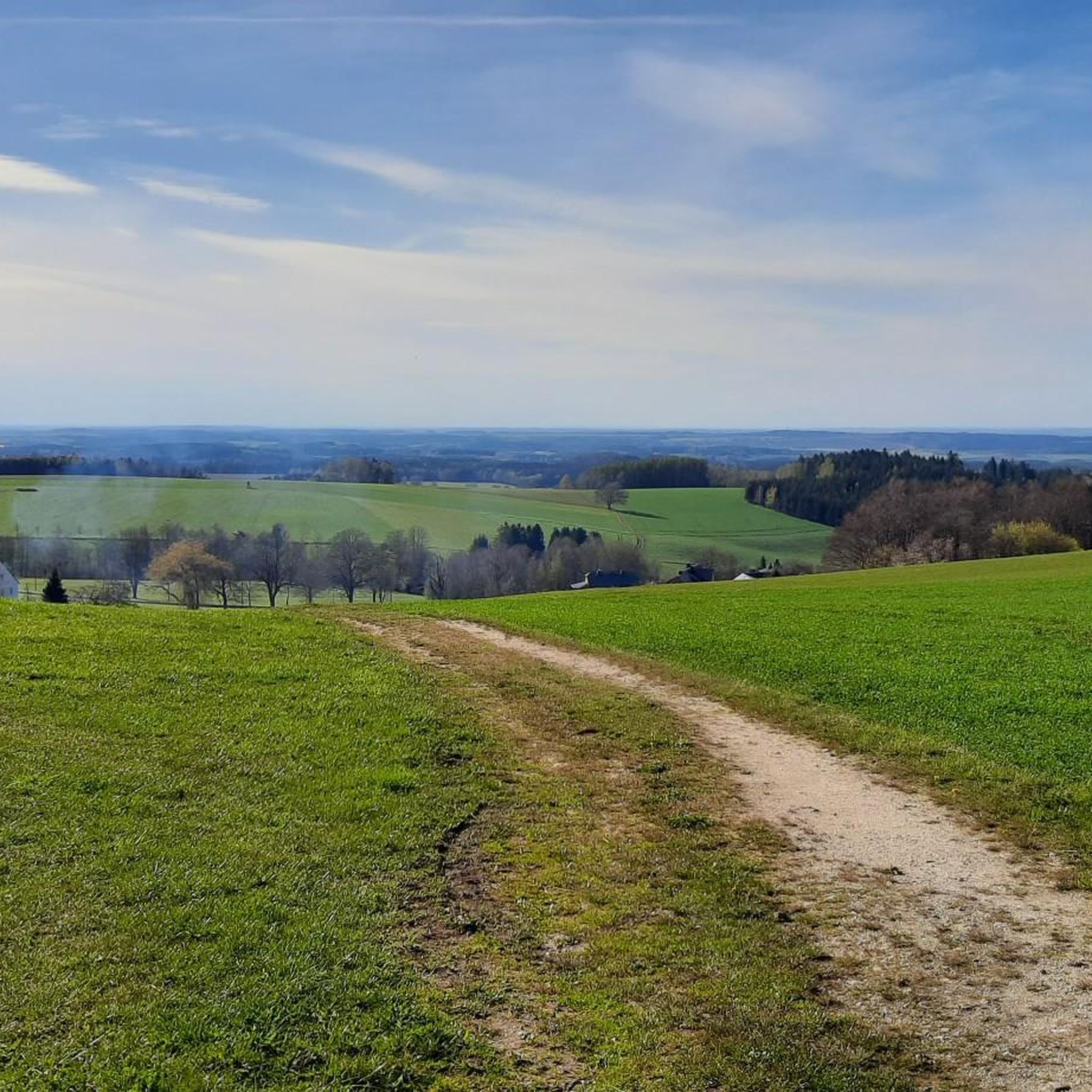
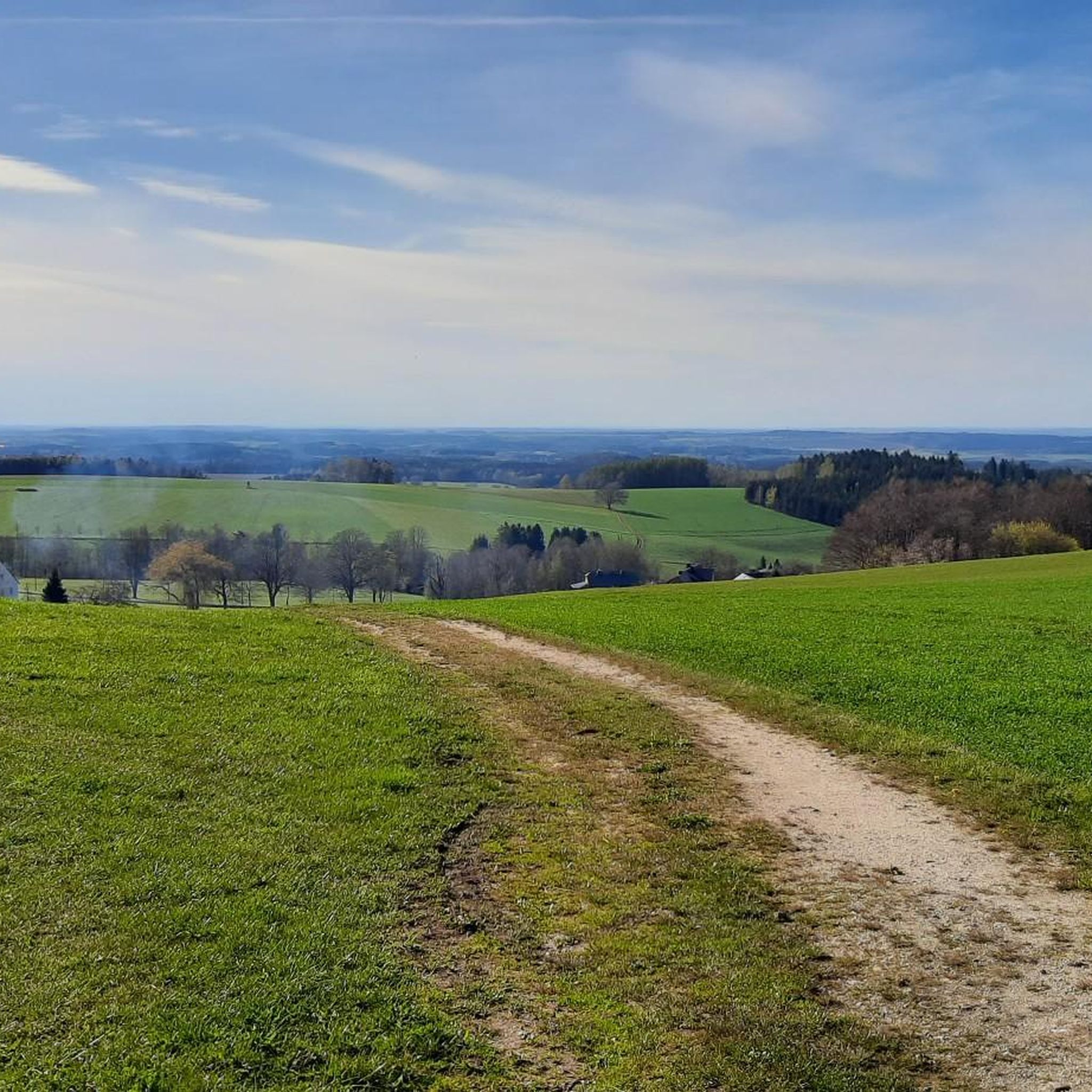
Tips from the Community

Not visible from the Erzengelweg, it needs to be searched for a bit, but is easily doable. A signpost would be "worth its weight in gold" and then there would probably be a clearly visible dirt path. This way, many simply pass by this mining historical site.
1
0

A great highlight not only for the adults, it certainly stimulated the sense of adventure and imagination of our kids;)
0
0

a great corner, always worth a trip
1
0
great corner with wonderful paths
2
0
a great corner, always worth a trip
1
0
very nice corner. Always worth a visit
0
0

Something hidden with an interesting history
3
0

Frequently Asked Questions
What kind of 'caves' can I expect to find around Stützengrün?
The 'caves' around Stützengrün are predominantly historical mining tunnels, not natural formations. The Ore Mountains region has a rich mining heritage, and these underground sites offer a glimpse into centuries of ore extraction and the region's industrial past.
Are there any family-friendly mining tunnels to explore near Stützengrün?
Yes, the Cave Entrance on Floßgrabenweg is considered family-friendly and offers a safe way to observe the interior of a mine, featuring interesting iron deposits. It's a great way for families to experience the region's mining history.
What historical significance do the mining tunnels around Stützengrün hold?
Many tunnels, like the Princes' Cave, are medieval mine tunnels with fascinating histories, such as the Saxon princely abduction. The region's extensive mining activity, dating back to the Middle Ages, is so profound that it was inscribed on the UNESCO World Heritage list. You can learn more about this heritage at UNESCO's website.
Can I visit the Wille Gottes Mine near Thalheim?
Yes, the historical Wille Gottes Mine, an arsenic mine that operated from the 16th century, is open to the public. Viewings can be arranged in advance or on fixed guided tour dates during summer and autumn months. It offers a deep insight into the challenging conditions faced by miners.
Are there hiking trails near the historical mining sites?
Absolutely. Many of these sites are integrated into nature trails. For example, the Hechtlöcher and Rösche of the Martin Römer Stolln is part of a nature trail. You can find various hiking options in the area, including easy hikes around Stützengrün or more general hiking routes around Stützengrün.
What is the Engländerstollen Tunnel and can I visit it?
The Engländerstollen Tunnel Entrance and Huthaus is a WWII-era tunnel originally intended for wolframite extraction. It is maintained by an association and is open for viewing on selected days or for groups with prior notification. The association has also built a hut with a small exhibition.
What is the best time of year to visit the mining tunnels around Stützengrün?
The summer and autumn months are generally recommended for visiting the historical mining sites, as some, like the Wille Gottes Mine, offer fixed guided tour dates during these seasons. Always check specific opening hours for individual sites.
Are there any mountain biking trails in the vicinity of these caves?
Yes, the region offers several mountain biking opportunities. You can explore various MTB Trails around Stützengrün, ranging from moderate to difficult, allowing you to combine underground exploration with outdoor cycling.
What is the Vestenburger Tunnel and what was mined there?
The Vestenburger Tunnel, specifically the “Obere Vestenburger Stolln,” was put into operation in 1680. Tinstone was mainly mined here, and it is connected to other historical tunnels in the immediate vicinity. On special occasions, such as museum night, it may be possible to drive down the tunnel.
Is there a 'cave' associated with the folk hero Karl Stülpner?
Yes, the Stülpner Cave, which originated from tin ore mining, is famously associated with the local folk hero Karl Stülpner (1762-1841). He was a poacher and game shooter who reportedly used this 'cave' as a hiding place from authorities.
What should I wear when visiting these mining tunnels?
Given that these are underground environments, it's advisable to wear sturdy, waterproof shoes and bring a light source, such as a headlamp or flashlight, as some areas might be dimly lit or require extra visibility.
Where can I find more information about the Ore Mountains region?
For more information about the broader Ore Mountains region, its history, and attractions, you can visit the official tourism website for Saxony: visitsaxony.com.
Most popular routes around Stützengrün
Most popular attractions around Stützengrün

Get inspired with the komoot mobile app


Explore more
Extend your search for the best caves by checking out these guides of the top ones around Stützengrün:
