Top 3 Caves around Niederstetten
Caves around Niederstetten present a mix of natural formations and historical sites within the Hohenlohe-Swabian Forest region. The landscape features geological curiosities and structures integrated into rock formations. This area provides opportunities to explore unique underground environments and historical landmarks.
Best caves around Niederstetten
- The most popular caves is Dörzbach Ice Cellars, a cave that served as a cooling storage for local breweries. These caves are now home to bats.
- Another must-see spot is St. Wendel zum Stein Chapel…
Last updated: May 14, 2026
Lourdes Grotto, Zaisenhausen
Highlight • Religious Site
In 893, the teacher Vogele, who was a teacher in Zaisenhausen from 1883 to 1890, built the …
Translated by Google •
Tip by

St. Wendel zum Stein Chapel
Highlight • Religious Site
Translated by Google •
Tip by

Sign up now to discover places like this
Get recommendations on the best single tracks, peaks, & plenty of other exciting outdoor places.
Sign up for free
Dörzbach Ice Cellars
Highlight • Cave
Translated by Google •
Tip by

Lourdes Grotto
Highlight • Religious Site
Translated by Google •
Tip by

The Hundskirche
Highlight • Cave
I then found texts about the Hundskirche in other books.
On various …
Translated by Google •
Tip by

Start today with a free account
Your next adventure awaits.
Login or Signup
Popular around Niederstetten
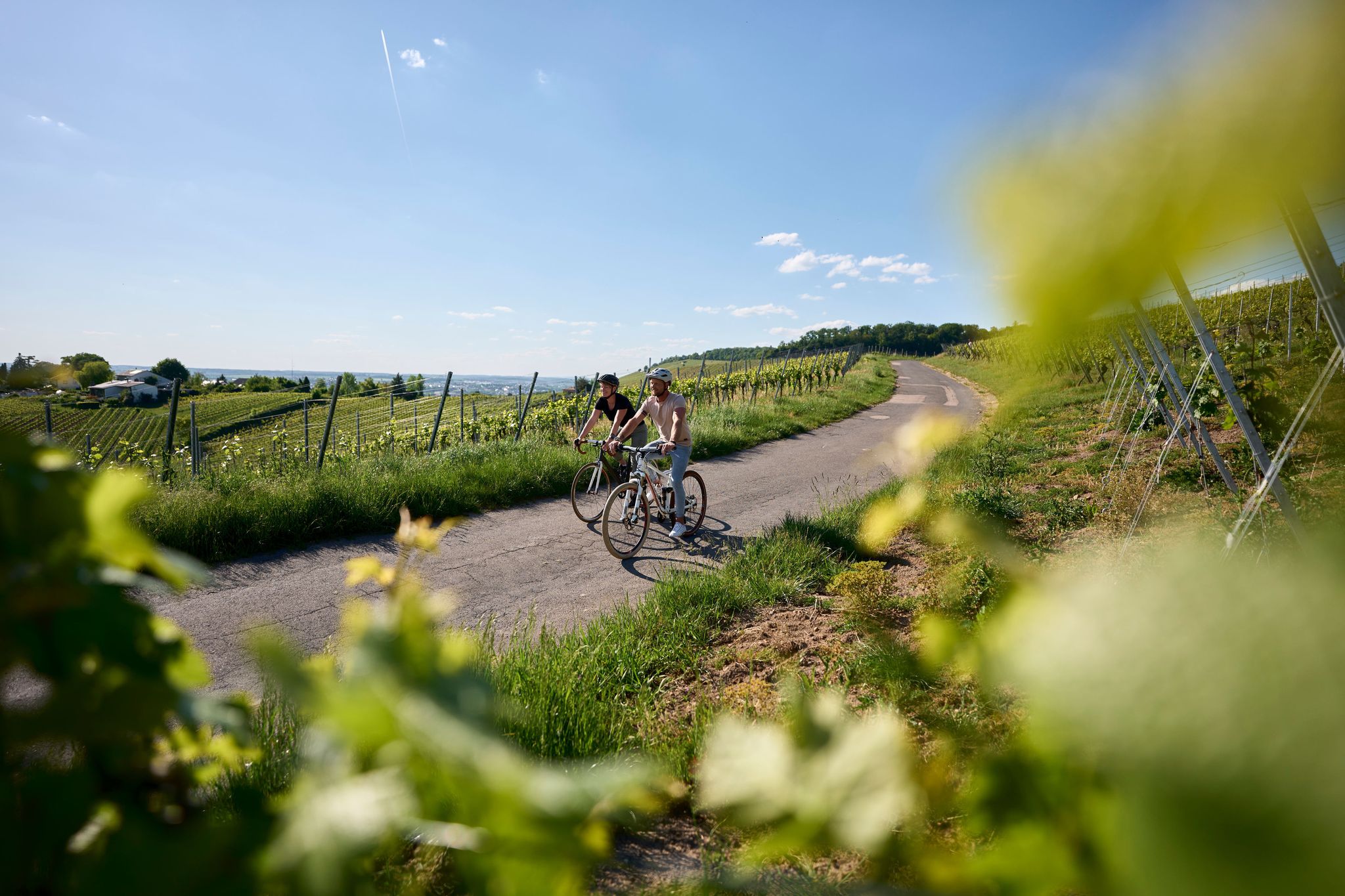
Württemberg Wine Route from the Tauber Valley to the Neckar
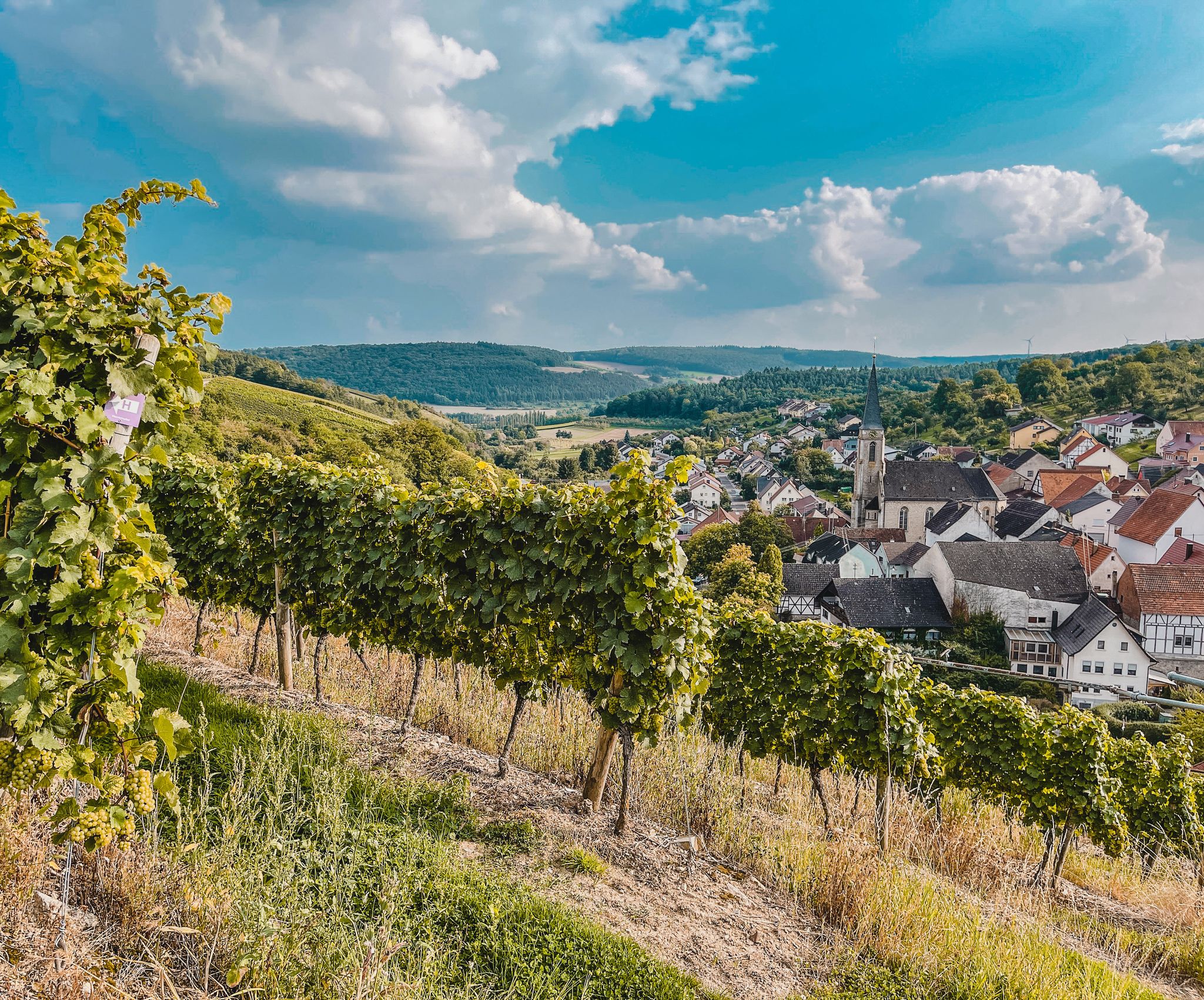
Vineyards and meadows — cycling with wine in the Tauber Valley
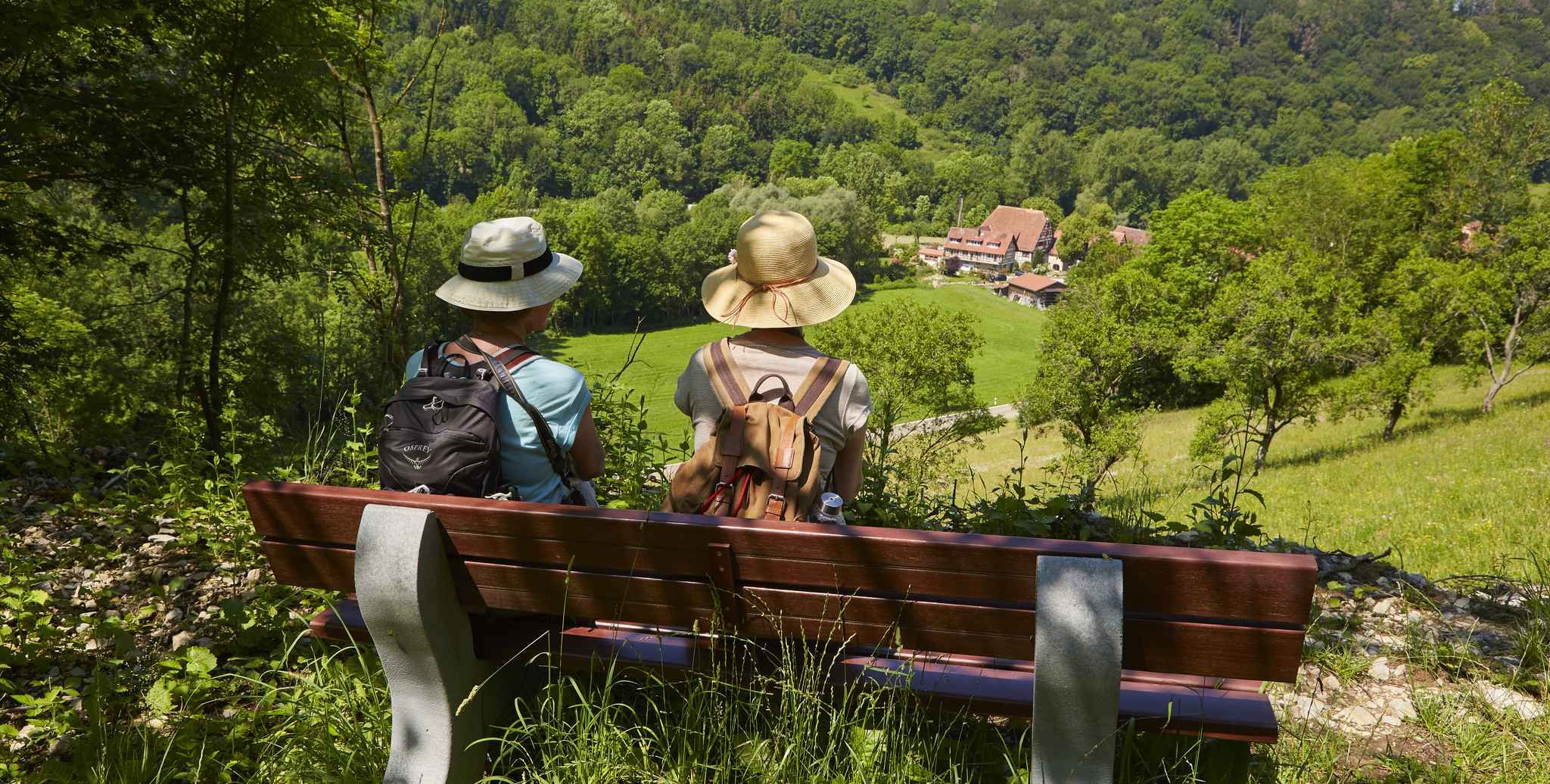
Gentle hills & wide forests – day Tours in the Lovely Tauber Valley
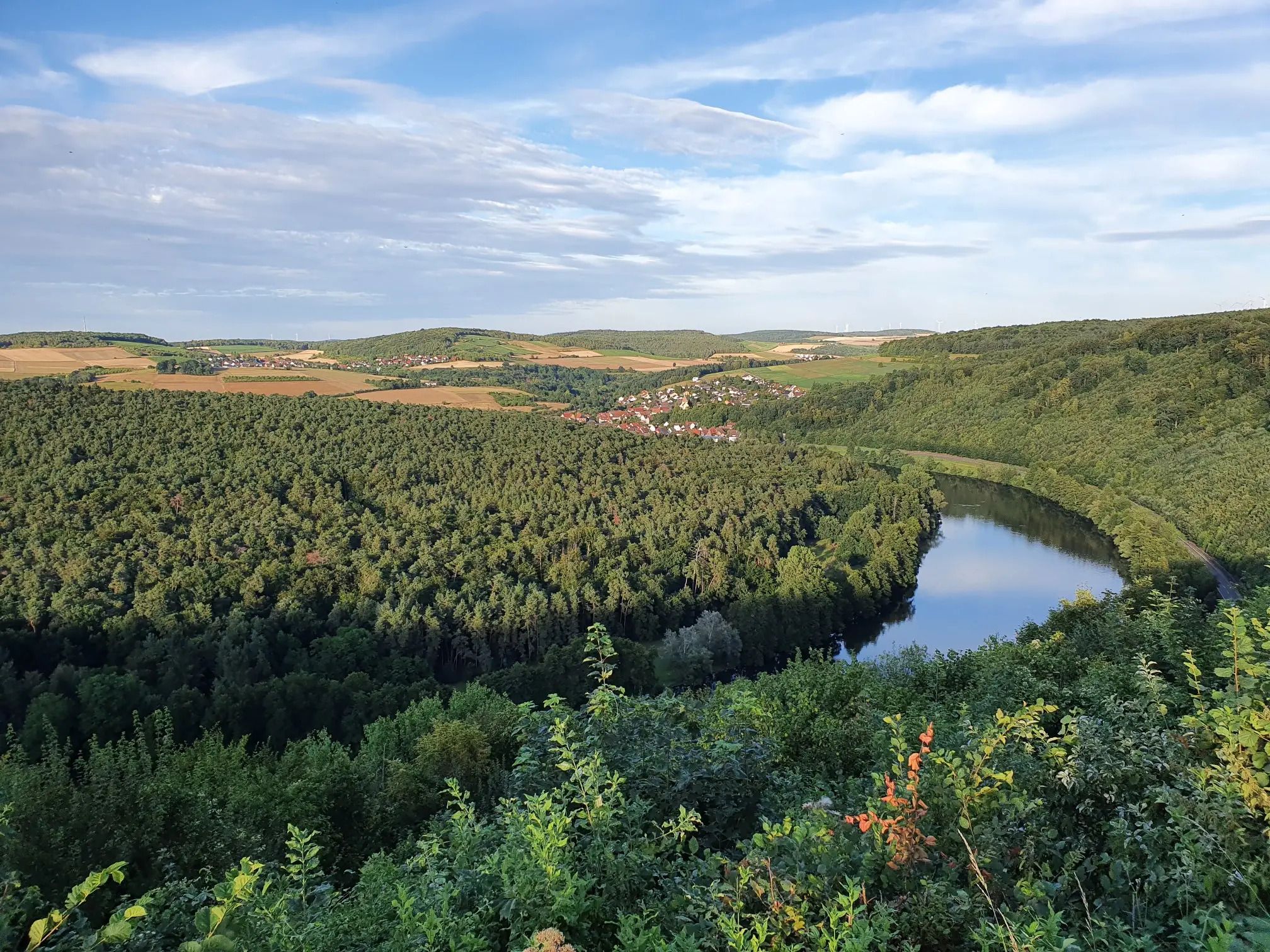
Jakobswanderweg Odenwald-Main-Taubertal
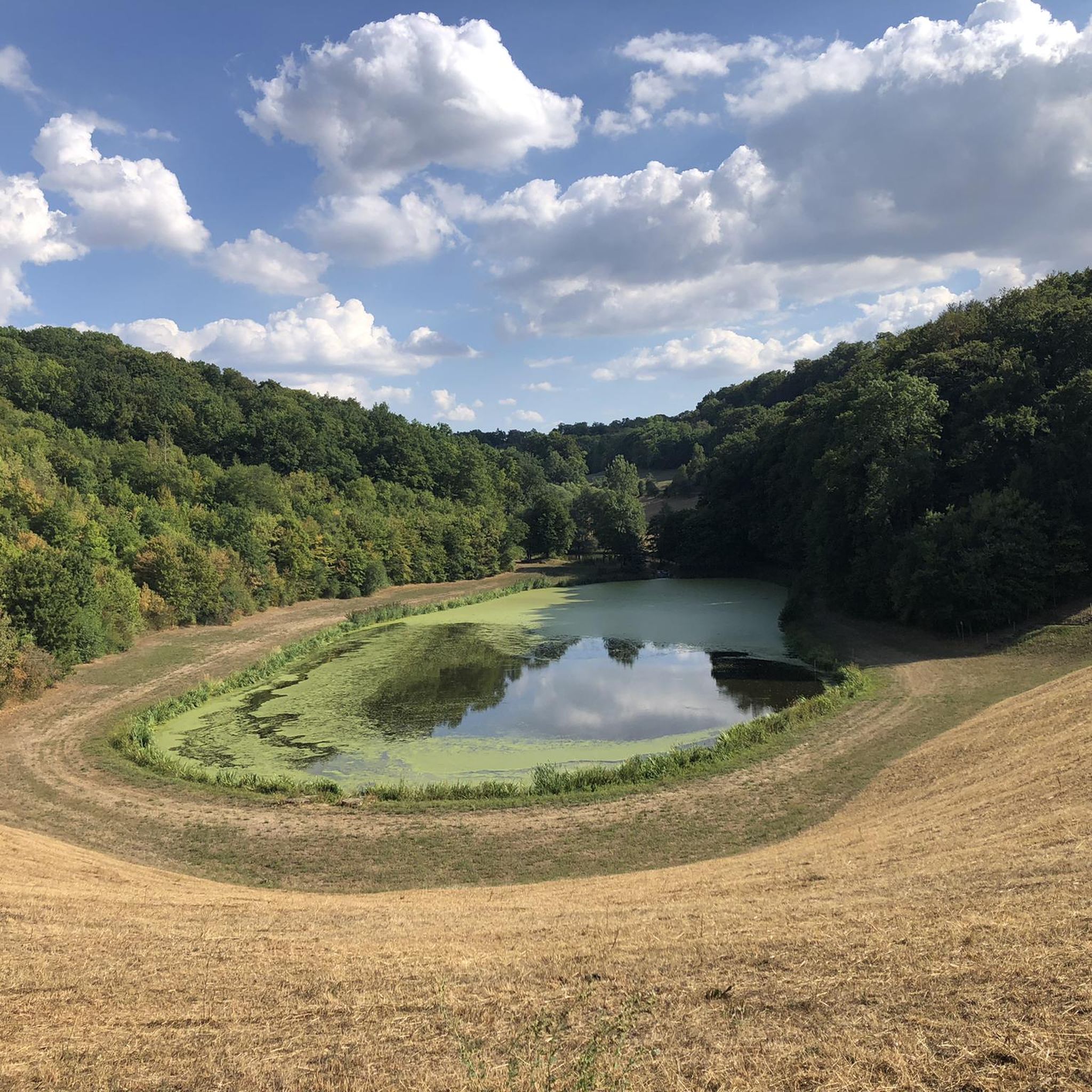
Liebliches Taubertal - Sportive
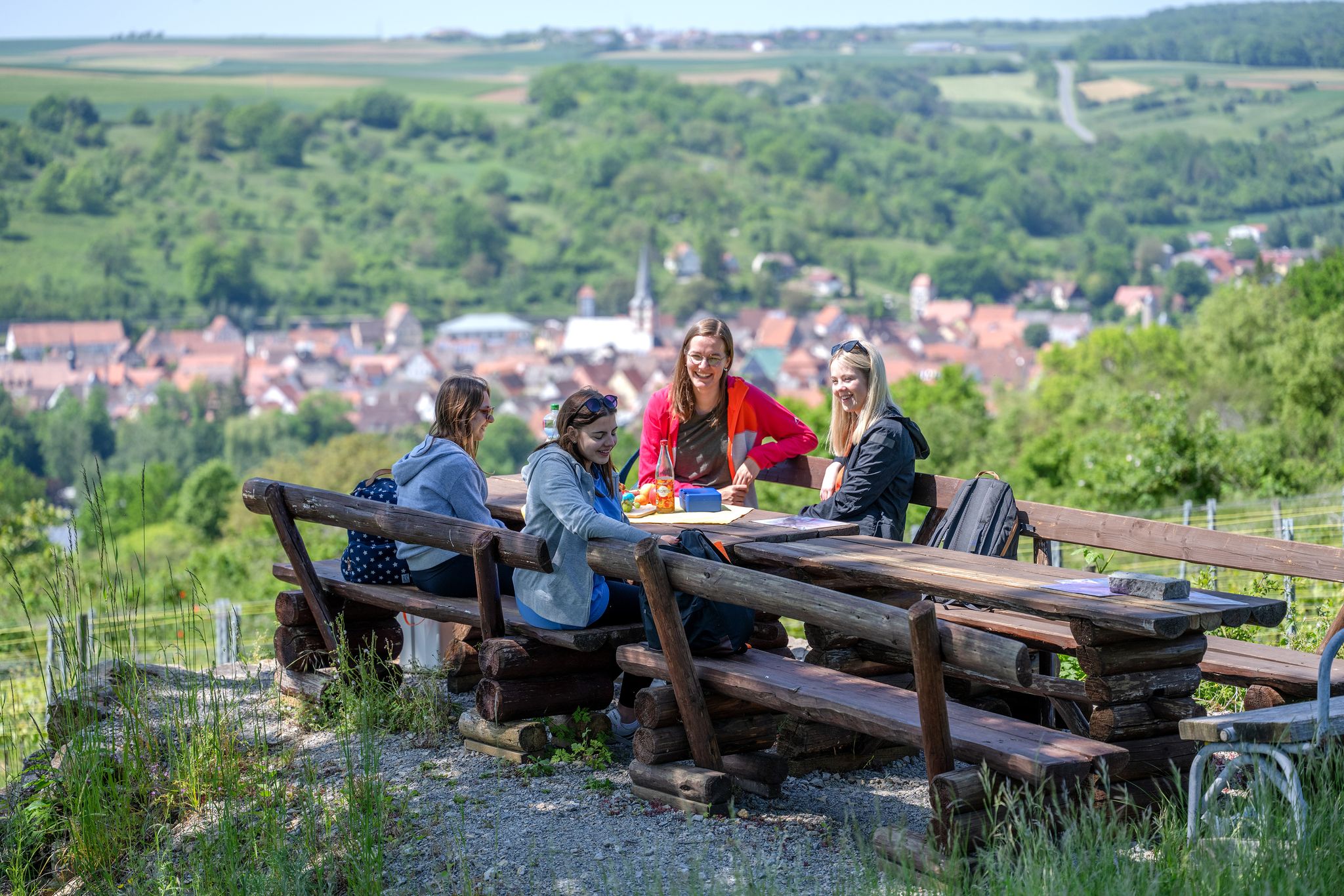
29 Rundwanderwege durch die Ferienlandschaft „Liebliches Taubertal“
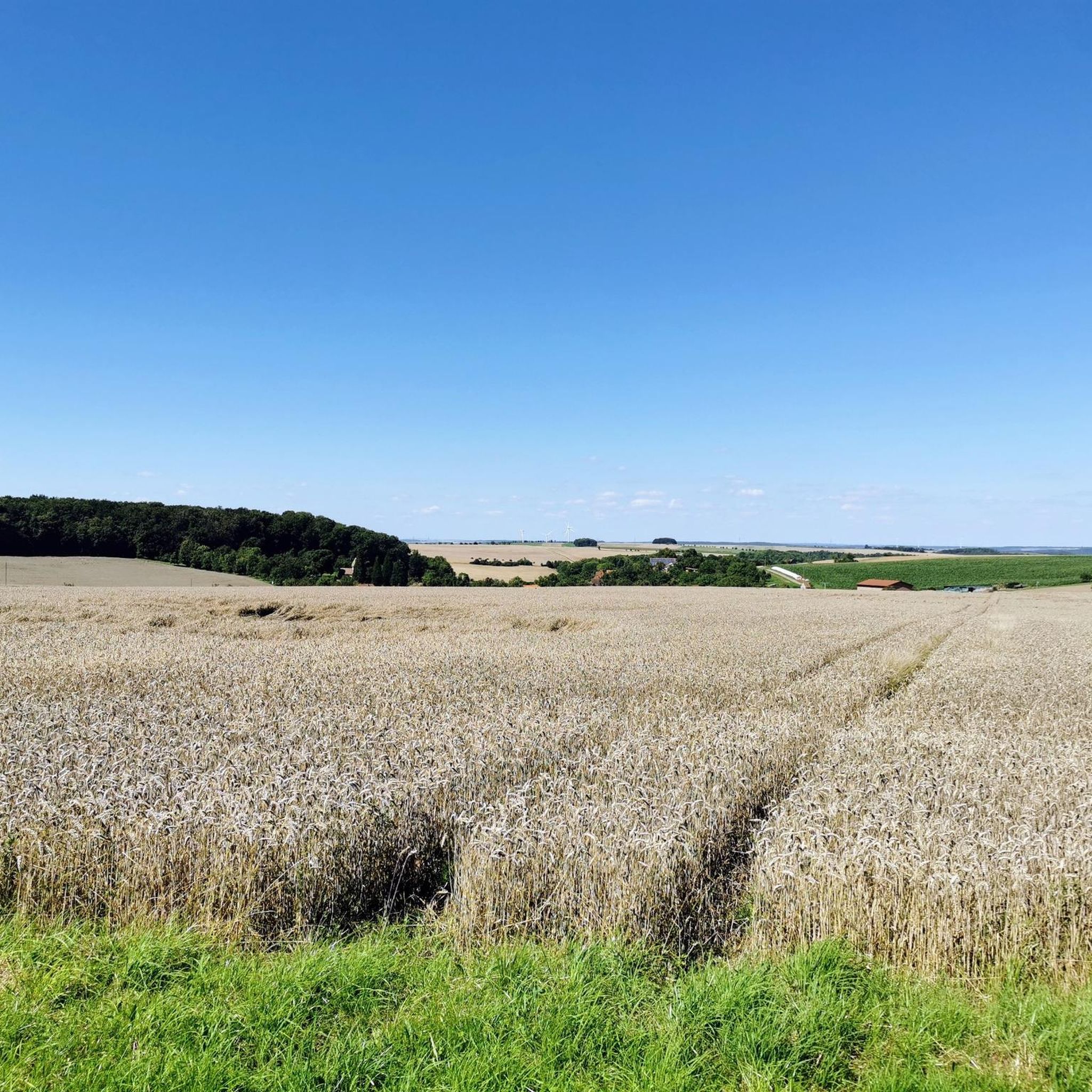
Hiking around Niederstetten
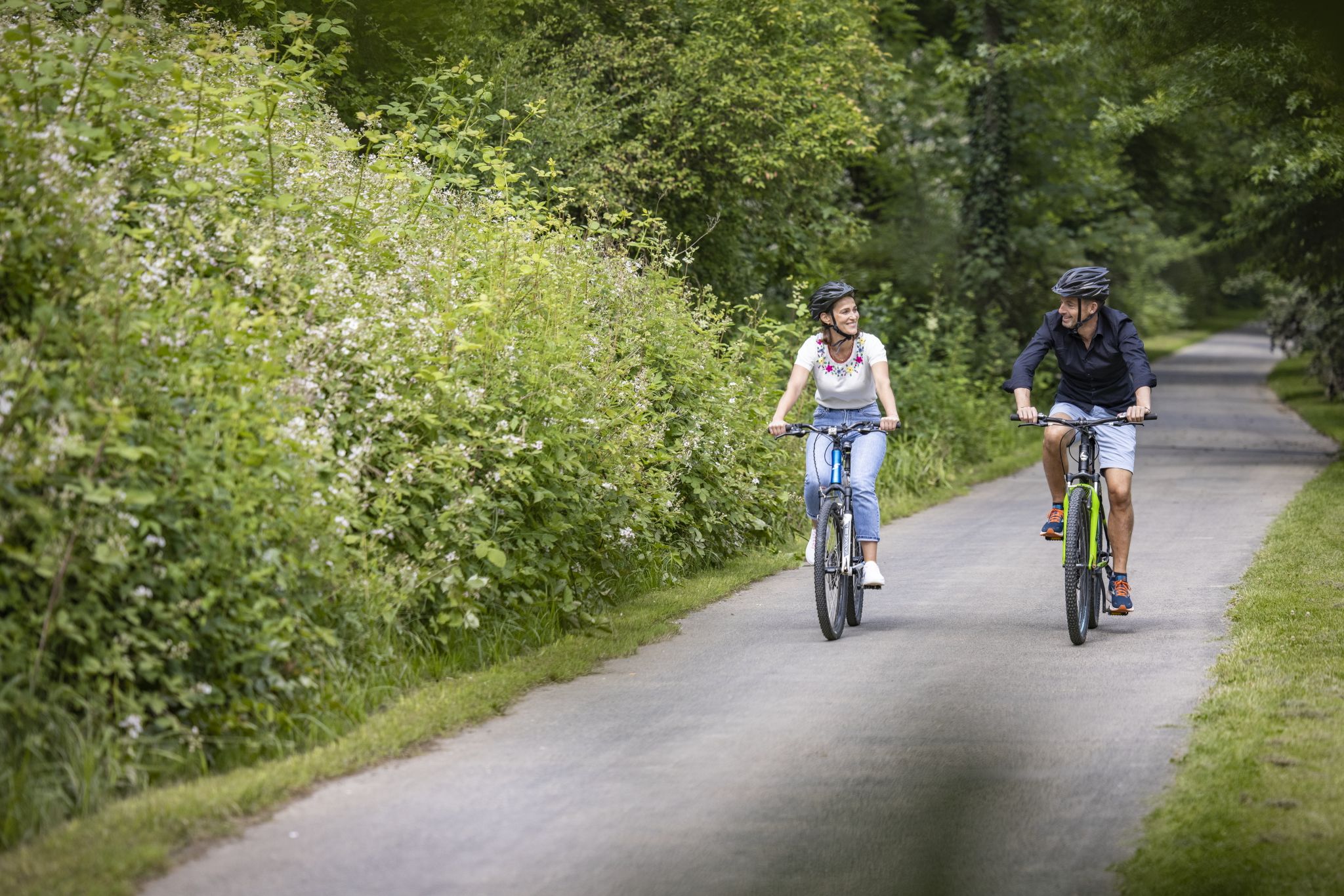
Cycling around Niederstetten
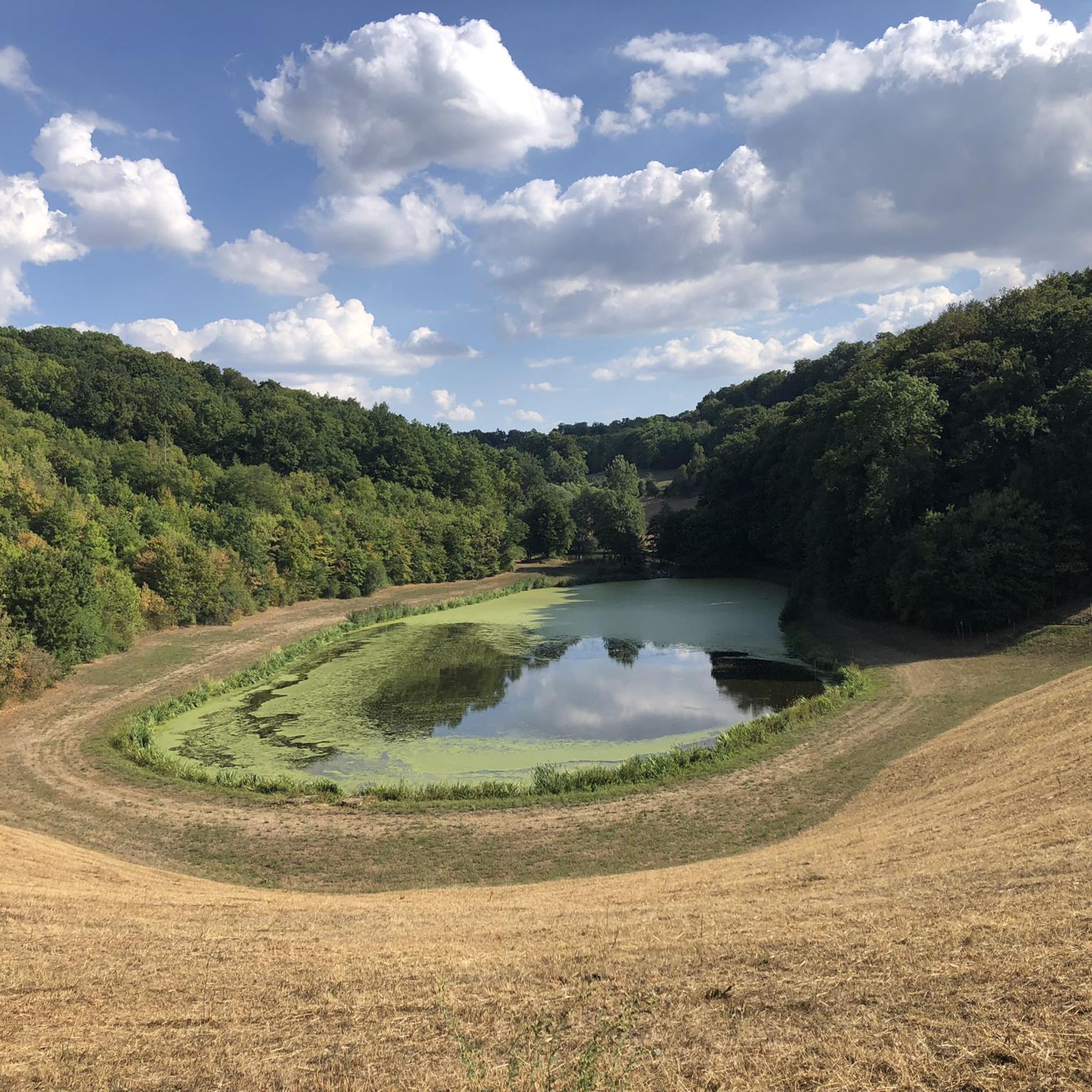
Running Trails around Niederstetten
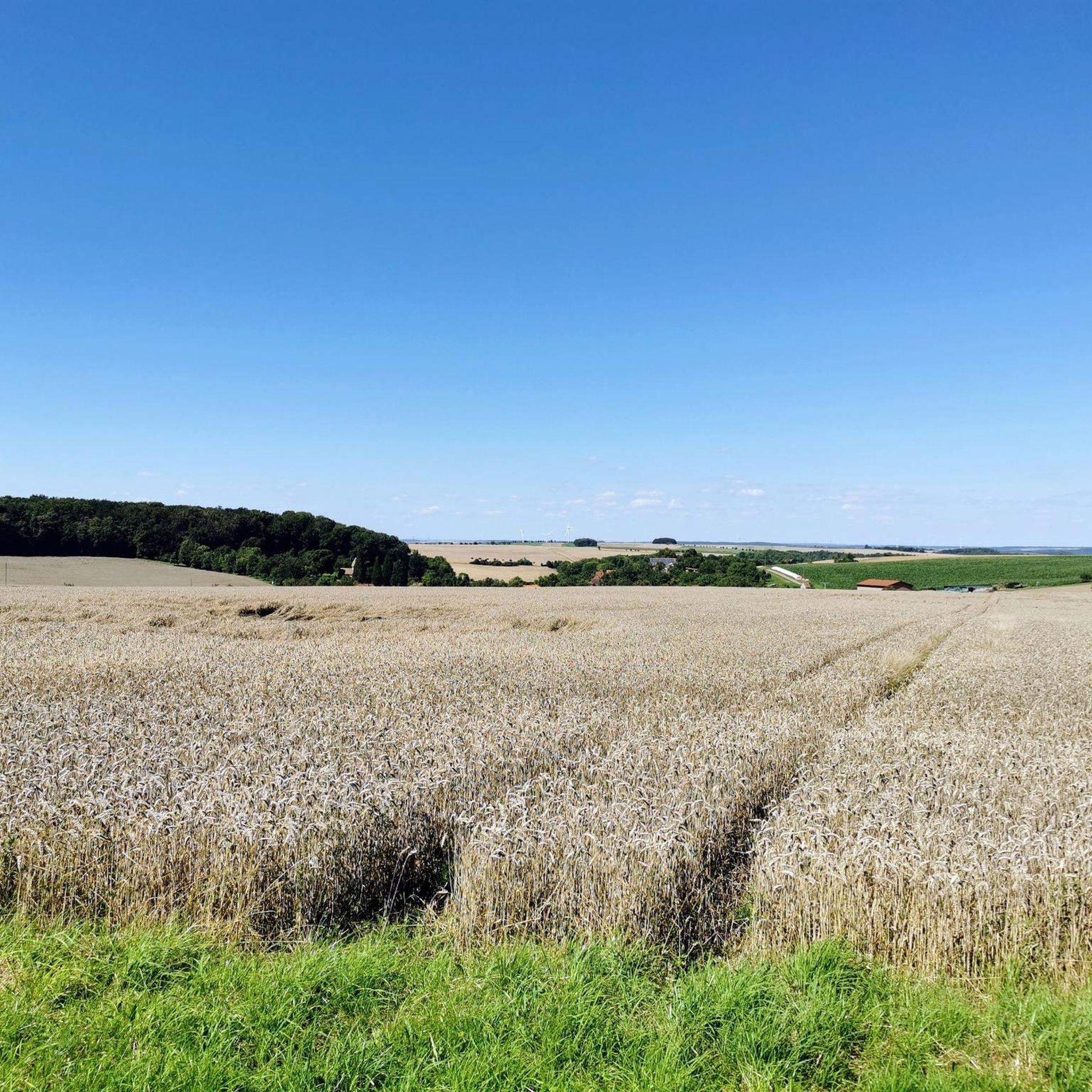
Road Cycling Routes around Niederstetten
Other adventures around Niederstetten


Tips from the Community

A little tip for hiking groups visiting the grotto: The path in front of the grotto is designed with a kind of staircase. It's a great spot for a group photo. The background is incredibly beautiful.
0
0
The grotto complex is a beautiful sight. It's definitely a must-see. Even a rest here on hot days is very pleasant and relaxing.
0
0

The Lourdes Grotto in Zaisenhausen is the largest grotto complex in southern Germany. In 893, the teacher Vogele, who was a teacher in Zaisenhausen from 1883 to 1890, built the Lourdes grotto made of tuff stone as a thank you for the fact that the water supply in Zaisenhausen did not collapse during a long period of drought.
1
0

you should definitely have been here
15
2
The Dörzbacher Eiskeller are caves in the shell limestone. In Dörzbach there were 3 breweries that cooled their beer in the caves.
10
1

The first two questions are: a) what is a dog church and b) where is this dog church. I then found texts about the Hundskirche in other books. On various maps I found the field name Hundskirche. However, a description from 1875 was relatively accurate. A curiosity, half scenic, half ancient, is the so-called Hundskirche, a quarter of an hour south-east of Schmerbach on the Kuhwasen field (formerly Ochsenwasen). Now nothing more than a deep sinkhole, but it seems to have originally been carved into the sandstone by human hands, now everything is overgrown with forest trees and swamp plants. 90 - 100 steps further up (to the east) flows a spring set in stone, covered by a large rough sandstone slab. The source is sparse but never runs dry, not even in the driest summers, its watercourse goes into the Hundskirche, where it trickles down and gently seeps away. At the Hundskirche itself, 3 white women have already been seen!!! According to another author, it was a storey-deep depression hewn in the rock, wider at the bottom than at the top, so that there are, as it were, stone seats in it, roofed over by the living rock. Towards the south one sees the beginning of a passage carved in the rock, which does not seem to lead horizontally, but straight down, it seems. A fairly visible opening of 3.5 to 4 feet (1.2m) wide, according to the older men in Blumweiler, leads to a passage down which they claim to have followed 30 paces even when they were young, until they reached it a fright arrived. This opening in the rock seems to have been closed by a huge hewn boulder which now stands upright not far from it. According to folk tales, the black dog lies on the treasure down there! According to another legend, dogs are said to have been sacrificed here. For centuries, the way to the Hundskirche was called "zum Götz". In another book, the entrance to this cave (höllagruba) is said to have been the entrance to the underworld for Frau Hell. All the descriptions of this area point to an ancient camp and sacrificial site. The age should already be 1500 to 2000 years. From the pictures you can still see the roofing through the rock. A book from 1825 states that Württemberg stonemasons had recently worked there, destroyed the cave and the whole thing was filled in.
6
3

Very nice spiritual place.
0
0
Very beautiful and lovingly laid out facility, very recommendable to visit this spiritual place.
0
0
Frequently Asked Questions
What types of caves can I explore in the Niederstetten region?
The Niederstetten region offers a diverse range of cave experiences, from historical industrial sites like the Dörzbach Ice Cellars, which were once used for cooling breweries, to religious monuments such as the Lourdes Grotto, Zaisenhausen, and natural geological formations like the Nebelloch Sinkhole. You can find grottoes, ice cellars, and chapels built into rock formations.
Are there any historically significant caves or sites in the area?
Yes, the region boasts several historically significant sites. The Dörzbach Ice Cellars are a historical industrial site, once used by local breweries. The St. Wendel zum Stein Chapel is a Gothic chapel built against a ten-meter-high rock face between 1511 and 1515. Further afield, the Hohle Fels near Schelklingen is a UNESCO World Heritage site renowned for its archaeological finds, including prehistoric artifacts.
What are some unique cave experiences near Niederstetten?
Beyond the immediate vicinity, the broader Baden-Württemberg region offers unique cave experiences. The Wimsener Höhle (Friedrich Cave) is Germany's only active water cave accessible by boat. The Tiefenhöhle in Laichingen is Germany's only vertical show cave, offering a unique descent. The Hohle Fels is a UNESCO World Heritage site with ongoing archaeological excavations.
Are there any caves with religious significance in the region?
Yes, the region features several sites with religious significance. The Lourdes Grotto, Zaisenhausen, is the largest grotto complex in southern Germany, built as a thank you for a reliable water supply. The St. Wendel zum Stein Chapel is a pilgrimage chapel built into a rock face. There is also another Lourdes Grotto near Tauberrettersheim, a replica of the original in Lourdes.
Are there family-friendly caves to visit near Niederstetten?
While the immediate Niederstetten area focuses more on historical and natural formations, the Charlottenhöhle near Giengen-Hürben, a bit further away, is known for being family-friendly. It features an adventure museum and an adventure playground/water fun park, making it suitable for families.
What are the geological features of the caves in the Niederstetten region?
The caves in the Niederstetten region are often found in shell limestone, as seen in the Dörzbach Ice Cellars. The broader region, particularly the Swabian Alb, is famous for its karst landscapes, featuring impressive stalactite and stalagmite formations, underground rivers, and vertical shafts, as exemplified by the Tiefenhöhle and Nebelhöhle.
When is the best time to visit caves in the region?
The best time to visit depends on the specific cave. Some show caves, like Wimsener Höhle, are open from April to October. Others, such as Tiefenhöhle and Bärenhöhle, are closed from November until Easter or March to protect hibernating bats. It's advisable to check specific opening times for the cave you plan to visit.
What outdoor activities can I combine with a visit to the caves?
The Niederstetten region is excellent for outdoor activities. You can find numerous hiking trails, including easy and moderate options, as well as gravel biking routes. For hiking, explore options in the Hiking around Niederstetten guide. For cycling, check out the Gravel biking around Niederstetten guide.
Are there hiking trails near the caves around Niederstetten?
Yes, there are several hiking trails in the vicinity. For example, the 'Tempele Cave – Kindlebrunnen Spring loop' is an easy hike near Niederstetten. You can find more options, including routes like 'Rundwanderweg LT 24: Rund ums Vorbachtal' or 'Giant Sequoias in Braunst', in the Hiking around Niederstetten guide.
What is the Nebelloch Sinkhole and where is it located?
The Nebelloch Sinkhole, located in Niedernhall, is a geological curiosity and a natural monument. It's known locally as the 'warm hole' because warm vapors rise from it in winter. It's a deep cave, about 12 feet long, and historically, woodcutters would warm themselves by dangling their legs in its opening during extreme cold.
Can you tell me more about the Hundskirche?
The Hundskirche is a fascinating site near Schmerbach, described as a deep sinkhole that may have been carved into sandstone. It's surrounded by local folklore, including tales of white women, a black dog guarding treasure, and even suggestions of it being an ancient camp and sacrificial site. Historically, it was also known as 'höllagruba' or the entrance to the underworld in some local legends.
What do visitors enjoy most about the caves in the Niederstetten region?
Visitors appreciate the mix of natural beauty and historical significance. The Dörzbach Ice Cellars are valued for their historical context as former brewery coolers and now as bat habitats. The St. Wendel zum Stein Chapel is loved for its picturesque setting against a rock face and its magical atmosphere. The Lourdes Grotto, Zaisenhausen, is recognized as the largest grotto complex in southern Germany.
Most popular routes around Niederstetten
Most popular attractions around Niederstetten

Get inspired with the komoot mobile app


Explore more
Extend your search for the best caves by checking out these guides of the top ones around Niederstetten:
