Top 16 Caves around Frankenhain
Caves around Frankenhain offer diverse underground experiences within the Thuringia region. Situated in the Ilm-Kreis district, Frankenhain serves as a base for exploring various natural and historical subterranean sites. The area features a range of caves, from ancient tunnels to natural grottoes and rock formations. These locations provide insights into the region's geology, history, and natural beauty.
Best caves around Frankenhain
- The most popular caves is Burnt Stone Tunnel, a cave that is a medieval tunnel created to facilitate…
Last updated: August 20, 2026
Burnt Stone Tunnel
Highlight • Cave
A tunnel steeped in history, after which an incredibly beautiful view opens up. Be sure to take a break and enjoy the view.🥰
Translated by Google •
Tip by

Goethe Cave at Hermannstein
Highlight • Cave
Translated by Google •
Tip by

Sign up now to discover places like this
Get recommendations on the best single tracks, peaks, & plenty of other exciting outdoor places.
Sign up for free
Dwarves' Cave
Highlight • Cave
Translated by Google •
Tip by

Böhlersloch Cave
Highlight • Cave
The Böhlerhöhle consists of three flushed caves / "kettles" that are connected to each other. In the book "Legends, Fables and Romantic …
Translated by Google •
Tip by

Kammerlöcher Rock Formations
Highlight • Natural Monument
Translated by Google •
Tip by
Sign up for free to discover even more caves around Frankenhain.
Sign up for free
Already have an account?
Start today with a free account
Your next adventure awaits.
Login or Signup

Tips from the Community

The cave is really only suitable for dwarves.
1
0

The burnt out stone at Oberhof is an artificial breakthrough through the rock. It was important for the Lütsche Flößgraben when it was built. The alternation of fire and ice-cold water made the stone brittle and could be worked with mining tools. A 38 m long, 2.3 m high and 2.2 m wide tunnel was created. If you follow the path further you come to the “Hohen Stein” with a wonderful view. The path back to Oberhof leads past the upper Sieglitzteich. Source: http://www.wandern-im-thueringer-wald.de/ausbrenner-stein-luetsche-floessgraben
13
0

Not to be expected from the valley. Still a little insider tip
1
0

In any case, take enough provisions with you, the ascent is not without it. 😄
1
0

apparently lovingly decorated with dwarves by local residents. Unfortunately, there is no explanation/note about this place, which is a listed building
1
0

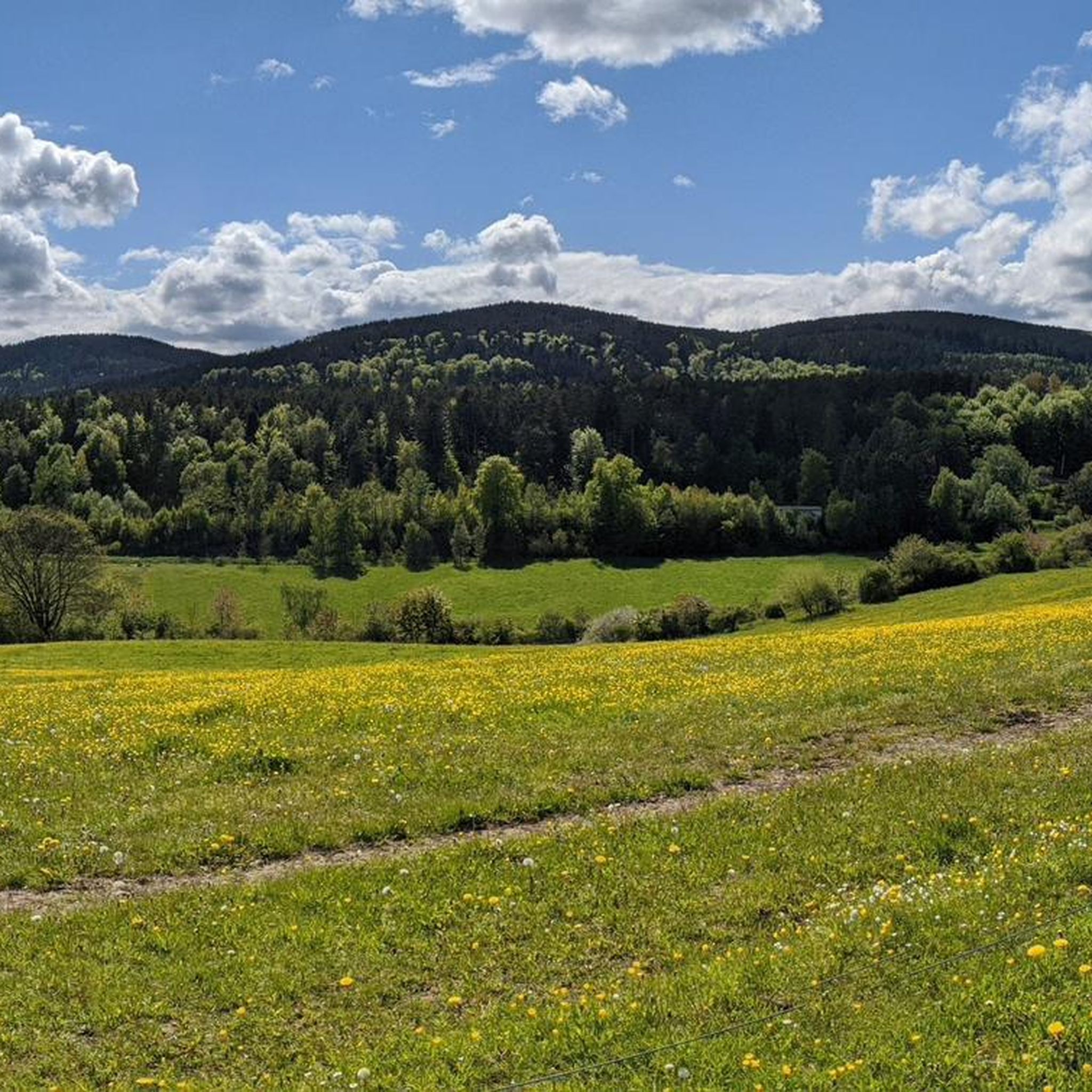
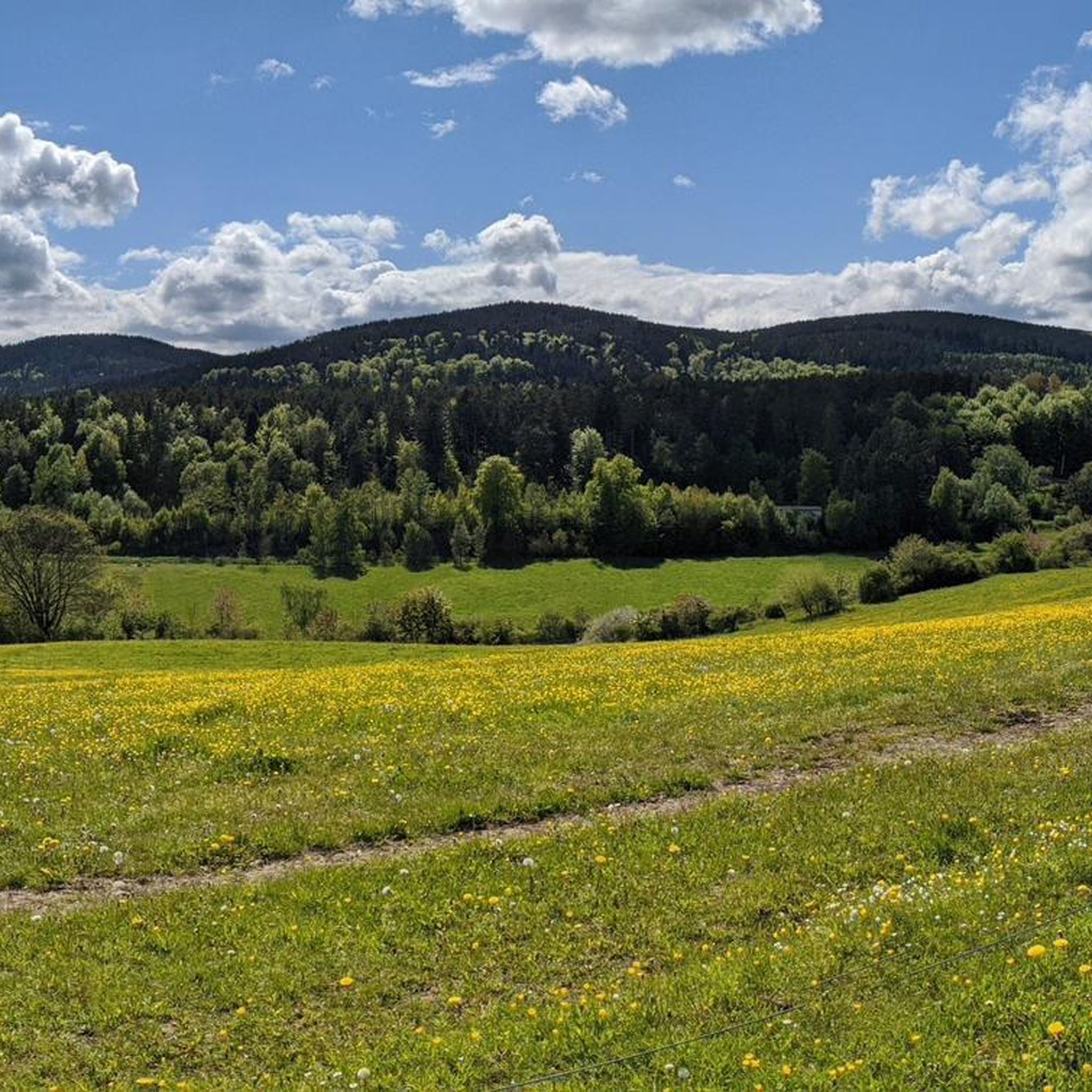
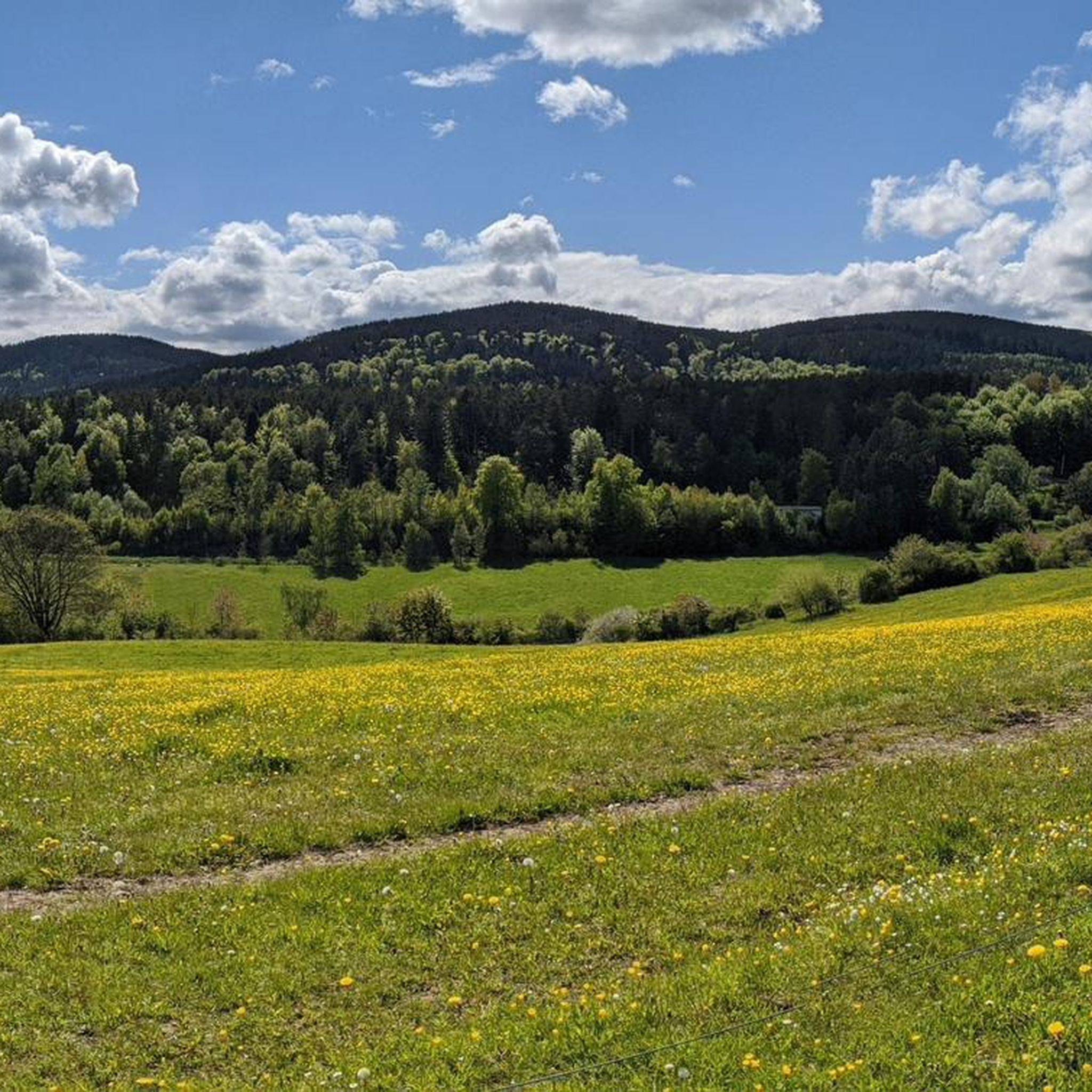
Beautiful views of several valleys. Here you can see the railway line winding through the area.
7
0
A few meters off the track. According to old records, a widely branched cave. But for more than 5-6 meters you need a decent lamp and clothes that can get dirty.
3
0

Some time ago, while studying the regional maps, I became aware of a place called "Dwarf Cave" near Dosdorf. Curious about what it is all about, I visited this beautiful spot and was surprised that no geocache has found its place here, which will now be different. As the name suggests - it's a really small "cave" made by dwarf humans. What exactly it is about or why it was created is unfortunately beyond my knowledge, the Internet has no advice on this. If anyone would like to provide local insider knowledge about this place I'm happy to include it in the description. Although it should actually be self-evident, I would like to point out that the cache can only be reached on foot or by bicycle from the parking lot coordinates. There is no need to leave the paths, please treat nature and this place with respect. (Source: https://www.geocaching.com)
1
1
Frequently Asked Questions
What types of caves can I explore around Frankenhain?
The region around Frankenhain offers a diverse range of underground experiences. You can find historical tunnels like the Burnt Stone Tunnel, natural grottoes, and impressive rock formations such as the Kammerlöcher Rock Formations. The broader Thuringia region also features unique geological sites like the Saalfeld Fairy Grottoes, known for their vibrant colors, and the Barbarossa Cave, a rare anhydrite show cave.
Are there family-friendly caves to visit near Frankenhain?
Yes, several caves and sites are suitable for families. The Dwarves' Cave is known for its charming, lovingly decorated entrance, making it a whimsical stop. The Saalfeld Fairy Grottoes also offer family-friendly tours and an adventure museum, providing an engaging experience for all ages.
Which caves offer a historical perspective?
For history enthusiasts, the Burnt Stone Tunnel is a medieval tunnel originally used for wood removal, offering a glimpse into past engineering. The Goethe Cave at Hermannstein was frequently visited by Johann Wolfgang von Goethe and may have served as a guardhouse in the Middle Ages. The Marienglashöhle Friedrichroda, while a show cave, originated from historical gypsum and copper mining.
What are some unique geological formations I can see in the caves?
The Saalfeld Fairy Grottoes are famous for their incredibly colorful mineral deposits, creating stunning stalactites and stalagmites. The Barbarossa Cave is geologically rare, being one of only two show caves worldwide made of anhydrite rock, featuring vast caverns and unique gypsum formations. The Dripstone Cave Kittelsthal is Thuringia's only fully developed dripstone cave, showcasing classic stalactites and stalagmites.
What outdoor activities can I combine with a cave visit near Frankenhain?
The area around Frankenhain is excellent for various outdoor activities. You can find numerous cycling routes, such as those around the Lütsche Reservoir, with options ranging from easy to moderate. There are also mountain hikes, including trails leading to viewpoints like the Kaltenbrunner Stein. For mountain biking, explore routes like the Lütsche Reservoir to Highest Point of the Rennsteig. You can find more details on these activities in the Cycling around Frankenhain, Mountain Hikes around Frankenhain, and MTB Trails around Frankenhain guides.
Are there hiking trails near the caves around Frankenhain?
Yes, many caves are integrated into or accessible via hiking trails. For instance, the Kammerlöcher Rock Formations are part of an area with scenic trails and viewpoints. The Goethe Cave at Hermannstein is often visited as part of a hike. You can find detailed hiking routes in the Mountain Hikes around Frankenhain guide.
What do visitors enjoy most about the caves around Frankenhain?
Visitors frequently highlight the unique blend of history and natural beauty. For example, the Burnt Stone Tunnel is praised for its historical significance and the beautiful view that opens up after traversing it. The Goethe Cave at Hermannstein is appreciated for its historical connection to Goethe and the rewarding views from its location. The Kammerlöcher Rock Formations are celebrated for their impressive natural landscape and scenic vistas.
How difficult are the caves to explore?
The difficulty varies depending on the specific cave. Some, like the Burnt Stone Tunnel, are relatively straightforward. Others, such as the Goethe Cave at Hermannstein, involve steep steps and require sure-footedness. The Böhlersloch Cave and Dwarves' Cave can be challenging with narrow entrances that may require crawling. Always check specific cave details for recommended footwear and accessibility.
What should I wear for cave exploration?
For most cave explorations, especially those involving natural formations or historical tunnels, it's advisable to wear sturdy, closed-toe shoes with good grip. Layers of clothing are recommended as cave temperatures can be cooler and more consistent than outside. For more challenging or undeveloped caves like the Böhlersloch Cave, clothes that can get dirty and a reliable lamp are essential.
Are there any caves near Frankenhain that are known for legends or folklore?
Yes, the region is rich in folklore. The Barbarossa Cave is steeped in the legend of Emperor Barbarossa sleeping within its depths. The Böhlersloch Cave is associated with legends of little elves. The Kammerlöcher Rock Formations are also said to have been home to dwarves according to local legends.
What is the best time of year to visit the caves around Frankenhain?
Many of the show caves, like the Saalfeld Fairy Grottoes and Barbarossa Cave, are open year-round, offering a consistent temperature and experience regardless of the season. For natural caves and rock formations that are part of outdoor trails, spring and autumn often provide the most pleasant weather for hiking and exploration. Winter visits can also be unique, but ensure trails are clear and safe.
How can I get to the Marienglashöhle Friedrichroda from Frankenhain?
The Marienglashöhle Friedrichroda is located a short distance from Frankenhain. While specific public transport routes can vary, it is generally accessible by car. For detailed public transport information, it's best to check local bus schedules or regional transport websites closer to your visit, as routes and times can change.
Most popular routes around Frankenhain
Most popular attractions around Frankenhain

Get inspired with the komoot mobile app


Explore more
Extend your search for the best caves by checking out these guides of the top ones around Frankenhain:
