Top 20 Lakes around Könnern
Best lakes around Könnern are situated in the district of Salzlandkreis, Saxony-Anhalt, Germany, within the Naturpark Unteres Saaletal. The region is characterized by its floodplain landscapes and natural features along the Saale River. While large traditional lakes are not directly in Könnern, the area is known for unique wetland systems like the Gerlebogker Teiche, which include the Großer Wiendorfer Teich. These water bodies, often formed from former brown coal mining fields, feature slightly saline water and support specific plant and…
Last updated: June 26, 2026
Pfarrteich Krosigk
Highlight • Lake
Translated by Google •
Tip by

Goethebruch Quarry
Highlight • Structure
Translated by Google •
Tip by
Sign up now to discover places like this
Get recommendations on the best single tracks, peaks, & plenty of other exciting outdoor places.
Sign up for free
Lake Edderitz
Highlight • Lake
Source: de.wikipedia.org/wiki/Edderitzer_See
Translated by Google •
Tip by

Saale Oxbow Aderstedt
Highlight • River
Translated by Google •
Tip by

Schloss Warmsdorf Ruins and Pond
Highlight • Castle
Translated by Google •
Tip by

Sign up for free to discover even more lakes around Könnern.
Sign up for free
Already have an account?
Start today with a free account
Your next adventure awaits.
Login or Signup
Popular around Könnern


Tips from the Community

In the presence of this memorial, which commemorates the victims of war and tyranny, I would like to offer the viewer a very short excerpt from a remarkable speech given in 1985 by the then Federal President Richard Karl Freiherr von Weizsäcker (1920–2015): "We learn from our own history what humankind is capable of. Therefore, we must not imagine that we have become different and better as human beings. There is no ultimate moral perfection—for anyone and no country! We have learned as human beings, and we remain vulnerable as human beings. But we have the strength to overcome these dangers again and again. (...)" Richard von Weizsäcker delivered this widely noted speech on May 8, 1985, on the 40th anniversary of the end of the Second World War, and his words—even 40 years later—remain relevant.
0
0

In 1958, after more than 100 years, open-cast mining operations at the site were discontinued because the deposits were exhausted. The remaining pit was gradually filled with water.[2] By 1967, the Edderitzer Lake, over 40 hectares in size and up to 41 meters deep, had formed from inflowing groundwater. It initially served primarily as a water reservoir for agriculture, but has also developed into a popular bathing lake.[4] It differs from traditional quarry lakes in its rather unplanned formation. After wild bathing areas had developed along various shores, problems with the embankment became apparent after 1989, presumably caused by the rising water level following the declining water extraction between 1990 and 1992, so large sections of the shore were closed off. From 1998 to 2003, the slopes were secured and a beach restaurant was created in the western area, while the former beaches on the eastern side remained closed.[4] For the reopening on May 15, a "House and Bathing Regulations of the Edderitz Seaside Resort" was published in the official gazette.[5] The lake has good water quality.[6] On the west side of the lake, there is a lido with a 400-meter-long sandy beach, volleyball courts, and a campsite. The lake is used for various water sports such as fishing and diving. A paved circular path surrounds the lake, which is used for hiking, cycling, skating, and summer and winter biathlon. There is also a geological educational garden with over 120 rocks on display and remnants of the open-cast mining history (lorry, water wheel).[7] In 2005, a life-sized "art cow" painted with fins and scales was sunk by the local diving club in Lake Edderitz and anchored at a depth of 25 meters.[8] Source: https://de.wikipedia.org/wiki/Edderitzer_See
4
0
The village of Edderitz is said to have received its name from the Slavic word jezerisco, as it was first mentioned as Ezeri in 973. There are and have been several ponds in the village, and several pit ponds near the village, but Lake Edderitz is by far the largest body of still water in the former municipality.[1] In the 19th century, the importance of coal mining increased significantly, and the Leopold mine was established in 1853. In 1935, it was decided to relocate a large part of the village to the north so that coal could be mined there as well. The new village was gradually built north of the Pfaffendorf-Edderitz road starting in 1938. A total of around 1,200 residents were resettled by 1952. In 1953, the sugar factory, which was located in the northwest of the old village, was demolished so that coal could be mined there as well. All that remained of the old village was the cemetery; the rest was dredged over. [Source: https://de.wikipedia.org/wiki/Edderitzer_See
4
0
Lake Edderitz is located in the Anhalt-Bitterfeld district, south of Köthen in the town of Southern Anhalt. It originated from the former Edderitz open-cast mine and is therefore also known as the "open-cast mine pit near Edderitz." Source: https://de.wikipedia.org/wiki/Edderitzer_See
5
0

A swan family with a brave, angry swan father who defends his young against every hungry wanderer with impressive gestures.
0
0

The war memorial was erected for the fallen soldiers of the village of Drehlitz in World War I and features inscriptions. On its east-facing side is the inscription: 1914-1918 Our Fallen gratefully honors the community of Krosigk... A plaque with the names of those who died in World War II was later added to the west-facing side: .... Source: https://de.wikipedia.org/wiki/Kriegerdenkmal_Krosigk
0
0

A magical place! Unfortunately, entry is prohibited.
0
0

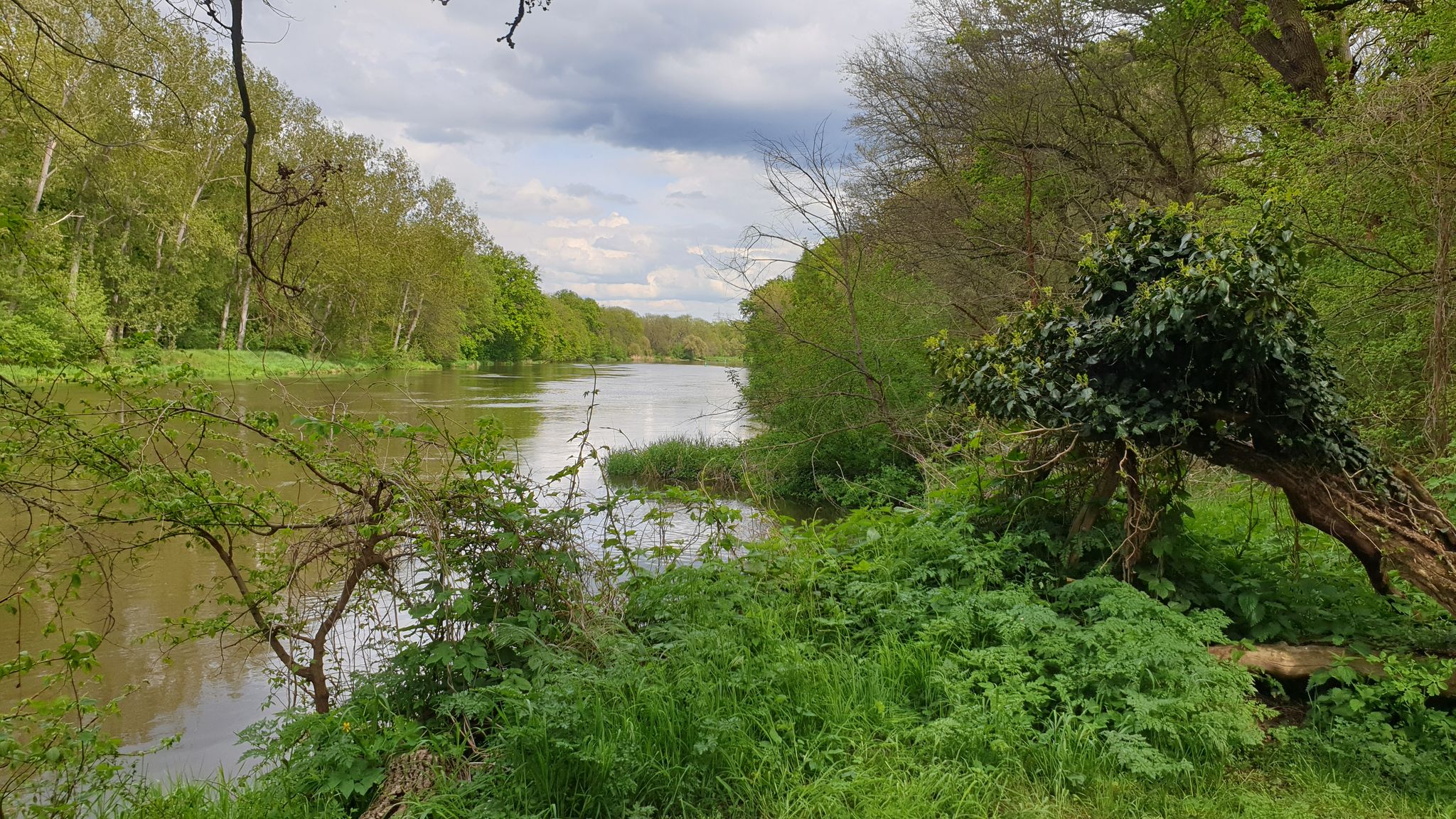
The Saale oxbow at Aderstedt near Bernburg is a branch of the Saale River, cut off from the Saale and littered with trees. Directly adjacent to the oxbow is an allotment garden colony, and the Wipper River also flows through this area.
1
0
Frequently Asked Questions
What makes the lakes around Könnern unique?
The lakes around Könnern are distinctive due to their varied origins. Many, like the Gerlebogker Teiche and Großer Wiendorfer Teich, are water-filled depressions from former brown coal mining fields, resulting in slightly saline water that supports unique halophilic plants and diverse birdlife. Others include natural oxbow lakes like Saale Oxbow Aderstedt and artificial ponds such as Ölgrundteich.
Which lakes are popular for fishing near Könnern?
Several lakes are popular among anglers. The Großer Wiendorfer Teich, part of the Gerlebogker Teiche, is known for species like pike, eel, perch, and carp, with guest fishing permits available. Goethebruch Quarry and Ölgrundteich are also recognized fishing waters. Additionally, Saale Oxbow Aderstedt is a very popular spot for anglers.
Are there family-friendly lakes or activities around Könnern?
Yes, several spots are suitable for families. Saale Oxbow Aderstedt features a well-developed cycle path, perfect for family rides. Schloss Warmsdorf Ruins and Pond offers a peaceful setting for relaxation and exploring historical ruins. Pfarrteich Krosigk and Ölgrundteich are also considered family-friendly destinations for walks and nature observation.
What kind of natural features can I expect to see at the lakes?
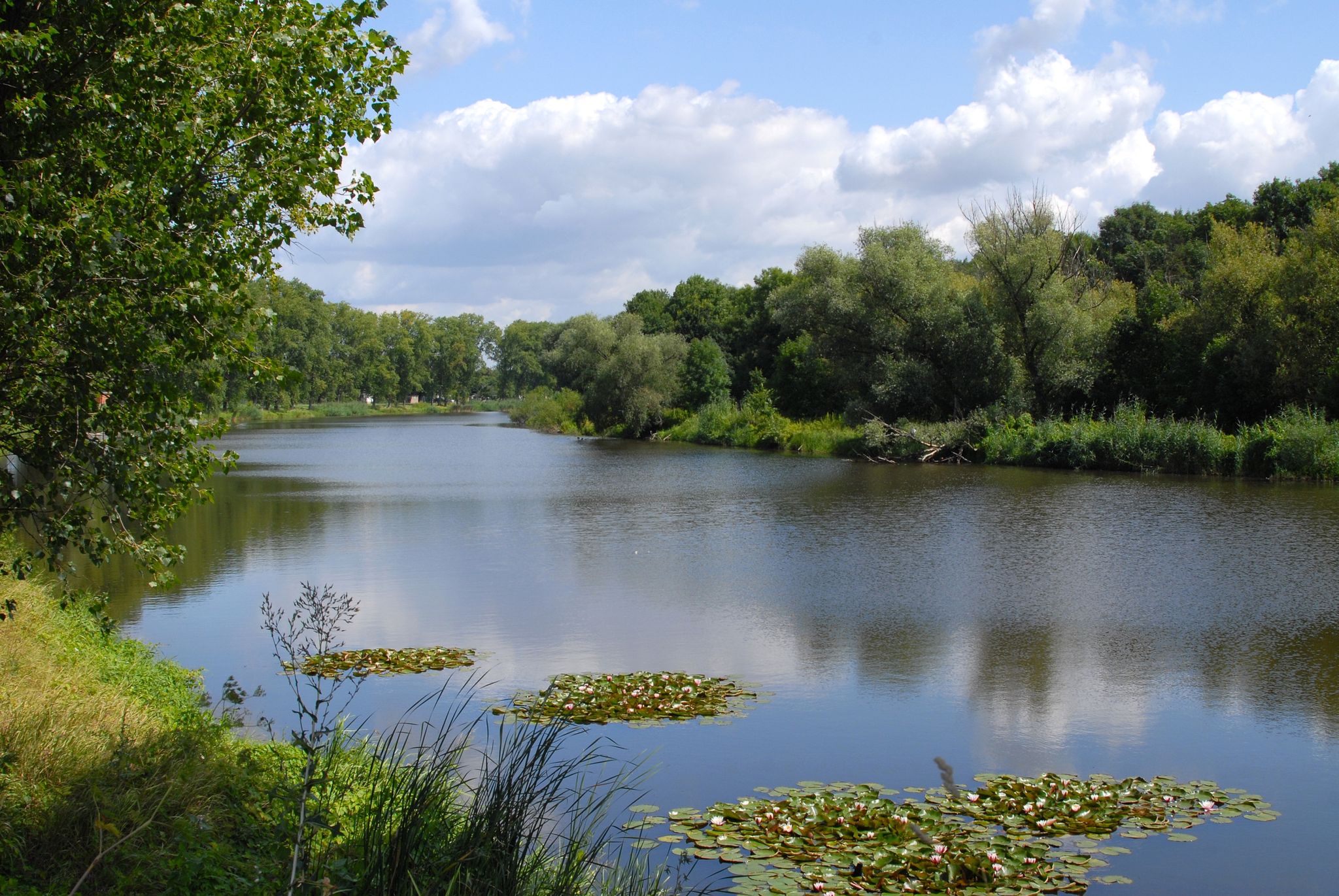
The region offers diverse natural features. The Gerlebogker Teiche are notable for their unique halophilic (salt-loving) reed beds and damp meadows, supporting specific plant species like saltwort. You'll also find floodplain landscapes and striking rock formations within the broader Naturpark Unteres Saaletal. Goethebruch Quarry is particularly impressive with its water lilies.
Are there historical sites near the lakes around Könnern?
Yes, the area combines natural beauty with historical significance. Schloss Warmsdorf Ruins and Pond is a former medieval moated castle, with preserved ruins offering a glimpse into the past. Near Pfarrteich Krosigk, you can find a monument to the fallen, made of local porphyry.
What outdoor activities can I do near the lakes around Könnern?
The region around Könnern offers various outdoor activities. You can explore numerous hiking trails, such as the moderate 'Georgsburg – St Agideus Church Zickeritz loop from Könnern' or the easy 'Georgsburg loop from Könnern'. For cyclists, there are road cycling routes like the 'View of Bernburg Castle – Bernburg Lock loop from Könnern'. Running enthusiasts can enjoy trails like the 'Wiendorfer See loop from Preußlitz'. Find more details on these activities in the respective guides: Hiking around Könnern, Road Cycling Routes around Könnern, and Running Trails around Könnern.
Is the area good for birdwatching?
Absolutely, the Gerlebogker Teiche are an extremely important area for bird species. It serves as breeding, resting, wintering, and feeding grounds for many birds, including marsh harriers, great bitterns, greylag geese, and various ducks. Migratory birds like purple herons and ospreys can also be spotted, making it an excellent destination for birdwatchers.
What do visitors enjoy most about the lakes near Könnern?
Visitors appreciate the diverse natural beauty and tranquility. The Saale Oxbow Aderstedt is loved for being a 'beautiful spot in the landscape' with a 'well-developed cycle path'. Goethebruch Quarry is described as 'impressive' in every season, especially with its water lilies. Many find Schloss Warmsdorf Ruins and Pond to be an 'incredibly beautiful place of silence' for peace and relaxation.
What is the best time to visit the lakes around Könnern?
The best time to visit depends on your interests. Spring and autumn are ideal for birdwatching at the Gerlebogker Teiche due to migratory birds. Summer is great for hiking and cycling, with spots like Ölgrundteich being a popular hiking destination. The natural beauty, such as Goethebruch Quarry, is impressive in every season.
Are there any specific regulations for visiting the Gerlebogker Teiche?
The Gerlebogker Teiche are a designated nature reserve, which means visitors should respect the natural environment. While specific regulations like dog rules or public transport access are not detailed, it's generally advisable to stay on marked paths, avoid disturbing wildlife, and take all litter with you to preserve this ecologically significant area.
Can I find easy walking paths around the lakes near Könnern?
Yes, there are options for easy walks. For instance, the 'Georgsburg loop from Könnern' is an easy hiking route. The well-developed cycle path around Saale Oxbow Aderstedt also provides a pleasant, flat surface suitable for leisurely strolls. Many of the paths around the smaller ponds offer relaxed walking opportunities.
Most popular attractions around Könnern

Get inspired with the komoot mobile app


Explore more
Still not found your perfect lake around Könnern? Check out the guides of these regions to see even more beautiful places.
