Top 3 Caves around Trautskirchen
Best caves around Trautskirchen offer a diverse range of natural features and historical sites. While the region is not known for extensive natural cave systems, it features notable rock formations, abandoned quarries, and shelters. These locations provide insights into local geology and history, often accompanied by scenic views. The area's landscape is characterized by its rolling hills and forested areas, providing a backdrop for these unique subterranean and semi-subterranean attractions.
Best caves around Trautskirchen
- The most popular caves is Fingalshöhle…
Last updated: August 20, 2026
Fingalshöhle Sandstone Quarry
Highlight • Historical Site
Translated by Google •
Tip by

Külsheim Stone Cave
Highlight • Structure
Look up the hill and to the left. Otherwise you can easily overlook the "cave" 😉.
Translated by Google •
Tip by

Sign up now to discover places like this
Get recommendations on the best single tracks, peaks, & plenty of other exciting outdoor places.
Sign up for free
Robbers' Cave on Hirschberg
Highlight • Cave
Translated by Google •
Tip by

Rock cave on Vorderer Berg – View over the Windsheim Basin
Highlight • Cave
Translated by Google •
Tip by

Start today with a free account
Your next adventure awaits.
Login or Signup
Tips from the Community

A singletrack leads to the Fingalshöhle. Either walk there briefly or ride there with trekking/MTB tires.
0
0

Nice place for a break, with a wonderful view from the benches.
2
0
Nice place for a break, with a wonderful view from the benches.
1
0

The Fingals Cave is an abandoned sandstone quarry near Obernzenn. The red reed sandstone from the quarry was used for numerous buildings right into the Aisch valley. Among other things, the city fortifications of Bad Windsheim were built from this stone. After sandstone was no longer mined at this point, the cut in the terrain served as a hiding place for the population during the Thirty Years' War and the Napoleonic campaigns, or as a camp for the military. In addition, the wildly romantic place developed into a popular excursion destination for 18th and 19th century society, especially for the residents of the Obernzenner castles and their guests. Numerous inscriptions scratched into the stone walls, which are up to five meters high, are reminiscent of former visitors and events. In addition to the German-language inscriptions, there are also some in French. One of them refers to the American War of Independence in the years 1776 to 1783. The commemorative inscription for Captain von Erckert, who fell in America in 1777, is probably by Adam Erckert. Captain von Erckert led a company of the subsidy troops of Margrave Alexander von Ansbach. The inscription of a French gunner from 1806, on the other hand, was created when Obernzenn was the Imperial French headquarters for several months.
2
0

Great place for a break
2
0

Stone cave with a wonderful view of the Windsheim basin
2
0

If you come from Obernzenn in the direction of Sontheim on the hill to the left into the so-called "Panzerstraße" and after another 200 meters follow a narrow path into the forest, you will look in vain for a real cave. There is an abandoned sandstone quarry that tells an interesting story. The dark red reed sandstone of the quarry has provided fragments for foundations and half-timbering, ashlars for walls, door and gate posts, window frames and much more over centuries, well into the Aisch Valley. There are inscriptions in the sandstone of the Fingals Cave. Names of the Seckendorff, Guttenberg, Truchseß and others with dates from the last decades of the 18th and the first of the 19th century. Why? With the approaching period of romanticism, a sentimental turn to nature developed, for which one had hardly anything in mind before. People liked to move out to an idyllic place to go out into the country. For this, the Obernzenner castle residents and their guests were offered the romantic quarry area under the canopy of oaks, lime trees and beeches. As a memento, the name and year were engraved on the smoothed rock walls. Two French inscriptions fall out of the box. They refer to the American War of Independence 1776-83 and the French Period 1806-10. The memorial inscription for Hauptmann von Erckert was probably arranged by Adam Erckert, who was in the service of the Obernzenner Seckendorff at this time. Of course, the language of the rulers and the educated circles of the time, French, was chosen for the inscription. (Source: Heimatbuch “Leben in Obernzenn and its districts once and now” and “The Fingals Cave in Sontheimer Holz” - a contribution by the Federal Nature Conservation Association, local group Bad Windsheim, on local history)
2
0
Frequently Asked Questions
What types of caves can I explore around Trautskirchen?
Around Trautskirchen, you'll find a mix of natural rock formations, abandoned sandstone quarries, and stone shelters. These sites offer insights into local geology and history, often accompanied by scenic views, rather than extensive natural cave systems with dripstones.
Are there any caves with historical significance in the area?
Yes, the Fingalshöhle Sandstone Quarry near Illesheim is a notable historical site. It's an abandoned quarry that served as a source of red reed sandstone and provided refuge during conflicts like the Thirty Years' War. You can still see numerous inscriptions from 18th and 19th-century visitors on its up to five-meter-high stone walls.
Which caves offer the best views?
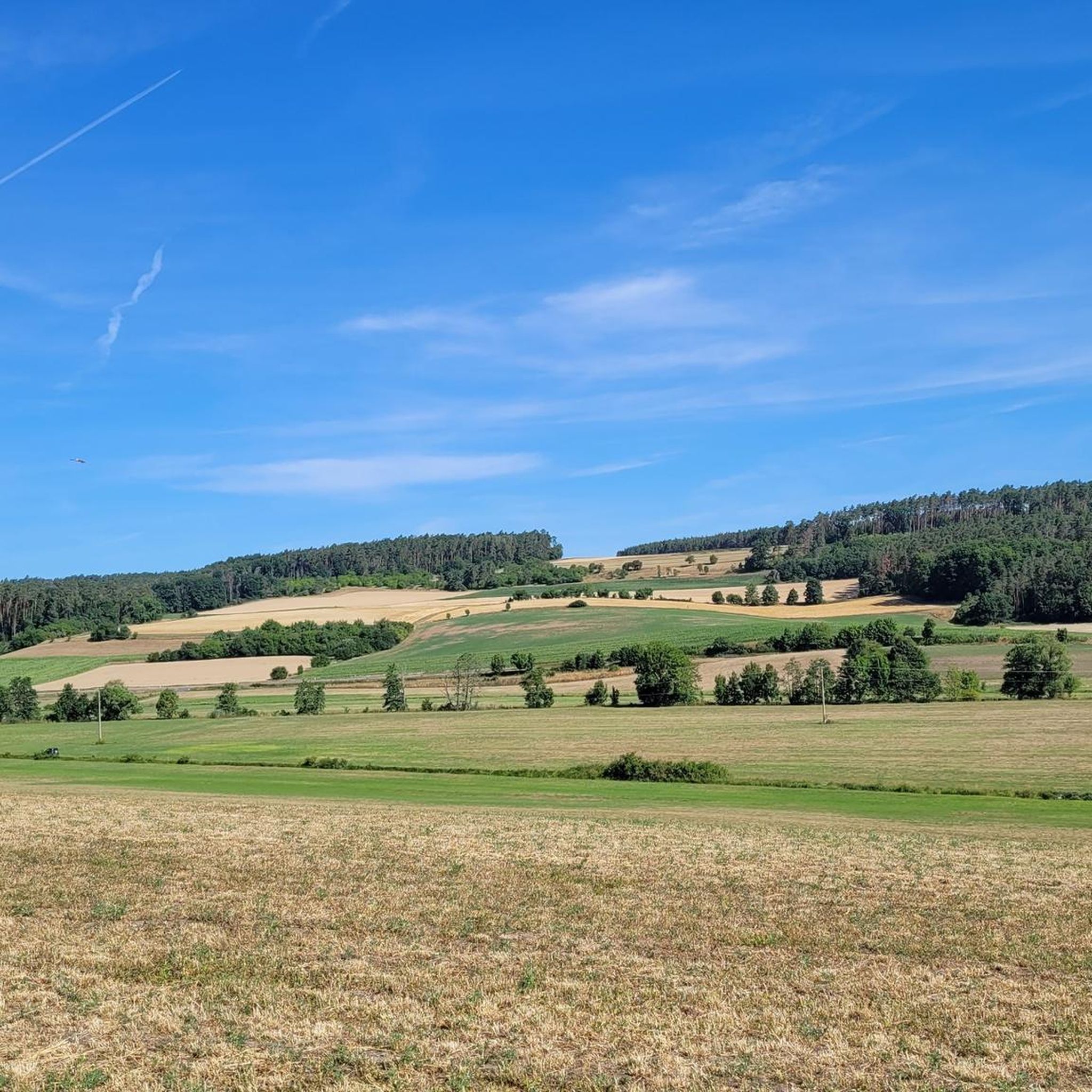
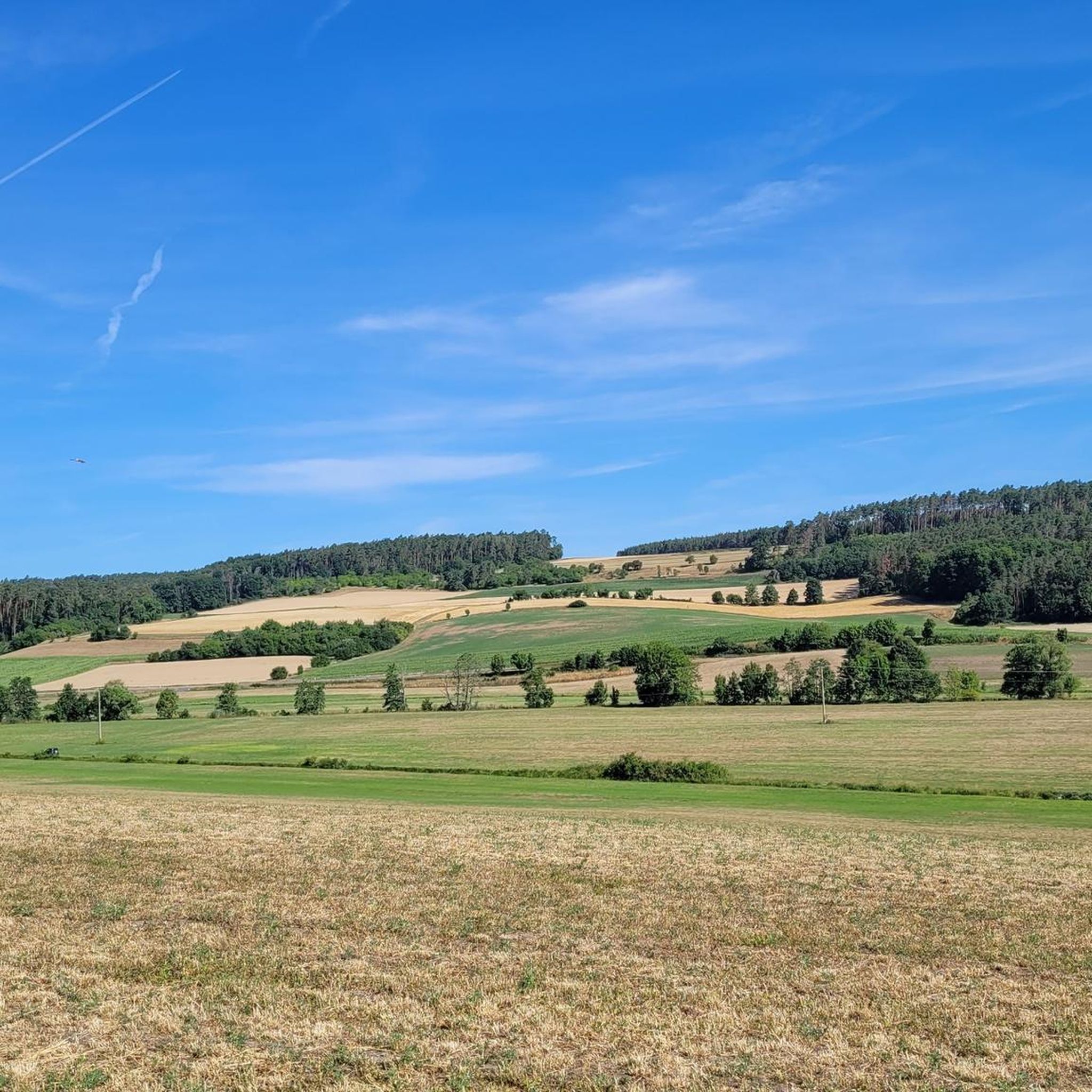
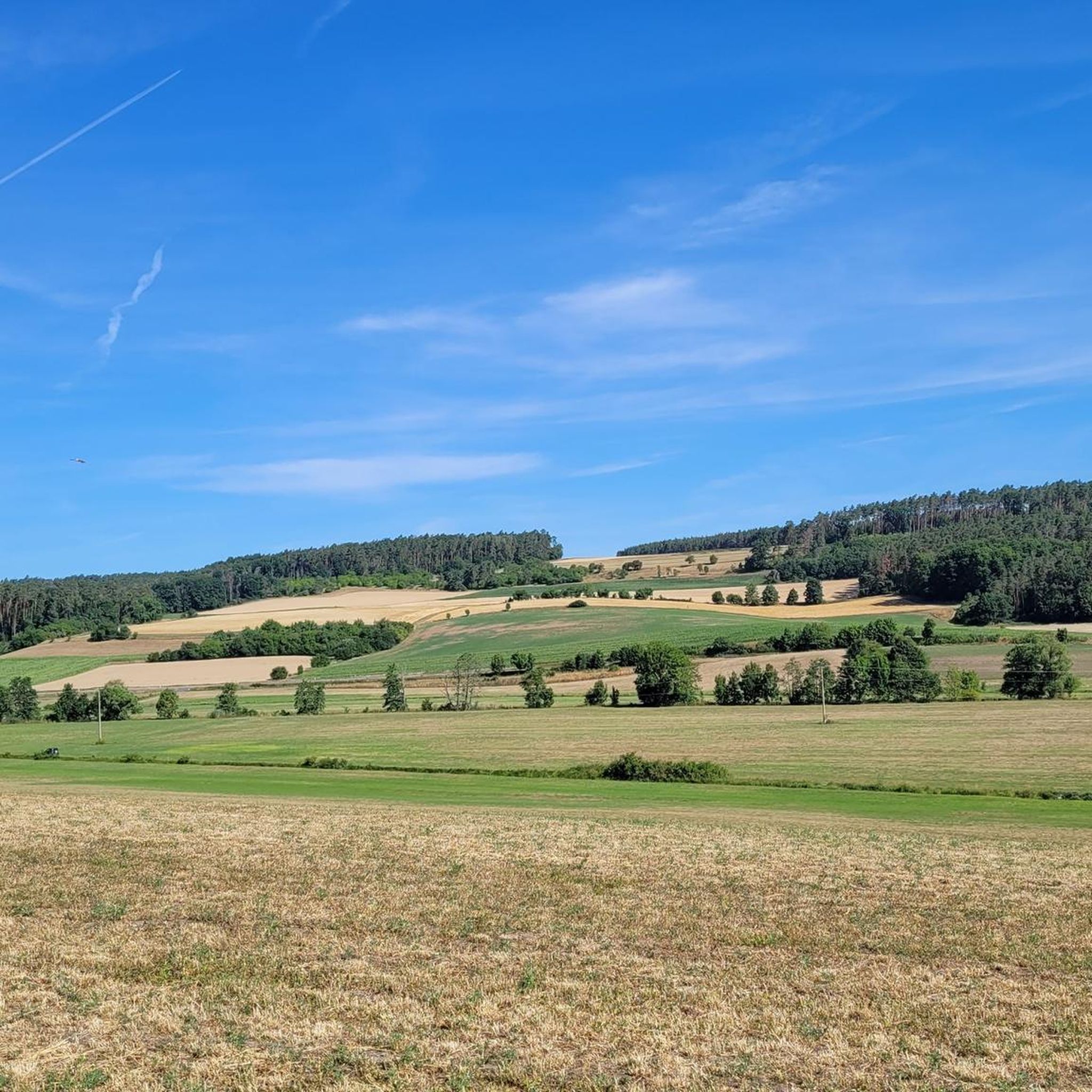
For rewarding views, visit the Rock cave on Vorderer Berg, which provides a wonderful panorama of the Windsheim basin. Similarly, the Külsheim Stone Cave, though more of a shelter, offers a great view over the vineyards to Bad Windsheim.
Are there family-friendly options for visiting caves?
The Külsheim Stone Cave is considered family-friendly, offering a pleasant spot for a break with a view. The historical aspects of the Fingalshöhle Sandstone Quarry can also be interesting for families, providing an educational experience.
Can I combine a cave visit with a hike?
Absolutely. Many of these sites are accessible via hiking trails. For example, the Katterbach Trail and Stream Crossing is a beautiful forest trail that includes a mention of a 'robber cave' uphill. You can find more hiking routes in the area by visiting the Hiking around Trautskirchen guide.
What kind of geological formations can I expect to see?
The region primarily features rock formations and sandstone structures, particularly at the Fingalshöhle Sandstone Quarry, which showcases exposed sandstone walls. While you won't find extensive dripstone formations like stalactites and stalagmites common in karst caves, the natural rock caves and quarries offer unique geological insights into the local landscape.
Are there any 'robber caves' or similar folklore sites?
Yes, the Robbers' Cave on Hirschberg is a small, hidden cave in the forest, associated with local history and the remains of a Staufer-period tower hill castle. Another 'robber cave' is mentioned along the Katterbach Trail.
What outdoor activities are available near the caves?
Beyond exploring the caves, the area around Trautskirchen offers various outdoor activities. You can find numerous routes for hiking, cycling, and gravel biking. These routes often pass by or near the cave sites, allowing you to combine different experiences.
Is there a specific best time to visit the caves around Trautskirchen?
The caves and associated trails are generally accessible year-round. Spring and autumn offer pleasant temperatures for hiking and exploring the outdoor sites. During winter, some paths might be slippery, but the historical quarries and rock shelters remain accessible. Always check local conditions before your visit.
Do I need a permit or special equipment to visit these caves?
No, the caves and sites mentioned, such as the Fingalshöhle Sandstone Quarry and Külsheim Stone Cave, are generally open to the public and do not require special permits or caving equipment. Standard hiking gear is usually sufficient for accessing these locations and their surrounding trails.
Are there any facilities or places to take a break near the caves?
Some locations, like the Rock cave on Vorderer Berg and Külsheim Stone Cave, are noted as great places for a break, often featuring benches or scenic spots. For cafes or pubs, you would typically need to visit nearby towns or villages.
Most popular routes around Trautskirchen
Most popular attractions around Trautskirchen

Get inspired with the komoot mobile app


Explore more
Extend your search for the best caves by checking out these guides of the top ones around Trautskirchen:
