Top 6 Caves around Neustadt an der Aisch
Caves around Neustadt an der Aisch primarily feature historic rock cellars (Felsenkeller) and unique rock formations, offering a blend of natural and man-made subterranean experiences. The region, part of Naturpark Frankenhöhe, is characterized by its cultural significance and varied landscapes. While large natural show caves are found further afield in Bavaria, the local area provides insights into historical uses of underground spaces. These features contribute to the diverse natural and cultural heritage of Neustadt an der Aisch.
Best caves around…
Last updated: July 10, 2026
Külsheim Stone Cave
Highlight • Structure
Look up the hill and to the left. Otherwise you can easily overlook the "cave" 😉.
Translated by Google •
Tip by

Höllern Gypsum Cave
Highlight • Cave
Translated by Google •
Tip by

Sign up now to discover places like this
Get recommendations on the best single tracks, peaks, & plenty of other exciting outdoor places.
Sign up for free
Aschgrund Cellars
Highlight • Structure
Felsenkeller an outstanding cultural asset of the Aischgrund. From Marktbergel to Adelsdorf they can be found in almost every place. Sometimes …
Translated by Google •
Tip by

Robbers' Cave on Hirschberg
Highlight • Cave
Translated by Google •
Tip by
Old Sandstone Cellar
Highlight • Cave
Translated by Google •
Tip by

Sign up for free to discover even more caves around Neustadt an der Aisch.
Sign up for free
Already have an account?
Start today with a free account
Your next adventure awaits.
Login or Signup
Popular around Neustadt an der Aisch
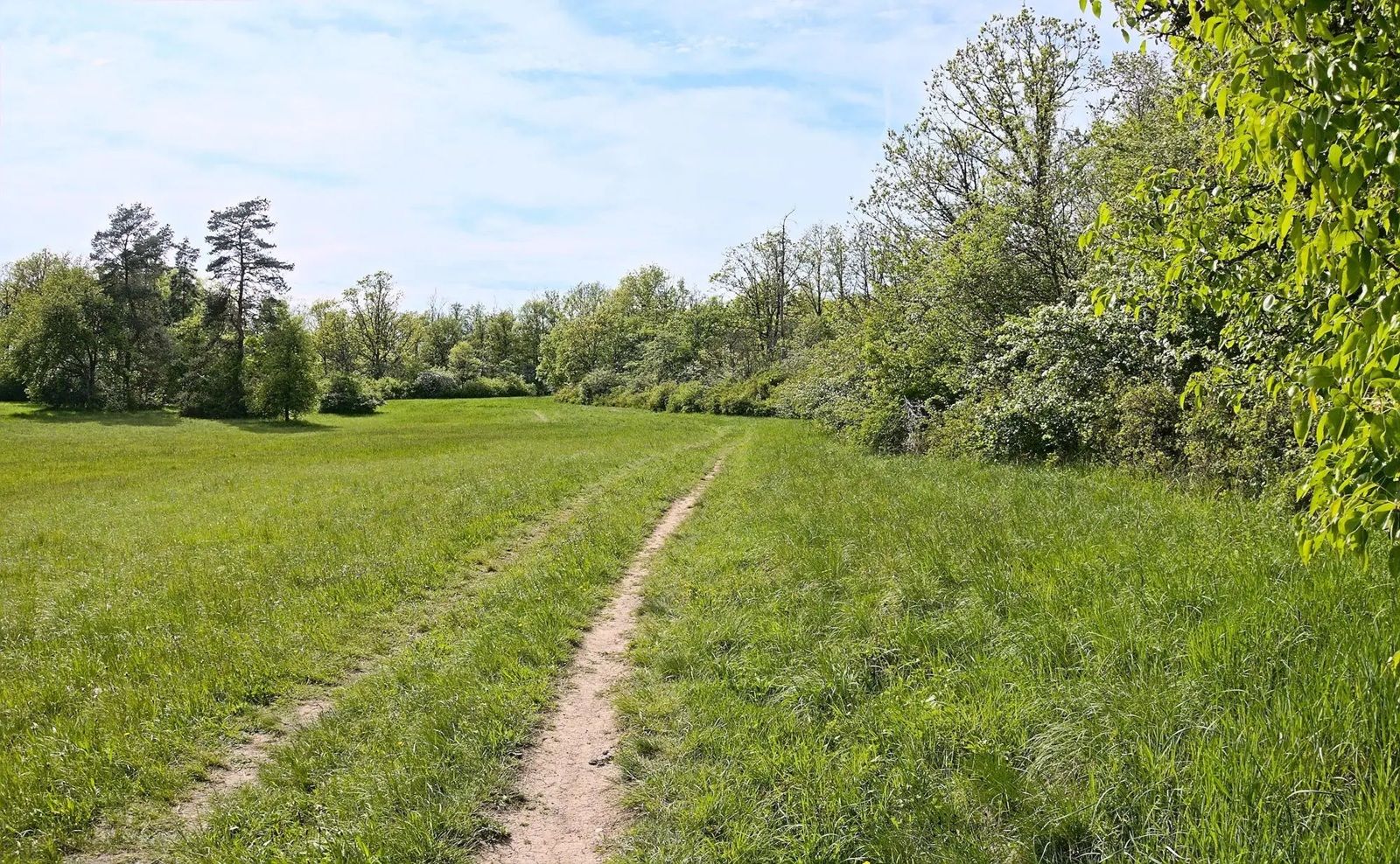
Gravel meets rail – gravel rides in the greater Nuremberg area
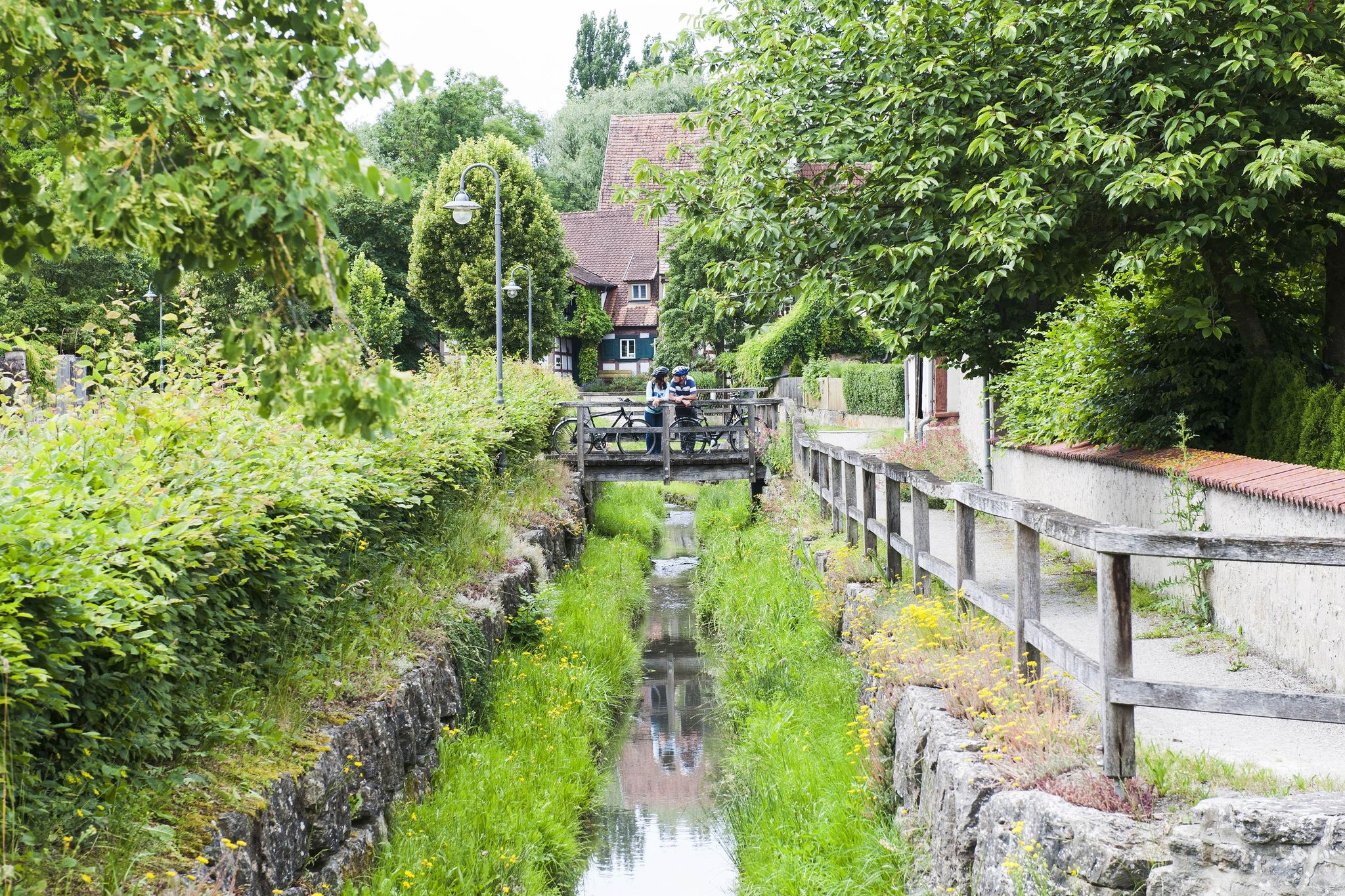
Fun, nature and culture – discover Franconia by bike
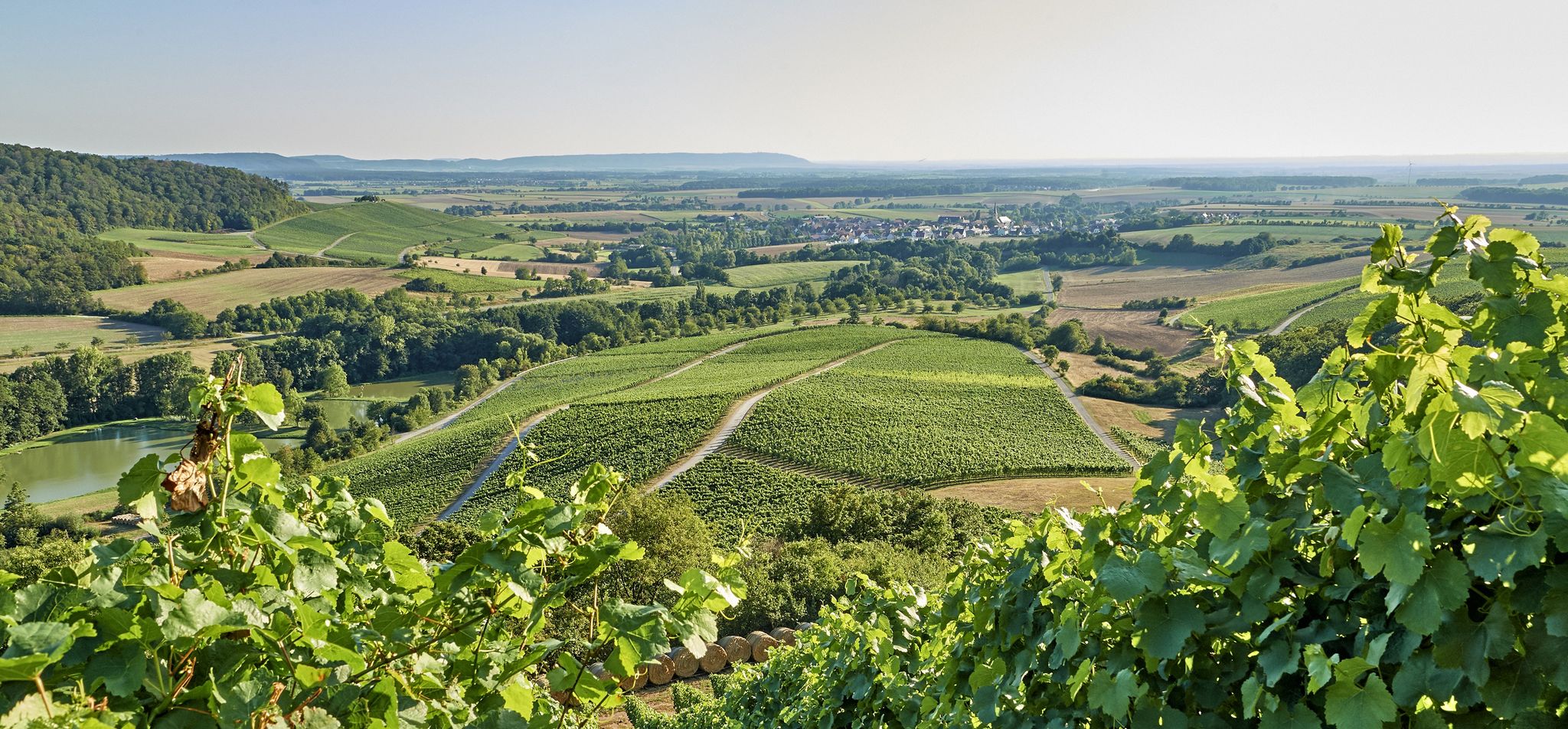
Vineyards, forests and ponds – cycling in the Steigerwald in Germany

Bike tours in Franconia and Upper Palatinate — VGN leisure tips
Cycling around Neustadt an der Aisch
Road Cycling Routes around Neustadt an der Aisch
Hiking around Neustadt an der Aisch
MTB Trails around Neustadt an der Aisch
Running Trails around Neustadt an der Aisch
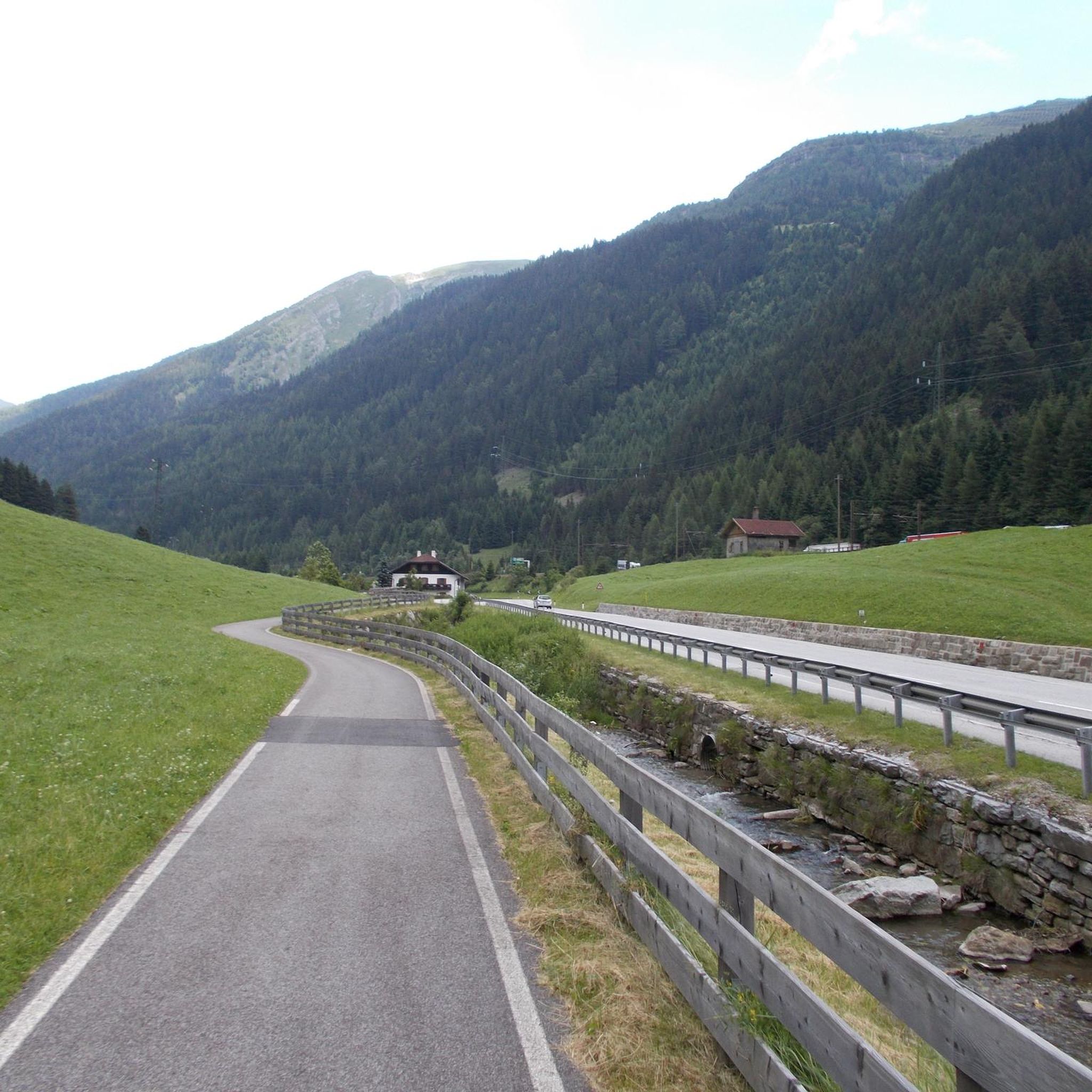
Gravel biking around Neustadt an der Aisch
Other adventures around Neustadt an der Aisch


Tips from the Community

Nice place for a break, with a wonderful view from the benches.
2
0


Old cellar carved into the sandstone
2
0

What the cellars in the Aischgrund are all about. Felsenkeller an outstanding cultural asset of the Aischgrund. From Marktbergel to Adelsdorf they can be found in almost every place. Sometimes in the middle of the village, often on the outskirts, occasionally also in the woods. There could be up to 1000 cellars in total. Most of the local cellars were hewn into the rock in the mid-19th century. There was a veritable "building boom" between 1850 and 1900. Their emergence is closely related to the flourishing of brewing culture, as they were primarily used to store beer, but also must, wine, fruit and vegetables. Because the temperatures in the cellars are moderate and surprisingly constant. This keeps the stored goods fresh and durable for a long time.
0
0


Somewhat hidden from the path, there is the former "Weinberghüterhaus", also known locally as the "stone cave". Here you can take a break, both in good and bad weather, and enjoy a wonderful view. The already dilapidated "stone cave" was restored by the Külsheim fire brigade association.
1
0
The "stone cave" is above the Kühlsheim vineyards
4
0

The remains of a tower hill castle from the Staufer period (around 1000 AD) can be found as a round wall in the forest on the Hirschberg above the Katterbach valley. A robber's cave there bears witness to the removal of abrasive sand for tables and the living room floor.
8
0
Frequently Asked Questions
What types of subterranean features can I explore around Neustadt an der Aisch?
The region primarily offers historic rock cellars (Felsenkeller) and rock shelters. While large natural show caves are found further afield in Bavaria, the local area provides unique insights into historical uses of underground spaces, such as the Aschgrund Cellars.
Are there any natural caves open to the public in the immediate vicinity of Neustadt an der Aisch?
The Höllern Gypsum Cave is a significant natural gypsum cave and nature reserve in the area. However, it is not open to the public as it serves as a winter habitat for bats. For natural caves, you would need to venture to other parts of Bavaria, such as Teufelshöhle near Pottenstein.
What are the historic rock cellars (Felsenkeller) used for?
The historic rock cellars, like the Aschgrund Cellars, were primarily hewn into the rock in the mid-19th century. They were used for storing beer, must, wine, fruit, and vegetables due to their constant cool temperatures, which kept goods fresh and durable.
Are there any family-friendly cave experiences near Neustadt an der Aisch?
Yes, the Külsheim Stone Cave is considered family-friendly. It's more of a rock shelter offering rewarding views over vineyards to Bad Windsheim, making it a pleasant stop for families.
Can I find any 'robber caves' in the area?
Yes, you can explore the Robbers' Cave on Hirschberg. It's a small, hidden cave in the forest, with historical significance related to the removal of abrasive sand. You can also find a trail leading towards a robber cave at the Katterbach Trail and Stream Crossing.
What kind of views can I expect when visiting these sites?
The Külsheim Stone Cave offers rewarding views over the vineyards towards Bad Windsheim. Many of these sites are integrated into natural landscapes, providing scenic surroundings.
What outdoor activities can I combine with visiting the caves?
The region around Neustadt an der Aisch offers various outdoor activities. You can find excellent options for gravel biking, road cycling, and MTB trails. Many of these routes pass through scenic forests and river valleys, complementing a visit to the subterranean features.
Are there hiking trails that include these caves or rock formations?
Yes, the Katterbach Trail and Stream Crossing is a scenic route featuring a beautiful forest and stream, which leads towards a robber cave. The Robbers' Cave on Hirschberg is also located in the forest, accessible via trails.
What is the best time to visit the rock cellars and shelters?
The rock cellars maintain a constant cool temperature year-round, making them accessible in various seasons. For rock shelters and trails, spring and autumn offer pleasant weather for exploration, though they can be visited throughout the year.
What geological features are notable in the region?
The region is known for its historic rock cellars hewn into the rock, as well as natural geological formations like the Höllern Gypsum Cave. This gypsum cave is significant due to its unique flora and fauna, stemming from the karstification of gypsum layers.
Are dogs allowed at these cave sites?
While specific dog policies for each site are not detailed, outdoor rock shelters and trails like the Külsheim Stone Cave and the Katterbach Trail are generally dog-friendly, especially if dogs are kept on a leash. For enclosed or sensitive areas like the Höllern Gypsum Cave (which is a nature reserve), access for dogs might be restricted.
Most popular routes around Neustadt an der Aisch
Most popular attractions around Neustadt an der Aisch

Get inspired with the komoot mobile app


Explore more
Extend your search for the best caves by checking out these guides of the top ones around Neustadt an der Aisch:
