Top 3 Caves around Sugenheim
Best caves around Sugenheim are found within a region characterized by its diverse natural landscape, including the southern Steigerwald and the Windsheim Basin. The area features historical sites, natural monuments, and varied terrain. Sugenheim's surroundings offer opportunities to explore both geological formations and man-made structures with cave-like characteristics.
Best caves around Sugenheim
- The most popular caves is Hohenlandsberg Castle Ruins, a castle that includes well-preserved casemates and a tunnel entrance. This site is significant for its historical context, with…
Last updated: June 26, 2026
Hohenlandsberg Castle Ruins
Highlight • Castle
Translated by Google •
Tip by

Külsheim Stone Cave
Highlight • Structure
Look up the hill and to the left. Otherwise you can easily overlook the "cave" 😉.
Translated by Google •
Tip by

Sign up now to discover places like this
Get recommendations on the best single tracks, peaks, & plenty of other exciting outdoor places.
Sign up for free
Höllern Gypsum Cave
Highlight • Cave
Translated by Google •
Tip by

Mariengrotte Frankfurt
Highlight • Religious Site
The ground on which the grotto was built used to be a quarry.
Translated by Google •
Tip by

Rock cave on Vorderer Berg – View over the Windsheim Basin
Highlight • Cave
Translated by Google •
Tip by

Sign up for free to discover even more caves around Sugenheim.
Sign up for free
Already have an account?
Start today with a free account
Your next adventure awaits.
Login or Signup
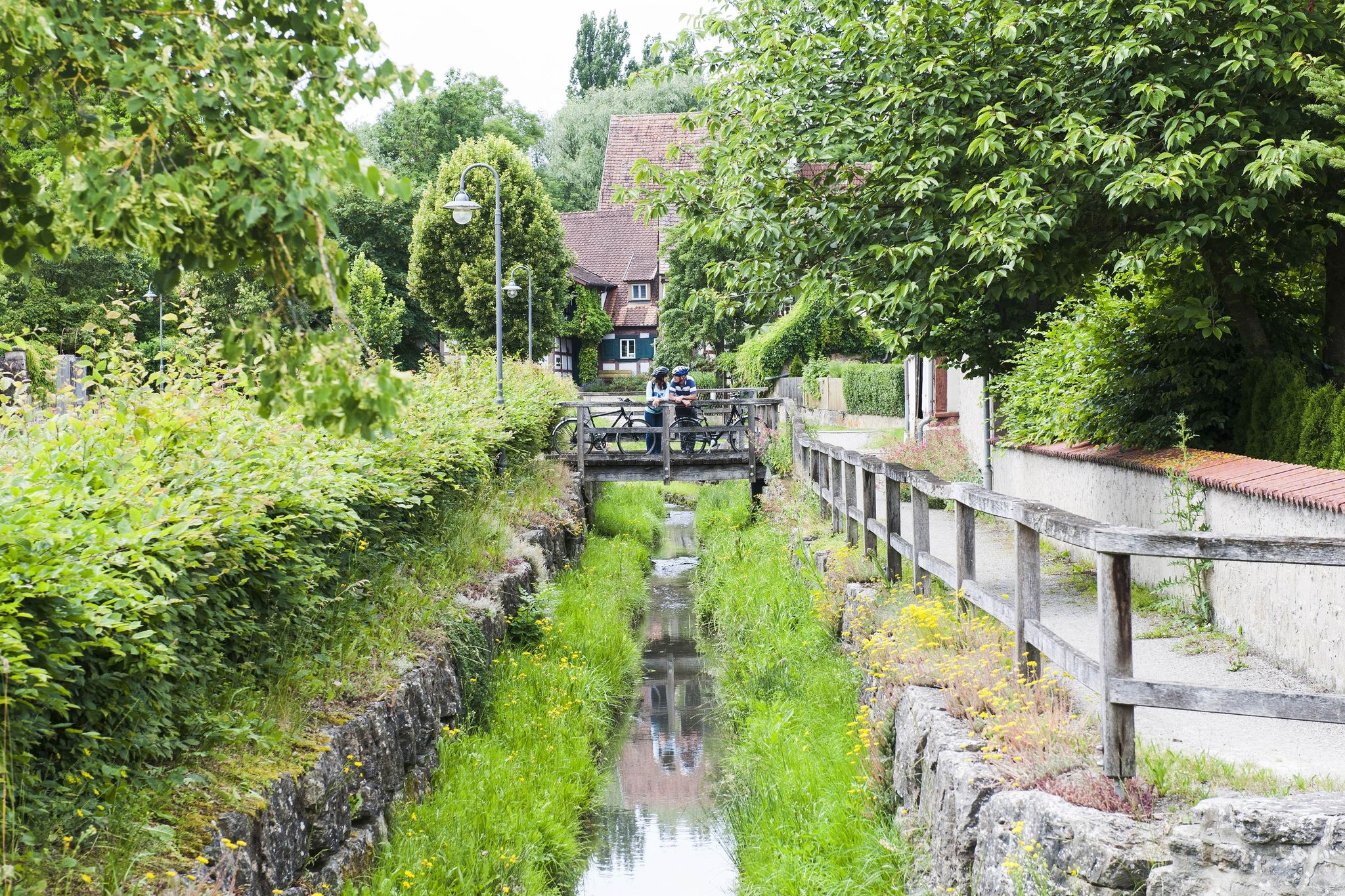
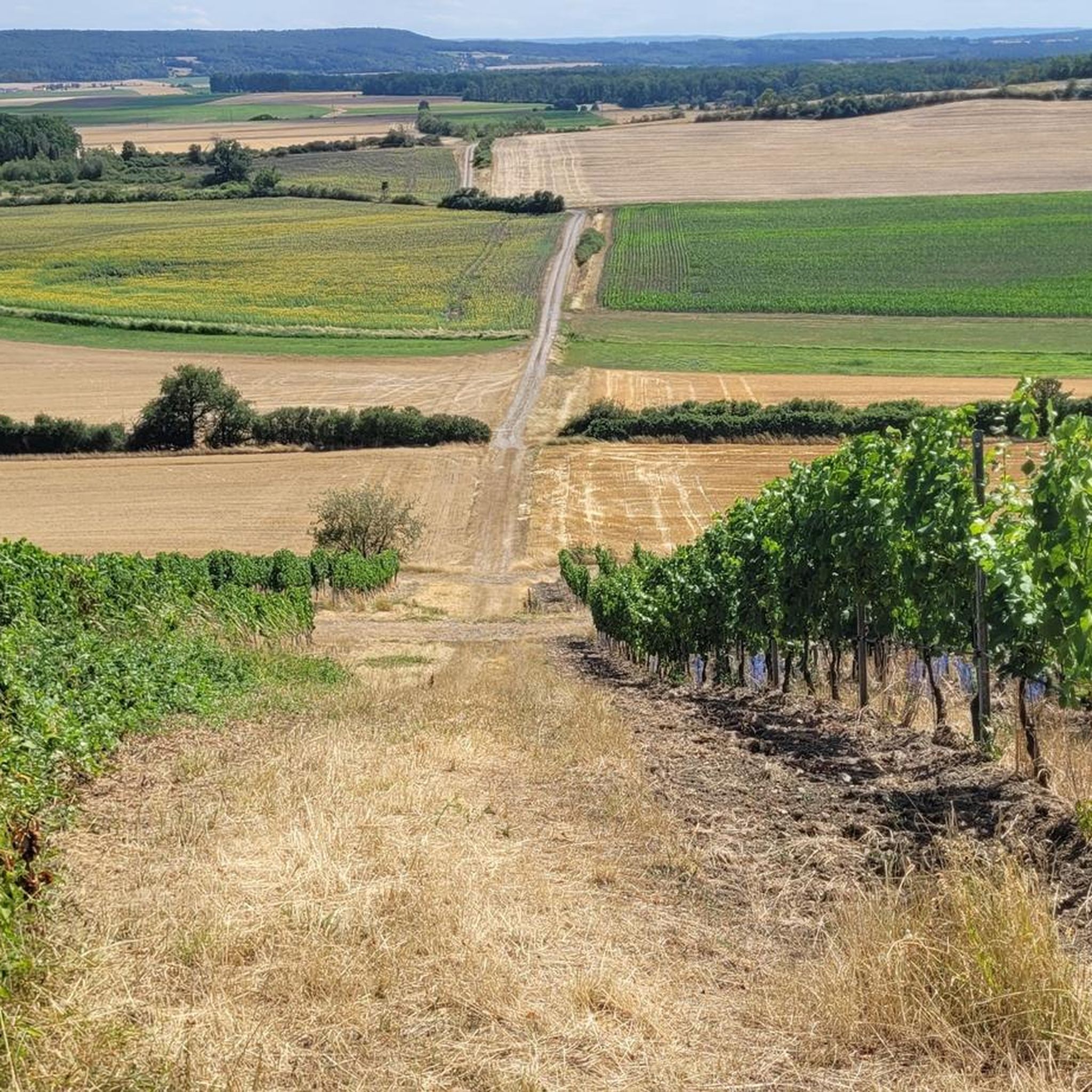
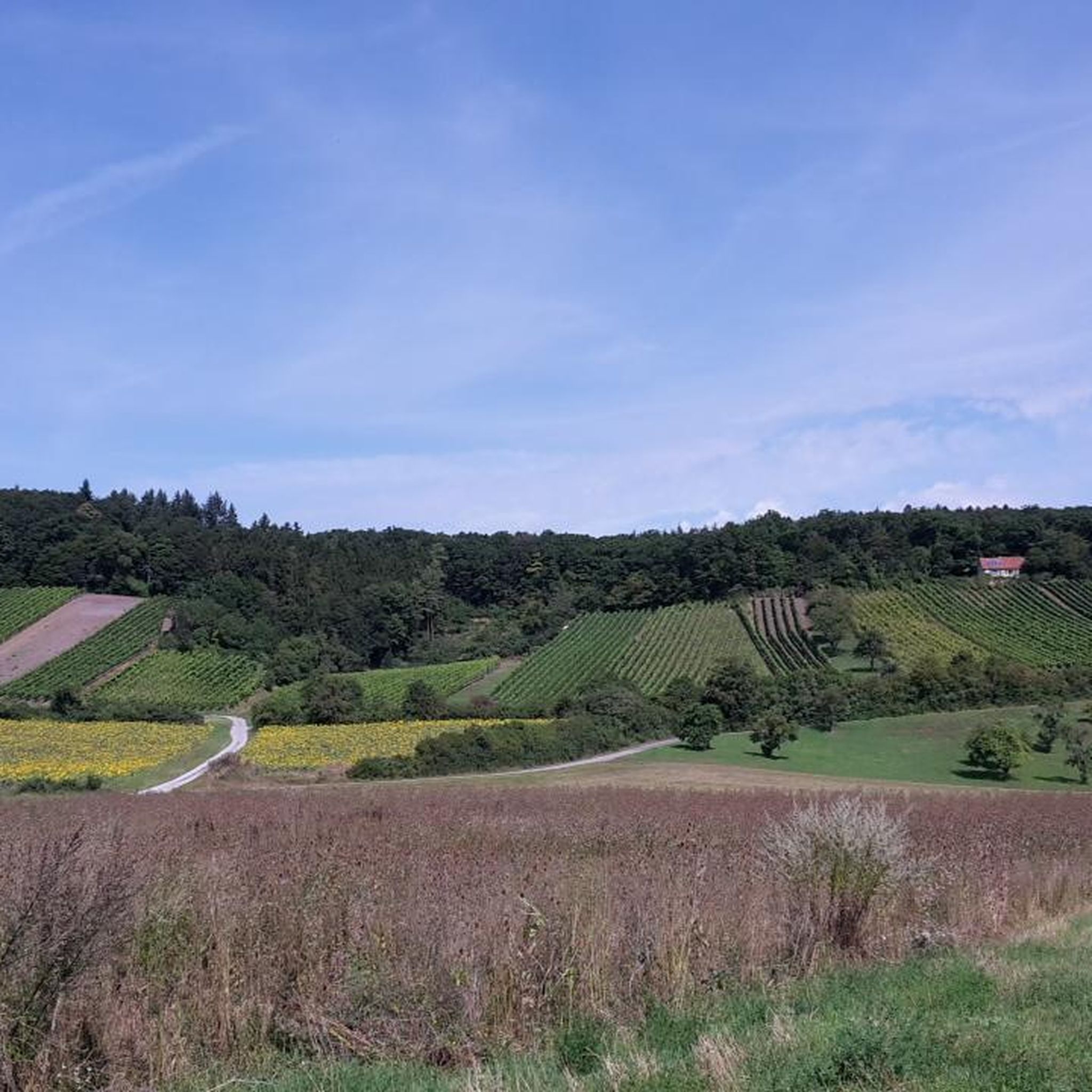
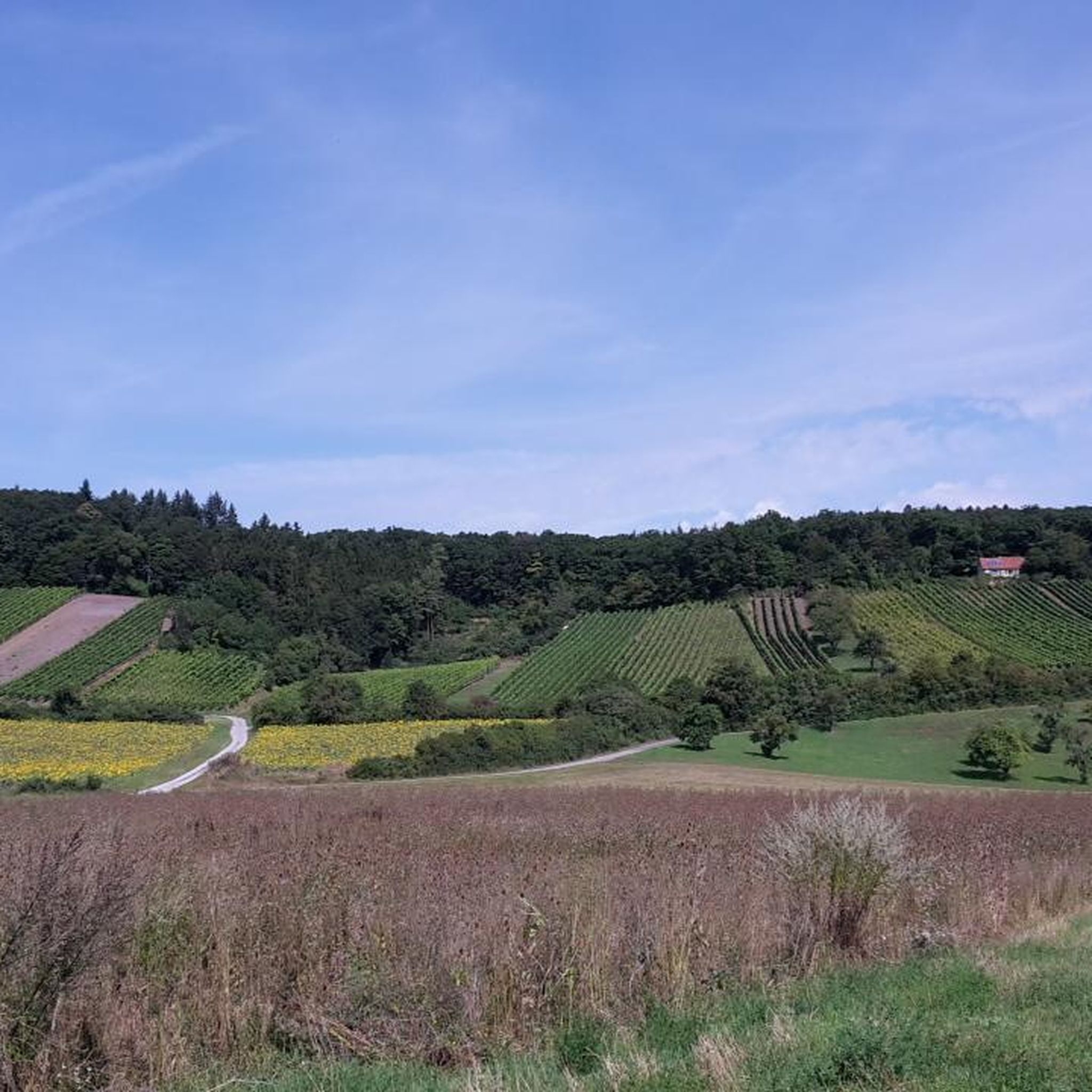
Other adventures around Sugenheim

Tips from the Community

Nice place for a break, with a wonderful view from the benches.
2
0
Nice place for a break, with a wonderful view from the benches.
1
0

The Hohenlandsberg castle ruins are the remnants of the former Hohenlandsberg castle. The castle was built in the 13th century. built. During the Peasants' War in 1525, the castle was taken unscathed by the farmers. In 1554 the castle was destroyed. Today you can enter the castle complex through a tunnel and view the ramparts, foundation walls and the entrances to the casemates.
12
0
The steep section is tough. Not for people who aren't really good on foot.
9
0

Great place for a break
2
0

Stone cave with a wonderful view of the Windsheim basin
2
0

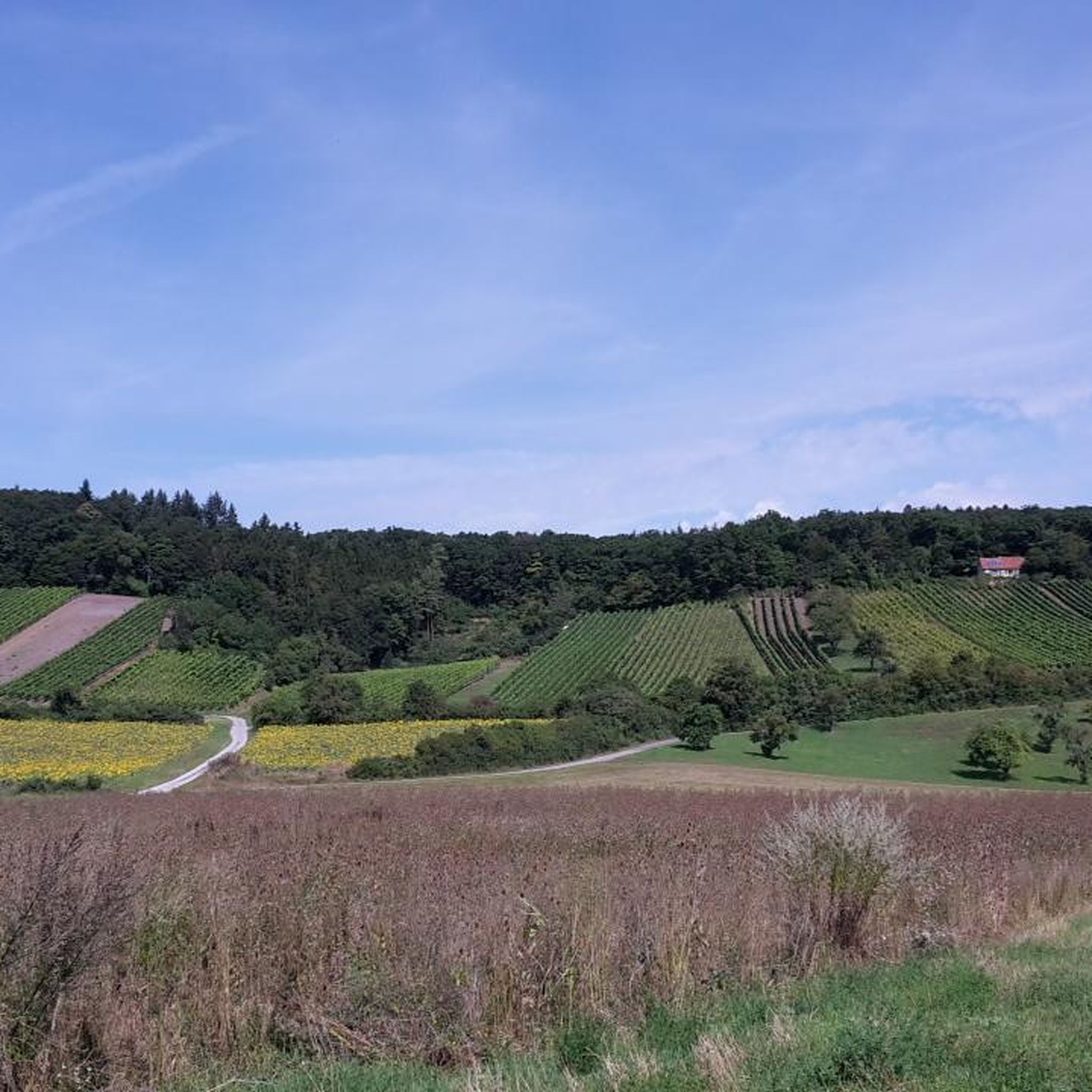
Somewhat hidden from the path, there is the former "Weinberghüterhaus", also known locally as the "stone cave". Here you can take a break, both in good and bad weather, and enjoy a wonderful view. The already dilapidated "stone cave" was restored by the Külsheim fire brigade association.
1
0
Frequently Asked Questions
What types of caves can I explore around Sugenheim?
The Sugenheim area offers a mix of historical and natural cave-like structures. You can explore the casemates and tunnel entrance of Hohenlandsberg Castle Ruins, which date back to the 12th century. There are also man-made shelters like the Külsheim Stone Cave, offering scenic views, and the religious Mariengrotte Frankfurt. For natural formations, the Rock cave on Vorderer Berg provides a viewpoint over the Windsheim Basin.
Are there any natural caves in the broader region of Bavaria that are worth visiting?
While Sugenheim itself features more historical or man-made cave structures, the broader Bavarian region offers impressive natural karst caves. Notable examples include the Teufelshöhle (Devil's Cave) near Pottenstein in Franconian Switzerland, known for its vast halls and ancient stalactites, and the König-Otto-Tropfsteinhöhle, considered one of Germany's most beautiful dripstone caves. The Binghöhle near Streitberg is another river cave with unique formations, and the Sophienhöhle near Rabenstein showcases fantastic stalactites and prehistoric finds.
Are there any caves near Sugenheim that are not open to the public?
Yes, the Höllern Gypsum Cave is a significant nature reserve and the only known leachable cave of the Gipskeuper in southern Germany. It serves as a winter habitat for bats and is therefore not open to the public to protect its unique flora and fauna.
What historical significance do the caves around Sugenheim hold?
The Hohenlandsberg Castle Ruins are a prime example, with remnants dating back to the 12th century. You can explore its well-preserved casemates and tunnel entrance, which are part of a fortress destroyed in 1554. The Mariengrotte Frankfurt, also known as the Lourdes Grotto, was built in 1959 on the site of a former quarry, adding to the region's cultural history.
Are there family-friendly cave experiences near Sugenheim?
Yes, several locations are suitable for families. The Hohenlandsberg Castle Ruins offer an engaging historical exploration. The Külsheim Stone Cave and the Mariengrotte Frankfurt are also considered family-friendly, providing accessible spots for breaks and scenic views.
What kind of views can I expect from the cave locations?
Many cave-like structures around Sugenheim offer excellent viewpoints. From the Külsheim Stone Cave, you can enjoy rewarding views over the vineyards towards Bad Windsheim. Similarly, the Rock cave on Vorderer Berg provides a wonderful view of the Windsheim Basin, making it a great spot for a break.
What outdoor activities can I do near these caves?
The region around Sugenheim offers various outdoor activities. You can find numerous road cycling routes, such as the 'Middle Gate (Sugenheim) – Baudenbach–Stübach Scenic Road loop'. For mountain biking, trails like the 'Stiller Spechtwald Trail – Beech Forest Trail loop' are available. Running enthusiasts can explore routes like the 'Sugenheim village center loop'. You can find more details on these activities in the respective guides: Road Cycling Routes around Sugenheim, MTB Trails around Sugenheim, and Running Trails around Sugenheim.
Are there any caves with archaeological significance in the wider region?
Yes, the Mauerner Caves (Weinberg Caves) in Bavaria are significant for their archaeological finds. These natural karst caves have yielded stone tools and animal bones over 27,000 years old, indicating human habitation since the Paleolithic Age. The Sophienhöhle near Rabenstein also has prehistoric pottery finds in its antechamber.
What geological features are prominent in the caves of the broader Bavarian region?
The caves in the broader Bavarian region, such as the Teufelshöhle, König-Otto-Tropfsteinhöhle, and Binghöhle, are renowned for their impressive geological formations. These include ancient stalactites and stalagmites, some hundreds of thousands of years old, delicate sinter plumes, water-filled sinter pools, and unique eccentriques (stalactites growing in unusual directions).
What do visitors enjoy most about the cave-like structures around Sugenheim?
Visitors particularly appreciate the historical context of sites like the Hohenlandsberg Castle Ruins, enjoying the exploration of its ancient casemates. The scenic views offered by locations such as the Külsheim Stone Cave and the Rock cave on Vorderer Berg are also highly valued, providing perfect spots for a break amidst beautiful landscapes.
Can I combine a visit to a cave with a hike?
Absolutely. Many of the cave-like structures around Sugenheim, such as the Hohenlandsberg Castle Ruins and the Rock cave on Vorderer Berg, are situated along trails or in areas conducive to hiking. You can integrate these stops into longer walking or cycling tours to enjoy both the natural beauty and historical sites.
Most popular routes around Sugenheim
Most popular attractions around Sugenheim

Get inspired with the komoot mobile app


Explore more
Extend your search for the best caves by checking out these guides of the top ones around Sugenheim:
