Top 9 Caves around Ronshausen
Best caves around Ronshausen are found within a region characterized by diverse geological formations in Hesse, Germany. The area, while not having prominent caves directly within the municipality, offers access to various subterranean experiences in its broader surroundings. These include natural sinkholes, historical mining tunnels, and protected bat habitats. The landscape around Ronshausen is part of a wider region known for its karst features and historical mining activities.
Best caves around Ronshausen
- The most popular caves is Kurfürsten-Stollen Iba,…
Last updated: August 20, 2026
Old Escape Tunnel at Blumenstein Castle
Highlight • Cave
Translated by Google •
Tip by

Hilmeser Loch Sinkhole
Highlight • Natural Monument
Translated by Google •
Tip by

Sign up now to discover places like this
Get recommendations on the best single tracks, peaks, & plenty of other exciting outdoor places.
Sign up for free
Kirchberg Cliffs and Historic Cemetery in Berneburg
Highlight • Natural Monument
The Berneburg village community provided …
Translated by Google •
Tip by

Bat Cave at Ölberg, Nentershausen
Highlight • Cave
The …
Translated by Google •
Tip by
Kurfürsten-Stollen Iba
Highlight • Historical Site
Translated by Google •
Tip by

Sign up for free to discover even more caves around Ronshausen.
Sign up for free
Already have an account?
Start today with a free account
Your next adventure awaits.
Login or Signup

Tips from the Community

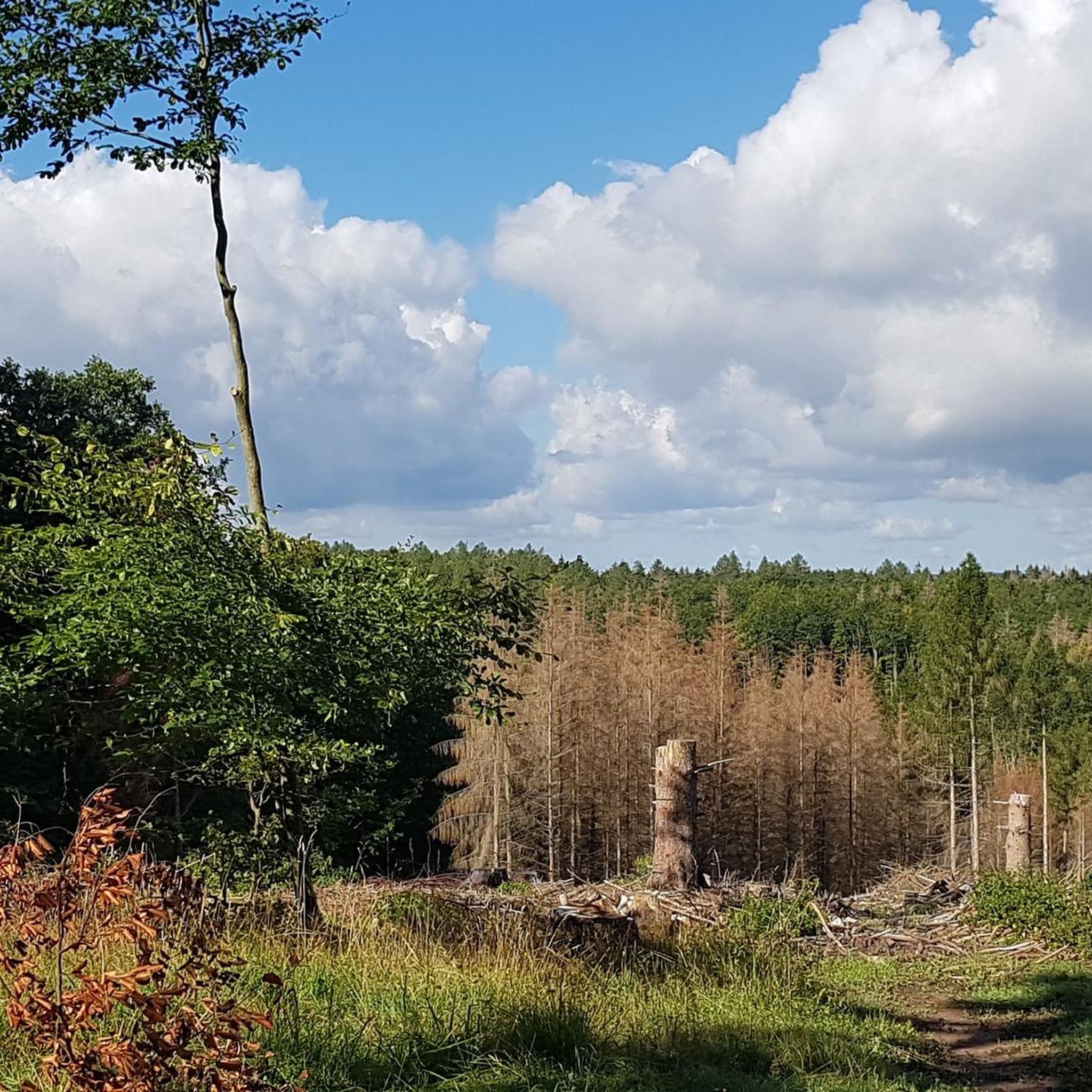
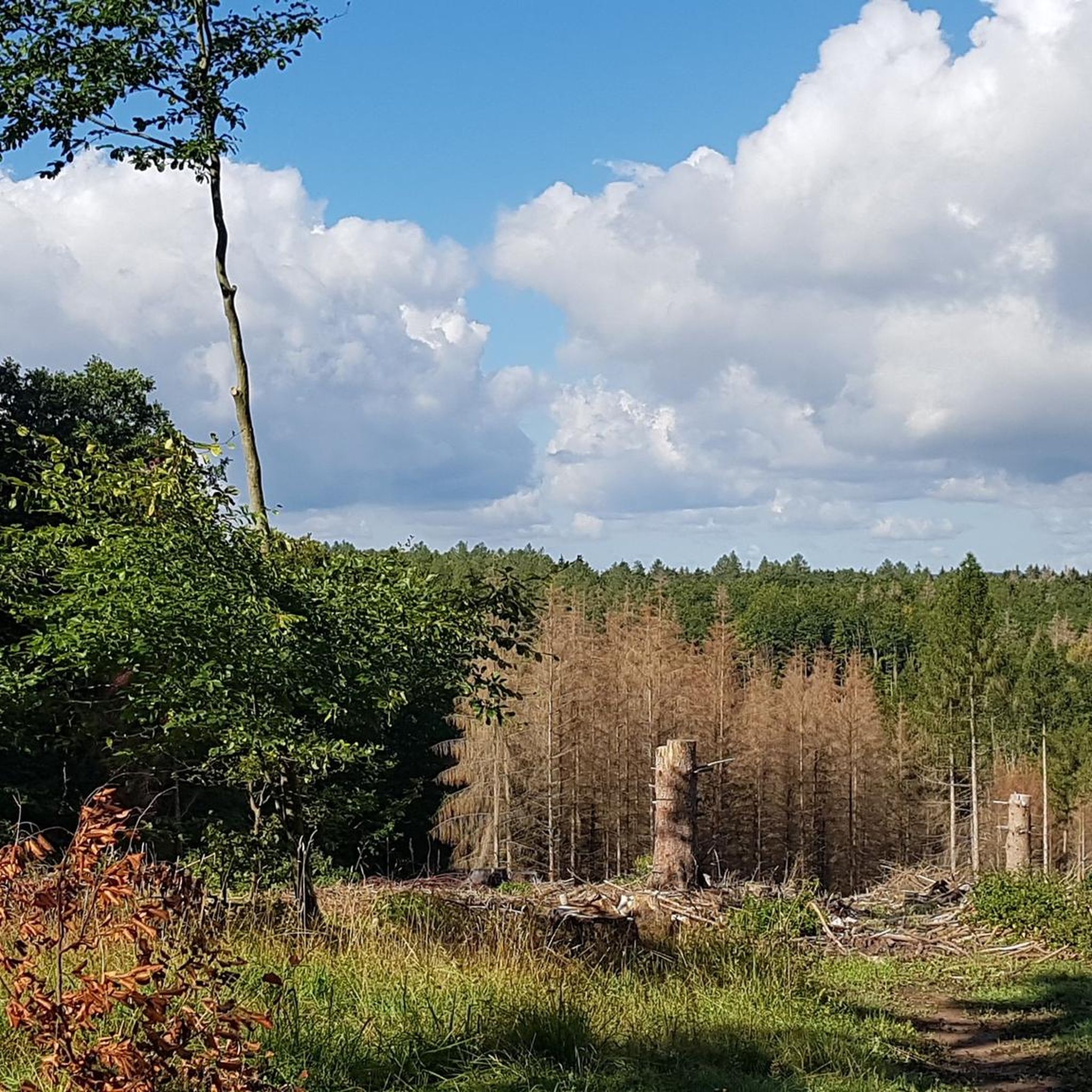
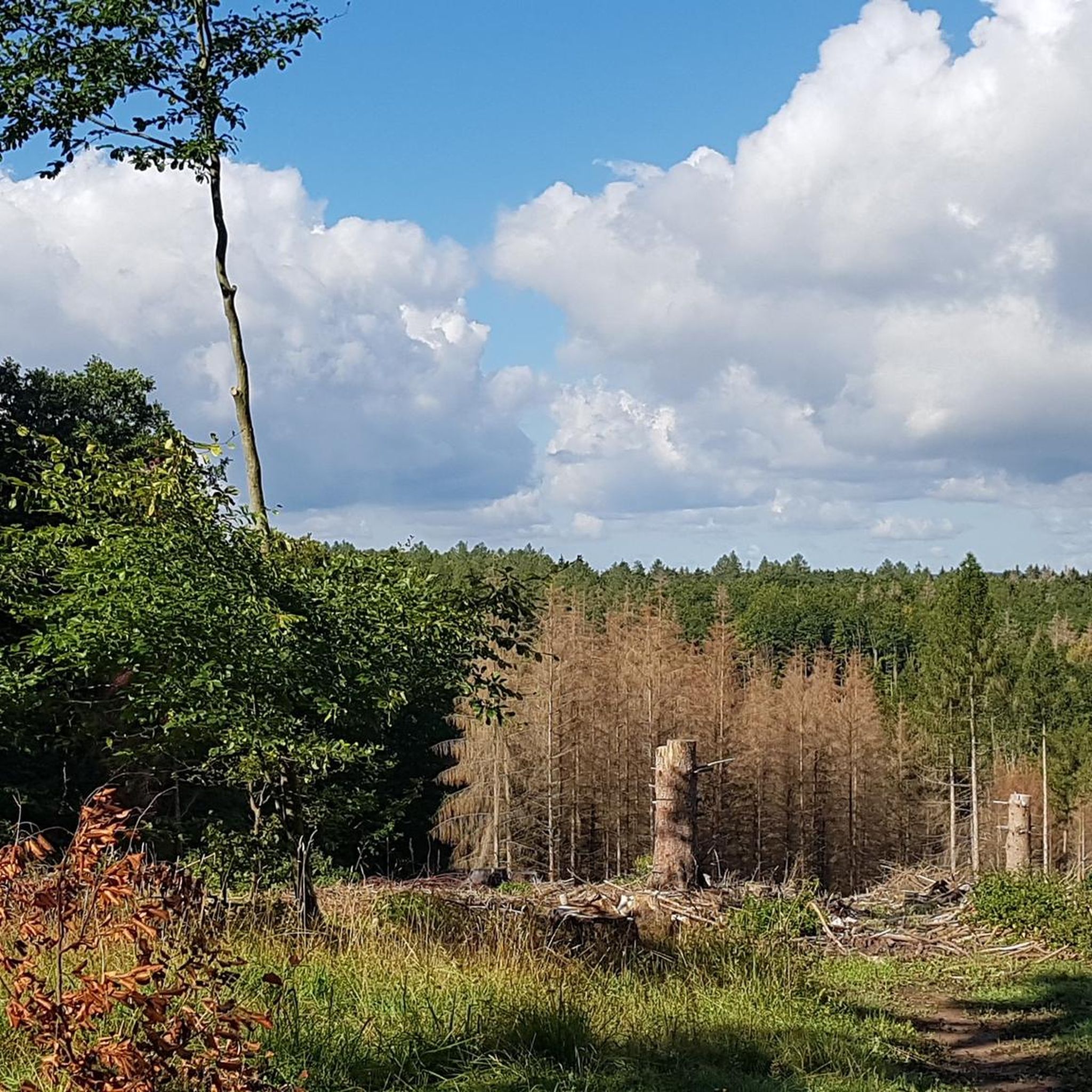
A small collapse cave, typical for karst areas.
0
0

A great hint from the past about food storage
1
0

This barred rock cellar on the descent path below the Blumenstein castle ruins inspires the imagination. Is it a secret passage that leads to the Blumenstein castle ruins? At least there don't seem to be any more precise details about it. But it seems more likely that this cellar served as a cold storage room for the neighboring farm in the past. Just take a look for yourself and let your imagination run wild 😊
7
1

Inconspicuous, with the wooden gate around it, you drive past it quickly.
0
0

Interesting place, a notice board would be nice.
8
1
Since November 2020, there have again been two hibernation quarters for rare bats (Greater mouse-eared bat and Bechstein's bat) in the former mine tunnels on the Ölberg near Nentershausen. The tunnels were fitted with bat grates and can be seen very well from the path leading past. One quarter is located directly at the junction to the Bergmannspfad, the second about 100 m above (signposted in the direction of Solz).
1
0

The closed hole is the natural monument "Hilmeser Loch". The last depth measured in 2018 by the Cave Research Club Bad Hersfeld e.V. was about 20 m. Reports from the 19th century by Carl Trautvetter (first explorer) spoke of a length of 100 - 150 m. Source: S.Gress
1
0

Here on the Kirchberg, below the Kattenberg, there is an almost 9-hectare FFH area (Flora-Fauna-Habitat-Area). In 2008 it was integrated into the Europe-wide Natura 2000 protected area system under the name "Gipskarst bei Berneburg". The karst area is home to three inaccessible caves worthy of protection (Berneburg gypsum cave, Carolushalle, Berneburg cave), which are used by native bat species for wintering. The 100 meter long gypsum cave in Berneburg is the longest active water cave in northern Hesse. (Source: RP Kassel, action plan FFH, no. 4925-302 gypsum karst near Berneburg)
1
1
Frequently Asked Questions
What types of caves can I explore around Ronshausen?
The area around Ronshausen offers a mix of natural and man-made subterranean experiences. You can find natural sinkholes like the Hilmeser Loch Sinkhole, historical mining tunnels such as Kurfürsten-Stollen Iba, and protected bat habitats like the Bat Cave at Ölberg, Nentershausen. The broader region of Hesse also features unique crystal caves and extensive karst systems.
Are there any historical caves or mining tunnels to visit near Ronshausen?
Yes, the Kurfürsten-Stollen Iba is a significant historical site. This former mining tunnel, where cobalt ore and barite were extracted, reaches 1200 meters into the mountain. Approximately 100 meters of the tunnel are accessible and illuminated, offering a glimpse into 19th-century mining history. Information boards at the entrance provide details about the mining heritage.
Where can I see bats in caves near Ronshausen?
Several locations around Ronshausen serve as important bat habitats. The Bat Cave at Ölberg, Nentershausen, consists of former mine tunnels designated as hibernation quarters for rare species like the Greater mouse-eared bat and Bechstein's bat. Similarly, the Hilmeser Loch Sinkhole and the Ransbacher Senke Cave are protected natural monuments providing winter quarters for bats.
Are there family-friendly cave experiences in the Ronshausen area?
The Kurfürsten-Stollen Iba is considered family-friendly. Its accessible and illuminated section allows visitors of all ages to safely explore a historical mining tunnel and learn about the region's past. The broader Hesse region also offers options like the Unicorn Cave in Lower Saxony, known for its interesting tours suitable for all ages.
What geological features are prominent in the caves around Ronshausen?
The caves in this region showcase diverse geological formations. The Hilmeser Loch Sinkhole is a shaft cave formed by landslides in limestone. The Kirchberg Cliffs near Berneburg feature a gypsum karst area with inaccessible caves, including the 100-meter-long Berneburg gypsum cave, which is the longest active water cave in northern Hesse.
Are there any unique crystal caves in the wider Hesse region?
Yes, the Kubach Crystal Cave in Hesse is Germany's only crystal cave. It formed within 350-million-year-old limestone and features sparkling crystals, stalactites, and geological formations. It also boasts the largest hall among German show caves, reaching a height of 30 meters.
What other outdoor activities can I combine with a visit to the caves near Ronshausen?
The area around Ronshausen offers various outdoor activities. You can find numerous running trails, such as those detailed in the Running Trails around Ronshausen guide. There are also options for gravel biking, with routes available in the Gravel biking around Ronshausen guide, and easy hikes, which you can explore in the Easy hikes around Ronshausen guide.
Can I visit caves that are important for scientific research or conservation?
Yes, several caves in the area are protected for their ecological significance. The Hilmeser Loch Sinkhole and Ransbacher Senke Cave are designated natural monuments and critical winter quarters for bats, making them important for conservation efforts. The Kirchberg Cliffs also contain protected, inaccessible caves used by native bat species for wintering.
What are some of the most famous show caves in the broader German region?
Further afield, but notable, are the Rübeländer Stalactite Caves (Baumann's and Hermann's Caves) in the Harz region. Baumann's Cave is known for its stunning stalactite formations and underground stage, while Hermann's Cave features enormous cavities, a unique crystal chamber, and Germany's only cave olms. Another famous one is the Barbarossa Cave in Kyffhäuser GeoPark, Europe's only show cave made of anhydrite rock, known for its huge caverns and blue-green lakes.
Are there any caves near Ronshausen with local legends or folklore?
While Ronshausen's immediate caves are more focused on natural and historical aspects, the broader German region has caves rich in folklore. For example, Lippold's Cave in Lower Saxony is associated with local legends, and the Barbarossa Cave in Kyffhäuser GeoPark is famous for the legend of Emperor Barbarossa sleeping within its 'Tanzsaal' (dance hall).
What should I wear when visiting caves in the Ronshausen area?
Cave environments typically maintain a cool, consistent temperature year-round, regardless of the weather outside. It is advisable to wear layers of clothing, including a light jacket or sweater, even in summer. Sturdy, closed-toe shoes with good grip are also recommended for walking on potentially uneven or damp surfaces.
Are there any caves near Ronshausen that are open in winter?
Many natural caves, especially those serving as bat hibernation quarters like the Bat Cave at Ölberg, Nentershausen, are typically closed or restricted to human access during winter to protect the hibernating bats. However, man-made tunnels like the Kurfürsten-Stollen Iba, which is illuminated by a solar system, can often be viewed year-round, including winter, though it's always best to check local access information.
Most popular routes around Ronshausen
Most popular attractions around Ronshausen

Get inspired with the komoot mobile app


Explore more
Extend your search for the best caves by checking out these guides of the top ones around Ronshausen:
