Top 9 Castles around Rottenburg am d. Laaber
Best castles around Rottenburg am d. Laaber offer a journey through the region's rich history and architectural heritage. While the original "Rottenburg" castle no longer stands, the surrounding area features several notable historical sites and castles. These structures provide insights into past eras, from medieval fortifications to baroque residences. The landscape around Rottenburg am d. Laaber, situated near the Große Laber river, provides a historical backdrop for these sites.
Best castles around Rottenburg am d. Laaber
- The most popular castles…
Last updated: July 10, 2026
Neufahrn Castle Hotel
Highlight • Castle
Translated by Google •
Tip by

Train Moated Castle
Highlight • Castle
Translated by Google •
Tip by

Sign up now to discover places like this
Get recommendations on the best single tracks, peaks, & plenty of other exciting outdoor places.
Sign up for free
Kirchberg Castle
Highlight • Castle
In a document from Mallersdorf Monastery, a Count Arterius I is mentioned in Kirchberg as early as 812. However, the castle is said to have been founded as …
Translated by Google •
Tip by

Weihenstephan Castle
Highlight • Castle
Weihenstephan Castle was first mentioned in documents in 1229. For a long time it was a manor. The current complex was built in the 17th century by Georg …
Translated by Google •
Tip by
Eggmühl Castle
Highlight • Castle
The former Niederungsburg and medieval Weiherhausanlage was built in the 12th century. It was then owned by the Steward of Heilsberg and the lords of Eggmühl. Around 1333 she …
Translated by Google •
Tip by

Sign up for free to discover even more castles around Rottenburg am d. Laaber.
Sign up for free
Already have an account?
Start today with a free account
Your next adventure awaits.
Login or Signup
Popular around Rottenburg am d. Laaber
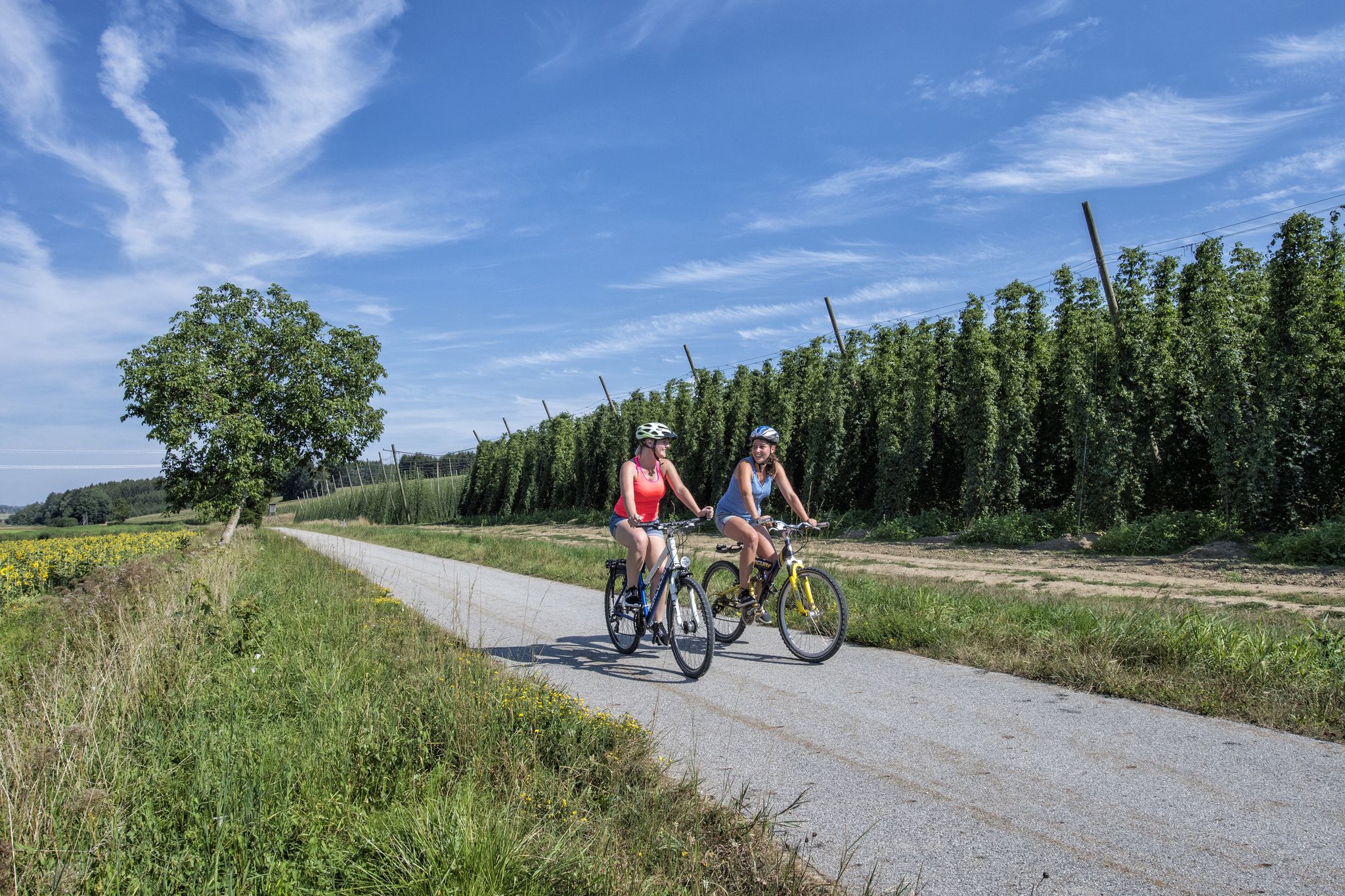
Cycling in the Hallertau – rides through the home of the green gold
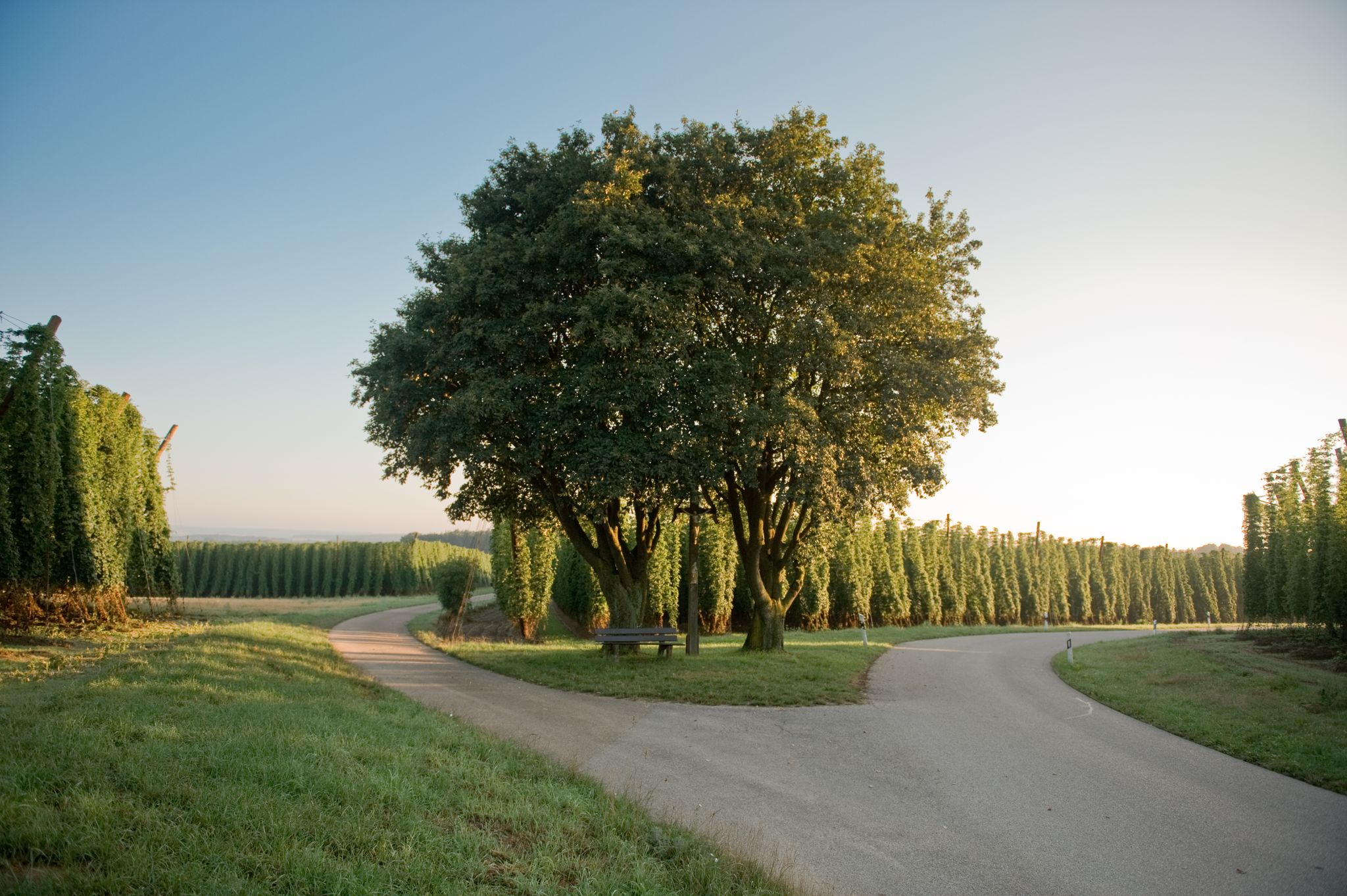
Radeln durchs Grüne Gold – Hallertauer Hopfentour
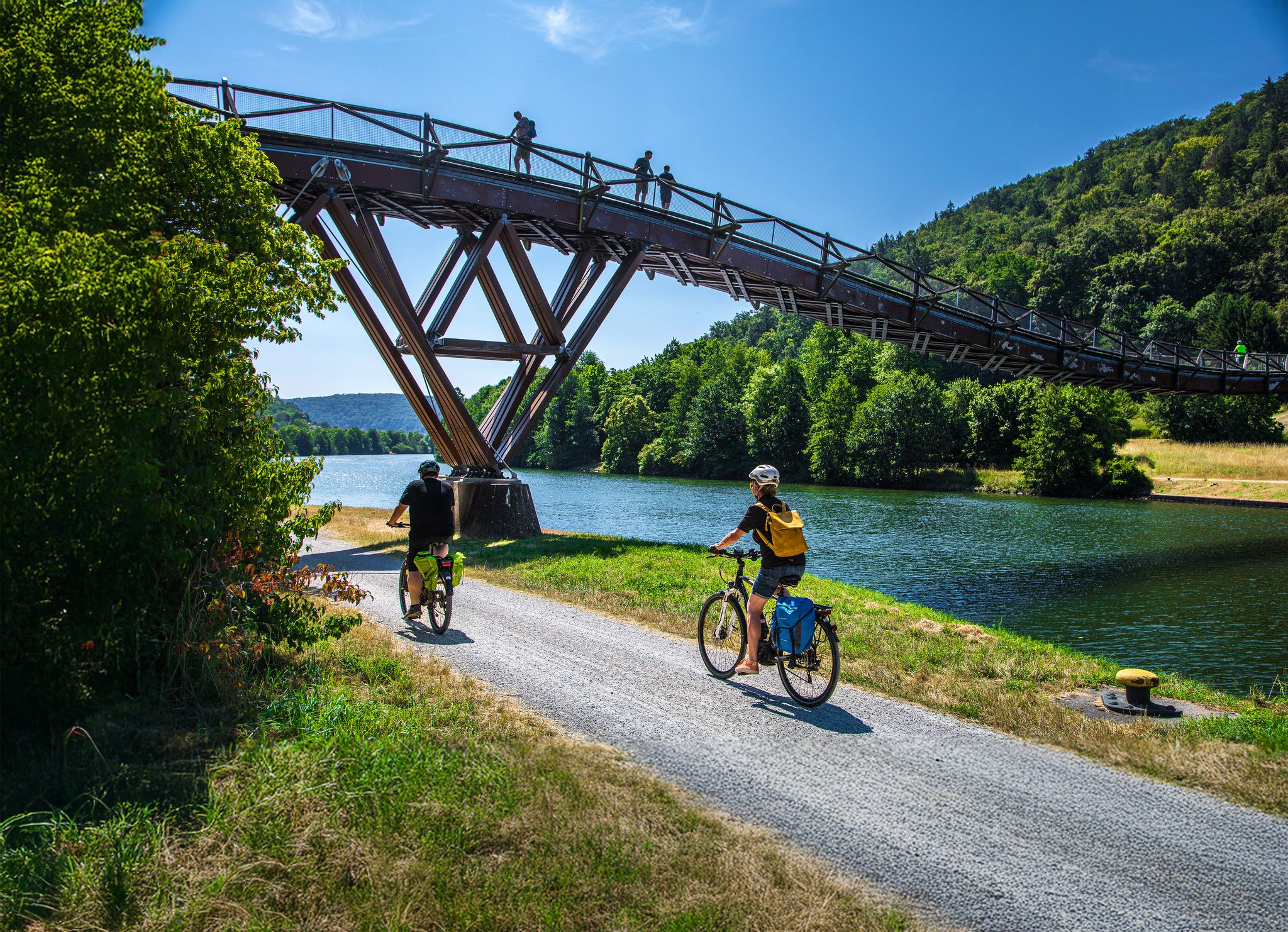
Zwischen Donau, Altmühltal & Hallertau – Erlebnis-Radtouren um Kelheim
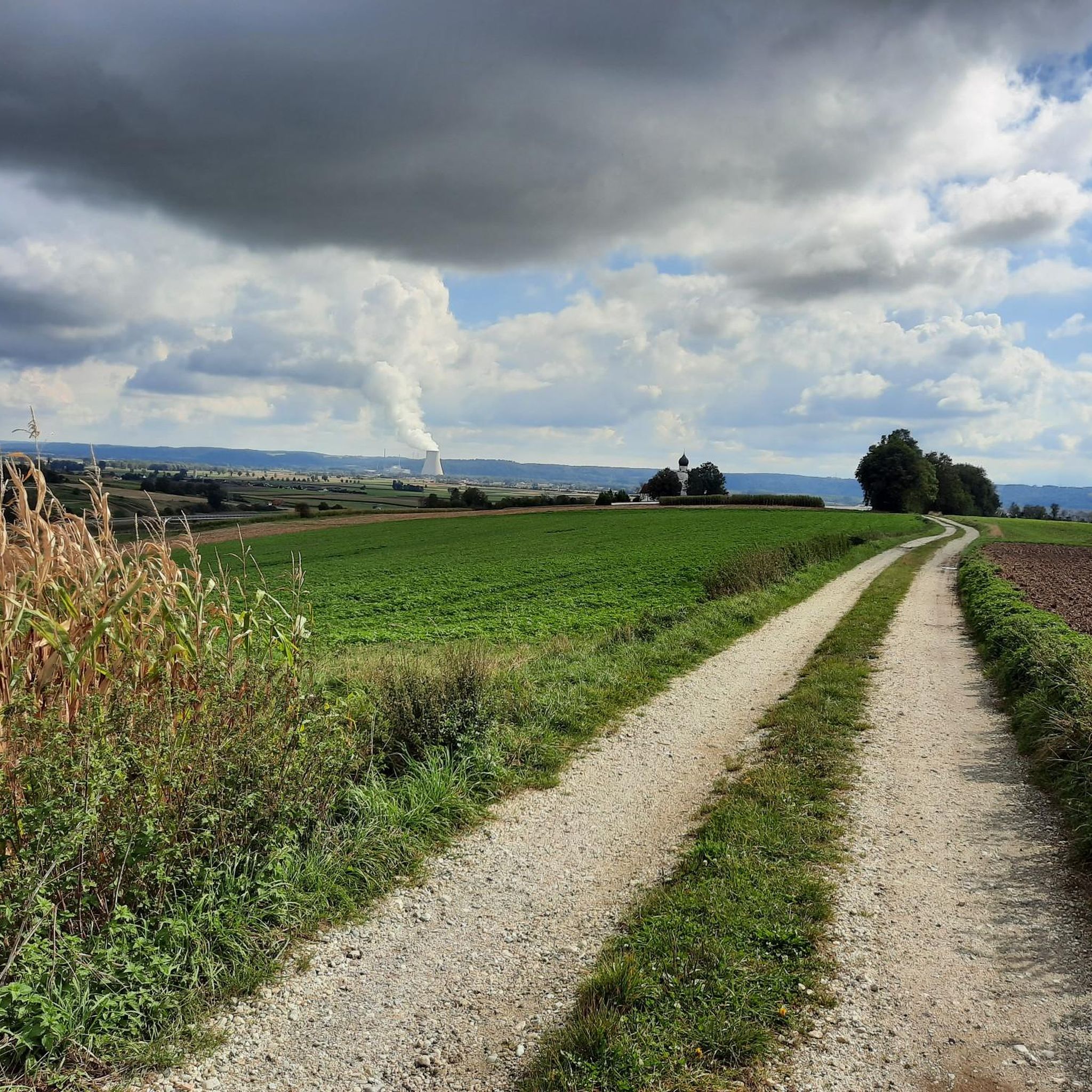
Cycling around Rottenburg am d. Laaber
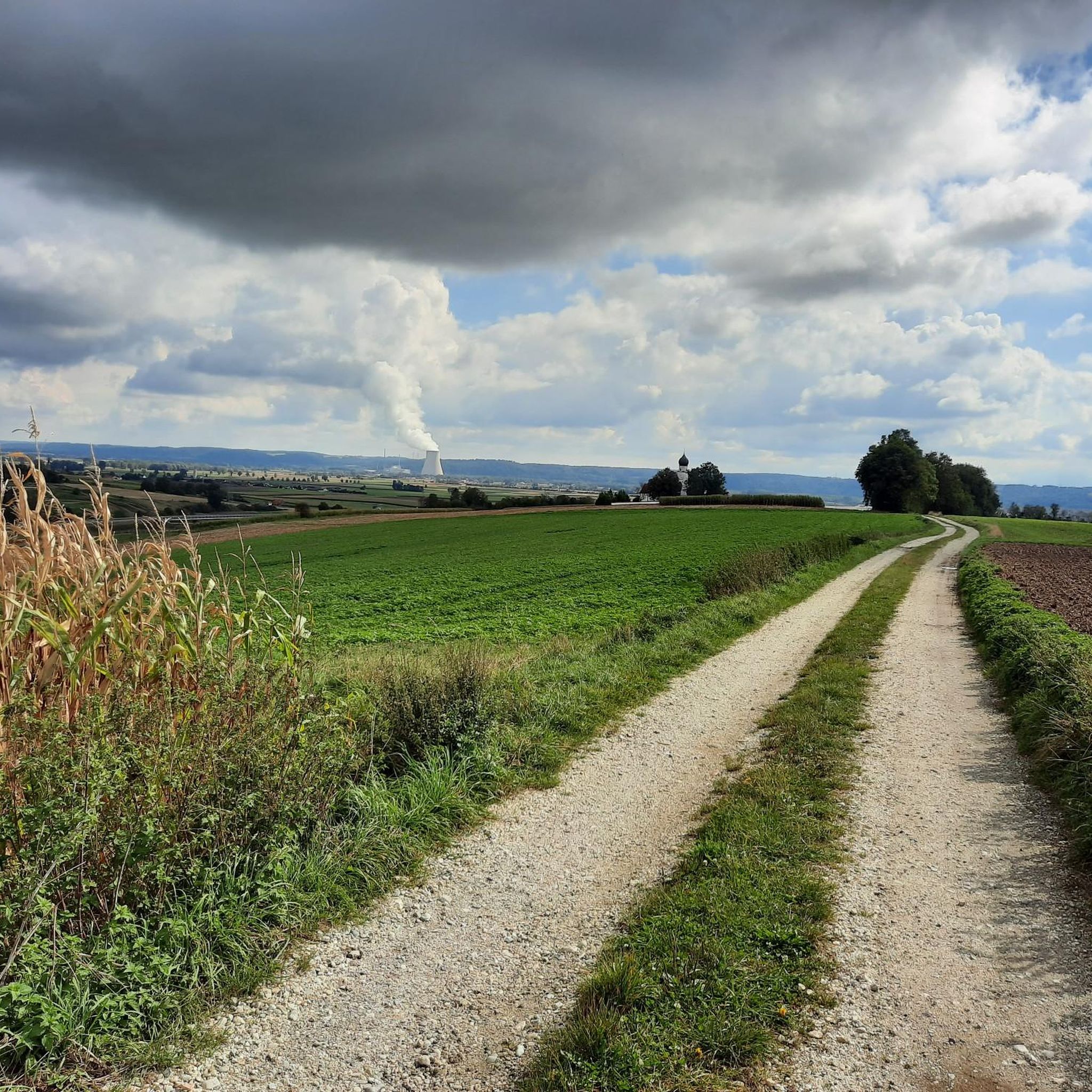
Road Cycling Routes around Rottenburg am d. Laaber
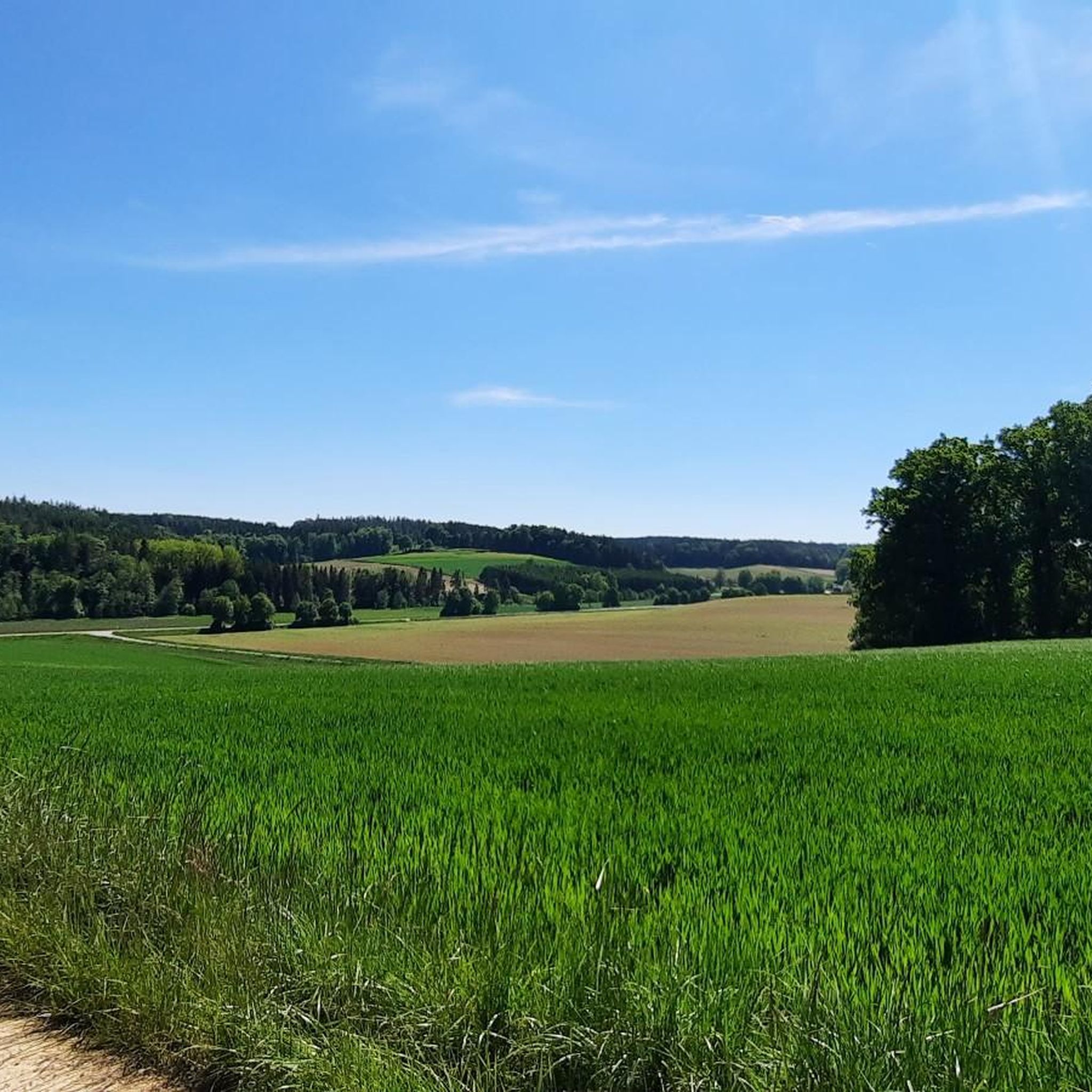
MTB Trails around Rottenburg am d. Laaber
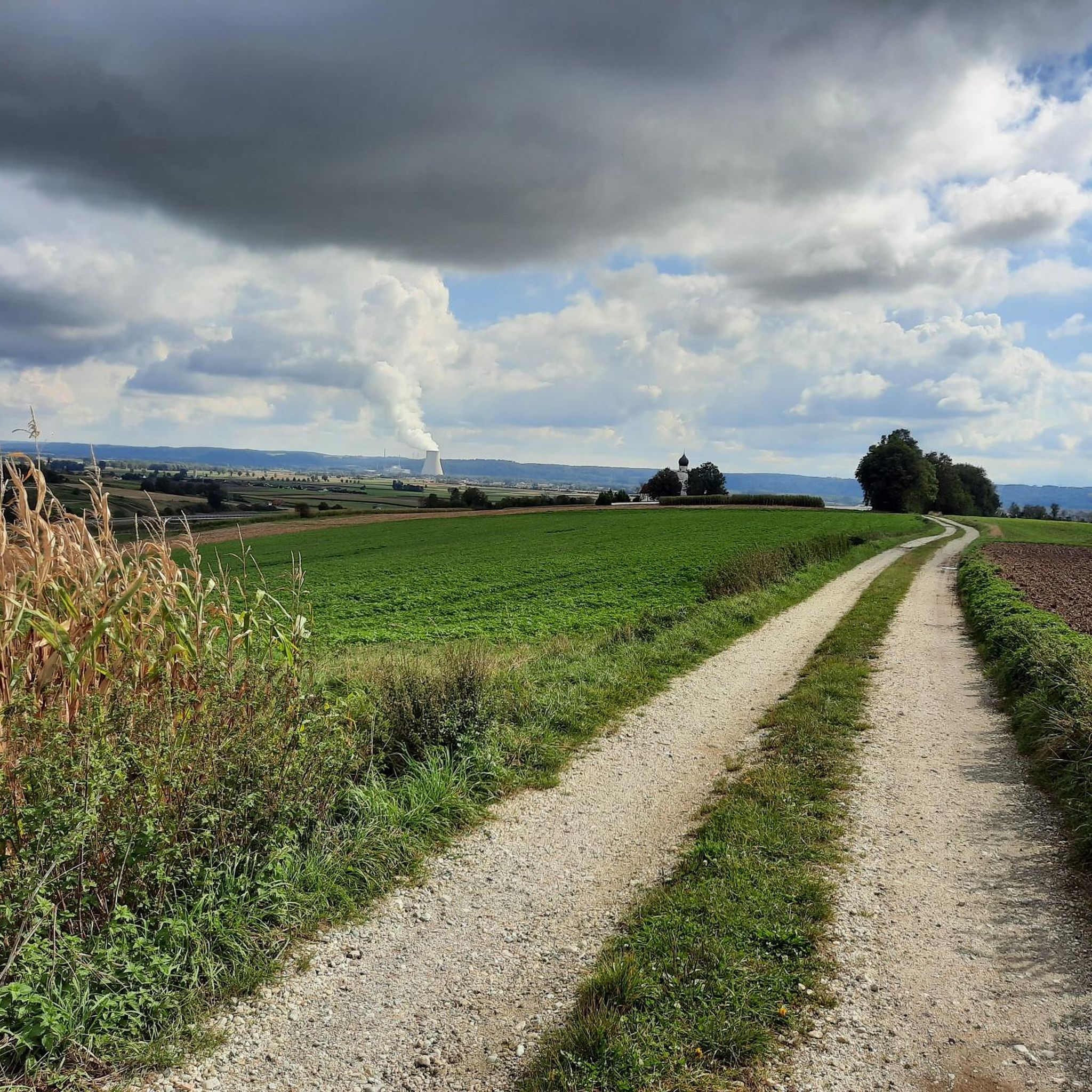
Hiking around Rottenburg am d. Laaber
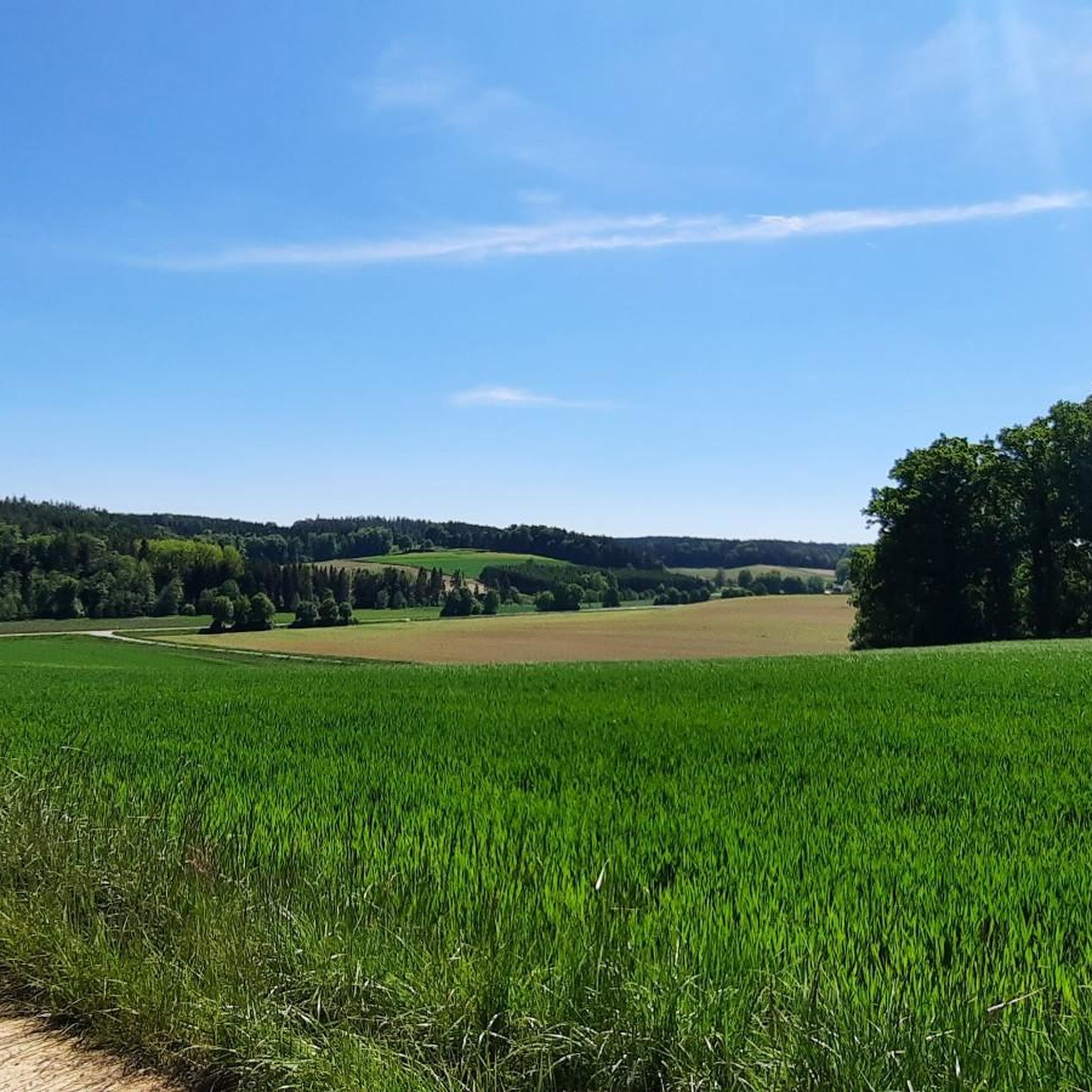
Running Trails around Rottenburg am d. Laaber

Gravel biking around Rottenburg am d. Laaber
Other adventures around Rottenburg am d. Laaber


Tips from the Community

Weihenstephan Palace was first documented in 1229. For a long time, it formed a royal estate. The current Baroque complex was built in the 17th century on the site of a previous structure. The residential building was added in the 18th century. The palace is now owned by the Counts Deroy von Fürstenberg. Across the street, north of the palace, is the Baroque palace chapel, dedicated to Saint Sebastian. It was built in the mid-17th century.
0
0

In addition to the hotel, there is also a restaurant with a garden. Events are held regularly (e.g., garden days, medieval festivals). The castle is also popular for weddings and family celebrations.
0
0

Nice place, would love to come back.
0
0

This little idyll can be found in the small town of Train. More information about the moated castle: https://de.wikipedia.org/wiki/Schloss_Train
2
0

Weihenstephan Castle Weihenstephan Castle was first mentioned in documents in 1229. For a long time it was a manor. The current complex was built in the 17th century by Georg Carl Freiherr von Etzdorf on Weihenstephan and Stamsried on the site of a previous building. The residential building was built in the 18th century. In 1837 Count Philipp Aloys Erasmus von Deroy bought Weihenstephan Castle with Deutenkofen and two breweries from the Barons of Etzdorf. When the heiress Odette Countess Deroy married Friedrich Freiherr von Fürstenberg, her son, Joseph Erwein (1908–1977), was elevated to Count von Deroy, Freiherr von Fürstenberg, in 1914 and inherited Weihenstephan. In August 2006, the castle's outbuildings burned down and some of them had to be demolished as a result. The damage was probably caused by a defect in an electrical system and amounted to around one million euros. Weihenstephan Castle is a baroque complex with a moat running all around it from the 17th century, which was changed in the 18th century and possibly later. The residential building is a two-story mansard hipped roof building with elaborately designed shutters. The surrounding farm buildings from the 17th and 18th centuries are essentially divided into a north and east wing. In the north wing there is a passageway that is in line with the portal of the residential building. A little to the east of the castle, on the old road towards Landshut, there are two massive gate pavilions, also with mansard hipped roofs, which were built in 1950. On the opposite side of the street, north of the castle, is the baroque castle chapel, which is dedicated to Saint Sebastian. It was built in the middle of the 17th century. The small, north-facing hall church with a rectangular floor plan is divided on the outside by pilasters. The portal on the south side is distinguished by flanking pilasters. In the middle of the hipped roof is a ridge turret with an onion dome. The interior is spanned by a flat ceiling and also divided by pilasters. The chapel now serves exclusively as a mortuary; the associated cemetery extends around the nearby branch church of St. Stephan. Source: www.wikipedia.de
2
0
Kirchberg-Hohenthann Castle In a document from Mallersdorf Monastery, a Count Arterius I is mentioned in Kirchberg as early as 812. However, the castle is said to have been founded as a Roman fortress as early as 292 - at a time from which there are no documents or other written evidence. After the Counts of Kirchberg died out in 1234, the county became a district court of the Duchy of Bavaria-Landshut. The ducal guardian resided in Kirchberg Castle and was responsible for administration and justice in his district. The most important places of the Kirchberg district court, which belonged to the Landshut Revenue Office, were the markets of Pfaffenberg and Geiselhöring. The three-winged complex from the second half of the 15th century was expanded in 1520 and 1569. The castle was destroyed in the Landshut War of Succession in 1504 and the Thirty Years' War in 1632 and then rebuilt in the Baroque style. In 1803, the Kirchberg district court was moved to Pfaffenberg. The castle was purchased in 1807 by a family who used it for agricultural purposes. The castle, now a palace, was purchased and restored by two Munich families in 1978. The owners received the Monument Prize from the Hypo Cultural Foundation Munich for the restoration of the castle in the 1990s. The current complex was built in the 14th century by the Lords of Kirchberg and has a circular brick moat wall. The keep has a base area of 10 by 10.5 meters and a wall thickness of three meters. The castle chapel of St. Leonhard is located in the keep's basement. Source: www.wikipedia.de
2
0

Frequently Asked Questions
What types of castles can I explore around Rottenburg am d. Laaber?
The region offers a diverse range of historical structures, including moated castles, castle hotels, and medieval complexes. You can find examples like the unique Train Moated Castle, the historic Kirchberg Castle, and the welcoming Neufahrn Castle Hotel.
Are there any family-friendly castles to visit in the area?
Yes, several castles are suitable for family visits. Neufahrn Castle Hotel is noted as family-friendly and offers catering. Train Moated Castle and Eggmühl Castle are also categorized as family-friendly, providing interesting historical experiences for all ages.
What historical insights can I gain from visiting these castles?
The castles offer a deep dive into the region's past. For instance, Kirchberg Castle, originally a Roman fortress, was rebuilt in Baroque style after wars. Eggmühl Castle served as a nursing court for the Dukes of Bavaria. You can also explore the Baroque complex of Weihenstephan Castle, which includes a 17th-century chapel.
Are there any moated castles near Rottenburg am d. Laaber?
Absolutely. The area is particularly known for its moated castles. The Train Moated Castle is a notable example, offering a distinct architectural style compared to hilltop castles. Additionally, Schloss Gisseltshausen and Schloss Niederhatzkofen are significant moated castles in the vicinity.
Can I stay overnight in a castle near Rottenburg am d. Laaber?
Yes, you can. The Neufahrn Castle Hotel provides the opportunity to experience a historical setting firsthand, offering accommodations and even knight's meals.
What outdoor activities can I do near the castles?
The region around Rottenburg am d. Laaber offers various outdoor activities. You can find easy hikes, running trails, and gravel biking routes. For example, there are easy hikes like the 'View of Pattendorf' loop or running trails such as the 'View of Gisseltshausen' loop. For more details and routes, visit our guides on Easy hikes around Rottenburg am d. Laaber, Running Trails around Rottenburg am d. Laaber, and Gravel biking around Rottenburg am d. Laaber.
Is the original Rottenburg castle still standing?
No, the original 'Rottenburg' castle, from which the town's name derives, no longer stands. It was located on Hofberg, and its Bergfried was dismantled around 1800. Today, the site is a cemetery, with no remnants of the medieval hilltop castle remaining.
What is unique about Train Moated Castle?
Train Moated Castle is one of the few moated castles in the wider area, making it a distinct architectural experience compared to the more common castles built on hills and rocks. It's considered a personal highlight by many visitors.
Are there any castles with religious significance nearby?
Yes, Weihenstephan Castle features a Baroque castle chapel dedicated to Saint Sebastian, built in the mid-17th century. Additionally, Kirchberg Castle has a castle chapel of St. Leonhard located in its keep's basement.
What do visitors enjoy most about the castles in this region?
Visitors appreciate the rich history and architectural diversity of the castles. The community has shared over 90 photos and given more than 190 upvotes, highlighting the unique charm of moated castles like Train Moated Castle and the opportunity to experience history firsthand at places like Neufahrn Castle Hotel.
Can I find any castles that have been repurposed?
Yes, Eggmühl Castle, a medieval complex, is now used as a BRK retirement home. Also, Schloss Niederhatzkofen houses a specialized hospital and rehabilitation clinic, showcasing how historical buildings can find new life.
Is there a castle known for its gardens or catering options?
The Neufahrn Castle Hotel is known for its beautifully landscaped garden and offers catering services, making it a pleasant spot for a visit or an event.
Most popular routes around Rottenburg am d. Laaber
Most popular attractions around Rottenburg am d. Laaber

Get inspired with the komoot mobile app


Explore more
Looking for the best castles somewhere else? Discover other guides around Rottenburg am d. Laaber:
