Top 5 Castles around Krummbek
Best castles around Krummbek, a municipality in the Plön district of Schleswig-Holstein, offers access to a region rich in historical estates and manor houses. The area is characterized by its rural landscape, providing a backdrop for historical sites that have evolved over centuries. Visitors can explore a blend of past and present, from ancient knight's seats to buildings repurposed as cultural centers. The region's history is reflected in its architecture and the stories of its prominent families.
Best castles around…
Last updated: June 26, 2026
Hagen Castle
Highlight • Castle
Translated by Google •
Tip by

Salzau Manor
Highlight • Historical Site
The estate …
Translated by Google •
Tip by

Sign up now to discover places like this
Get recommendations on the best single tracks, peaks, & plenty of other exciting outdoor places.
Sign up for free
View of Blomenburg
Highlight • Castle
Translated by Google •
Tip by
Loop through the palace park
Highlight (Segment) • Trail
The loop is 1/2 km long.
Translated by Google •
Tip by

Start today with a free account
Your next adventure awaits.
Login or Signup
Tips from the Community

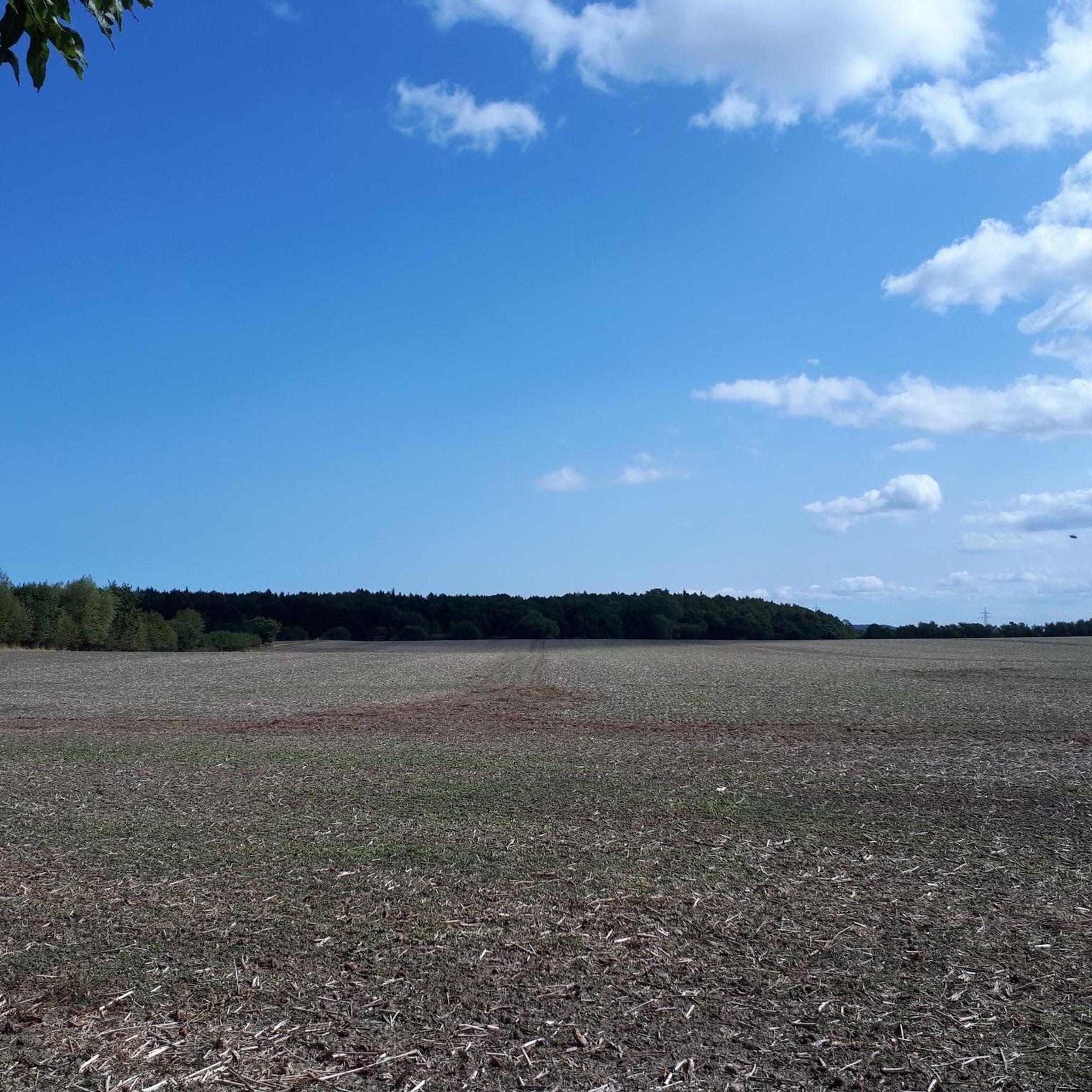
Originally laid out as an English garden, the paths of the palace park lie in the shade of tall trees. The loop is 1/2 km long.
2
0

After the school closed, the Hagen Manor House, known to the local community as a castle for generations, was converted into a cultural center. After severe mold and mildew infestation was discovered at the beginning of the 21st century, the almost 400-year-old building underwent extensive renovations from 2007 to 2010. The castle remained closed during this time, and the site's usage concept was revised. Hagen has been open to visitors again since 2011. The castle's rooms can be rented for private events, and concerts and readings are also held there. Apartments and a doctor's office have been created on the upper floor.
9
1
Hagen was first mentioned in 1264 as indago comitis ("Count's Hag") in the Kiel city register. Within the boundaries of the later estate lay a small village called Schrevendorf (s'Grevendorf), and to the west lies the noble estate called Schrevenborn (s'Grevenborn, the Count's Well). All this indicates that the area northeast of Kiel was once a hunting ground of the territorial lords, the Schauenburg Counts of Holstein, who resided in Kiel Castle. The noble estate in Hagen (as well as in Schrevendorf) was therefore not established until the 16th century, after King Christian I of Denmark was elected the new ruler of the Duchy of Schleswig and the County of Holstein in 1460, and Kiel was ceded to the Schleswig-Holstein-Gottorf line in 1544, which resided in Gottorf Castle in Schleswig and no longer needed the Kiel hunting ground.
12
1
Hagen Castle is the ideal location for your dream wedding – a historic gem surrounded by a lush park and stunning scenery near the Baltic Sea and the state capital of Kiel. Your civil wedding could take place in the castle's magnificent Great Hall or the baroque Blome Room. For an elegant reception, doors to additional adjoining rooms can be opened, comfortably accommodating a wedding party of up to 100 people. Catering can be seamlessly arranged via the kitchen wing located on the same floor. In the afternoon and early evening, the expansive park and the small town of Probsteierhagen offer lovely spots for a stroll in the fresh air. Of course, the bride and groom shouldn't miss the nearby maze. This is where you'll find your soulmate! We are happy to answer any questions you may have about your wedding planning. We would also be happy to plan a supporting program for your guests.
15
1
In 1534, the first documented mention was made under Christoph von Pogwisch, whose family remained in Hagen and the nearby Dobersdorf estate for the following century. The first manor house on the estate, which has not been preserved, probably dates from this time. On the occasion of the wedding of Lucia von Pogwisch, the last heiress of the Hagen Pogwisch line, to Hinrich von Blome in 1646, the current manor house was built between 1647 and 1649. Hagen estate thus became the property of the Blome family. Both families belonged to the Equites Originarii, the oldest families of the Schleswig-Holstein knighthood. In the following centuries, the manor house served as the family seat of the Hagen-Blome line, which also included the Waterneverstorf estate, but Hagen never played a significant role in the history of Holstein and even major changes of ownership, which were quite common on other estates, did not occur. In 1814 the estate was acquired by a
15
1
The first mention of Hagen is documented in the Kiel city register in 1264 as indago comitis ("Hag des Grafens"). In the area of the later estate there was an instendorf called Schrevendorf (s'Grevendorf) and to the west there is the noble estate called Schrevenborn (s'Grevenborn, des Grafen Brunnen). All this indicates that the area northeast of Kiel was once a hunting ground of the sovereigns, the Schauenburg Counts of Holstein, who resided in Kiel Castle. The noble estate economy in Hagen (as well as in Schrevendorf) was therefore only founded in the 16th century, after King Christian I of Denmark was elected the new ruler of the Duchy of Schleswig and the County of Holstein in 1460 and Kiel was ceded to the Schleswig-Holstein-Gottorf line in 1544, which resided in Gottorf Castle in Schleswig and no longer needed the Kiel hunting ground.[1]
15
1
Hagen Castle in the municipality of Probsteierhagen near Kiel in Schleswig-Holstein is the manor house of the former noble estate of the same name. The 17th century building has housed a cultural and event center since 1969. After being extensively renovated from 2007 to 2011, it has been open to visitors again since 2011.
15
1
After the Probsteierhagen community acquired the manor house, the building was used as a primary school. Since the construction of the village community school in 1969, the manor house has made a name for itself as the “cultural center of the Probstei.”
16
1
Frequently Asked Questions
What types of historical sites can I explore around Krummbek?
The region around Krummbek is rich in historical estates, manor houses, and former knight's seats. You can find sites like Hagen Castle, which has transformed into a cultural center, and Salzau Manor, an ancient knight's seat dating back to the 13th century. There's also Blomenburg, a hunting lodge known for its unique English Tudor style architecture.
Are there any castles near Krummbek that are now cultural centers?
Yes, Hagen Castle in Probsteierhagen, originally a 17th-century manor house, now serves as the 'cultural center of the Probstei'. It was extensively renovated and reopened to visitors in 2011, offering a blend of history and community relevance.
Can I visit Salzau Manor, and what is its historical significance?
Salzau Manor is an old knight's seat in Fargau-Pratjau, first mentioned in the 13th century. While you can observe the impressive complex, including its main house, gatehouse, and park, property access is generally restricted to authorized people. It offers a deep dive into regional aristocratic history.
What is unique about the architecture of Blomenburg?
Blomenburg is considered one of the main works of historicism in Schleswig-Holstein. Designed by Eduard Knoblauch, it's a two-story, almost cube-shaped building in the English Tudor style, featuring several protruding towers and extensions. It was originally a hunting lodge from the mid-19th century.
Are there family-friendly activities or walks near the castles?
Many of the areas around these historical sites offer pleasant walks. For example, there's a Loop through the palace park, originally an English garden, which is family-friendly and about 0.5 km long. These parks often provide shaded paths suitable for families.
What outdoor activities can I do near the castles around Krummbek?
The region offers various outdoor activities. You can find numerous cycling routes, such as the 'Passader Lake – Hagen Castle loop' which is an easy touring bicycle route. For mountain biking, there are trails like the 'Hohenfelde Beach Section – Schmoel Coastal Trail loop'. Explore more options on the Cycling around Krummbek guide or the MTB Trails around Krummbek guide.
Are there any natural landmarks or viewpoints near the castles?
Yes, the rural landscape around Krummbek offers natural beauty. While exploring the castles, you might encounter viewpoints or natural features like Passader See (Passader Lake) or the Schönberger Strand (Schönberg Beach) in the broader vicinity, which are popular for their scenic views and activities.
What is the best time of year to visit the castles around Krummbek?
The region's castles and manor houses can be enjoyed throughout the year. Spring and summer offer pleasant weather for exploring the grounds and nearby nature trails. Autumn provides beautiful foliage, while winter can offer a serene, quiet experience, especially for walks around the estates.
Is public transport available to reach the castles near Krummbek?
Public transport options exist within the broader Schleswig-Holstein region. However, direct public transport to every individual castle or manor house might be limited. It's advisable to check local bus schedules (e.g., routes 8115, 8120, 8122, AST8129 for Krummbek) or consider a combination of public transport and cycling or walking for access.
Are there parking facilities available at or near the castles?
Parking availability varies by location. For places like Hagen Castle, which functions as a cultural center, parking is generally available. For other estates like Salzau Manor or Blomenburg, parking might be more limited or designated for specific visitors, especially if they are privately owned or have restricted access.
Can I find cafes or restaurants near the castles in the Krummbek area?
While direct cafes or restaurants might not be immediately adjacent to every castle, the surrounding villages and towns like Probsteierhagen, Fargau-Pratjau, and Selent offer various options for dining and refreshments. It's a good idea to check local listings for cafes, pubs, and restaurants in these areas.
What do visitors appreciate most about the castles around Krummbek?
Visitors appreciate the rich history and diverse architecture of the region's historical buildings, from ancient knight's seats to 19th-century hunting lodges. The transformation of some sites, like Hagen Castle, into cultural centers also highlights their ongoing community relevance. The komoot community has shared over 480 photos and given more than 730 upvotes, reflecting a strong appreciation for these sites.
Most popular routes around Krummbek
Most popular attractions around Krummbek

Get inspired with the komoot mobile app


Explore more
Looking for the best castles somewhere else? Discover other guides around Krummbek:
