Top 8 Caves around Eslohe
Best caves around Eslohe are found within a region known for its underground features, offering a mix of natural and historical sites. Eslohe is situated in the Sauerland, a landscape characterized by its rolling hills and geological formations. The area includes former mining tunnels and unique underground structures. These sites provide insight into the region's industrial past and natural history.
Best caves around Eslohe
- The most popular caves is Veltins Ice Cellar, a cave that was used by the…
Last updated: August 20, 2026
Silberkuhle Mine near Bödefeld
Highlight • Historical Site
Around the middle of the last century, German industry was still in its infancy. In the Ruhr area, the collieries and iron works increased. In our quiet …
Translated by Google •
Tip by

Veltins Ice Cellar
Highlight • Cave
Translated by Google •
Tip by

Sign up now to discover places like this
Get recommendations on the best single tracks, peaks, & plenty of other exciting outdoor places.
Sign up for free
Huxel Mine Entrance
Highlight • Cave
Translated by Google •
Tip by

Abela Healing Tunnel (Former Slate Mine Grube Felicitas)
Highlight • Cave
Translated by Google •
Tip by

Josephus Tunnel
Highlight • Structure
At the time of mining boom (1815-1850) many new tunnels were built. Through this tunnel, the small-grained ore was transported to the nearby Poch washing treatment.
Translated by Google •
Tip by

Sign up for free to discover even more caves around Eslohe.
Sign up for free
Already have an account?
Start today with a free account
Your next adventure awaits.
Login or Signup
Popular around Eslohe
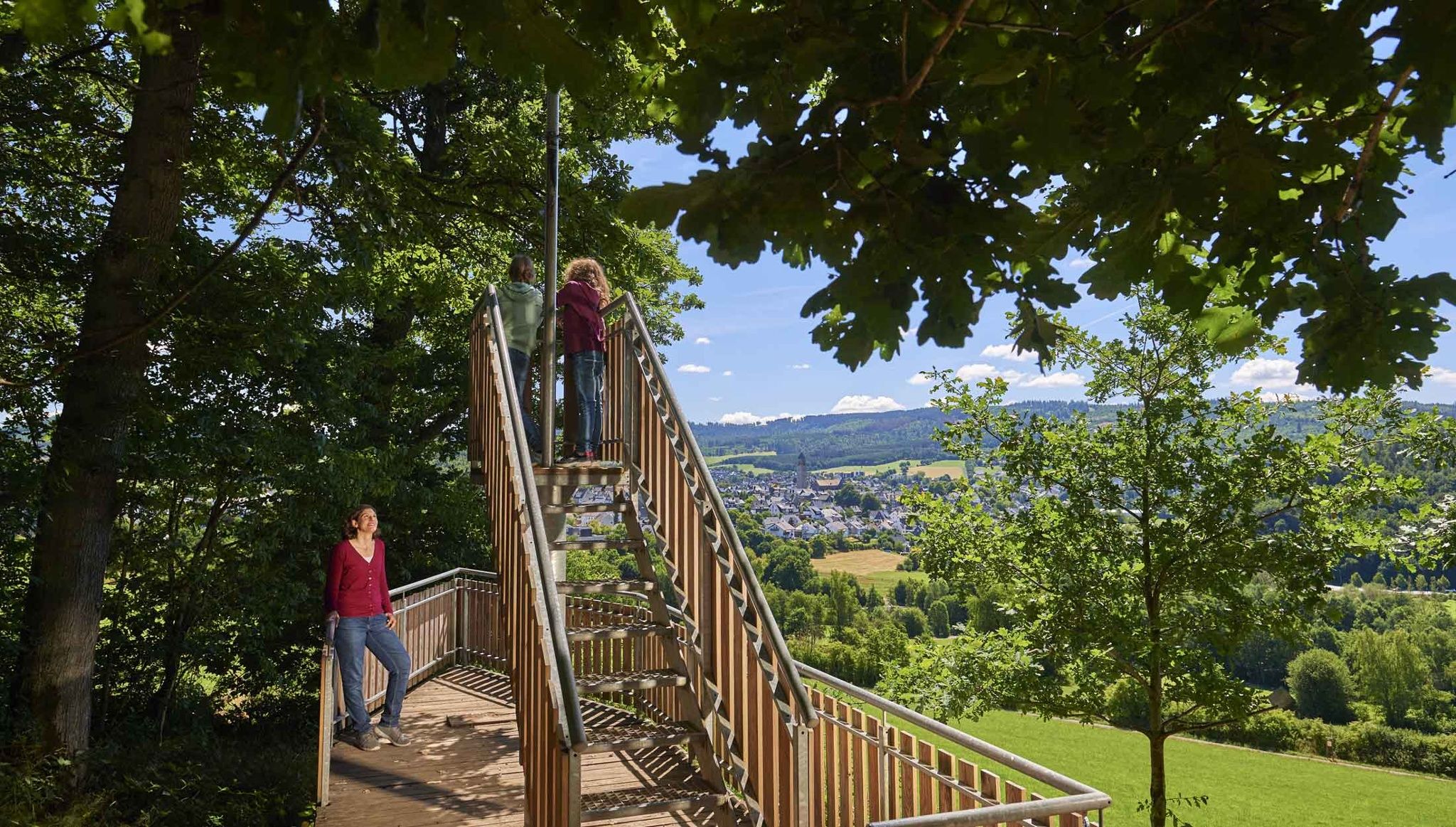
Happy together – family hikes in the Schmallenberger Sauerland
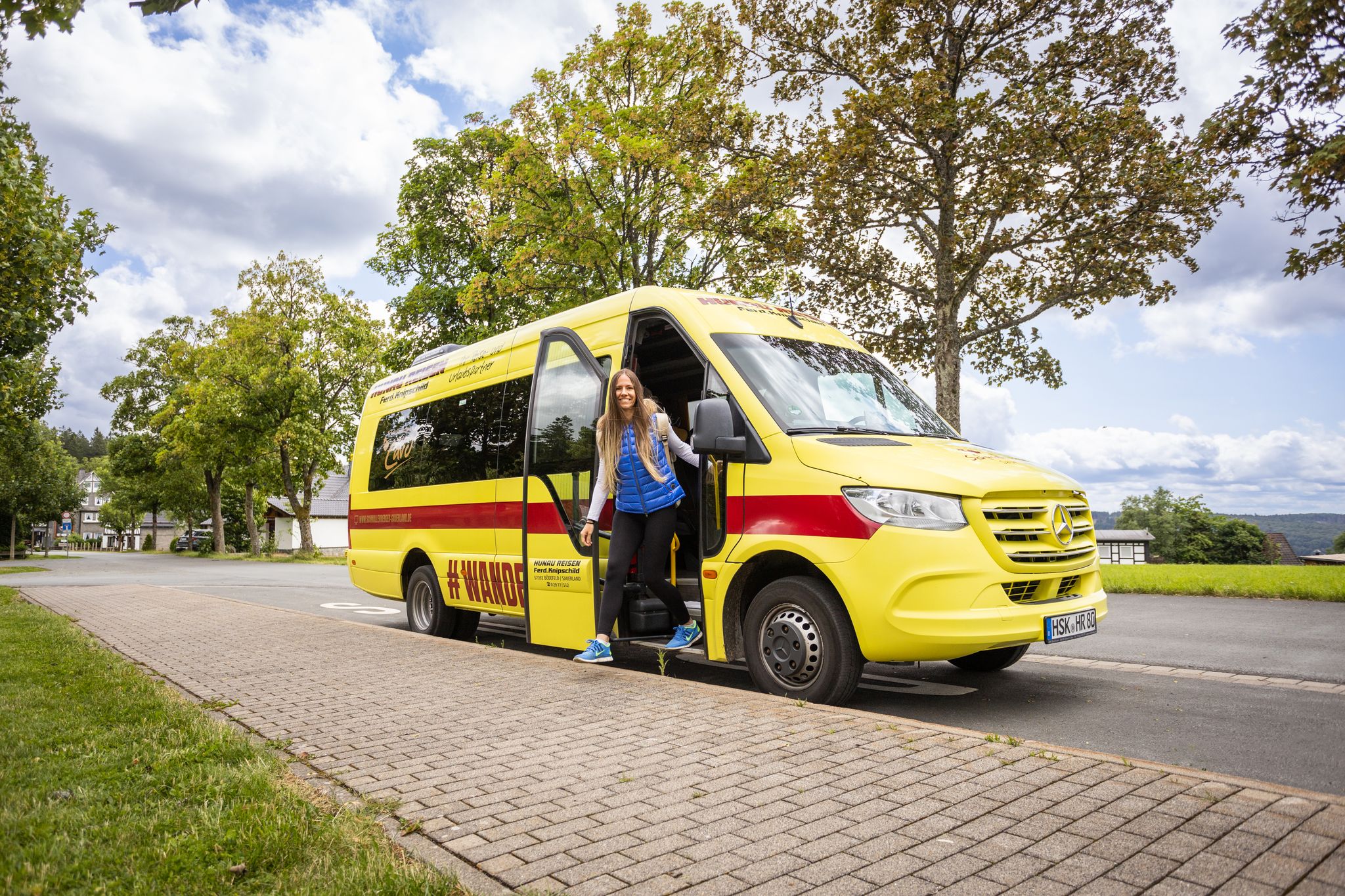
Sustainable hikes – accessible by public transport and hiking bus
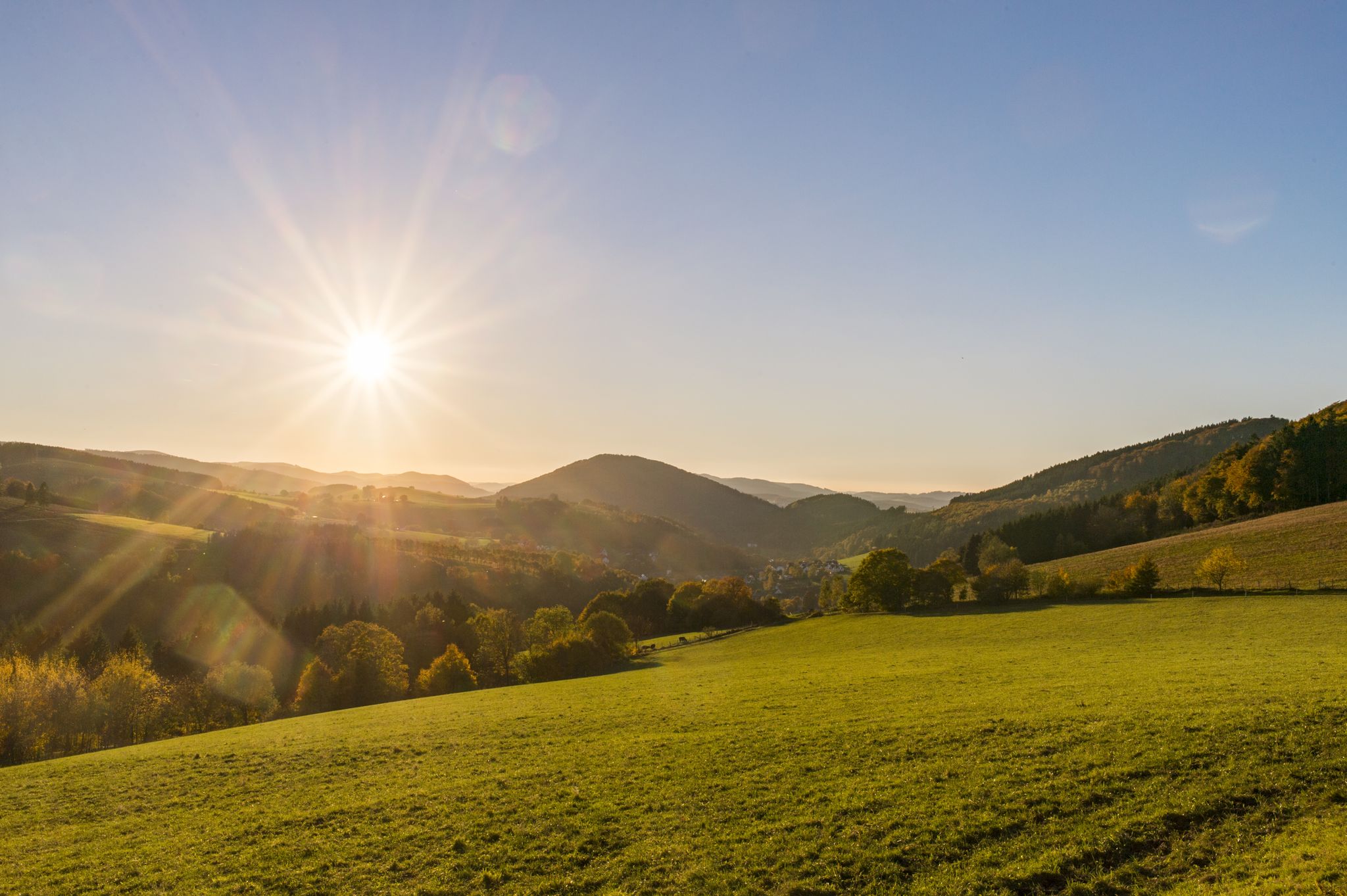
Hike to Soul Places in Germany’s Schmallenberger Sauerland
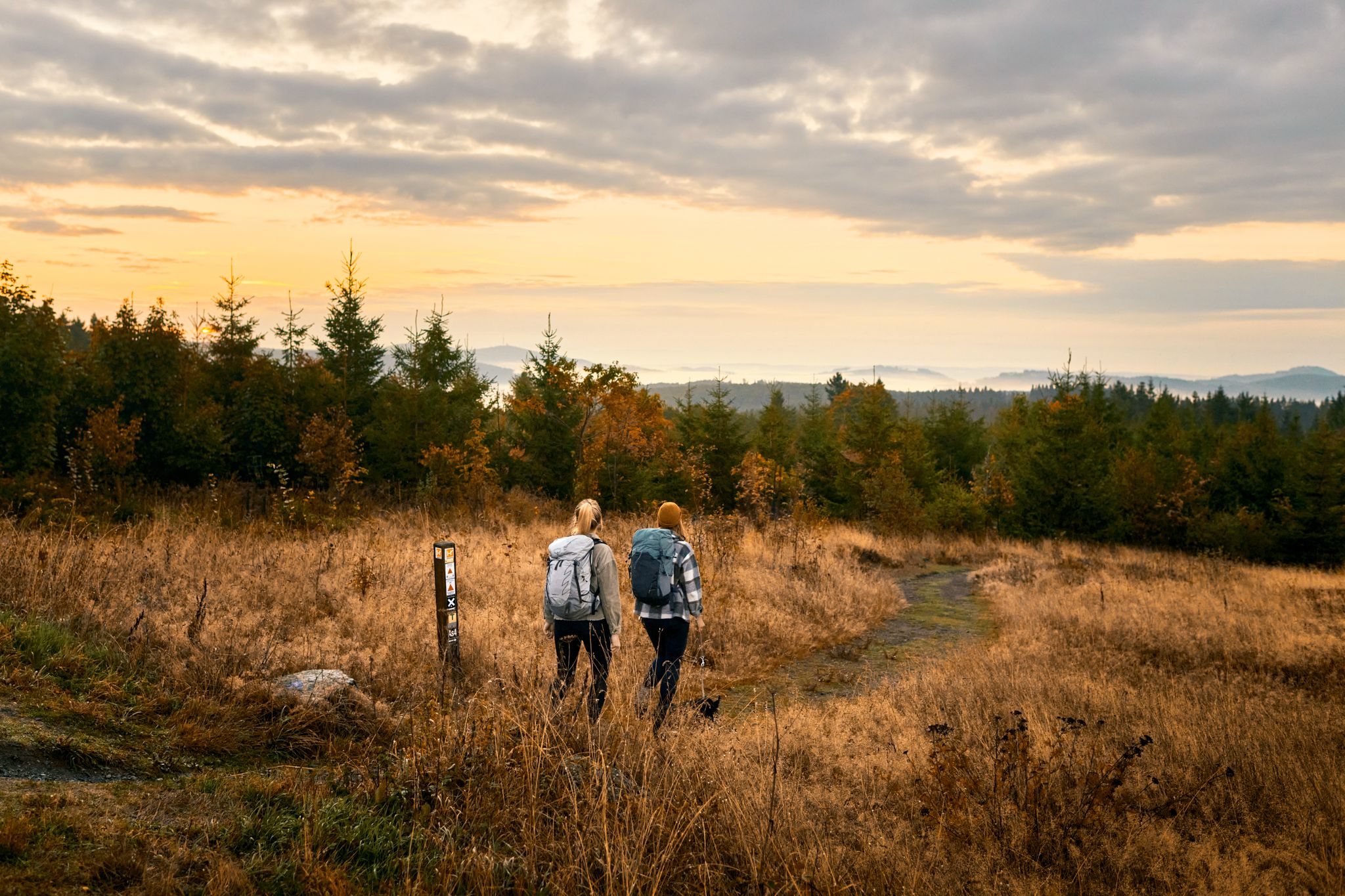
Feels like flying – hiking on the Sauerland–Höhenflug
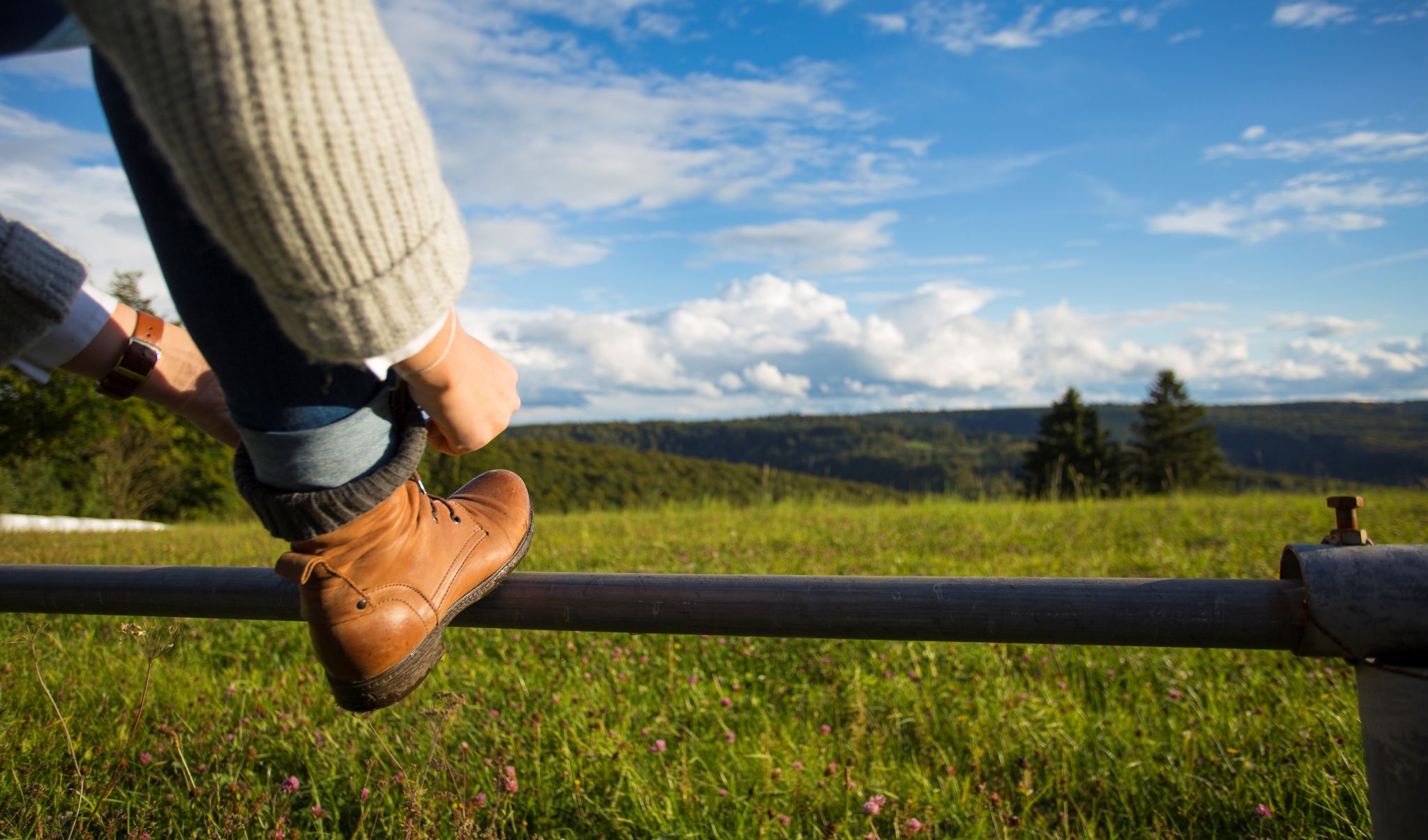
Exploring Schmallenberg Sauerland — stunning hikes in Germany
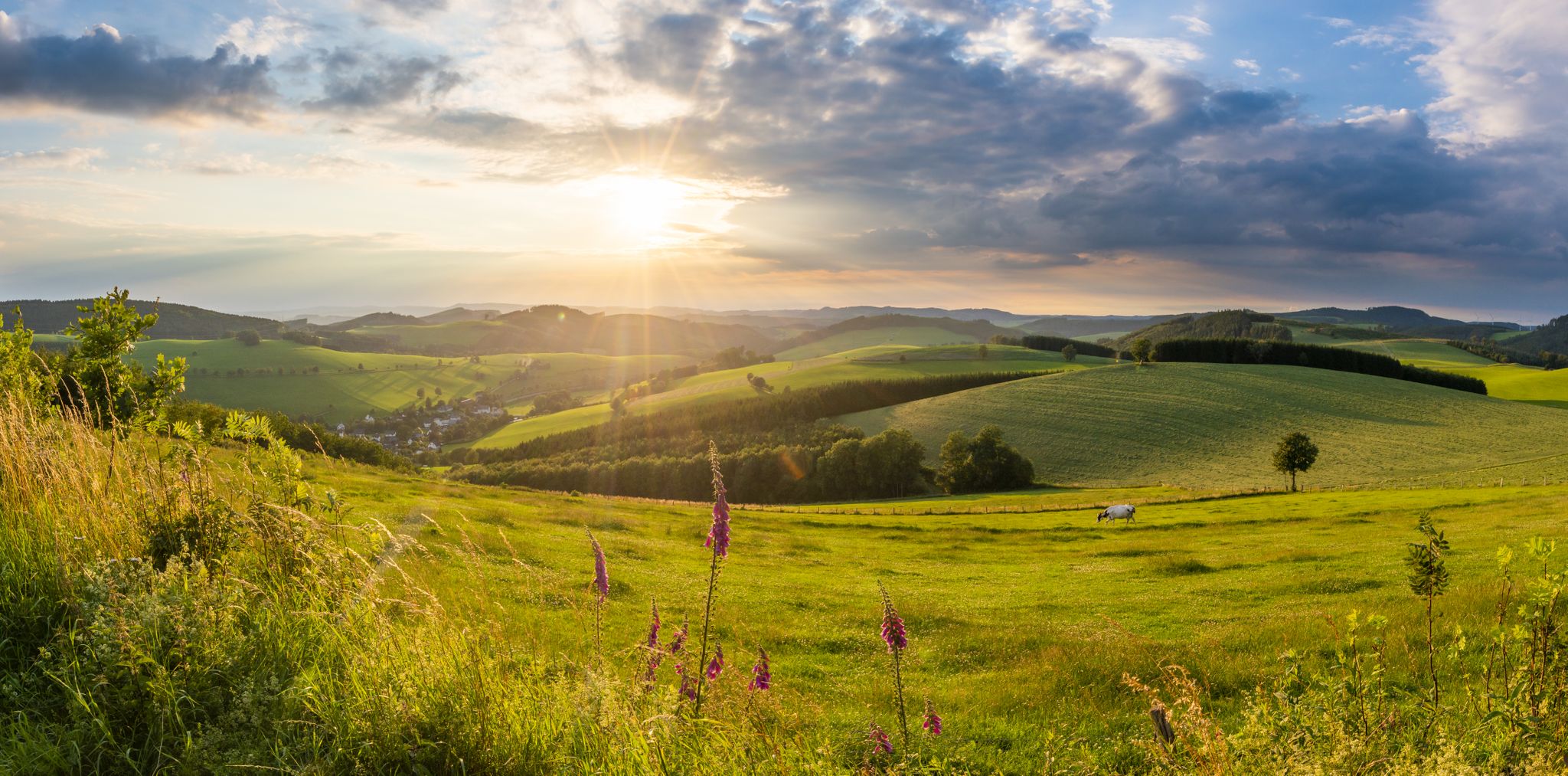
Golden autumn – hiking in the Schmallenberger Sauerland
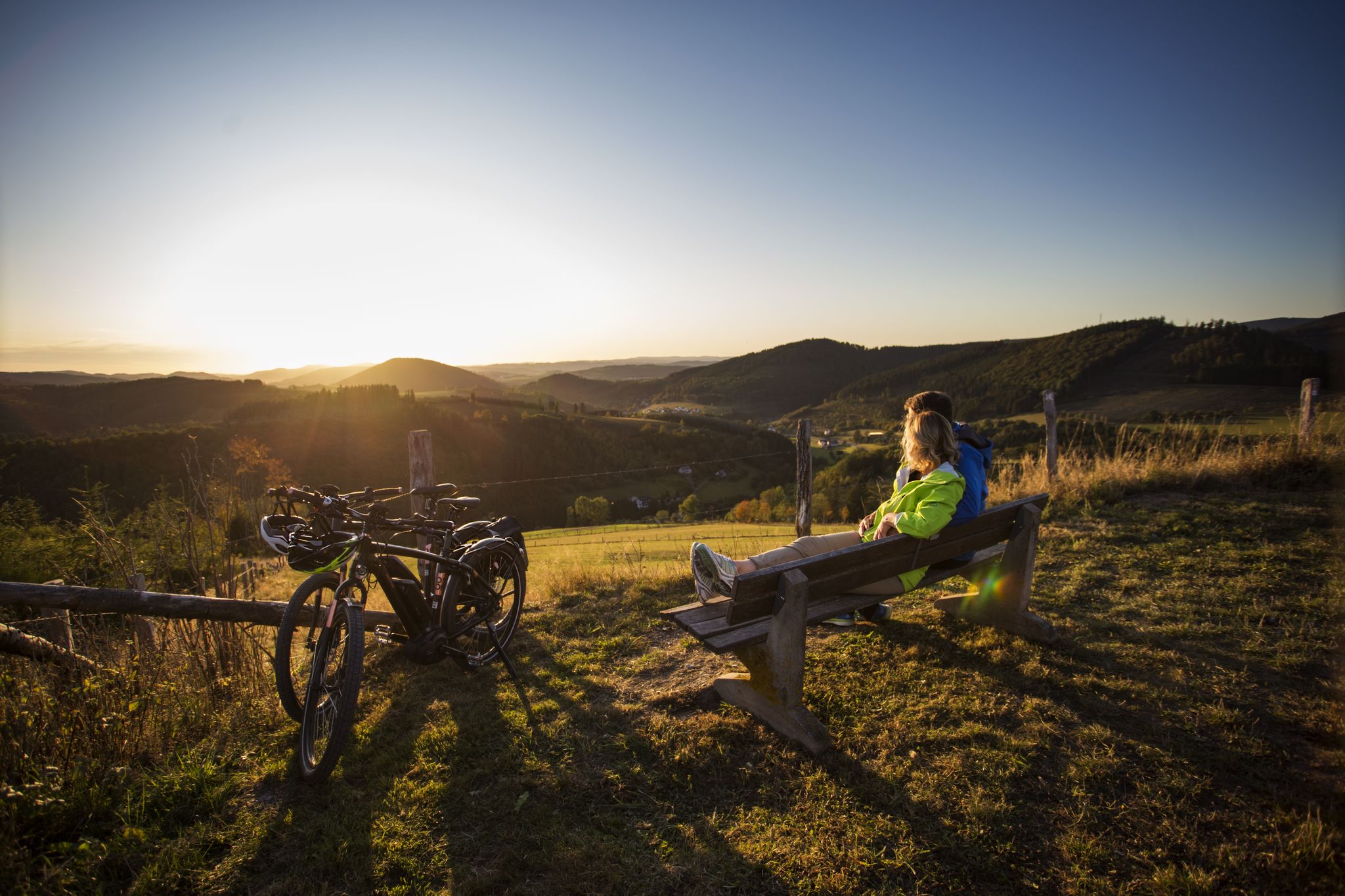
Over hill and dale – e-biking in Germany’s Schmallenberg Sauerland
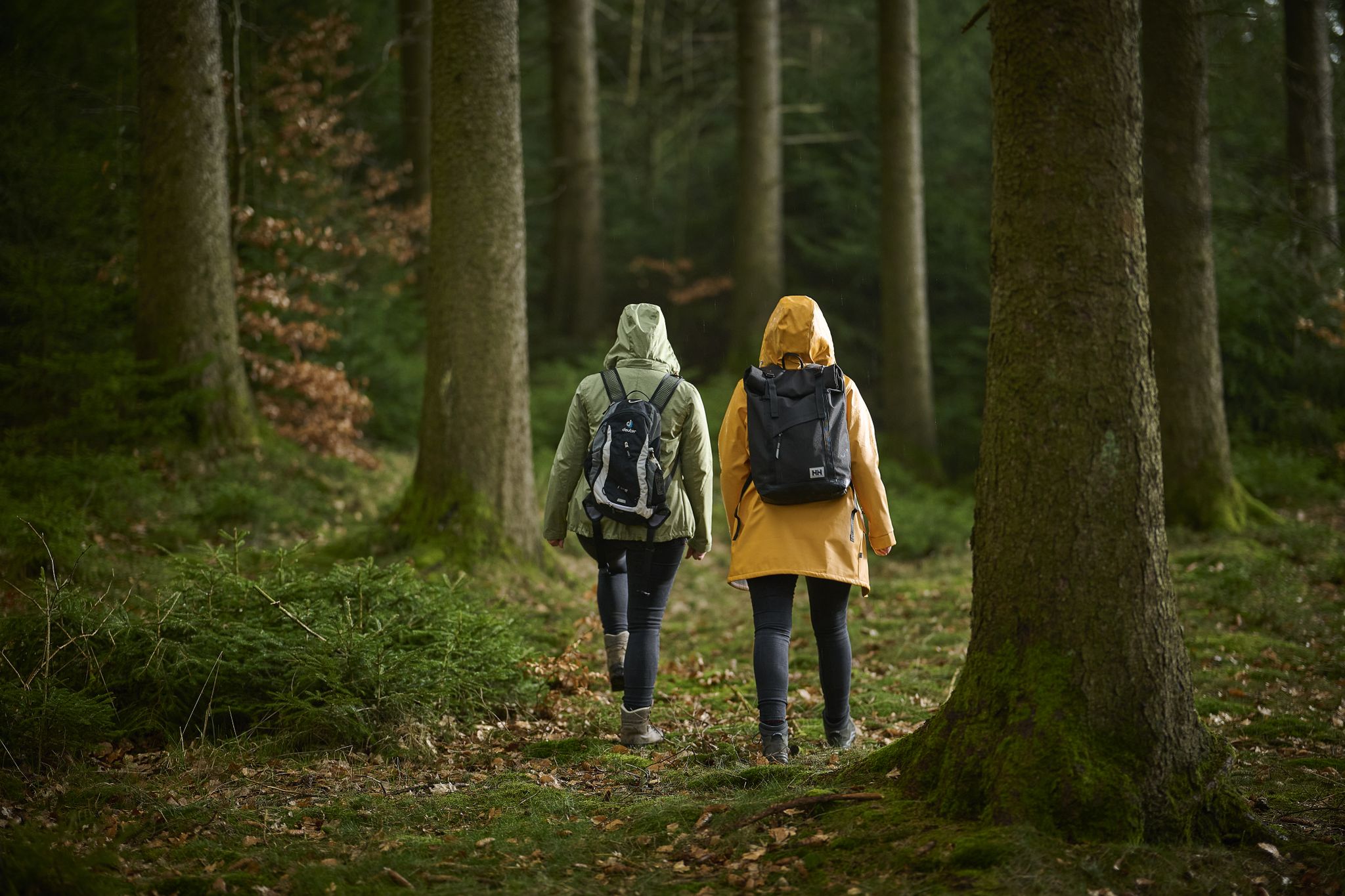
Wildwetterwandern im Sauerland – Herbstnatur hautnah
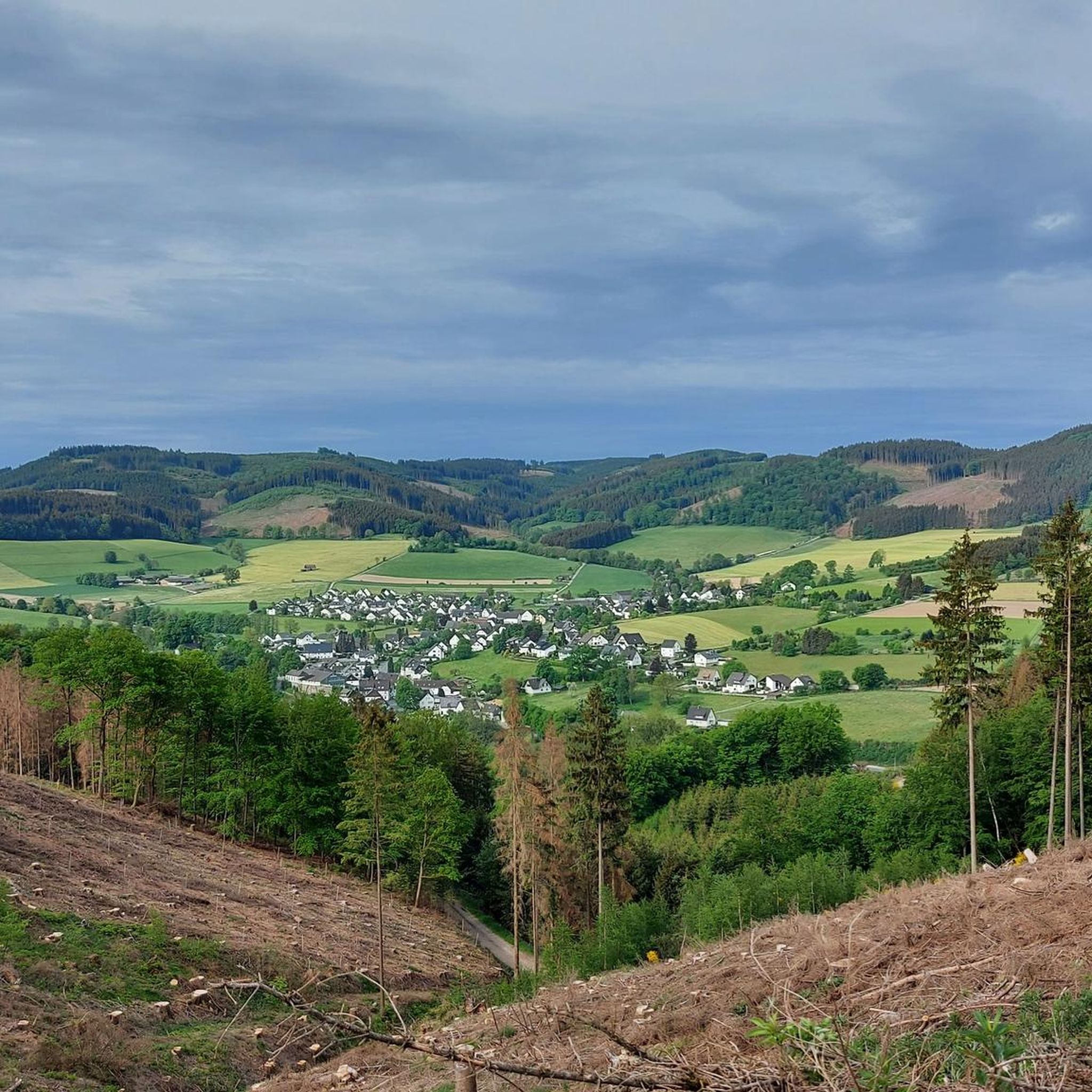
Hiking around Eslohe
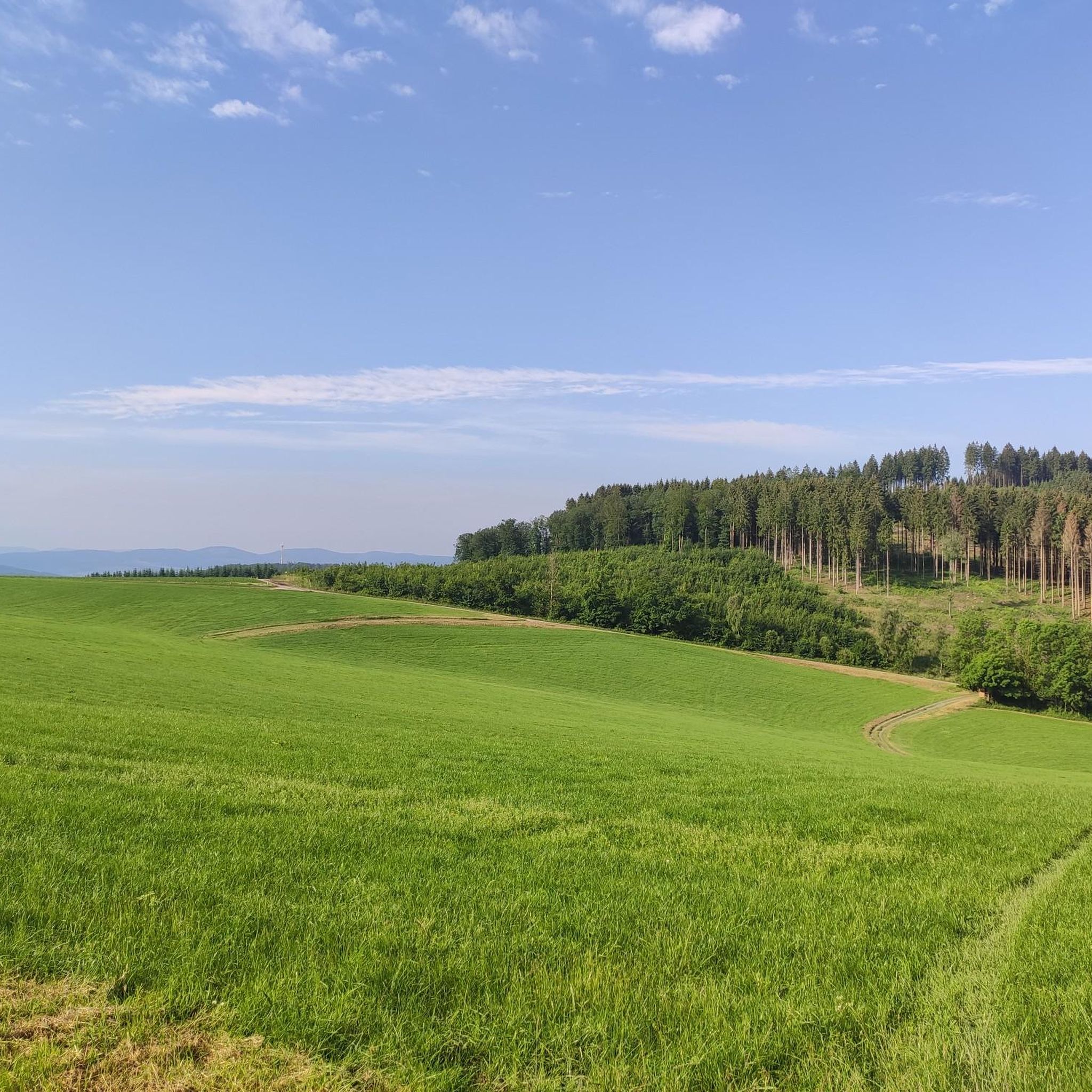
Cycling around Eslohe
Other adventures around Eslohe


Tips from the Community

There is also a light switch on this tunnel with which you can bring light into the darkness and get an insight.
0
0

The ice cellar was used by the brewery until 1895 to store the ice broken in winter to cool the beer in summer. A cooling machine has been doing this job since 1895!
3
0

Former slate adit of the Felicitas mine. There is clear information about this on the boards set up along the Sellinghauser Bergmannspfad
1
0

"Silberkuhle" near Bödefeld Around the middle of the last century, German industry was still in its infancy. In the Ruhr area, the collieries and iron works increased. In our quiet mountain country, however, the inhabitants sought their income in agriculture, in forestry and in modest commercial enterprises, as they had always done. During this time, an attempt was made to set up a large industrial company in our homeland, which would give work and bread to thousands of people. At that time, the reputation of Westphalian California went through the Sauerland. Foreign companies, the English and mainly the French had made the decision to thoroughly exploit the Ramsbecker ore deposits and to build up a large industry there. Zinc and silver ores were mined. Silver ore in particular was in great demand. So, in several places in the parish of Bödefeld, digs were made for ore
0
0

There are many interesting information boards along the Bierbrau Wunderweg. A very well maintained path.
0
0

The former ice cellar of the Veltins brewery
0
0

The tunnel is closed with a grid. The bat needs rest. 😁
1
0

The tunnel is approx. 100m long only 29m above the level of the Valme. A light switch outside allows you to look deep into the tunnel.
1
0
Frequently Asked Questions
What types of "caves" can I explore around Eslohe?
Eslohe offers a diverse range of underground experiences, from historical mine tunnels like the Silberkuhle Mine near Bödefeld, which was used for zinc and silver extraction, to former industrial sites repurposed for recreation. You'll find old ice cellars, healing tunnels, and even a historic railway tunnel that now serves as a bat habitat.
Are there any caves around Eslohe that are particularly family-friendly?
Yes, the Veltins Ice Cellar is considered family-friendly. It offers a historical insight into how the Veltins brewery once stored ice for cooling beer. The Kückelheim Tunnel, while not a natural cave, is also a unique experience for families cycling the SauerlandRadring, though it's closed during bat hibernation.
What historical insights do the caves around Eslohe offer?
The region's underground sites provide a rich glimpse into its past. The Veltins Ice Cellar showcases brewing history, while the Silberkuhle Mine near Bödefeld and the Josephus Tunnel highlight the area's zinc and silver ore mining heritage. The Abela Healing Tunnel is a former slate mine, and the Kückelheim Tunnel was originally a railway tunnel from 1910.
Is there a cave around Eslohe known for its natural features or wildlife?
The Kückelheim Tunnel, often called the Bat Tunnel, is a significant natural habitat. This former railway tunnel is a vital winter roosting site for various bat species, including whiskered bats and greater mouse-eared bats. To protect these animals, the tunnel is closed annually from late October to early April.
Can I visit the Kückelheim Tunnel, and what should I know about it?
Yes, you can visit the Kückelheim Tunnel, which is a highlight of the SauerlandRadring cycling route. It's 689 meters long and maintains a constant temperature of 8-9°C. However, it is closed annually from late October to early April to protect hibernating bats. During this period, a detour is provided for cyclists. Inside, you'll find dim lighting, damp brickwork, and historical safety niches.
Are there any healing or therapeutic tunnels near Eslohe?
Yes, the Abela Healing Tunnel (Former Slate Mine Grube Felicitas) in Bad Fredeburg offers a unique therapeutic experience. Visitors can breathe in soothing, pollen-free air in this former slate tunnel, which maintains a constant 9° Celsius and nearly 100% humidity. It's known for its pure air and laminar airflow.
What outdoor activities can I combine with a visit to the caves around Eslohe?
The region around Eslohe is excellent for outdoor activities. The Kückelheim Tunnel is part of the popular SauerlandRadring, making it ideal for cycling. You can also find numerous routes for mountain biking, cycling, and running. Explore guides like MTB Trails around Eslohe, Cycling around Eslohe, and Running Trails around Eslohe for routes that pass by or near these unique underground sites.
Are there any challenging or adventurous cave experiences near Eslohe?
The Huxel Mine Entrance is described as quite interesting for adventurers, though it's not easily accessible and is now closed with a grille to protect bats. For more accessible experiences, the historical mine tunnels offer a glimpse into the region's industrial past, often with dim lighting and unique environments.
What do visitors enjoy most about the caves around Eslohe?
Visitors appreciate the unique blend of history and nature. The transformation of industrial sites like old mines and railway tunnels into recreational paths or bat habitats is a highlight. The cool, constant temperatures inside these underground structures offer a refreshing experience, especially during warmer months, and the historical context is often well-documented with information boards.
Are there any show caves with guided tours near Eslohe?
While Eslohe itself primarily features historical tunnels and repurposed underground structures, the wider Sauerland region is known for impressive natural stalactite caves like Dechenhöhle, Heinrichshöhle, Balver Höhle, Reckenhöhle, and Bilsteinhöhle, which often offer guided tours. These are located further afield from Eslohe.
What is the best time of year to visit the caves and tunnels around Eslohe?
The best time to visit depends on the specific site. The Kückelheim Tunnel (Bat Tunnel) is closed annually from late October to early April for bat hibernation, so avoid these months if you wish to pass through it. Other historical tunnels and ice cellars are generally accessible year-round, offering a cool escape in summer and a unique experience in other seasons.
Can I bring my dog to the caves or tunnels near Eslohe?
Specific rules for dogs vary by location. While many outdoor trails in the Sauerland are dog-friendly, access to the interior of tunnels or historical sites like the Abela Healing Tunnel may be restricted. For the Kückelheim Tunnel, dogs are generally allowed on the SauerlandRadring, but always keep them on a leash and be mindful of other cyclists and the bat habitat.
Most popular routes around Eslohe
Most popular attractions around Eslohe

Get inspired with the komoot mobile app


Explore more
Extend your search for the best caves by checking out these guides of the top ones around Eslohe:
